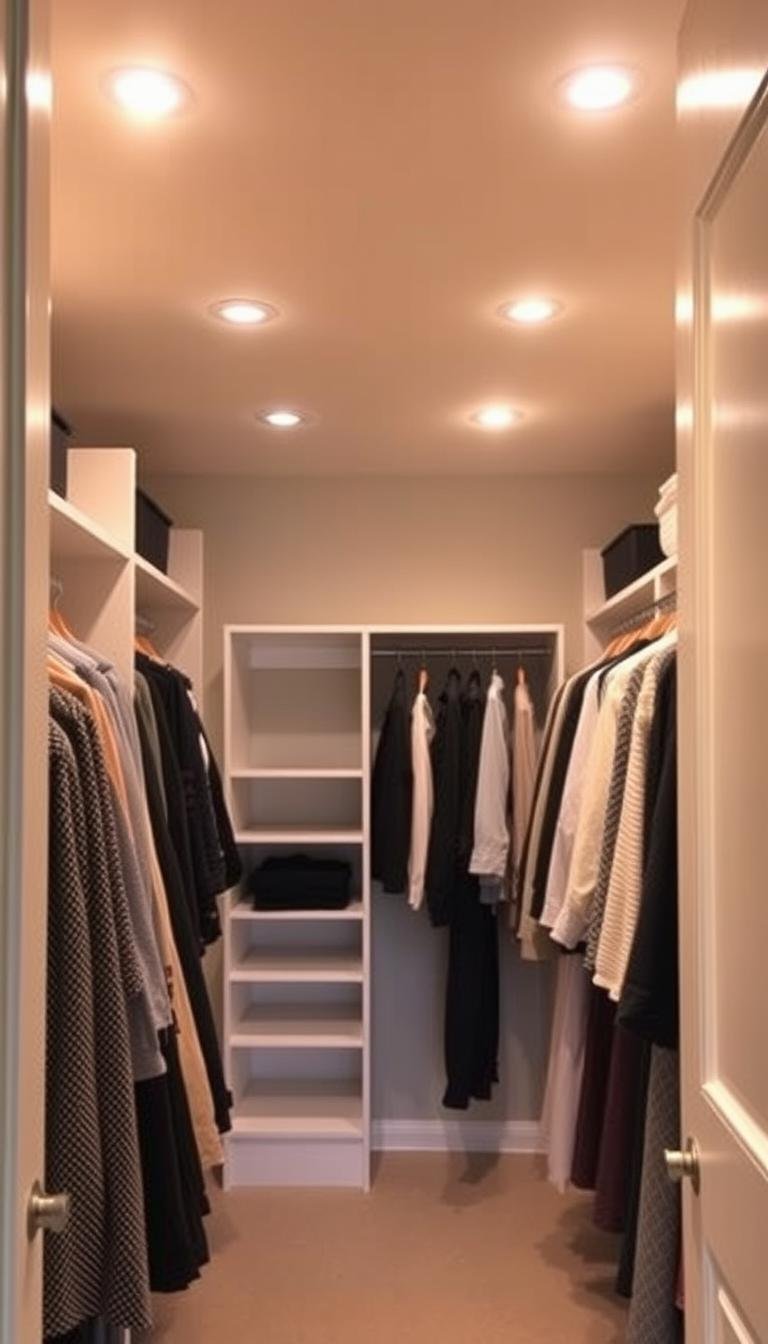
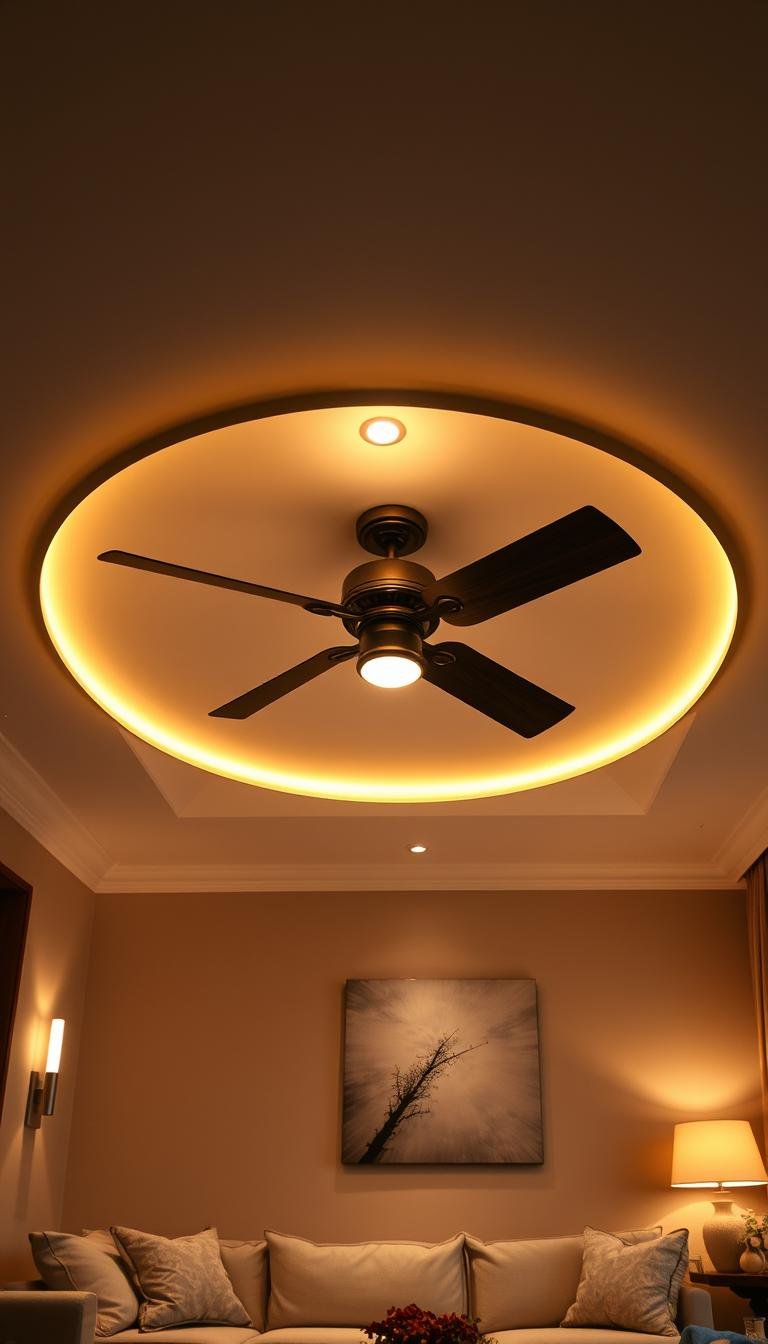
Good lighting is not one bright fixture. It is a set of light sources that support movement, tasks, atmosphere and the way a room looks after dark. Start with what people need to do, then decide where light should come from and how each layer will be controlled.
The useful order is room use → natural light → ambient light → task light → accent light → controls → color temperature → fixture style.
1. Start with the job, not the fixture
A sculptural pendant can be beautiful and still fail as the room’s only source of light. Before shopping, write down what happens in the space and where each activity occurs.
| Activity | Lighting need |
|---|---|
| Walking through a room | Comfortable ambient light without severe dark zones. |
| Reading | Focused task light positioned to illuminate the page without glare. |
| Cooking | Useful light on work surfaces, especially where overhead fixtures create body shadows. |
| Bathroom grooming | Even face lighting with limited shadow and glare. |
| Dining and entertaining | Flexible ambient light with softer lower-level sources for atmosphere. |
| Artwork and shelving | Controlled accent light where highlighting adds depth. |
2. Understand the three lighting layers
Ambient lighting
Ambient light provides the general level of illumination used for moving through and understanding the room. It may come from ceiling fixtures, recessed lighting, wall lights, uplights or a combination.
Task lighting
Task light is placed where a specific activity happens. Table lamps, reading lamps, under-cabinet lights, desk lamps and mirror lighting can all serve this role. Task lighting should be close enough to the activity that it does not need to flood the entire room.
Accent lighting
Accent light adds hierarchy and depth. It can highlight artwork, shelves, textured walls or architectural details. It should be purposeful. Lighting every object equally removes the contrast that makes accent lighting useful.
3. Map daylight before adding artificial light
Look at the room in the morning, afternoon and evening. Note which areas remain dark, which windows create glare and where daylight changes significantly through the day.
A north-facing room, deep-plan room or basement space may need artificial light for much of the day. A bright south-facing room may need less daytime illumination but stronger glare control.
If the room is naturally dark, read how to make a dark room feel warm. The strategy often works better when you accept the room’s lower light level and create deliberate pools of warm illumination.
4. Put task light close to the task
Task lighting is most effective when it is positioned deliberately. A reading lamp should illuminate the reading area. Kitchen worktops benefit from light that reaches the surface without being blocked by the person standing in front of it. A desk lamp should reduce the need to work under a bright room-wide ceiling light.
For kitchen work zones, see our under-cabinet lighting guide. For bedside reading, use the bedside sconce placement guide.
5. Avoid the ceiling-only lighting trap
Rooms lit only from above can look flat and can create harsh shadows on faces, walls and furniture. Adding lamps or wall lights at lower heights creates visual depth and lets people use less overall brightness when they want a calmer atmosphere.
In living rooms, pair ambient light with floor or table lamps near seating. In bedrooms, bedside light is usually more useful than relying only on a ceiling fixture. In dining rooms, a pendant or chandelier can become one layer rather than the entire plan.
6. Choose color temperature by use and atmosphere
Color temperature is measured in kelvin and describes whether white light appears warmer or cooler. Lower values generally look warmer; higher values appear cooler.
There is no single correct number for every room. Warm light often suits living rooms, bedrooms and dining areas because it supports a relaxed atmosphere. Neutral light can be useful in kitchens, bathrooms and workspaces when color clarity matters.
What matters most is avoiding accidental mixtures that make one corner of a room look orange and another look blue unless that contrast is intentional.
7. Pay attention to color rendering
Light affects how paint, textiles, food, skin and artwork appear. When color accuracy matters, compare the lamp’s color-rendering information rather than buying on brightness alone.
For spaces where finishes were carefully selected, test the proposed lamps in the actual room before replacing every bulb. Paint and fabric can shift noticeably under different light sources.
8. Use dimming where flexibility matters
Dimming can let one fixture support several situations, but the lamp, driver and dimmer must be compatible. Do not assume every LED lamp will dim smoothly with every control.
Where fixed wiring or controls need to be changed, use qualified electrical help and follow local requirements. For rentals, our renter-friendly dimming guide focuses on reversible options.
9. Living room lighting
Living rooms usually benefit from several smaller sources rather than one extremely bright source. Put task light near reading seats, add ambient light for movement, and use one or two accent sources to create depth.
See the living room design guide for how lighting fits with furniture, rugs and focal points.
10. Bedroom lighting
Bedrooms need light for dressing and cleaning as well as winding down. Use brighter general illumination when required, then give bedside or low-level sources separate control so the room can become calmer at night.
Read the bedroom design guide for the full planning sequence.
11. Kitchen lighting
Kitchens need useful work-surface light. A ceiling grid can still leave counters dark when upper cabinets or the cook’s body block the beam. Under-cabinet lighting can fill that gap when it is appropriate for the cabinetry and electrical setup.
Island pendants should be planned around the island length, ceiling height, sightlines and the size of the fixtures. See pendant spacing over a kitchen island and kitchen island pendant height.
12. Bathroom lighting
Bathroom lighting should balance visibility with comfort. Mirror lighting works best when it reduces strong facial shadows rather than relying on one intense downlight directly above the head.
Bathrooms have specific electrical safety requirements. Fixture suitability depends on location and applicable local rules, so use products approved for the intended area and qualified electrical installation where required.
13. Hallway and entry lighting
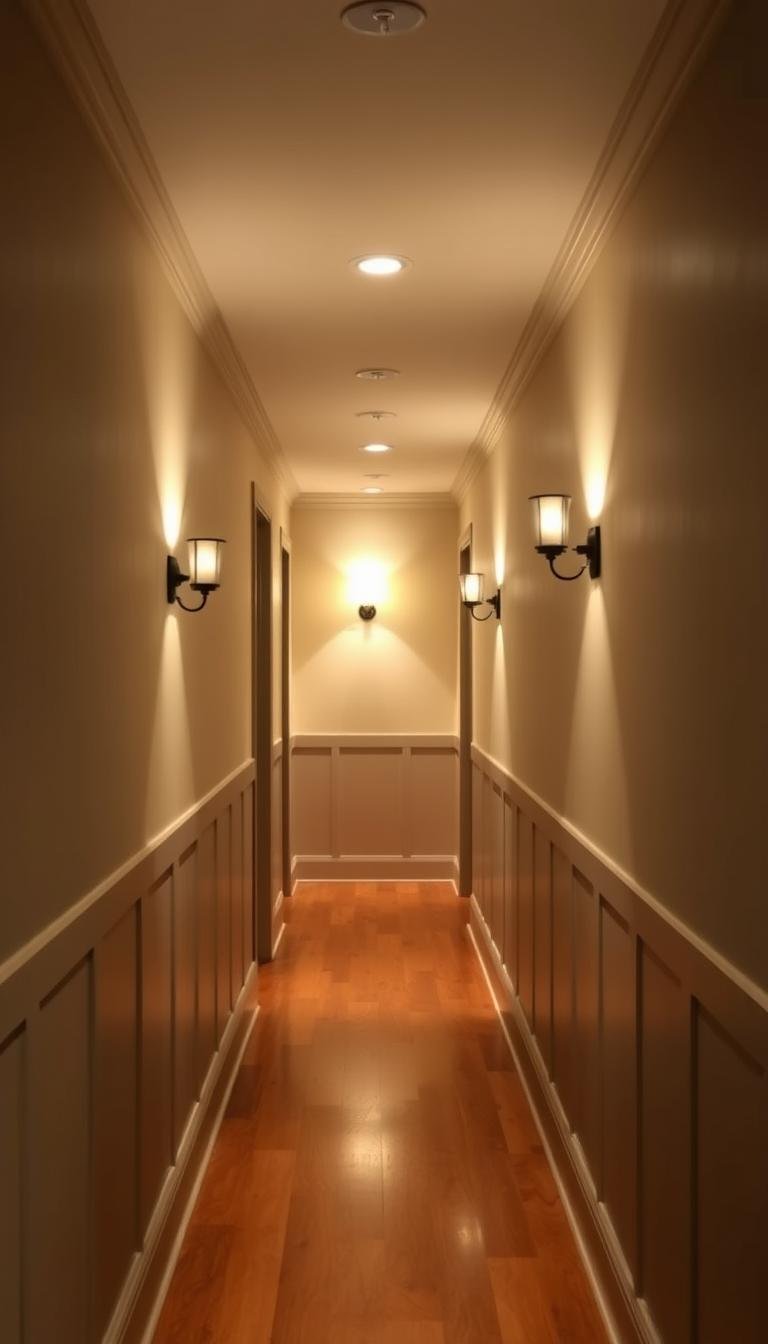
Hallways often need more than a bright ceiling source. Wall lights, picture lights or low-level sources can make a narrow passage feel more deliberate and help artwork or architecture read after dark.
See lighting a dark hallway without overhead wiring for reversible approaches.
14. Dining lighting
A dining fixture should relate to the table and room rather than simply being centered on the ceiling. If the table position is fixed, the light should visually belong to that furniture group.
Use dimming or secondary lamps where possible so the room can move between practical brightness and evening atmosphere.
15. Picture and accent lighting
Picture lights can give artwork more presence and introduce a useful low-level layer. Cordless versions can work where wiring is not available, but compare battery access, charging frequency, beam spread and mounting method before buying.
Accent lighting should not damage sensitive artwork through heat, ultraviolet exposure or excessive intensity. Follow the artwork, lamp and fixture guidance when preservation matters.
16. Fixture scale comes after the lighting plan
Once the lighting jobs are clear, choose fixtures that suit the room’s scale. A tiny pendant can look lost over a large island. An oversized floor lamp can crowd a small seating area. Mock up widths and hanging positions with cardboard or tape before ordering large pieces.
17. Control glare
Glare can come from visible bare lamps, highly reflective surfaces, screens or fixtures positioned directly in a seated line of sight. If a room feels harsh even when it is not very bright, glare may be the problem.
Use shades, diffusers, lower output, repositioning or indirect light to reduce visual discomfort rather than simply turning every source down.
18. A practical home lighting checklist
- Every main activity has a useful light source.
- There is enough ambient light for safe movement.
- Task lights are placed close to the tasks they support.
- Accent lighting is selective rather than everywhere.
- Important layers can be controlled independently where practical.
- Color temperature is reasonably consistent within connected spaces.
- Fixtures do not create uncomfortable glare.
- Bulbs, dimmers and drivers are compatible.
- Electrical work and wet-area fixtures follow applicable requirements.
Explore lighting by room and fixture type
Continue through the Dwelanor Lighting library for pendants, sconces, cordless lighting, under-cabinet lighting and room-specific placement. Good lighting is a system, so make the next decision based on what the room still needs rather than on the next fixture you happen to like.