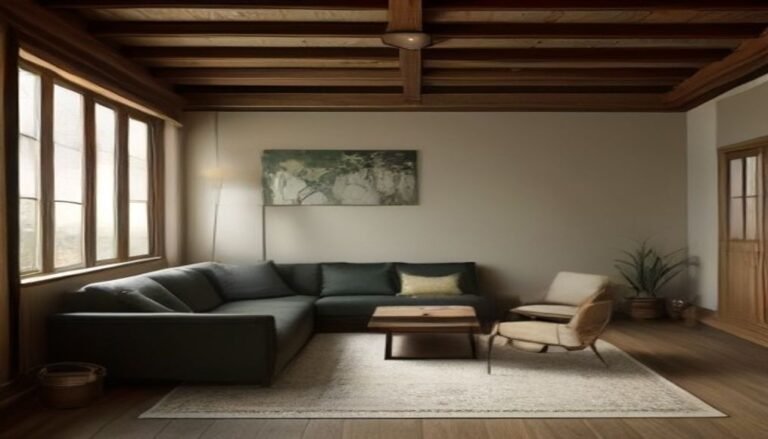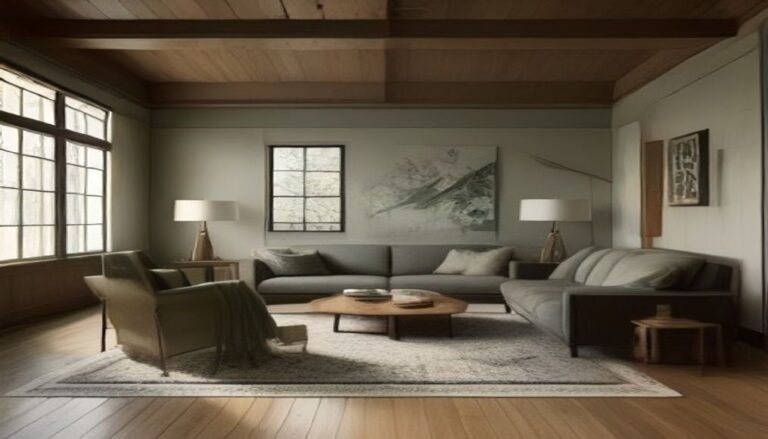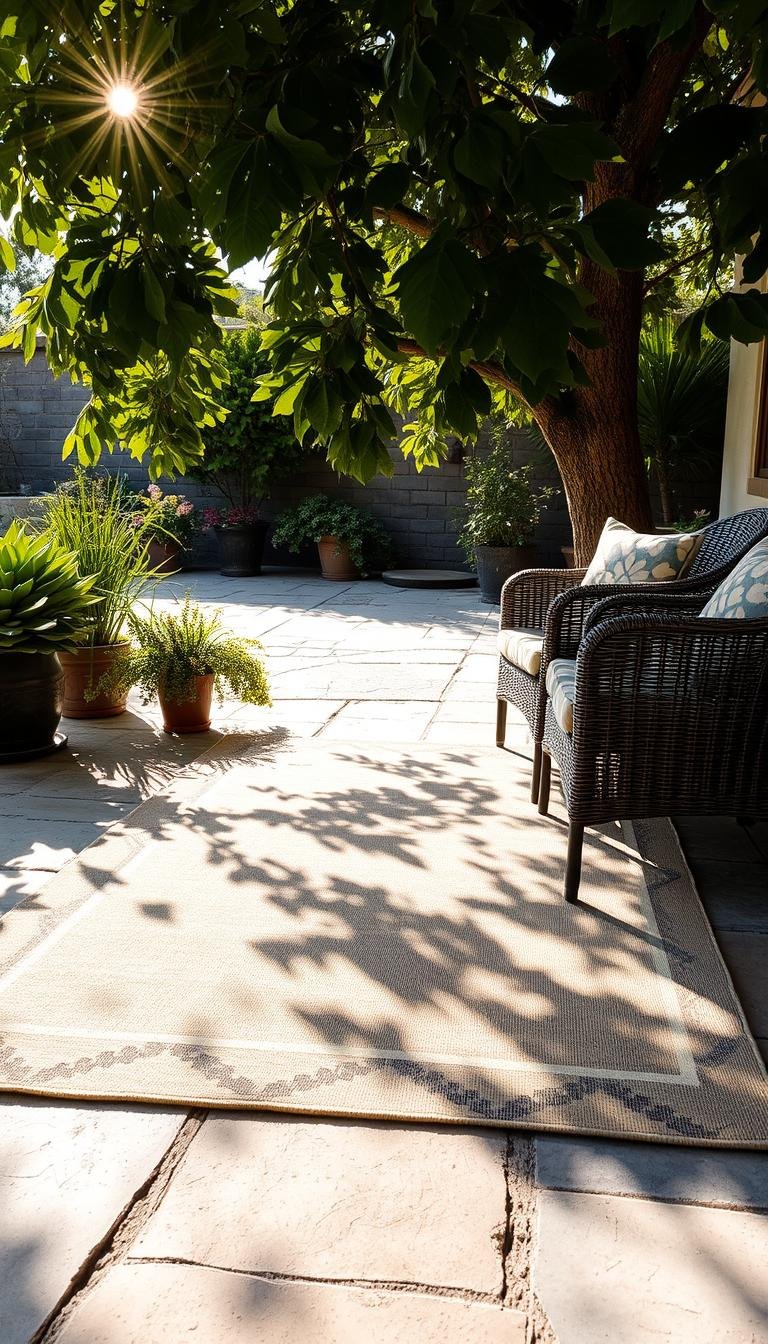
The right rug is chosen by room use, size, construction and maintenance before color or pattern. Start with the furniture layout, decide how the rug needs to perform, then compare materials and construction that suit the household.
The practical sequence is room use → furniture footprint → rug size → material → construction → pile → color and pattern → rug pad → care.
1. Start with the room and its real workload
A dining rug deals with chair movement and food. A bedroom rug is more about comfort underfoot. A living room rug needs to hold a furniture group together while tolerating the household’s daily traffic.
| Room | Main priorities |
|---|---|
| Living room | Scale, furniture connection, durability, comfort and cleaning. |
| Bedroom | Softness, placement around the bed and ease of cleaning. |
| Dining room | Chair movement, cleanability, stain resistance and enough size for the full dining setup. |
| Hallway | Low profile, stable placement, traffic durability and door clearance. |
| Entry | Dirt management, moisture awareness, durability and easy maintenance. |
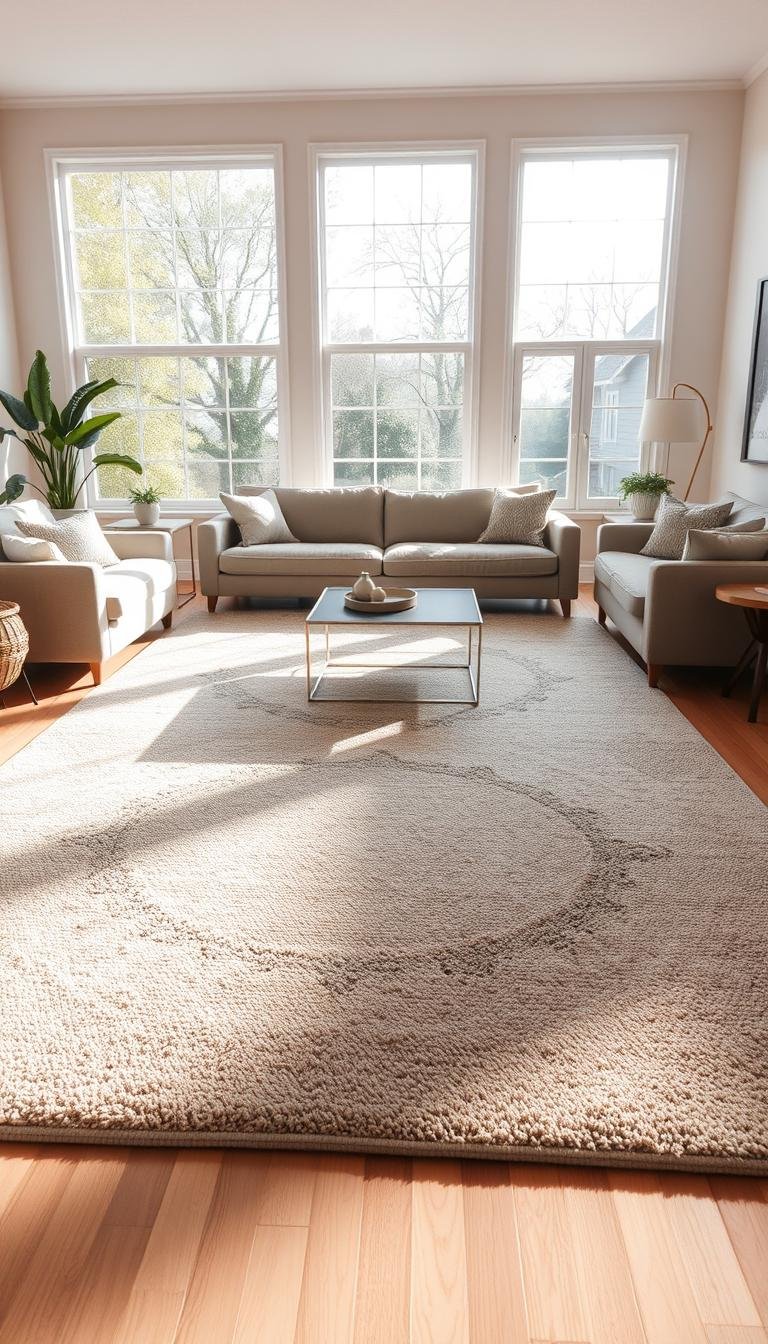
2. Size the rug to the furniture composition
Rug size should follow the furniture arrangement. A rug that is too small can make otherwise well-scaled furniture feel disconnected. Before ordering, mark likely rug dimensions on the floor with painter’s tape.
Living room
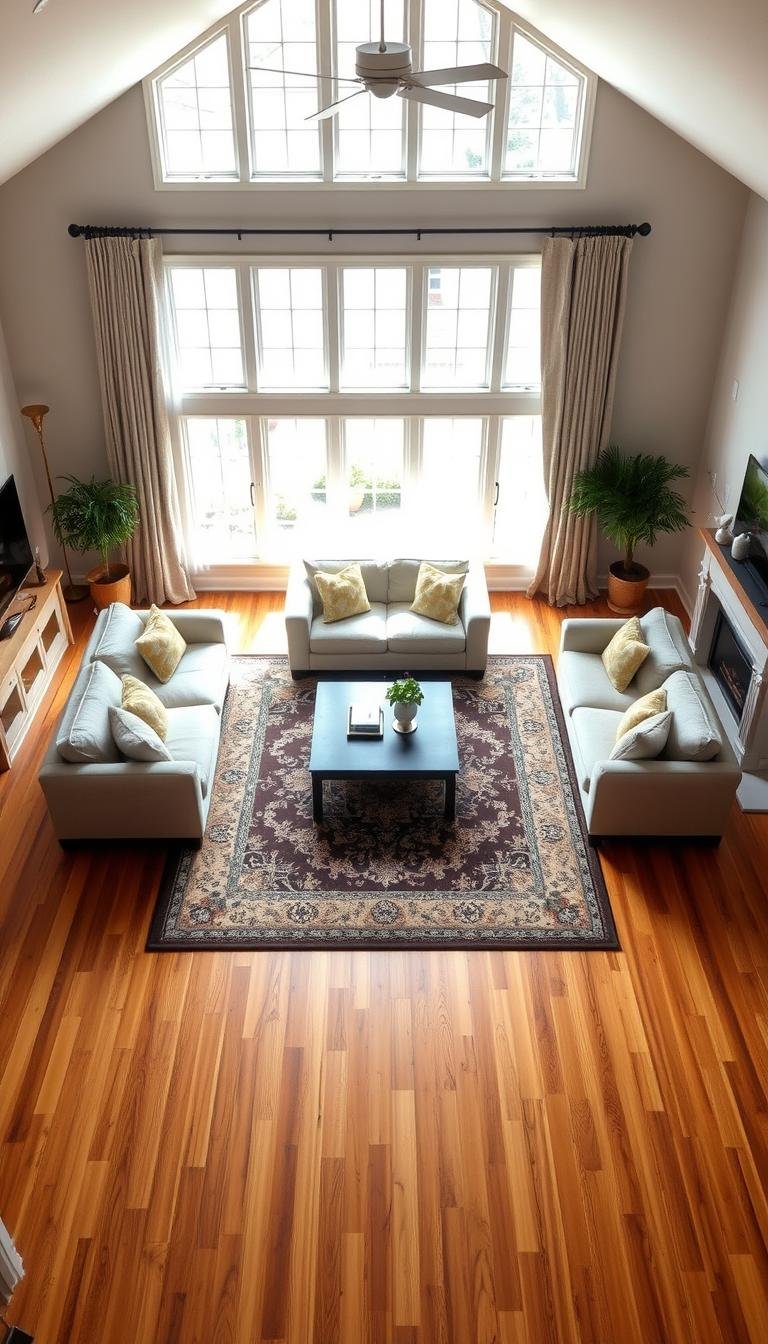
Think of the rug as the visual floor of the seating group. In many rooms, the main sofa and chairs should overlap the rug enough that the group reads as one composition. The exact relationship depends on room size and furniture depth.
If the room is small, see our small living room playbook. For the complete room sequence, use the living room design guide.
Bedroom
Plan how much rug you want to feel beside and at the foot of the bed. The rug can sit under the lower portion of the bed or extend farther toward the headboard depending on room size and nightstand placement.
For a king-size bed, use our king bed rug size guide.
Dining room
Dining rugs need enough area for chairs to move through normal use without repeatedly catching the rug edge. Test the fully pulled-out chair positions, not only the tucked-in dining set.
Hallway and runner rugs
A runner should leave intentional floor visible at the sides while remaining stable and clear of door swings. Our hallway runner width guide covers the proportion in more detail.
3. Understand rug materials without treating fiber as the whole answer
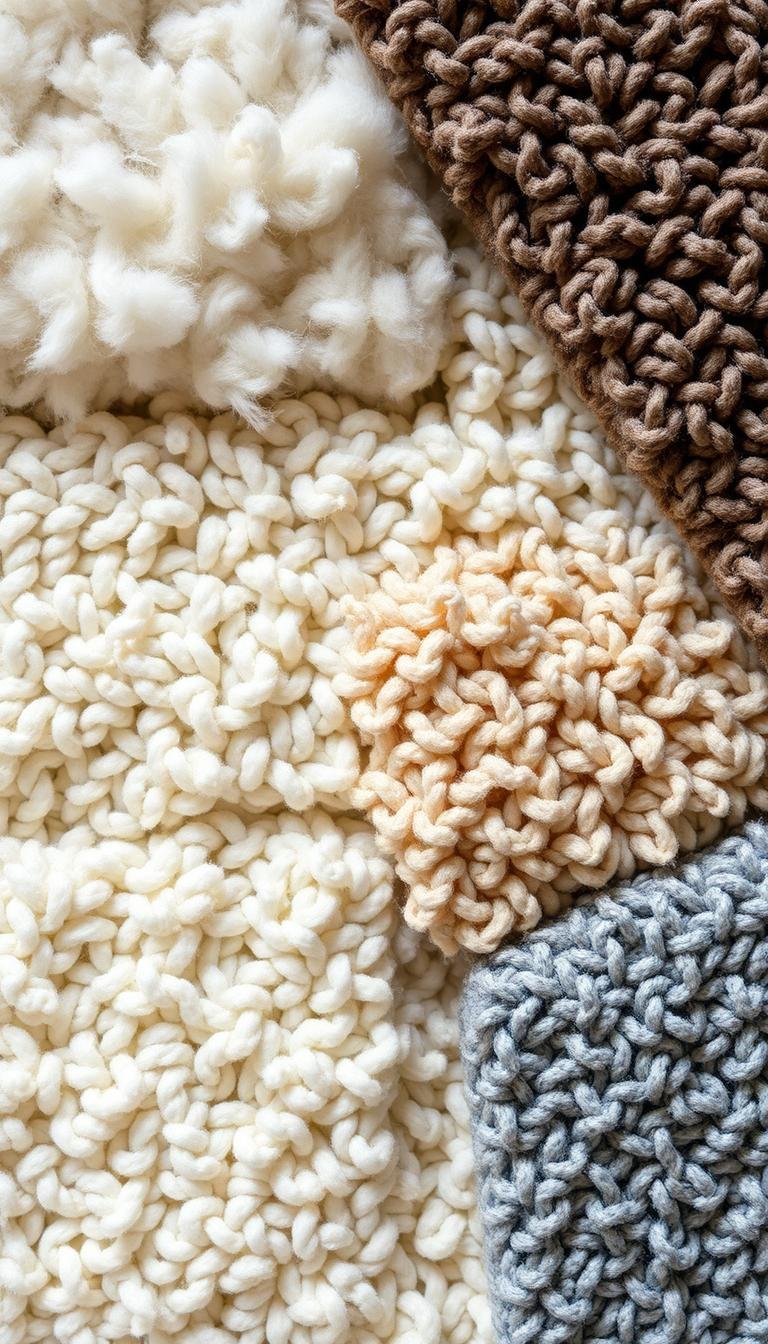
Fiber matters, but construction, density, finish, backing and care instructions can change how two rugs made from the same broad material behave. Always check the exact manufacturer’s specifications.
Wool
Wool can offer resilience, warmth and a substantial hand. It can shed, particularly when new, and care requirements vary by construction and dye. Price also varies widely.
Cotton
Cotton rugs are often lighter and more flexible. Some small flatweaves may be washable, but washing instructions depend on the exact product and backing.
Polypropylene and other synthetics
Synthetic fibers can be useful where easy maintenance, moisture resistance or budget matters. Performance varies by weave and backing, so do not assume every synthetic rug is equally stain-resistant or suitable for outdoors.
Polyester
Polyester can produce soft texture and strong color. Compare pile recovery, cleaning instructions and the amount of traffic the product is designed to handle.
Viscose, rayon and related fibers
These can create a soft sheen but may require more careful cleaning and may show moisture or pile changes. Check the care guidance before placing one in a spill-prone area.
Natural plant fibers
Jute, sisal and similar fibers bring strong texture. They vary significantly in softness, staining behavior and moisture tolerance. They are not interchangeable simply because they are all described as natural.
4. Construction changes how a rug behaves
| Construction | What to consider |
|---|---|
| Hand-knotted | Often durable and repairable, but quality and price vary with materials and workmanship. |
| Hand-tufted | Can provide dense pile at a lower cost than hand-knotting. Check backing and care requirements. |
| Machine-woven | Can offer consistent construction and a wide range of price points and materials. |
| Flatweave | Low profile and often easier around doors or dining chairs, though cushioning is limited. |
| Shag or high pile | Soft and visually rich, but more demanding around debris, pets, chair movement and some vacuums. |
5. Choose pile height around how the room is used
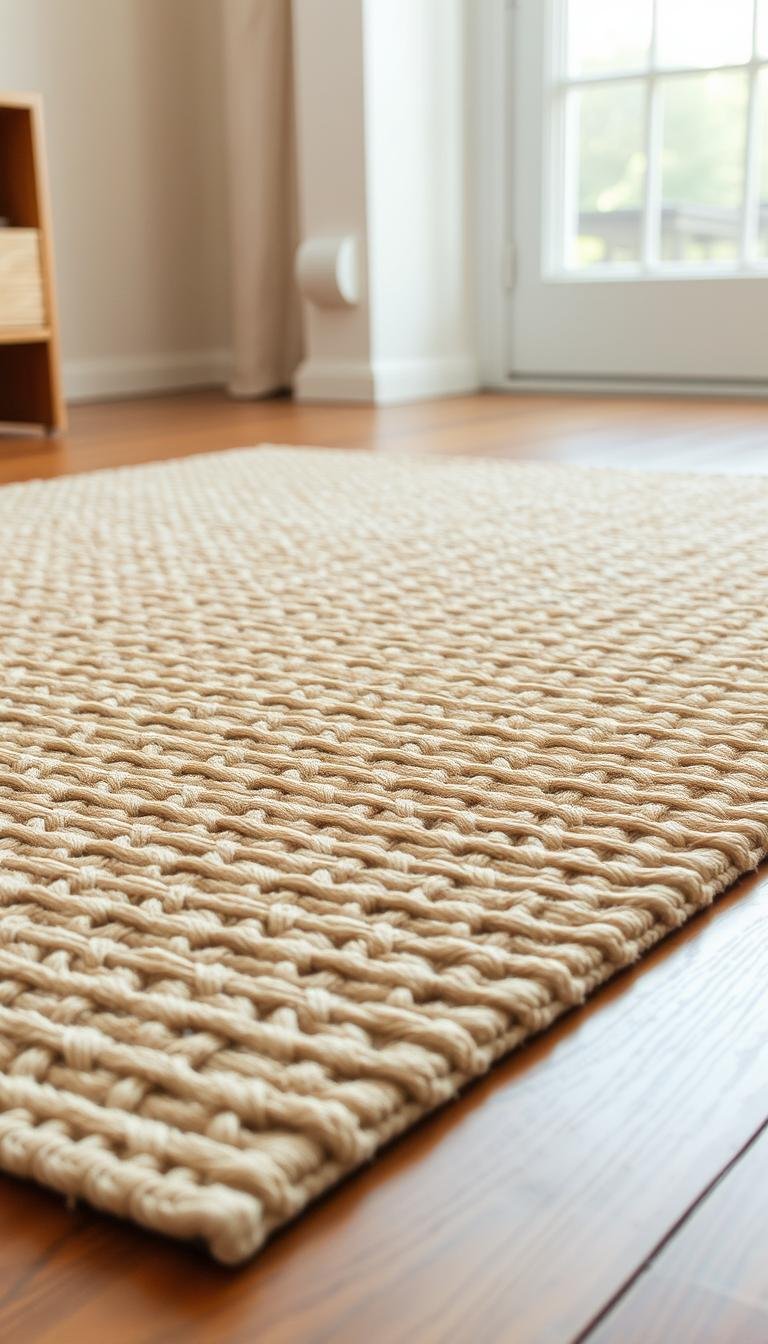
Low-pile and flatwoven rugs tend to work well where doors swing low, dining chairs move frequently or cleaning access matters. Medium pile can add comfort without becoming difficult to maintain. High pile is more of a commitment and works best where softness matters more than easy chair movement or quick debris removal.
Check whether the vacuum you use is compatible with the rug’s pile and construction. Strong rotating brushes can be unsuitable for some delicate rugs.
6. Match color and pattern to real life
Pattern can be useful in active rooms because it breaks up small marks and visual wear. Very light solid rugs show contrast more readily, while very dark rugs can show lint and pale pet hair.
Bring samples into the room where possible. Natural light, artificial light and neighboring colors can change how a beige, grey, green or cream rug reads throughout the day.
A rug does not need to match every color in the room. It needs to connect enough of them that the composition feels intentional.
7. Plan for pets, children and spills honestly
No rug is secretly immune to stains. If spills are likely, prioritize products with clear cleaning instructions and materials suited to the household. For pets, also consider claw interaction, shedding visibility, odor retention and whether the rug can be lifted for cleaning.
Keep the manufacturer’s care instructions. Aggressive spot treatments can permanently change color or texture even when the stain itself is removed.
8. Use a rug pad for the job it actually needs to do
A rug pad can add grip, cushioning, floor protection or a combination of these. The right pad depends on the rug, floor finish and any radiant heating system below.
Use a pad described as compatible with both the rug and the flooring. Some backing materials can react with floor finishes over time.
Continue with our rug pad guide and rug pads for heated floors when those conditions apply.
9. Prevent sliding and curling by solving the cause
Movement can come from a rug that is too light, an incompatible pad, smooth flooring or furniture that does not overlap the rug. Curling can come from shipping, construction, moisture, heat or damage.
Do not keep adding strong adhesives without checking compatibility. See how to deal with curling rug corners for a cause-first approach.
10. Think about cleaning before buying
Ask how the rug will actually be maintained. Can it be vacuumed with your existing machine? Is spot cleaning allowed? Does it require professional cleaning? Is the rug light enough to move when the floor beneath needs attention?
For dining rooms, entries, children’s spaces and pet-heavy homes, maintenance should influence the purchase as much as appearance.
11. Layering rugs can solve both scale and texture
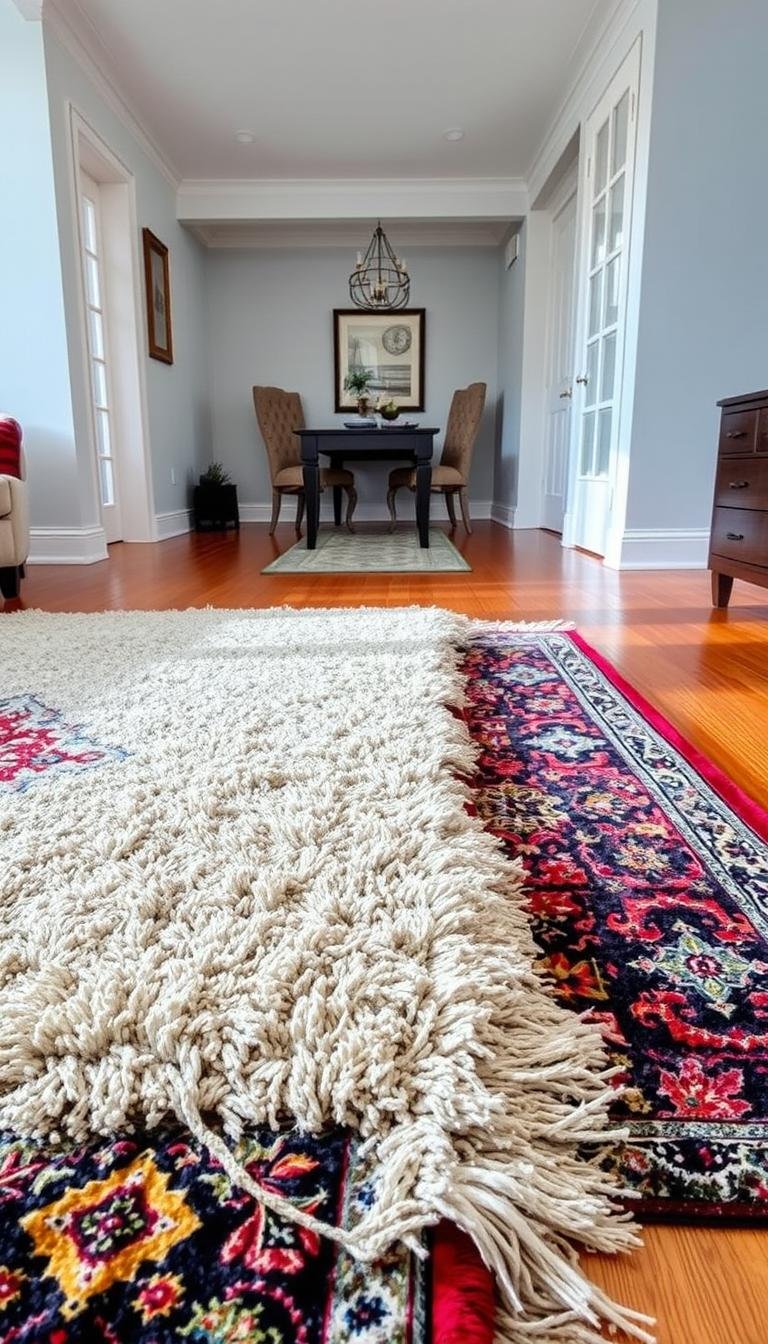
Layering can work when you want a larger neutral foundation with a smaller patterned rug on top, or when one rug alone does not provide the desired texture. The layers must remain stable and should not create a trip edge in the walking path.
Our rug layering guide covers layout and high-traffic considerations.
12. The rug buying checklist
- Measure the room and furniture layout.
- Mock up the rug size on the floor.
- Identify the room’s traffic, spill and pet conditions.
- Check fiber, construction, pile and backing.
- Read the exact care instructions.
- Confirm door and chair clearance.
- Choose a compatible rug pad where needed.
- View a sample in the room’s real light when possible.
- Check return terms before ordering large or expensive rugs.
Explore the Dwelanor rug library
Use the Rugs hub for room-specific sizing, pads, runners, layering and problem-solving guides. The goal is simple: choose the rug as part of the room system, not as an isolated decorative purchase.
Use the rug as part of the whole room
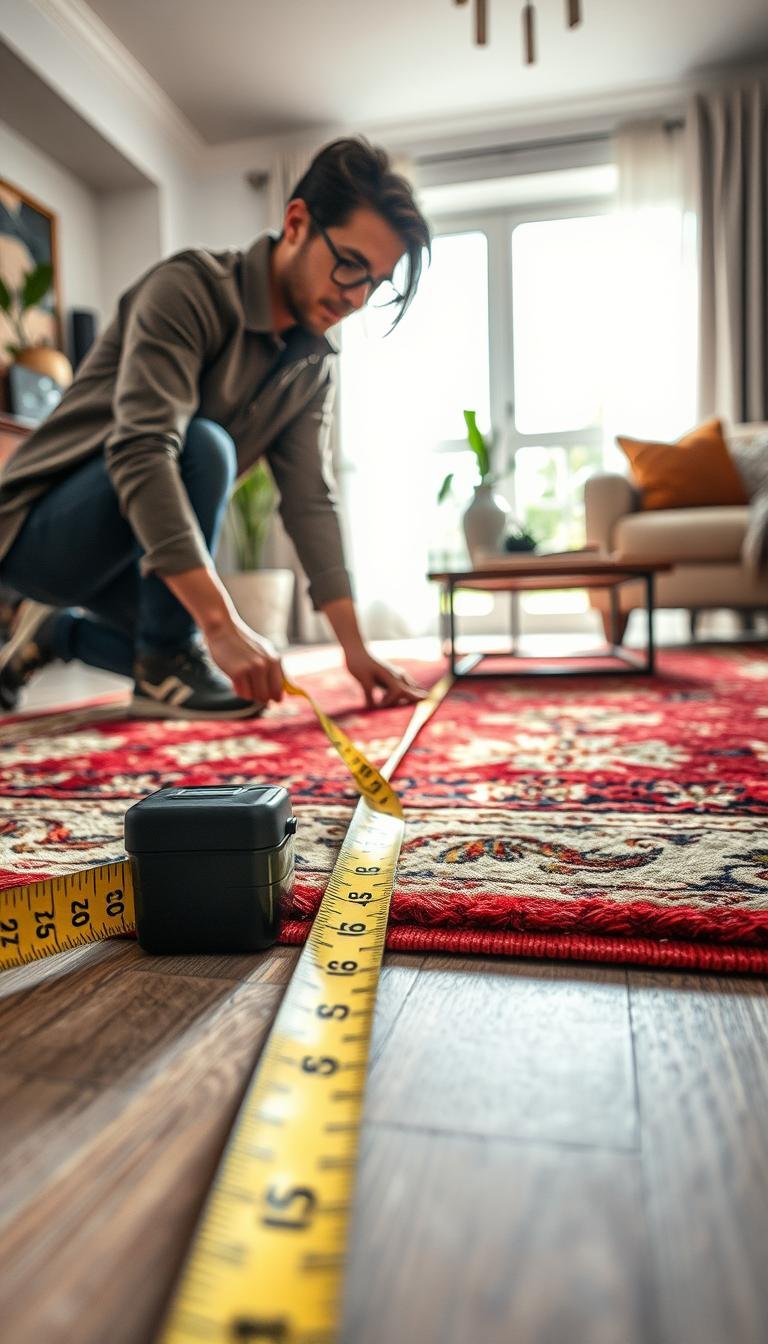
Choose proportions for living rooms, bedrooms, dining rooms and hallways.
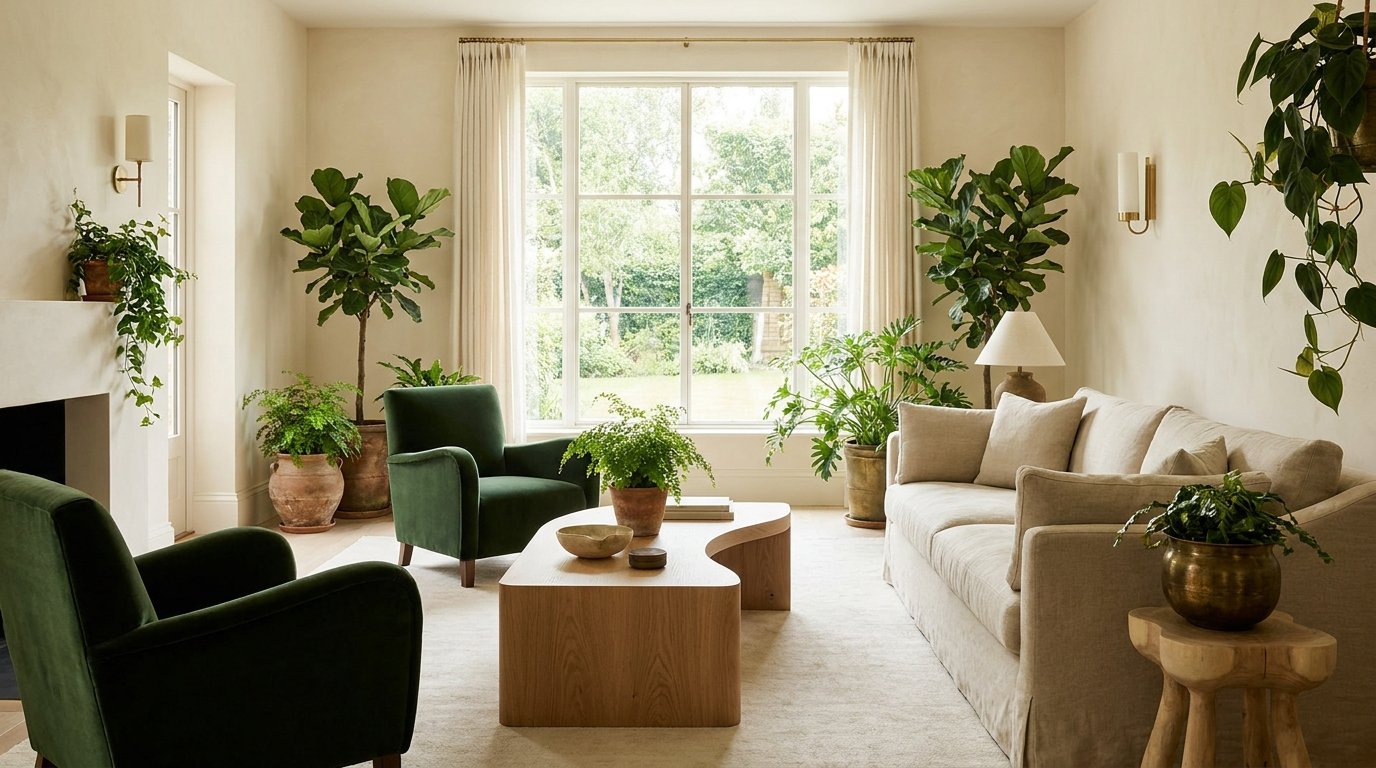
Match grip, cushioning, thickness and material to the floor and rug.
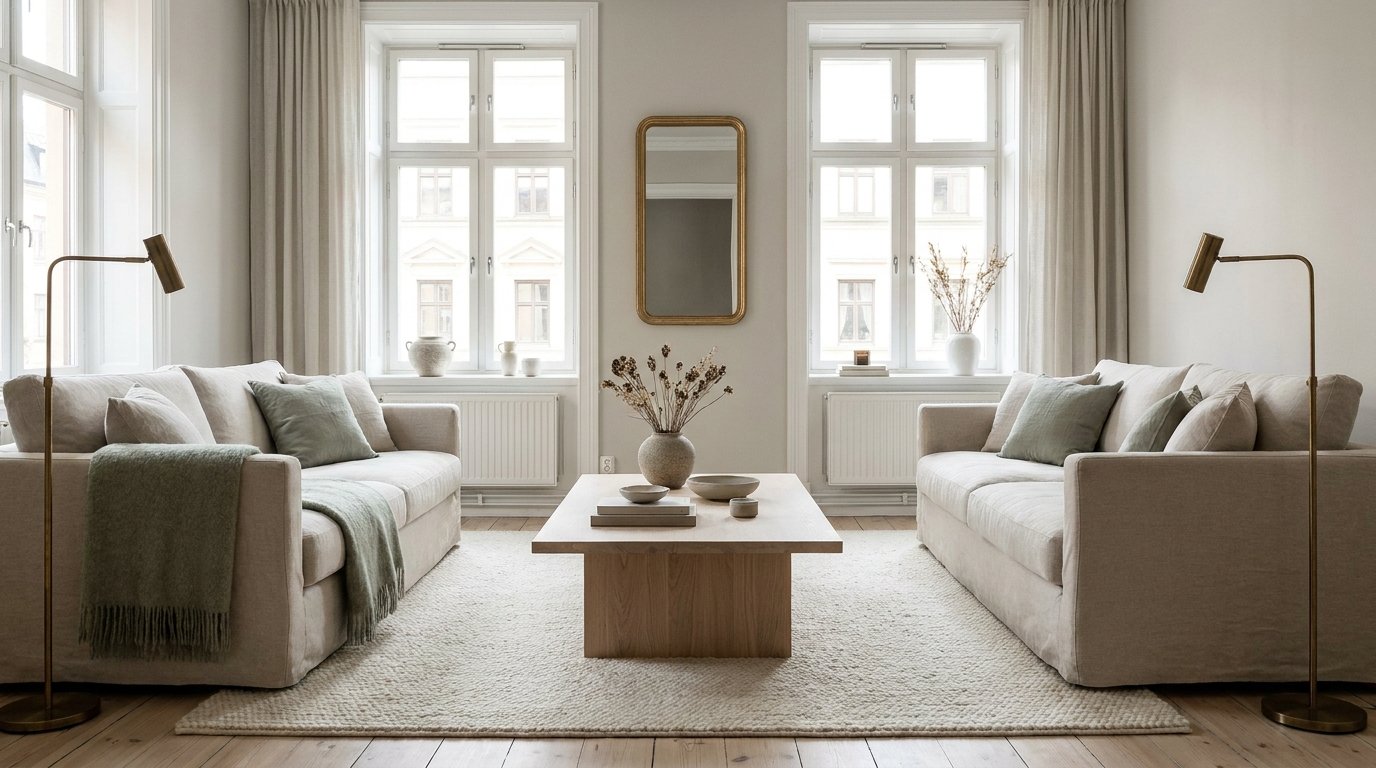
Connect the rug to furniture scale, circulation, lighting and wall decor.