
A rug pad should be chosen for the rug, the floor and the job it needs to do. Grip, cushioning, protection and thickness can matter in different proportions depending on the room. The safest choice is a pad whose manufacturer explicitly states compatibility with both the flooring and rug construction.
The useful sequence is floor type → rug construction → main job → pad material → thickness → finished size → care and replacement.
1. Start with the floor
Hardwood, laminate, vinyl, tile, stone and carpet can react differently to pad materials and backings. Some floor manufacturers restrict rubber, PVC, latex or other materials because of potential staining, discoloration or finish interactions.
Check the flooring manufacturer’s care and warranty information when the finish is valuable or newly installed.
2. Then check the rug backing
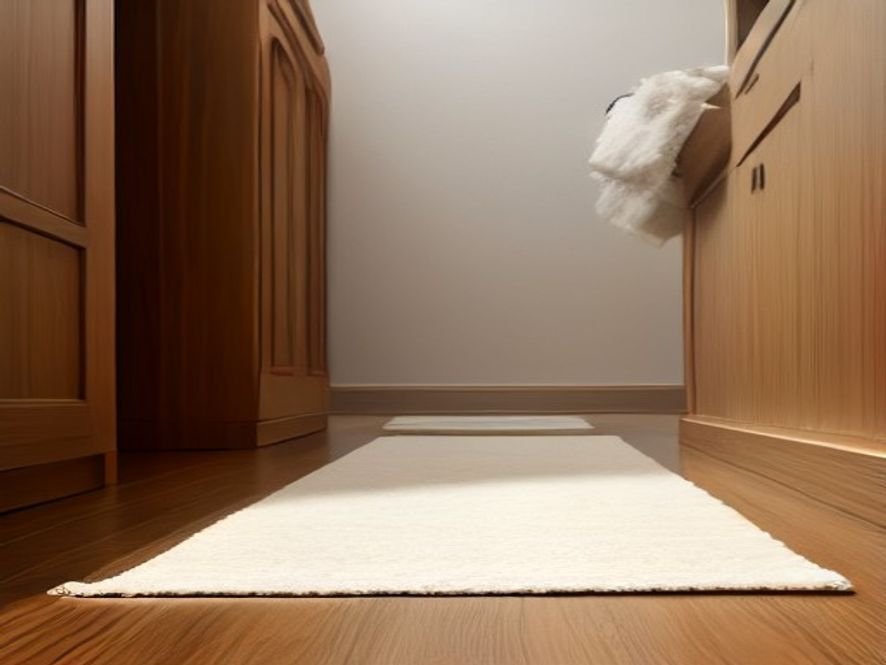
A thin flatweave behaves differently from a dense wool rug or a rug with a rubberized backing. Pads that provide strong grip may be useful under light rugs, while a heavier rug may benefit more from cushioning or floor protection.
Do not use a pad that conflicts with the rug manufacturer’s instructions.
3. Choose the pad by its primary job
| Main goal | What to prioritize |
|---|---|
| Reduce sliding | A high-grip pad compatible with both rug and floor. |
| Add cushioning | A denser felt or combination pad at an appropriate thickness. |
| Protect flooring | Stable, non-staining material with full-enough coverage. |
| Support a thin rug | A pad that adds body without creating a trip edge. |
| Use over carpet | A pad specifically designed for rug-over-carpet applications. |
4. Felt pads
Felt can add cushioning and help larger rugs feel more substantial. By itself it may provide less grip on a smooth floor than a combination pad. Density and thickness vary, so compare the actual product specifications.
5. Natural-rubber and combination pads
Rubber can provide strong grip on many hard surfaces when it is compatible with the floor finish. Felt-and-rubber combination pads are common when both cushioning and grip matter.
Compatibility is more important than assuming that any material labeled natural is automatically suitable.

6. Thin mesh or grip pads
Very thin pads can help stabilize lightweight rugs where extra cushioning is not needed. Quality and material composition vary widely, and some floor finishes may not be suitable for particular synthetic compounds.
7. Rug-over-carpet pads are a separate problem
A rug placed over wall-to-wall carpet can creep, wrinkle or bunch because the surface below is soft and directional. Use a product designed specifically for that application rather than a hard-floor grip pad.
Our earlier carpet-and-hardwood comparison has now been absorbed into this broader guide so the decision starts with the actual floor.
8. Heated floors need manufacturer confirmation
With radiant or heated flooring, confirm that the rug, pad and floor system are all compatible with the operating temperature and heat-transfer requirements. Do not assume a generic non-slip pad is appropriate.
See our rug pads for heated floors guide for the more specific case.
9. Thickness affects doors, chairs and trip edges
A thick pad changes the finished rug height. Check nearby doors, floor transitions and dining chairs before choosing extra cushioning. A low-pile rug under a door may need a much thinner pad than a bedroom rug.
10. Size the pad inside the rug
The pad should normally sit slightly inside the rug perimeter so it stays hidden and the rug edge can taper naturally to the floor. Follow the pad manufacturer’s cutting guidance rather than trimming so close that the pad becomes exposed.
11. Dining rooms need stability more than plushness
A very soft, thick pad can make dining chairs harder to move and may increase edge height. For dining areas, prioritize stability, compatibility and a thickness that works with chair movement.

12. Hallways and entries need a low profile
Runners sit in frequent walking paths, so pad thickness, edge stability and door clearance matter. Use our hallway runner safety guide when trip risk is a concern.

13. Inspect and replace pads when they deteriorate
Over time, pads can compress, crumble, harden or lose grip. Inspect them when cleaning or rotating the rug and replace them if the material is breaking down or affecting the floor.
Rug pad checklist
- Compatible with the exact floor finish.
- Compatible with the rug backing and construction.
- Chosen for the main job: grip, cushioning or protection.
- Thickness works with doors, furniture and walking routes.
- Pad remains hidden inside the rug edge.
- Special floors such as radiant heat are manufacturer-approved.
Pin the Rug Pad Guide
Keep the floor-compatibility, grip, cushioning and thickness checks handy while you compare rug pads.

Related rug guides

Size rugs around furniture groups, bedrooms, dining chairs and runners.

Compare size, material, construction, maintenance and placement as one decision.
Plan runners, circulation, storage and lighting in the home’s busiest transitions.