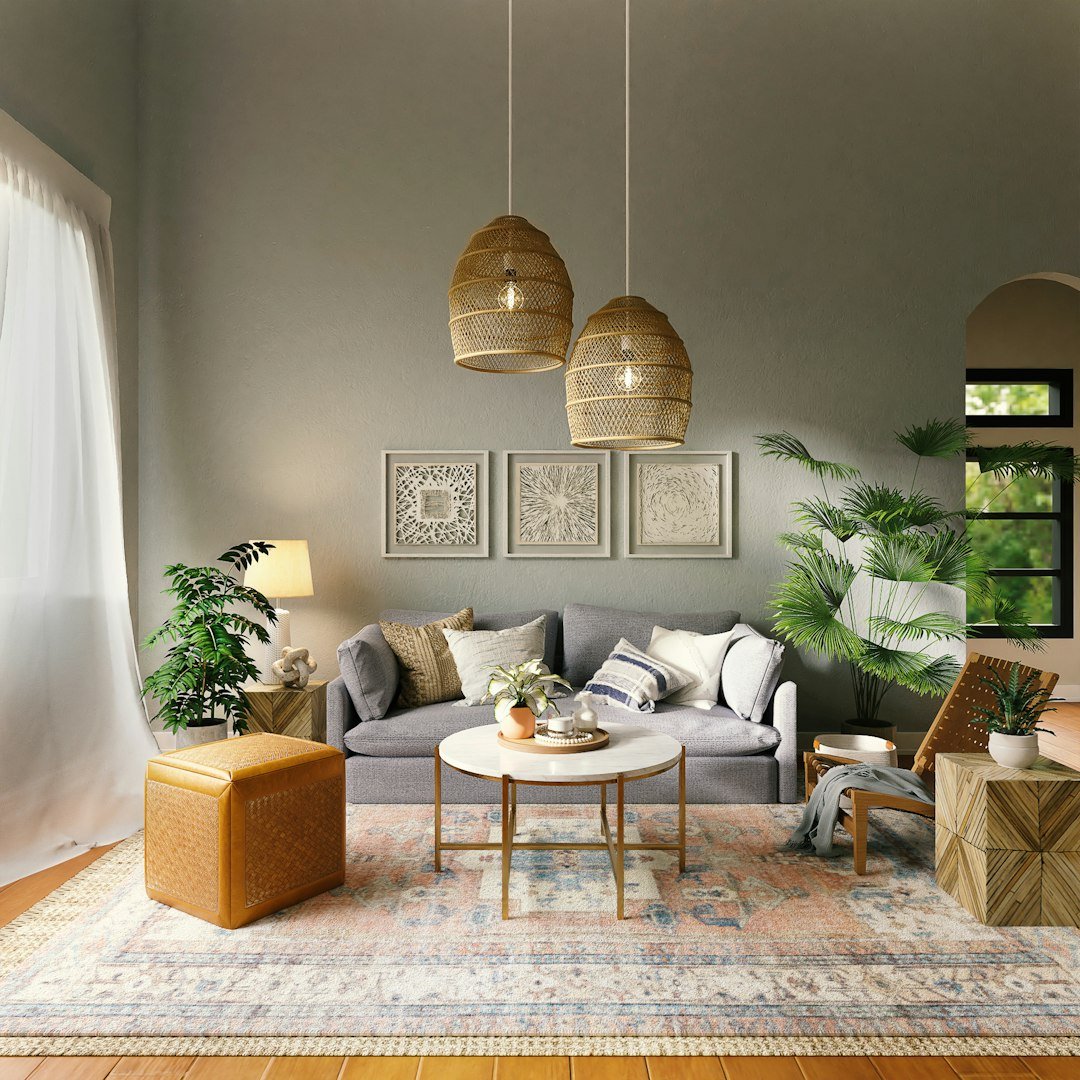
Decor works best when the major elements of a room are chosen as a connected system. Furniture sets the scale, rugs connect the floor plan, lighting creates hierarchy, window treatments control light, textiles add softness, walls hold visual focus, mirrors manage reflection, and storage protects everyday function.
Use this library when you already know what kind of decision you are making. If you would rather start with the room itself, begin with Rooms.
Furniture
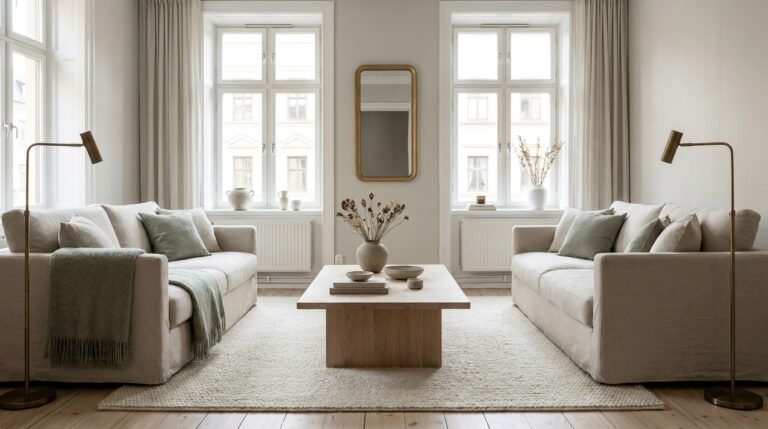
Furniture determines how a room is used and how much visual weight it carries. Choose pieces from the room dimensions, access route and circulation before style.
Start with the Furniture Sizing Guide →
Use it for sofas, sectionals, coffee tables, side tables, dining furniture, beds, headboards and small-space pieces.
Rugs
A rug should connect the furniture group and suit the household’s real workload. Size, material, construction, pile and pad all matter.
Start with How to Choose an Area Rug →
Lighting
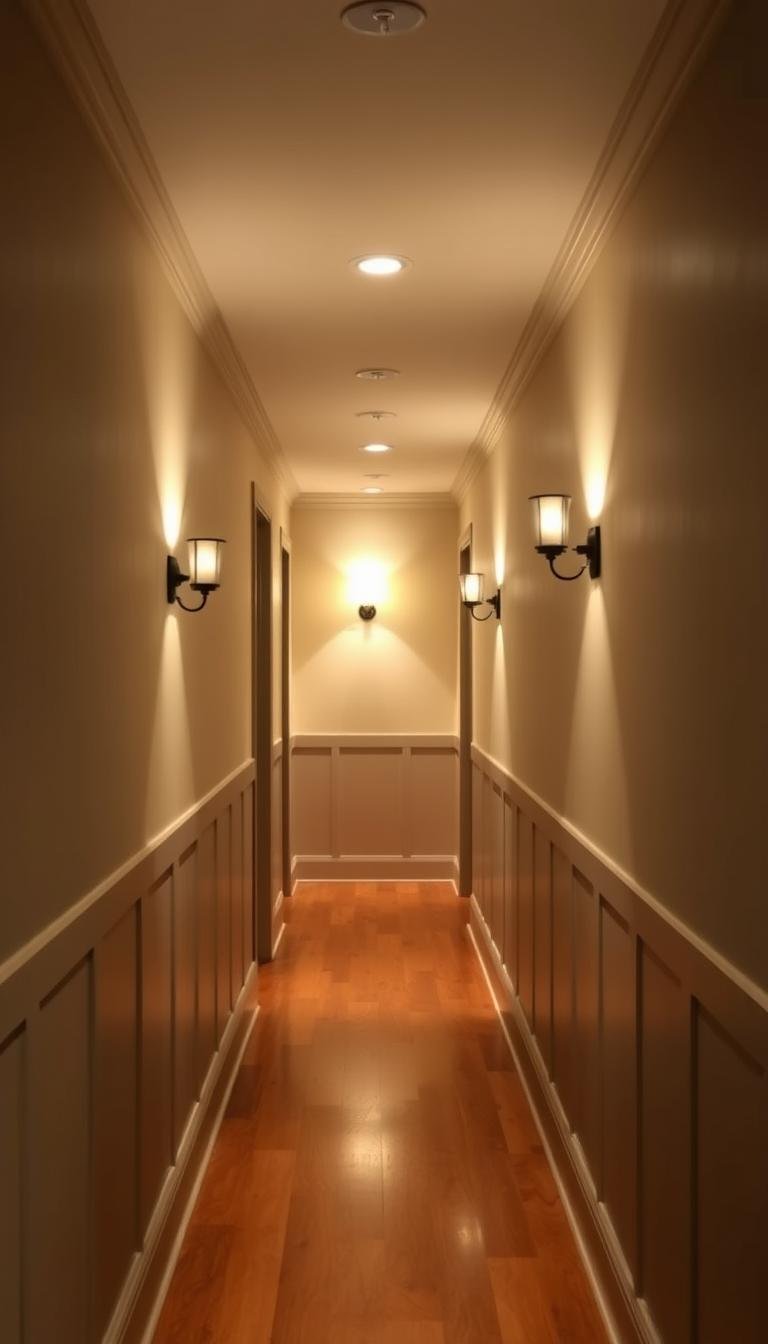
Good lighting is layered around tasks, movement and atmosphere rather than relying on one decorative fixture.
Start with the Home Lighting Guide →
Then move into pendant spacing, bedside sconces, under-cabinet lighting, picture lights and room-specific solutions.
Wall Decor & Art
Art should relate to the wall, furniture and viewing position. A wall can need one anchor piece, a collection, a mirror or intentional negative space.
Start with the Wall Decor Guide →
Mirrors
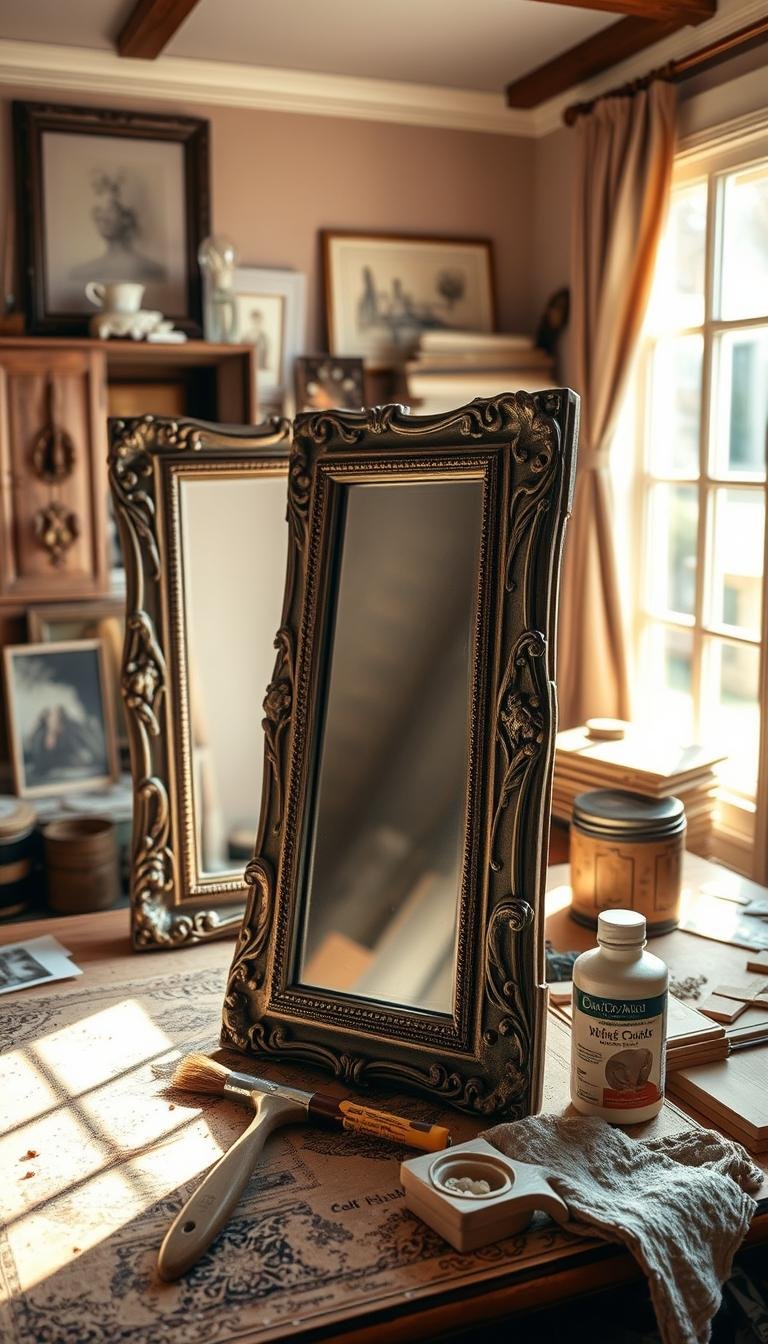
Mirrors have both a visual and practical job. Choose them for what they need to reflect, the furniture or fixture they relate to, and the wall that must support them.
Window Treatments
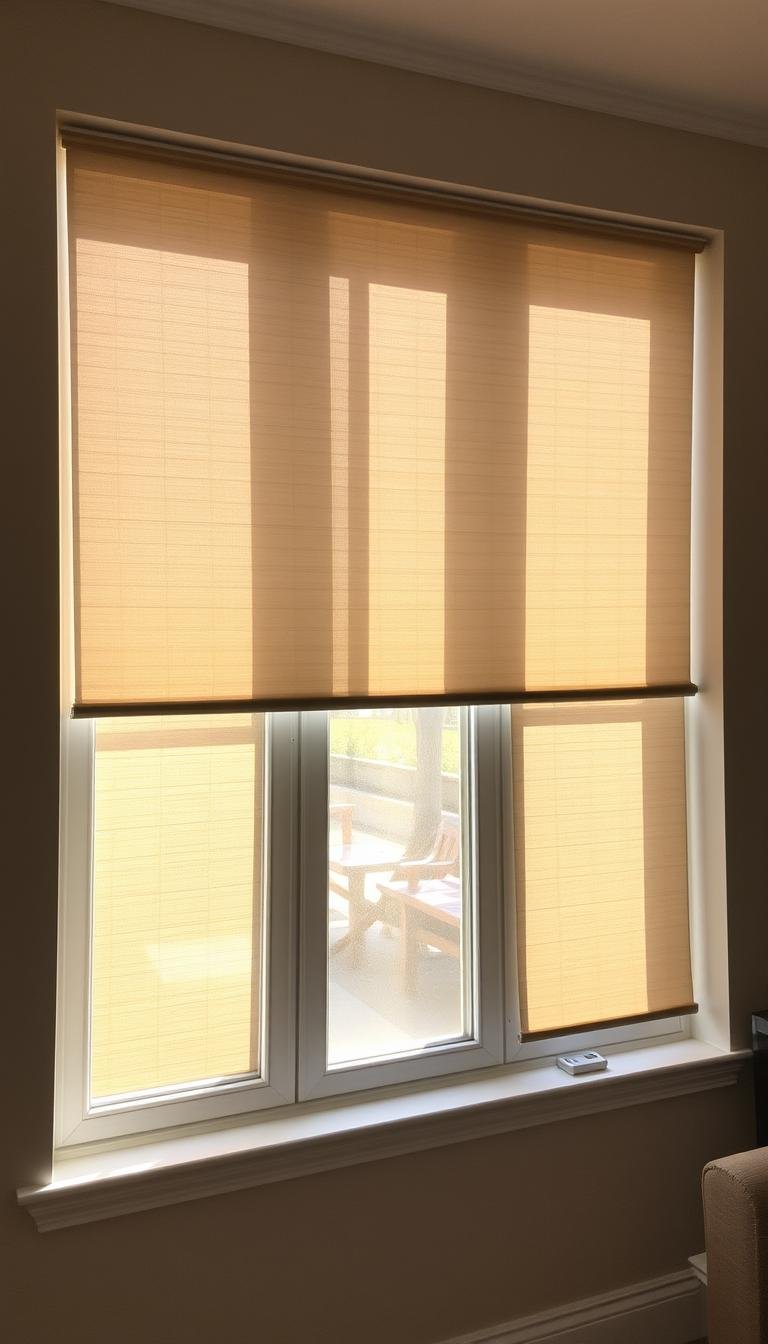
Curtains, blinds and shades control privacy, daylight, glare and darkness while changing how large and soft a window feels.
Start with the Window Treatment Guide →
Textiles & Bedding
Bedding, cushions, throws and upholstery add comfort, color and texture while dealing with washing, wear, sunlight, pets and daily contact.
Start with the Home Textiles Guide →
Storage & Organization
Storage works when it follows household behavior. Choose systems from what needs to be stored, where it is used and how easily the space can be reset.
Start with the Storage & Organization Guide →
Color and materials connect every system
Once the room works, use color, wood, stone, metal, tile and textiles to create a coherent visual language.
How the Dwelanor design library is organized
Each major system is built as a knowledge cluster. A broad pillar explains the complete decision, while focused supporting guides answer narrower questions about sizing, placement, materials, maintenance and specific room conditions.
This lets a reader move from inspiration to a practical plan without starting a new search at every step. It also gives search engines and AI systems a clearer understanding of how Dwelanor’s topics relate to one another.
Where to start
If you are planning an entire room, go to Rooms. If you are choosing a specific element, use the system above. If the room works but still does not feel cohesive, go to the Styles, Color & Materials library.