A gallery wall should read as one composition before it reads as a collection of individual frames. Start with the wall, the furniture below it and the outer shape of the group. Then choose the artwork, frame mix and spacing.
The useful sequence is wall role → outer boundary → anchor pieces → frame family → spacing → mock-up → hanging method → final adjustment.
1. Start with the furniture and wall
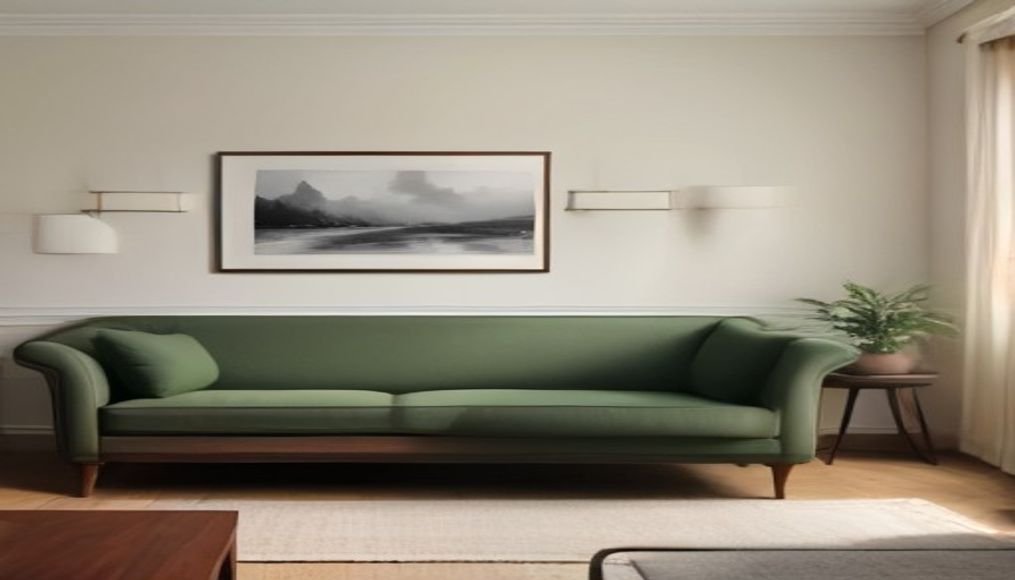
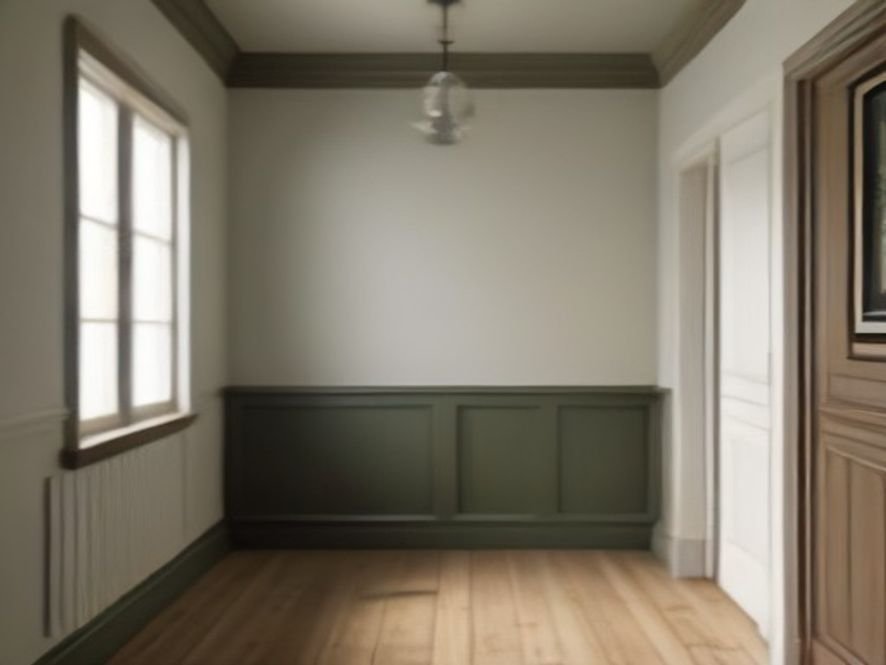
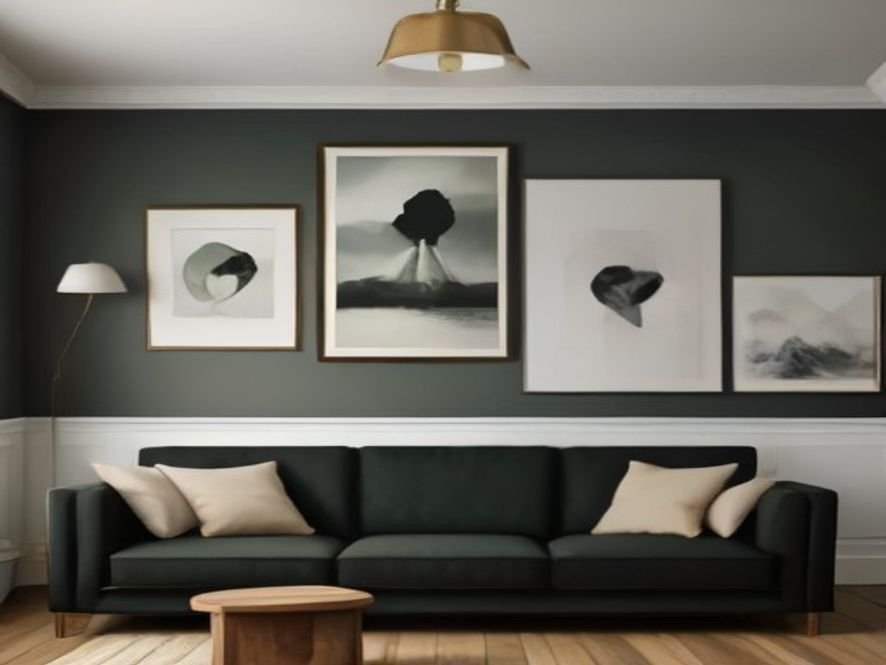
A gallery wall above a sofa, console, bed or dining bench should feel connected to the furniture below it. Judge the entire composition from normal viewing distance, not frame by frame.
Use painter’s tape to mark the proposed outer boundary. This immediately shows whether the group is too small, too wide or drifting away from the furniture it is meant to anchor.
2. Choose the overall layout type
| Layout | Best for |
|---|---|
| Grid | Matching or closely related frames, photography and calm modern rooms. |
| Salon or collected | Mixed artwork, varied frames and more expressive interiors. |
| Linear | Hallways, staircases and long walls. |
| Centered cluster | Above furniture where one compact visual mass works best. |
3. Use anchor pieces to control visual weight
Start with the largest or most visually dominant pieces. Dark frames, strong colors and large artwork carry more visual weight than pale, small pieces. Balance that weight across the group rather than trying to make every frame identical.
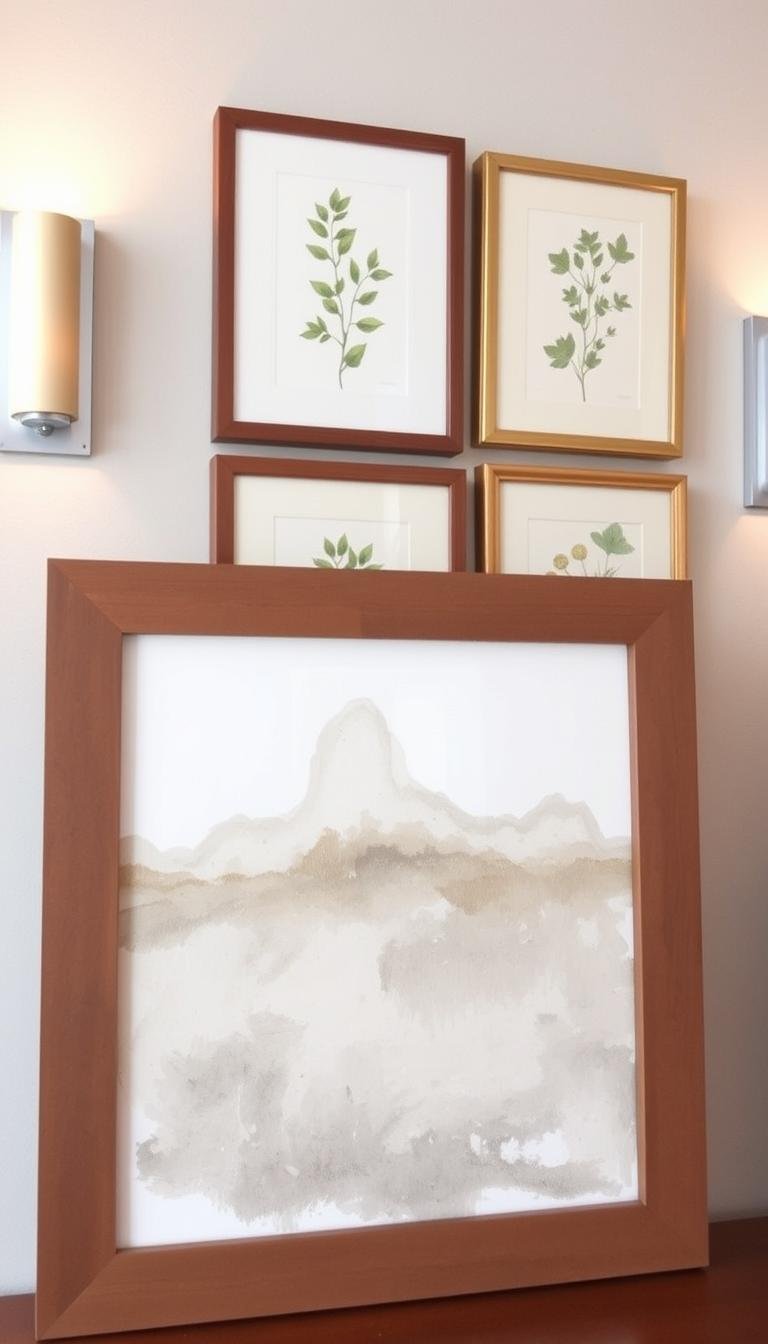
4. Mix frames with repetition
Matching frames are not required. A collected wall can combine timber, black, brass-tone or painted frames if enough repetition exists to create a family. Repeat one or two attributes such as mat color, frame thickness, finish or artwork palette.
5. Keep spacing intentional
The exact gap can vary with frame size and style, but inconsistent random gaps usually make a gallery wall feel accidental. Choose a narrow visual range and keep nearby gaps similar. Wider spacing makes the group feel looser; tighter spacing makes it read more like one unit.
6. Mock up before hanging
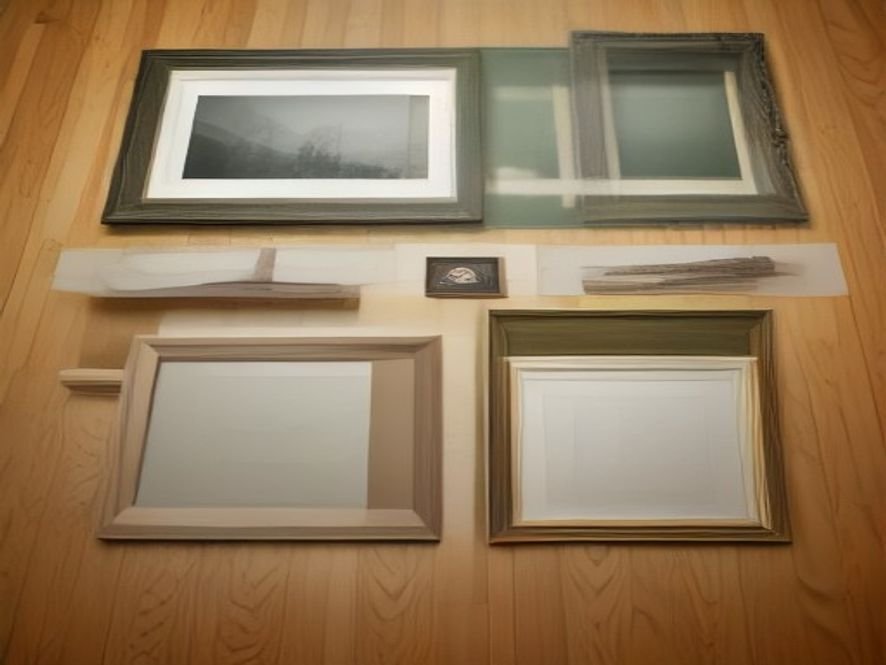
Lay the arrangement on the floor or create paper templates for every frame. Mark the hanging point on each template so the paper mock-up becomes a usable installation guide.
For a grid, use a level and measure from a shared reference line. For a collected layout, prioritize the outer shape and relationships between neighboring pieces.
7. Choose hanging hardware for the actual wall and frame
Use the frame manufacturer’s hanging points and hardware suited to the wall construction and load. Heavy pieces require a more deliberate mounting plan than lightweight frames.
For heavier artwork, see our picture-hanging hardware guide. For very heavy mirrors, use the heavy mirror planning guide.
8. Prevent frames from drifting after installation
Frames can tilt when the hanger has play or the wall is repeatedly bumped. Small removable bumpers at lower corners can reduce movement, while a better-aligned hanging system can solve persistent tilting.
See how to keep gallery wall frames straight for the detailed fix.
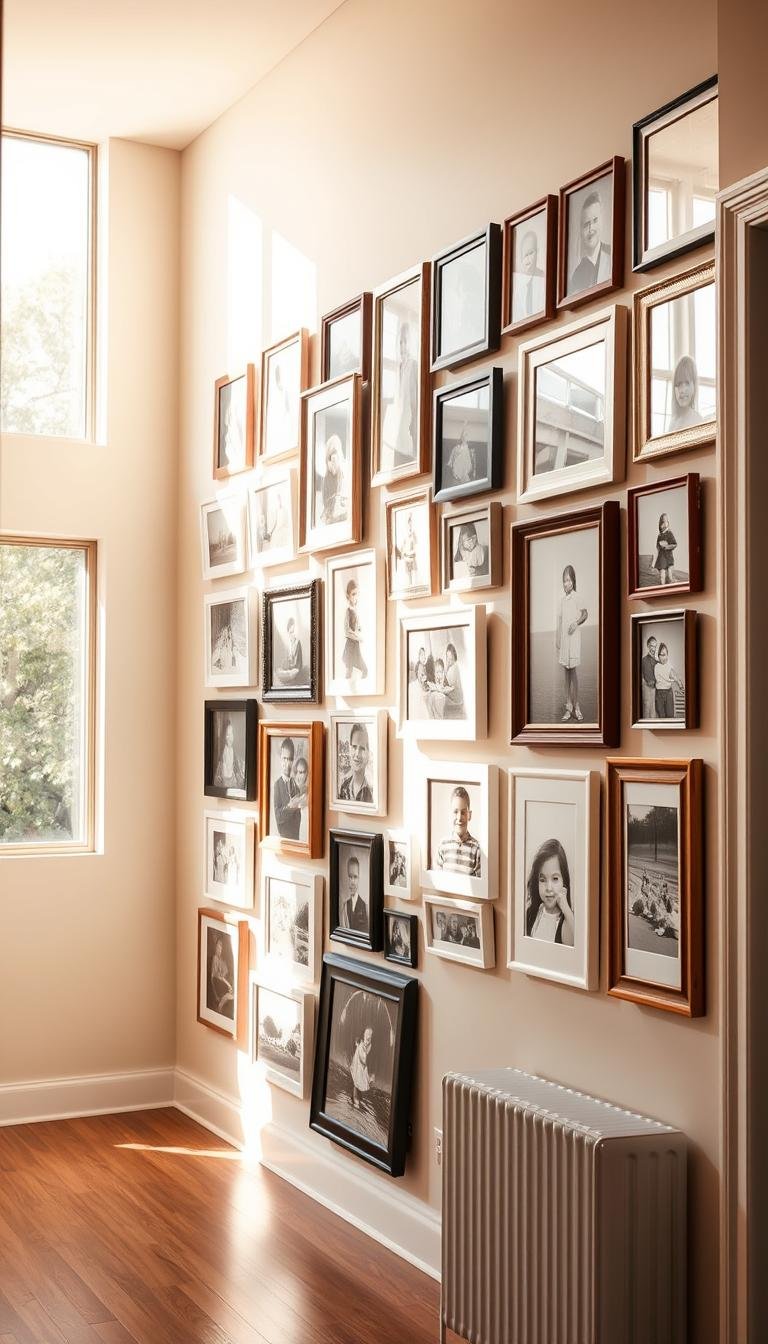
9. Use family photos without making the wall feel like a collage board
Family photography looks strongest when edited. Choose a consistent treatment such as similar tones, repeated matting or a limited frame family. Mix in a few non-photo pieces when that helps the composition breathe.
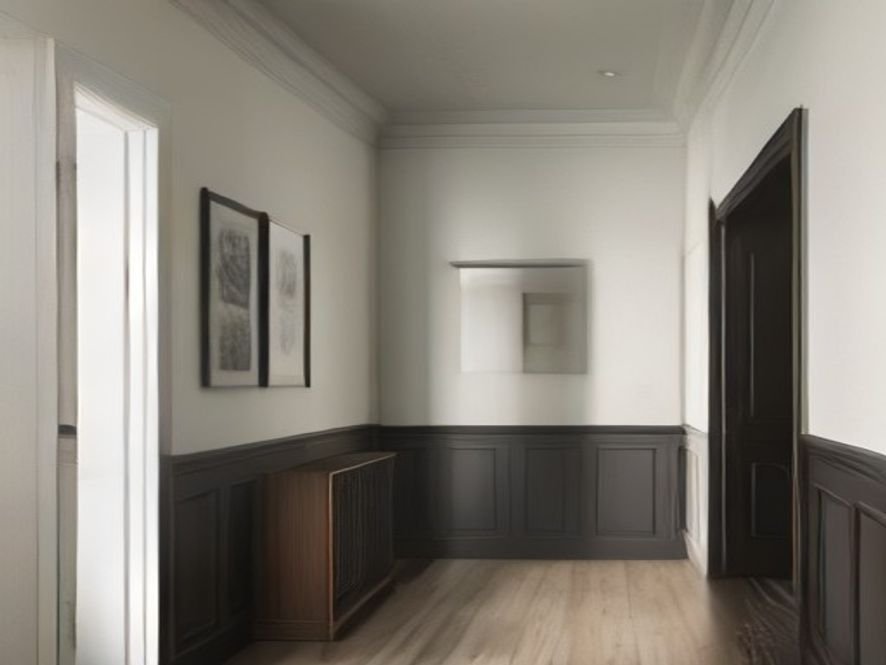
For hallway-specific inspiration, see family photo hallway ideas.
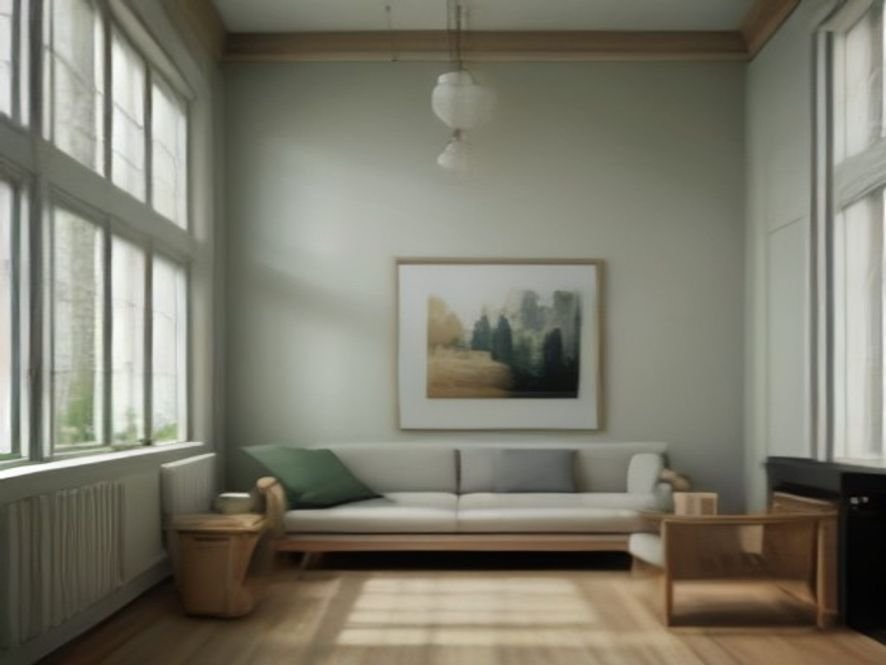
10. Know when not to build a gallery wall
Some walls need one large piece, a mirror or deliberate negative space instead. If the room already contains strong pattern, shelving and many objects, another dense collection can make the space harder to read.
Use the Wall Decor Guide to decide whether a gallery wall is the right treatment at all.
Gallery wall checklist
- Outer boundary feels related to the furniture or architecture.
- One or two anchor pieces control the composition.
- Frames repeat enough attributes to feel connected.
- Spacing is intentional.
- The full wall is mocked up before hanging.
- Hardware suits the wall type and frame weight.
- The gallery still looks balanced from the main viewing position.
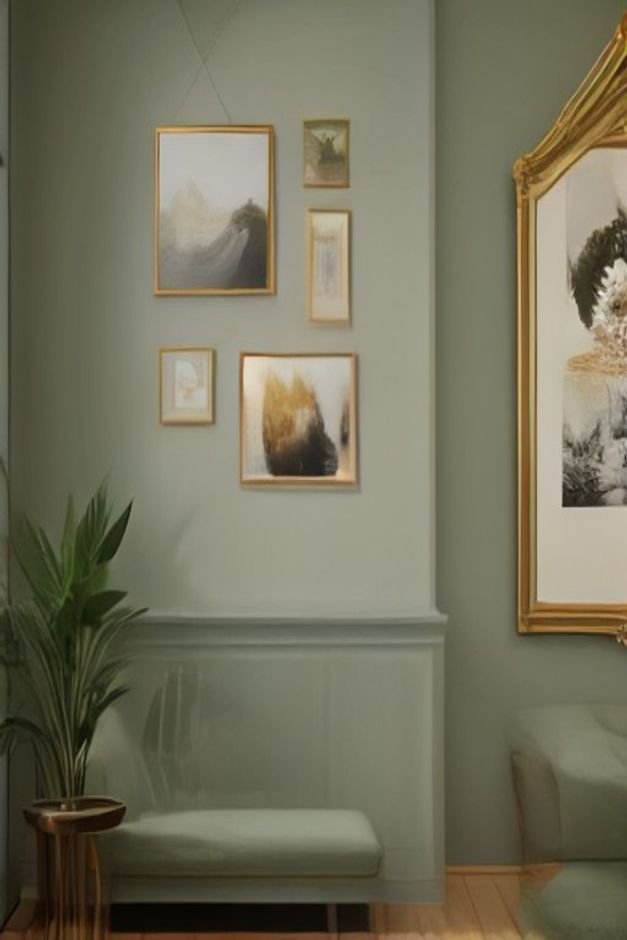
Pin the Gallery Wall Guide
Keep the layout, spacing, frame-mixing and mock-up rules handy while you plan your wall.
Related wall and room guides
Decide when a gallery wall, one large artwork, a mirror or deliberate negative space is the stronger choice.
Connect artwork to furniture scale, circulation, lighting, rugs and the rest of the room composition.
Plan gallery walls, mirrors, runners, lighting and storage around the home’s transition spaces.