
Start with the room, then solve the decisions that shape it.
Browse Dwelanor by space when you are working on a whole room. Each section connects layout, furniture scale, lighting, storage, textiles, surfaces and styling so the advice works as one system rather than a collection of isolated tips.
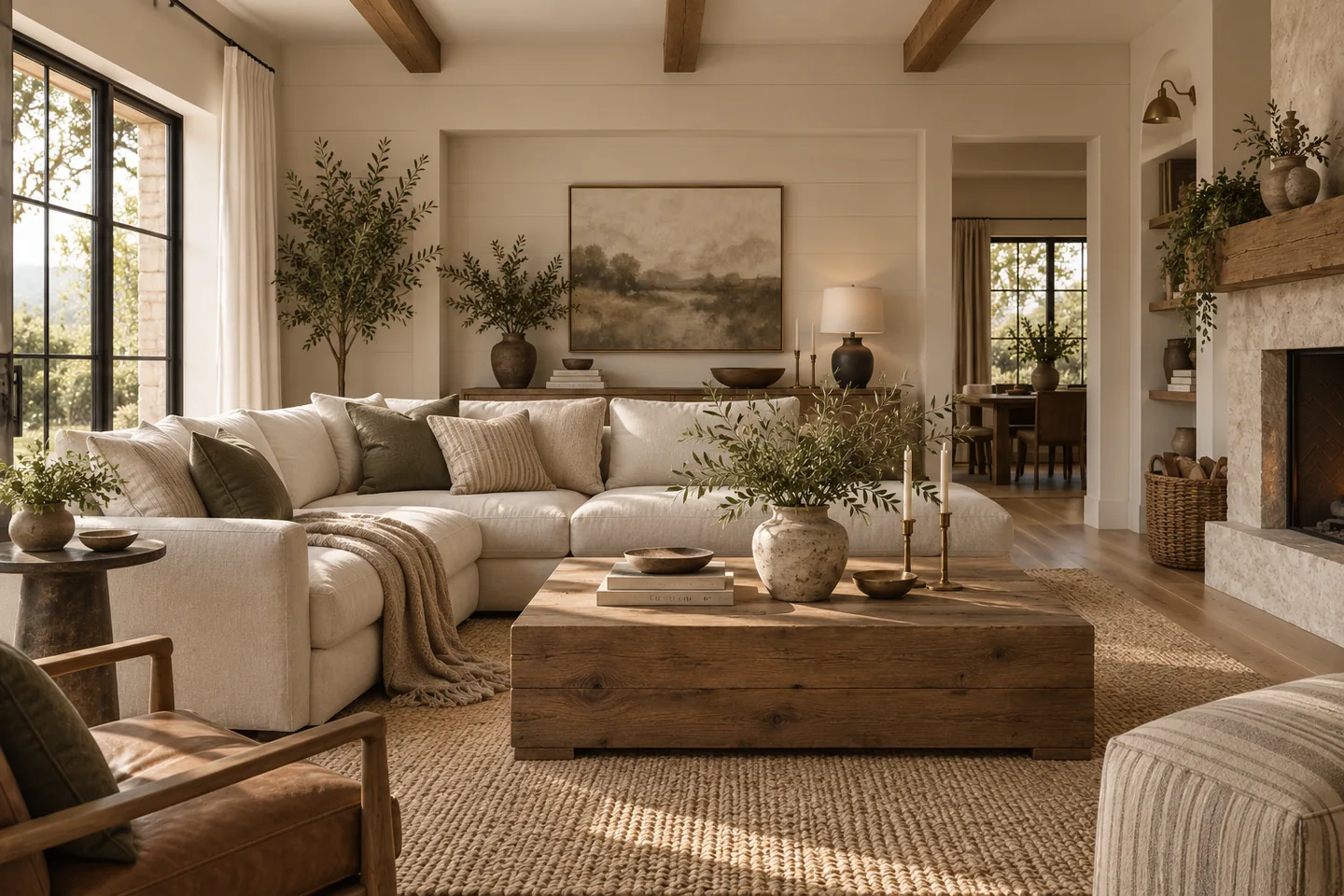
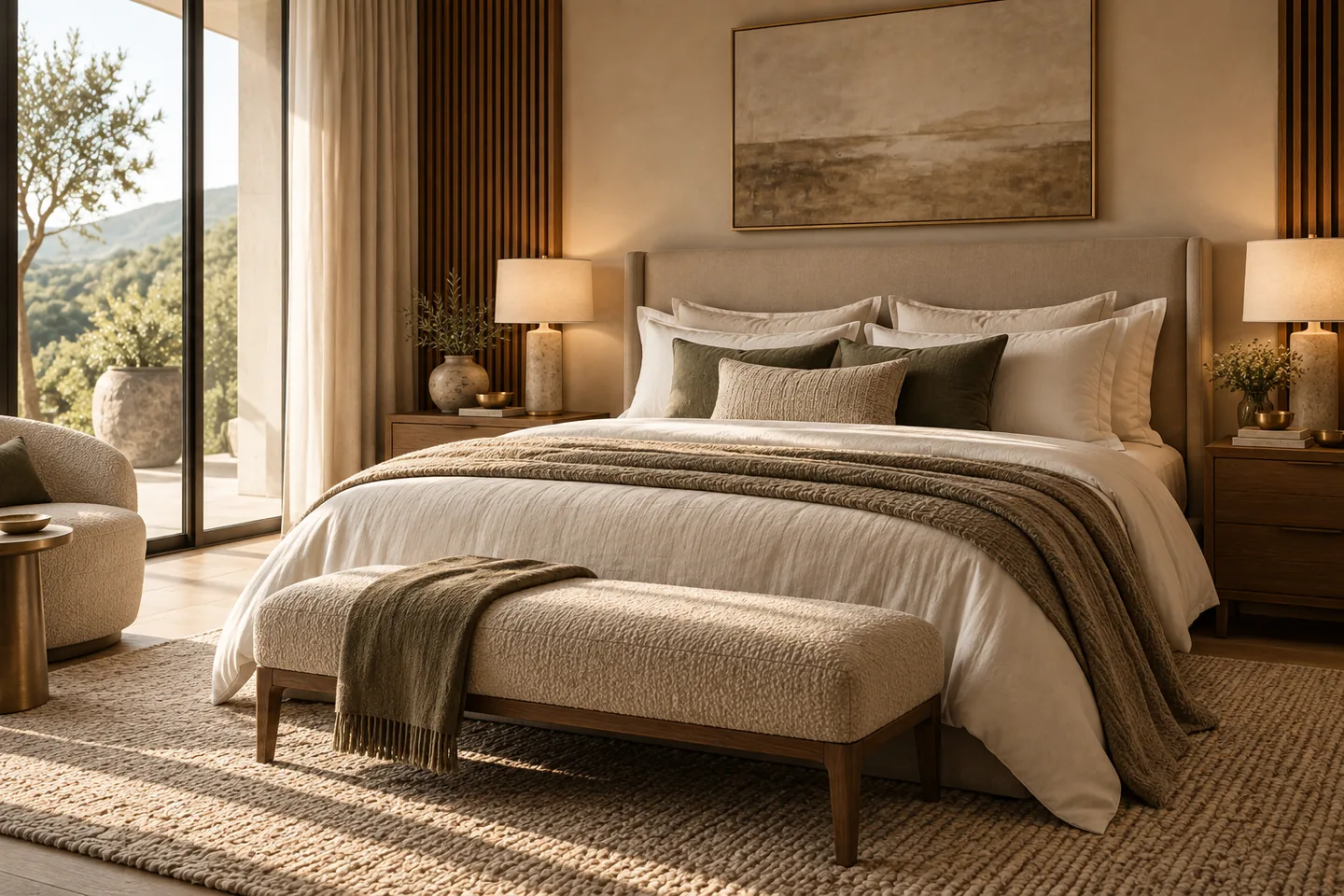
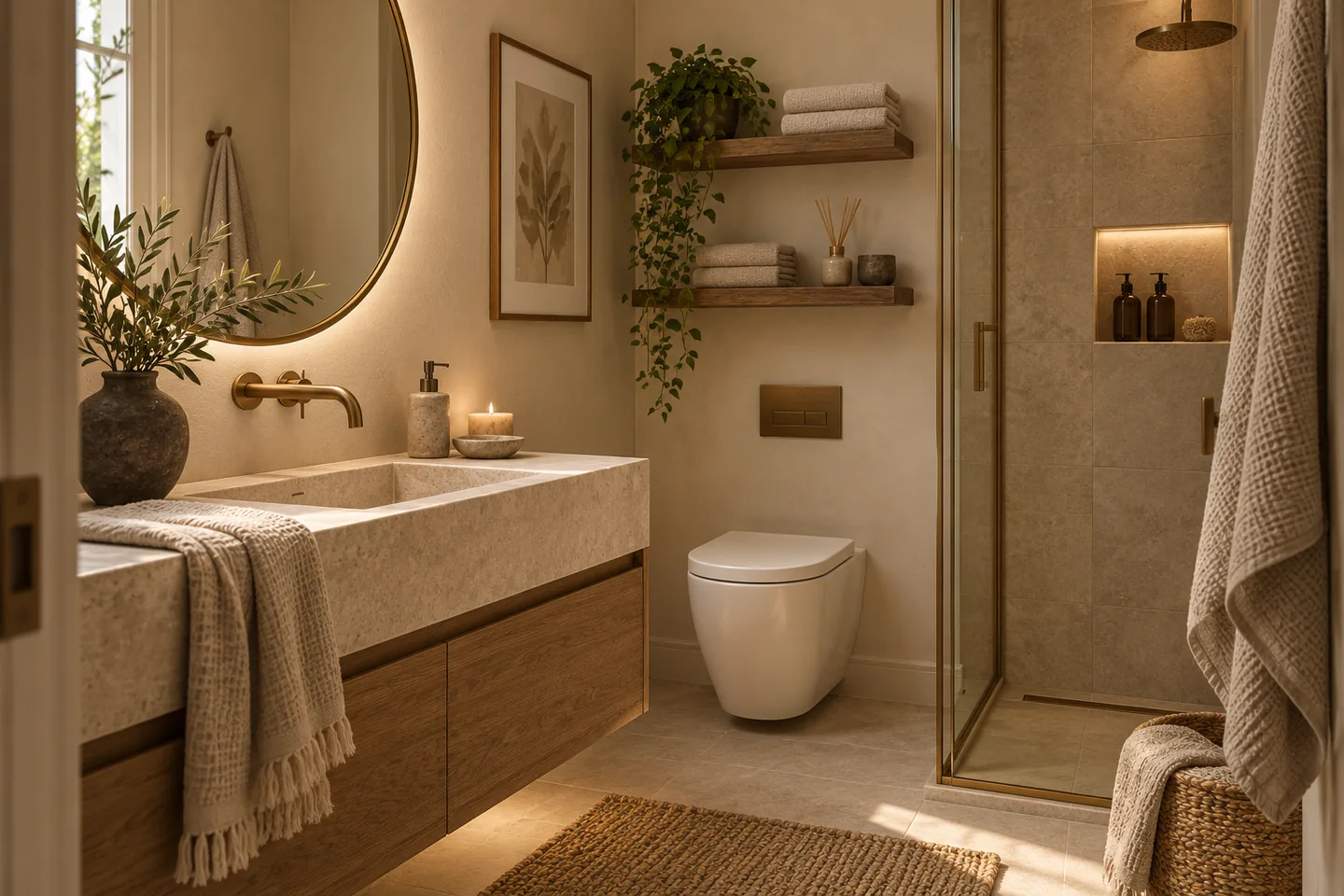
Choose the space you want to improve.
Use the room hubs for context. When the decision becomes specific, move into the relevant rug, lighting, furniture, wall decor, mirror, window treatment, textile or storage guide.
BedroomsBed placement, guest rooms, small bedrooms, storage, lighting and layered comfort.
Kitchen & DiningIslands, breakfast nooks, dining layouts, storage, lighting, backsplashes and entertaining spaces.
BathroomsSmall bathrooms, vanities, showers, storage, mirrors, materials and spa-like styling.
Small Spaces & RentalsApartments, studios, compact rooms, renter-safe changes and multifunctional solutions.
Home OfficesWorkspace layout, storage, lighting, acoustics and practical study areas.
Entry & HallwaysDrop zones, narrow hallways, mirrors, runners, lighting and useful storage.
Outdoor LivingBalconies, patios, porches, outdoor furniture, rugs, lighting and weather-aware choices.
Laundry & UtilityStorage, drying, ironing, compact layouts and practical utility-space improvements.
Function comes first, then proportion, then atmosphere.
A room is easier to improve when the decisions happen in the right order. Start with how the space is used and where people need to move. Then solve furniture scale and placement. After that, plan storage and lighting. Rugs, curtains, wall decor, color and smaller styling choices become much easier once the basic room works.
Identify the main activities, entrances, walking paths, fixed features and awkward constraints before buying anything.
Choose the major pieces around the room dimensions and the way people actually sit, move, eat, sleep or work.
Solve what needs to be stored and where light is needed for tasks, safety and atmosphere.
Use the softer and more decorative layers to connect the room visually without creating clutter.
Some decisions belong to the whole home, not one room.
Rugs, lighting, furniture, mirrors, wall decor, window treatments, textiles and storage appear in several rooms. Dwelanor treats those as connected design systems so the same guidance can support a bedroom, living room, hallway or dining space without publishing duplicate articles for every keyword variation.
LightingLamps, pendants, sconces, layered plans and placement.
FurnitureScale, proportion, seating, tables, beds and compact choices.
Wall Decor & ArtGallery walls, picture placement, frames and renter-friendly hanging.
MirrorsScale, placement, vanity mirrors, entry mirrors and decorative choices.
Window TreatmentsCurtains, blinds, shades, blackout options and sizing.
Textiles & BeddingBedding, pillows, throws, upholstery, texture and durability.
Storage & OrganizationClosets, shelving, concealed storage, pantry systems and small-space organization.
Start with a core guide, then move into the decision you need to solve.
Small living room ideas
Living room ideas for a warmer, more usable space
Integrating a media setup into the room
Bedroom ideas for a calm, layered room
Rental decorating without permanent changes
Bedroom layout, lighting and storage
Breakfast nook ideas
Kitchen island seating
Kitchen backsplash tile
Small bathroom spa styling
Powder room ideas
Bathroom vanity sizing, storage and lighting
Move between room, element and style without losing the thread.
Start here when the whole room needs work. Use Styles, Color & Materials when you need aesthetic direction, and move into the relevant design guide when you are ready to choose a rug, light, piece of furniture, mirror, window treatment, textile or storage solution. For shorter answers and real household problems, browse the Dwelanor Journal.