
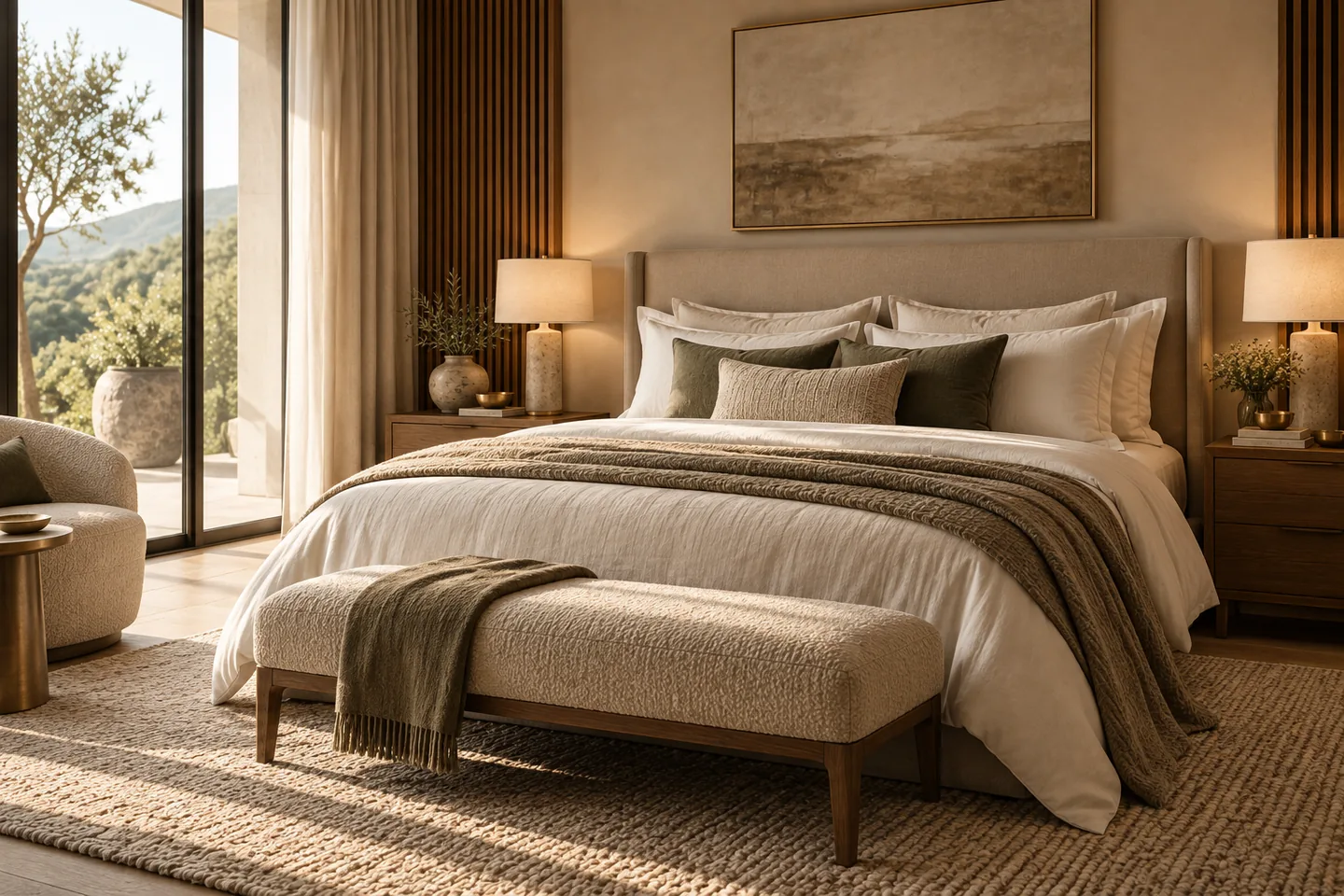
The strongest bedroom ideas improve rest, storage and atmosphere together. Start with the bed and circulation, then layer lighting, curtains, rugs, bedding, color and art around the way the room is actually used.
For the full planning sequence, begin with the Bedroom Design Guide. Use these ideas when you are ready to shape the mood and details.
1. Give the bed one clear wall
Choose the bed wall before smaller furniture. A strong placement gives the room a visual anchor and makes nightstands, lighting and art easier to plan.
2. Layer bedding instead of piling on decorative pillows
Build comfort through sheets, duvet or quilt, one additional texture and a restrained number of cushions. The bed should still be easy to make and use every day.
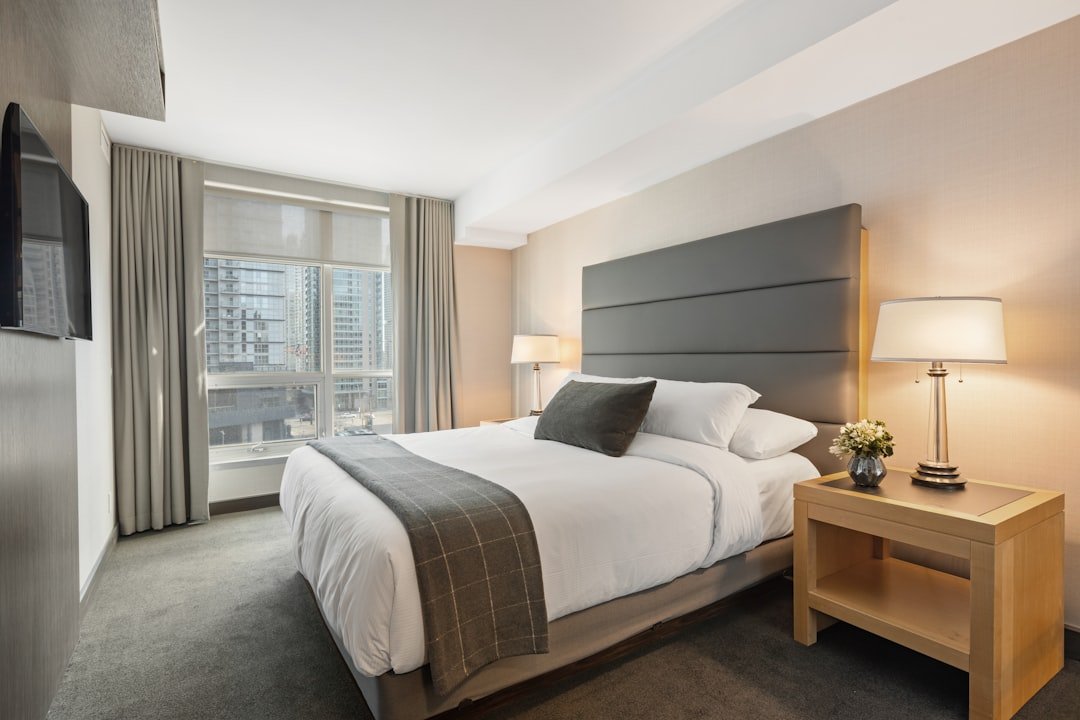
Use the Home Textiles Guide for bedding, pillows and fabric choices.
3. Put useful light beside the bed
Bedside lamps or sconces should support reading, winding down and moving through the room without requiring the ceiling light. Position the light for comfort rather than decorative symmetry alone.
See bedside sconce placement and the Home Lighting Guide.
4. Use a rug where your feet actually land
Size the rug so enough soft surface is exposed beside and at the foot of the bed. Test the rug and bed together with tape before ordering.
Use the Rug Size Guide and Rug Pad Guide.
5. Hang curtains as part of the architecture
Full-length curtains can soften the wall and visually enlarge the window. For stronger darkness, combine the decorative layer with a suitable blackout treatment.
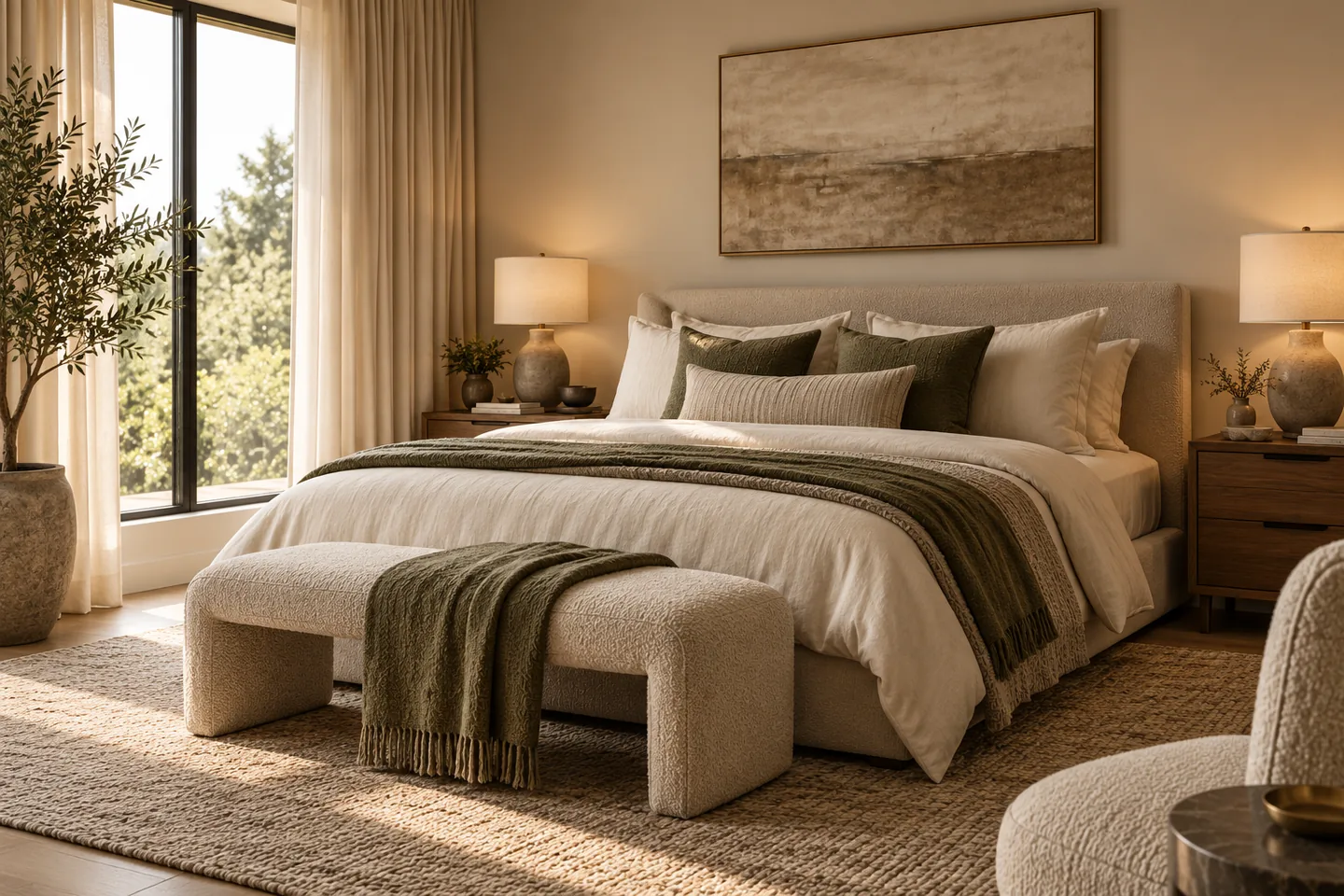
See the Curtain Size & Placement Guide.
6. Choose one dominant texture
Linen, wool, velvet, boucle or timber can become the tactile thread that connects the room. Repeat it in two or three places rather than using every texture at once.
7. Use a deeper color when the room wants atmosphere
A bedroom does not need to be pale to feel calm. Muted green, clay, blue, brown or charcoal can create depth when the lighting and textiles support it.
Use the Interior Color Palette Guide.
8. Create a hotel feeling through order, not imitation
Balanced bedside lighting, generous bedding, clear surfaces and good window control create more of the hotel effect than branded accessories or a perfectly matched furniture suite.
See how to style a hotel-inspired bedroom.
9. Keep storage close to the routine
Put daily clothing, jewelry, laundry and bedtime items where they are naturally used. Storage that follows the routine is easier to reset than storage chosen only because it fits an empty wall.
10. Use an older piece to stop the room feeling showroom-new
A vintage nightstand, chest or small chair can add character. Connect it to the room through finish, color or scale instead of forcing all furniture to match.
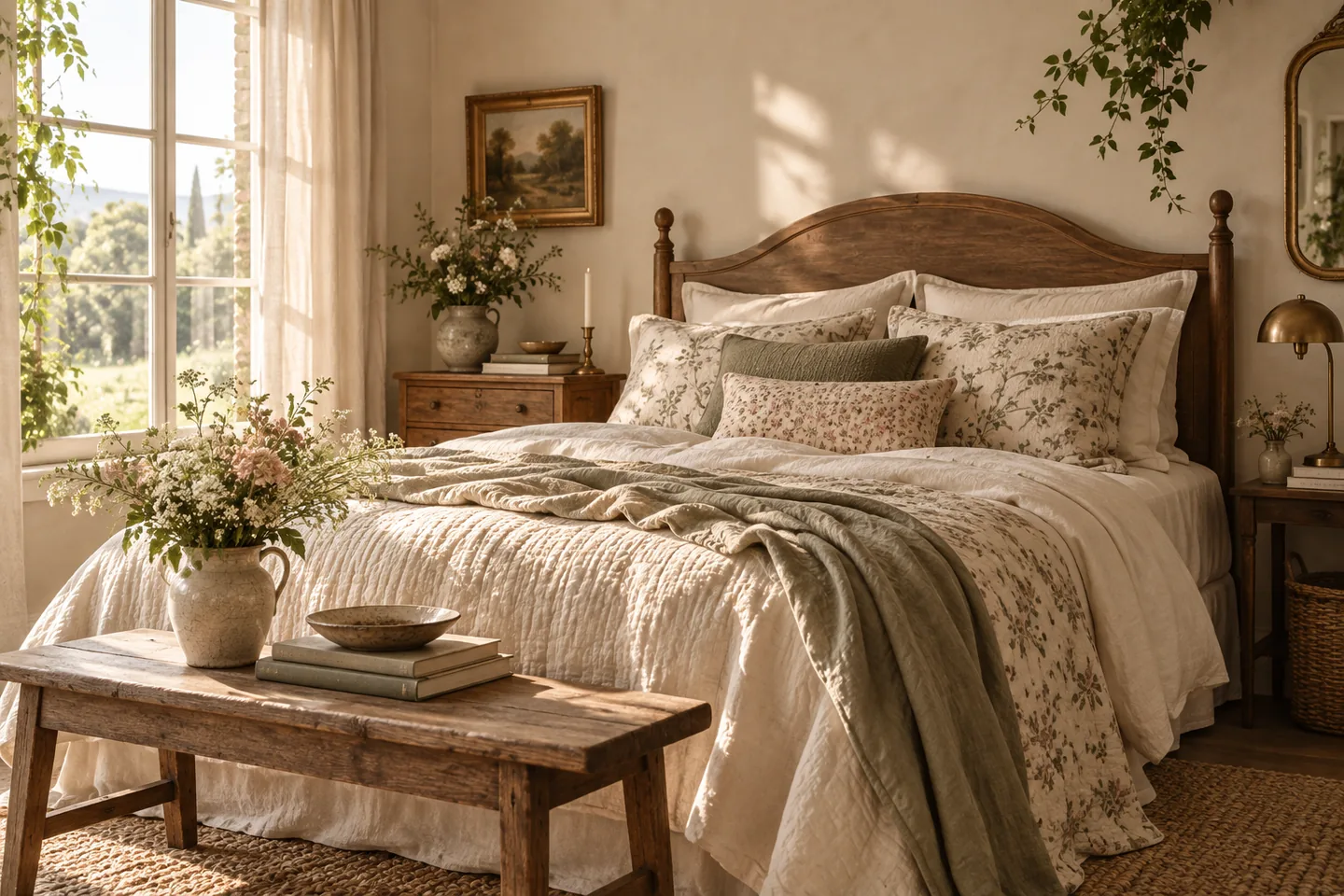
11. Make the headboard suit the wall
A tall upholstered headboard can create softness and scale on a blank wall. A lower timber or metal headboard may work better below a window or in a compact room.
See headboards for low windows.
12. Use wallpaper where one wall needs more identity
Wallpaper can add pattern behind the bed, inside an alcove or across the whole room. Choose pattern scale in relation to the wall and test a sample under the room’s natural and artificial light.
13. Create one comfortable secondary activity
If there is room, a chair and lamp can create a reading spot. In a small bedroom, a wall shelf or compact stool may be more useful than adding an accent chair simply to fill a corner.
14. Make a guest room flexible
Guest rooms often need to support storage or occasional work between visits. Keep the main sleeping zone comfortable, then add secondary functions that are simple to reset.
15. Let the palette repeat through materials
A warm brown can appear as timber, woven fiber and a leather detail. A green can appear in paint, art and a textile. Repeating color through different materials creates depth without looking overly coordinated.
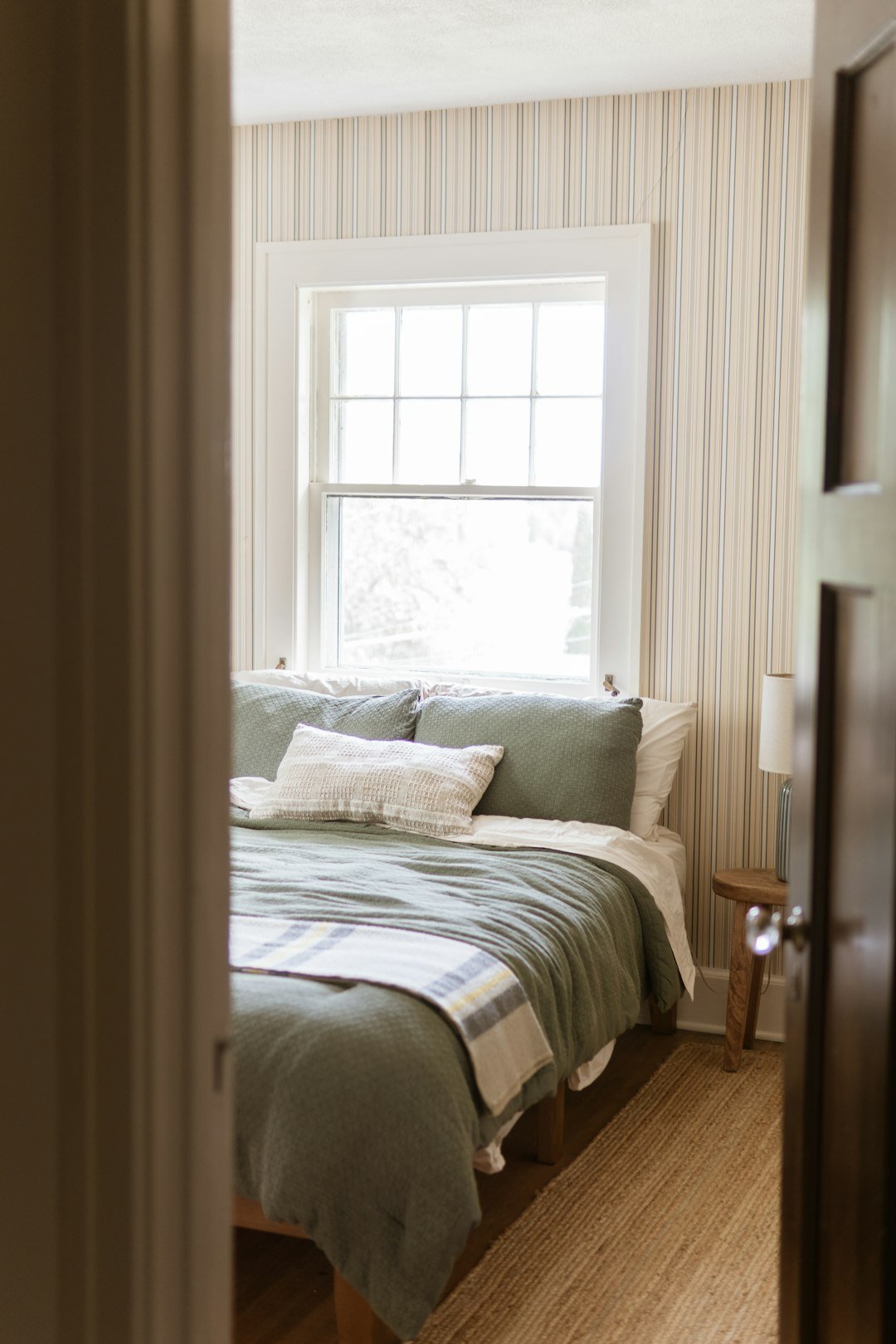
16. Finish by clearing the surfaces you use every day
A calm bedroom does not require minimalism, but nightstands, dressers and the route around the bed should remain usable. Keep the objects that matter and give the rest a storage home.
Bedroom idea checklist
- The bed anchors the room.
- Lighting supports reading and evening use.
- Bedding is layered but practical.
- Rug and curtains are properly scaled.
- Storage follows the daily routine.
- Color and texture repeat intentionally.
- The room still feels easy to reset.
Continue: use the Bedroom Design Guide, Rental Bedroom Guide or browse Bedrooms.