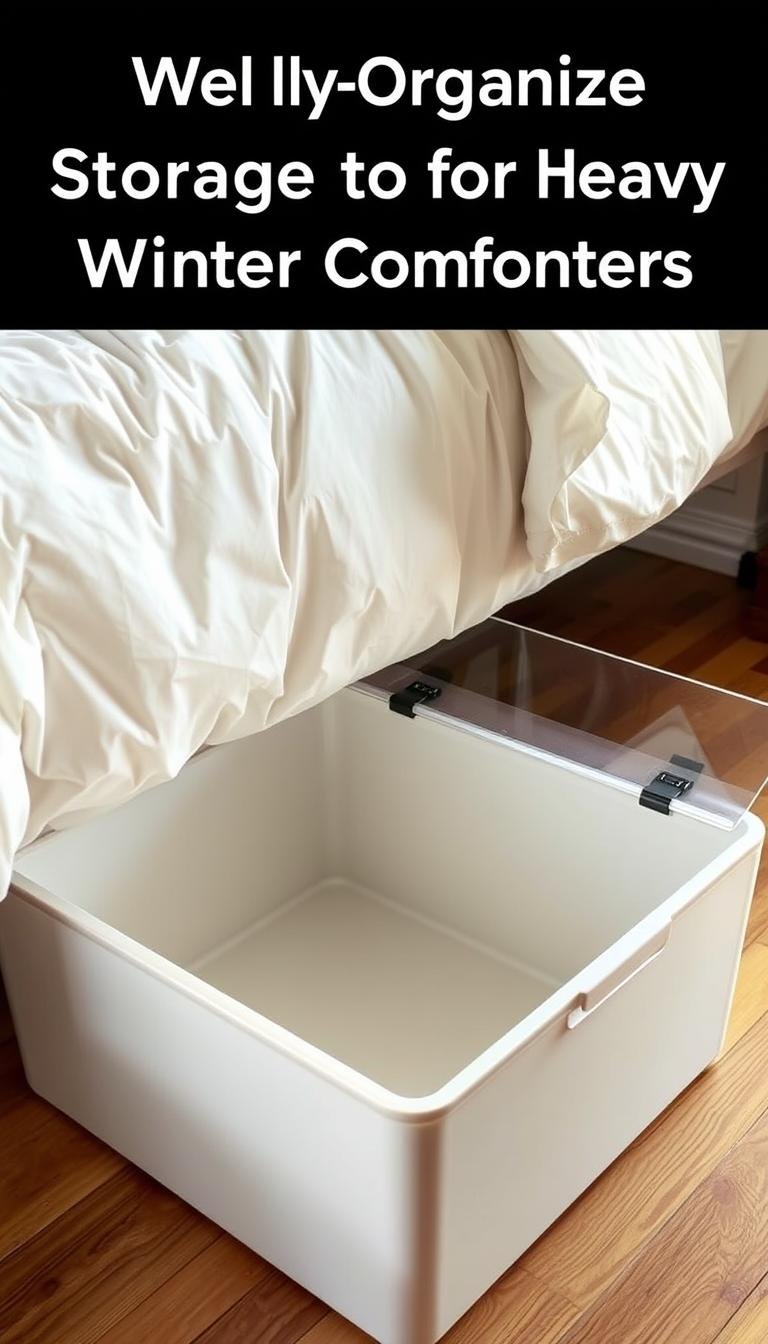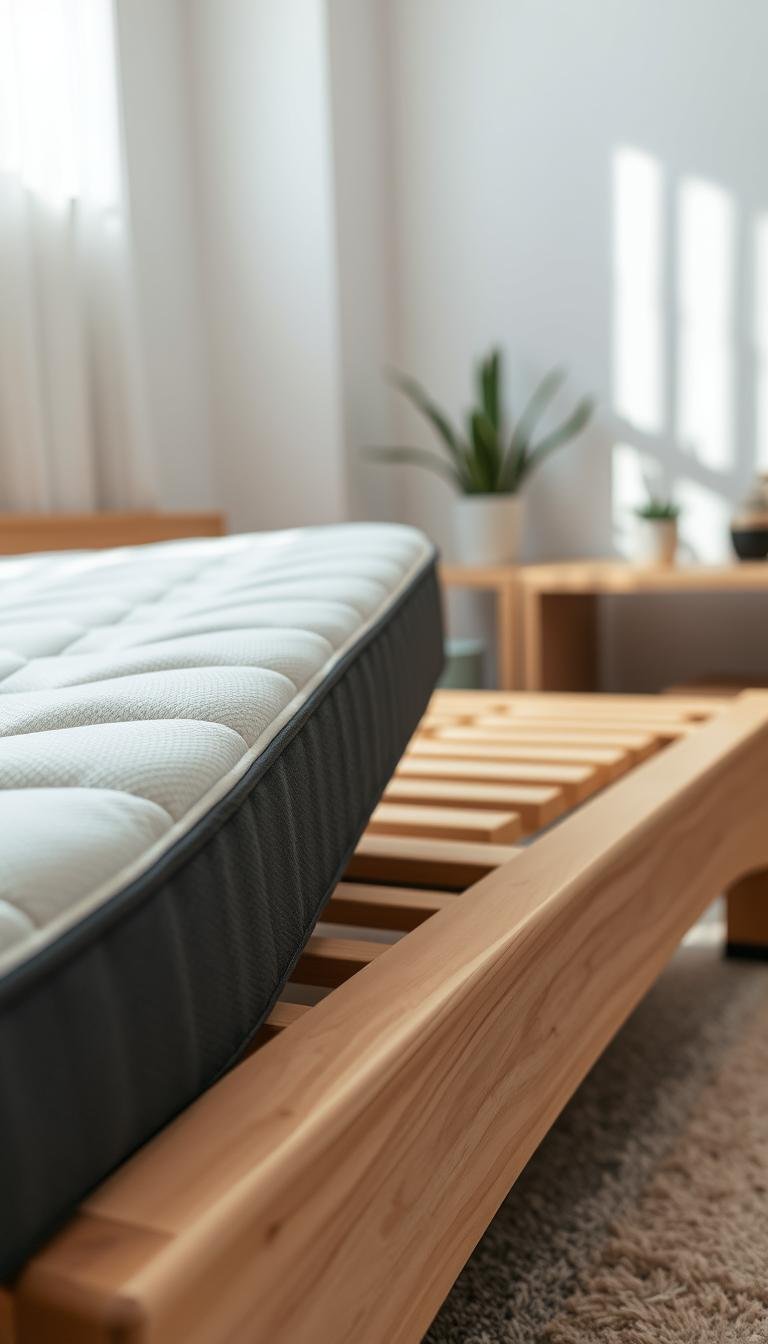
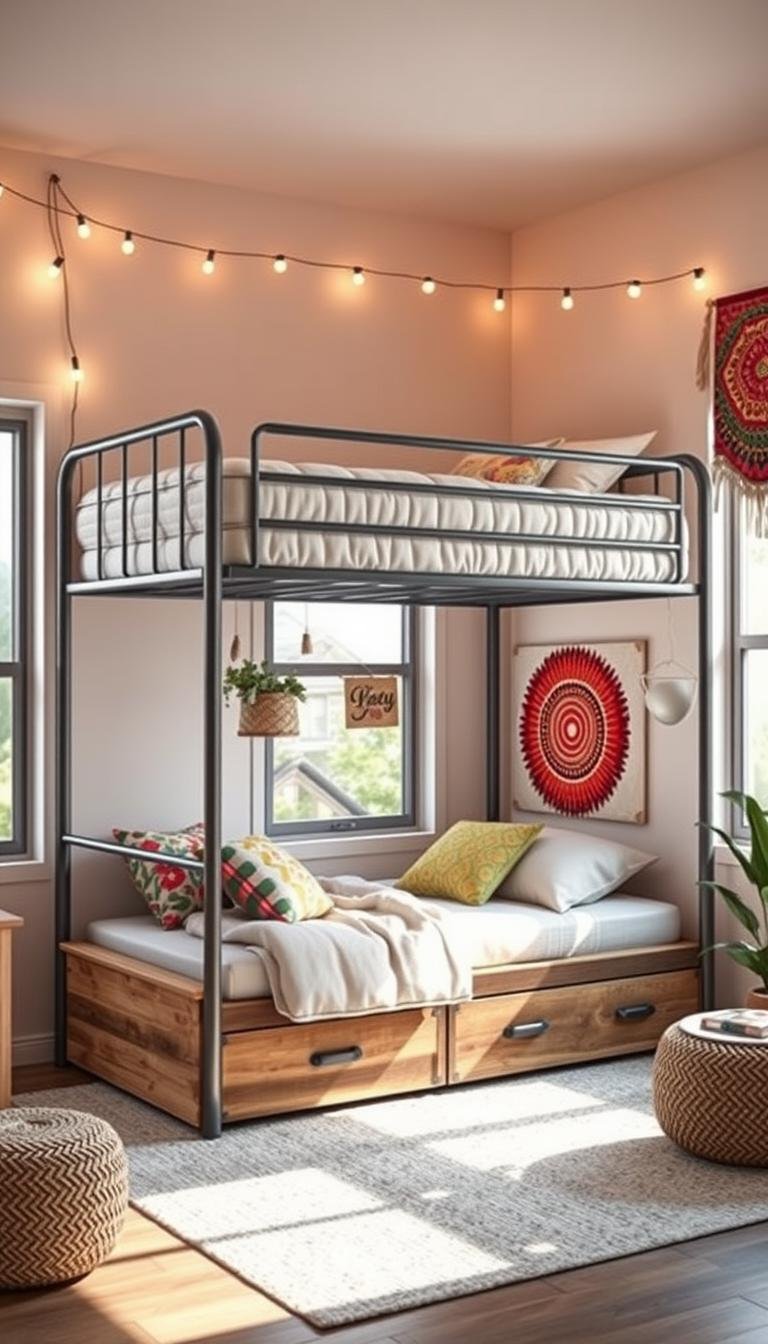
If a teen dislikes bunk beds, the problem is usually not the idea of stacking beds; it is the feeling of being cramped, childish, exposed, or short on personal space. The most convincing designs solve those objections with better proportions, privacy, storage and lighting rather than piling on novelty features.
Low-profile frames, twin-over-full layouts, built-in stairs and restrained finishes can make a bunk read more like fitted furniture. Safety still comes first: use the mattress size and maximum thickness specified by the manufacturer, keep both upper guardrails in place, and do not put a child under 6 on the upper bunk.
Why teens “hate” bunks—and how I turn that into a design flex
A lot of complaints I hear stem from three simple fears: climb, style, and space. I break each worry down and offer fixes that make a bunk read like a thoughtful furniture choice in your home, not a playground relic.
Climb anxiety is real. Swap ladders for stairs, or place the lower bed on the floor. Contractor Tyler Ferrell recommends about 40 inches between the top mattress and ceiling, anchor frames into studs, and use guard rails at least 12 inches high.
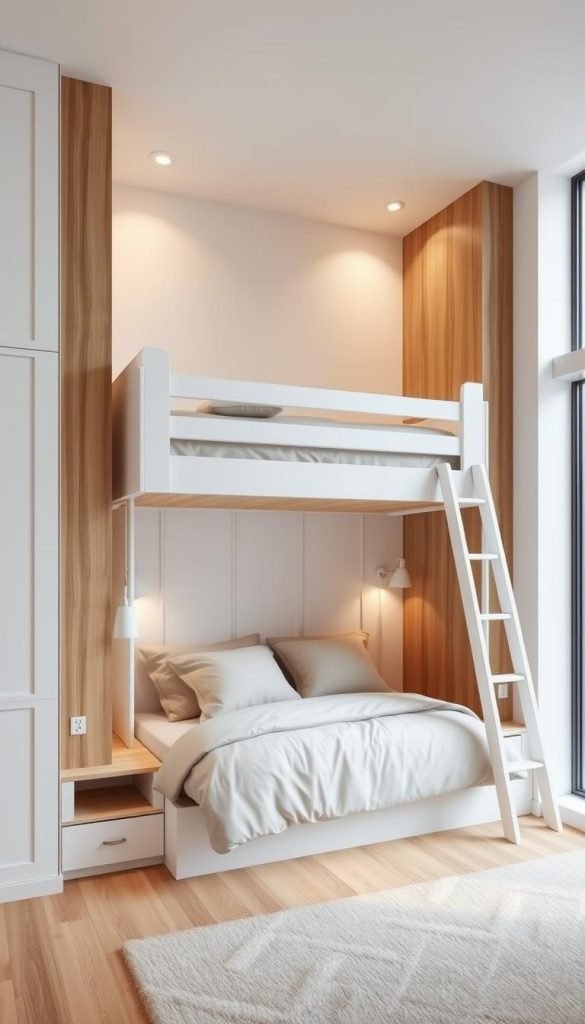
Style problems vanish when you go twin-over-full. Amber Interiors shows that larger lower beds look mature and last as tastes change. Clean lines, grown-up finishes, and integrated lights make the setup a deliberate design moment.
Loss of personal space is fixed with curtains, shelves, USB chargers, and individual sconces. Let your child pick a mood board and choose textures so the solution fits how they live.
- Ladders vs stairs: stairs win for safety and storage.
- Open vs curtained: open reads modern; curtains give privacy.
- Ready-made vs custom: budget-friendly frames or built-ins for long-term value.
| Feature | Comfort | Privacy | Cost |
|---|---|---|---|
| Twin-over-full | Higher — full on bottom | Moderate | Mid |
| Stairs with drawers | Easy access | Low | High |
| Curtained bunk | Cozy | High | Low–Mid |
| Loft conversion | Versatile | Variable | Mid–High |

Low-profile and floor-hugging bunks that feel less “tower,” more chill
When vertical scale feels intimidating, lowering the profile shifts the whole vibe. I favor setups that read calm and grounded instead of tall and playground-like.
Go low: bottom bunk on the floor for an easy climb
I recommend setting the bottom bunk directly on the floor, like Lucy Harris Studio did. That move cuts steps, eases nightly routines, and reduces tower energy in a small room.
Keep a slimmer mattress on the top bunk to preserve guard-rail height and headroom. For safety, younger children should avoid upper sleep spots.
Mini and low-ceiling bunks: compact frames that open up the room
When ceiling height is tight, I suggest low-profile frames such as Casa Kids’ LoLo or miniBUNK models under five feet tall. They give larger safety rails and make the bed easy to reach.
Wrap the ceiling in Benjamin Moore Blue Jean and add Chasing Paper Bubble on a wall to create a floating, intentional feel. Pair a low frame with a trundle for extra sleeping space without crowding the floor.
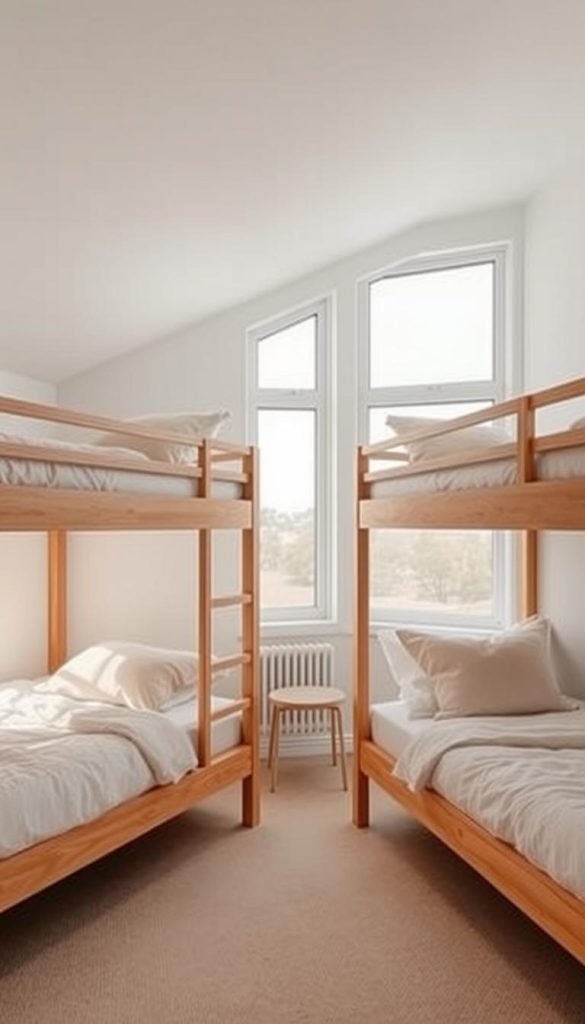
Built-in bunk beds that look designer (and totally un-bunky)
I love carving sleep zones into the architecture so a built-in reads like it always belonged there. When done right, a built-in bunk feels calm, tailored, and modern instead of toy-like.
Closet-turned hideaways are a favorite. I’ve seen families gut a spare closet, add a custom ladder, and create a secret sleeping nook that guests adore. It’s cozy and surprising.
Shiplap nooks and clean trim make a big difference. Dark wood accents and consistent millwork tie the unit to the rest of the home. That detail is what makes a built-in feel original.
Industrial pipe ladders give an edge. Pair a metal ladder with sleek finishes and drawers under the lower bed for practical storage of linens and gear.
“Anchor built-ins to studs, add hidden LEDs, and mock up the footprint with painter’s tape before you cut.”
- Drawers in stair treads or under the lower bed save space.
- Durable paint and scuff-resistant trim keep wear out of sight.
- Mock the layout in tape to confirm clearances and traffic flow.
| Style | Feature | Benefit |
|---|---|---|
| Closet alcove | Custom ladder, hidden pocket door | Secret feel, maximizes room footprint |
| Shiplap nook | Consistent trim, dark wood accents | Seamless, original-to-house look |
| Industrial finish | Pipe ladder, drawers under bed | Modern edge plus practical storage |
Loft bed alternatives: keep the top, reclaim the bottom for life and study
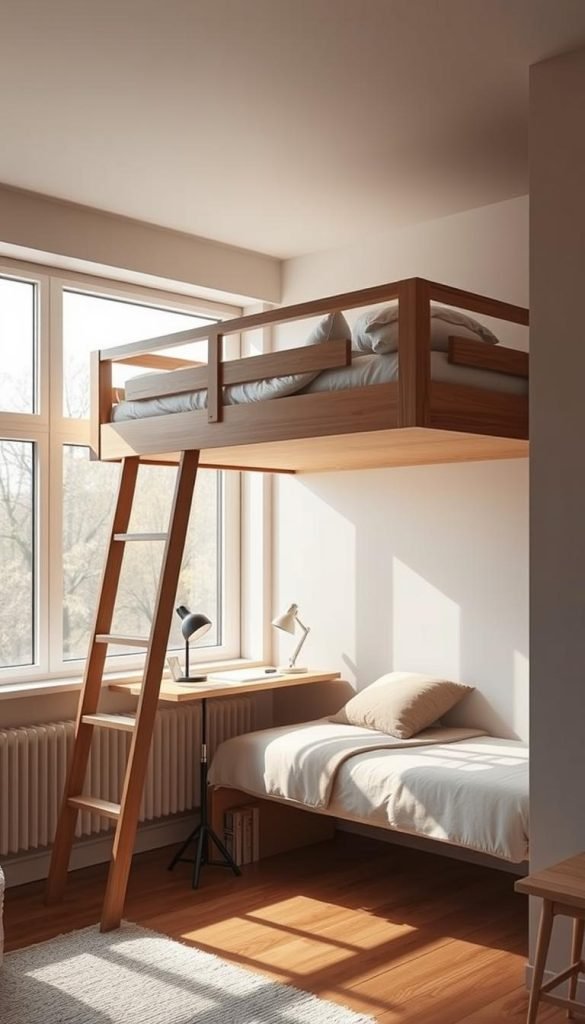
Treat the upper sleeping spot as a retreat and design the area beneath for life and learning. A raised solution keeps the top mattress but opens real living space below. That gives you a place for work, gaming, and storage without losing the cozy upper bed.
Desk zones under a loft for homework and gaming
I recommend a loft bed when your teen wants sleep up top and a legit workstation underneath. Plan desk depth, screen distance, and cable paths so a monitor or gaming console fits comfortably.
- Add a sliding keyboard tray, concealed outlets, and a headphone hook for tidy wiring.
- Map head-height clearances so your child can sit without hitting the underside of the loft.
- Use a dimmer overhead for the desk and a quiet sconce at the top bed for late reading.
L-shaped and T-shaped layouts that do double duty
L- and T-shaped configurations tuck into corners and make clear zones: sleep on one axis, study or lounge on the other. Twin-over-full options, like the Marino Twin Over Full, give a roomier lower mattress and an optional trundle for guests.
Quick tips: add a compact rolling cart, felt pinboards for noise control, and shelves above the desk. These make the setup flexible if you later rearrange or move kids.
Fort vibes: tents, curtains, and cocooned bunks teens actually love
A cozy canopy can turn a stacked sleep spot into a private retreat. I use fabric and layered details to make a nook feel intentional and grown-up. Tents, curtains, and smart storage change how a bed reads in a shared room.

Tented tops and fabric canopies for instant character
I recommend tented tops like Katie Ridder’s, using a Holland & Sherry textile to give the top mattress a tailored canopy. JBM Architects’ stairs with hidden drawers add utility and look deliberate.
Velvet curtains and individual sconces for late reading
Chris Loves Julia’s velvet curtains create privacy while sconces inside each nook handle late-night reading. Alicia Lane Interiors wrapped bunks in Thibaut wallpaper and added curtains, plus cubbies at the foot for shoes and small storage.
- I suggest tented tops in stripes, denim, or quiet plaids your teen picks so the space feels personal.
- Use ceiling-mounted tracks and performance fabrics for durable privacy curtains.
- Add a sconce and a USB port per sleep spot to keep charging and light separate.
| Feature | Benefit | Practical tip |
|---|---|---|
| Tented canopy | Grown-up hideout | Choose heavyweight fabric and breathable lining |
| Velvet curtains | Soft privacy, better acoustics | Ceiling track + stain-resistant backing |
| Hidden drawers/cubbies | Clutter-free space | Use labeled bins: shoes, chargers, journals |
“Keep a small fan or silent light inside so comfort is adjustable without disturbing a roommate.”
Make the bunk feel grown-up without adding gimmicks
The safest way to make a teen bunk feel less childish is usually visual, not structural. Better bedding, an individual reading light, a small shelf, privacy curtains that do not create an entanglement hazard, and a restrained color palette can do more than adding slides, suspended chairs or other play equipment around the bed.
Keep the area around the ladder or stairs clear, avoid attaching ropes or hanging accessories to the bunk itself, and let the teen’s personality come through in removable elements such as art, bedding and paint.
Color, railings, and hand-painted details that make bunks feel custom
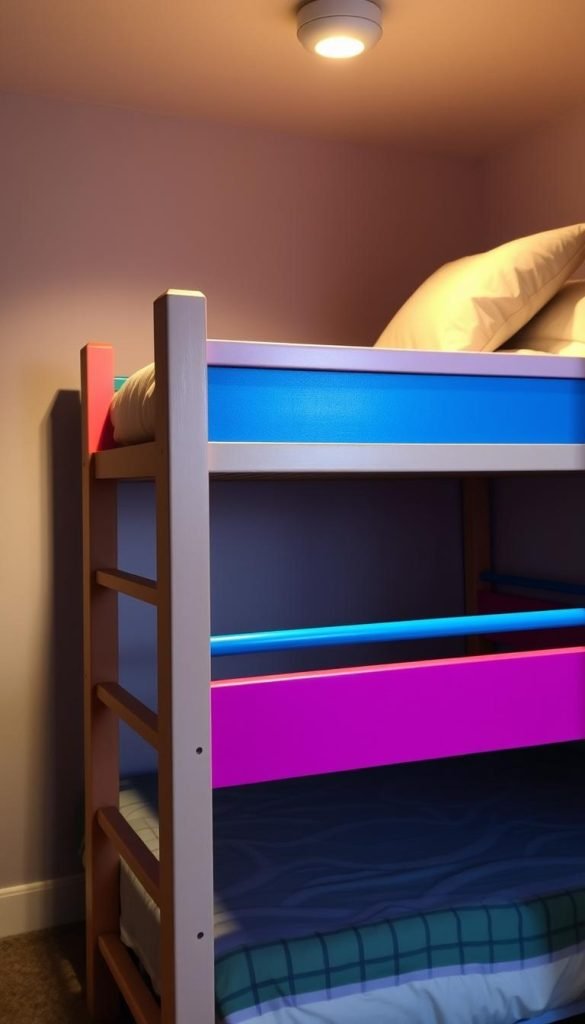
Small, deliberate color pops and custom rail details make a stacked unit feel bespoke. I like a two-color approach: a neutral frame with a saturated interior that reads like a hidden flourish.
Lattice or creative railings with bold interior color pops
I suggest swapping standard rails for a creative lattice pattern. Sally Markham’s circular lattice with Benjamin Moore Peacock Blue inside is a great example.
Paint the interior edges so the color flashes as you pass. It gives the bed a custom feeling without overwhelming the room.
Hand-painted motifs and statement fixtures to elevate the look
Hand-painted stripes, a subtle wave, or a checker at head panels personalize each sleep spot. Bailey McCarthy uses primary tones and chandeliers to keep things playful yet polished.
- One hero color + one accent: keep the palette simple to avoid visual noise.
- Weekend paint plan: sand, prime, and finish with durable enamel on ladders and rails.
- Hidden reveals: add a splash of color inside drawers or shelves for a fun discovery.
“Sample colors on-site; bunks cast shadows that change how paint reads in the space.”
| Designer move | Color | Benefit |
|---|---|---|
| Sally Markham | Benjamin Moore Peacock Blue | Bold flash in lattice rails |
| Bailey McCarthy | Primary palette | Playful, grown-up fixtures |
| Matthew Leverone | Aura Steel Blue | Deep color, calm for boys and girls |
Final tip: commit to one sculptural fixture—pendant or sconce—and add a personal monogram or emblem on a rail. It’s a small detail that makes bunks feel made-to-order.
Storage-smart bunks: drawers, stairs, and trundles that tame the chaos
Smart storage turns a crowded sleep corner into a calm, useful zone. I focus on built-in solutions that keep daily clutter off the floor and make the unit feel like real furniture.
Under-bed drawers and trundle beds for sleepovers
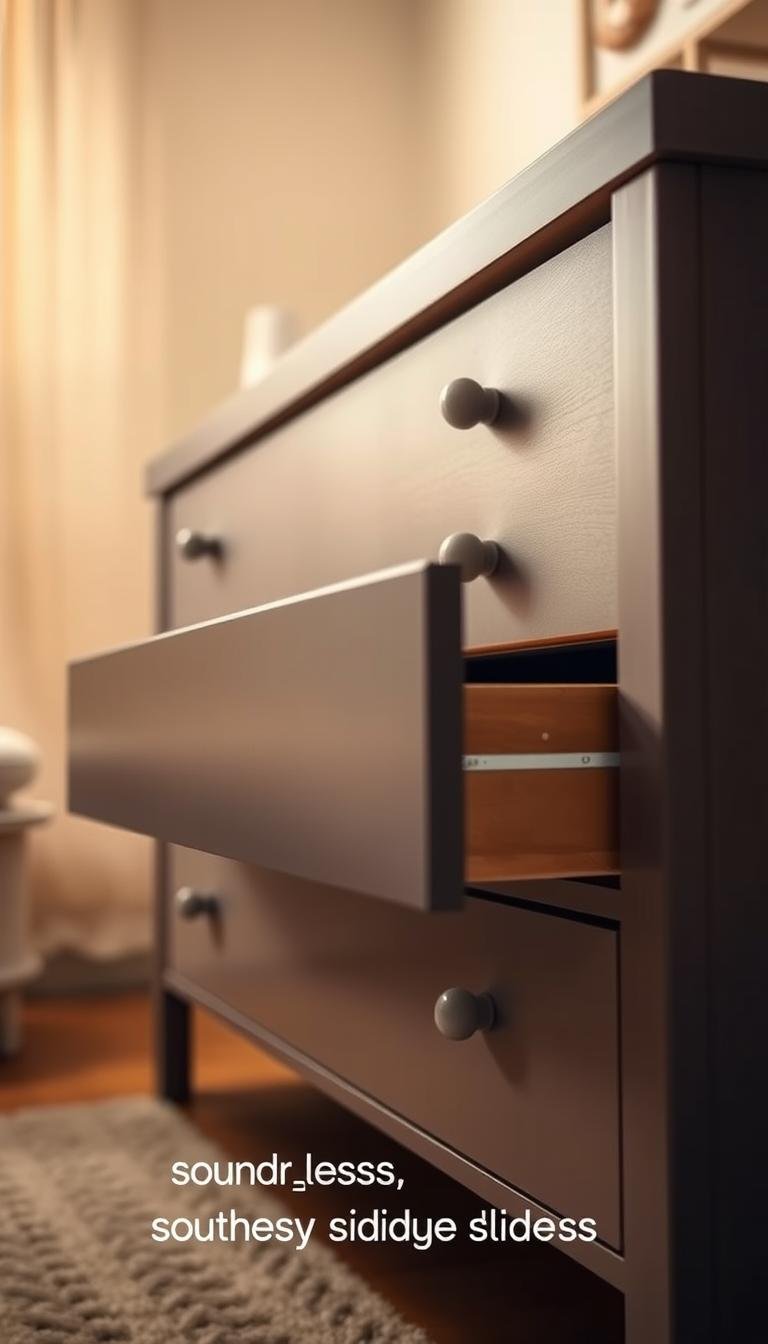
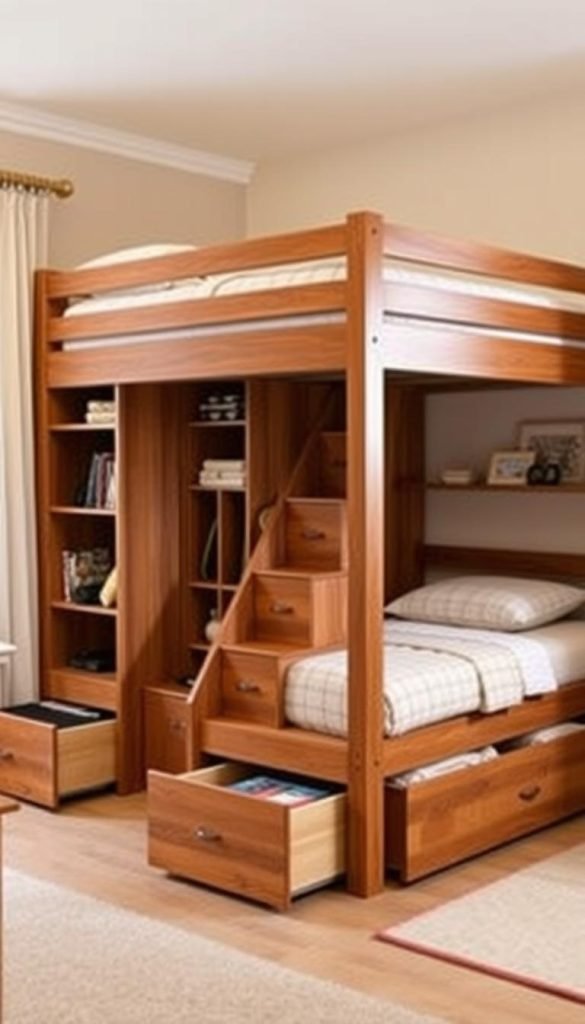
I often map under-bed drawers sized for folded clothes and spare linens. Full-extension slides let teens reach the back without wrestling a heavy box.
A trundle bed gives instant sleepover capacity without stealing daily floor space. Harp Design Co. used a trundle under a triple-decker to sleep four in a compact footprint—great for a family or frequent guests.
Stairs-with-drawers vs ladder: safety, space, and style
Stairs with drawers win on safety and storage. They make climbs easy and add usable compartments. I specify soft-close hardware so midnight raids don’t wake the house.
Ladders save floor footprint and money. They work well where space is tight, but they offer no hidden storage and fewer gentle steps.
- Zone storage: drawers near a desk for tech, under-bed drawers for off-season clothes.
- Label drawer sides discreetly in shared rooms so everyone knows what sits where.
- Choose low-profile handles or routed pulls to avoid snags in narrow walkways.
| Solution | Benefit | Practical tip |
|---|---|---|
| Under-bed drawers | Hidden storage for linens/clothes | Full-extension slides; measure mattress clearance |
| Trundle | Extra sleep space without daily footprint | Use a shallow trundle mattress for storage under |
| Stairs with drawers | Safe access + storage | Soft-close hardware; sturdy treads |
| Ladder | Compact, affordable | Anchor securely; add non-slip rungs |
“Build for the mess your teen actually makes—create a place for it, or it will live on the floor.”
Layouts that tend to age well
For teens, the most useful layouts are usually the least theatrical. Twin-over-full gives the lower sleeper more room and can feel less juvenile. A low-profile bunk can make a small room feel calmer. A loft bed works when the space underneath is genuinely useful for a desk, dresser or reading chair.
Built-in stairs can add storage and make access easier, but they take more floor space than a ladder. Before choosing any configuration, check the manufacturer’s age, weight, mattress and clearance requirements and make sure doors, drawers and circulation still work when the room is fully furnished.
Layout matters: corner bunks, bridges, and strategic placement
Thoughtful layout makes a multi-level sleep area feel intentional, not cramped. I start every plan by mapping traffic and light so the unit becomes useful instead of in the way.
Corner installs for stability and privacy
Casa Kids notes that a corner install is the sturdiest option because two walls support the frame. I anchor frames to studs on both walls for safety and less wobble.
Placing a bed in a corner also creates natural privacy. Add a slim bookcase or corner shelves at the head for water, phones, and books within reach.
Bridged layouts and crossing twins to maximize sleep
Elizabeth Georgantas used overhead bridges to connect units and keep the floor open. When the room is large, a bridge gives circulation and play without extra footprint.
Studio McGee’s crossed twin arrangement stacks sleeping spots while freeing the floor below for lounging or storage. Orient beds away from windows to reduce glare in the morning.
- Plan traffic from doorway to desk so drawers and corners don’t collide.
- Leave clearance for doors, closets, and under-bed drawers to open fully.
- Decide sconces and outlets before the final layout so power works where you need it.
- Use a partial wall or curtain on the side facing the door to give the top sleeper a tucked-in feel.
“A thoughtful layout is half the battle—if a teen can use it easily, they’ll be more likely to keep it.”

The right size and mattress height for teen comfort
Sizing and mattress height make or break how comfortable a stacked sleep setup feels. I walk through common options and show how mattress thickness affects safety, sit-up room, and head clearance.
Twin saves room. Twin XL adds legroom for taller teens. A full lower bed feels luxe and lasts as tastes change. Some frames allow a larger lower mattress—think twin XL over queen if space and structure permit.
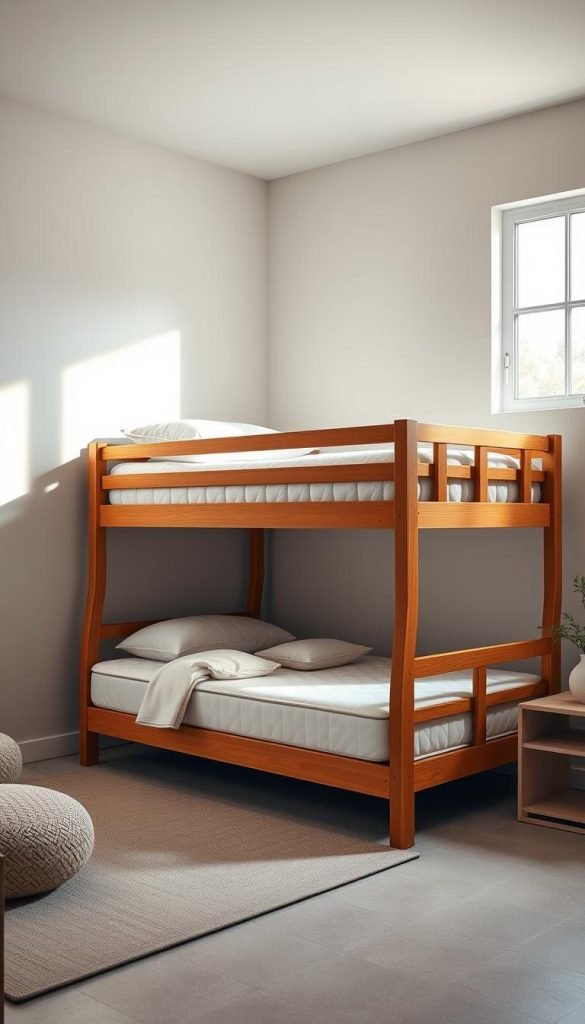
Mattress thickness and clearance
Pick a low-profile top mattress so guard rails remain effective. Measure from mattress top to ceiling; aim for enough room so a teen can sit upright without bumping a light or fan. Keep top bunks away from low fixtures.
- Age guide: bottom bed OK at ~5–6 years; top reserved for 6+.
- Loft desk: allow seated headroom and monitor distance under loft beds.
- Bedding: use zippered duvets and fitted sheets that stay put in tight space.
- Safety note: check weight ratings if parents plan to sit up top for reading.
| Size | Benefit | When to choose |
|---|---|---|
| Twin / Twin XL | Saves space / more legroom | Smaller rooms; taller teens |
| Full / Queen (lower) | Roomier, long-term use | Larger rooms; shared sleeping |
Safety-first design that still looks cool
Safety doesn’t have to kill style; I treat every anchor point as a design decision. A secure frame, clean rail lines, and correct clearances keep a sleeping nook both chic and dependable for teens and younger kids.

Guardrails, mattress thickness and anchoring
Use the bed exactly as its instructions specify. U.S. bunk-bed rules require guardrails on both sides of the upper bunk, and the top of each guardrail must remain at least 5 inches above the top of the mattress. That is why the manufacturer’s maximum mattress thickness matters; a thicker mattress can reduce the effective guardrail height.
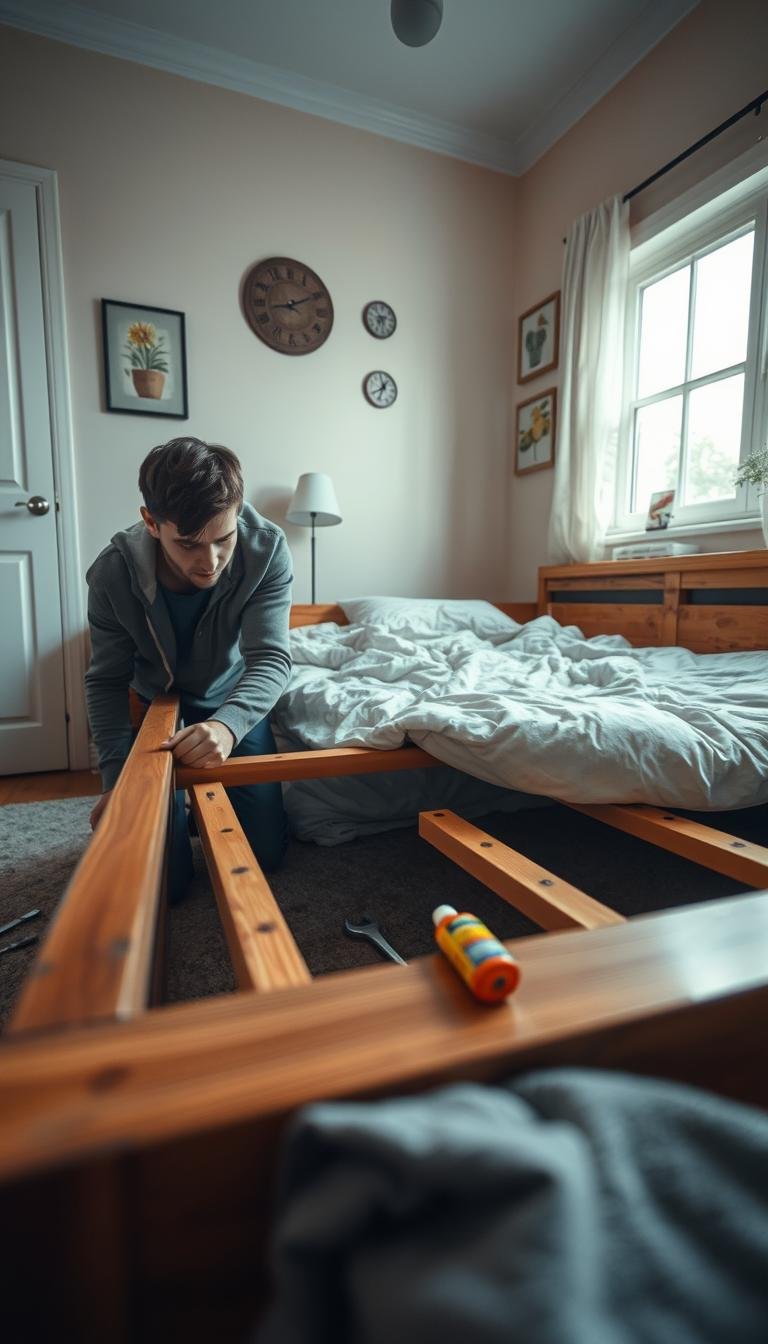
Keep the frame securely assembled and follow the manufacturer’s wall-anchoring instructions where provided. Recheck fasteners periodically, especially after moving the bed.
Ceiling clearance, lights and upper-bunk age
Leave enough headroom for the actual sleeper to sit and move comfortably, and keep the upper bunk well clear of ceiling fans, pendants and other projections. Children under 6 should not use the upper bunk.
- Use the ladder or stairs provided for entering and leaving the upper bunk.
- Keep guardrails installed on both sides.
- Do not hang ropes, belts, scarves or similar items from the bed.
“Corner installs add stability and a tucked-in feel for the top sleeper.”
Design to grow up with: twin-over-full, neutral palettes, and minimalist lines
Start with scale and palette, then let details — thin rails, neutral fabrics — do the growing-up part.
I favor a twin-over-full layout because the lower bed reads adult and keeps vertical efficiency. Amber Interiors proves this ages well: a larger lower mattress feels intentional and lasts as tastes change. This move works great for a family that needs both sleep capacity and style.
For a quieter look, I choose stone, sand, and inky blues. Fantastic Frank’s minimalist loft shows how an all-white, slim silhouette makes a loft feel cloud-like and modern. Thin rails and simple hardware keep the unit architectural, not bulky.
I plan for the future: pick frames that separate into two beds or convert to a loft bed later. Parents should prioritize size now — a full lower mattress often saves an early upgrade.
- Keep textiles flexible so you can swap bedding and art without replacing structure.
- Pick plug-in reading lights rather than hardwiring for easier rearranges.
- Choose fabrics and hardware that patina nicely to match teen tastes over time.

“A calm palette and clean scale make bunks feel like furniture, not a temporary solution.”
| Move | Benefit | Quick tip |
|---|---|---|
| Twin-over-full | Adult feel, lasting comfort | Choose durable mattress covers |
| Minimal loft | Open sightlines | Use slim white frames |
| Convertible frames | Flexible future options | Confirm split hardware before buying |
Keep the structure simple; personalize the room around it
A teen-friendly bunk does not need a theme or a novelty feature. Get the proportions, safety, privacy and storage right first, then let bedding, paint, art and lighting carry the personality. Those are the parts that can change as tastes change without rebuilding the bed.