The best under-bed storage for heavy winter comforters is the container that fits your actual clearance, holds the bedding without crushing it flat, and is easy enough to pull out that you will actually use it. In practice, that usually means one of three formats: a structured fabric bag, a rigid plastic bin, or a wheeled container.
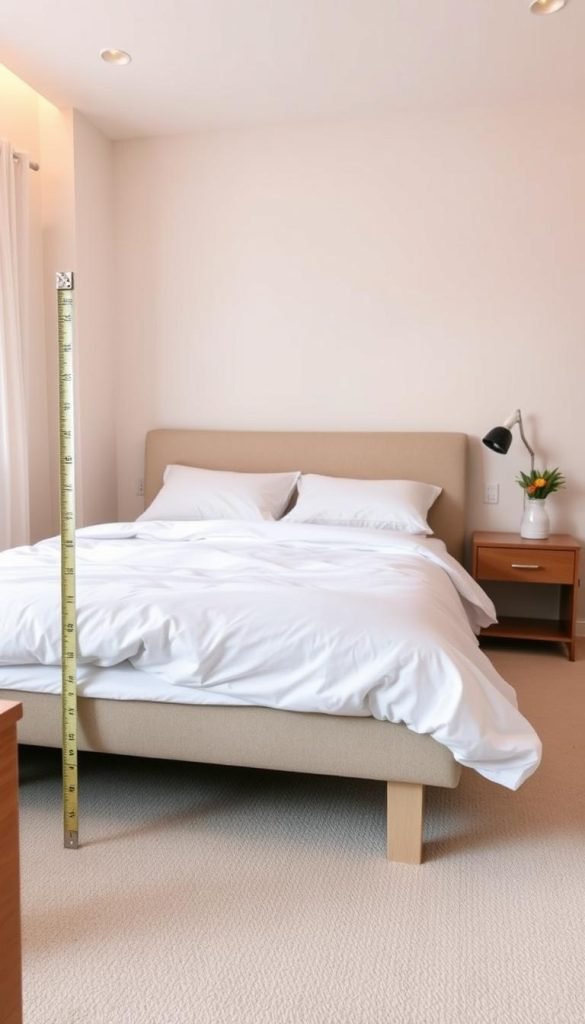
Before shopping, measure the clear height, width and length beneath the bed. Include center supports, low rails, wheel housings and any other obstruction. A container that looks perfect on a product page is useless if it catches on a support halfway under the frame.
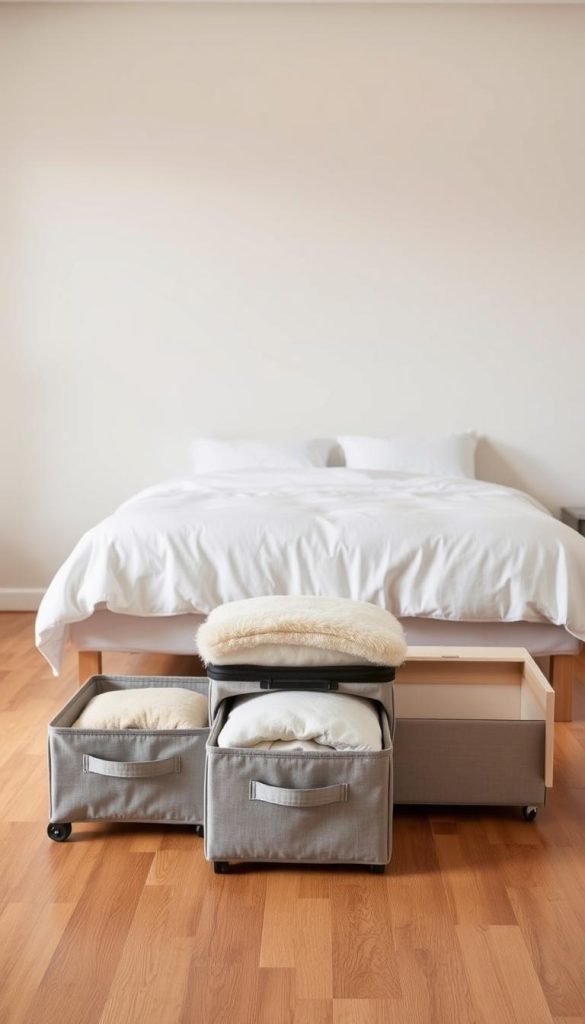
Quick answer: which type should you choose?
- Structured fabric bag: best when the comforter is lofty and needs a little give.
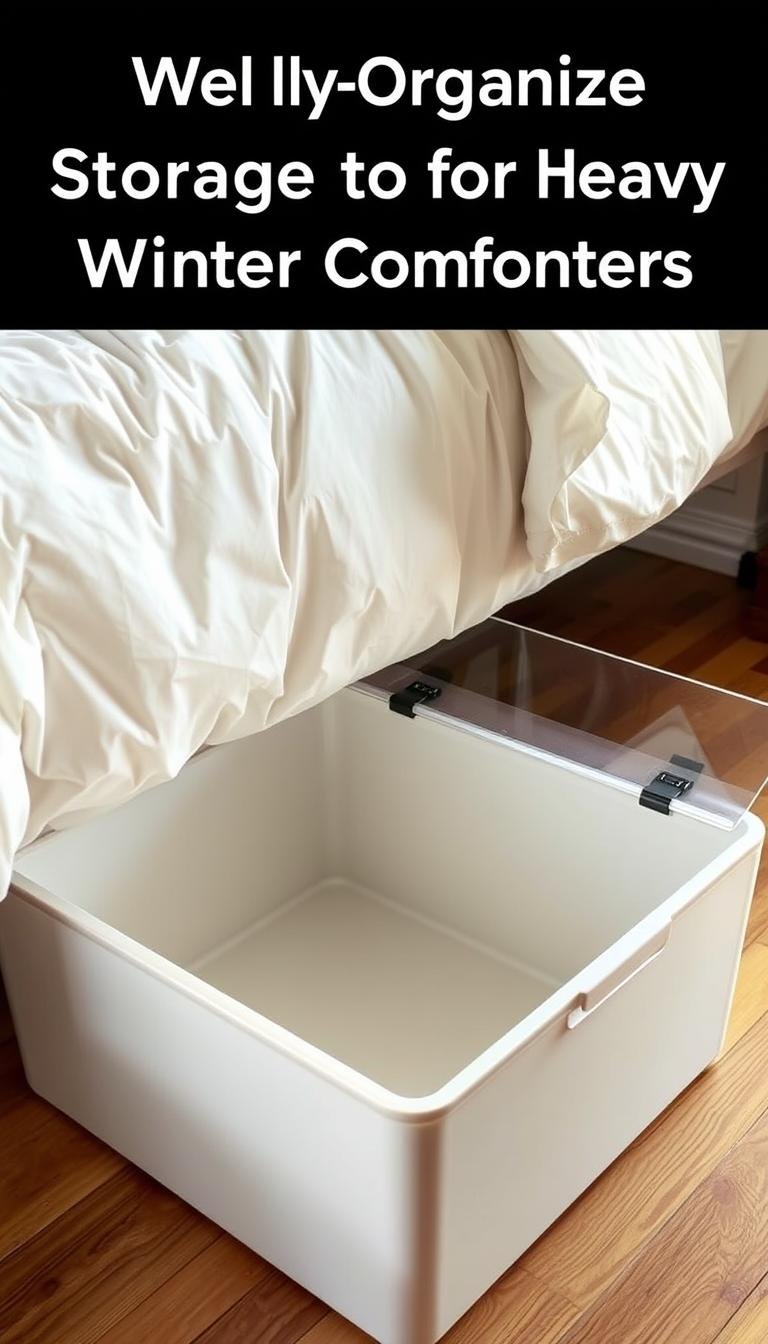
- Rigid plastic bin: best when you want the sides to stay square and the contents protected from rails, dust and nearby stored items.
- Wheeled container: best when the bedding is heavy or the bed is low enough that dragging a full box is awkward.
- Gasketed box: useful when dust control is a priority and the bedding fits without severe compression.
The format matters more than the brand. Product recommendations can change; bed clearance and storage physics do not.
Measure under the bed properly
Measure from the floor to the lowest obstruction, not simply to the visible side rail. Then subtract a little clearance so the lid, zipper or wheel housing does not scrape every time the container moves.
Also measure the usable sections between legs and center supports. A 33-inch-long bag may technically fit under the bed but still be impossible to slide into place if a support breaks the space into shorter compartments.
How much should a comforter be compressed?
Bulky bedding can usually tolerate gentle compression for storage, but there is little benefit in forcing it into the smallest possible box. The more aggressively a comforter is packed, the harder it is to close the container and the more time the filling may need to recover when it comes out.
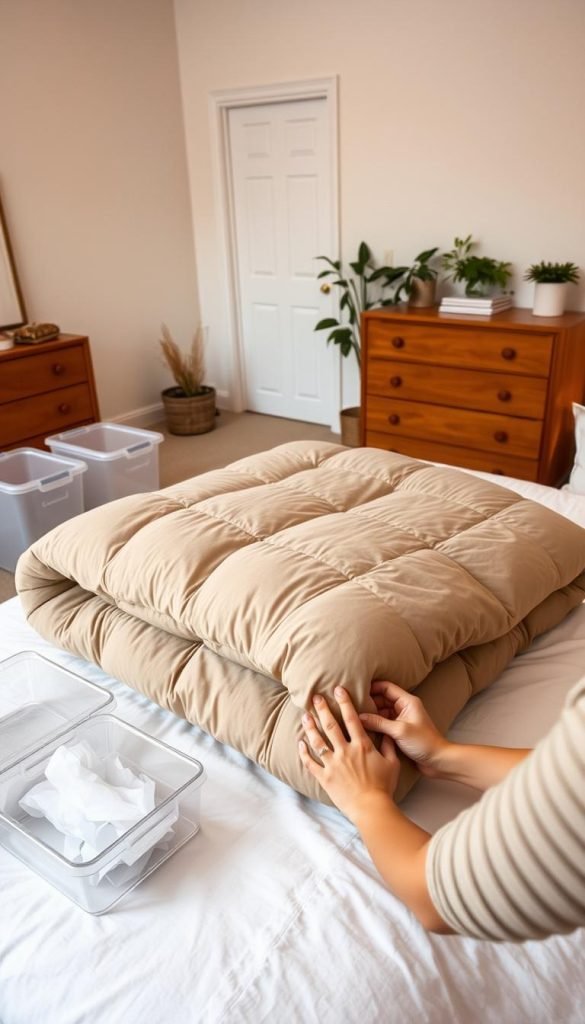
Loosely fold the comforter, then choose a container that closes without straining the zipper or lid. Follow the bedding manufacturer’s care guidance if the fill is down, wool or another material with specific storage instructions.
Structured fabric bags
A structured fabric bag works well when a rigid box wastes too much space around a lofty fill. Look for side panels that hold their shape, reinforced handles and a zipper that can close without being pulled tight around the corners.
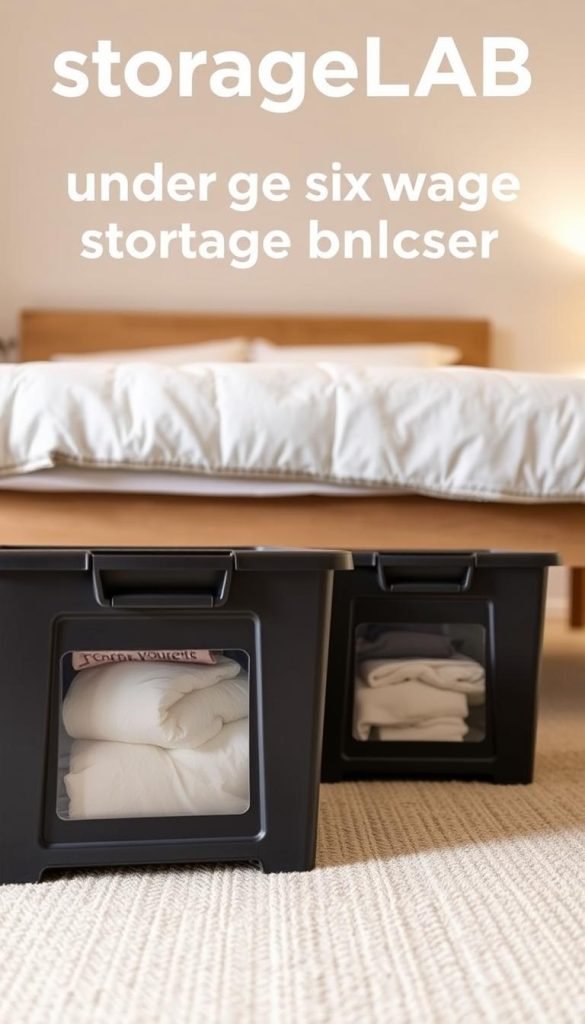
Fabric storage is forgiving, but completely shapeless bags can become awkward when heavily loaded. If you need to pull the container out frequently, a reinforced base or stiffer sides are worth having.
Rigid plastic bins
Rigid bins are useful when you want the sides to stay square, the contents visible and the bedding protected from rough bed hardware or other stored objects. Clear plastic also makes it easier to identify what is inside without opening every container.
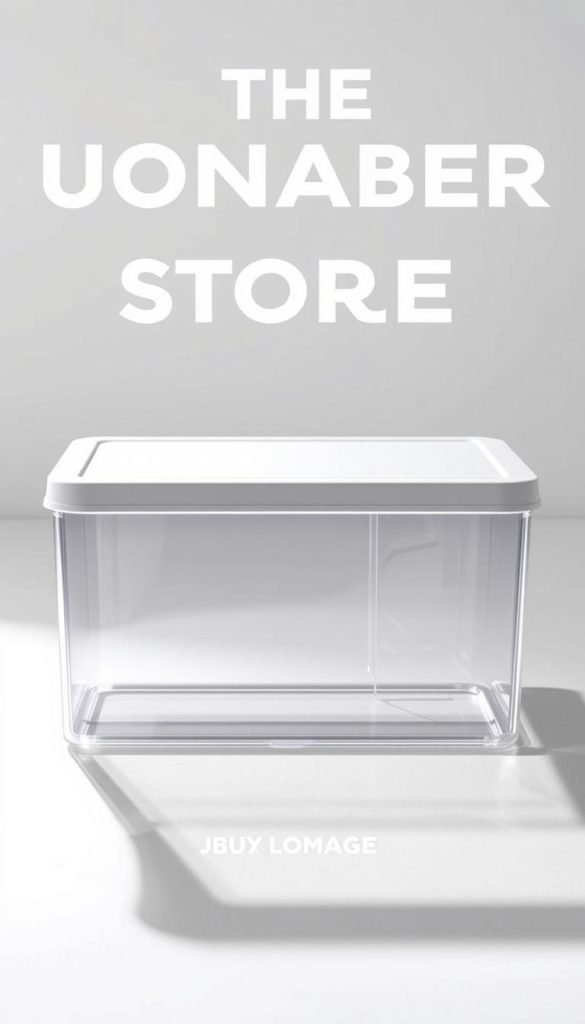
Check the internal height as well as the outside dimensions. A thick lid, wheel housing or molded base can reduce usable space more than expected.
When wheels are worth it
Wheels make the biggest difference when the load is genuinely heavy or when the container has to travel over carpet. They are less useful if the wheels add enough height to make the box scrape the bed frame.
Look at how the wheels are attached, whether they roll in the direction you need, and whether the handle is strong enough to pull a full container without stressing the seams.
Dust, moisture and long-term storage
Whatever container you choose, store only clean, fully dry bedding. Sealing damp fabric inside a box is far more likely to create an odor or mildew problem than choosing the “wrong” style of container.
In a dry, clean bedroom, a normal fabric or lidded plastic container is usually sufficient. A gasketed box can provide extra dust protection, but it should not be used to trap bedding that still contains moisture.
Which features are actually useful?
| Feature | Why it matters |
|---|---|
| Clear top or sides | Lets you identify bedding without unpacking containers |
| Reinforced handles | Makes heavy containers easier to retrieve |
| Structured sides | Stops fabric bags collapsing into a difficult-to-pull bundle |
| Wheels | Useful for frequent access and heavier loads |
| Partial-opening lid | Lets you reach one item without pulling the entire container out |
| Label area | Makes seasonal swaps much faster |
How to compare products when you are ready to buy
Use the product page to verify five things: external dimensions, usable internal height, closure type, handle or wheel construction, and return policy. Then compare those facts with your under-bed measurements.
This is also where future affiliate recommendations belong. A product should only be recommended if its current specifications can be checked and it fits a defined use case. The core advice should remain useful even if every specific product changes next year.
A simple storage routine
- Wash or clean the comforter according to its care label.
- Let it dry completely.
- Fold it loosely enough that the fill is not crushed into hard creases.
- Place the heaviest container where it is easiest to retrieve.
- Label the short end so you can read it without pulling everything out.
- Leave enough floor access to vacuum beneath the bed occasionally.
The simplest way to choose
If the comforter is very lofty, start with a structured fabric bag. If you want more protection and easier stacking, use a rigid clear bin. If the container will be heavy and accessed often, prioritize wheels or a smooth low-friction base.
Measure first, avoid unnecessary compression, and choose a container you can retrieve comfortably. That will matter more than any permanent “best overall” product ranking.
For more bedroom storage and bedding planning, see the duvet insert guide, the rental bedroom guide, our under-eave storage guide, and the Dwelanor Room Guides.