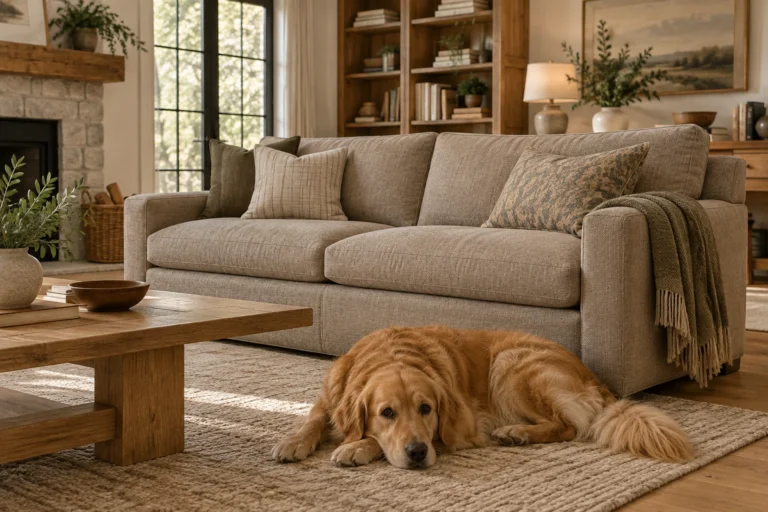
There is no upholstery fabric that can guarantee an allergy-free sofa. If allergies are a concern, the most practical buying question is whether the upholstery and furniture design make dust, pollen, pet dander, and moisture easy to remove.
Choose materials and construction that fit your cleaning routine, and treat terms such as “hypoallergenic” as marketing unless the claim is clearly defined and supported.
Which sofa fabrics are easier to keep clean?
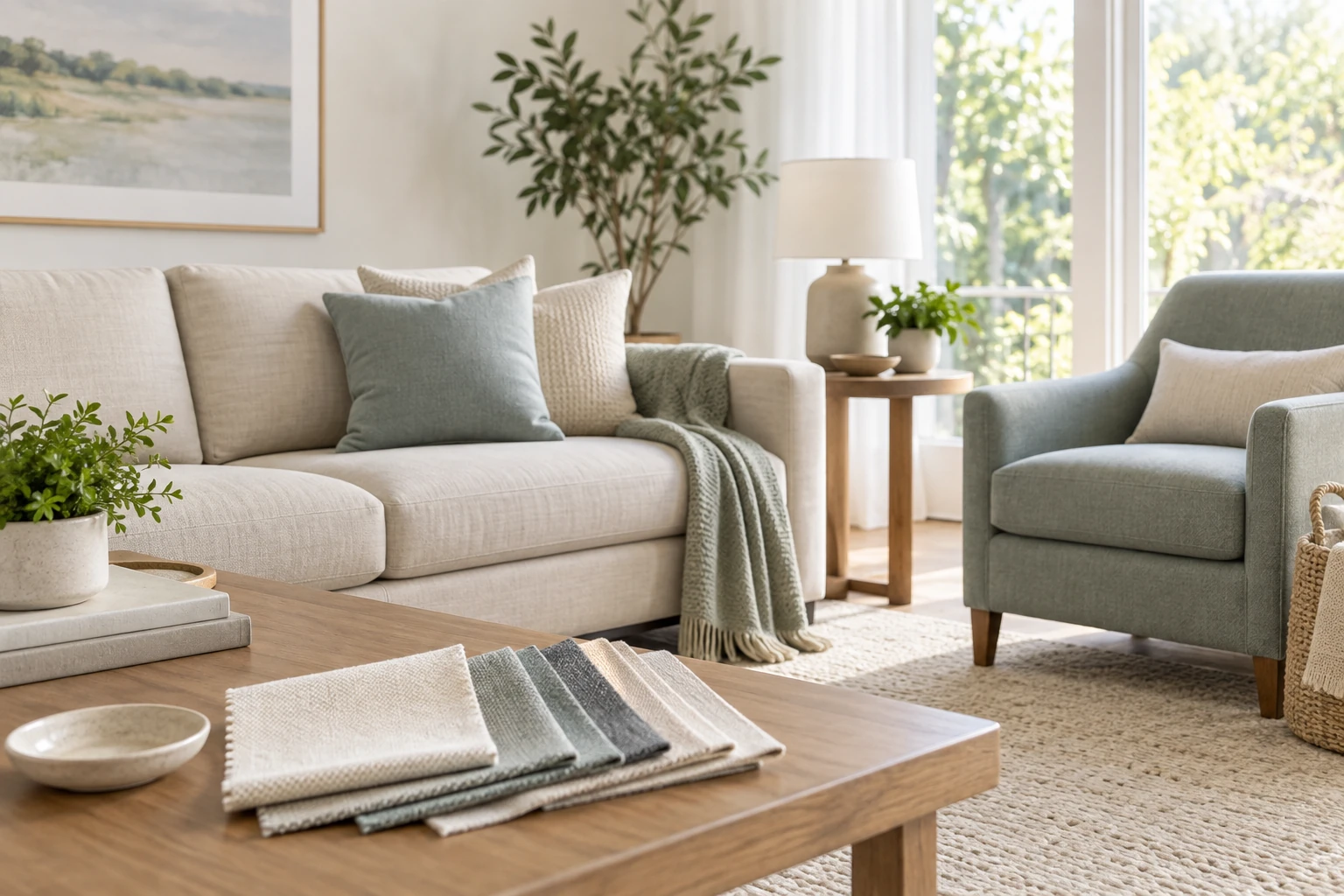
There is no single medically “best” sofa fabric, but smooth leather, tightly woven microfiber, washable slipcovers, and easy-clean performance fabrics are practical options to compare because they can make routine removal of dust, pollen and pet debris easier.
Choose based on the exact care instructions and the way the sofa is built. A cleanable fabric on a deeply tufted sofa can still be harder to maintain than a simpler design with removable cushions and accessible seams.
| Option | Why it can work well | What to check |
|---|---|---|
| Microfiber or microsuede | Dense surface; generally straightforward to vacuum | Care code, stain treatment and whether covers remove |
| Smooth leather | Loose particles tend to stay on the surface rather than settling into a pile | Leather finish, approved cleaners and sensitivity to scratches |
| Washable slipcover | Cover may be removable for deeper cleaning | Whether the manufacturer actually permits machine washing |
| Performance fabric | Can combine durability with easier spot cleaning | Exact fiber, finish, care code and any applied treatments |
For high-pollen homes, prioritize repeatable cleaning
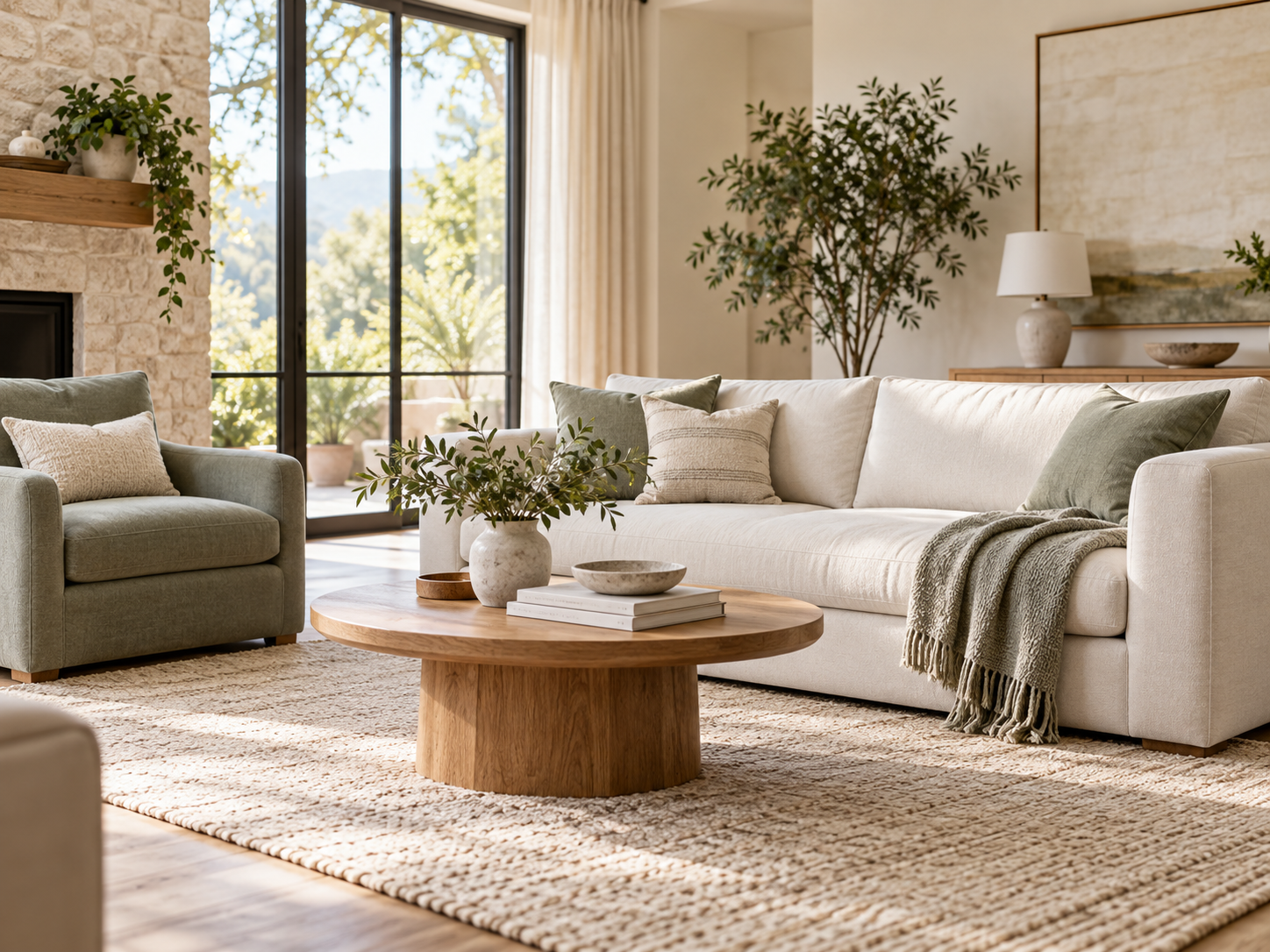
During high-pollen seasons, outdoor pollen can settle on indoor furniture as people, pets and air movement carry it inside. The Asthma and Allergy Foundation of America recommends cleaning fabric furniture weekly as part of pollen-exposure control. That makes a sofa easier to live with when its surfaces, cushions and covers can be cleaned repeatedly without a complicated routine.
- Prefer accessible cushion surfaces and seams that can be vacuumed thoroughly.
- Choose removable covers only when the manufacturer actually permits the cleaning method you expect to use.
- Consider smoother or tightly woven upholstery when easy surface cleaning matters more than deep texture.
- Keep windows closed during peak pollen periods when that is practical, and follow the household’s broader allergy-management plan.
See AAFA’s current pollen allergy guidance for wider steps to reduce pollen exposure indoors.
Start with cleanability, not the word “hypoallergenic”
Smooth or tightly woven upholstery is generally easier to vacuum or wipe than deep pile, loose weaves, heavy tufting and highly textured surfaces. The Asthma and Allergy Foundation of America notes that dust mites can live deep in fabric-covered furniture and recommends reducing hard-to-clean fabric furnishings where dust-mite exposure is a concern. See its dust mite allergy guidance. Treat “hypoallergenic” as a marketing term unless the seller clearly explains what is being claimed and how it was evaluated.
Do not confuse chemical certifications with allergy claims
Textile certifications can answer questions about chemical screening or material sourcing, but they do not prove that a sofa will prevent allergy symptoms.
For example, OEKO-TEX STANDARD 100 concerns testing for specified harmful substances. Other certifications may address organic materials, foam emissions, or sourcing. Read what each certification actually covers before treating it as evidence of health performance.
PFAS-free is a separate consideration
A PFAS-free claim may matter if you want to avoid intentionally added PFAS-based stain or water treatments. It does not tell you how much dust or dander a fabric will collect, and it does not make a textile “allergy-proof.”
Furniture construction affects cleaning
Look beyond the face fabric. Sofa design can make a large difference in how easily you can remove accumulated dust and debris.
- Removable cushions allow access underneath.
- Fewer deep seams and tufts mean fewer hard-to-reach crevices.
- Raised legs can make vacuuming beneath the sofa easier.
- Removable covers can help if their care label permits washing.
Moisture control matters
Spills and persistent humidity can create conditions for mold growth if upholstery or cushions remain damp. Follow the furniture maker’s cleaning and drying instructions and address water intrusion or chronic humidity rather than relying on antimicrobial fabric claims.
If visible mold develops inside cushions or furniture, cleaning requirements depend on the extent and materials involved. Significant or recurring mold may require professional assessment or replacement.
Use the care code, not a universal cleaning recipe
Different upholstery materials permit different cleaning methods. Before using water, solvent, steam, sprays, or extraction equipment, check the manufacturer’s care code and warranty.
Vacuuming with an appropriate upholstery attachment can help remove loose particles. How often you need to clean depends on the household, pets, open windows, local pollen, and the individual’s sensitivity.
Be cautious with “allergen sprays” and antimicrobial treatments
A spray or antimicrobial finish should not be assumed to prevent allergy symptoms. It can also introduce another chemical exposure or damage the textile if it is not approved for that fabric.
Use only products permitted by the upholstery manufacturer and follow the label.
What to compare before buying
| Feature | Why it matters |
|---|---|
| Tight or smooth surface | Easier access for vacuuming and wiping |
| Removable covers | Potentially easier deep cleaning when washable |
| Simple seams | Fewer places for dust and debris to collect |
| Clear care code | Helps avoid damaging cleaning methods |
| Material certifications | Useful only for the specific criteria they certify |
| Replacement covers/cushions | Can extend furniture life |
If allergy symptoms are significant
Furniture choice can make cleaning easier, but it is not a medical treatment. If someone has persistent or severe allergy or asthma symptoms, discuss environmental controls and treatment with an appropriate healthcare professional rather than relying on an upholstery recommendation.
Bottom line
For an allergy-conscious household, prioritize easy-to-clean surfaces, removable or accessible components, moisture control, and clearly documented material information. Tight-weave microfiber, smooth leather, and some performance fabrics can all be reasonable choices when their care requirements fit the household.
If pets are also part of the picture, compare this with our sofa fabric guide for shedding dogs, the Home Textiles Guide, and the Living Room Design Guide.