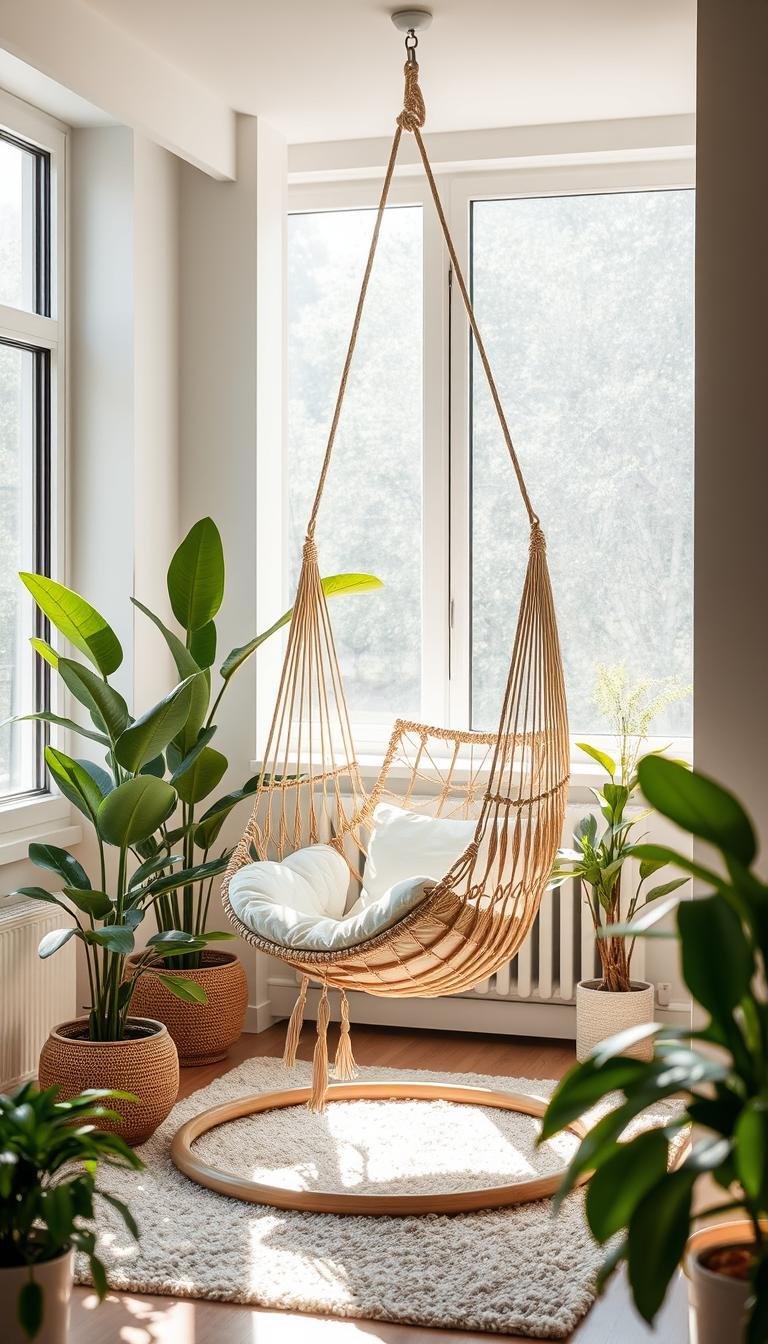
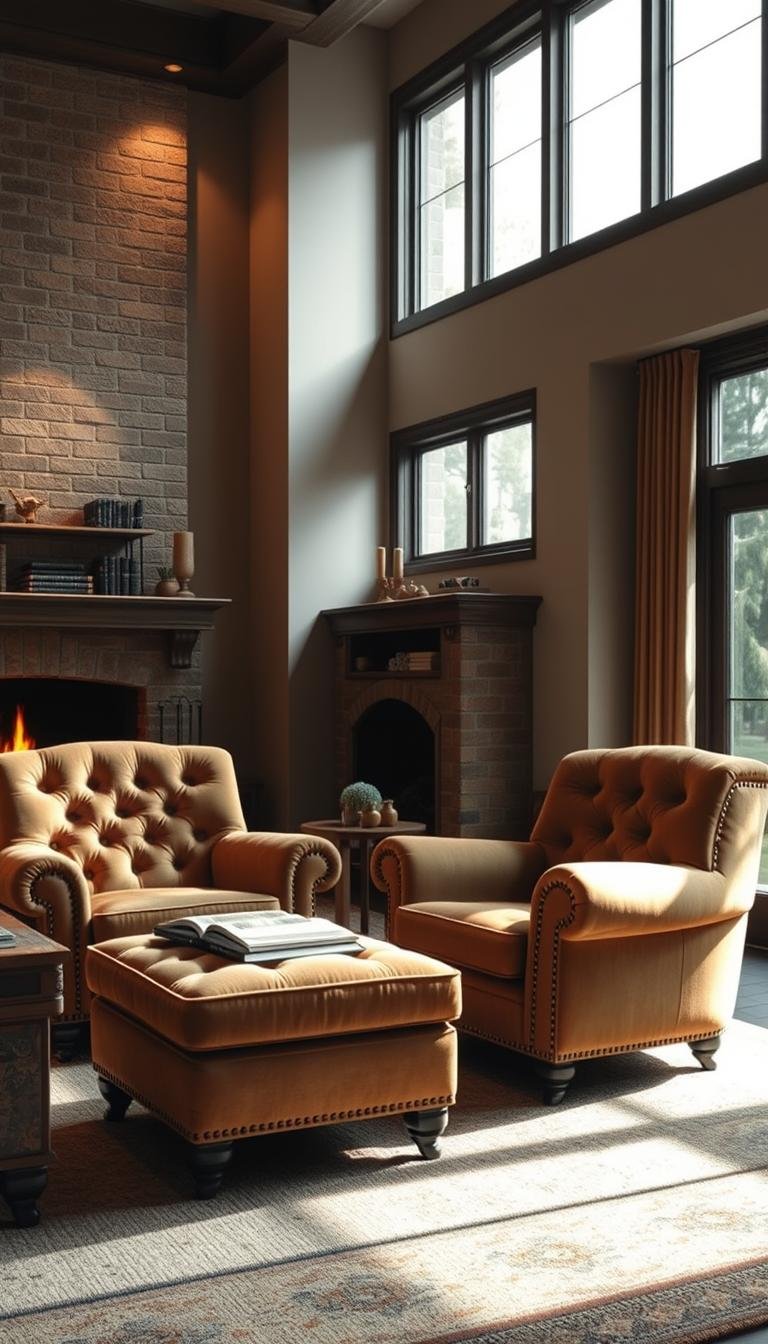
The most comfortable reading chair is the one that fits your body, supports the way you actually sit, and works in the available room. Brand rankings are less useful than seat depth, seat height, back support, arm position, cushion feel, upholstery, and whether you can easily get in and out of the chair.
For a reading area, start with the proportions and function, then choose the style. A beautiful chair that leaves your feet dangling, pushes your shoulders forward, or forces you to perch on the edge will not become comfortable just because it looks plush.
What makes a chair comfortable for reading?
A good reading chair should support several positions without making you fight the furniture. The key details are:
- Seat depth: enough room to sit back without the front edge pressing behind the knees.
- Seat height: low enough that your feet can rest comfortably if you prefer an upright posture.
- Back support: a shape that supports the upper and lower back without forcing the head forward.
- Armrests: useful for supporting the forearms while holding a book or tablet.
- Cushioning: soft enough for comfort, but resilient enough that you do not sink into an awkward posture.
- Width: matched to whether you sit upright, curl up, or sit cross-legged.
Choose the chair by how you read
| Reading style | Chair type that often works well | What to check |
|---|---|---|
| Feet on floor, upright | Supportive armchair | Moderate seat depth, usable armrests, back support |
| Cross-legged or curled up | Wide lounge chair | Extra seat width and depth without an overly low seat |
| Feet elevated | Chair with ottoman | Ottoman height and distance from seat |
| Changing view or conversation direction | Swivel chair | Rotation clearance and stable base |
| Very small nook | Compact fixed-base chair | Overall footprint, arm width, traffic clearance |
Supportive armchair: best all-around option
A medium-depth armchair with a supportive back is the safest starting point for most reading corners. It works for upright reading, conversation, and general living-room use without demanding a large footprint.
Look for a back that supports you when you sit all the way into the chair. If you need a large lumbar pillow just to avoid slouching, the basic proportions may not be a good match.
Wide lounge chair: best for curling up
If you prefer to tuck your legs under you or sit cross-legged, prioritize usable seat width and depth. A wider chair can feel more relaxed, but very deep seats may be uncomfortable for shorter users when sitting normally.
A removable back cushion can help adjust the effective depth. This is often more flexible than buying the deepest seat available.
Chair and ottoman: best for leg support
An ottoman can improve comfort when you like to stretch out, especially if the chair itself has a moderate seat depth. It also gives you more flexibility than a fixed recliner.
Check that the ottoman is not so high that it pushes the knees upward uncomfortably. It should support the legs without forcing the hips into a sharply flexed position.
Swivel chair: useful when the nook serves more than one direction
A swivel base can be practical in an open living room, bedroom, or office where you want to turn toward a window, conversation area, or television without moving the chair.
Measure the full sweep of the chair rather than only the base. A swivel chair placed too close to a wall, table, lamp, or shelving unit may not actually be usable through its full range.
Compact reading chair for a small room
In a small nook, overall width is only one part of the footprint. Large arms, a deep seat, or a reclined back can make a chair occupy much more space than the published width suggests.
Use painter’s tape on the floor to mark the chair’s full dimensions before buying. Include space for a side table, lamp, and the path you need to walk around the chair.
Seat depth matters more than a generic comfort label
There is no single ideal seat depth for everyone. Body proportions and reading position matter. A useful in-person test is to sit all the way back with your feet on the floor. If the front edge presses firmly into the back of your knees, the seat may be too deep. If you feel perched forward with little thigh support, it may be too shallow.
For cross-legged sitting, you may intentionally prefer more depth and width, but make sure the chair remains usable when you want a more upright position.
How to evaluate seat height
Seat height affects how easily you can stand and whether your feet rest comfortably. Rather than relying on a universal number, compare the chair with one you already find comfortable.
If buying online, measure the seat height of your current favorite chair and use that as a reference. Remember that a heavily cushioned seat may compress more than a firmer one.
Back and lumbar support
Reading often means staying in one position longer than casual conversation. Look for a back that supports the lower and mid-back while allowing a neutral head position.
Very low backs can look elegant but may be tiring during long reading sessions. Very high backs can be comfortable if their angle suits you, but some push the shoulders or head forward. This is one of the best reasons to test a chair in person when possible.
Armrests can make a major difference
Armrests are useful because they reduce the amount of effort needed to hold a book, e-reader, or tablet. They should support the forearms without forcing the shoulders upward.
Wide padded arms can feel luxurious but increase the overall footprint. Narrower arms may be better in a small room if the height still works for you.
Upholstery choices for a reading chair
| Material | Strength | Tradeoff |
|---|---|---|
| Performance woven fabric | Often practical for frequent use and easier cleaning | Feel varies widely by weave |
| Velvet | Soft, visually rich | Pile can show pressure marks and collect lint or pet hair |
| Leather | Easy to wipe and develops patina | Can feel cool or slippery depending on finish |
| Linen-look fabric | Light, relaxed appearance | Check abrasion rating and care instructions |
| Bouclé or textured fabric | Cozy tactile surface | Can trap debris and may snag more easily |
If pets, children, or frequent snacks are part of the room, removable covers or manufacturer-rated performance upholstery may matter more than a particular fiber name.
For delicate pile upholstery, see our guide to cleaning velvet without damaging the nap.
Frame and cushion construction
Comfort on day one is only part of the decision. Check whether cushions are removable, reversible, or replaceable, and whether the manufacturer sells replacement parts or covers.
A chair that can be refreshed with a new cushion insert or cover may be a better long-term purchase than one that depends on a single permanently attached cushion.
How to test a reading chair in a store
Do more than sit for a few seconds. Spend several minutes in the position you actually use for reading.
- Sit all the way back and check foot contact.
- Hold a book or phone at reading height.
- Try your usual curled-up or cross-legged position if that is how you read.
- Stand up without using unusual effort.
- Notice whether the arms support or interfere with your elbows.
- Check whether the back pushes your head forward.
If possible, test more than one chair back-to-back. Relative differences are easier to notice than judging a chair in isolation.
How to evaluate a reading chair online
When you cannot sit in the chair before buying, pay attention to:
- seat width, depth, and height;
- overall width and depth;
- return policy and any return-shipping cost;
- fabric swatches;
- customer photos that show scale;
- whether cushions are removable or replaceable;
- assembly and doorway requirements.
Do not rely on phrases such as “plush,” “oversized,” or “ergonomic” without checking the actual dimensions and construction.
Lighting and placement complete the reading nook
Even a comfortable chair is frustrating in a poorly lit corner. Add a task light that places illumination over the page without shining directly into your eyes.
A small table within easy reach is useful for a drink, glasses, or a book. Keep the route into and around the chair clear, especially if it swivels or uses an ottoman.
For more layout ideas, use the Dwelanor Room Guides.
Conclusion
The best reading chair is not a universal product winner. It is the chair whose dimensions, support, upholstery, and footprint match your body and the way you use the room.
Start with seat depth and height, test the back and arms, decide whether you need width for curling up or an ottoman for leg support, and measure the full footprint before buying. Those checks are more reliable than a “best reading chair” label.