
U.S. Housing Age Data
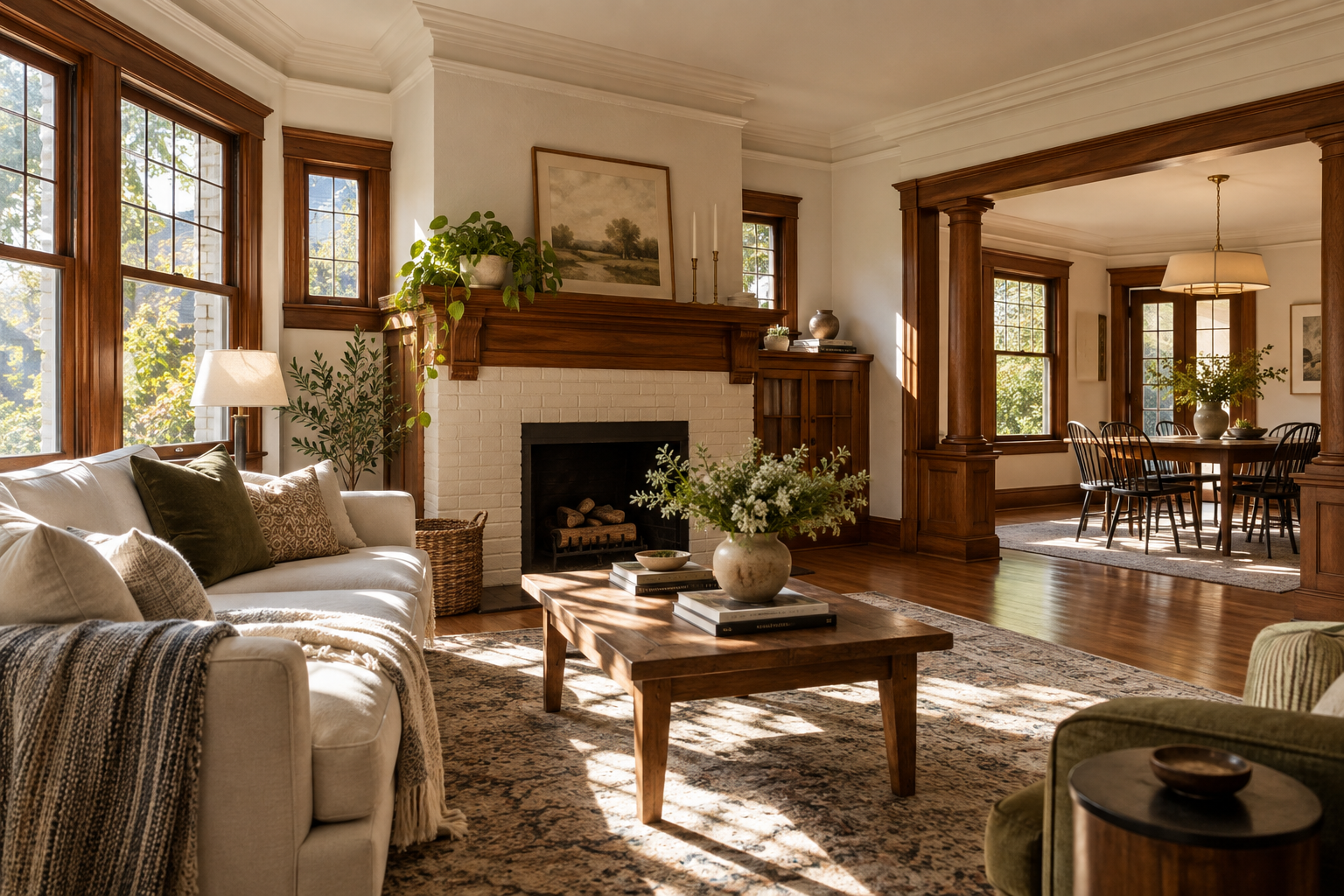
The 2025 American Community Survey places the median year U.S. housing units were built at 1982. It estimates 148.2 million housing units, including about 16.7 million built in 1939 or earlier and 7.6 million built in 2020 or later. Housing age can help frame questions about layout, window dimensions, electrical systems, storage and previous renovation, but condition must be assessed building by building.
1. The national housing stock is not mostly new
The 2025 ACS estimated 148,228,967 housing units. Of these, 7,630,720 were built in 2020 or later, approximately 5.1% of the total.
By contrast, 16,741,814 were built in 1939 or earlier, around 11.3% of all housing units. Many U.S. homes predate current open-plan designs and present-day storage expectations, but age alone does not establish a property’s systems or condition.
2. The median year built was 1982
The national median year structure built was 1982 in the 2025 ACS, compared with 1981 in the 2024 ACS. A median does not mean the typical unit was literally built that year; it identifies the middle of the housing-age distribution.
For design planning, the practical implication is that many households live in buildings with decades of additions, replacements and repairs layered onto the original structure.
3. The 1960s through 1990s account for a huge part of the stock
The 2025 ACS estimates approximately 14.0 million housing units built during the 1960s, 20.1 million during the 1970s, 18.4 million during the 1980s and 17.3 million during the 1990s. Construction eras include different mixes of ranch homes, split levels, apartments, condos and suburban houses.
These eras include ranch homes, split levels, suburban tract homes, condos and apartments with very different room proportions. A design recommendation that works in a new-build great room may not translate cleanly to a 1970s living room or a 1980s kitchen.
4. Pre-1940 homes are still a large category
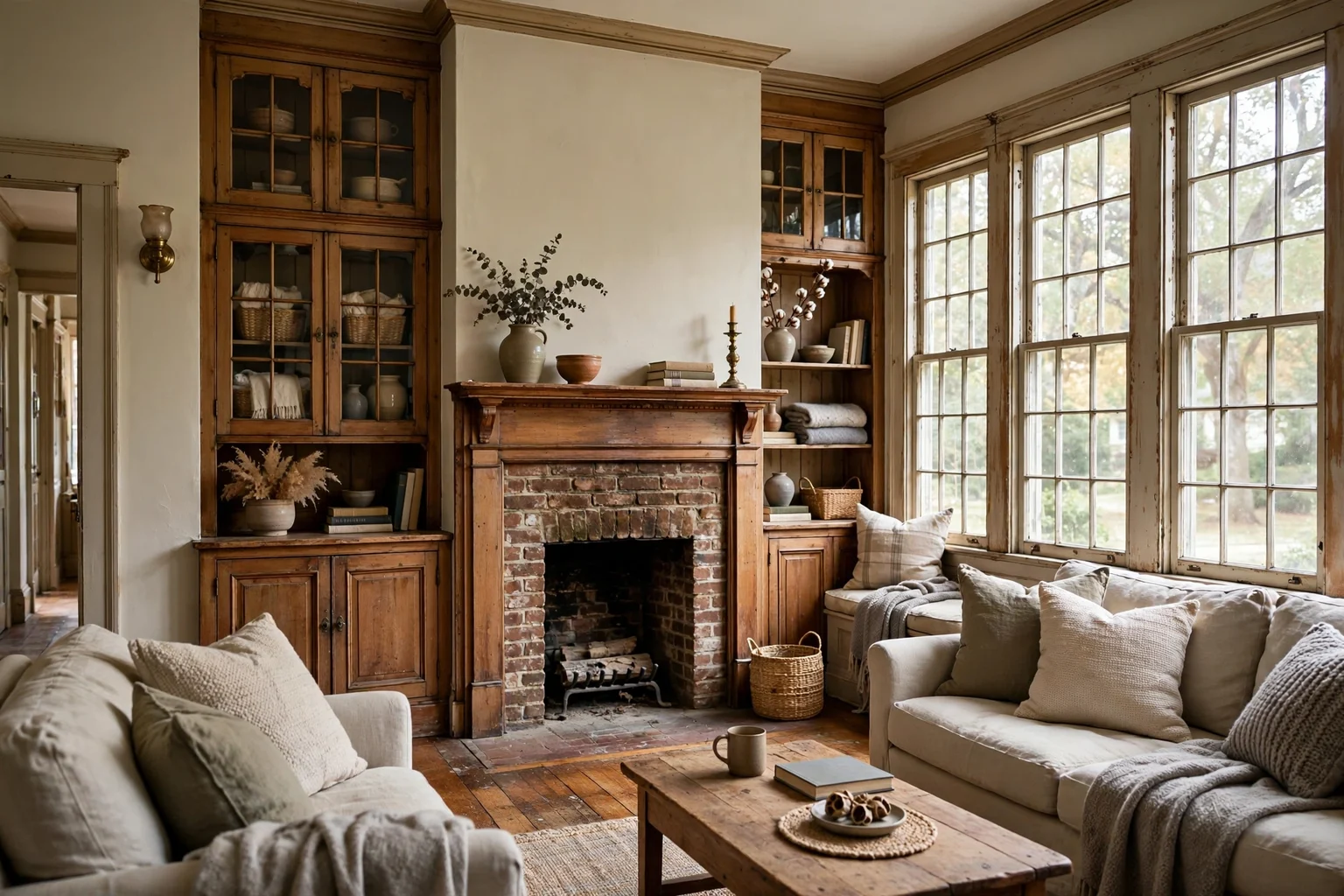
With about 16.7 million housing units built in 1939 or earlier in the 2025 ACS, working with older properties is far from unusual. Original plaster, narrow closets, uneven floors and historically significant trim can affect remodeling decisions, although many homes have since been modernized.
Age alone does not tell you condition. Some older homes have been comprehensively modernized, while others retain original systems. Verify the actual building before making assumptions from the date.
5. Newer homes have different planning pressures
Homes built from 2000 onward make up a substantial block of the housing stock, including about 20.0 million units from 2000 to 2009, 14.3 million from 2010 to 2019 and about 6.0 million from 2020 onward.
Newer construction may provide larger closets, open kitchens and more integrated wiring, but it can also bring different challenges such as oversized open rooms, limited wall area and builder-standard lighting layouts.
6. Housing age changes renovation risk
Older structures can contain materials, wiring, plumbing or finishes that require specialist assessment before demolition or drilling. The year built is a prompt to investigate, not a substitute for inspection.
Before cutting walls, replacing finishes or changing electrical systems, use qualified local professionals where building age raises safety, code or hazardous-material questions.
7. Housing age is useful context, not a design style
A 1920s house does not have to be decorated as a period interior, and a 2020s home does not have to be minimalist. The value of the age data is in understanding the building’s physical constraints and opportunities.
Good design can preserve useful original features while updating storage, lighting, comfort and layout for current life.
Key figures at a glance
| Measure | Latest estimate | Source year |
|---|---|---|
| All housing units | 148,228,967 | 2025 ACS |
| Median year built | 1982 | 2025 ACS |
| Built 1939 or earlier | 16,741,814 | 2025 ACS |
| Built 2020 or later | 7,630,720 | 2025 ACS |
| Built 1970 to 1979 | 20,085,485 | 2025 ACS |
| Median year built, historical | 1981 | 2024 ACS |
Why this matters for homes and interiors
Housing age helps explain why universal interior rules often fail. Door widths, window placement, closet depth, electrical capacity and room proportions can differ dramatically between eras, even when two homes have the same square footage.
For homeowners and renters, the most useful approach is to treat the construction date as the beginning of an investigation. Measure the actual room, identify later alterations and verify systems before making permanent changes.
Primary sources
U.S. Census Bureau, 2025 ACS Table B25034 (Year Structure Built) and 2025 Table B25035 (Median Year Built), with the official estimate and margin-of-error file. The earlier sources below document the 2024 historical comparison.
- U.S. Census Bureau, ACS Table B25034 — 2024 Year Structure Built counts by period.
- U.S. Census Bureau, ACS Table B25035 — 2024 median year structure built.
- U.S. Census Bureau, Why We Ask About Year Built — Definition and uses of housing-age data.
Related Dwelanor guides
- Interior Design Measurements Reference — measure the actual room
- Storage & Organization Guide — adapt storage to older and newer layouts
- Home Lighting Guide — update layered lighting
- Kitchen & Dining Design Guide — plan around existing room geometry
- Bathroom Design Guide — coordinate updates with existing constraints
Bottom line
U.S. housing spans many construction eras, with a 2025 median year built of 1982 and about 16.7 million units dating to 1939 or earlier. This is why site measurements and building-specific checks matter more than assumptions based on construction age.