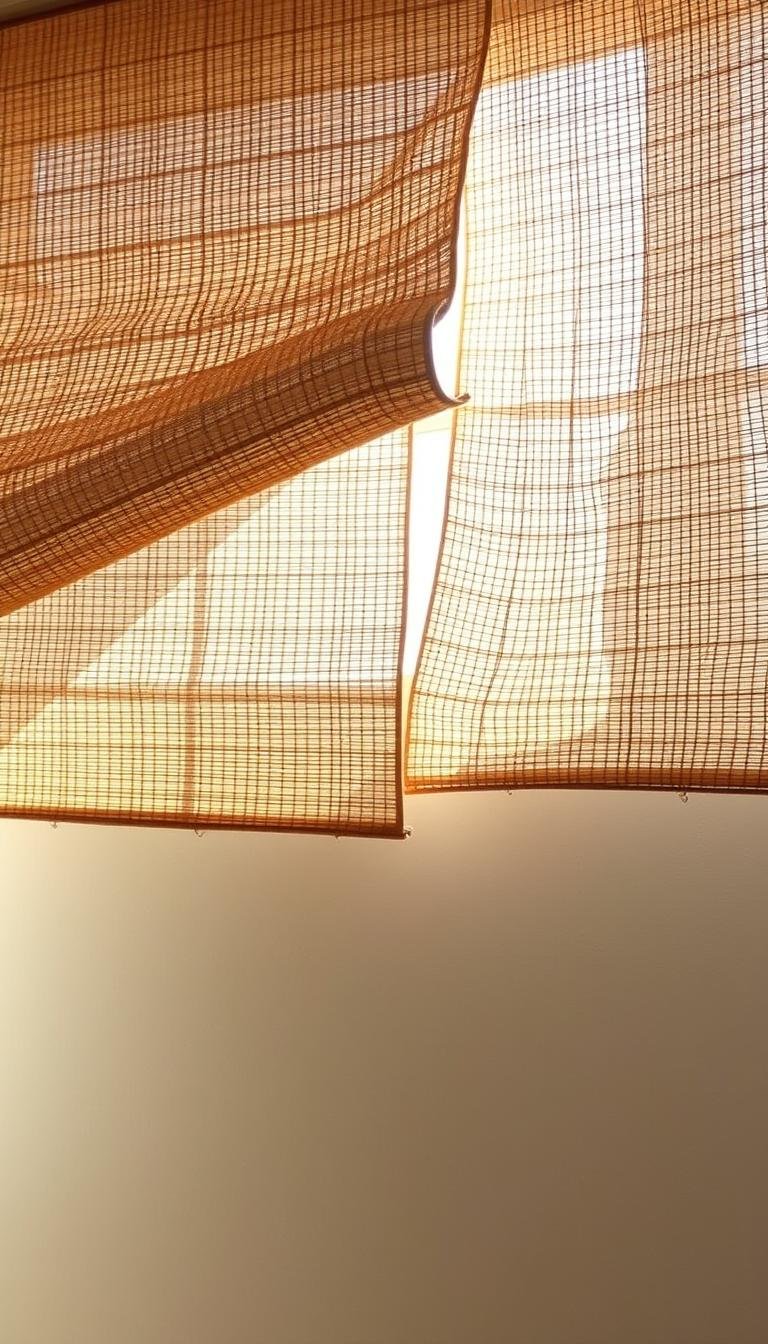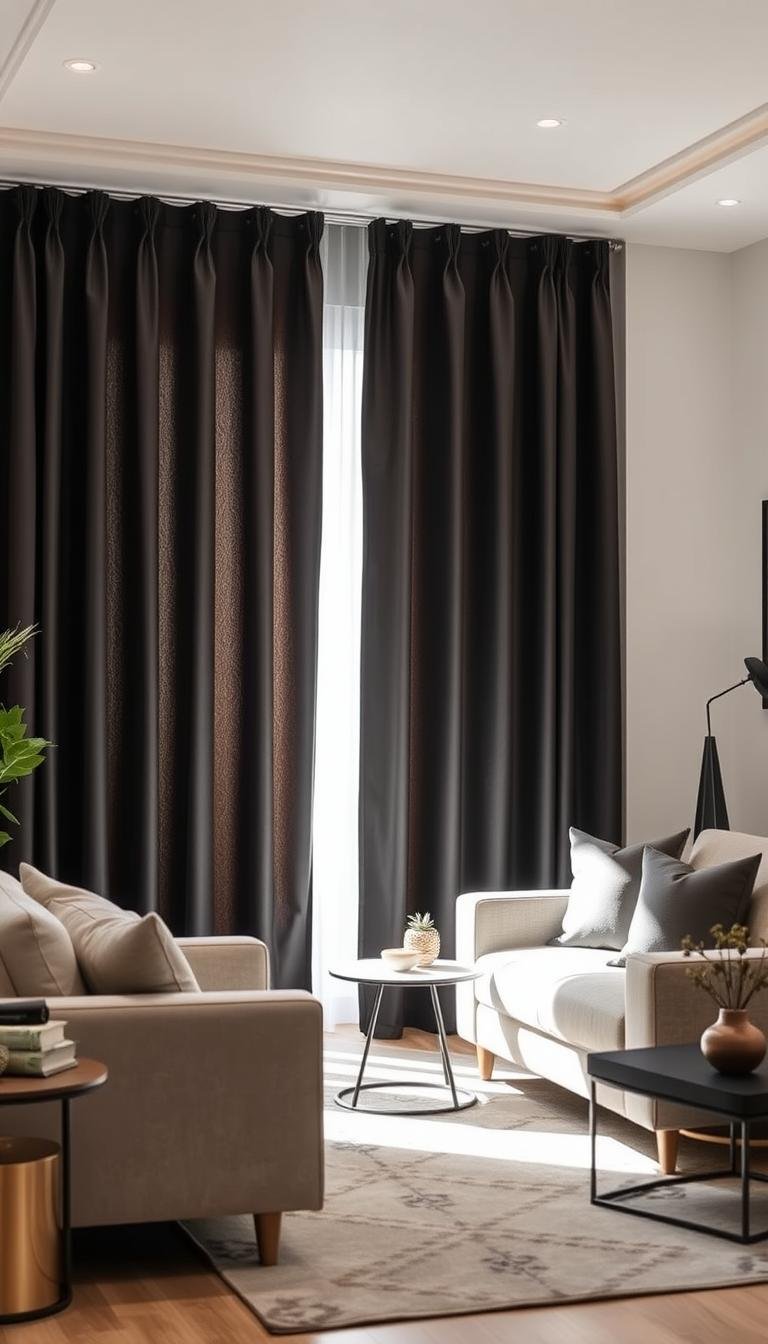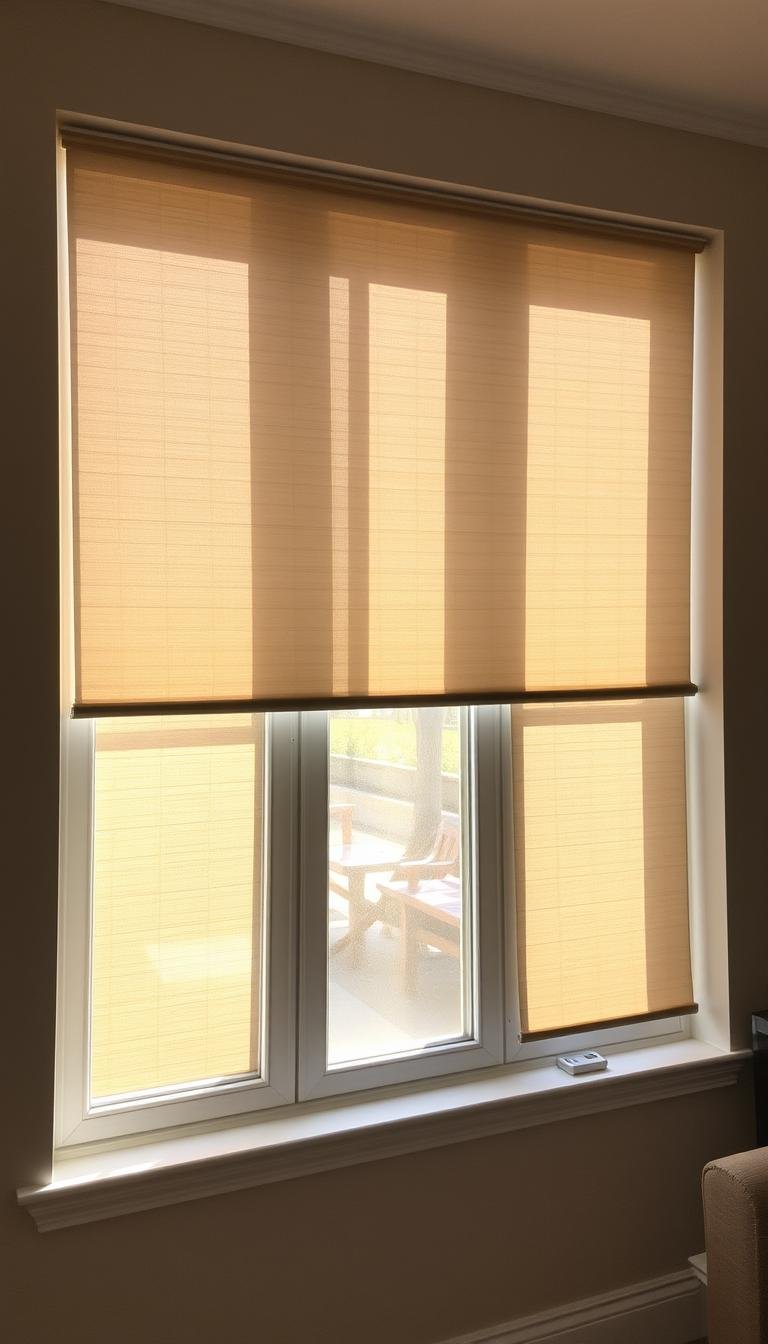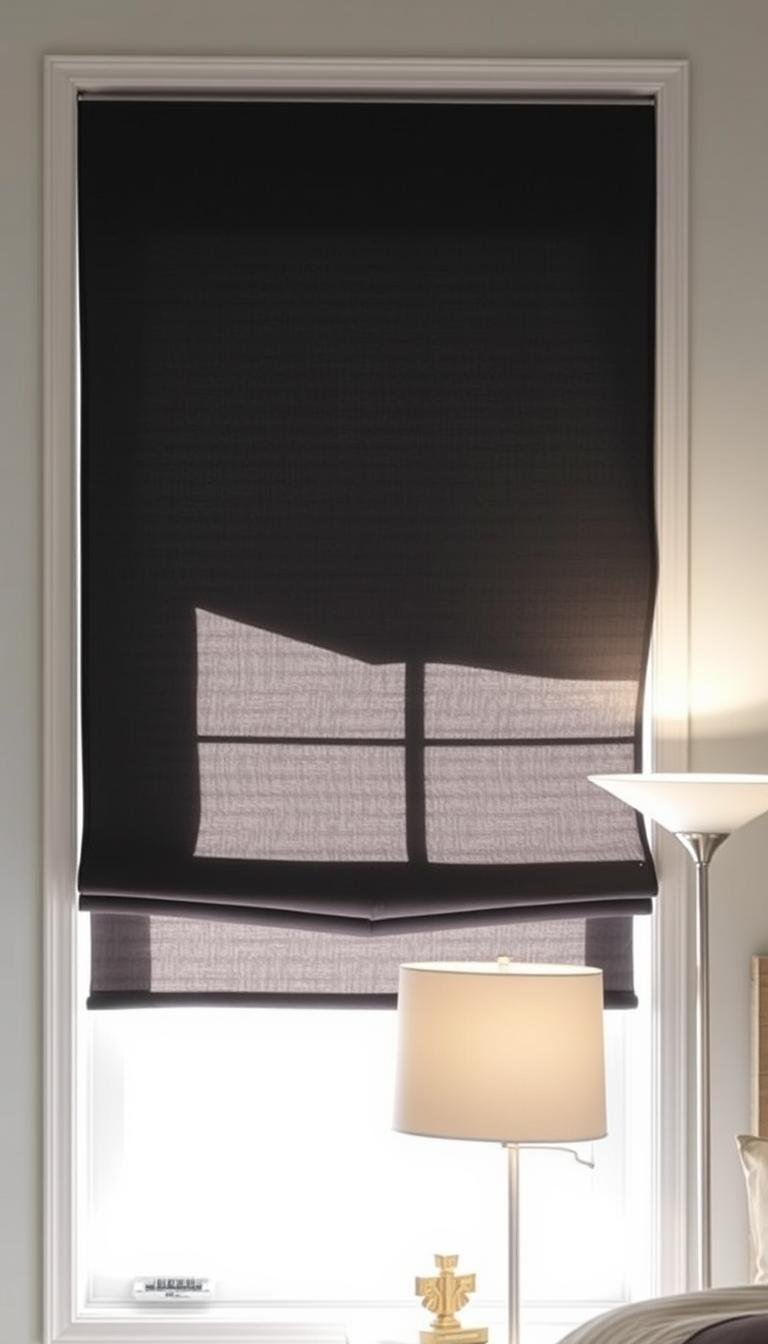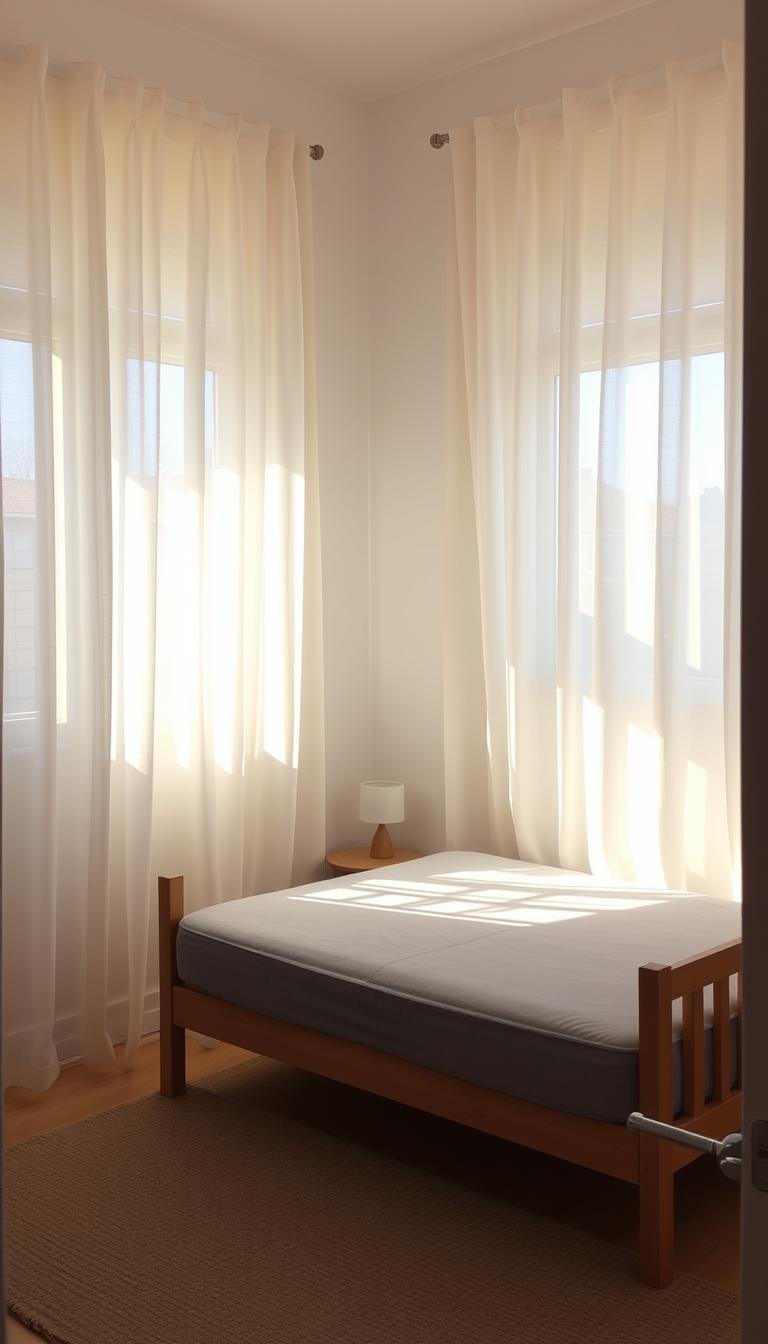

Curtain placement should be planned from the entire wall and window, not from a fixed rule such as hanging the rod a certain number of inches above the frame. The goal is to control light and privacy while making the window feel proportionate to the room.
The useful sequence is function → window and wall dimensions → rod position → finished curtain length → panel width and fullness → heading → stack-back → fabric → installation.
1. Decide whether the curtains are functional
Functional curtains need enough fabric to close across the entire opening and enough suitable hardware to carry that fabric. Decorative side panels can be narrower because another blind or shade handles privacy and light control.
If darkness is the priority, use the Window Treatment Guide to compare curtains with shades and layered systems.
2. Hang the rod in relation to the wall
Higher placement can visually extend the window and create longer vertical lines, but the correct position depends on ceiling height, crown molding, window trim and the amount of wall above the opening.
Instead of applying one fixed height, mock up the rod line with tape. Compare how it relates to the ceiling, nearby windows and furniture.
3. Extend the rod wide enough for useful stack-back
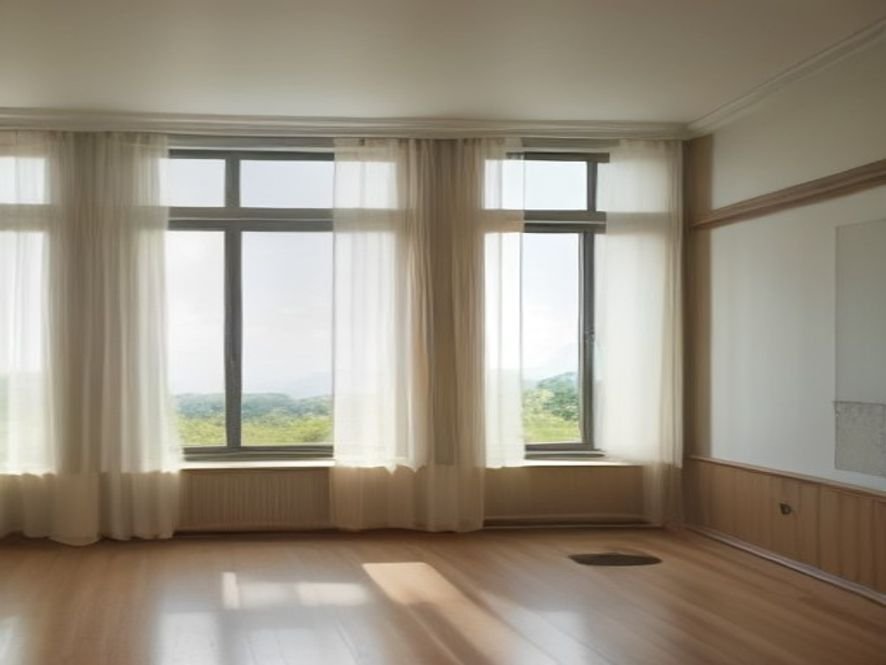
When open curtains stack mostly in front of the glass, they reduce daylight and make the window appear narrower. Extending the rod beyond the frame can let more fabric sit on the wall instead.
The required extension depends on panel fullness, fabric thickness, heading and available wall space. Check both sides before ordering a rod.
4. Choose curtain length from the finished rod position
| Length approach | Effect |
|---|---|
| Just above the floor | Clean, practical and easier for frequently operated curtains. |
| Lightly touching the floor | Softer, tailored appearance when measurements are accurate. |
| Small break | Relaxed look with a little extra fabric at the floor. |
| Puddle | Highly decorative, but collects more dust and is less practical in high-use areas. |
Uneven floors can change the finished result. Measure more than one point when the wall or floor is not perfectly level.
5. Fullness determines whether curtains look generous or flat
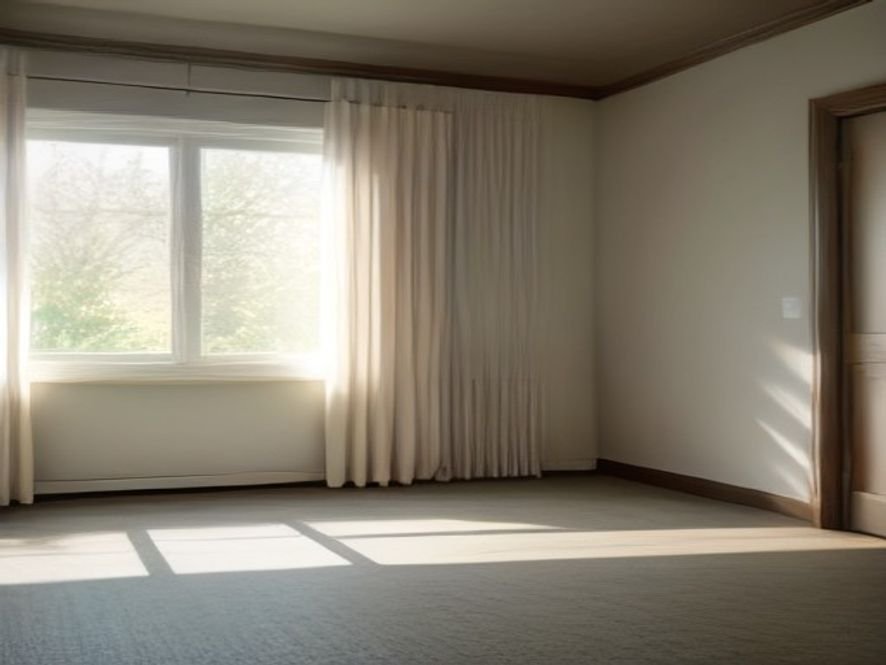
Panel width should exceed the straight-line rod span when curtains are expected to form folds. The exact fullness depends on heading style, fabric weight and the look you want.
Do not assume two standard panels are enough for every window. Add the finished widths of the panels and compare them with the span they need to cover.
6. Heading style changes the measurement
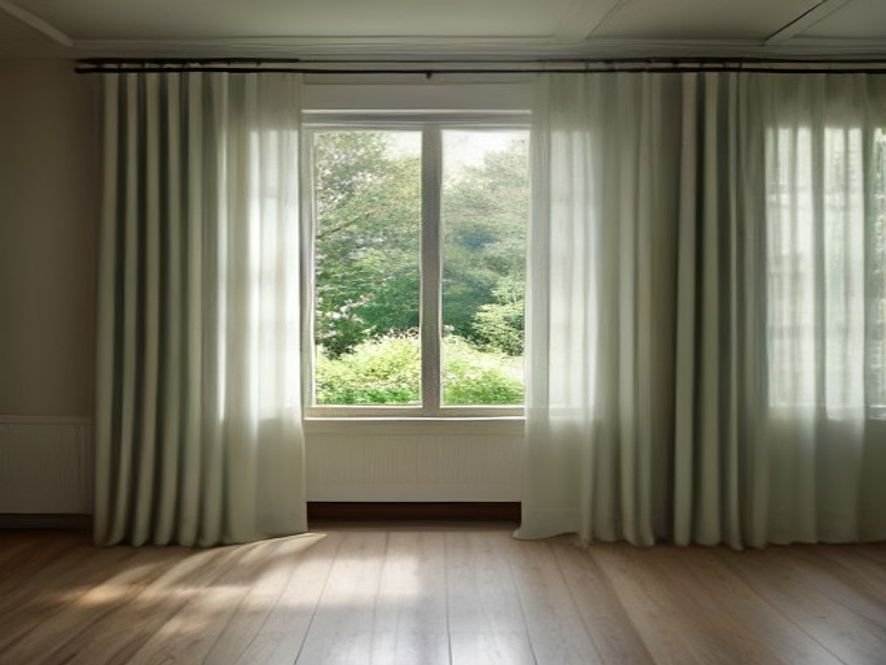
Pinch pleat, ripple fold, grommet, rod pocket and ring-hung curtains sit differently on the rod or track. Some headings create fixed fullness while others depend more on the amount of fabric gathered.
Measure according to the exact heading and hardware system rather than transferring dimensions from another style.
7. Account for radiators and heat sources
Long curtains should not interfere with heating equipment, vents or other heat sources. Follow the appliance or heating system guidance for required clearances and choose a different curtain length or treatment where necessary.
8. Use blackout lining as part of the whole system
Blackout fabric can reduce light through the curtain, but edge gaps around the installation still matter. Wider overlap, suitable rod placement and layering with a shade can improve darkness.
For existing curtains, see blackout liners for existing curtains.
9. Choose fabric weight around use
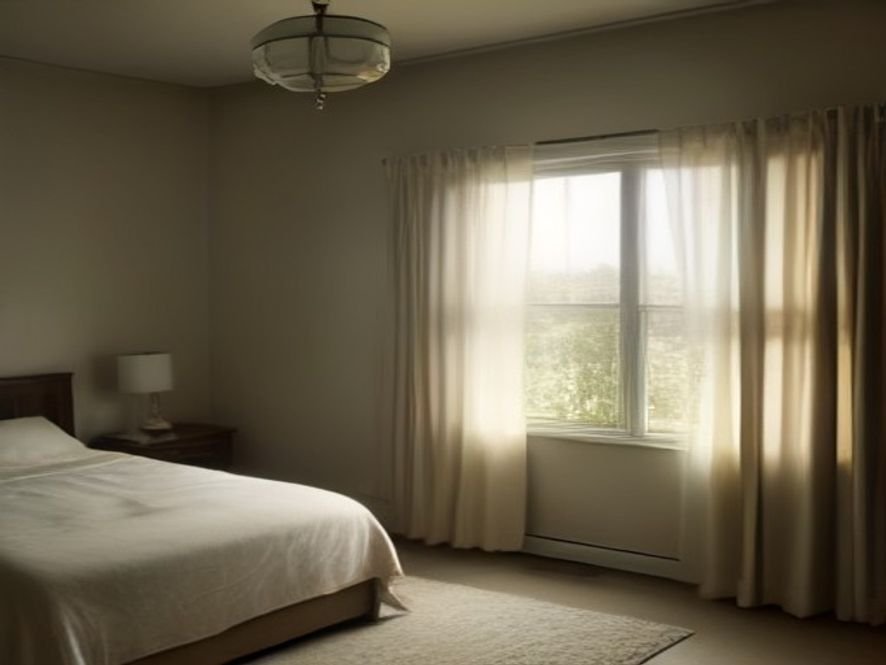
Heavy velvet, lined linen-look fabric and light sheers behave very differently. Heavier fabric needs stronger hardware and more stack-back. Sheers can soften daylight while preserving a lighter visual effect.
Use the Home Textiles Guide when comparing fabric behavior and maintenance.
10. Layer curtains with blinds or shades when one treatment cannot do everything
A shade can handle privacy or blackout while curtains add softness and scale. This can be more flexible than choosing a single heavy curtain to meet every requirement.
11. Rental-friendly options have limits
Tension rods and some no-drill systems can work for lightweight treatments in appropriate openings, but capacity and suitability depend on the exact product and surface. Do not hang heavy curtains from improvised adhesive hardware.
Curtain measurement checklist
- Function is clear: decorative, privacy, light filtering or blackout.
- Rod position is chosen before measuring length.
- Rod width allows practical stack-back.
- Panel width provides the intended fullness.
- Heading style is included in the measurement.
- Floor level, radiators, doors and furniture are checked.
- Hardware suits the fabric weight and mounting surface.
Pin the Curtain Size & Placement Guide
Keep the rod-position, stack-back, length, fullness and blackout checks handy while you measure your windows.
Related window and textile guides
Compare curtains, blinds and shades by privacy, light control, maintenance and room use.
Understand fabric, texture, layering and maintenance across curtains, bedding, pillows and upholstery.
Build a more finished home with renter-conscious lighting, textiles, rugs, furniture and removable treatments.