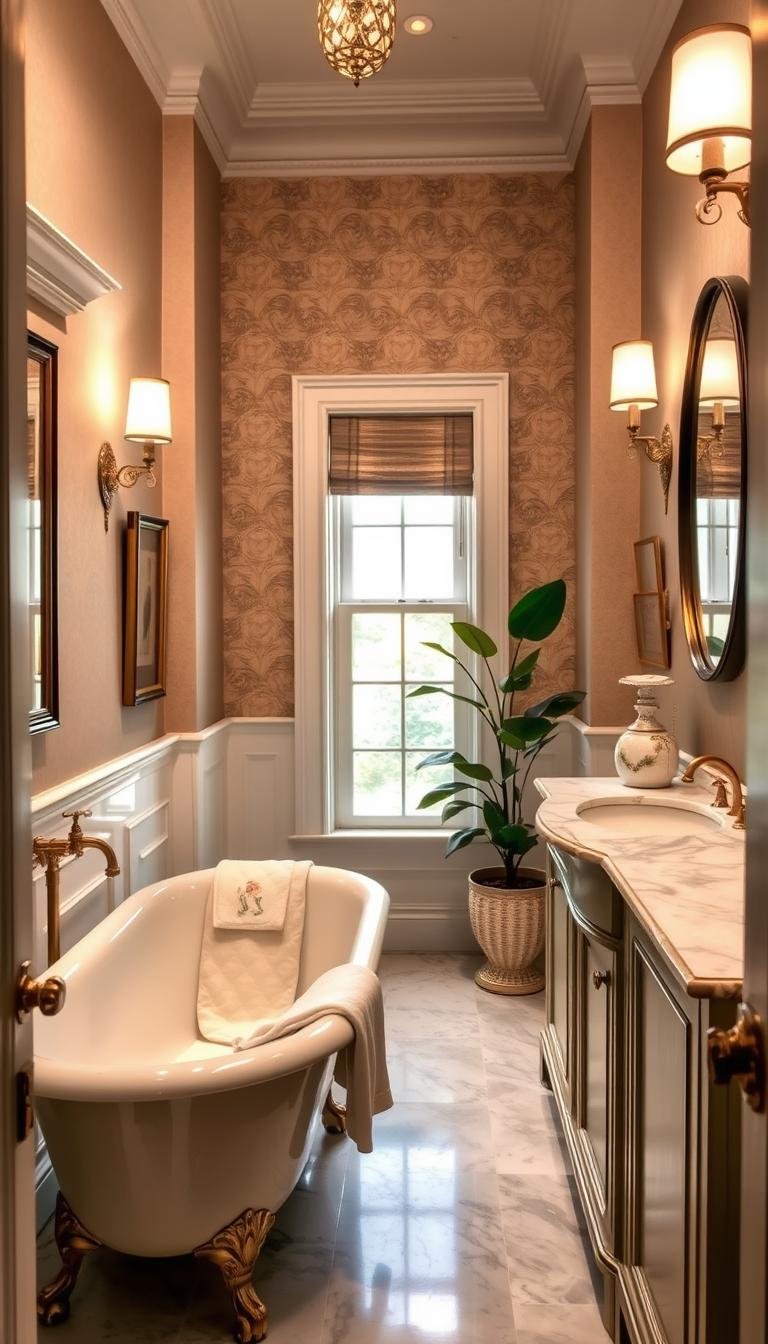
A powder room is one of the best places to use a concentrated design idea because the room is small, the fixture list is limited, and guests experience it as a complete composition. The goal is not to make every surface loud. Choose one or two strong moves, then let the walls, vanity, mirror, lighting, plumbing fixtures, flooring and accessories support them.
If your main goal is making a tiny powder room feel more open, start with our separate small powder-room paint guide. This page focuses on the broader design system.
1. Use wallpaper as the main visual layer
A powder room can handle a stronger wall pattern than many larger spaces because there is less wall area and little upholstered furniture competing with it.
Choose the wallpaper by pattern scale, background color, wall condition, washability and installation requirements. Large motifs can feel calmer than a dense tiny repeat when the room already has detailed flooring or stone.
If the room has only a toilet and sink rather than a tub or shower, humidity is usually easier to manage than in a full bath, but ventilation and manufacturer-approved surface preparation still matter.
2. Paint the room as one continuous color field
Color drenching—using closely related wall, trim and sometimes ceiling colors—can reduce abrupt visual boundaries and give a small room a more intentional envelope.
Light colors can emphasize brightness; deeper colors can create a dramatic, cocooning room. Neither automatically makes the room “better.” Test the color under the actual vanity light and ceiling light.
3. Make the vanity the anchor
Because a powder room usually has only one sink, the vanity can act as the main furniture object.
Useful vanity attributes include:
- overall width and depth;
- door or drawer clearance;
- sink type;
- countertop material;
- storage capacity;
- plumbing location;
- floor-standing vs wall-mounted construction.
A floating vanity exposes more floor and can make the room feel visually lighter, while a furniture-style vanity adds weight and character. Choose based on the room and storage need, not a universal small-space rule.
4. Use a statement sink when storage is less important
A pedestal, wall-hung or sculptural basin can become the focal object where concealed storage is not a priority.
Before choosing a dramatic basin, check faucet reach, bowl depth, splash behavior, drain location, wall support and exposed plumbing. A beautiful compact sink that splashes the wall or leaves nowhere for soap quickly becomes frustrating.
5. Give the mirror a clear role
The mirror can be neutral, sculptural, storage-bearing or illuminated.
- A thin rectangle provides maximum simplicity.
- An arch or round mirror softens angular cabinetry.
- A medicine cabinet adds storage.
- A wide frameless mirror increases reflected area.
- An integrated-light mirror can reduce the need for separate vanity fixtures.
For more options, see our bathroom vanity mirror styles guide.
6. Treat lighting as part of the composition
Powder-room lighting needs to make the room comfortable and the mirror useful. A decorative pendant or ceiling fixture can add atmosphere, but the face should still be illuminated well enough at the vanity.
Compare side sconces, an above-mirror fixture or an integrated-light mirror based on the available wall width and electrical locations. Dimmers can be useful when the lamp and dimmer are compatible.
7. Use one memorable metal finish—or a controlled mix
Faucet, mirror frame, sconces, cabinet hardware and towel hardware create repeated metal points around the room.
You can repeat one finish throughout, or mix two finishes deliberately. The important attributes are color temperature, sheen, visual weight and repetition. A room feels accidental when every metal appears once with no relationship to another element.
8. Let the countertop introduce pattern
A small vanity requires relatively little countertop material, which can make a stone remnant, terrazzo-look surface or strongly veined engineered/porcelain surface feasible.
Choose by moisture resistance, cleaning requirements, edge profile, sink installation and stain sensitivity—not by pattern alone. Natural stones vary significantly in porosity and chemical sensitivity.
9. Use tile where it adds function or structure
A tile backsplash behind the sink can protect the wall and create a deliberate material transition. Full-height tile can be visually powerful, but it is not required in a powder room with no bathing fixture.
Coordinate tile scale, grout color, sheen and edge detail with the wallpaper or paint. If the wall treatment is already busy, simpler tile usually gives the eye somewhere to rest.
10. Use the floor as a second design plane
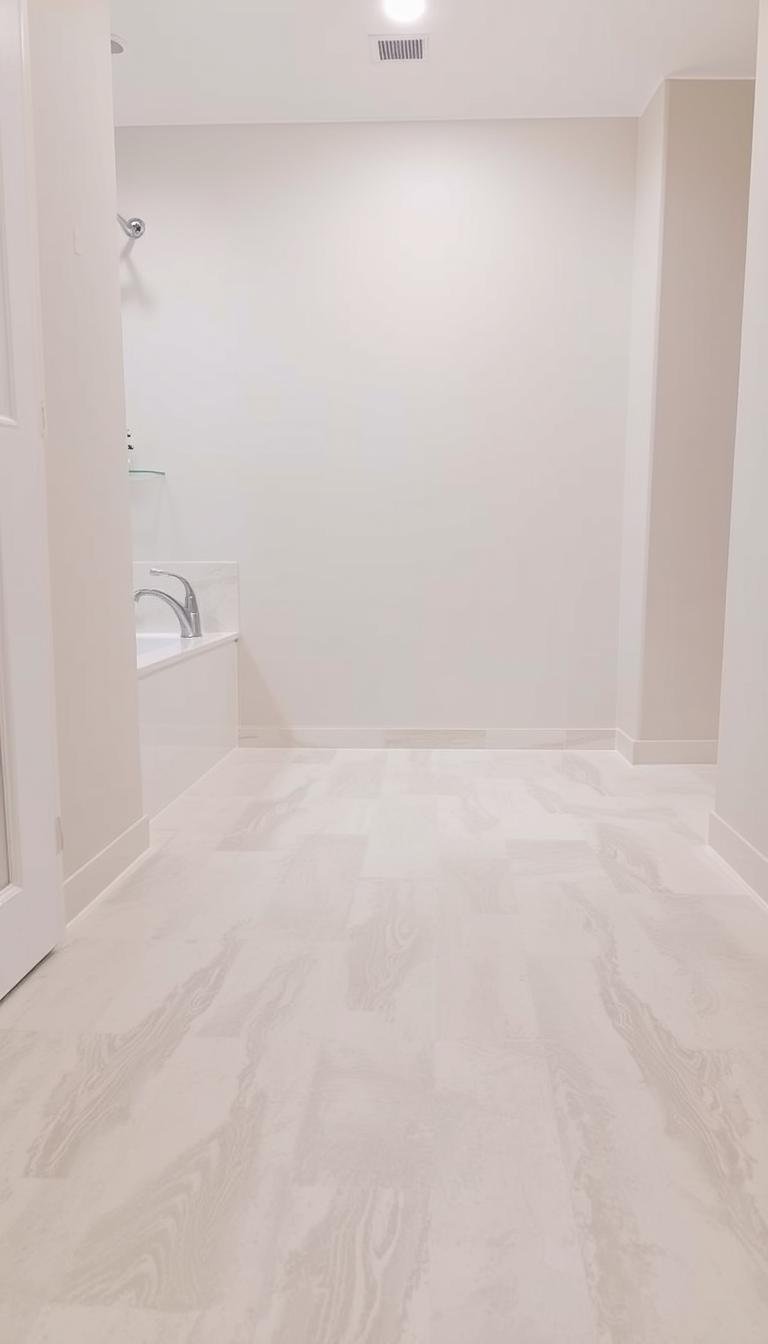
Because the floor area is small, patterned porcelain, checkerboard layouts, terrazzo-look tile or a strong stone-look surface can have high visual impact.
Floor decisions still begin with practical attributes: slip characteristics, cleaning, grout, transitions to the hallway and whether the door can clear the finished floor height.
11. Add storage without crowding the room
Powder rooms need less storage than full baths, but they still need somewhere for toilet paper, hand towels and basic cleaning supplies.
Options include:
- vanity drawers;
- a shallow medicine cabinet;
- a cabinet above the toilet;
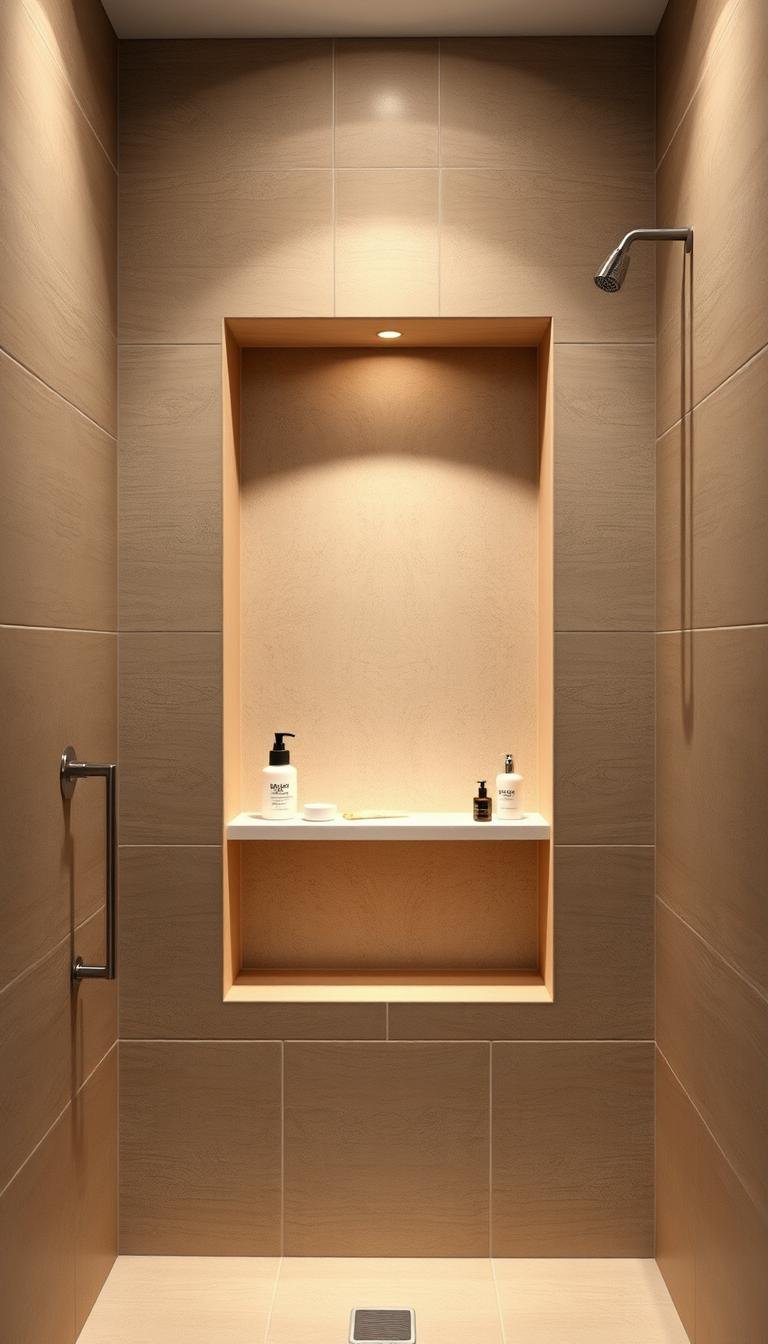
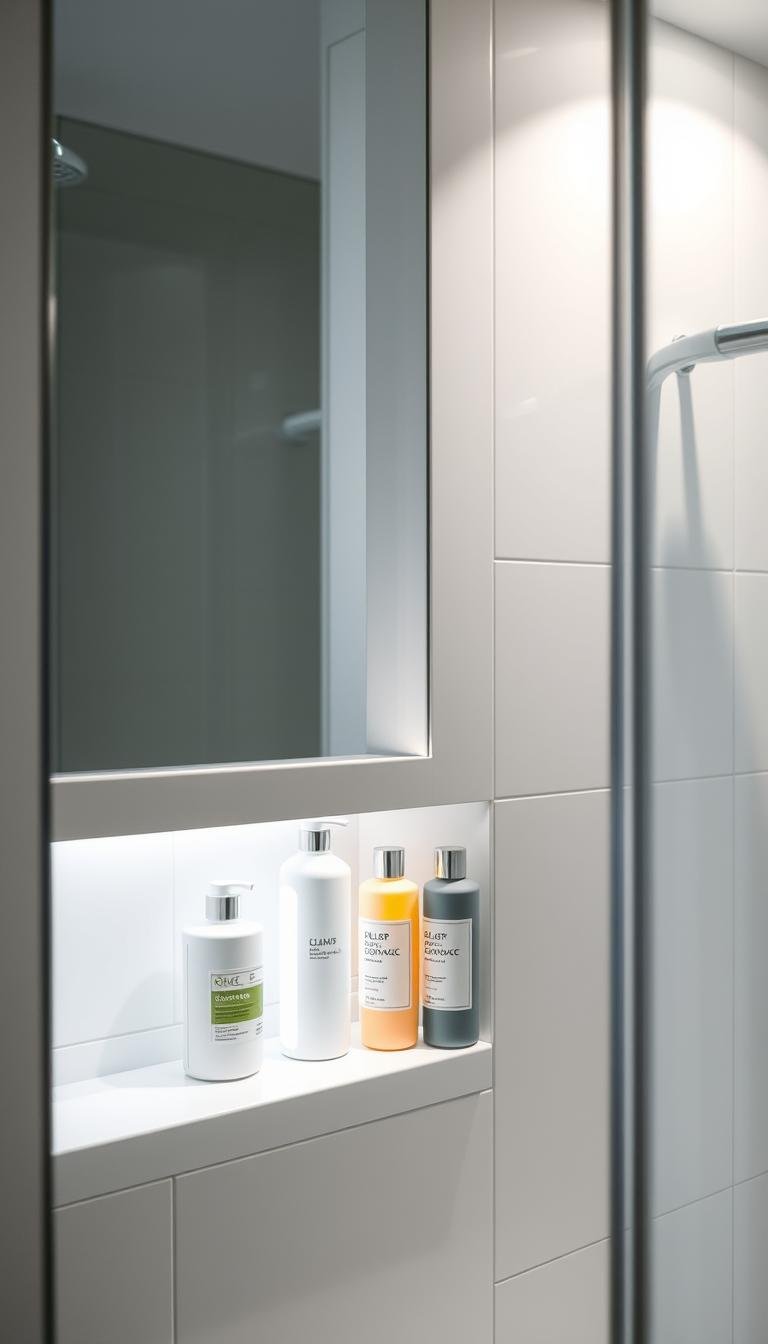
- recessed wall storage where the wall construction permits;
- a narrow shelf for a few guest-use items.
Keep the countertop mostly clear so the basin and mirror remain functional.
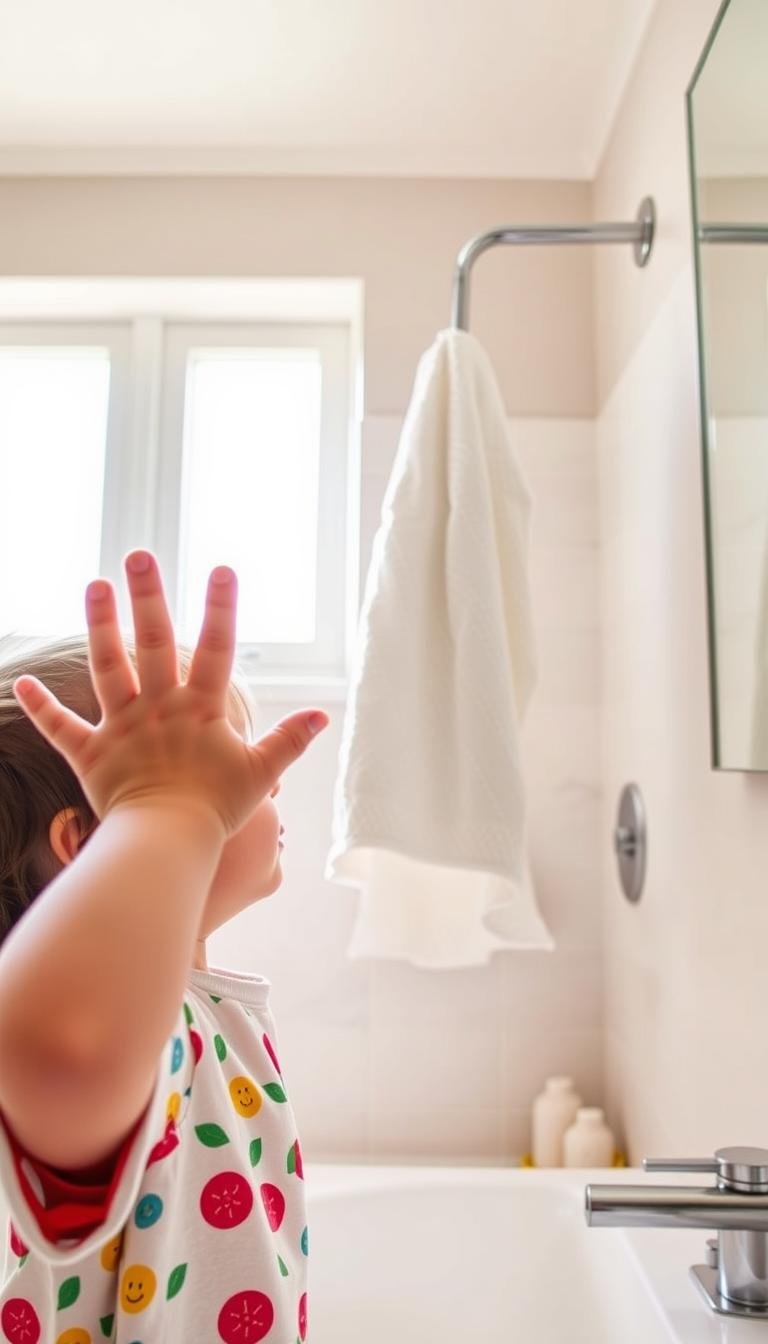
12. Make the hand-towel location obvious
Guests should not need to search for a towel. Place a ring, short bar or hook where it can be reached naturally from the sink without dripping across the room.
The hardware should also allow the towel to hang clear of the floor and toilet and have enough airflow to dry.
13. Use art strategically
Art gives the room personality without modifying plumbing or cabinetry. One larger piece often reads more intentionally than several unrelated small objects in a tiny room.
Choose placement based on sightlines from the doorway and toilet. Avoid hanging delicate work where it will be repeatedly splashed or exposed to conditions the material cannot tolerate.
14. Coordinate scent carefully
A subtle room fragrance can contribute to the guest experience, but strong candles, diffusers and sprays can easily become overpowering in a small enclosed space.
Keep fragrance optional and restrained. Ventilation and cleanliness matter more than masking odors with scent.
15. Finish with a restrained guest-use layer
Useful finishing details include a fresh hand towel, full soap dispenser, covered or visually quiet waste bin and a small tray if the countertop has enough room.
The best styling supports use. A crowded counter, decorative objects beside the faucet or fragile accessories near the toilet make a small room harder to maintain.
How to combine the ideas without overdesigning
Choose a hierarchy:
- Primary move: wallpaper, dramatic paint, vanity, sink or floor.
- Secondary move: mirror, lighting or countertop.
- Supporting layer: hardware, towels and small accessories.
If the wallpaper is visually dominant, simplify the mirror and floor. If the stone vanity is the focal point, let paint or quiet tile frame it. If the mirror is sculptural, give it enough plain wall around the silhouette to read clearly.
Powder room entity checklist
| Entity | Important attributes |
|---|---|
| Wall finish | Color/pattern, washability, substrate, humidity |
| Vanity/sink | Width, depth, storage, plumbing, splash |
| Mirror | Shape, overall dimensions, frame, storage, lighting |
| Lighting | Location, glare, dimming, electrical requirements |
| Floor | Surface, grout, transitions, cleaning |
| Hardware | Finish, repetition, mounting, clearances |
| Guest layer | Towel, soap, waste bin, ventilation |
The Dwelanor approach
Treat a powder room as one compact composition rather than a collection of trendy objects. Pick the main visual idea, make sure the vanity and mirror work for actual use, then repeat colors, shapes or finishes enough to make the whole room feel connected.
Continue with our tiny powder-room paint guide, vanity mirror styles, vanity mirror sizing, and tiny bathroom spa guide.