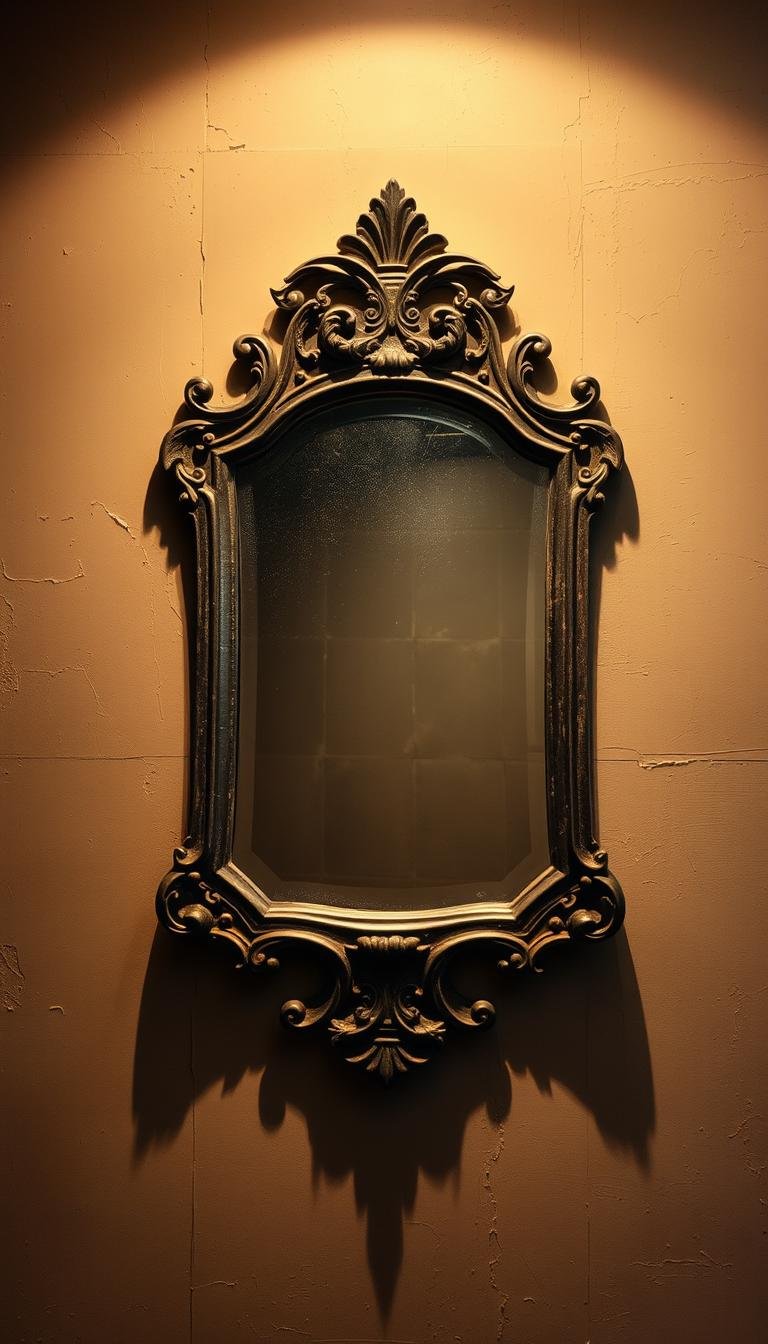
A 60-pound mirror should not be treated as a clever one-person hanging trick. The safest plan is to verify the mirror’s own hanging hardware, the wall construction and the rated mounting system first. Use a second person or qualified installer when the mirror is too large or awkward to lift and position under control.
Drywall itself is only one part of the problem. The correct support depends on the mirror frame, supplied D-rings or cleat, fastener locations, studs or other structure behind the wall, and the exact rating and installation instructions for the hardware you use.
Start with the mirror, not the wall anchor aisle
Check the back of the mirror before buying any mounting hardware. Look for:
- the manufacturer’s weight and mounting instructions;
- whether the mirror is designed for D-rings, a French cleat, brackets or another system;
- whether the supplied frame hardware is rated for the mirror;
- the distance between attachment points;
- any warning against hanging by wire or by a single point.
Do not add picture wire to a heavy mirror unless the manufacturer says that hanging method is suitable. The frame and attachment points must be able to carry the load too.
Identify the wall construction
A stud finder can help locate framing, but it does not prove that every detected point is suitable or that the wall is free of wiring, plumbing or other services. Plaster, drywall, masonry and specialty wall systems all require different approaches.
When structural framing is available in the right location, the mounting system can often be secured to it according to the hardware and mirror instructions. When it is not, use only anchors or mounting systems specifically rated for the wall type, load and installation conditions.
Do not use a generic anchor capacity as your design rule
Anchor packages may publish load ratings, but those numbers depend on the exact product, wall material, installation quality and loading direction. A rating from one toggle, molly or self-drilling anchor cannot be transferred to another product.
Use the manufacturer’s stated application and rating for the exact fastener. If the wall is damaged, unusually thin, crumbly or otherwise uncertain, stop and choose another mounting location or get professional help.
A French cleat can simplify alignment, but it still needs proper support
A compatible cleat can make a large mirror easier to level because the wall side creates a continuous engagement line. That does not make the wall attachment automatically safe.
Use a cleat system appropriate for the mirror and install both halves exactly as required. The wall-side fasteners and mirror-side attachment must each be capable of supporting the load.
Plan the final position before lifting
Mock up the mirror outline with painter’s tape or cardboard so you can check height, centering, nearby outlets, furniture and clearances without repeatedly lifting the real mirror.
Mark the actual mounting points from measurements taken on the mirror or its template. Confirm level and spacing before drilling.
Why a second person matters
A large mirror combines significant weight with fragile glass and an awkward shape. Even if the wall hardware is prepared perfectly, the final lift still requires controlling the mirror while aligning it with the mounting system.
For a heavy or wide mirror, a second adult can steady the opposite side, protect the frame from twisting and help confirm that both mounting points or the full cleat have engaged. If the mirror is difficult to grip, above a staircase, over a fireplace, or in another awkward location, a professional installer is the better choice.
What about D-rings?
If the mirror manufacturer provides or approves D-rings, measure each ring position individually rather than assuming the frame is perfectly symmetrical. Transfer those measurements to a level wall reference.
Use wall hardware compatible with the D-rings and the mirror load. Do not rely on a universal amount of exposed screw head; follow the hanger or fastener instructions so the ring seats correctly.
What about hanging wire?
For a mirror this heavy, do not assume picture wire is appropriate. Wire changes the direction and magnitude of forces on the frame and attachment points, and some mirror makers explicitly require two-point or cleat mounting.
If the manufacturer approves wire, use only the specified wire and attachment method. Otherwise, keep the original two-point or cleat system.
Protect the wall and keep the mirror stable
Small felt, silicone or rubber bumpers at lower contact points can protect painted walls and reduce rubbing after the mirror is securely hung. They are stabilizers, not load-bearing hardware.
After installation, check that the mirror is fully seated, level and not shifting on its mount. If the hardware moves, the wall deforms or the mirror does not engage the system as intended, remove the load and investigate before leaving it in place.
When to call an installer
Professional help is the sensible choice when:
- the mirror is too heavy or large to lift under control;
- the mounting instructions are missing or unclear;
- the wall construction is uncertain or damaged;
- the ideal location does not align with suitable support;
- the mirror is being mounted above stairs, a fireplace or another difficult area;
- the frame or existing attachment hardware looks damaged;
- you need to drill where utilities may be present.
For lighter artwork and display problems, see our guides to removable wall hangers, keeping frames level, and the Dwelanor Room Guides.