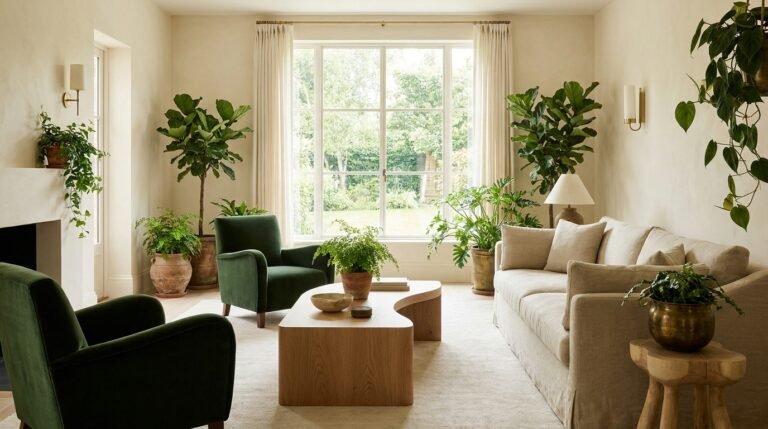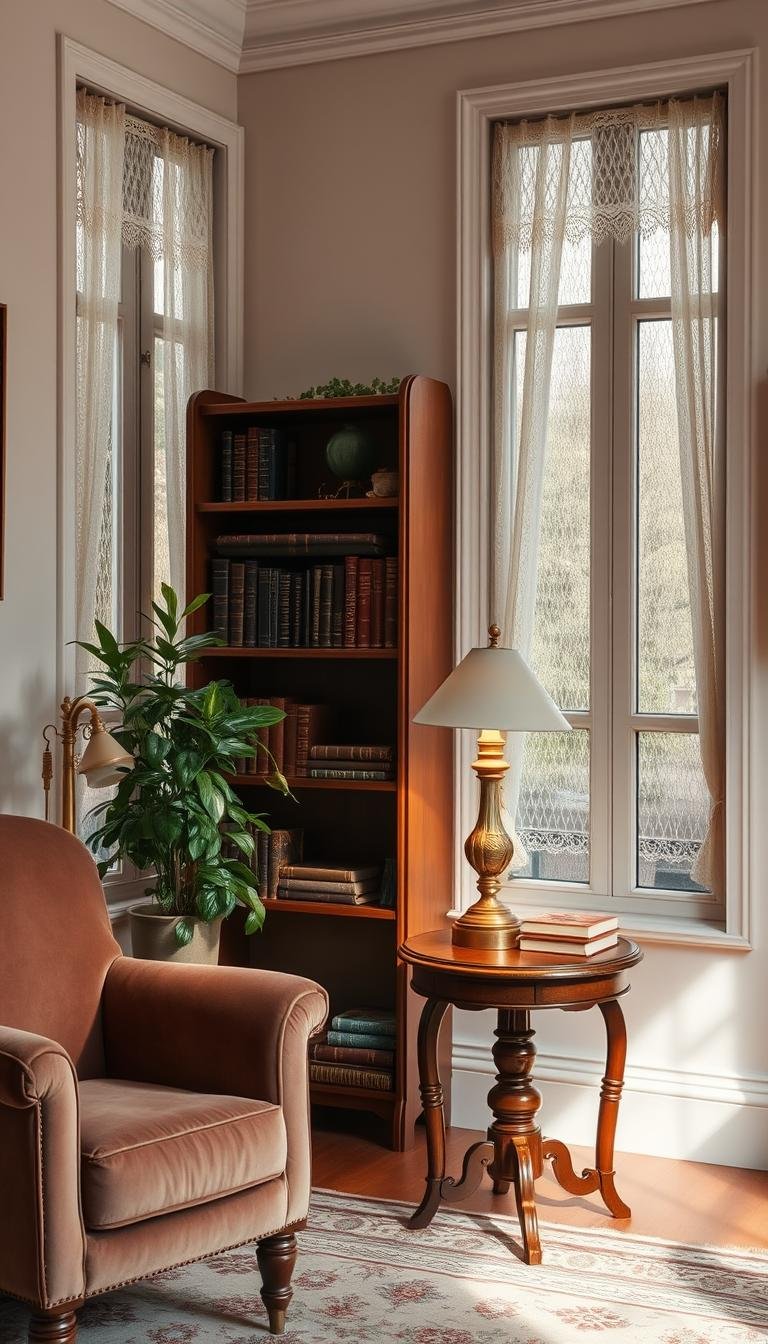

Adaptive reuse furniture is less about predicting a single 2026 style and more about buying or building pieces that can change function, be repaired, and stay useful when a room changes. The most durable direction is toward modular construction, replaceable parts, reclaimed or traceable materials, and furniture that works across multiple layouts.
That matters in homes as much as offices. A bench that stores blankets, a table with replaceable legs, a shelving system that can be reconfigured, or a vintage piece adapted for a new purpose can all reduce waste while making a room more flexible.
What adaptive reuse furniture means
Adaptive reuse furniture takes an existing material, object, or furniture system and extends its useful life through repair, modification, reconfiguration, or a new purpose. It can include reclaimed timber made into a table, vintage cabinetry adapted as media storage, modular seating that changes layout, or a desk system designed so worn parts can be replaced instead of discarding the whole piece.
The practical value is simple: fewer irreversible choices and less need to replace furniture when your home changes.
1. Modular furniture with replaceable parts
One of the strongest long-term directions is furniture that can be reconfigured or serviced. Look for:
- standardized hardware rather than proprietary one-use fasteners;
- replaceable covers, cushions, legs, shelves, or panels;
- modular sections that can be rearranged instead of discarded;
- clear access to fixings so repairs are possible later.
This is especially useful for sofas, storage systems, desks, dining tables, and shelving. A modular system can move from a small apartment to a larger room more easily than a fixed built-in.
2. Reclaimed and salvaged materials used more deliberately
Reclaimed wood, salvaged metal, old doors, workshop offcuts, and surplus building materials can all become furniture, but the material still has to suit the job.
Before using salvaged material, check for structural soundness, moisture damage, contamination, old coatings, protruding fasteners, and whether the material can be cleaned and finished safely. Decorative reuse is usually lower risk than using an unknown material for a load-bearing or food-contact application.
For a home project, reclaimed material works particularly well for console tops, shelving, cabinet fronts, side tables, benches, and decorative panels when the substrate is sound.
3. Furniture designed for disassembly
Furniture that comes apart cleanly is easier to move, repair, refinish, and recycle. Useful design details include bolts or screws instead of permanent glue at every connection, removable upholstery panels, replaceable glides, and components that can be separated by material type.
When comparing two pieces, ask a simple question: If one part fails, can that part be replaced without throwing away the whole item?
4. Vintage pieces adapted to modern storage needs
Adaptive reuse does not have to look industrial or experimental. Older furniture often provides strong construction and can be updated with practical changes.
Examples include:
- turning a low dresser into media storage while preserving ventilation;
- adding adjustable shelves inside an old cabinet;
- using a vintage sideboard as dining-room storage;
- repurposing a sturdy console as an entry drop zone;
- updating drawer runners, pulls, or interior dividers instead of replacing the piece.
Keep structural changes conservative. If a modification affects stability, wall anchoring, electrical equipment, or heavy loads, use hardware appropriate to the actual material and application.
5. Multi-use furniture for smaller homes
Furniture that serves two purposes can reduce the number of pieces a room needs. The useful versions are the ones that remain comfortable and easy to operate, rather than designs that add complexity for its own sake.
| Furniture type | Useful second function | What to check |
|---|---|---|
| Storage bench | Seating | Structural capacity, lid safety, access |
| Ottoman | Storage or occasional table | Stable top, usable interior volume |
| Drop-leaf table | Dining and workspace | Hinge quality and leg clearance |
| Modular sofa | Reconfigurable seating | Connection hardware and replacement parts |
| Wall desk | Fold-away workspace | Wall structure and rated hardware |
For more small-space examples, see the Dwelanor Room Guides.
6. Repairability becoming part of the buying decision
A durable material is useful, but repairability can matter just as much. Before buying, look for replacement covers, spare parts, accessible fasteners, published care guidance, and whether the manufacturer still supports the product line.
For upholstered pieces, removable covers and replaceable cushions can extend useful life significantly. For wood furniture, enough solid material to sand, refinish, or repair is often more useful long term than a delicate surface that cannot be restored.
7. More cautious integration of technology
Built-in charging and cable management can be convenient, but embedded electronics can also become the first part of a piece to become obsolete. A better approach is often to make technology removable or serviceable.
For example, a desk with a replaceable cable tray or accessible charging module is easier to update than a sealed system with electronics built permanently into the structure.
8. Traceability and material transparency
Buyers are increasingly interested in where materials come from, but broad sustainability language is not enough on its own. Useful information includes species and source of timber, recycled content, repair guidance, finish type, replacement parts, and any relevant third-party certification.
When environmental impact matters to your purchase, compare specific claims rather than assuming that “natural,” “reclaimed,” or “eco” automatically means lower impact.
How to evaluate adaptive furniture before buying
- Function: does it solve a real room problem today?
- Flexibility: can it work in a different layout later?
- Repairability: can worn parts be replaced?
- Construction: are joints, hardware, and materials appropriate for the load?
- Maintenance: can you clean, refinish, or service it?
- Material transparency: are the important claims specific and verifiable?
Where adaptive reuse works best at home
Living rooms, entries, home offices, bedrooms, and dining spaces usually offer the easiest opportunities because furniture can often change function without altering building systems.
A vintage cabinet can become linen storage, a modular shelf can move from office to living room, and a dining bench can add hidden storage. These are low-drama changes that make a home more adaptable without turning every piece into a complicated transformation mechanism.
What to avoid
Avoid reuse projects where the original material is unknown or unsuitable for the new job, especially around heat, food contact, electrical equipment, structural loads, or children. Also be cautious with trend-driven “smart” furniture that becomes difficult to repair once an electronic component fails.
Reusing an old object is only worthwhile when the finished piece is safe, stable, maintainable, and genuinely useful.
Conclusion
The most practical adaptive-reuse direction for 2026 is not a single look. It is a shift toward furniture that lasts longer because it can be repaired, reconfigured, refinished, or given a second use.
Prioritize modular construction, replaceable parts, sound reclaimed materials, and designs that can move with your home. Those choices are more likely to outlast a short-lived trend and reduce the need to buy the same function again.