Style Guide
Modern farmhouse works best when it feels comfortable, useful and collected. The problem begins when the style turns into a checklist—matching signs, distressed finishes, shiplap everywhere and decorative objects that exist only to announce the theme.
The strongest version keeps the good parts: natural materials, generous furniture, warm neutrals, texture and a sense that the room can handle real life.
If your living room is compact, pair this with our small living room guide. If you are still comparing styles, start with our home decor style framework.
The Principles Worth Keeping
Mix Materials Instead of Matching Sets
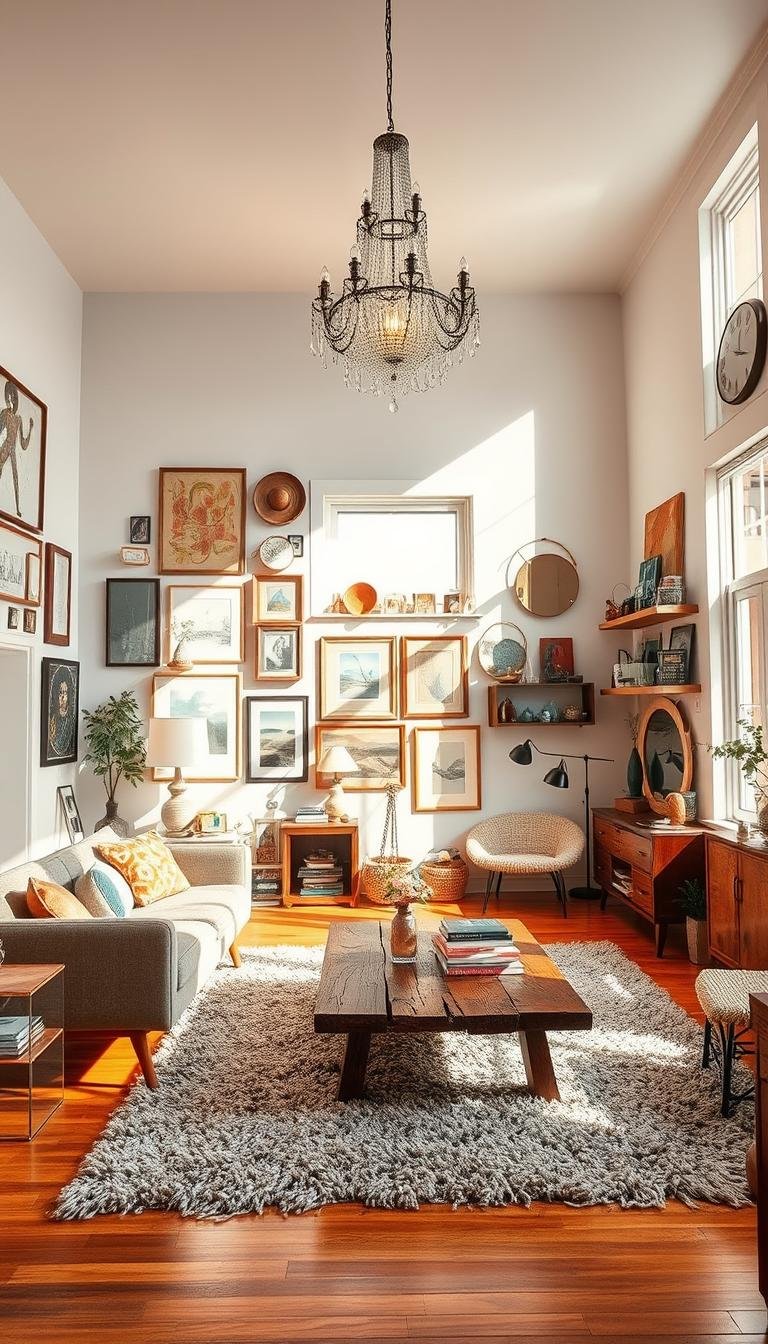
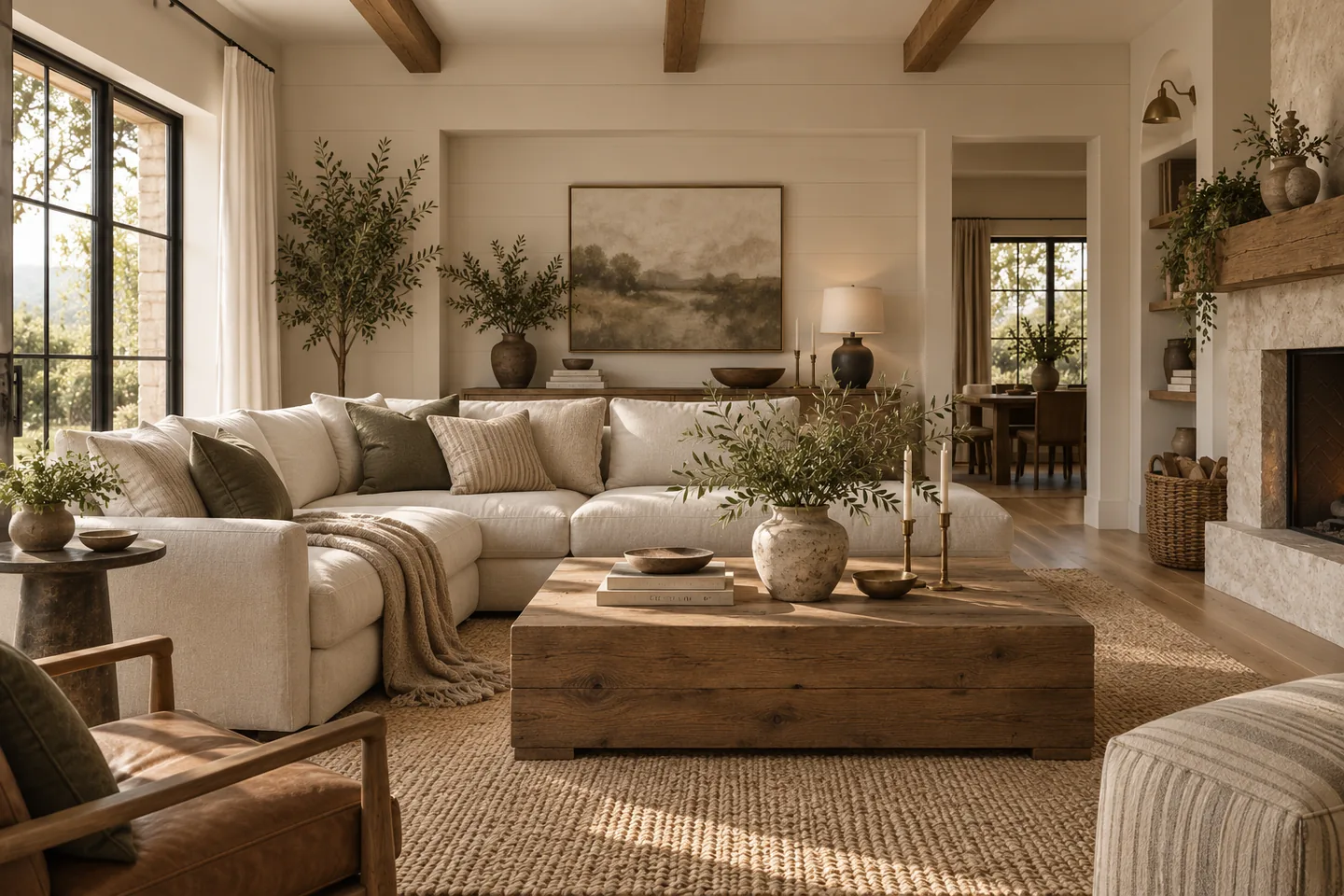
Wood, linen, cotton, metal, stone and woven fibres work well together because they add depth without requiring lots of colour. A timber table beside a linen sofa and a simple metal lamp usually feels more natural than a fully matched furniture collection.
Use a Warm Neutral Base
Warm white, cream, greige, mushroom and soft grey give the room a quiet foundation. The visual interest should come from texture, timber and a few darker accents rather than from constant pattern.
Choose Furniture for Real Use
Farmhouse-inspired rooms should feel generous and comfortable, but that does not mean buying oversized furniture automatically. Measure the room, preserve circulation and choose pieces that suit the actual scale.
A good modern farmhouse room should feel like a home first and a style second.
The Sofa
The sofa carries most of the visual weight. Linen-look, cotton, canvas and other matte fabrics suit the style well, but durability and comfort matter more than whether the fabric sounds rustic.
White and cream can look beautiful, but they are not mandatory. Warm grey, muted olive, taupe and soft blue can be easier to live with while still fitting the palette.
The Coffee Table
A timber coffee table is a natural fit because it adds warmth and character. It does not need to be reclaimed or deliberately distressed. Clean-lined oak, pine, walnut or a vintage table can all work.
Keep the surface practical. A tray, books and one object or vase are usually enough. Over-styling the table is one of the fastest ways to make the room feel staged.
Walls and Architectural Detail
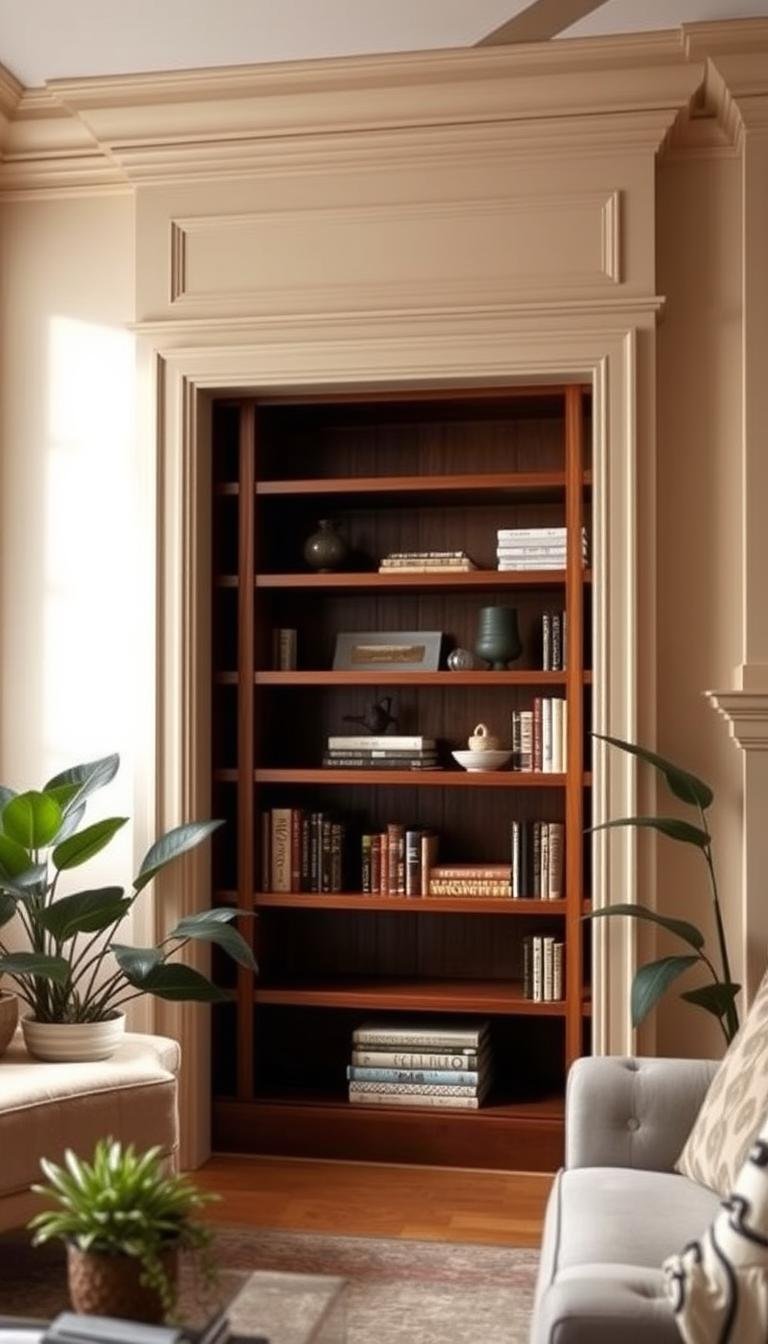
Shiplap can work, but it is only one way to add texture. Board-and-batten, simple panelling, limewash-like paint, textured wallpaper or one well-scaled piece of art can create the same sense of architectural interest.
If the room already has good bones, do not add decorative wall treatment simply because the style is associated with it.
Lighting
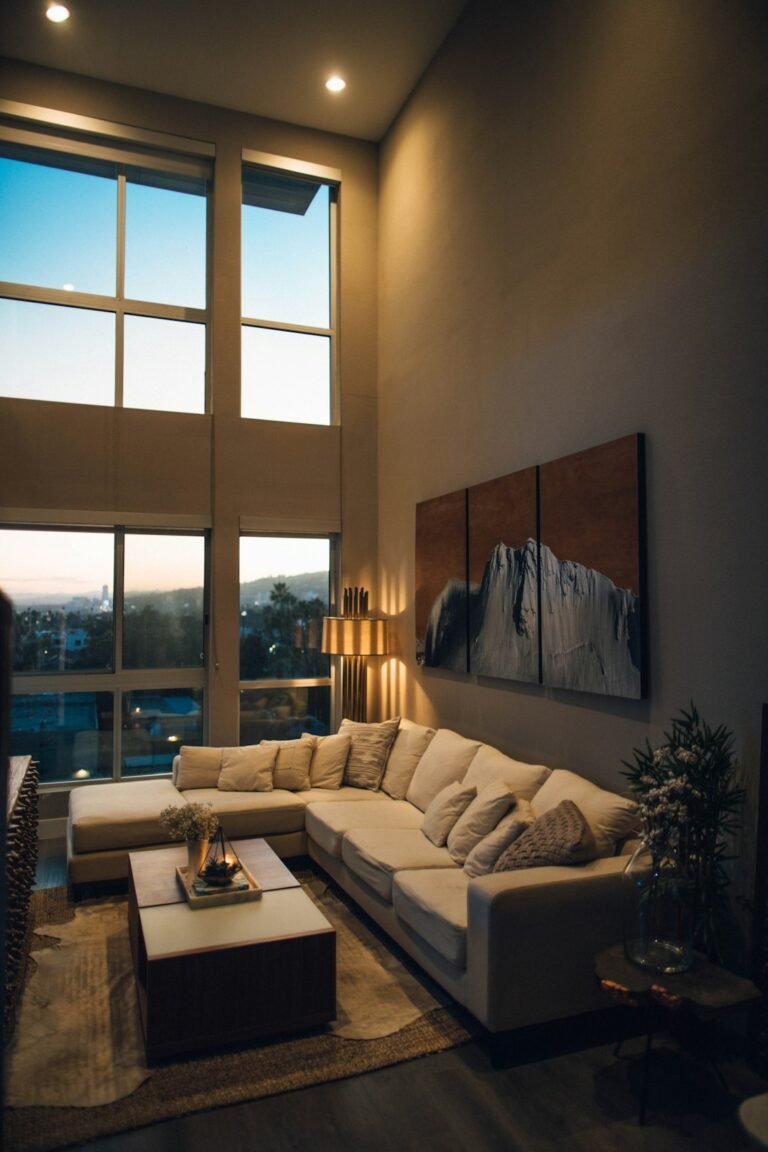
Use warm, layered lighting. A ceiling fixture can provide general light, while floor and table lamps make the room feel more comfortable in the evening.
Woven shades, linen drums, simple metal fixtures and ceramic lamps all work. Avoid choosing every fixture from the same farmhouse collection; variation makes the room feel more collected.
Rugs and Textiles
Jute, sisal, flatweave wool, muted vintage-style rugs and simple stripes can all work. The important part is scale: the rug should visually connect the seating group rather than float in the middle of the floor.
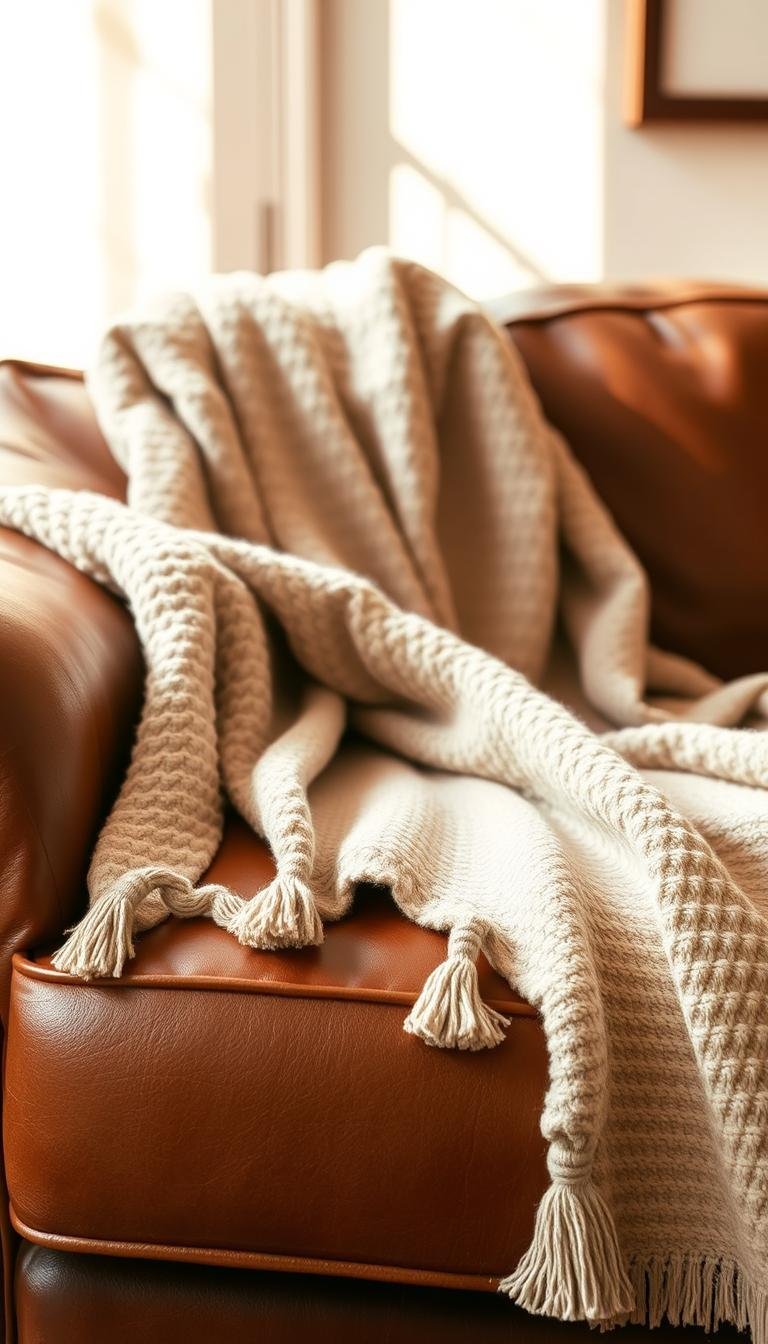
For cushions and throws, vary texture more than colour. Linen, washed cotton, wool and knit fabrics can create richness within a restrained palette.
| Element | Good direction |
|---|---|
| Walls | Warm white, cream, greige, mushroom, muted green |
| Wood | Oak, pine, walnut, reclaimed or vintage timber used naturally |
| Textiles | Linen, cotton, wool, canvas, subtle stripes |
| Metal | Black, aged brass, bronze, brushed steel in small doses |
| Décor | Useful ceramics, baskets, books, art and plants rather than themed signs |
What to Add First
- Get the furniture scale right: solve the sofa and main table before buying accessories.
- Choose a rug: it anchors the room and brings texture.
- Improve the lighting: add at least one lamp if the room depends on the ceiling light.
- Add natural material: timber, woven fibre, ceramic or stone.
- Finish with personal objects: art, books and things that belong to your life.
Common Mistakes
Using Too Many Farmhouse Signals
Shiplap, barn doors, word signs, galvanized metal and distressed furniture do not all need to appear in the same room. Choose one or two references at most.
Making Everything White
A fully white room can become flat. Timber, muted colour and texture create the warmth the style needs.
Buying Furniture That Is Too Large
Generous furniture should still fit the room. Tape out the footprint before buying and make sure doors, walkways and adjacent furniture still work.
Over-Styling Every Surface
Leave some surfaces nearly empty. A room feels more relaxed when every table and shelf is not performing for a photograph.
Frequently Asked Questions
What is modern farmhouse style?
It is a contemporary interpretation of farmhouse interiors that combines natural materials, warm neutrals and comfortable furniture with cleaner lines and less ornament.
How do I keep it from looking dated?
Focus on materials and proportion rather than trend-specific symbols. Timber, linen, warm light and comfortable furniture age more gracefully than novelty signs or highly themed accessories.
Do I need shiplap?
No. It is one optional way to add wall texture. Panelling, paint, wallpaper or large-scale art can do the same job.
Which sofa works best?
Choose a comfortable sofa in a matte, practical fabric and a colour that suits the room. Linen-look, cotton, canvas and durable woven fabrics all fit the style.
Can modern farmhouse work in a small living room?
Yes, provided the furniture is scaled carefully. Use fewer, better-sized pieces and preserve circulation instead of trying to reproduce a large open-plan farmhouse room.