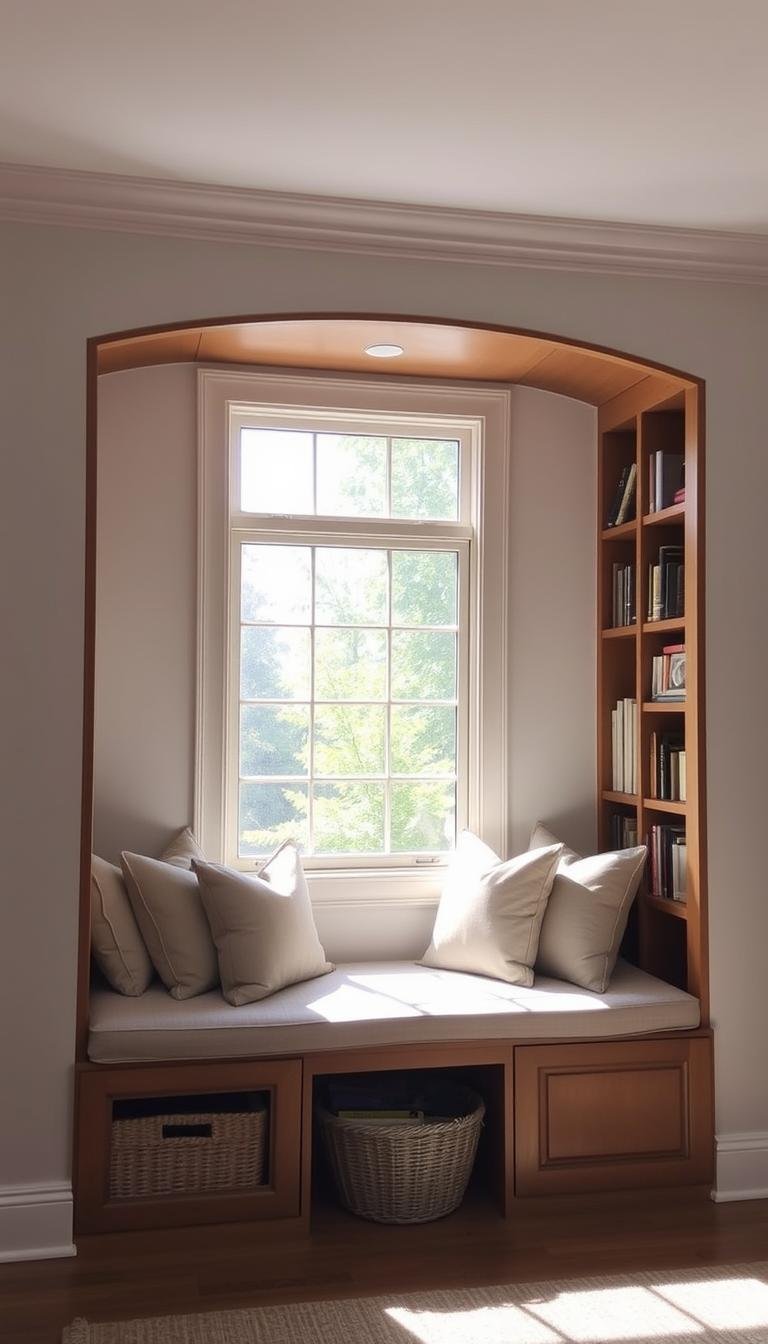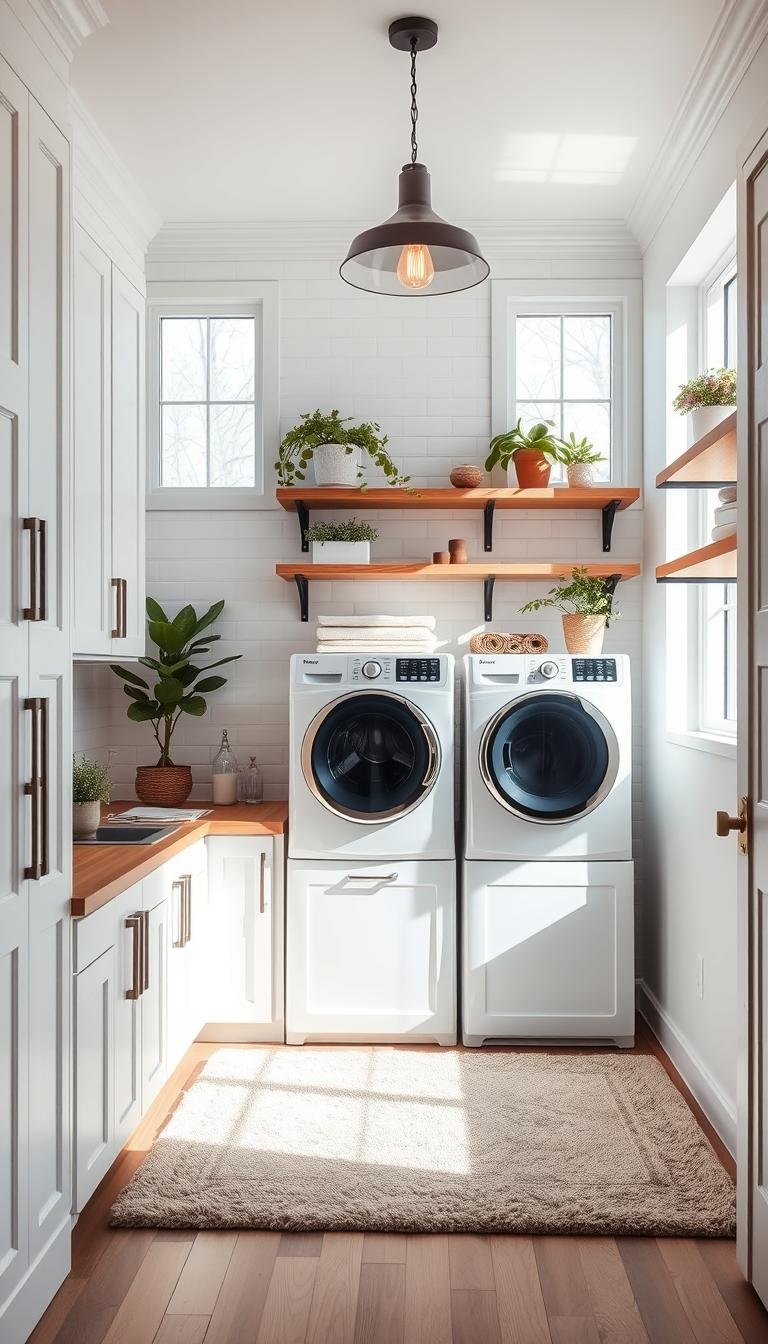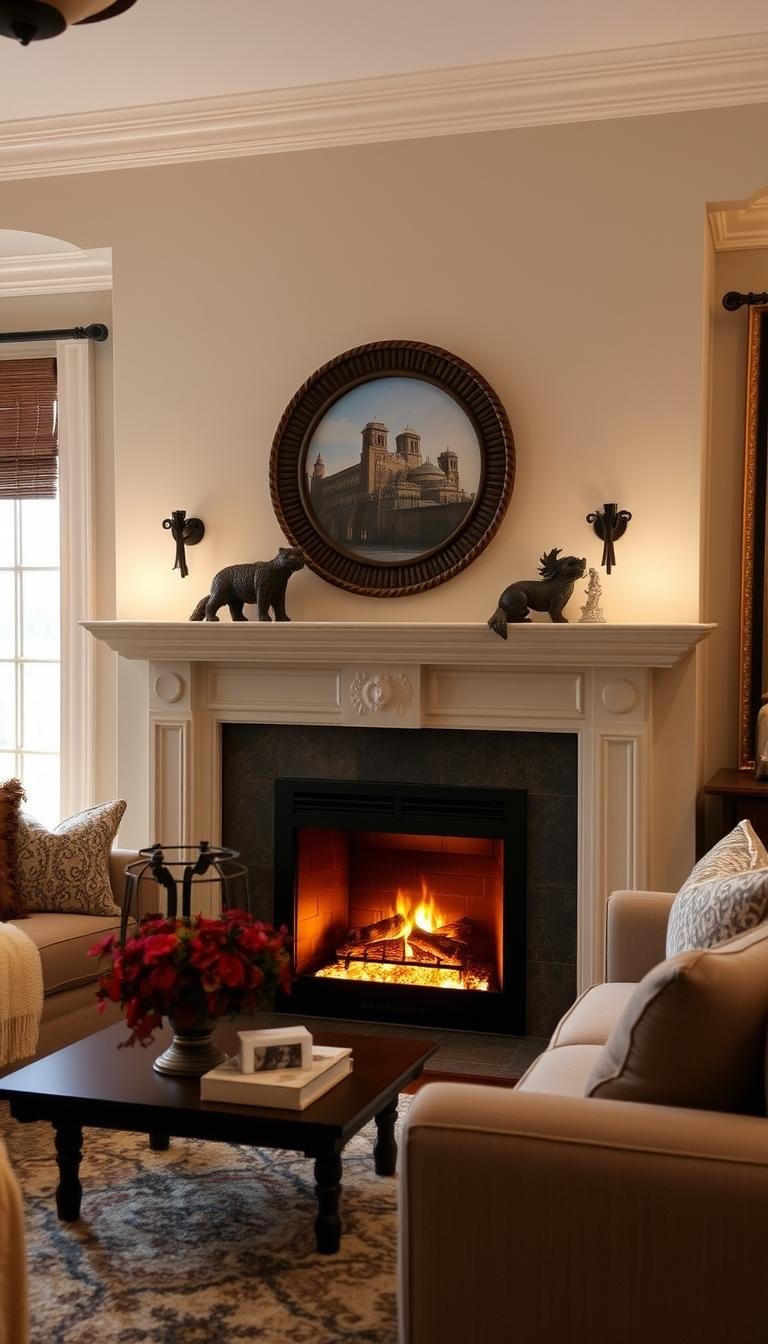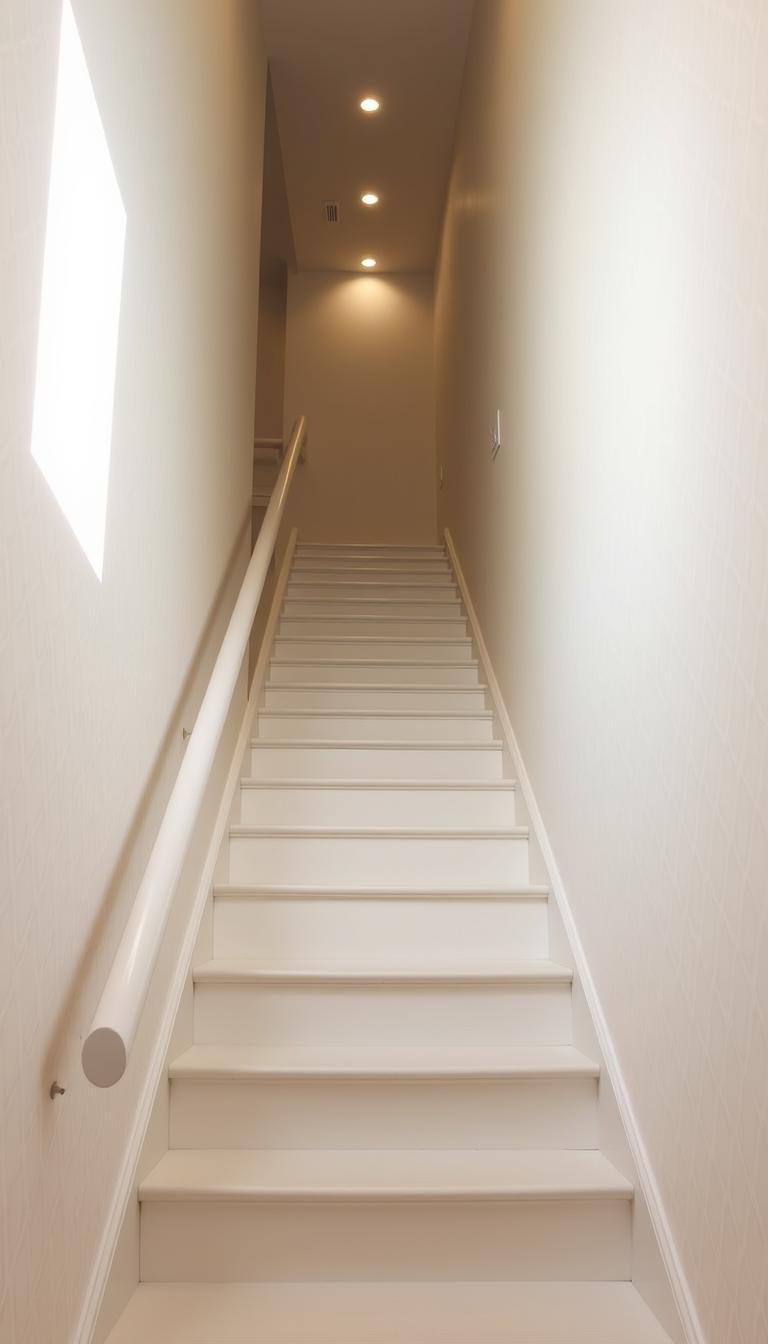
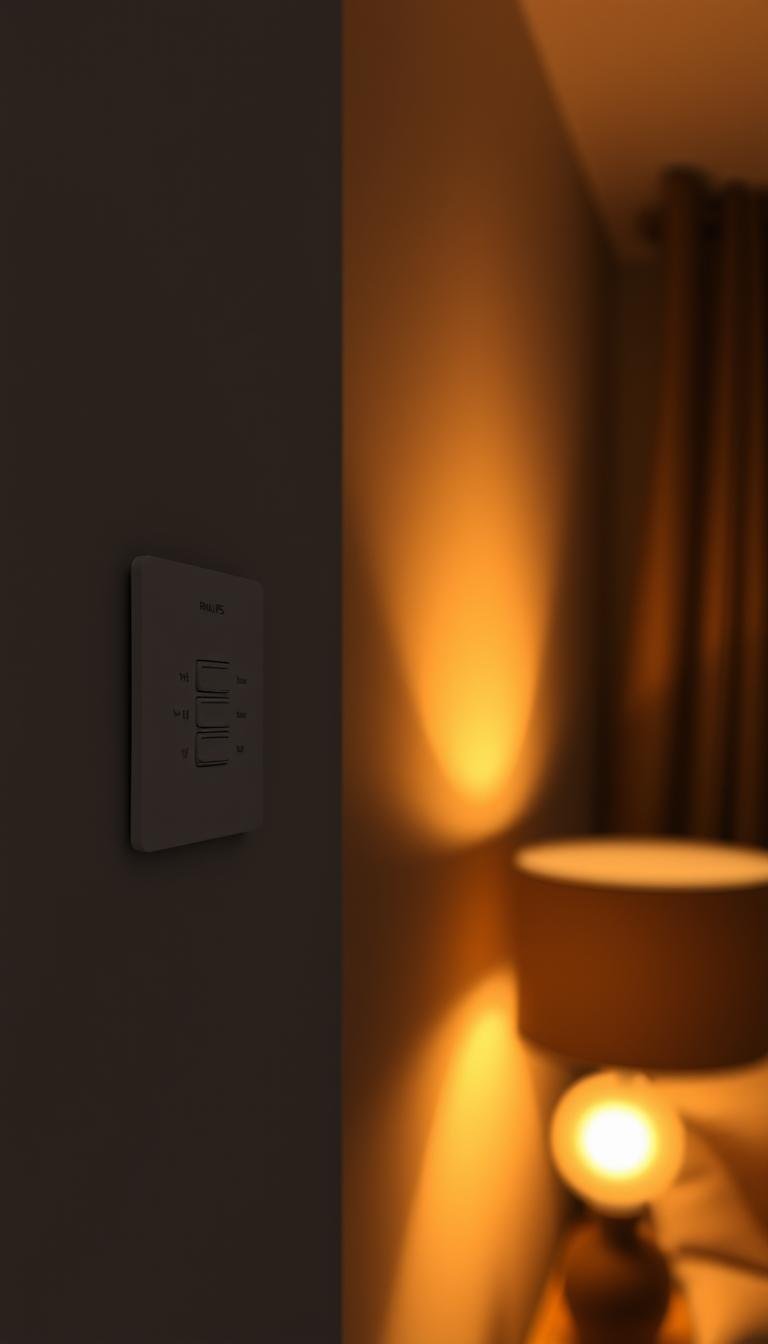
The easiest way to add dimmable lighting in a rental is usually to avoid altering the building wiring. Use a dimmable smart bulb or plug-in lamp with a compatible wireless remote, app, or plug-in dimmer, provided the lamp and bulb combination is approved for that control method.
This keeps the upgrade portable and reversible. Check the lease before attaching anything to walls, and follow the product instructions for removable mounts rather than assuming every adhesive will release without paint damage.
If you want schedules, voice control or multi-room scenes, compare systems that can add a hub or app later. If you only need local dimming, a bulb-and-remote setup can be simpler.
Key Takeaways
- Instant dimming: paired kit works right away without wiring.
- Mounting is renter-safe thanks to removable adhesive and magnetic remote.
- Setup scales: add bulbs or a hub later for advanced features.
- Improves mood and task lighting across any room.
- Leaves surfaces intact when it’s time to move.
A renter-friendly lighting plan
Start with controls that do not require changes to fixed wiring: smart bulbs with compatible remotes, plug-in lamps, plug-in dimmers designed for the lamp type, and rechargeable task lights.
What to compare
- Compatibility: bulb, lamp and control method must be designed to work together.
- Portability: choose equipment you can unplug or remove without altering the electrical system.
- Mounting: use the manufacturer-approved removable mount, or keep the remote freestanding if the lease restricts wall attachments.
- Expandability: decide whether you need app control, schedules or multiple bulbs now or later.
What’s the easiest way to add dimmable lights to a rental?
For most renters, the simplest route is a compatible dimmable bulb controlled by a wireless remote or app. That avoids replacing a wall switch or opening an electrical box.
Basic setup
- Confirm the fixture accepts the bulb base and stays within the fixture’s maximum wattage.
- Install a bulb that is designed for the wireless control or app you plan to use.
- Pair the control according to the manufacturer’s instructions.
- If the remote has a wall mount, use only the supplied or approved mounting method and check the lease before attaching it.
- Test the full brightness range for flicker or unexpected shutoff.
If the setup develops flicker, buzzing or unreliable dimming, check the compatibility documentation rather than forcing a mismatched bulb-and-control combination.
Other no-wiring ways to add better light
Layering several portable or plug-in light sources can improve a rental without changing fixed wiring.
Plug-in pendants and wall sconces
These can add focused light where a ceiling fixture is missing. Mount them only with hardware appropriate to the wall and within the lease rules; a plug-in fixture still needs safe cord routing and access to an outlet.
Swap shades for better glare control
A diffuser can soften exposed-bulb glare, while a directional shade can put more light on a desk, reading chair or work surface.
Choose brightness and color temperature for the task
Use lumens to compare brightness and color temperature to tune the feel of the room. There is no single Kelvin value that is best for every space; choose based on the task, time of day and your preference.
Smart bulbs, portable lamps and task lights
Dimmable smart bulbs, rechargeable lamps and plug-in task lights are easy to take with you when you move. For more specific ideas, see our guides to under-cabinet lighting and lighting a dark hallway without overhead wiring.
Planning, safety and lease-friendly checks
Match the bulb to the fixture: confirm base type, enclosed-fixture restrictions and the fixture’s maximum wattage before installing a replacement bulb.
Confirm dimming compatibility: use only bulb-and-control combinations the manufacturer supports. Smart bulbs are generally intended to receive constant power, so do not assume they should be used on an existing hardwired dimmer unless the manufacturer explicitly says so.
Keep the setup reversible
- Check the lease before drilling or attaching adhesive mounts.
- Route cords where they will not be pinched, tripped over or exposed to water.
- Do not overload outlets or extension devices.
- Keep lamps and shades clear of materials that could trap heat.
- If the project requires replacing a wall switch, altering fixed wiring or opening an electrical box, use the building’s approved process and a qualified electrician where required.
Conclusion
For a rental, start with a compatible dimmable bulb, plug-in lamp or portable light that gives you brightness control without modifying fixed wiring. Add a wireless remote or app only if it improves how you actually use the room.
The most useful setup is portable, compatible with the fixture, allowed by the lease and easy to remove when you move. For more renter-friendly planning, browse the Dwelanor Room Guides.