Budget Decorating
What $500 Actually Buys You
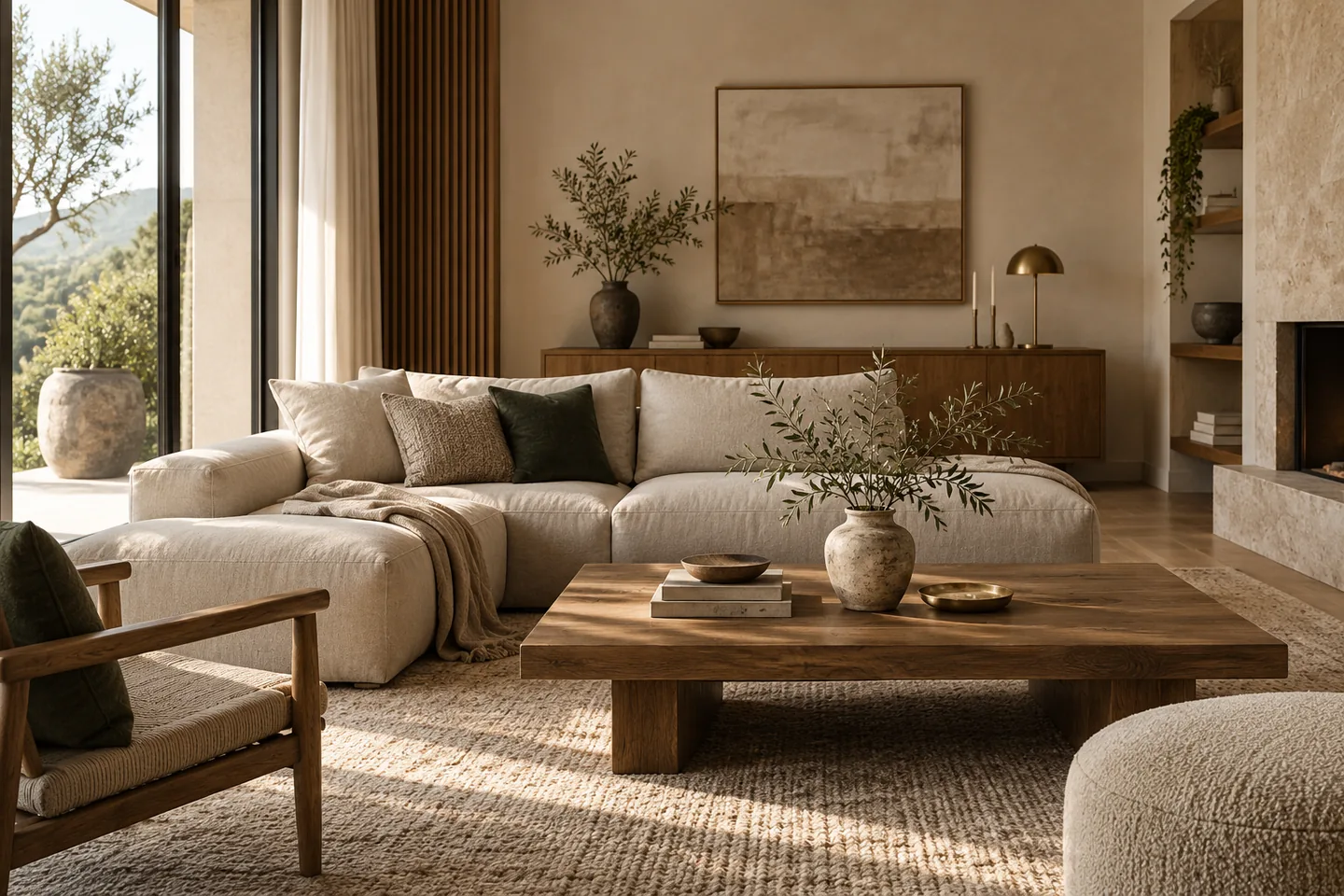
$500 is enough to fundamentally transform a living room. Not to replace the sofa. Not to renovate the floors. Not to replaster the walls. But to change the entire feeling of the room, the atmosphere, the warmth, the sense that this is a beautiful and considered space, in a way that makes the structure of the room almost irrelevant.
The secret is knowing what to spend it on. Most people spread $500 across twenty small purchases and end up with a slightly more cluttered version of the room they started with. The right approach is fewer, higher-impact purchases made in the right order.
This is the exact allocation, what to buy, how much to spend, and why each purchase earns its place in the budget.
The Budget Allocation
For a smaller room, start with our small living room playbook before buying anything. If the room is naturally dark, our guide to making a dark room feel warm will help you get the lighting right first.
- Lighting upgrade, $65
- Rug, $110
- Throw and cushion covers, $85
- Paint (one wall), $45
- Art, $60
- Plants and vessels, $55
- Curtains, $55
- Accessories (tray, vase, candles), $25
Total: $500. A complete room transformation. Everything is reusable when you move.
Spend 1: Lighting, $65
What to Buy
- One floor lamp, $45 (Amazon, IKEA, or HomeGoods)
- 2700K warm white LED bulbs, pack of 6, $12
- Smart plug, $8
Why This First
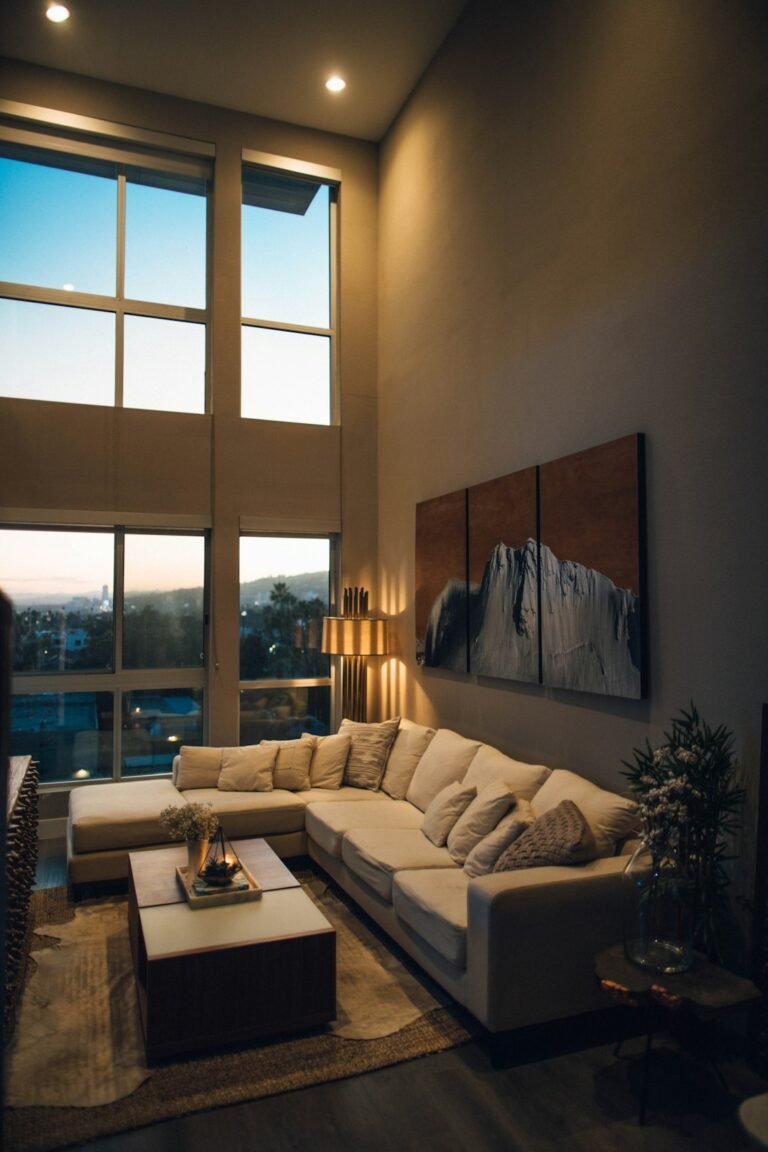
Lighting is the transformation that costs the least and changes the most. A single floor lamp in the corner of a living room, turned on at dusk, does more for the feeling of the space than almost any other single purchase. It creates warmth, depth, and the visual signal that this room is inhabited and cared for.
Replace every existing bulb with 2700K warm white. The transformation from cool white or daylight bulbs is immediately and dramatically apparent, the room goes from feeling like an office to feeling like a home within seconds of switching on.
The smart plug sets your lamps to come on automatically at sunset. You come home to a warm, lit room rather than walking into darkness and fumbling for a switch. This sounds small. In practice, it changes how you feel about your home every single day.
Spend 2: The Rug, $110
What to Buy
- 8×10 jute or sisal rug, $90-110 (Rugs USA, Amazon, or Wayfair)
Why This Second
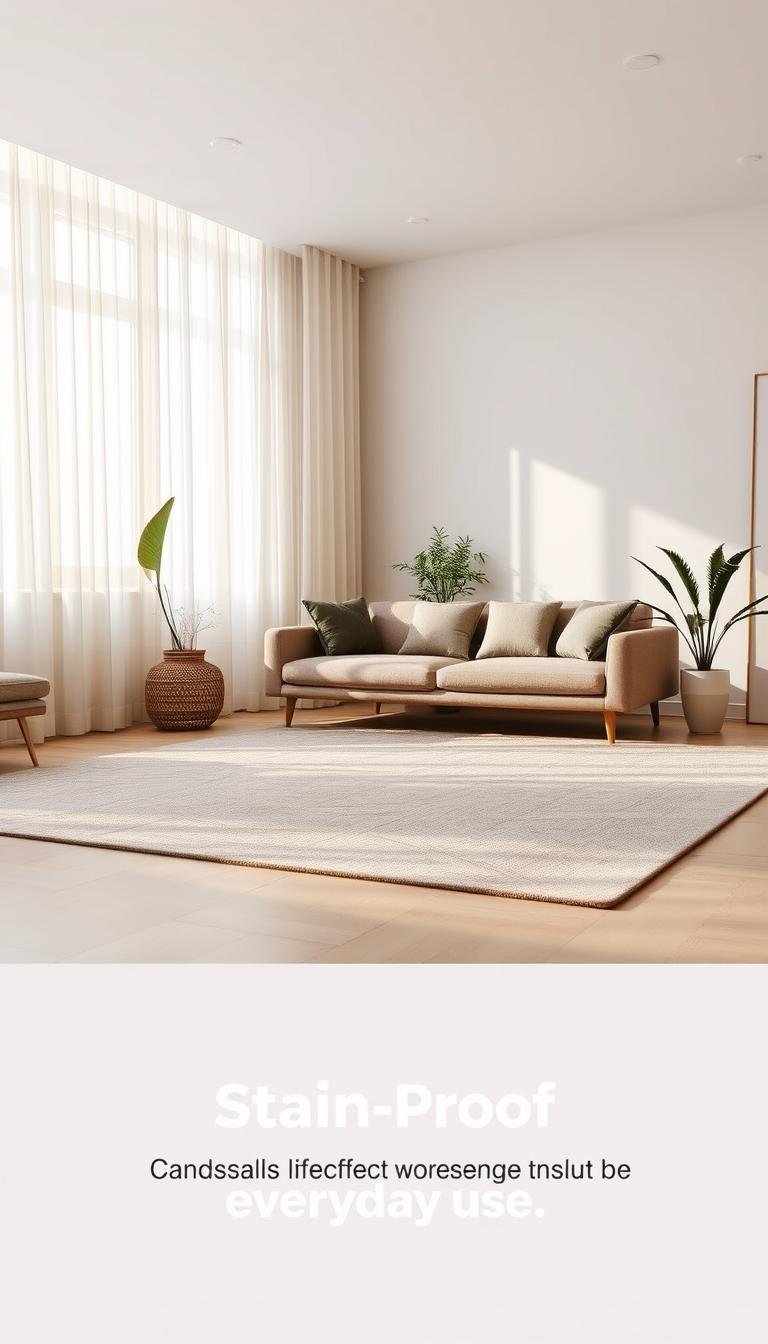
The rug is the single highest-impact furnishing purchase in a living room. It anchors the seating area, adds warmth and texture, and creates the visual foundation that makes everything else look intentional. Without a rug, even a beautifully styled room looks unfinished. With the right rug, a room that needs significant work can look almost complete.
At this budget, a jute or natural fibre rug is the right choice, it looks genuinely good, ages beautifully, and is available in large sizes at accessible prices. Avoid the temptation to save money by going smaller. An 8×10 in a standard living room is the minimum size that works. A 6×9 makes the room look like the rug was an afterthought.
- Rugs USA, frequent 70% off sales. Set up a sale alert for their jute and natural fibre collection.
- Amazon, search “8×10 jute rug” and filter by 4+ stars. Dozens of excellent options under $100.
- Facebook Marketplace, used rugs in good condition for a fraction of retail. Natural fibre rugs especially last for decades.
Spend 3: Textiles, $85
What to Buy
- Chunky knit or waffle-weave throw, $35-45
- Two linen cushion covers, $20-25 each
Why Textiles Third
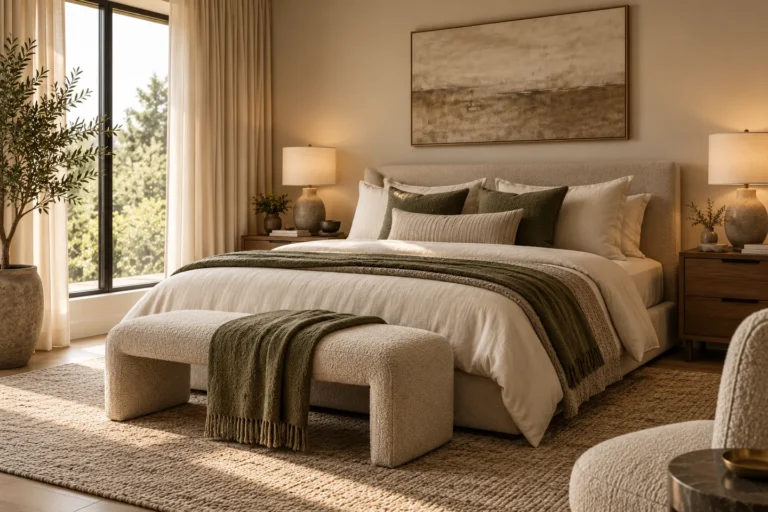
After lighting and the rug, the next most impactful change is softening the space with quality textiles. A chunky knit throw draped over the arm of a sofa adds immediate warmth, texture, and the visual signal of comfort. Two linen cushion covers in a complementary neutral replace whatever synthetic cushion covers existed before and immediately elevate the perceived quality of the entire sofa.
The key is restraint: two new cushion covers and one throw, not a collection of mismatched new accessories. Less is consistently more in this category, two well-chosen pieces do more work than six mediocre ones.
Spend 4: One Painted Wall, $45
What to Buy
- One quart of paint, $20-30 (more than enough for one accent wall)
- Rollers, tape, and tray, $15
Why One Wall Changes Everything
A single painted accent wall is the highest-impact structural change available for under $50. It creates depth, defines the space, and gives the room a point of visual focus. The wall behind the sofa or the wall opposite the main entrance are both excellent choices.
Colour: think bolder than you would for a full room. Forest green, a warm terracotta, deep navy, or a warm charcoal all look extraordinary as a single accent wall and provide a background that makes furniture and accessories photograph dramatically better. A single dark wall in a room with otherwise light walls is not oppressive, it creates the sense of depth and drama that makes a room feel designed.
If you’re renting: this is still worth doing if you’re planning to stay for more than a year. The cost of repainting it white when you leave is $20-40. The transformation in quality of life over months or years is worth that many times over.
Spend 5: Art, $60
What to Buy
- One large print (24×30 or 24×36), digital download from Etsy, $5-15
- Frame, $30-45 from Amazon or IKEA
Why One Large Piece Beats Several Small Ones
The gallery wall of small pieces is the default, and it is the wrong choice for a room undergoing a budget transformation. Small pieces at small scale have small impact. One large piece, properly sized for the wall and hung at the right height, creates a definitive focal point that changes how the room reads.
At this budget: digital art downloads from Etsy are the best value in home art. Search for abstract art, landscape photography, botanical illustrations, or minimal line drawings in the size you need. Download, take the file to a print shop or use an online printing service (Printful, Canva print, or Walmart photo printing), and frame it. Total cost for a 24×36 print and frame: $50-65. Impact: significant.
Spend 6: Plants and Vessels, $55
What to Buy
- One large statement plant, pothos, monstera, fiddle leaf fig, $20-35
- Ceramic pot for the plant, $15-25
- One small plant for a shelf or side table, $8-12
Why Plants Do What Objects Cannot
Plants add organic life, colour, and movement to a room in a way that no decorative object can replicate. A large monstera in a beautiful ceramic pot in a corner of a living room adds more warmth, personality, and visual interest than any furniture piece at the same price. It grows. It changes. It breathes. It makes the room feel genuinely inhabited in a way that static objects never quite manage.
Spend 7: Curtains, $55
What to Buy
- Two panels of linen or cotton curtains in white or cream, $40-55 per pair
- Tension rod or command hooks, $8-15
Why Curtains at This Budget
Floor-length curtains hung from ceiling height (or as close to it as possible) transform the perceived proportions of a room more effectively than almost any other change. They make ceilings feel higher, windows feel larger, and rooms feel more considered and finished. At this budget: look for linen-look curtains on Amazon, search “white linen curtains 96 inch” for panels that reach floor from standard ceiling height. Hang them as high as possible. Let them touch the floor or pool slightly.
Spend 8: Final Accessories, $25
What to Buy
- Wooden or marble tray, $15-20
- Two candles or candle holders, $8-12
The Tray That Organises Everything
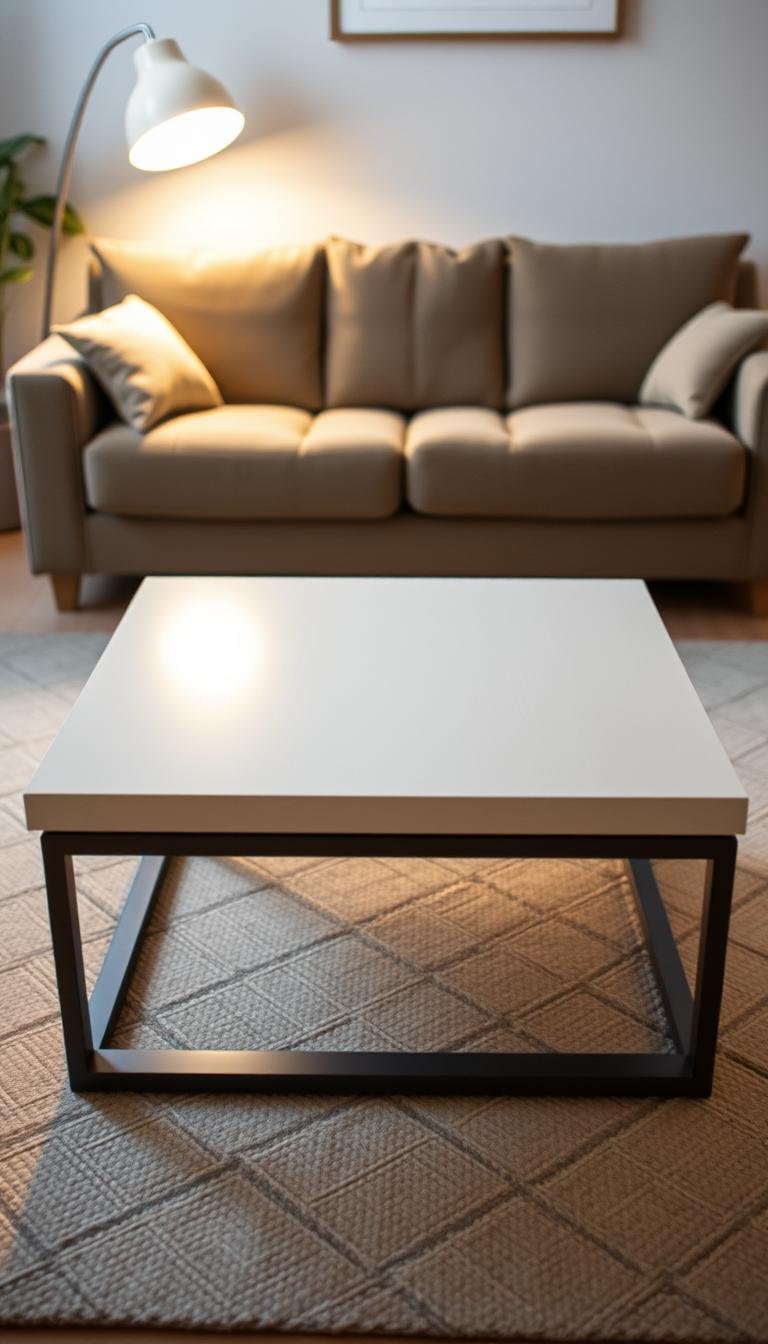
A wooden or marble tray on the coffee table does something disproportionate to its cost: it corrals the objects on the coffee table into a defined zone, making the table look styled rather than cluttered. Place a candle, a small object, and perhaps a plant cutting in a small vase on it. The tray creates the sense that someone made a deliberate decision about this surface, and that decision changes how the whole room reads.
What Not to Spend Your $500 On
- Decorative objects without function: Vases, sculptures, and decorative items bought specifically to fill space. They add visual clutter without adding warmth or life.
- New cushions instead of cushion covers: Cushion inserts are expensive. New covers on your existing inserts give you 80% of the visual impact for 20% of the cost.
- Matching sets of anything: A matching set of prints, a matching pair of lamps, a matching set of vases, all look less interesting and less personal than individual pieces chosen for themselves.
- Furniture at this budget: $500 does not buy good furniture. It buys excellent everything else. Put furniture on a separate wish list and save properly for it.
The rooms that look the most expensive are rarely the ones that spent the most. They are the ones where every dollar was spent on the things that actually change how the room feels.
Week 1: Lighting and bulbs. Week 2: Rug. Week 3: Paint and textiles. Week 4: Art, plants, curtains, accessories. Spreading the purchases over a month lets each change settle and lets you see clearly what the next most important change is, rather than buying everything at once and overwhelming the room.
Frequently Asked Questions
What is the best way to transform a living room on a budget?
Spend in this order: lighting first, then a rug, then textiles, then one painted accent wall, then art, then plants, then curtains, then accessories. Lighting and the rug together account for the majority of the transformation. The structure of the room matters far less than these elements when they are done well.
What should I not spend money on when decorating a living room?
Avoid decorative objects without function, matching sets of anything, new cushions when cushion covers would achieve the same visual result, and furniture at a budget that cannot buy good furniture. Spread $500 across twenty small purchases and you end up with a slightly more cluttered room. Focus on six or seven high-impact purchases instead.
How do I choose art for a living room on a budget?
One large piece rather than several small ones. Digital art downloads from Etsy at $5 to $15, printed at a local print shop or online service, framed in a simple frame from Amazon or IKEA. A 24×36 print and frame total under $65. One large, well-chosen image at appropriate scale does more for a room than a gallery wall of small pieces.
Is painting one wall worth it?
Yes. A single accent wall painted in a bold color is one of the highest-impact structural changes available for under $50. The wall behind the sofa or the wall opposite the main entrance works best. Colors that photograph particularly well: forest green, warm terracotta, deep navy, warm charcoal.
How do plants improve a living room?
Plants can add organic shape, color, and movement while softening hard furniture lines. Choose species that match the room’s actual light and your willingness to maintain them rather than buying only for appearance.
More Living Room Planning Guides
- Choosing upholstery fabrics when allergens are a concern
- Stopping a sofa from sliding on hardwood
- Sizing an ottoman for a sectional
- Sofa-to-TV viewing distance
Save this to your home decor Pinterest board and come back to it when you are ready to start.