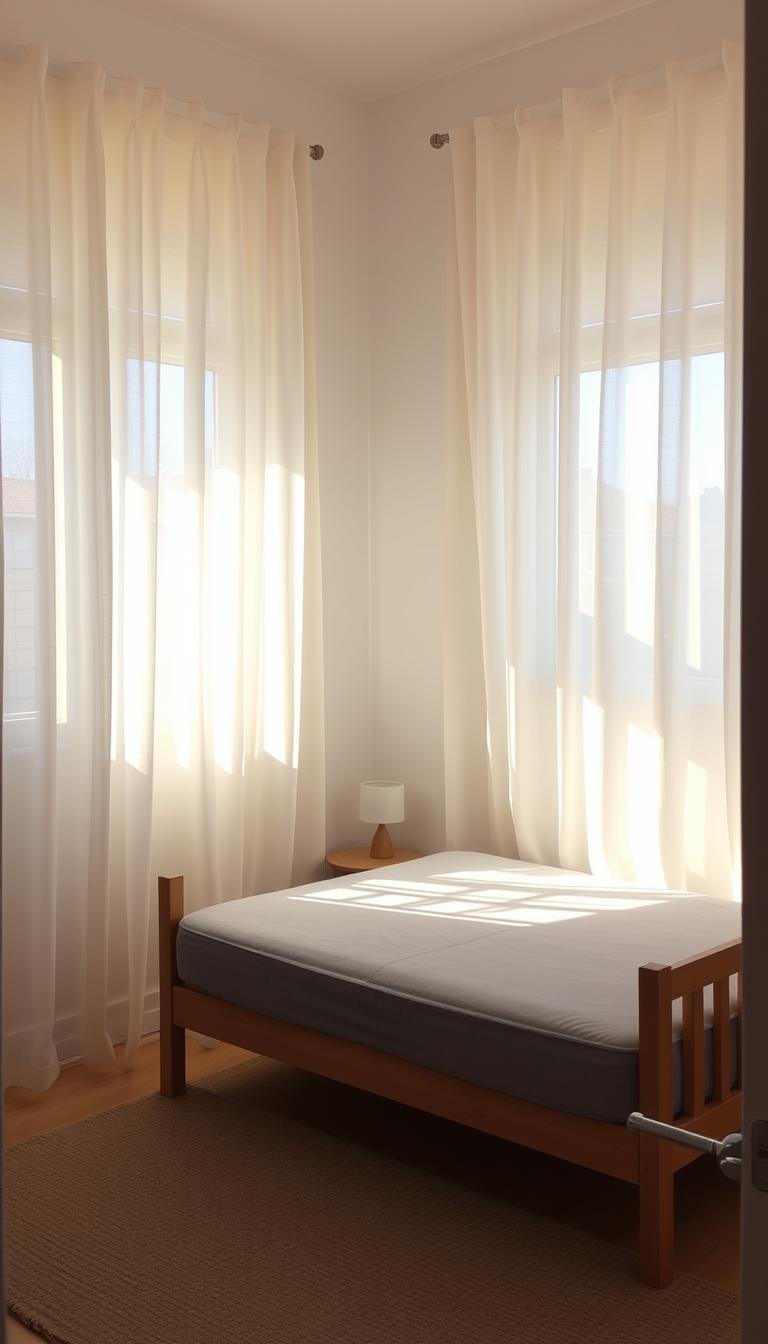
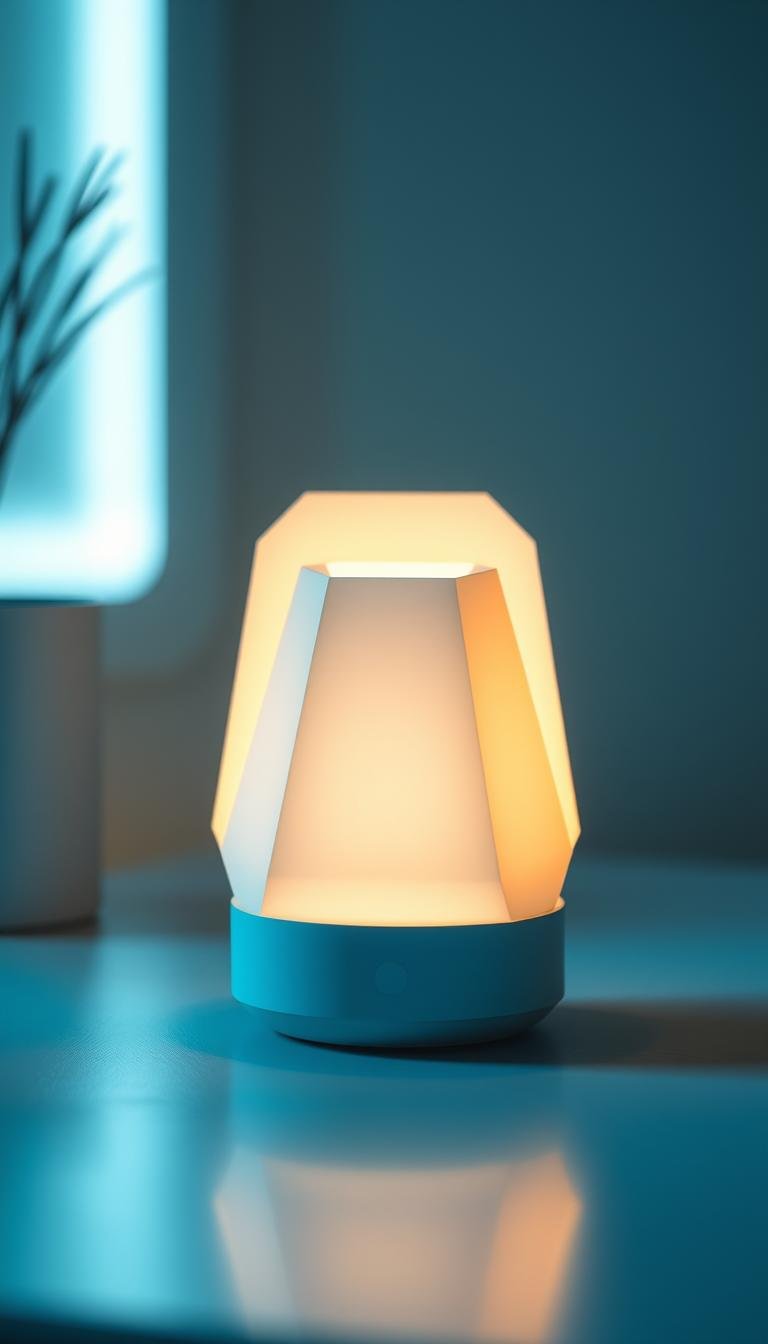
The best motion-sensor night-lights disappear into the room until you need them. In a hallway or bathroom, that means a low, indirect glow, a sensor that does not fire constantly, and a shape that looks intentional in daylight instead of like a utility gadget.
For bedrooms, brightness matters more than novelty. A warm, dim light is usually easier on the eyes at 2 a.m. than a cool white beam. In circulation spaces, sensor range and placement matter more because the light needs to come on before you reach the darkest part of the path.
This guide focuses on those practical differences—light direction, sensor type, power source, placement and design—then uses a few current examples where the manufacturer information is clear.
Key Takeaways
- Design first: I prioritize pieces that look good in daylight and night.
- Soft amber or dimmable options protect sleep and melatonin.
- Sensors and photosensitive features save energy and add convenience.
- I note whether items are plug-in or battery-powered and lifespan details.
- This list spans practical hallway options to sculptural living-room accents.
Why I’m hunting for motion-sensor night lights that double as decor
I spend time living with each light to see how it changes an evening routine. I want pieces that raise my decor by day and provide a gentle way to move around at night without flipping a glaring overhead.
Understanding the benefits for adults: safety, sleep, and style
For adults, a soft night light eases trips to the bathroom and keeps a path clear in low light. A low-level glow reduces trips and keeps eyes adjusted to the dark. Warm colors like amber or red help protect sleep by avoiding blue-white spikes.
Present-day features that matter: sensors, LEDs, energy savings
I prioritize motion and ambient sensors so lights only come on when needed. I favor LED-based lamps and plug-ins for low energy use and cool operation. Dimmers, color modes, and smart sensing are useful, but I note which features actually save time at 2 a.m.
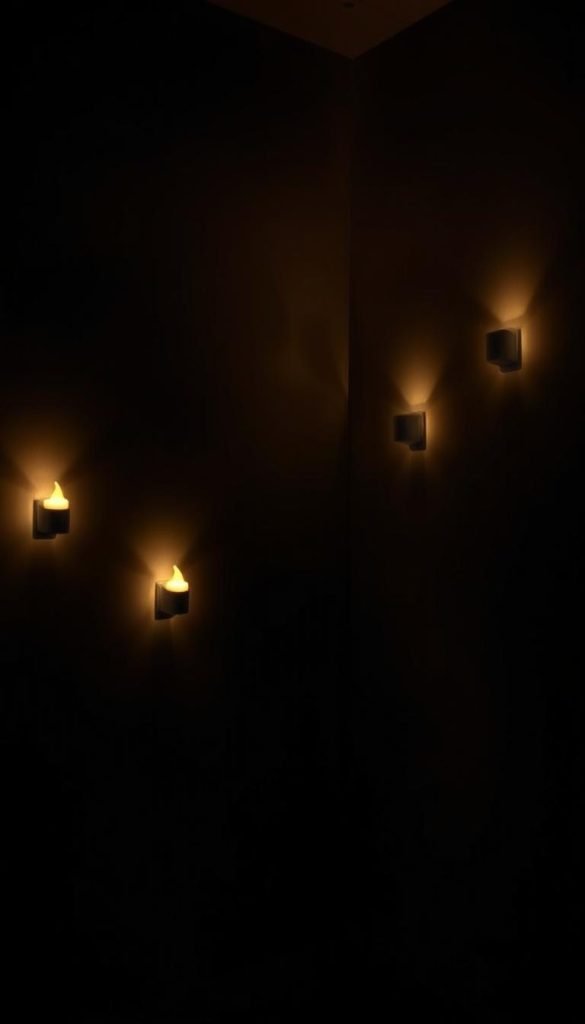
- I look for compact designs that fit a room and feel intentional.
- Safety and sleep-supportive tones guide my picks.
- Energy efficiency and reliable sensors are non-negotiable.
| Feature | Why it matters | Best for |
|---|---|---|
| Motion + Ambient Sensor | Auto-on only in low light, saves energy | Hallways, stairs |
| Warm LEDs (amber/red) | Reduces circadian disruption | Bedrooms, nurseries |
| Plug-in vs Rechargeable | Continuous use vs flexible placement | Long corridors vs guest rooms |
| Dimmable & Color Modes | Custom glow for decor and sleep | Living rooms, bedside |
What should you buy if you want something that looks good?
Start by deciding whether the light will live in a bedroom or on a path through the house. For a bedroom, choose a low-output light with an ambient sensor so it can stay gentle rather than flashing bright whenever you move. For hallways and bathrooms, motion activation is more useful because the light only needs to appear while someone is passing.
One current design-forward example is the Casper Glow Night Light. Casper lists two modes: a motion-activated mode intended for hallways, bathrooms and kitchens, and a darkness-sensing mode for bedrooms. Its light is indirect and wall-facing rather than a bare forward beam, which is exactly the sort of design that makes a night-light feel less utilitarian.
Beyond that, use the same checklist for any model you compare: confirm the sensor behavior on the manufacturer page, check whether the light can be dimmed or aimed, and make sure the plug or body will not block an adjacent outlet or protrude into a narrow walkway.
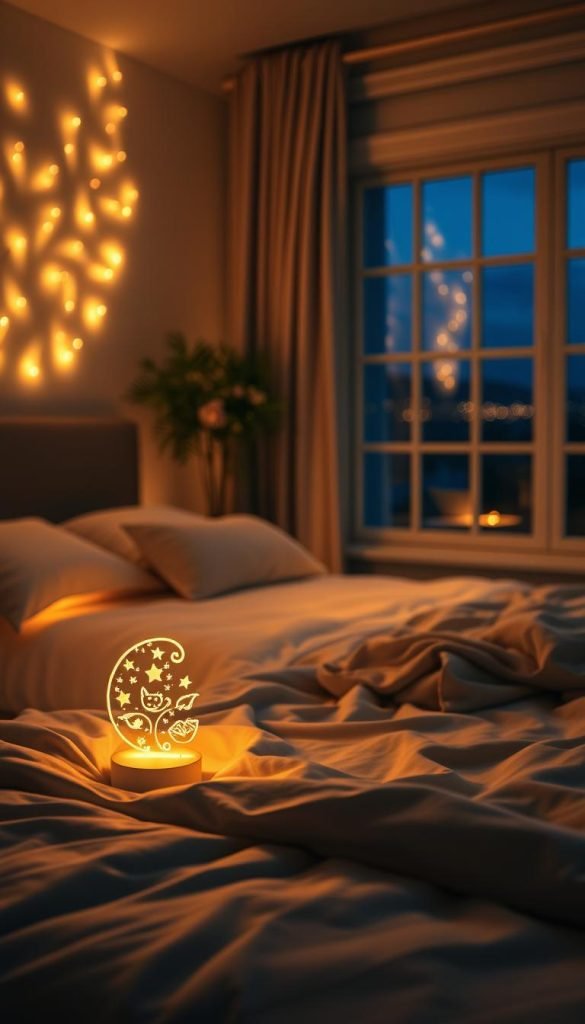
How I choose: my criteria for artful, sensor-driven night lights
I focus on lights that quietly earn their place in a room, not shout for attention.
Design-first ethos
I pick pieces that read as home decor. They should feel like a small sculpture or lamp, not a gadget.
Sleep-friendly light
Warm color output matters most. I favor amber or red tones and dimmable options so brightness stays low at night.
Loftie’s red/amber approach is a good example of melatonin-friendly color.
Smart sensing and energy
A reliable sensor paired with a light sensor prevents daytime trips. Casper Glow combines ambient sensing with motion detection to run only when needed.
I also value energy-smart models to stretch bulb life and reduce power draw.

| Criteria | Why it matters | What I look for |
|---|---|---|
| Design | Blends with home decor | Sculptural lines, quality materials |
| Color & Dimming | Protects sleep | Amber/red tones, dim-to-warm |
| Sensor Tech | Auto-on only when useful | Motion + light sensor, low false triggers |
| Energy & Build | Long life and safe use | LED models, sturdy plugs, cool-running LEDs |
My design-forward picks with motion sensing (and clever alternatives)
My picks pair useful sensing with sculptural form so they feel at home on a shelf. Below I list favorites that balance reliable triggers, sleep-friendly tones, and purposeful design.
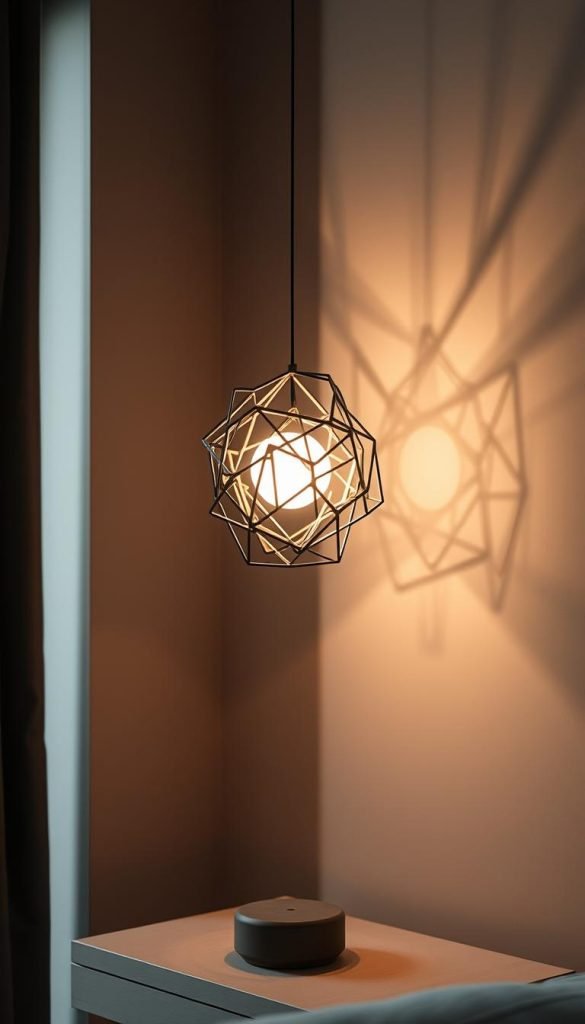
Casper Glow Night Light
Casper is my set-it-and-forget-it pick. Its ambient plus motion pairing gives a soft, wall-facing glow only when you pass, saving energy and keeping sleep intact.
Loftie Night Lights 3-Pack
Loftie ships warm amber orbs meant for multiple rooms. After a quick app setup, dusk-to-dawn sensing manages a steady, melatonin-friendly glow night after night.
Briteman Freyr Sensor Night Light
Briteman uses human-infrared plus a light sensor and auto-off after 15 seconds. LEDs last roughly 50,000 hours; note the battery is not replaceable.
GE Rotating LED Night Light
GE’s rotating housing aims a brighter beam where you need it—great for a hallway run or bathroom entry when a bit more punch helps.
Noguchi Akari, Dusen Dusen, Pottery Barn picks
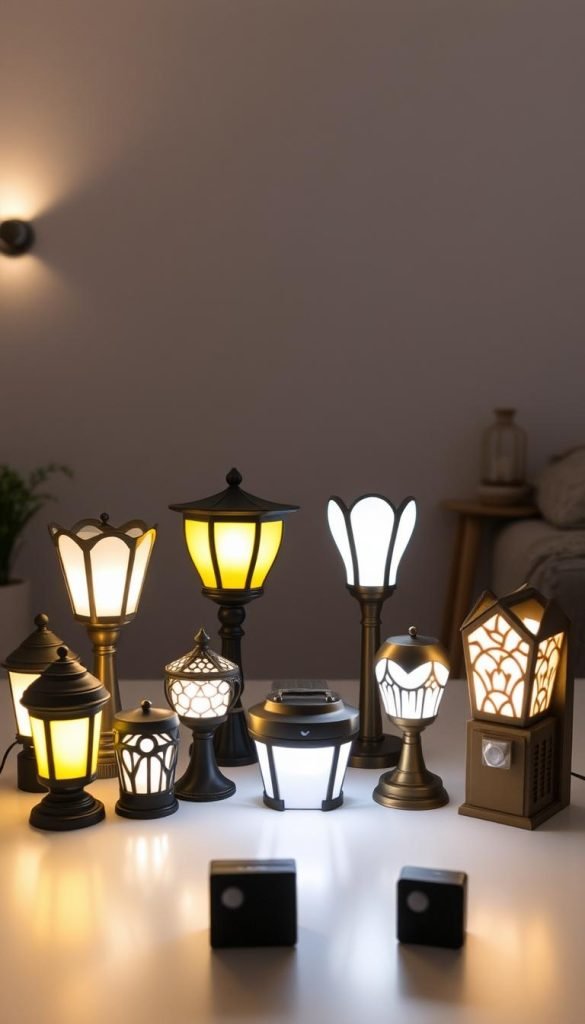
For statement pieces I pair an Akari 1N with a motion plug. Dusen Dusen’s Everybody reads playful and museum-ready with an auto light sensor. Pottery Barn’s shell lamps give a cordless, soft ambient glow on nightstands.
“Editors often highlight Casper and Loftie for reliability; start there if you want one easy choice.”
Where they shine in my home: room-by-room placement ideas
I arrange each piece where I actually walk at night to test usefulness and presence. This helps me match form to function so a lamp reads as decor by day and a helpful glow by night.
Hallways and stairs
Motion-triggered pathways that don’t jar you awake
In a narrow hallway I point GE’s rotating beam low along baseboards. The aimed light makes a subtle runway that guides the way without spilling into bedrooms.
On stairs, Casper’s motion-plus-ambient sensing gives just enough to see each tread and keeps me from waking fully.
Bathrooms and guest spaces
Quick-on, quick-off convenience
For a guest bathroom I use GE or Briteman for brief bright output and fast auto-off. In my primary bathroom I favor a softer option so late trips don’t feel harsh.
Bedrooms, nurseries, living areas
Warm, low-lux light that eases you back to sleep
Loftie’s amber provides a soft glow that helps adults return to sleep. In the living room or entry I place a Dusen Dusen or Pottery Barn piece as a sculptural night lights display.
Around the house I mix motion-triggered lights on paths with ambient pieces in rooms where I want atmosphere after dark.

Compare features and find the right model for your space
I compare key sensor behaviors and light output so you can match a model to each room.
Sensor smarts: motion-only vs. motion + ambient
Motion-only models trigger whenever darkness is present and movement occurs. They work well for short, dark corridors but can switch on during dusk or in dim rooms.
Motion plus light sensor adds dusk-to-dawn logic. Casper’s ambient light sensor plus motion detection stays off by day and triggers softly at night, saving energy and reducing false on cycles.
Light quality: sleep-focused hues versus hallway punch
For bedrooms I favor warm red or amber color to protect sleep. Loftie’s amber/red output keeps melatonin intact and eases returns to sleep.
For longer paths, choose a brighter led night option you can aim. GE’s rotating led gives direction and reach, so a single lamp lights a hall without glare in adjacent rooms.
Power and maintenance: plug-in, rechargeable, longevity notes
Plug-ins are low maintenance. Rechargeable or battery models give placement freedom but need topping up.
Consider lifespan: Briteman Freyr’s leds rate about 50,000 hours, though its battery is not replaceable. App setup like Loftie’s is usually a one-time step; after that the units behave like any standard motion sensor night light.
| Feature | Practical benefit | Best match |
|---|---|---|
| Motion-only sensor | Reliable trigger in low light | Short hallways, closets |
| Motion + light sensor | Energy saving; avoids daytime activation | Bedrooms, living rooms (Casper) |
| Red/amber color | Protects sleep cycles | Bedside, nursery (Loftie) |
| Adjustable aim & brighter led | Lights longer runs without spill | Hallways, bathrooms (GE Rotating) |
Tip: If you want a simple shopping start, check a curated list of the best night lights to compare models and options across categories.
A simple way to choose
Use a dim, warm, indirect light near bedrooms and a slightly brighter motion-activated light for hallways, stairs and bathrooms. Keep the beam low, avoid placing the sensor where doors or pets will trigger it constantly, and choose a body that does not jut into the path.
If a night-light looks acceptable in daylight, turns on before you actually need it, and gives just enough illumination to navigate without reaching for the ceiling light, it is doing its job.