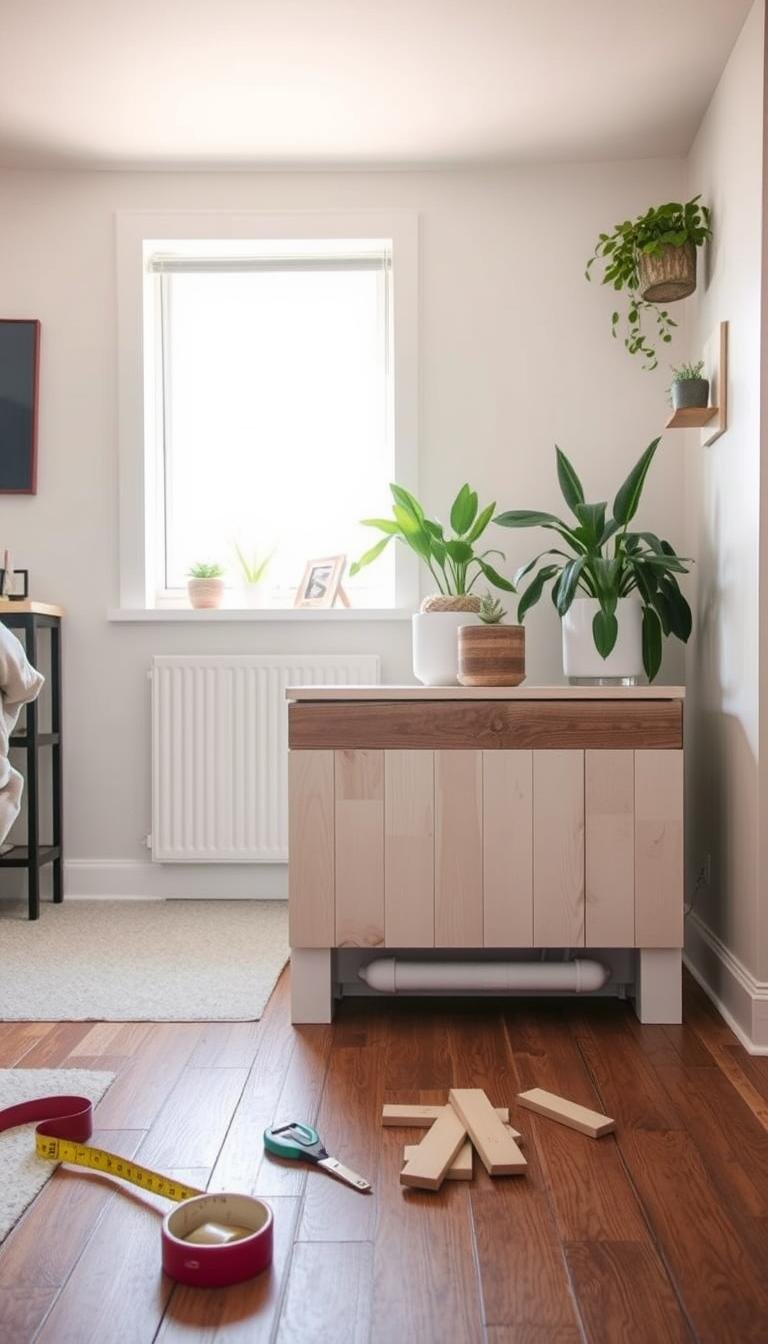
How can I hide unsightly radiator pipes with a DIY cover?
Many homeowners face the challenge of exposed heating pipes disrupting their room’s decor. These essential components of your heating system, often made of copper or plastic, can look out of place. They detract from your home’s aesthetic appeal despite their functional role.
I recently tackled this issue in my own living space. The transformation was remarkable, boosting both the room’s look and my pride in the project. Concealing those pipes made the area feel more finished and intentional.
This guide explores various methods to address this common problem. From simple covers to custom built solutions, there are options for every skill level. Proper planning and material selection ensure professional-looking results.
Enhancing your room’s finish while maintaining heating efficiency is entirely achievable. With some basic tools and a weekend, you can complete this rewarding project. Let’s explore the possibilities together!
Key Takeaways
- Exposed heating pipes can negatively affect your room’s appearance
- Concealing pipes improves both safety and decor
- Multiple methods exist for covering pipework
- Proper planning ensures successful results
- This project can typically be completed in a weekend
- Materials range from wood to metal to plastic
- Maintaining heating system function is crucial
Why I decided to hide my radiator pipes
Those exposed heating pipes in my living space constantly bothered me. They stuck out like sore thumbs against my carefully chosen decor. Every time guests visited, their eyes would drift toward the unattractive pipework.
The copper pipes created a jarring contrast with my beautiful radiators. Despite my best efforts with furniture placement and accessories, the room felt incomplete. Those visible pipes undermined all my decorating work.
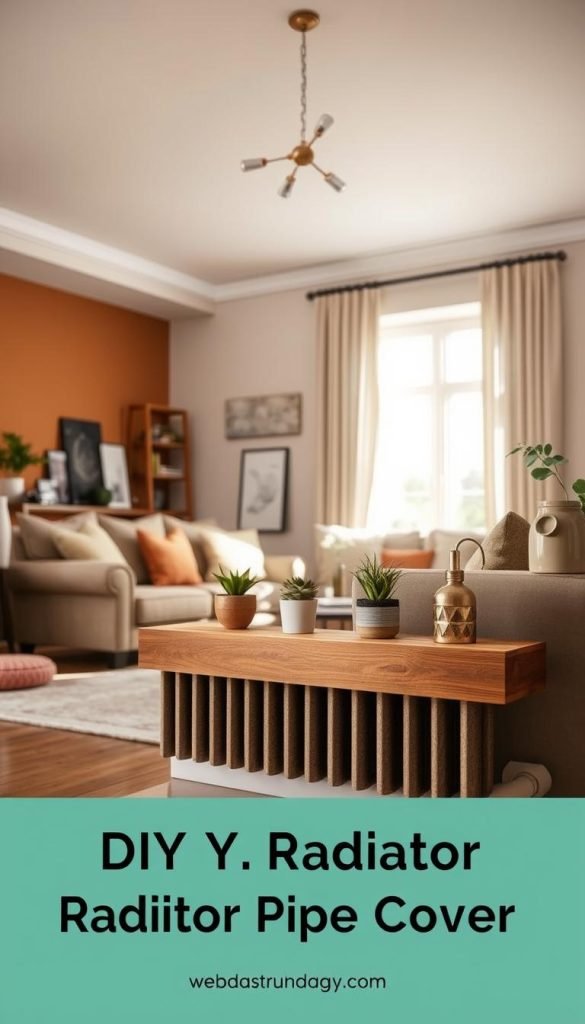
Safety became my biggest concern when my niece began crawling. The hot pipes presented a real danger as she explored every corner. I needed a solution that would protect curious little hands.
I initially tried painting the pipes to blend them with the walls. The process took much longer than expected, and the results disappointed me. The painted surface looked uneven and still drew attention.
“Research indicates that exposed boiler pipes can impact home sale prices by up to £5,000, suggesting radiator pipes might similarly affect property appeal.”
Professional solutions like wall channeling seemed ideal but proved too expensive. The quotes I received didn’t fit my budget for this project. I needed a more affordable approach to conceal pipes effectively.
Visiting friends’ homes showed me what was possible. Their clever pipe covers inspired me to find my own solution. Seeing their successful projects gave me the confidence to try.
The transformation surprised me in ways I never expected. After installing the covers, my living area felt more spacious and cohesive. The improved flow made the entire room more enjoyable.
This project boosted my DIY skills tremendously. I gained confidence to tackle more home improvement tasks. The success made me proud of what I accomplished.
Now I actually enjoy spending time in that room. The aesthetic improvement exceeded my expectations. Both the safety and visual benefits made every minute worthwhile.
| Solution Attempted | Time Investment | Cost | Result |
|---|---|---|---|
| Painting Pipes | 3 hours | $25 | Unsatisfactory finish |
| Professional Channeling | N/A (quotes) | $800+ | Too expensive |
| DIY Pipe Covers | 6 hours | $120 | Excellent results |
According to this comprehensive guide on covering radiator pipes, many homeowners face similar challenges with exposed pipework. The right approach can transform your space while maintaining safety.
The aesthetic and practical benefits made this project one of my most rewarding home improvements. Concealing those pipes created a safer, more beautiful living environment for my family.
How can I hide unsightly radiator pipes with a DIY cover? – Exploring your options
Several effective methods exist to address visible heating system components. Each approach offers unique benefits for different situations. Homeowners can choose solutions matching their skill level and budget.
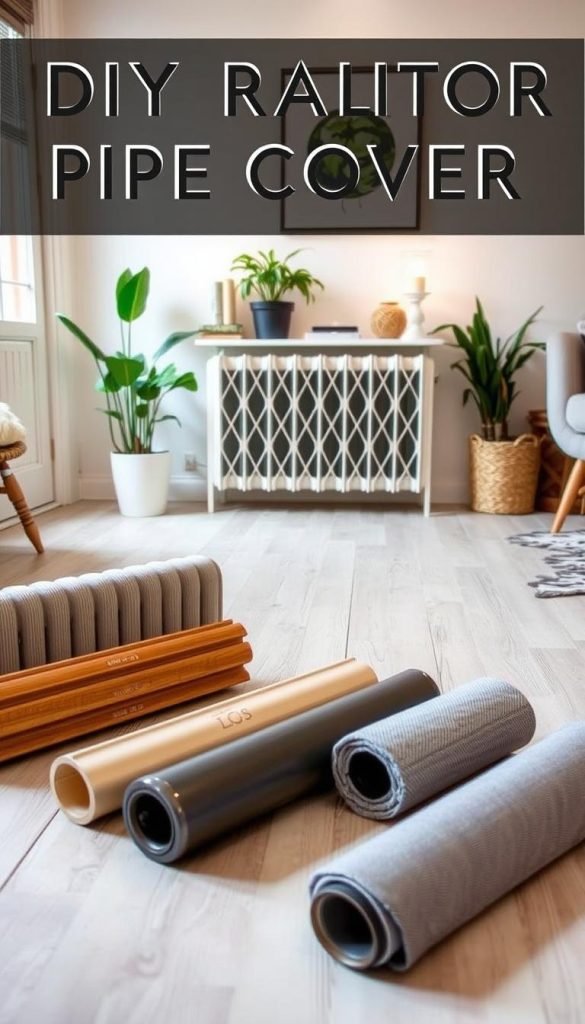
The right choice depends on your space, needs, and desired look. Some methods provide permanent solutions while others offer temporary fixes. Consider your room layout and heating requirements before deciding.
Building a Simple Wooden Box Enclosure
Wood boxing creates custom structures around exposed pipework. Materials like MDF work well for this method. You build a frame that fits snugly around your pipes.
This approach proves cost-effective for most homeowners. The finished box can be painted to match any wall color. This creates a much neater appearance than simply painting pipes.
Potential downsides include making rooms feel slightly smaller. Poor construction can result in a clunky look. Proper measurement ensures a professional finish.
Using Adapted Over-Skirting Boards
Specialized skirting boards feature recessed backs for pipe accommodation. They create nearly invisible concealment for your heating system. This method provides consistent finish throughout your space.
These boards can replace existing ones or sit atop them. Installation remains relatively straightforward for most DIY enthusiasts. The result blends seamlessly with your room’s architecture.
According to this comprehensive home improvement guide, skirting options offer complete invisibility. They maintain consistent appearance compared to custom boxing projects.
Installing Radiator Pipe Sleeves or Shrouds
Pipe sleeves slide over exposed sections like stylish metal gloves. They work particularly well for vertical pipes near radiators. Matching them to your radiator valves creates optimal appearance.
These solutions install quickly without major renovations. They provide neat finishing touches beside your heating units. The range of available colors and materials suits various decor styles.
Painting Pipes to Match Your Walls
This budget-friendly option costs around £5 per tin of radiator paint. Specialized paint withstands heat without cracking or discoloring. Pipes can blend with walls or create intentional contrast.
For industrial-style spaces, painted pipes become design features. The process requires proper surface preparation for best results. Multiple thin coats achieve smoother finish than single heavy applications.
| Concealment Method | Cost Estimate | Skill Level | Time Required | Best For |
|---|---|---|---|---|
| Wood Boxing | $50-100 | Intermediate | 4-6 hours | Permanent solutions |
| Skirting Boards | $75-150 | Beginner+ | 2-4 hours | Seamless integration |
| Pipe Sleeves | $20-60 | Beginner | 30-60 minutes | Quick improvements |
| Painting | $10-20 | Beginner | 2-3 hours | Budget options |
Plants like money trees or Yucca effectively hide vertical pipes. Furniture placement offers temporary solutions for rental properties. These low-effort alternatives work well when permanent changes aren’t possible.
Each method helps achieve a cleaner, more polished living space. The right choice depends on your specific needs and constraints. Consider all factors before selecting your approach.
Choosing the right materials for your pipe covers
Material selection makes all the difference in your concealment project. The perfect choice balances aesthetics, function, and budget. Each option brings unique qualities to your space.
Your decision impacts both appearance and long-term satisfaction. Consider your room’s style and heating needs carefully. The right material enhances your decor while protecting your system.
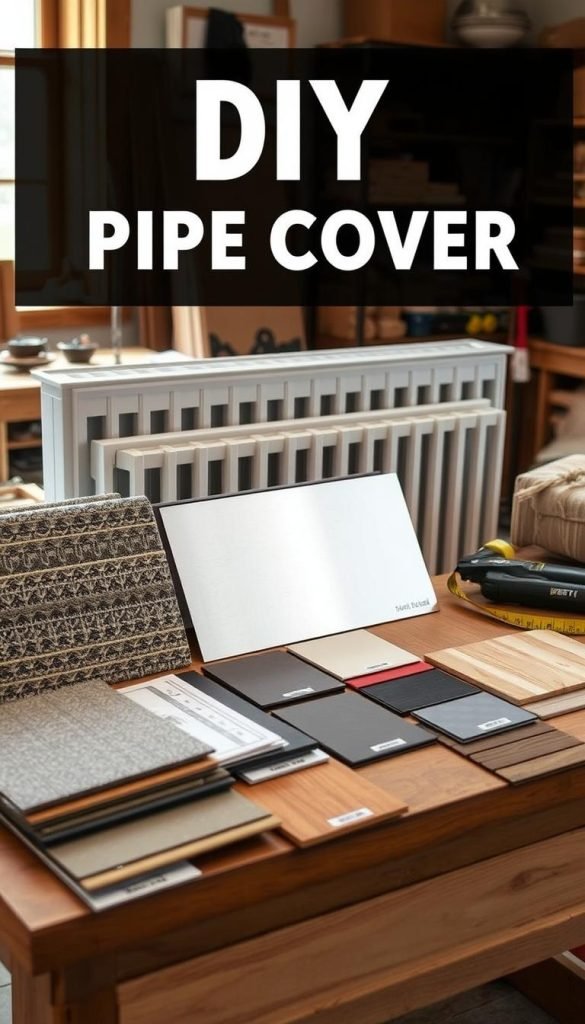
Wood covers for natural warmth and customization
Wood remains my top choice for its organic appeal. It brings natural warmth that synthetic materials cannot match. This material integrates beautifully with various decor styles.
Customization options make wood exceptionally versatile. You can stain or paint it to match existing furniture or trim. This creates a cohesive look throughout your living space.
Safety features make wood ideal for family homes. FSC approved wood stays splinter-free and cool to the touch. Even during heating cycles, it remains safe for curious hands.
Metal options for durability and heat resistance
Metal covers offer outstanding durability and heat tolerance. Chrome, brass, and copper handle high temperatures without issue. Their robust construction ensures years of reliable service.
Maintenance proves remarkably simple with metal options. A quick wipe keeps them looking pristine. This makes them perfect for high-traffic areas like bathrooms.
Metal develops character through natural patina over time. This aging process adds charm to traditional or period homes. The evolving finish tells a story of your home’s history.
Plastic alternatives for budget-friendly solutions
PVC and plastic options serve budget-conscious projects well. Their lightweight nature simplifies installation for beginners. Flexible designs accommodate various pipe configurations.
These materials work for temporary or rental situations. Their affordability makes experimentation possible. You can test different looks without major investment.
Plastic does have limitations regarding longevity. Sun exposure may cause discoloration over time. The aesthetic appeal falls short of wood or metal alternatives.
| Material Type | Cost Range | Maintenance Level | Best Application | Longevity |
|---|---|---|---|---|
| Wood | $50-150 | Moderate (occasional waxing) | Living rooms, bedrooms | 10+ years |
| Metal | $75-200 | Low (simple wiping) | Bathrooms, high-traffic areas | 15+ years |
| Plastic/PVC | $20-60 | Low (cleaning as needed) | Rentals, temporary solutions | 3-5 years |
According to home improvement experts, material selection should align with your overall vision. Consider how each option complements your existing decor and meets practical needs.
Your final choice should reflect both personal taste and practical considerations. The right material elevates your space while providing lasting protection. Thoughtful selection ensures satisfaction for years to come.
Safety considerations before covering your pipes
Protecting your family while maintaining your heating system’s integrity requires careful planning. I learned this lesson through my own experience with pipe concealment projects.
Always inspect your existing pipework thoroughly before starting any covering project. Look for signs of moisture, corrosion, or damage that might indicate leaks. Addressing these issues first prevents bigger problems later.
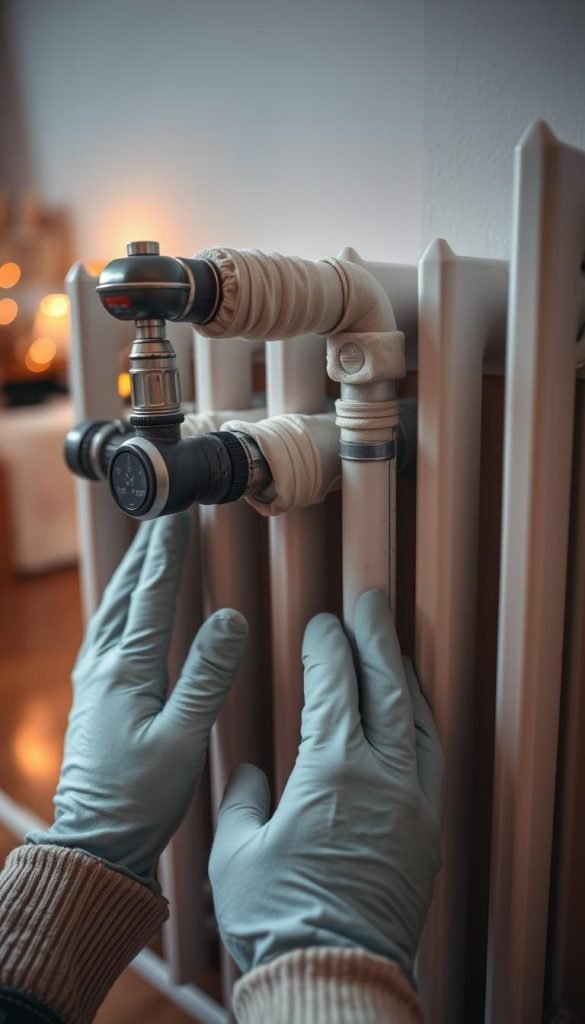
Concealed pipes make leak detection significantly more challenging. If your boiler pressure drops unexpectedly, you might need to remove covers to investigate. This adds extra steps to troubleshooting your heating system.
Older heating systems often require more frequent maintenance and repairs. Permanent covers might create additional work when access becomes necessary. Consider this factor when choosing your concealment method.
Families with children benefit greatly from proper pipe covering. Hot surfaces can cause serious burns, while sharp edges pose injury risks. Quality covers provide essential protection for curious little hands.
Proper insulation serves two crucial purposes in cold climates. It prevents copper pipes from freezing during winter months. It also reduces heat loss, saving energy and money over time.
“Proper insulation around heating pipes can reduce heat loss by up to 80%, making it one of the most effective energy-saving measures for homeowners.”
I always recommend incorporating access points into cover designs. Removable panels or sections make maintenance and inspections much easier. This foresight saves considerable time and effort later.
Consulting a heating professional provides valuable insight for uncertain situations. They can assess your specific system’s condition and needs. Their advice ensures you make informed decisions about concealment methods.
Never allow covers to restrict airflow around pipes or radiators. Proper ventilation maintains heating efficiency and prevents overheating issues. Always maintain adequate space around all heating components.
While covers offer excellent protection and aesthetic benefits, they should accommodate future needs. Balance beauty with practicality for the best long-term results. Your heating system’s health should always remain the priority.
| Safety Consideration | Potential Risk | Preventive Measure | Priority Level |
|---|---|---|---|
| Leak Detection | Hidden water damage | Removable access panels | High |
| Child Safety | Burns from hot surfaces | Insulated covers | High |
| Freezing Prevention | Pipe bursts in cold weather | Proper insulation | Medium-High |
| Maintenance Access | Difficult repairs | Strategic access points | Medium |
| Airflow Restriction | Reduced heating efficiency | Adequate ventilation space | Medium |
Energy savings from proper insulation often cover project costs within months. The combination of safety and efficiency makes thoughtful pipe covering worthwhile. Always prioritize both protection and accessibility in your designs.
Your home’s heating system deserves careful consideration before concealment. The right approach ensures safety, efficiency, and peace of mind for years to come.
Step-by-step guide to measuring your radiator pipes
The measuring process determines whether your covers will fit perfectly or look amateurish. Getting dimensions right the first time saves materials and frustration. My experience taught me that precision pays off in professional-looking results.
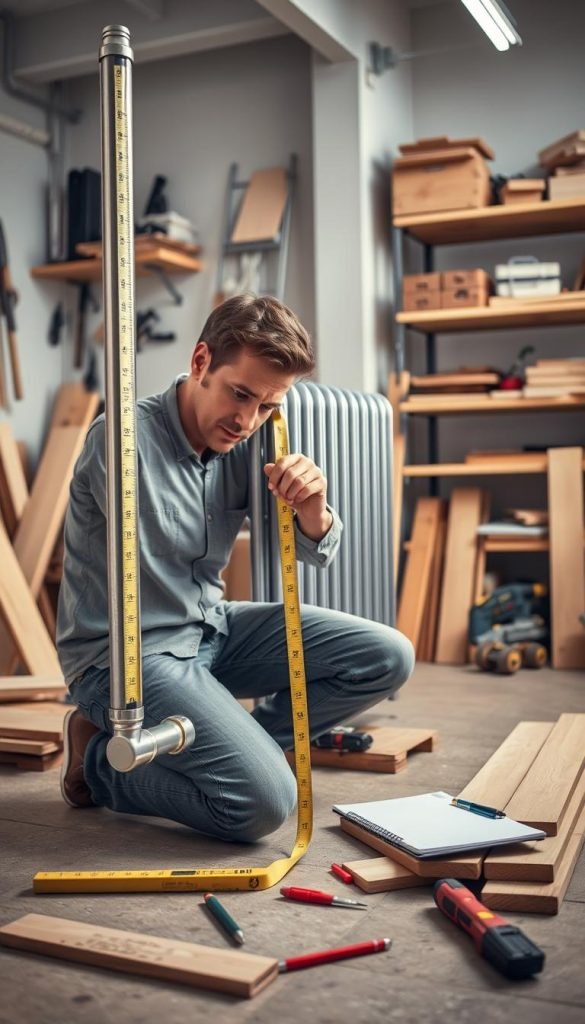
Gather these simple tools before starting: a quality tape measure, sharp pencil, and notepad for recording numbers. Having everything within reach makes the process smooth and efficient. I also keep my phone handy for taking reference photos.
Begin by measuring pipe diameter carefully. Most homes feature either 10mm or 15mm pipes running to radiators. Wrap your tape around the pipe’s circumference and divide by 3.14 for exact outside diameter.
For vertical pipe covers, measure from floor to the radiator valve connection point. Record this length precisely since even small errors affect fit. Add extra length if your flooring might change thickness later.
Consider these additional factors that influence cover fit:
- Wall clearance – leave adequate space between cover and wall
- Flooring thickness – account for carpets or future changes
- Obstacles like bends, corners, or uneven surfaces
- Radiator valve protrusion and connection points
Different cover types require specific measurement approaches. For sleeve covers, add 10mm extra length to ensure complete coverage. Collar-style covers need exact vertical measurements without additional length.
Non-vertical pipes require angle measurements for custom solutions. Most pre-made covers accommodate up to 15-degree variations from perfectly straight runs. For sharper angles, consider custom-built options instead.
I always double-check all measurements before purchasing materials or cutting anything. Verify each dimension twice to prevent costly mistakes. Having a friend review your numbers provides extra assurance.
Create a simple diagram noting all measurements for reference during installation. Sketch your pipe layout and mark each dimension clearly. This visual reference prevents confusion when working with multiple covers.
Accurate measurements prevent gaps, wobbles, and ensure that beautiful finish you want. Taking time here makes the actual installation much smoother. Your future self will thank you for this careful preparation!
“Measure twice, cut once – this old carpenter’s advice remains golden for pipe concealment projects. Precision measurements separate professional results from amateur attempts.”
Homeowners often overlook small details that affect final appearance. Things like radiator valve placement and wall proximity matter greatly. Your heating system deserves this thoughtful approach to measurement.
Remember that proper measurements contribute to both aesthetics and function. Well-fitted covers maintain heating efficiency while enhancing room appearance. This careful preparation ensures satisfaction with your completed project.
DIY installation techniques for different cover types
Getting those covers on properly makes all the difference between a professional look and a makeshift solution. I’ve tried various installation methods over the years and found some techniques work better than others. The right approach depends on your cover type and specific situation.
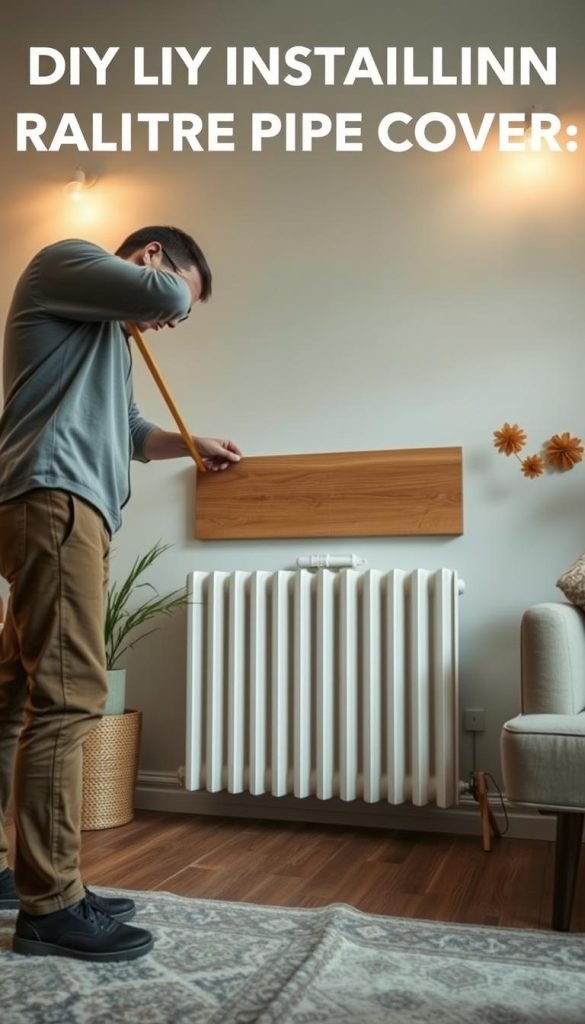
Most installations require minimal tools – often just your hands. For sleeve types, you might need a hacksaw and sandpaper for trimming. Always protect your floors with towels during the process to prevent damage.
Snap-on Covers for Quick and Easy Installation
Snap-on designs feature a clever split construction that clips around existing pipework. You don’t need to disconnect your radiators for this method. The installation takes just 2-3 minutes per cover.
This approach works perfectly for quick updates or rental properties. The covers provide instant improvement without permanent changes. They’re ideal when you need temporary solutions.
Test-fit each cover before final installation to ensure proper alignment. Mark the split positions for consistent appearance across multiple pipes. The result looks clean and intentional.
Slide-on Covers for a Seamless Finish
Slide-on options provide the cleanest, most invisible finish available. These covers slide over pipe ends before connecting to radiator valves. The joints become completely hidden from view.
Installation typically takes 5-10 minutes per cover. This method works best for new installations or during radiator replacement. The seamless appearance justifies the extra effort.
These covers create that built-in look homeowners love. They blend seamlessly with your existing decor and pipework. The finished result appears like part of the original design.
Custom-fit Solutions for Challenging Spaces
Some spaces demand creative solutions for angled pipes or tight corners. Custom-fit covers handle unusual positions that standard options can’t address. They require more measuring and planning but deliver perfect results.
For rental properties, use pea-sized adhesive dabs for security without permanent attachment. This allows removal when needed while keeping covers firmly in place. It’s the perfect balance between temporary and secure.
Challenging installations often yield the most satisfying results. That tricky corner or awkward angle becomes a design feature rather than an eyesore. Custom solutions transform problem areas into polished finishes.
“The right installation method transforms functional covers into beautiful design elements. Proper technique ensures both aesthetic appeal and long-term durability.”
Regardless of your DIY experience level, these techniques deliver professional-looking results. Take your time during installation and double-check each step. Your heating system deserves this thoughtful approach to concealment.
The transformation amazes me every time I complete a project. Those visible pipes become integrated design elements that enhance your space. The improvement makes every minute of installation worthwhile.
Creative ways to incorporate pipes into your decor
Decorative strategies make pipework disappear into your room’s design. These approaches transform functional necessities into intentional style elements. They offer flexibility for various living situations and personal tastes.
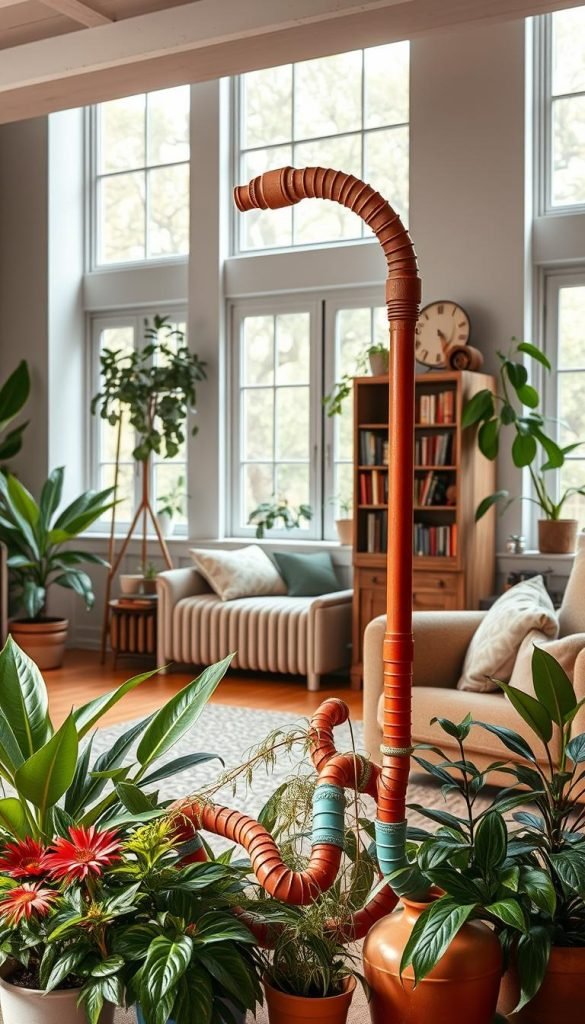
Strategic plant placement effectively camouflages vertical radiator components. Tall species like money trees or Yucca work perfectly for this purpose. Their height and fullness create natural screens that blend with your decor.
These green solutions require no permanent changes to your space. You can move plants as needed for cleaning or redecorating. This flexibility makes them ideal for rental properties.
Using plants to camouflage vertical pipes
Money trees bring lush greenery while concealing unattractive elements. Their multiple trunks and broad leaves provide excellent coverage. These plants thrive in typical home environments with moderate light.
Yucca plants offer architectural interest alongside practical concealment. Their vertical growth pattern complements pipe shapes beautifully. These hardy plants tolerate varying temperature conditions near heating systems.
Hanging baskets draw attention upward from pipes near ceilings. They create beautiful focal points that distract from functional elements. This method adds decorative interest while solving visibility issues.
Climbing plants like ivy incorporate pipes into your design scheme. Train vines to wrap around vertical components for intentional decoration. This approach turns necessary fixtures into living art installations.
“Plants don’t just conceal pipes – they breathe life into your space while solving practical design challenges.”
Consider these popular plant options for different situations:
| Plant Type | Height Range | Light Requirements | Maintenance Level | Best Location |
|---|---|---|---|---|
| Money Tree | 3-6 feet | Medium indirect | Low | Living areas |
| Yucca Plant | 4-8 feet | Bright indirect | Very low | Corners, entries |
| English Ivy | Trailing/vining | Low to medium | Moderate | Wall surfaces |
| Snake Plant | 2-4 feet | Low to bright | Very low | Bedrooms, offices |
Strategic furniture placement for temporary solutions
Furniture with thick legs screens pipes from view effectively. Bookcases, consoles, or armchairs work well for this purpose. Their solid construction creates visual barriers without permanent installation.
Always maintain space between furniture and heating components. This prevents heat damage to your pieces and ensures safety. A few inches of clearance protects both your furniture and heating system.
Arrange pieces to create natural sight lines away from exposed piping. Position seating to face away from problem areas. This subtle redirection makes pipes less noticeable to guests.
Combining plants and furniture delivers more effective concealment. A tall plant beside a strategically placed chair creates layered coverage. This approach addresses visibility from multiple angles.
Make these solutions look intentional rather than merely functional. Choose plants that complement your color scheme and style. Select furniture that enhances your existing decor while serving its purpose.
Regular maintenance ensures both beauty and function continue working together. Water plants appropriately for their species and your home environment. Dust furniture regularly to maintain its appearance near heating elements.
These creative approaches maintain heating efficiency while improving your space. They allow necessary heat circulation while concealing unattractive elements. Your room feels more polished and intentionally designed.
Even temporary solutions can transform how you experience your living area. The psychological impact of a cleaner visual space is remarkable. You’ll enjoy your home more when every element feels thoughtfully considered.
Maintenance and cleaning for long-lasting results
Proper care keeps your pipe covers looking fresh and functioning perfectly for years. I learned that regular maintenance prevents wear and preserves that beautiful finish. Simple routines make a huge difference in appearance and durability.
Daily upkeep involves quick wiping with a damp microfibre cloth during regular cleaning. This removes dust and maintains the clean look of your radiator pipe covers. The process takes just seconds but makes your space feel consistently polished.

Wood covers need special attention to maintain their natural beauty. Apply clear wax annually using three pea-sized dabs per cover. This protects the surface and enhances the wood’s grain pattern beautifully.
Metal options require occasional polishing to prevent dulling over time. A quality metal polish restores shine and prevents tarnishing. This maintenance keeps your heating system looking like new.
Plastic covers may need gentle abrasives for stubborn marks or stains. Use mild cleaning solutions to avoid damaging the surface. This approach works well for bathroom installations where moisture occurs.
“Regular maintenance extends cover lifespan by years while preserving aesthetic appeal. The small time investment pays dividends in long-term satisfaction.”
Address loose fittings immediately to prevent damage to pipes or surrounding surfaces. Tighten connections as soon as you notice any movement. This proactive approach protects your entire heating system.
Identify when covers need more thorough cleaning based on material type. Wood might require refinishing if water damage appears. Metal shows visible tarnishing when polishing becomes necessary.
Prevent damage by positioning furniture to avoid constant impacts against covers. Maintain adequate space between pieces and your radiator pipes. This simple habit prevents scratches and dents over time.
Different materials age uniquely, with quality covers showing minimal wear despite years of use. According to home maintenance professionals, proper care ensures lasting beauty. Their advice helps homeowners maintain perfect results.
Seasonal maintenance routines keep covers looking fresh and functioning properly. Spring cleaning provides opportunity for deep inspection and care. Winter preparation ensures optimal performance during heating months.
Your efforts ensure covers remain attractive and functional for years. The small time investment delivers significant returns in appearance and satisfaction. Proper maintenance makes every installation worthwhile.
When to reconsider covering your radiator pipes
Sometimes the best solution for visible pipework isn’t concealment at all. I discovered this truth after completing several successful projects. Certain situations actually benefit from leaving pipes exposed or finding alternative approaches.
Older heating systems often require frequent maintenance and repairs. Covering these pipes creates additional work when access becomes necessary. The constant removal and reinstallation of covers becomes frustrating over time.
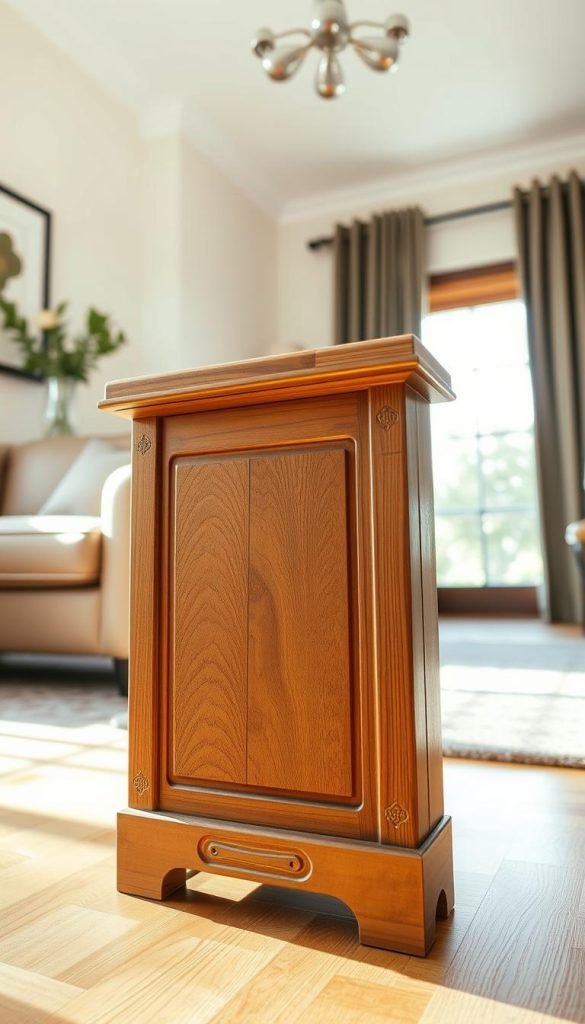
Leak detection becomes significantly more challenging with concealed pipework. If your boiler pressure drops unexpectedly, you’ll need to remove covers to investigate. This adds extra steps to troubleshooting your heating system.
Some pipework actually enhances your space when left visible. Beautiful copper pipes with attractive patina can become design features. Industrial-style spaces often benefit from exposed mechanical elements.
“Not every pipe needs hiding – sometimes the most authentic design solution celebrates functional elements rather than concealing them.”
Rental properties present unique considerations for pipe covering. Permanent installations might violate lease agreements or require landlord approval. Removable solutions often make more sense for temporary living situations.
Budget constraints can make some covering methods impractical. The cost of quality materials and professional installation might outweigh the benefits. Temporary solutions might better serve limited financial resources.
Architectural features sometimes complicate pipe covering projects. Odd angles, limited space, or unusual layouts make standard covers ineffective. Custom solutions might not justify the expense and effort required.
Consider these scenarios where covering might not be the best option:
- Frequently accessed heating systems requiring regular maintenance
- Historic homes where original pipework contributes to character
- Industrial design schemes that celebrate mechanical elements
- Temporary living situations where permanent changes aren’t practical
- Budget limitations that make quality materials unaffordable
Sometimes the effort and expense simply don’t match the visual improvement. If your pipes aren’t particularly noticeable or offensive, covering might not provide enough benefit. The investment might better serve other home improvement projects.
Always assess your specific circumstances before committing to pipe covering. Consider your heating system’s age, your living situation, and your budget. The right decision depends on your unique needs and priorities.
Beautiful radiator valves and quality pipework can enhance your space when properly maintained. Regular cleaning and careful painting might provide sufficient improvement. Sometimes minimal intervention delivers the best results.
Remember that function should always precede form with heating systems. Your home’s comfort and safety remain the highest priorities. Choose solutions that maintain system integrity while addressing aesthetic concerns.
Conclusion
Transforming your living space with smart pipe concealment creates a polished, intentional look. The right approach blends seamlessly with your decor while maintaining heating efficiency.
From quick snap-on solutions to custom wood or metal enclosures, various methods suit different needs. Proper measurement and material selection ensure professional results that last.
Safety benefits are significant, especially for families with children or pets. Even small improvements make dramatic differences in room appearance.
Choose options matching your skill level and budget. Temporary solutions work well if you’re unsure before committing to permanent methods.
With the right approach, anyone can achieve beautiful results that enhance their home’s comfort and style.