What’s the easiest way to add dimmable lights to a rental?
I wanted a simple fix for my apartment lighting without touching wiring or risking my deposit. I tried a Philips Hue Dimmer Switch kit and was impressed. It paired with an LED bulb out of the box and gave me instant, smooth dimming.
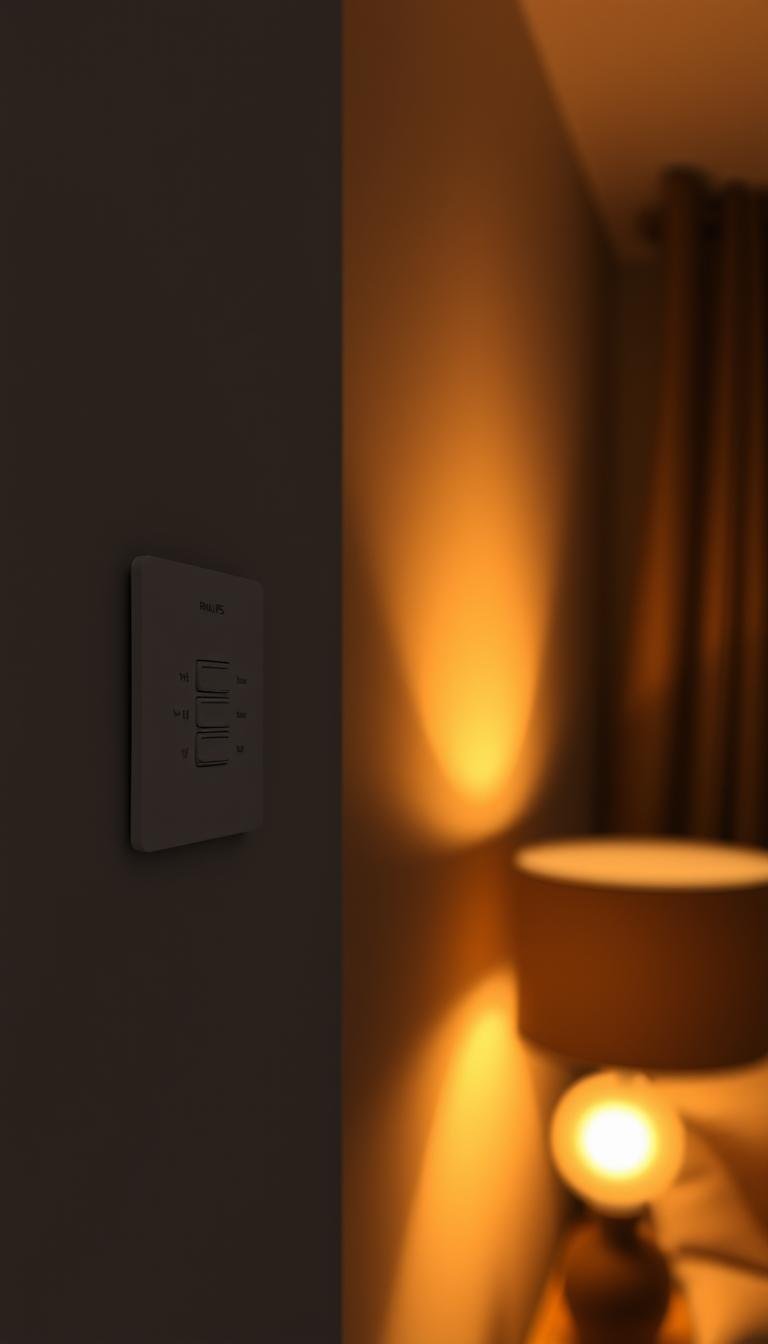
The kit stuck cleanly with a removable adhesive pad, and the remote attached magnetically so I could mount it on a wall or hold it as a handheld control. It worked offline, no hub required, and the bulb is rated for long life.
I liked that this setup scaled: add more bulbs later or opt for a Hue Bridge for app control, voice commands, and schedules. For a renter, that means quick mood changes, easy removal, and better light across any room.
I set movie-night ambiance and eased late-night reading in minutes. No tools, no electrician, just a simple switch and a paired bulb that left my space unchanged when I moved.
Key Takeaways
- Instant dimming: paired kit works right away without wiring.
- Mounting is renter-safe thanks to removable adhesive and magnetic remote.
- Setup scales: add bulbs or a hub later for advanced features.
- Improves mood and task lighting across any room.
- Leaves surfaces intact when it’s time to move.
My renter-safe lighting game plan for instant mood and better task lighting
I wanted fast, renter-friendly lighting that gave me control without calling an electrician. I picked a kit that arrived with a pre-paired LED bulb and a wireless dimmer so I could get results in minutes.
What I needed: flexible brightness without touching wiring
Criteria were simple: a compact dimmer I could stick on a wall, a bulb I could screw in, and zero electrical work. I needed clear task brightness for my desk and softer light for evenings.
How I judge “easy”: no hardwiring, low cost, fast setup, clean removal
I graded solutions by setup time and how the place would look when I left. Cost mattered, so kits that included both a bulb and a switch ranked high. Clean removal was non-negotiable—removable adhesive and a magnetic remote made that painless.
- Fast setup: box to better lighting in minutes.
- Portable: one bulb now, add bulbs later without extra work.
- Longevity: LED rated ~15,000 hours for fewer replacements.

“A small kit gave me control and left no wiring behind.”
Result: flexible lighting that fits my space, my budget, and my lease.
What’s the easiest way to add dimmable lights to a rental?
I looked for a plug-and-play kit that delivered great dimming and zero electrician time. A Philips Hue Dimmer Switch kit fit that need: it cost about $35 and included a pre-paired Hue LED bulb and a magnetic remote that docks on an adhesive plate.

Why I chose a smart kit over hardwired work
I skipped a wired dimmer because I didn’t want to touch wiring or risk my deposit. The kit gave instant control in my living room with no tools and no wall changes.
Step-by-step setup
I screwed the included bulb into a lamp or ceiling socket, stuck the plate where I wanted it, and clicked the remote into place. The switch and bulb arrived paired, so I flipped power and adjusted brightness right away.
Using it without a bridge
Running without the Hue Bridge kept things simple and reliable. The wall-mounted remote served as the primary control, and the handheld popped off for quick adjustments around the room.
Adding a bridge later
When I added a Hue Bridge, I gained phone control, voice commands, and schedules. Still, the physical dimmer remained the fastest, most reliable way to set mood and task light.
Pros and cons for renters
- Pros: renter-safe, easy removal, expandable to multiple bulbs, LED lifespan (~15,000 hours).
- Cons: higher cost than basic bulbs, limited color options without a bridge.
“A small kit gave me control and left no wiring behind.”
Other no-wiring ways I use to dial in light in every room
Small, noninvasive fixes helped me get layered lighting in every room without an electrician. I mixed plug-in pieces, smart bulbs, and portable options so each space felt intentional from day to night.
Plug-in pendants and wall sconces
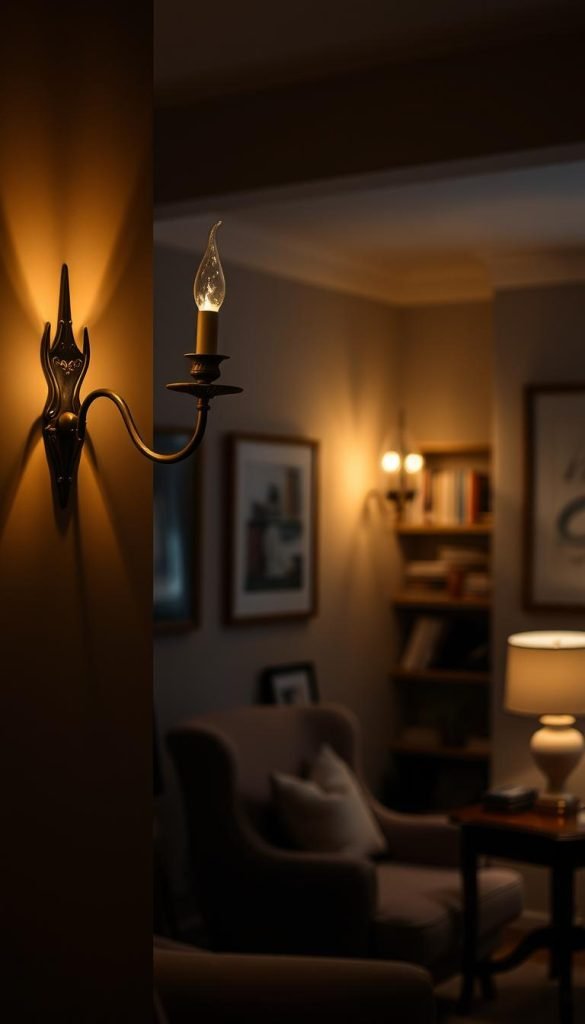
I used plug-in pendants and wall sconces for pools of focused light over tables and beds. A screw-in hook or two was all I needed, and filler covered holes at move-out.
Swap shades for better glare control
Changing a lamp or ceiling shade changed diffusion and direction fast. Diffuser shades softened harsh glare, while directional shades aimed brightness where I did most work or reading.
Pick bulbs by lumens and color
I swapped light bulbs based on lumens for task work and Kelvin for mood. Cooler light above 5000K worked for counters; warmer color suited evenings in the living room.
Smart bulbs, portable lamps, and adhesive LEDs
Dimmable smart bulbs let me keep the original wall switch and still use remotes or apps. Portable, rechargeable lamps brightened window ledges and lasted 10+ hours between charges.
Under-cabinet LEDs and motion-sensor pucks lit prep zones and closets, making small spaces feel larger and more useful.
“Mixing sconces, lamps, and strips gave my home layered, renter-friendly lighting.”
For more ideas about converting wired fixtures into cordless options, see make any wired lamp cordless.
Planning, safety, and landlord-friendly tips that save me time
I mapped a renter-friendly plan so upgrades stayed reversible and looked intentional.

Match bulbs with fixtures: I always check base type and wattage on a light fixture before buying bulbs. That avoids compatibility issues and helps LEDs last for years.
Confirm dimmer compatibility: Many smart LED bulbs list which dimmer or switch they support and the maximum load. I verify that combo to prevent flicker and extend component life.
Mounting tricks that respect your lease
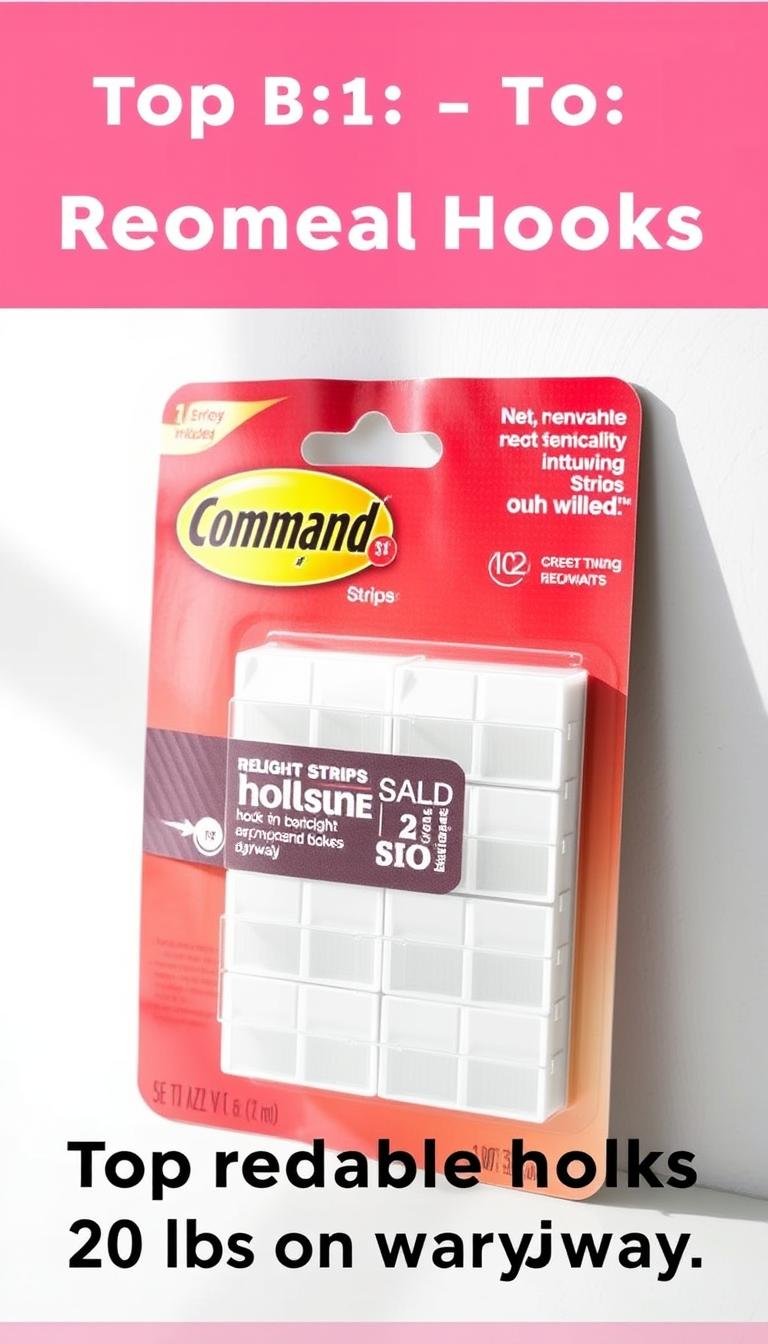
I use adhesive pads, magnetic remotes, and removable hooks so setups stay tidy and reversible. Command strips and small hooks work great for plug-in fixtures.
- I plan cable runs so power cords avoid pinch points and look intentional.
- I label light bulbs and remotes by room to save time when I expand options.
- I test brightness at different times because morning and evening needs change.
Safety first: I avoid outlet overloads, use UL-listed products, and keep clearance around lamps and shades for proper heat dissipation.
“Simple planning and landlord-friendly mounts kept my space flexible and damage-free.”
Conclusion
I started with a Hue Dimmer Switch kit (~$35) and got instant control without touching wiring. That small upgrade gave my home flexible lighting for years and let me shape mood fast.
Result: a reliable switch that works as my daily hub and an easy option if I later add a Hue Bridge (~$60–$70) for app, voice, and schedules.
I layered plug-in pendants, portable lamps, stick-on LEDs, string lights, and LED candles as low-commitment options. For example, a window lamp and a table light filled shadowed corners while overhead fixtures stayed untouched.
In my living room this approach set cozy mood for evenings and bright task light for projects. It kept my space renter-friendly and my home feeling intentional.