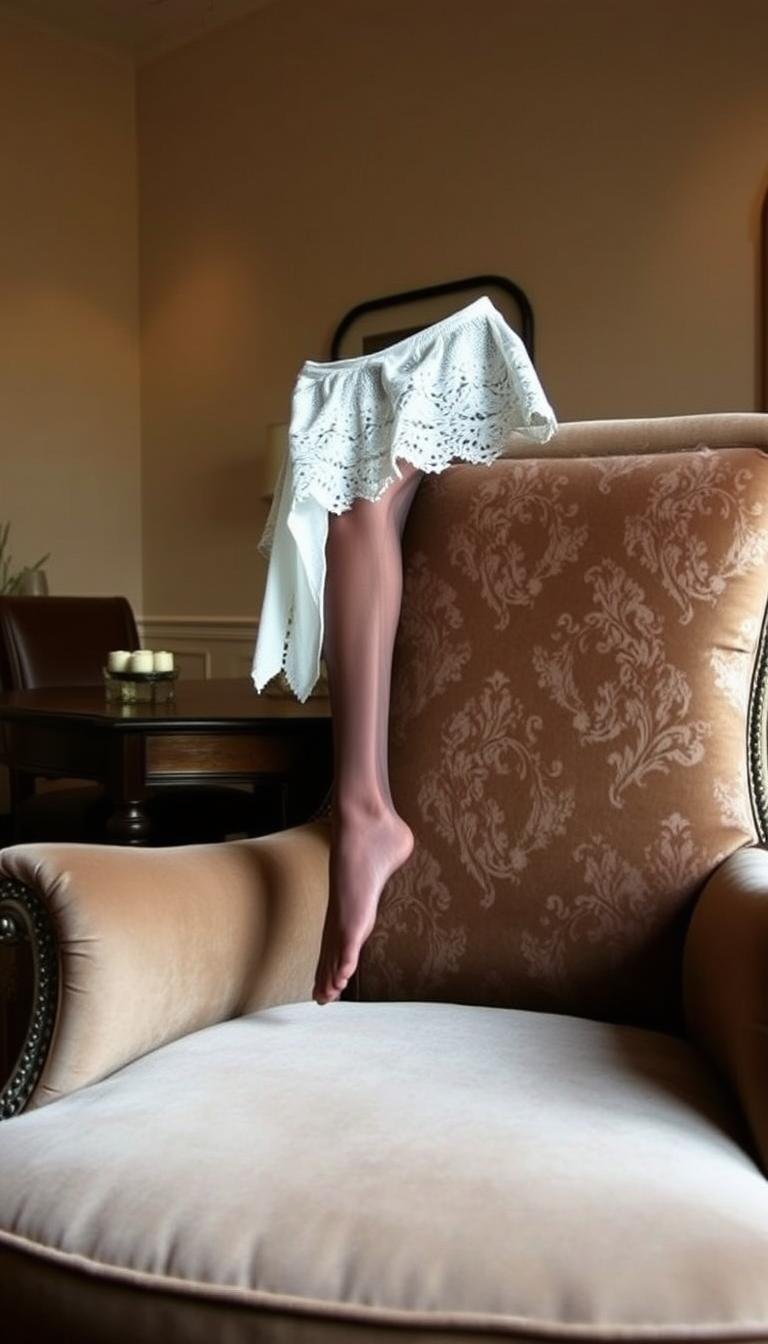
How do I stop my velvet dining chairs from snagging tights?
I finally tackled that annoying problem after too many ruined pairs. I tested fixes that actually lasted, not quick tricks that faded in weeks.
In this post I explain what caused pulls on the seat fabric, the simple repair that erased existing snags, and the small habit changes I kept to prevent new ones.
I’ll walk through gentle cleaning steps that preserve the pile so hosiery glides instead of grabs. I also show easy edge guards and how I quieted legs to reduce drag when sliding in and out.
By the end you get clear, repeatable steps and a few smart upgrades that protect upholstery and keep the appearance crisp, without expensive reupholstery.
Key Takeaways
- Simple repairs can hide existing snags and restore a neat look.
- Regular, gentle cleaning preserves the nap so garments glide smoothly.
- Small hardware upgrades protect seams and high-contact edges.
- Changing a few seating habits prevents most fresh pulls.
- Quieting and padding legs reduces drag that yanks delicate fibers.
What I learned after ruined hosiery and stubborn velvet snags
I traced each rip back to specific high-friction spots on the seat frame and trim. After a careful check, the main culprits were rough underside seams, tiny exposed staples, and lifted fibers along the front edge. These are classic high-contact points on dining furniture that catch delicate fabric.

Spotting the real culprit
I inspected the seat much like I did on a sofa before. Any proud staple, uneven welting, or frayed piping that nicked my fingertip could tear hosiery.
To mark trouble spots I used painter’s tape so I could fix them in order without guessing.
Instant triage: the quick way to reduce new pulls
Behavioral change came first. I now lift the chair slightly by the backrest instead of dragging the front edge across my legs. When I sit, I lower in at an angle and slide back with the pile direction.
- Cover scratchy seams temporarily with painter’s tape or soft moleskin.
- Brush the front lip with a soft upholstery brush to lay fibers down.
- Isolate contact points, then plan permanent repairs.
The short-term fixes cut fresh pulls immediately while I prepared longer-term solutions for the bigger problem.
How do I stop my velvet dining chairs from snagging tights?
Simple, careful fixes preserved the fabric and restored a neat appearance without cutting threads.
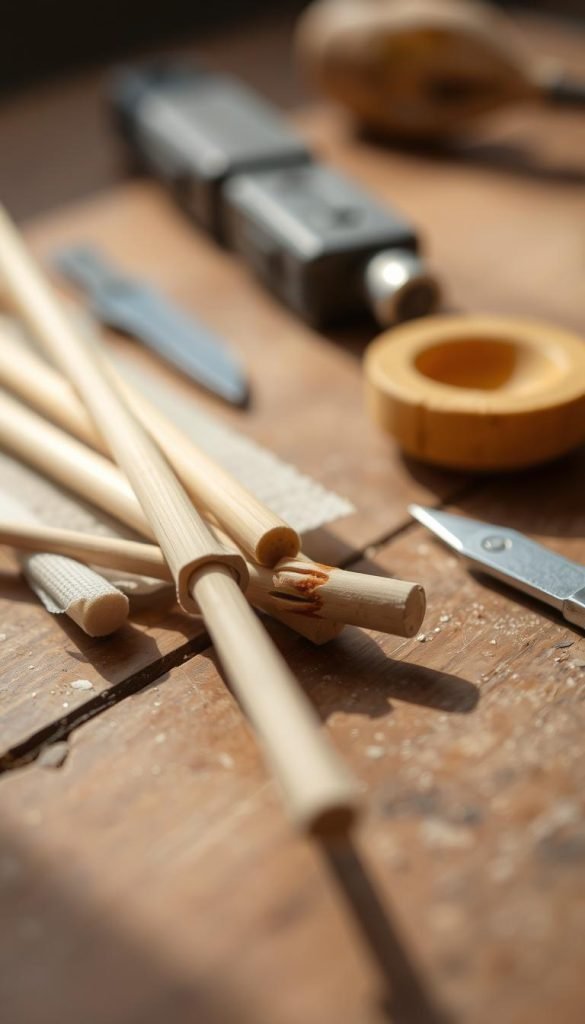
Smoothing existing pulls the sweater-safe way with a wooden skewer
To erase snags I set the skewer tip on the nubby spot and worked it gently between the cross-weave.
I nudged the loop back through to the underside and smoothed the surface with my fingertip.
Covering and softening snag points: seat covers, slip seats, and edge guards
For high-contact edges I used tailored seat covers and thin edge guards to hide tiny staples.
That protects the fabric and reduces catches on furniture edges.
Choosing the right velvet and weave direction to reduce friction
I picked a dense, short-pile velvet and set the nap so the front lip lays downward.
Moving with the pile cuts friction and helps hosiery glide.
My quick outfit check and gentle cleaning routine
Before I sit, I shift bracelets and zip up hardware away from the seat edge.
My cleaning is mild: vacuum with a soft brush in the pile direction, use a lint roller for pet hair, and brush lightly to keep fibers aligned.
After spills I blot with a very absorbent cloth and air dry or use a distant hairdryer.
That prevents matting and keeps the post-clean appearance smooth.
Protecting the whole room: chairs, floors, dust, and appearance
One small upgrade at the base changed the outcome for the whole set. I focused first on how the legs met the floor because that movement was pulling at fabric and scraping the finish. Quiet, predictable slides cut friction and kept the front lip from catching delicate hosiery.
Quiet, glide, and less grab: why nail-on felt protectors beat peel-and-stick pads
Peel-and-stick felt pads slipped off within days on moved seats. Rubber sleeves and cotton “socks” shifted and collected lint, which looked messy and added drag.
Nail-on felt installed cleanly after I removed the plastic caps. I eased a screwdriver into the seam, tapped gently with a hammer, then used pliers to pull the nails. Once fitted, the felt pads resisted bending, stayed put for months, and made legs glide uniformly.
“With solid glides, I didn’t have to slide the front edge across my lap—movement became predictable and quiet.”
Keep looking luxe: control dust, avoid direct sun, and rotate cushions
Regular care preserved color and texture. I vacuumed with a soft brush in the pile direction and lint-rolled seat surfaces to remove grit and loose dust. Less debris means less abrasion.
To protect the room and the chairs’ appearance, I avoid long sun exposure and rotate cushions or swap positions so wear evens out. For extra reading on fabric performance and care, see this performance fabric advice.
Conclusion
The solution combined simple fixes and small habits. I tackled the core problem by locating rough contact points, using a wooden skewer to restore pulled threads, and keeping the pile aligned with gentle care.
Soft edge covers and tailored guards gave immediate protection, and choosing a denser weave with the nap set correctly made everyday use kinder. I also checked zippers and jewelry before sitting so surprises stopped happening.
Upgrading feet to nail-on felt turned sliding into a quiet, controlled motion that keeps the furniture and the room in better shape. The skewer method saved fibers the same way I learned to care for a sofa years ago.
Follow these steps and you’ll prevent new pulls, restore what’s already damaged, and keep a polished dining area. Bookmark this post as a quick checklist for future care.