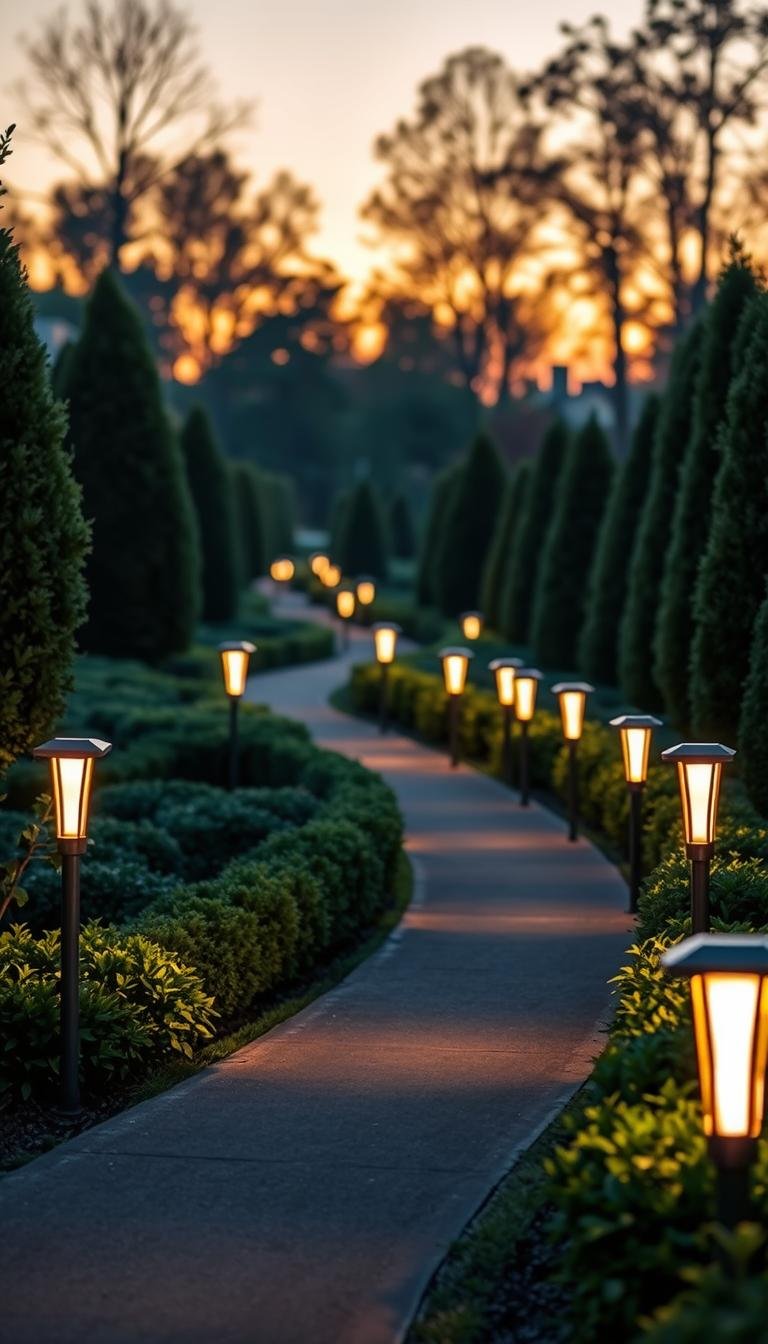
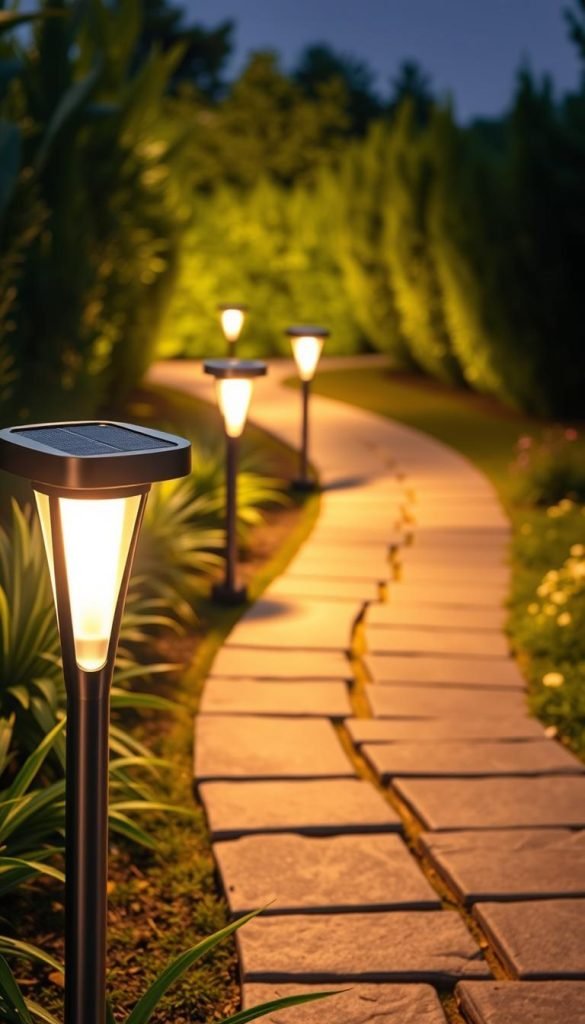
What are the top solar path lights that actually last all night?
I set out to answer a simple question: which outdoor lighting options truly shine from dusk to dawn in real U.S. yards. I tested and researched a variety of models over wet and cloudy nights to see which products kept glowing until dawn.
My picks include Beau Jardin’s glass-shade set, winner for build quality and color options, and Maggift for value with steady six-lumen output. Gigalumi and Audles showed reliable dusk-to-dawn runs, while Osord dazzled with brightness but shortened runtime. I also note specialty styles like Dynaming’s flicker and Aityvert’s torch design.
In this roundup, you’ll get quick scenario picks, measured runtimes, and practical tips on panel size, battery type, and placement. I focus on real testing details so you can choose lights that match your pathway, patio, or garden without surprises.
Key Takeaways
- I tested models across weather and found clear winners for all-night performance.
- Beau Jardin impressed for build and color; Maggift stood out for value.
- Brightness does not always equal runtime; balance lumens and battery size.
- Placement and panel exposure matter more than design alone.
- Expect trade-offs: some bright models fade sooner after cloudy days.
My goal: find outdoor solar path lights that truly shine till dawn
I wanted lights that reliably burn through dark hours in real yards. My aim was to separate pretty fixtures from those that give usable illumination from dusk until sunrise.
How I define “last all night”
How I define “last all night” at the present time
Last all night means a fixture turns on at dusk and remains visibly useful until dawn, not dimming to useless levels midway. I checked each unit after sunset, at intervals overnight, and just before sunrise to log runtime and behavior.
What matters most: runtime, brightness, durability, and weather
I focused on four practical factors: runtime in usable hours, real-world brightness on a pathway, build durability in yard weather, and how units cope after cloudy days.
“I judged each model by whether it still lit a walking route at 5 a.m., not just whether it glowed at the stake.”
Most units need about 6–8 hours of sun for a full charge, and true dusk-to-dawn performance often depends on larger batteries and quality LEDs. I also noted installation ease and whether color modes or sensors cut total hours.
| Criteria | Why it matters | What I recorded |
|---|---|---|
| Runtime (hours) | Determines usable coverage until morning | On/off checkpoints overnight |
| Brightness | Real lumen effect on a walkway | Visual pathway clarity at intervals |
| Durability | Survives rain, wind, temperature swings | Weather exposure notes and failures |
| Charge reliability | Performance after cloudy days | Multiple-day cloudy testing |
- I kept placement consistent so sun exposure was fair across models.
- I favored metal and glass when that meant steadier light and longer life.
Testing and research methodology I used across U.S. yards
I ran hands-on trials across several U.S. yards for three weeks to log real performance, not just spec claims. My testing tracked installation time, light quality, appearance, durability, and value for each product.
Hands-on yard tests, weather exposure, and dusk-to-dawn checks
I set up 11 sets in varied yards and repeated checks after sunset, at intervals overnight, and just before dawn. I recorded how each model behaved on clear evenings, windy nights, and during rain to see true dusk-to-dawn behavior.
How I weighed lumens, materials, batteries, and price
I balanced raw lumen numbers with usable path illumination and run hours. Metal and glass often held up better and gave cleaner light patterns than plastic. I compared battery types and capacities to see which kept steady power after a cloudy day.
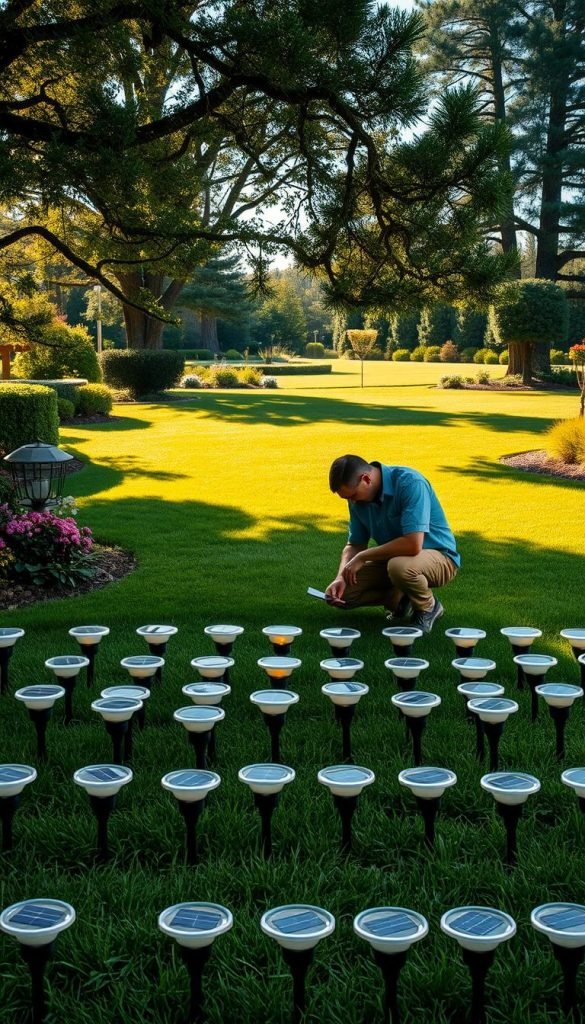
- I charged units on sunny days when possible and logged night-to-night changes.
- I tracked set number per kit because count affects coverage and perceived brightness.
- I noted trade-offs where brighter showpieces ran fewer hours than modest, long-running units.
“I rated each entry by whether it still provided useful pathway illumination at first light.”
Quick picks: best solar path lights by scenario
To help cut through specs and styles, I picked scenario-ready winners from my tests. Below you’ll find fast recommendations for common yard needs and design goals.
Use these picks to match style and runtime. I favored units that paired steady performance with usable brightness and durable build.
Best overall
Beau Jardin Color-Changing Solar Pathway Lights — glass and metal build, elegant pattern, and verified dusk-to-dawn runtime.
Best bang for the buck
Maggift Solar-Powered Pathway Lights — affordable plastic that still stayed lit through my checks.
Classic dusk-to-dawn
Gigalumi Warm White — bronze metal, glass shades, and reliable morning hold.
Bold color & bright beam
Osord Color-Changing — vivid 150-lumen output but shorter run under six hours; great for evening gatherings.
Specialty picks
- Flicker: Dynaming — realistic flame effect and hanging option.
- Patterned: Anytalk Sunflower — decor-first with steel stakes.
- Tall: Alfiot — higher profile for visibility over ground cover.
- Torches: Aityvert — 35 lumens and till-dawn performance in my checks.
- Steps: Audles — focused safety light for stairs and ledges.
“I picked each item for how it performed in a real yard, not just on a spec sheet.”
| Use | Model | Build | Runtime note |
|---|---|---|---|
| Overall | Beau Jardin | Metal & glass | Verified dusk-to-dawn |
| Value | Maggift | Durable plastic | All-night in testing |
| Bold color | Osord | Aluminum/plastic | Bright, under 6 hrs |
| Steps | Audles | Compact, focused | Targeted safety beam |
Best overall: Beau Jardin Color-Changing Solar Pathway Lights
Beau Jardin stood out in my testing for blending good looks with steady performance.
Why I picked it for all-night performance
Why it earned the recommendation
These lights kept glowing through dawn during repeated checks, even after overcast days. The set covers a typical walkway well and gave consistent light without sudden drop-offs.
Key specs and materials
Specs and build
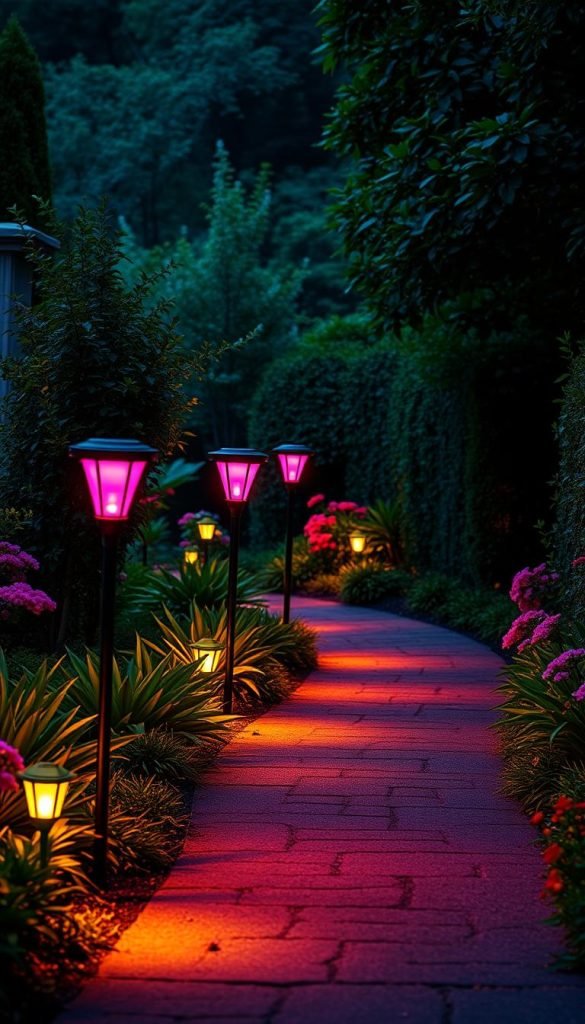
The kit includes eight posts, metal bodies, and real glass shades. Output is about 10 lumens per unit—modest on paper, but effective for pathway safety. Assembly was simple; tops twist off to reach the switch and battery.
What stood out in dusk-to-dawn testing
Performance notes from my tests
- Held charge after cloudy days and stayed useful until first light.
- Metal and glass resisted water and wind; no fogging inside shades.
- Selectable color modes add flair, while white gives best path definition.
- Spikes can bind in hard soil; twist and rock to reposition.
| Feature | Details | Why it matters | My note |
|---|---|---|---|
| Set size | 8 lights | Good coverage for a front walkway | Balanced spread in my yard |
| Build | Metal & real glass | Durability and cleaner beam | No water intrusion after rain |
| Output | 10 lumens each | Safe pathway illumination | Perceived brightness was excellent |
| Modes | Color-selectable + white | Flexibility for mood or function | White best for visibility |
Bottom line: If you want refined curb appeal and dependable hours, this set gave the best balance of appearance, build, and usable light in my tests. For related recommendations and wider comparisons, see my notes and a buyer guide on recommended outdoor options.
Best value: Maggift Solar-Powered Pathway Lights
When price matters most, I turned to a budget set that proved surprisingly reliable. This six-pack from Maggift gives steady performance without a big spend.
Affordable all-night glow for sidewalks and gardens
Affordable all-night glow for sidewalks and gardens
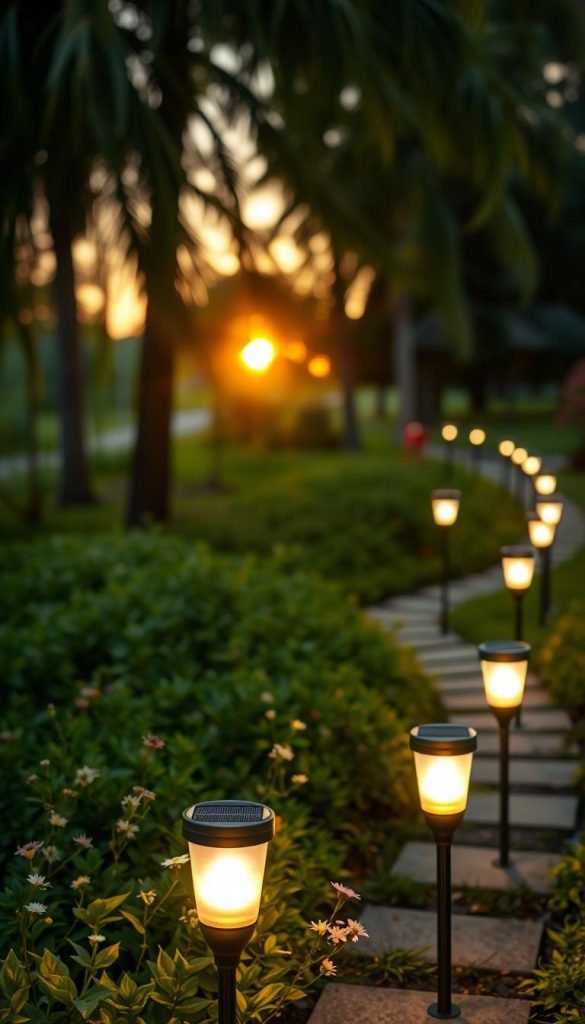
These lights ran through my overnight checks and handled wind and rain without issues. The housings are plastic, but the clear shades look like glass at a glance.
At 6 lumens each, the beam is modest. It won’t flood a yard, but sidewalk visibility was good in my tests.
What you trade off at 6 lumens
You’re buying value over raw brightness. Spread the six pieces smartly and coverage improves. For longer runs, two sets work well.
“A solid option for renters or first-time buyers who want reliable hours without overspending.”
- Easy installation—push stakes gently into soil to avoid stress.
- Durable in weather—no cracking or fogging after water exposure.
- Best use: garden borders, low-key pathway light, and short sidewalk runs.
| Feature | Detail | Why it matters |
|---|---|---|
| Set size | 6 lights | Good starter coverage |
| Material | Plastic with clear shades | Looks upscale, stays tough |
| Output | 6 lumens each | Soft glow; enough for sidewalks |
Best dusk-to-dawn classic look: Gigalumi Warm White Solar Pathway Lights
For a refined walkway, I favored a bronze-and-glass kit that held charge until sunrise.
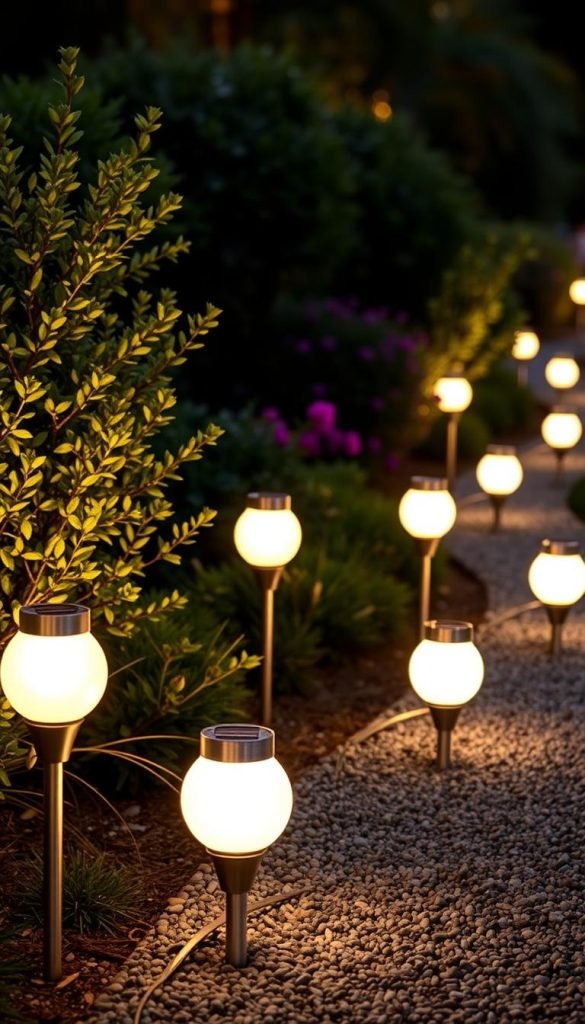
Striking bronze, clear glass, and a tidy starburst pattern give these units an upscale feel.
What stood out: the set includes eight bronze lights with clear glass shades. Each unit puts out about 10 lumens and casts a crisp starburst on the path.
I checked runtime across several evenings, and the fixtures stayed on through dawn. Normal wind and rain during testing did not affect performance.
They look great near a front door or along a garden edge and pair well with classic yard fixtures. Installation is simple—stake them and adjust spacing for even coverage.
“If you want pretty and practical lighting that truly lasts the whole night, this set delivered on both style and run time.”
- Traditional bronze and glass build
- 10-lumen warm white beam with starburst pattern
- Eight pieces per kit; easy install and good curb appeal
- Solid in normal weather but glass can crack if hit by debris
| Feature | Detail | Why it matters |
|---|---|---|
| Set size | 8 lights | Covers typical walkway or small yard |
| Build | Bronze metal & clear glass | Looks refined; glass gives cleaner beam |
| Output | 10 lumens each | Good path definition without glare |
| Durability | Weather resistant (wind/rain) | Reliable in normal outdoor conditions |
Best for bold color: Osord Color-Changing Solar Pathway Lights
When I wanted instant evening drama, I tested a bright, color-changing kit that favors punch over marathon runtime.
Bright and vibrant, with shorter runtime under 6 hours
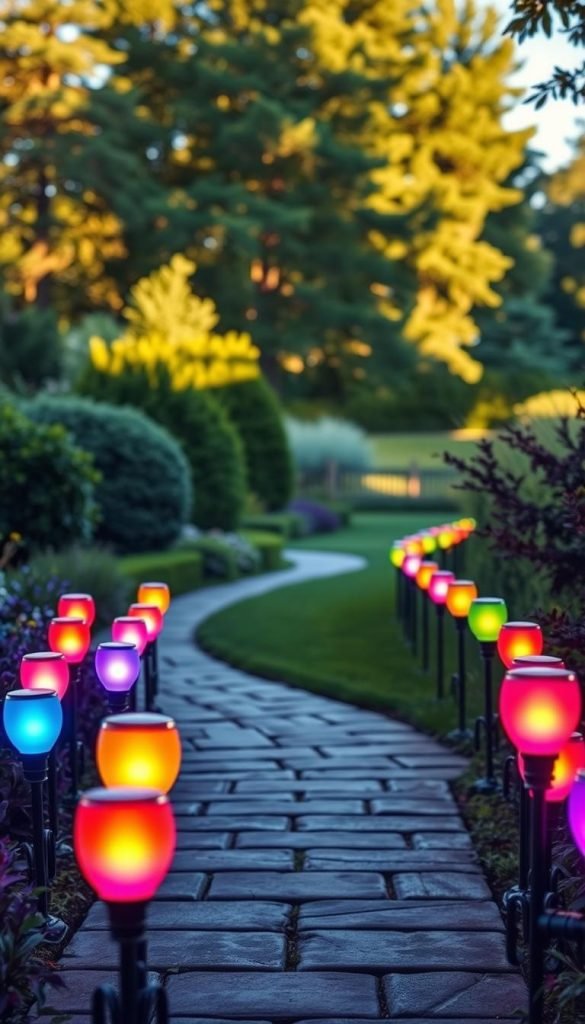
Osord ships four heavy-duty units per set with a 150-lumen output that fills a yard edge fast. The beam spreads in a fan shape, so coverage leans in one direction and creates a bold wash instead of a tight pool.
Seven modes include white, red, blue, green, purple, cyan, and yellow. A rear button cycles through options quickly; cyan and blue read similar in my checks but most colors pop with saturated tones.
Build feels sturdy—thick plastic survived rain and wind in my tests. Assembly is simple and stakes go in fast, which makes these ideal for quick event setups.
- High impact: 150 lumens gives a large visible zone, especially in white for practical light.
- Short run: expect under 6 hours in repeated testing, so plan these for parties or early-evening accent use.
- Mode tip: switch to white or fewer colors to squeeze more time from the battery.
| Feature | Detail | Why it matters |
|---|---|---|
| Set size | 4 lights | Good for short runs or focal accents |
| Material | Heavy-duty plastic | Durable and weather-resistant |
| Output | 150 lumens | Strong, colorful beam for instant drama |
“If bold color is your priority, these are the fun, high-impact choice.”
Best realistic flame effect: Dynaming Flickering Flame Solar Torch Lights
For evenings when vibe matters more than raw lumen count, I focused on flickering torch-style fixtures that feel like real flame without fuss.
All-night flicker and versatile hanging option
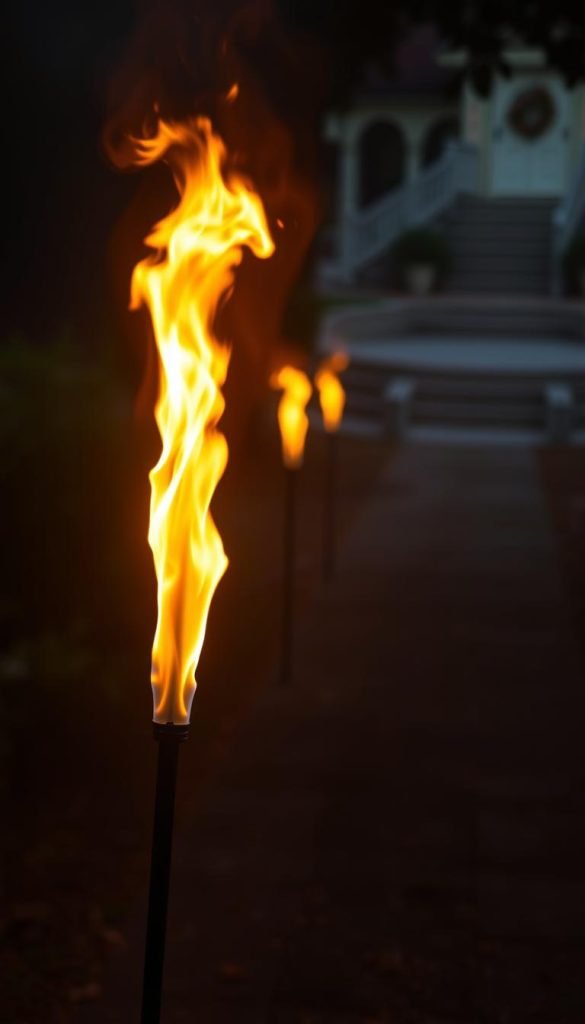
Dynaming’s six-piece set delivered a convincing flicker and also offers a steady warm mode. I used the flicker during most tests and it looked surprisingly authentic.
The plastic bodies kept weight low and stood up to rain and wind. Each unit ran through dawn in my checks, which impressed me for a decorative effect item.
- Easy to hang as lanterns, which keeps them away from pets and foot traffic.
- Quick install—watch the inner sleeve so it doesn’t fall before you lock it in.
- Good for garden beds, seating nooks, or flanking a walkway for a warm welcome.
“A low-effort, high-impact option when ambiance and runtime matter equally.”
| Feature | Detail | Why it matters |
|---|---|---|
| Set size | 6 pieces | Enough spread for small to medium yard accents |
| Modes | Flicker + warm | Ambiance or steady task light |
| Durability | Weather-resistant plastic | Handles water and wind in normal conditions |
Best patterned design: Anytalk Sunflower Solar Pathway Lights
A decorative option surprised me by lasting through my overnight checks. I tested a six-piece kit that blends metal cones with plastic bodies and dusk-to-dawn toppers.
Decor-first, but built to perform.
Decor-first solar lighting that still lasts the night
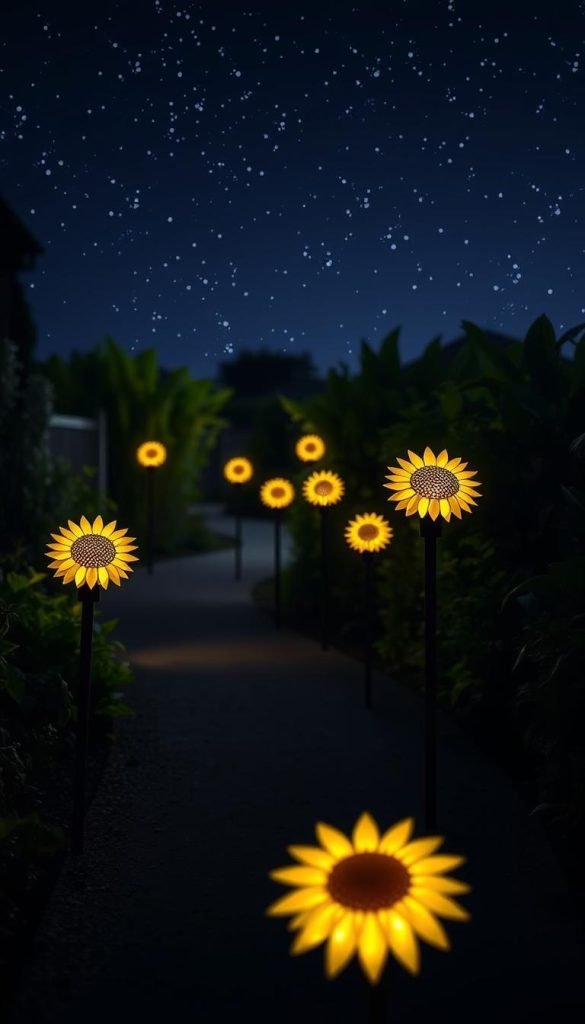
These lights project crisp sunflower and butterfly silhouettes thanks to laser-cut metal cones. The effect looked best on my concrete patio, where the patterns read sharply and drew attention to a small seating area.
Assembly was quick: snap-on toppers, firm stakes, and a simple twist to lock them in. They handled rain and water exposure without dimming, so durability matched the pretty projection.
- If you want a magical decorative effect, these sunflower-pattern units deliver.
- They stayed on through dawn in my checks, so this is more than a party trick.
- Use them to accent a garden bed, flank steps to a patio, or highlight a focal pathway section.
- They won’t flood a large area; pair with brighter units for safety plus style.
“Patterned projection gives dramatic curb appeal while still providing usable run time.”
| Feature | Detail | Why it matters |
|---|---|---|
| Set size | 6 lights | Good for patios and short runs |
| Material | Metal cones + plastic bodies | Sharp silhouettes with durable housing |
| Performance | Dusk-to-dawn toppers | Reliable through overnight checks |
For comparison and more kit ideas, see a wider buyer guide on best solar path lights.
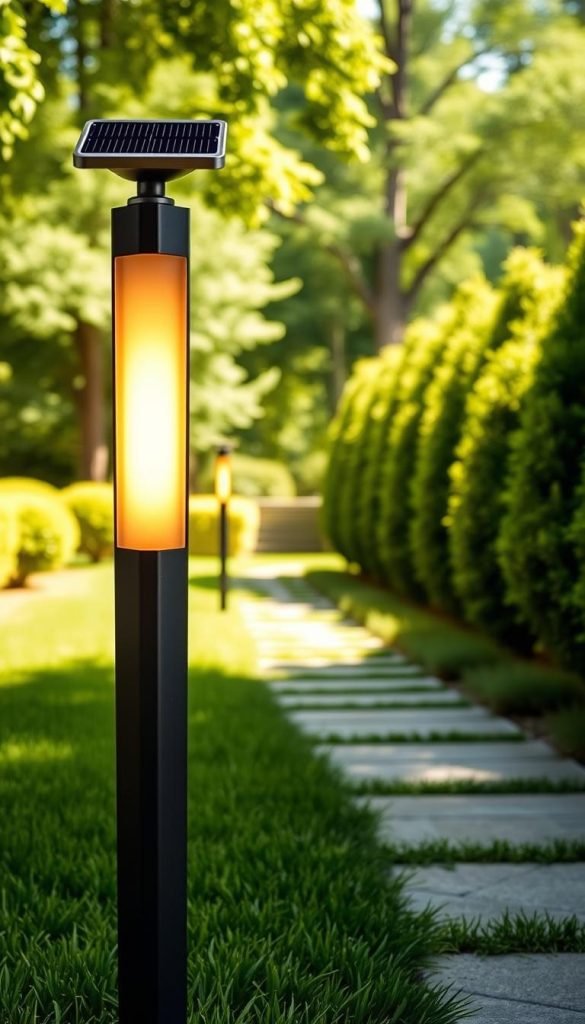
Best tall option for ground cover: Alfiot Solar Pathway Lights
Tall stakes change how a yard reads after dark, and I tested an option built just for that. This Alfiot set includes eight taller posts that lift warm illumination above low plants and edging.
Why extra height helps visibility and safety
Why height matters for visibility and safety
Taller fixtures help a beam clear ground cover and small shrubs, which improves step-by-step sightlines along a walk. In my yard the 24-inch profile cut down shadows behind plants and gave a more even glow along curves.
- Eight-piece kit with clear shades and durable plastic bodies felt sturdy on setup.
- Warm light produced comfortable coverage without glare; good for seating areas or turns.
- Weather and water exposure never caused dimming during my checks.
- With solid sun on the panels I saw long operating hours; some sources report 12–14 hours with extensions.
- Watch for leaning in hard soil—stake carefully and straighten to keep posts upright.
- Pairing these with low spotlights gives deeper throw toward focal features.
“The elevated profile can make a real difference in dense plantings and along driveway edges.”
| Feature | Spec | Why it matters |
|---|---|---|
| Set size | 8 lights | Good coverage for medium walkways |
| Height | ~24 inches | Clears ground cover and reduces shadows |
| Material | Durable plastic, clear shades | Lightweight, weather-resistant |
| Runtime | 12–14 hours (reported) | Long hours support dusk-to-dawn use |
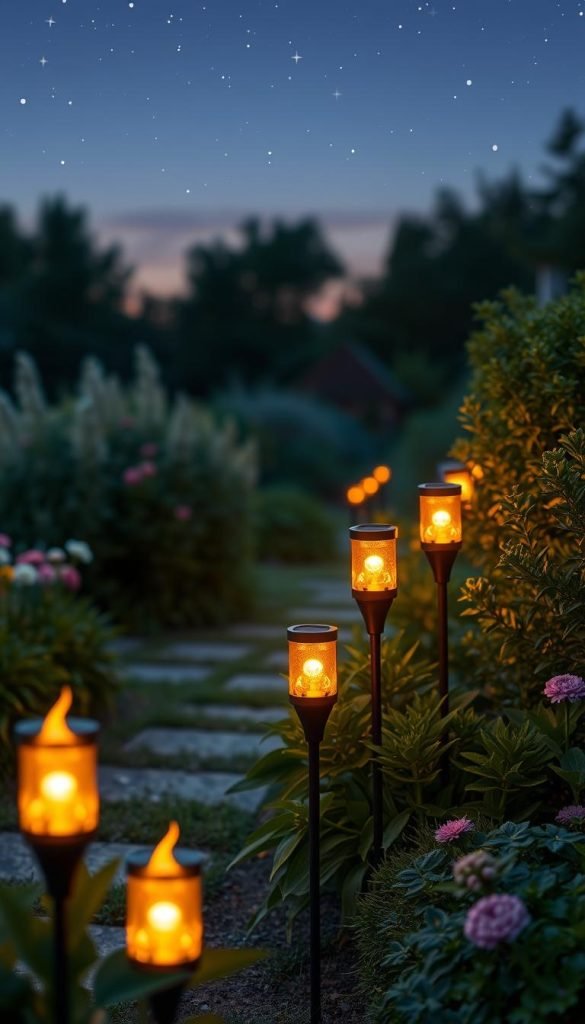
Best dramatic torches: Aityvert Flickering Flame Solar Torch Lights
I compared torch-style kits to find one that balances presence with useful run hours. In my yard tests the Aityvert set stood out for a bold flame effect and reliable operation through dawn.
35 lumens of flame-like ambiance that lasts till dawn
These torches come as a four-piece set with heavy-duty plastic bodies and a convincing flicker. At about 35 lumens each they give more brightness than many decorative stakes while remaining decorative.
I was impressed they kept flickering until dawn during repeated checks. Rain and normal weather did not affect function and I saw no water intrusion in housings.
- Bold flame look with practical output for driveway or patio accents.
- Top-heavy design—stake deeply or lean toward sheltered spots in high winds.
- Combine with lower-profile path fixtures for layered outdoor light.
| Feature | Spec | Why it matters |
|---|---|---|
| Set size | 4 pieces | Good for framing entries or a small patio |
| Material | Heavy-duty plastic | Durable and weather resistant |
| Output | 35 lumens | Stronger presence than typical decorative torches |
| Runtime | Verified till dawn | Reliable hours with proper sun exposure |
“For homes seeking a signature nighttime look, these torches make a statement.”
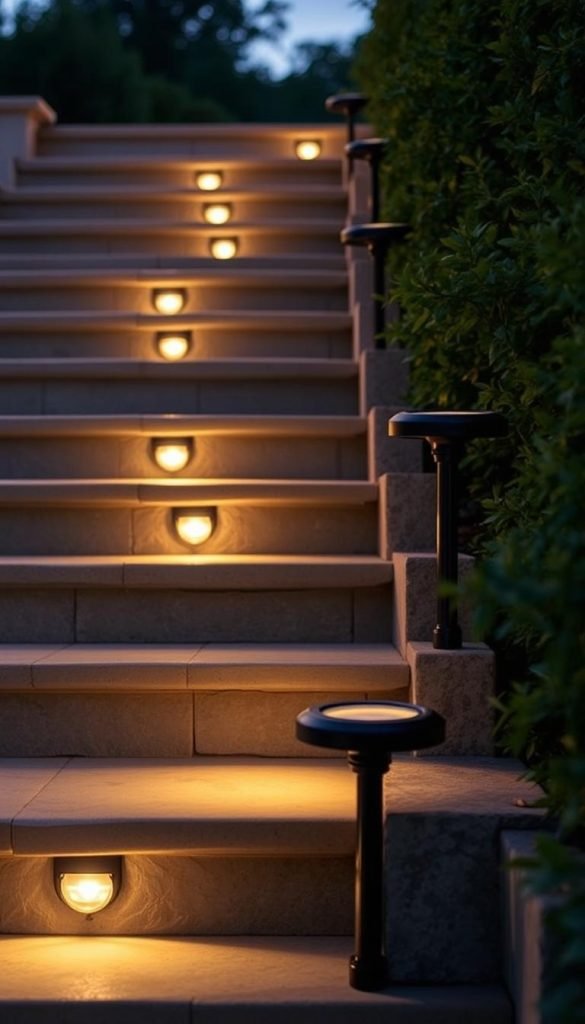
Best for steps and stairs: Audles Solar Step Lights
A good step light must deliver a focused beam and reliable nightly activation. Audles fills that role with a wedge-shaped design made for risers and deck edges.
Focused, bright lighting where broad pathway options can’t reach.
Why these work on stairs
Six lights per set give even spacing for short runs or a small porch. Each unit puts out about 80 lumens, so the brightness clearly defines each tread without glare.
I tested adhesive pads and screw fasteners. Both held during regular use, but screws give better long-term security on outdoor steps.
After a partial first night, the set reached dusk-to-dawn operation once it had a full sun charge. They switched on at dusk consistently and stayed on through dawn in my checks.
Water exposure during normal rain did not cause flicker or failure. These units are water-resistant and activated reliably every evening.
- Use on porch steps, deck stairs, or terraced paths at home for safer footing.
- Mount on both sides for wide stairs; one side can suffice for narrow runs.
- Mix with ground-staked pathway options to create continuous, layered lighting from yard to entry.
| Feature | Spec | Why it matters |
|---|---|---|
| Set size | 6 lights | Covers typical porch or short stair runs |
| Output | 80 lumens each | Bright, focused tread definition |
| Mounting | Adhesive pads or screws | Screws recommended for long-term hold |
| Weather | Water-resistant | No flicker after rain in testing |
“Strong performance where it counts most—on the steps under your feet.”
What are the top solar path lights that actually last all night?
My overnight checks focused on how consistently each product stayed useful on a real walkway. I judged units by whether they switched on at dusk and still gave usable light at first light across repeated evenings.
How I judge “all-night” across different models and use cases
I look for steady runtime, usable beam shape, and durability after cloudy days. That means a fixture must remain bright enough to guide footsteps, not just glow faintly. I also note whether modes or color options shorten useful hours.
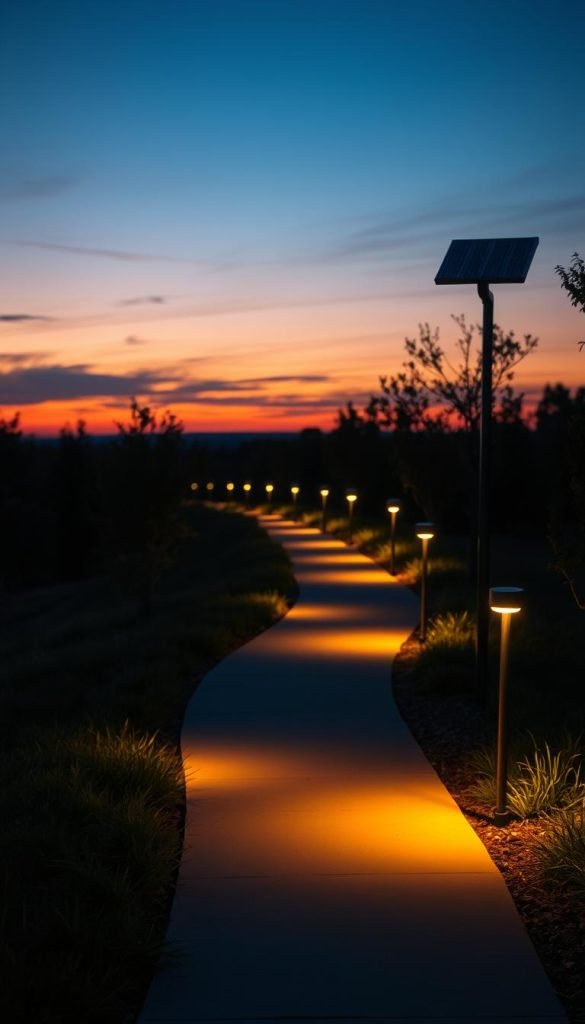
Top performers for yards, pathways, and patios right now
Standouts in testing: Beau Jardin and Gigalumi proved steady dusk-to-dawn performers. Aityvert torches and Dynaming flicker units also kept going through morning checks. Maggift showed budget value with full-night operation at lower output.
- Anytalk adds decorative projection while still lasting through dawn.
- Alfiot’s taller stake helps visibility over plants and uneven ground.
- Osord wins for color and punch but not marathon runtime—best for evening events.
| Use case | Best picks | Why it matters |
|---|---|---|
| Pathway | Beau Jardin, Gigalumi | Consistent runtime and clear beam |
| Ambiance | Dynaming, Anytalk | Decor plus dependable hours |
| Bold color | Osord | High impact, shorter duration |
“Match units to purpose: safety-first on stairs and paths, decor for patios and garden edges.”
Solar path light basics: brightness, batteries, and panels explained
Let me explain the key parts that decide whether a kit fades by midnight or still guides you at dawn. I focus on simple facts you can check on a product page and during install.
Lumens vs. perceived brightness on pathways
Lumens measure raw output, but perceived safety depends on beam shape, height, and spacing. A compact 10-lumen metal-and-glass fixture can light a walkway better than a higher lumen unit with poor optics.
Most kits use LED bulbs because they use less power and run longer. Match lumen numbers with stake height and spacing for real results.
Ni-MH, lithium, and how battery capacity affects hours
Battery capacity dictates usable hours. Dusk-to-dawn use needs larger cells and quality chemistry. Ni-MH is common and affordable. Advanced lithium, including LiFePO4, gives longer cycle life and better cold-weather resilience.
Panel size matters too—larger, efficient panels collect more sunlight on cloudy days and help keep runtime steady.
- Expect ~6–8 hours of direct sun for a full charge.
- Running color modes or bright settings cuts available hours.
- Keep panels and lenses clean for best power harvest.
| Battery type | Pros | Cons |
|---|---|---|
| Ni-MH | Affordable, common | Shorter cycle life vs lithium |
| Lithium (LiFePO4) | Long life, better cold performance | Higher upfront cost |
| Capacity (mAh) | Larger = more hours | Size adds cost/weight |
“When comparing products, weigh optics, battery capacity, and panel size together—not just lumens.”
Weather and cloudy days: IP ratings, rain, wind, and winter
Rain, gusts, and gray days separate pretty designs from dependable units. I looked for real protection and recovery after storms, not just a glossy finish. In testing, top picks survived wind and rain with no flicker or water inside the housing.
IP ratings matter. Check the second digit: higher numbers mean stronger resistance to water intrusion. I favored sealed models with quality gaskets and robust housings.
Why larger panels and quality cells matter on overcast days
Bigger panels harvest more weak sun, and better cells hold usable power after a stretch of cloudy days. In my trials, sets with larger panels and higher-capacity batteries kept steady light into morning while smaller kits dimmed early.
- Avoid top-heavy units in open, windy yards—Aityvert needed deeper stakes in gusts.
- Cold snaps cut battery output; performance returned after a sunny recharge day.
- Clean panels after storms: mud or pollen cuts charging power fast.
“Pick models with solid seals and bigger panels if you want reliable hours through rough weather.”

| Concern | What to check | Practical tip |
|---|---|---|
| Water resistance | IP rating (second digit 5–8 preferred) | Look for sealed gaskets and no visible seams |
| Wind | Low center of gravity, sturdy stakes | Stake deeper or place near a shelter |
| Cloudy days | Panel size + battery capacity | Choose larger panels and Ni-MH or lithium cells |
| Winter | Cold tolerance of cells | Angle panels and trim branches for max sun |
Placement and installation tips for maximum nighttime hours
I found that a few smart installation moves dramatically extended usable hours. Proper placement boosts charge and keeps useful light on through morning checks. Follow simple rules and test positions for several nights before settling.
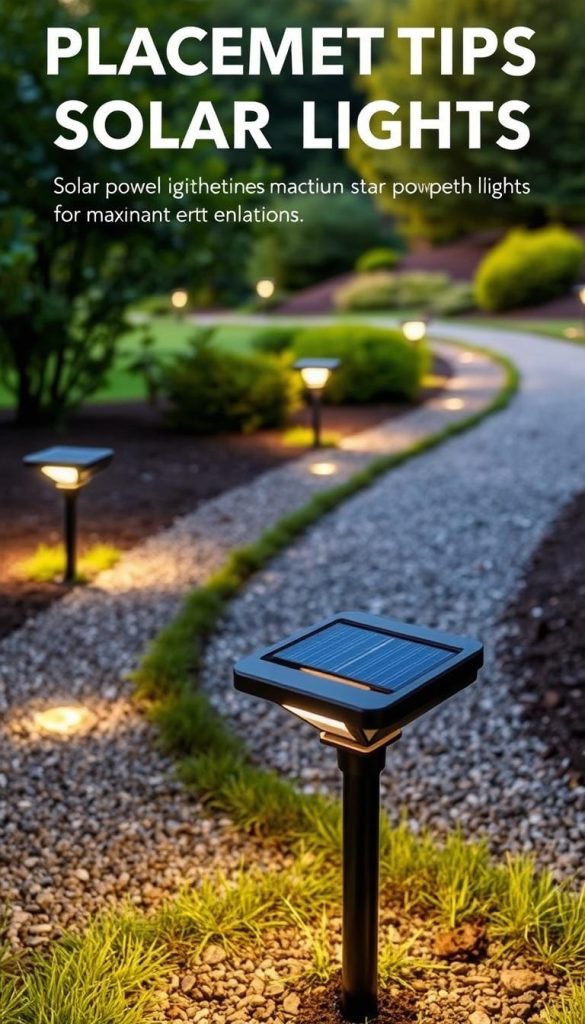
Sun exposure and panel angle
Give panels a full charge window. Aim for 6–8 hours of direct sun. Avoid spots shaded at dusk; late-day sunlight matters most for overnight runtime.
Spacing, height, and beam shape
Space units to match their beam spread so you get a continuous way, not gaps. Taller posts clear low plants and cut shadowing along a path.
- Angle adjustable panels or heads toward strongest sun.
- Keep fixtures straight and firmly staked to avoid uneven throw.
- Map walking routes on a patio or garden and place lights at turns and transitions.
- Avoid bright porch fixtures that can keep dusk sensors off.
| Goal | Tip | Why it helps |
|---|---|---|
| Max runtime | 6–8 hours direct sunlight | Full charge for dawn coverage |
| Even coverage | Match spacing to beam | No dark patches along way |
| Low-sun yards | Use larger panels or remote panel options | Better harvest on overcast days |
“Test placements for a few nights and tweak positions before committing.”
Maintenance and troubleshooting for lights that should last till dawn
I keep a simple upkeep routine that makes a kit stay useful through long, gray evenings. A little monthly care goes a long way and often restores run hours without replacing the whole unit.
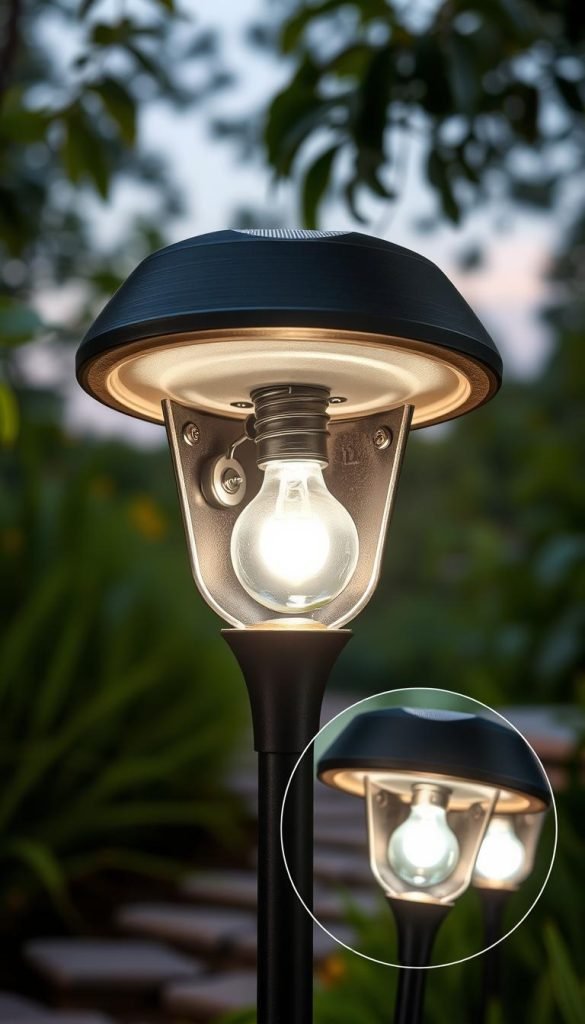
Panel cleaning, battery swaps, and mode checks
Wipe panels monthly. Dust, pollen, and tree sap cut charging and reduce usable time. A soft cloth and mild cleaner work fine.
Replace aging batteries. If runtime falls sharply after a year or two, new cells often fix it. I keep spares for larger sets to avoid downtime.
Use bright or color modes sparingly. High-brightness and color options drain charge fast. If you need full-night operation, stick to white or low modes.
- Check on/off switches and mode buttons if a unit fails to come on at dusk.
- Re-seat stakes after storms—tilt and loose posts cut effective beam on a path.
- Inspect for water intrusion; dry and reseal gaskets to prevent repeat issues.
- For string lights, avoid covering panels with décor and coil excess string neatly.
In my tests, simple cleaning and fresh batteries revived several underperforming units.
| Issue | Fix | Why it helps |
|---|---|---|
| Low runtime | Replace battery | Restores capacity and evening hours |
| Poor charge | Clean panel | Improves energy harvest on cloudy days |
| Tilted beam | Reset stake | Returns even path coverage |
Conclusion
To close, I offer clear buying rules based on repeated dusk-to-dawn checks and real weather. My picks reflect how each product behaved in a real yard, so you get practical advice rather than spec-sheet promises.
I recommend Beau Jardin and Gigalumi if you want set-and-forget all-night performance. For tight budgets, Maggift proves smart spacing and modest output can still reach sunrise.
For mood and drama, Aityvert and Dynaming deliver convincing flame effects that stayed on through morning. Anytalk adds decorative projection without losing usable hours, and Alfiot’s taller profile improved visibility over plants.
Use Audles for stairs and safety. If color is your focus, Osord offers high-impact brightness—just plan around shorter runtime. With correct placement, routine cleaning, and occasional battery swaps, these lights will keep your home pathway welcoming at first light.