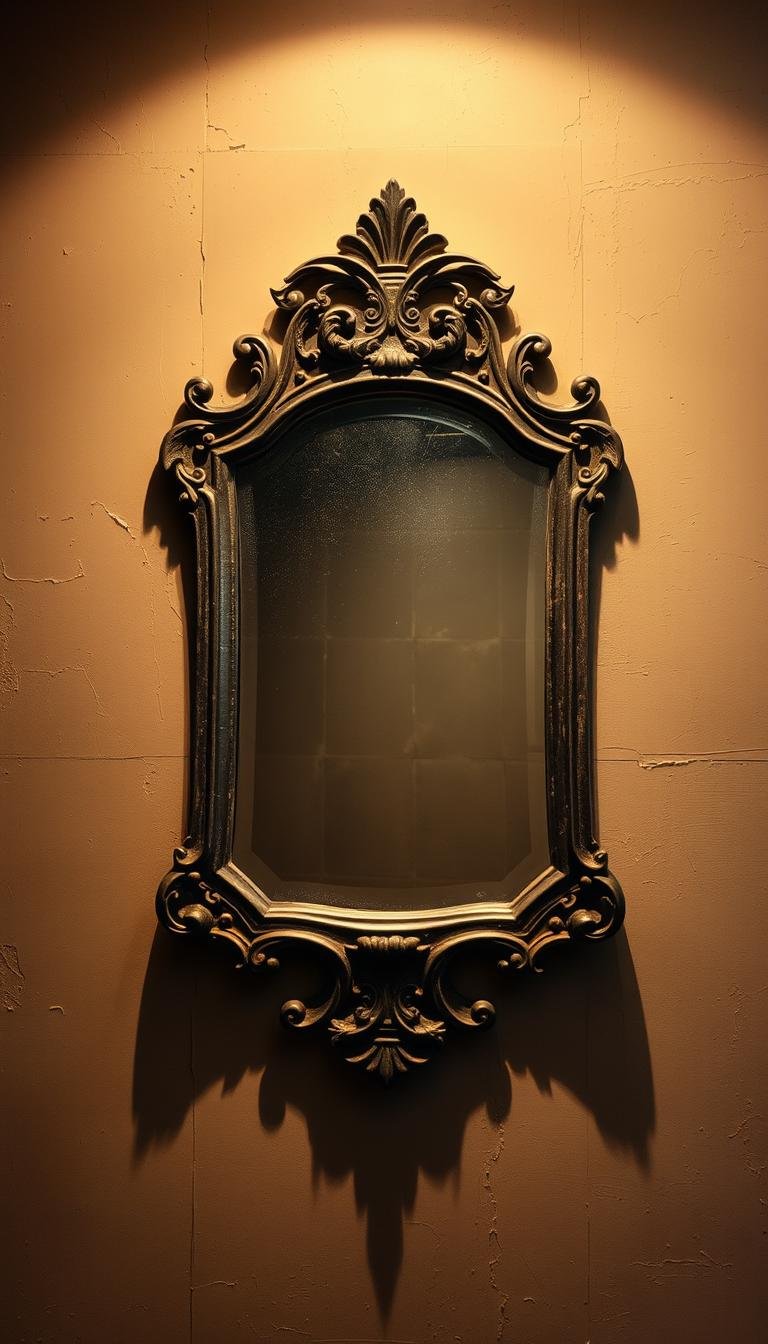
What’s the trick to hanging a 60-pound mirror on drywall solo?
I start by admitting that this task looks harder than it is when I prep right. My real secret is simple: precise layout plus the correct fastening method so the mirror sits secure on the wall the first time.
I make sure I know the mirror weight and the wall type before I pick hardware. If studs line up, I use 2.5-inch screws into wood. If not, I choose rated anchors or a metal French cleat that spreads load along the drywall.
I set level marks, preinstall anchors, and use a temporary ledger to hold the frame while I secure it. I leave roughly a quarter-inch of screw head when I hang with D-rings or wire so the piece catches cleanly.
Small touches matter: rubber bumpers protect paint and stop slip. A metal cleat often makes solo work easier because I can lower the mirror onto a long, level ledge instead of matching two points by feel.
Key Takeaways
- Prep carefully: measure weight and check for studs before choosing hardware.
- Use 2.5-inch screws into studs when possible for reliable support.
- Choose rated anchors or a metal French cleat if studs are not available.
- Leave about 1/4 inch of screw exposed for D-rings or wire to catch securely.
- Use a temporary ledger and rubber bumpers to protect the wall and mirror during installation.
Before I start: user intent, safety, and what “heavy” means on drywall
Before drilling, I set clear goals: safety, neatness, and a mount that lasts. I treat any heavy mirror as a load that needs solid support, not a quick patch job.
I first check wall type with a simple pin test so I know if I face drywall, plaster, or masonry. On drywall, I prefer to land fasteners into wall studs when I can. A stud finder helps me mark safe spots and avoid surprises like pipes or wiring.
If a stud isn’t available, I plan for rated anchors or toggle bolts that spread load. Toggle anchors often list capacities up to roughly 45 kg and are a smart backup when I can’t hit framing.

I also make sure my solo setup is safe: clear floor space, padded wall area, gloves, and eye protection. I aim for minimal holes by marking and test-fitting before final drilling.
| Support | Best for | Typical capacity | Notes |
|---|---|---|---|
| Screw into stud | Drywall with framing | Very high | Most reliable for heavy weight mirror |
| Toggle anchor | Drywall without stud | Up to ~45 kg (per spec) | Spreads load; use rated hardware |
| French cleat | Wide load distribution | Depends on fasteners | Good for solo leveling and heavier mirrors |
My toolkit and prep for hanging a heavy mirror on drywall
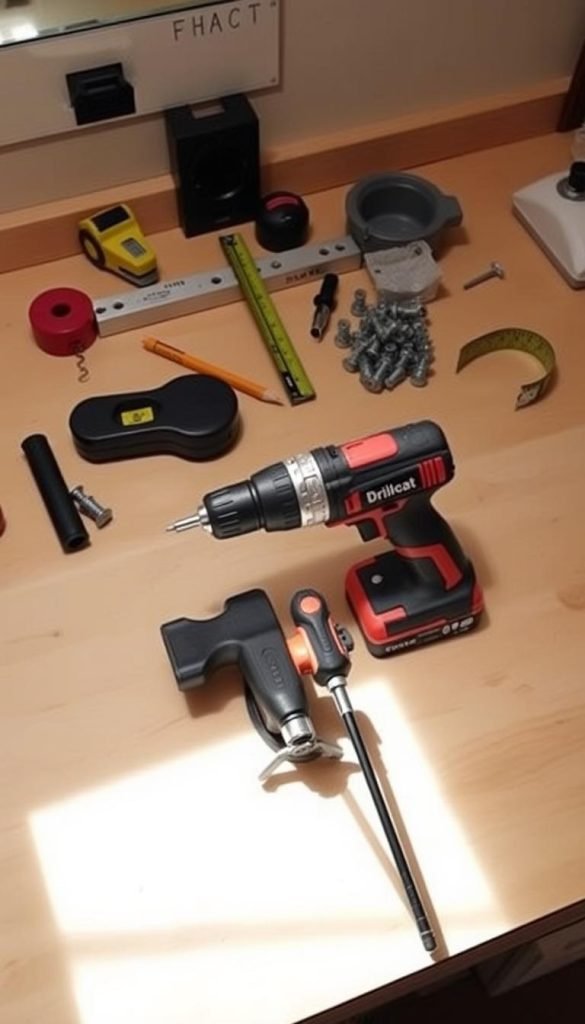
I gather my tools and lay them out so nothing slows me down once I start.
Essential tools
- Drill/driver with screwdriver bits and a set of drill bits.
- Measuring tape, pencil, painter’s tape, and a 24–48 inch level.
- A reliable stud finder, tape, and a clean microfiber cloth for glass.
- Selection of hardware: D-rings, hanging wire, and a metal French cleat.
- Anchors and screws: self-drilling anchors, molly bolts, toggles, and wood screws 2.5″ or longer.
Safety first
I protect the wall and the mirror by sticking bumpers on the frame now. I wear gloves and clear the floor so I have room to maneuver.
Solo setup
I stage a landing zone with a blanket against the wall and a bench at near height. I mark centerlines, then use the level to transfer heights so I can use level when I place anchors.
| Item | Purpose | Notes |
|---|---|---|
| Stud finder | Locate studs | Confirm with a small pilot hole before final fastener |
| Anchors & toggles | Support when no stud is available | Check packaging for wall types and load rating |
| French cleat | Spread load across the wall | Great for larger size mirrors and solo hangs |
| D-rings & hanging wire | Final hanging hardware | Verify D-ring rating and tighten screws on the frame |
Choosing the right support: studs, wall anchors, toggle bolts, or French cleats
I decide on the support before I drill. That keeps the process simple and safe. Matching the mirror weight to the wall type guides every choice.
When I hit a stud: screw length, spacing, and load confidence
When I find solid studs, I drive at least 2.5-inch screws through drywall into wood. That gives dependable holding power.
I aim for two studs if possible so the load spreads. Screws should penetrate about one inch into the stud.
Drywall anchors: self-drilling and molly bolts for medium-duty holds
For drywall without a stud, I pick anchors by load. Self-drilling anchors work fast for medium mirrors.
Molly bolts are handy when I want a removable yet sturdy solution.
Toggle bolts: spreading load for heavier mirrors off-stud
Toggle bolts open wings behind the wall and spread force across a larger area. They need a larger hole but give strong support for a heavy mirror.
French cleats: metal cleats that distribute weight across the wall
A metal French cleat mounts one bracket to the wall and one to the mirror. I set the wall cleat level and use anchors or screws into studs.
Tip: pick a cleat length around 50–75% of mirror width to improve stability.
| Support | Best for | Notes | Typical capacity |
|---|---|---|---|
| Screw into stud | Wall with framing | Use 2.5″ screws; penetrate 1″ into stud | Very high |
| Self-drilling / Molly | Medium loads on drywall | Quick install; molly removable | Medium |
| Toggle bolts | Heavy mirrors off-stud | Require larger hole; wings spread load | High |
| Metal French cleat | Large mirrors; solo mounting | Distributes weight; easier leveling | Depends on fasteners |
Measure and mark like a pro so the mirror lands level the first time
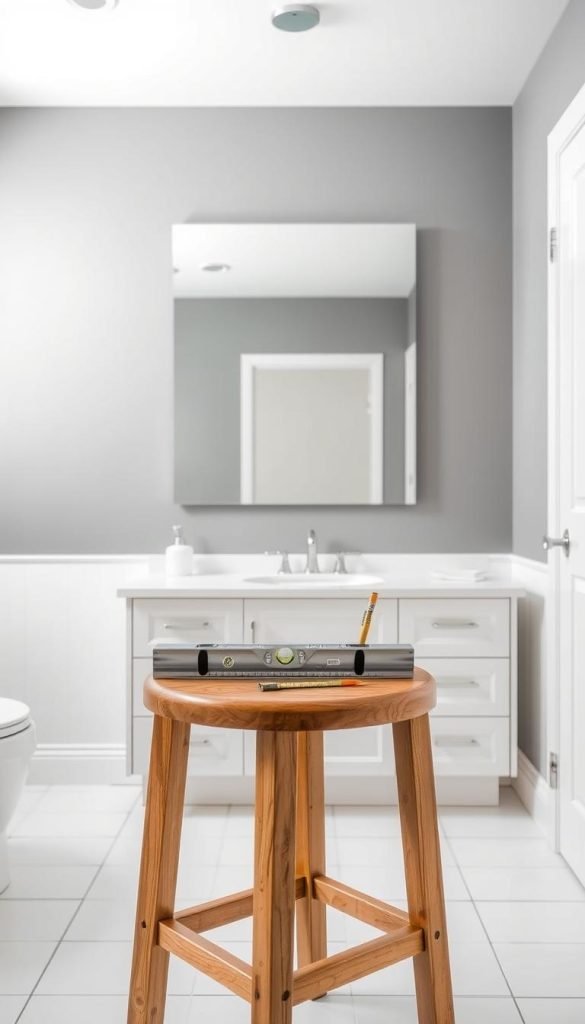
My first move is to mark the intended top line so every measurement that follows has a reliable reference. I use a level to draw a faint, straight guideline where the top of the mirror will sit.
D-rings only: I measure from the top of the frame down to each ring, and also measure the horizontal distance between rings. Then I transfer those points to the wall along my level line. I verify both ring heights on the back because frames are not always symmetric.
D-rings with hanging wire
When I use wire, I tie it tight to the rings and pull it up to mimic load. I measure from the top of the frame to the high point of the wire and translate that distance down from the top mark on the wall.
I space mounting points at least 12 inches (about 30 cm) apart to spread force. I lightly predrive screws and leave heads about 1/4 inch proud so rings or wire can catch cleanly.
French cleats
For a cleat, I mark the cleat top from my intended mirror top, then use level and fasten the wall cleat to studs or anchors. I attach the mate to the back and double-check screw length so nothing pokes through the frame or back mirror.
Final check: I hold the mirror close to confirm marks align before final drilling. One dry fit saves extra holes and keeps the mounting neat.
| Method | Key measurement | Mount spacing | Finishing tip |
|---|---|---|---|
| D-rings only | Top of frame to each ring; distance between rings | 12″+ (30 cm) recommended | Transfer marks to level line; predrive screws 1/4″ proud |
| D-rings + wire | Top to apex of taut wire | Wider spacing reduces sway | Simulate tension before marking wall |
| French cleat | Mark cleat top from mirror top; level cleat | Cleat length ~50–75% mirror width | Check screw length; center and align on back |
Install the hardware, then hang the mirror securely
My first practical step is to confirm anchor positions and bit size so every hole is exact. I mark each point on the wall and check the anchor instructions before I drill.
Anchors, screws, and cleats:
- I pilot drill clean, straight holes with the bit the anchor packaging specifies to avoid crumbling drywall.
- With self-drilling anchors, I spin them into drywall, then run in the provided screws and leave about 1/4 inch of head exposed for D-rings or wire to catch.
- For molly bolts, I snug the screw to expand the sleeve, then remove or reset the screw to hang the mirror.
- With toggle bolts I drill the larger hole, thread the toggle, push it through, let it open, then tighten until the flange sits snug against the wall.
- For a metal French cleat, I level and fasten the wall cleat with anchors or into studs, then attach the mating cleat to the back of the frame.
Lift, hook, and fine-tune
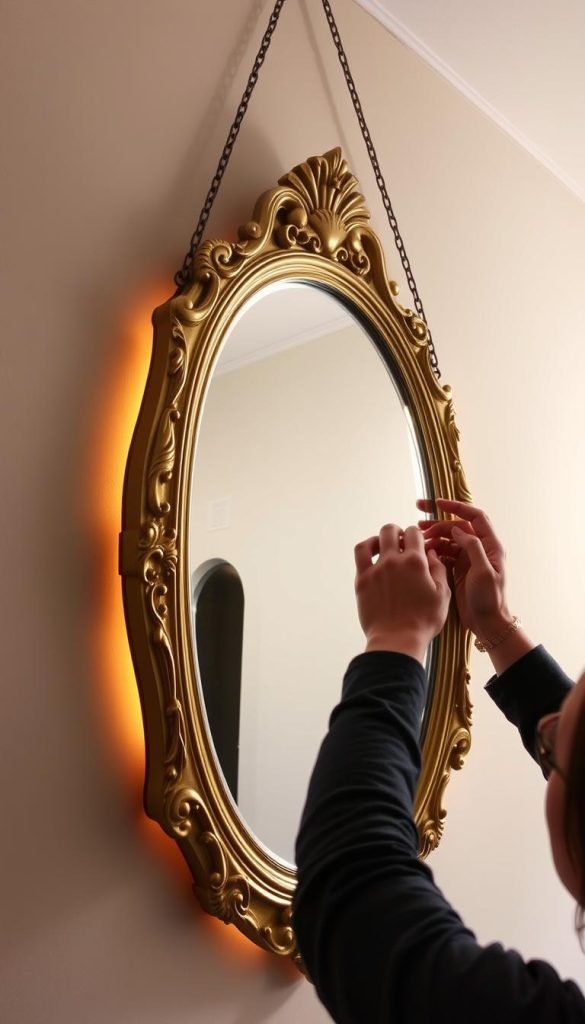
I lift using my legs, bringing the bottom just off the wall to avoid scraping. I hook D-rings or settle the cleat onto screws and make small adjustments until level.
Final checks: I press bumpers on the back corners, give the mirror a gentle tug and a light side-to-side push, and verify there is no wobble before I clean the glass.
What’s the trick to hanging a 60-pound mirror on drywall solo?
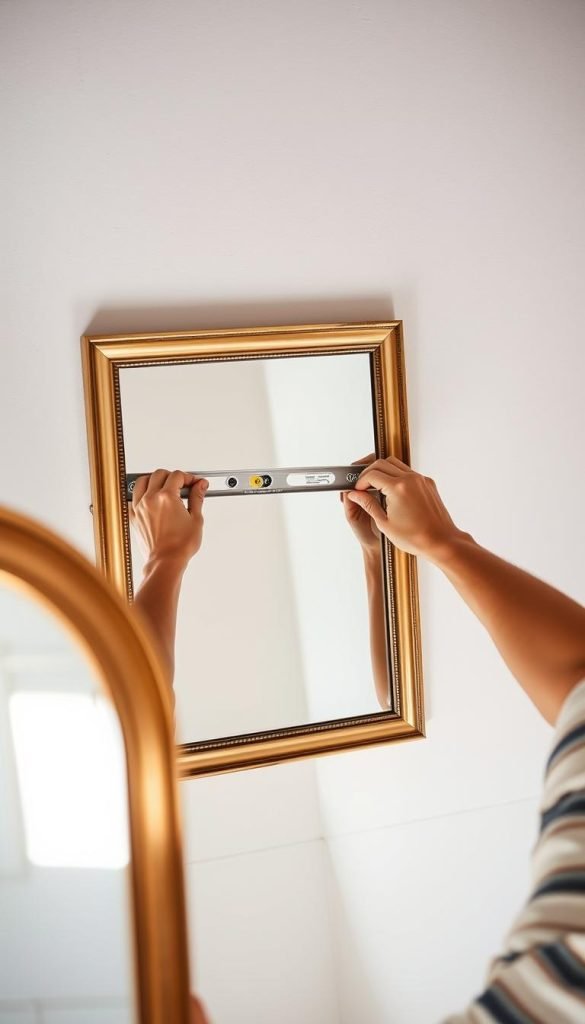
A steady temporary ledge makes the lift and hook step quick and safe. I set a ledger stick or stack of boxes just below the final top line so the mirror can rest while I work. This gives me one hand free to guide hardware and one to steady the frame.
Create a hole template with painter’s tape. Press tape across the back over D-rings, mark centers, then move that tape to the wall. That transfers exact points and cuts time when I pre-set screws.
Create a temporary support: painter’s tape templates, boxes, or a ledger stick
- I build a third hand with a straight stick or stable boxes so the mirror can sit while I drive or catch hardware.
- I pre-set screws about 1/4 inch proud so rings or wire hook easily without threading by feel.
Control the weight: tilt-and-catch technique with D-rings or hanging wire
I lift from the sides, keep the top slightly forward, then tilt so the wire drops onto both screw heads at once. That tilt-and-catch move makes it easy to hang a heavy mirror without help.
Keep it straight: use a level and add bumpers to prevent slip and scuffs
After hooking, I check level and nudge left or right. I press rubber bumpers onto the back corners to stop drift and protect paint. If I use french cleats, I simply lower the mirror onto the long metal cleat for instant alignment.
| Step | What I do | Benefit |
|---|---|---|
| Ledger or boxes | Place below top line to rest mirror | Stabilizes weight while I hook hardware |
| Painter’s tape template | Mark D-ring centers on tape, transfer to wall | Accurate screw placement; saves time |
| Pre-set screws | Leave ~1/4″ head exposed | Wire or rings catch cleanly; lowers risk of slips |
| Final leveling | Use a level and rubber bumpers | Prevents scuffs and keeps mirror straight |
Troubleshooting and final checks for heavy mirror installation
Right after I hang it, I give the piece a gentle tug and a soft side push to confirm everything seated well.
I start with a light stability test: a careful pull toward me and a small lateral nudge. If the mirror shifts or wobbles, I tighten the screws and recheck the anchors immediately.
Stability test, hardware recheck, and ongoing maintenance
- Quick pull and push: confirms the wall and hardware are holding the weight without flex.
- Level and bumpers: recheck level; nudge frame and let rubber bumpers lock the position.
- Tighten or upgrade: if loose, snug the screw or replace an anchor with a stronger type or add a second point.
- Inspect hole edges: look for crumbling drywall; move to a fresh spot or use a heavier-duty anchor if needed.
- Balance check: when one side is on a stud and the other on drywall, confirm both share load with no tilt or creak.
I also note weight and hardware in my home notes and plan a seasonal check. Over time, hanging wire can relax, so I verify fasteners and bumpers at least once a year. For more tips on heavy mirror installation, see this heavy mirror installation guide.
| Check | Action | When |
|---|---|---|
| Stability | Pull, push, retighten | After hanging |
| Hardware | Inspect anchors & screws | If wobble |
| Maintenance | Seasonal fastener review | Every 6–12 months |
Conclusion
My final step is a quick checklist that proves the job is safe and level. I pick studs when possible and use 2.5-inch screws. If I can’t hit framing, I choose rated anchors or toggle bolts and consider a metal french cleat for extra spread.
I measure D-rings or hanging wire, transfer points to the wall, and leave about 1/4 inch of screw head proud so the hardware catches. I add rubber bumpers to the back mirror for protection.
Before I step away, I stage supports, check level, give a firm tug, and note the anchor types and bolt sizes used. That small extra time keeps a heavy mirror secure and ready to enjoy.