What are the best roller shades that look like linen but cost $29?
I set out to find affordable window coverings with a true linen feel and clean, modern style. I focus on woven texture, balanced light, and simple operation so a home feels calm and lived-in without fuss.
I favor cordless options for safety and a tidy face, and I also note continuous loop and motorized choices for tall or hard-to-reach windows. Brands like Affordableblinds, The Shade Store, and Blinds To Go show how craft and value can meet—samples, warranties, and free shipping matter when price tiers start at about $29.
My goal is practical: find shades that diffuse daytime light, offer blackout roller options for bedrooms, and install quickly with basic tools. I compare texture, neutral hues, and neat hardware so a single shade reads as linen in natural light.
Key Takeaways
- Seek woven texture and tweedy neutrals for an authentic linen appearance.
- Choose cordless or motorized controls for safety and neat operation.
- Look for both light-filtering and blackout roller choices by room use.
- Value adds—free samples, shipping, and warranties—stretch a $29 budget further.
- Consider easy install guides and clear specs from trusted brands.
- For a ready option, check a compact blackout model like this blackout linen-style shade.
Why I went hunting for linen-look roller shades on a $29 budget
I challenged myself to find textured rollers near $29 to get that natural fiber vibe on a budget. I love the tailored, natural feel of linen, yet I avoid linen price tags. Targeting low-cost roller shades helped me test how much style you can buy when discounts and free samples stack up.
I checked Affordableblinds and Blinds To Go for real-world pricing. Affordableblinds lists sale ranges from about $35 to $250, small customs near $40, and big discounts plus free samples and shipping. Blinds To Go adds nationwide stores and a lifetime warranty that makes entry models more usable.
My priorities: neutral weaves that read like linen, cordless controls for a tidy face, and easy DIY installs so I skip extra fees. I pick sizes carefully so small or standard windows can hit that price sweet spot.

- I favor understated textures over shiny synthetics.
- I track sales calendars and free-sample programs before ordering.
- I compare roller to other blinds to confirm value.
| Vendor | Entry Price | Perks | Ideal use |
|---|---|---|---|
| Affordableblinds | $35–$250 (sales often lower) | Free samples, free shipping, big discounts | Small rooms, rentals |
| Blinds To Go | Entry models affordable | Lifetime warranty, stores nationwide | Whole-home installs, consistent styles |
| Budget retailers | Near $29 for small sizes | Fast ship, basic controls | Starter apartments, quick refreshes |
Quick answer: my favorite affordable picks that truly look like linen
I narrowed a short list of affordable roller shades that actually read as woven fabric in real rooms. I focused on light diffusion, practical control, and honest privacy so each pick feels finished, not cheap.

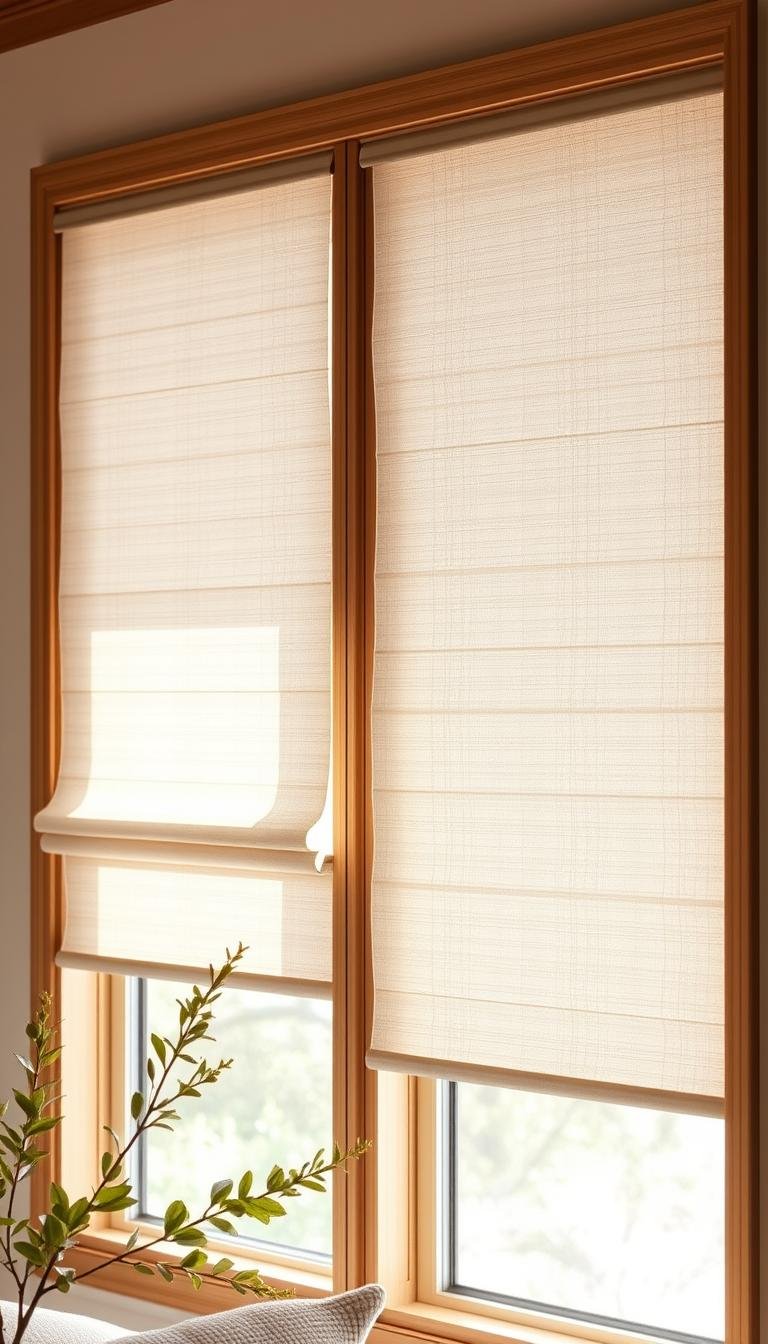
- For living areas I choose light filtering roller shades with a tweed-like weave. They soften daylight and give a true fabric feel.
- For bedrooms and nurseries I select a blackout roller shades or a blackout roller with a textured face to block night light and boost privacy.
- When safety matters I opt for cordless control. For tall or awkward windows I consider motorized or continuous loop options for smoother control.
- I prefer neutral colorways—ivory, cream, gray—so the shade reads like natural fiber under warm or cool light.
- Before buying I order free samples, check the weave against real linen, and confirm how the roller will work on my window for consistent functionality.
What are the best roller shades that look like linen but cost $29?
I narrowed my list to entry-level models that pair a woven face with clear specs and easy installs. I focused on fabric realism, simple controls, and honest value so each pick reads like a textile, not cheap plastic.
Affordableblinds covers the basics well: light filtering, room darkening, and blackout options, plus hand, continuous loop, cordless spring, or motorized controls. Their standard and reverse roll mounts give a neat finish, and many installs take about 12–15 minutes.

The Shade Store brings handcrafted materials and more control styles, while Blinds To Go adds a lifetime warranty and step-by-step measuring guides. Together these products show how careful selection beats heavy customization at this price point.
- Pick neutral color and subtle pattern—ivory, cream, beige, or fine tweeds mimic slub and pass as fabric.
- Choose a cassette or fabric-insert valance to hide the roll without a big upcharge.
- Confirm blackout liners if full darkness is needed; test privacy and light blocking before ordering.
How I judge “linen-look” on a budget: fabric, light control, and functionality
I rank candidate pieces by three clear priorities: believable weave, predictable light handling, and daily operation that feels effortless.
Fabric realism and safe materials
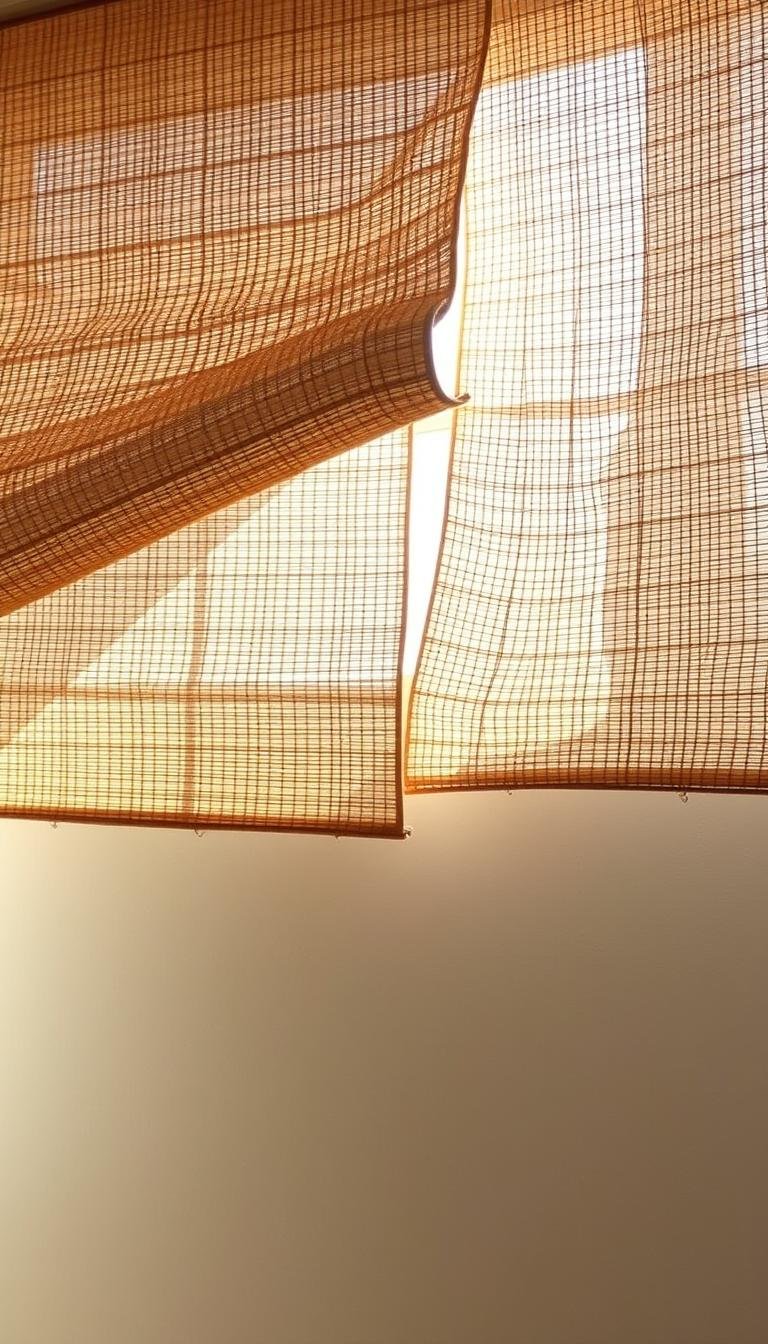
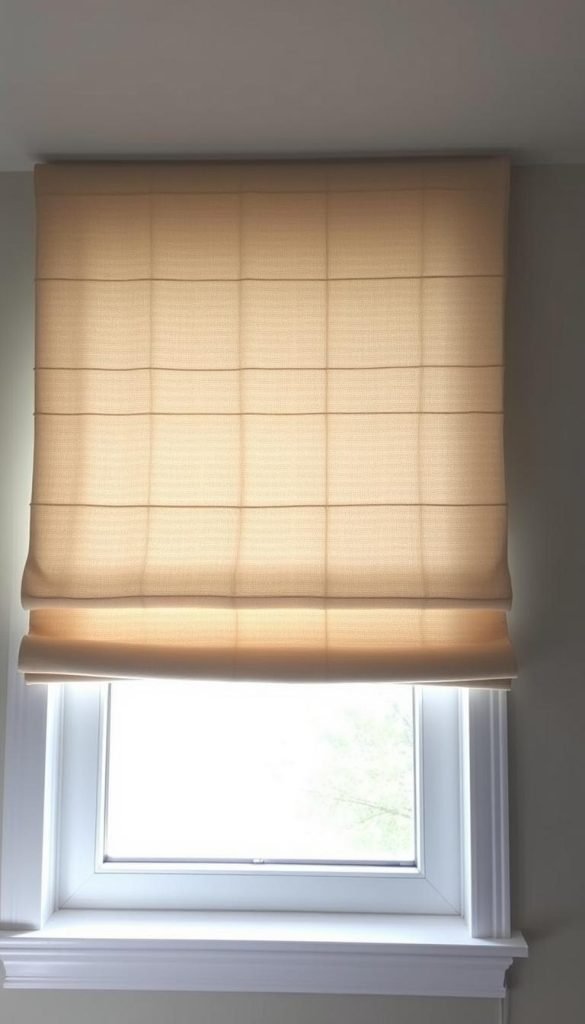
Fabric realism is my first filter. I favor woven or tweed-inspired faces that mimic slub and a matte finish so a panel reads as textile from across the room.
I check for OEKO-TEX or low-VOC notes as a sign the material won’t off-gas. That matters in bedrooms and home offices where you spend time.
Light control tiers that match rooms
I sort options by opacity: sheer, light filtering, room darkening, and blackout. Matching a style to its use keeps glare down and the view pleasant.
Good light control means a weave should glow without glaring, while blackout liners hold even darkness for sleep.
Operation, safety, and real-world use
Control type changes daily life. I prefer cordless for child-safe simplicity, continuous loop for wider widths, and motorized add-ons for tall or hard-to-reach openings.
Even on a tight budget, I test how smoothly a roller moves, whether hems sit straight, and that standards are met by known brands.
Top linen-look roller shades under $29-$49: my product roundup
I tested entry-level fabric-faced options to find picks that read as woven textile while staying budget friendly. Below I list choices that balance texture, control, and honest performance for typical rooms.
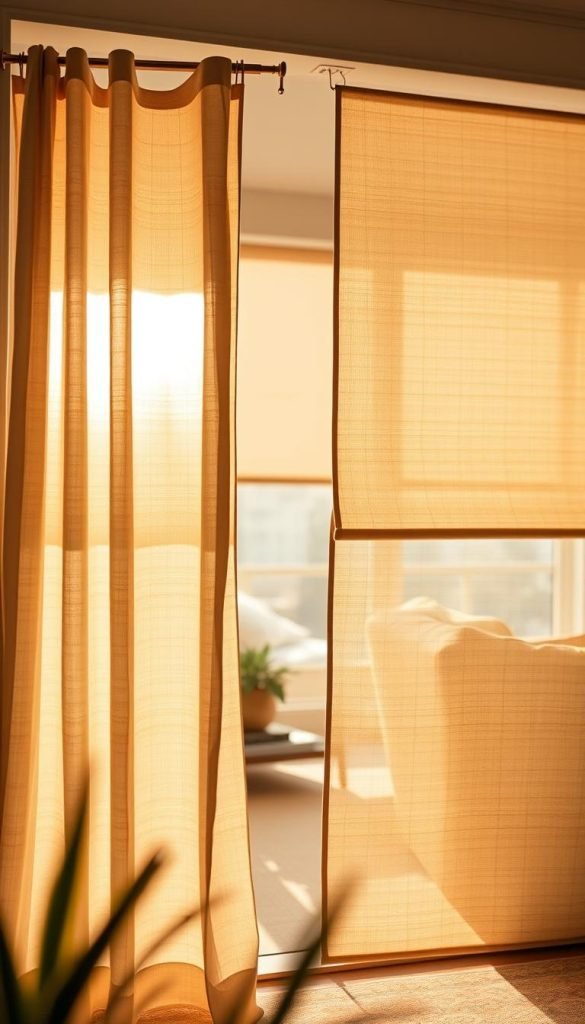
Best overall light-filtering pick for living spaces
Neutral tweed-like fabric that softens daylight and keeps a crisp edge when rolled. Affordableblinds offers light filtering options with slim cassettes and free samples to check color accuracy.
Best blackout pick for bedrooms and nurseries
Blackout roller with a textured face that reads as fabric by day and blocks light at night. I favor a linen-textured surface plus a reliable blackout liner for true darkness.
Best cordless pick for kid- and pet-safe homes
Cordless designs lift smoothly and leave an uncluttered face. A spring-driven option felt safest in my tests and kept hems straight over weeks of use.
Best motorized-ready budget pick with fabric-insert cassette
Entry-level motorized-ready models accept a fabric insert cassette and basic remote control. They work well on tall or awkward windows when a manual pull isn’t practical.
Best double-roller / venetian-inspired look on a tight budget
The Shade Store’s layered band styles and zebra variants give adjustable privacy without losing a woven vibe. These swap between sheer and opaque bands for a flexible light control solution.
- I confirm color with free samples—creams, beiges, and grays read most textile-like under changing light.
- For small windows promotions can dip close to $29; larger sizes typically land in the $29–$49 range.
- I prioritize smooth rolling, minimal edge curl, and a bottom bar that hangs straight for a tailored look across rooms.
Linen-look vs actual linen: materials that nail the appearance without the price
I compare woven faces and easy-care blends to match linen’s relaxed character without the upkeep.
Polyester and polyester blends give a convincing slub and matte finish. They resist wrinkles, dry quickly, and handle humidity better than natural linen. Affordableblinds lists OEKO-TEX certified woven and tweed textures that mimic grain while meeting safety standards.
The Shade Store offers many natural-feel options in varied weaves and tones. Blinds To Go notes that proper care can keep these materials performing for 7–10 years.
Polyester and blended fabrics that deliver the vibe and durability
I usually pick polyester or blends with textured weaves. They emulate linen’s slub and still clean easily. For blackout needs I choose a face fabric bonded to a light-blocking backing so the front texture stays true.
Colorways that read like real linen: cream, beige, ivory, dove, and gray
Neutral tones sell the look. Cream, beige, ivory, dove, and gray read warm and authentic on the wall. A subtle pattern or tweed adds depth so the shade doesn’t look flat in bright light.
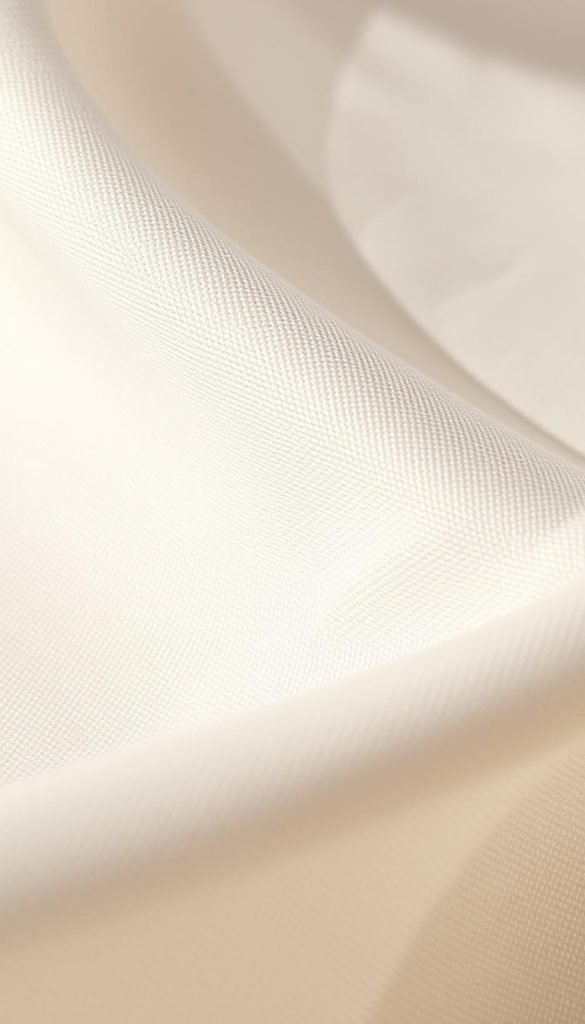
“A matte hand and gentle slub are what make a budget shade feel premium.”
- I avoid shiny coatings; matte surfaces mimic natural fibers better.
- Mid-density weaves work best for light filtering without appearing sheer.
- Compare free samples next to real linen to confirm tone and grain before ordering.
| Feature | Why it matters | Typical source |
|---|---|---|
| Textured polyester | Emulates slub, resists wrinkles | Affordableblinds, budget retailers |
| Blends (polyester + natural) | Balance of look and durability | The Shade Store, Blinds To Go |
| Bonded blackout backing | Keeps front texture, adds darkness | Most retailers, custom options |
Customization that elevates budget shades: cassettes, valances, trims, and bottom rails
A few small custom touches can lift an entry-level shade so it reads like a tailored window treatment. I focus on visual fixes that hide hardware and steady the fabric. Those moves make a cheap option feel considered and built-in.
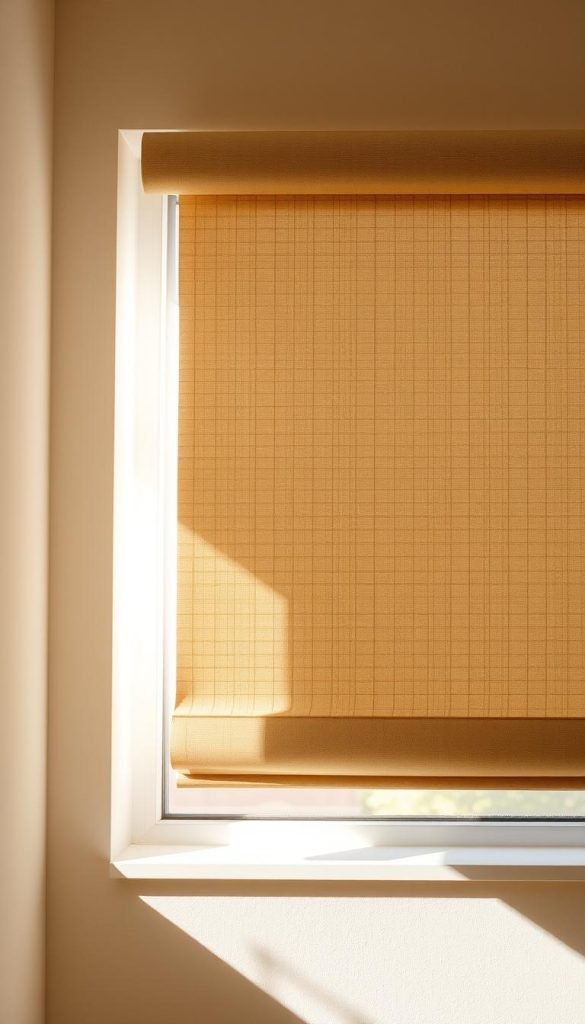
Cassette and valance choices
A slim cassette or a fabric-insert valance hides the roll and gives a built-in look without a big upgrade. Affordableblinds offers both standard valance and cassette options that match fabric color for a neat finish.
Cordless spring roller vs continuous loop beaded chain
Cordless spring rollers keep the face minimal and improve child safety. They suit family rooms and bedrooms where a clean look matters.
For wider or heavier panels I prefer a continuous loop beaded chain. It gives steady control and less strain when lifting large widths.
Motorized controls: remote, voice, and app
Entry-level motorized options add real convenience for tall or hard-to-reach windows. I use a remote and app controls, and voice activation when I want hands-free adjustments.
Standard vs reverse roll
I pick a standard roll when I want the fabric closer to the glass for better light control and privacy. I choose a reverse roll to hide the tube and keep a sleeker silhouette.
- A tidy bottom rail weights the fabric and prevents waving, improving the hang and finish.
- On a tight budget I skip decorative trims first and invest in matching cassette and hem bar instead.
- I match the control to the room: cordless for safety, loop for leverage, and motorized for tall installs.
Getting the fit right: measurement and installation made simple
A careful measurement routine is the single best step toward a clean, gap-free install. I measure with purpose so the finished fit looks intentional and the shades control light the way I expect.
Inside mount or outside mount — choosing for privacy and light control
I pick an inside mount when I want a neat, built-in look. Expect small side light gaps; Affordableblinds notes a cassette valance leaves about a ¾” gap and a standard valance with fabric insert gives roughly 9/16″ per side.
For bedrooms or media rooms I use an outside mount to overlap the frame and reduce glow lines. That extra coverage matters when full darkness is the goal.

DIY install in about 12–15 minutes: tools, brackets, and a quick checklist
Blinds To Go recommends measuring width at top, middle, and bottom, then using the smallest number and rounding to the nearest 1/8″. For height, measure left, center, and right.
My install toolkit is simple: drill, level, pencil, screws, and the included brackets. I dry-fit brackets first, confirm they are level and square, then snap the roller into place per the manufacturer instructions.
- Measure each window independently; small variances affect fit and operation.
- Dry-fit and confirm plumb before securing—this helps roller shades work smoothly and keeps the bottom rail parallel to the sill.
- Expect about 12–15 minutes for a single shade once you have one under your belt.
Room-by-room picks: where linen-look rollers shine
I plan treatments by activity—sleeping, streaming, cooking, or working—then pick fabrics that suit each task.
Bedrooms and nurseries benefit most from blackout roller options with a textured face. I choose a blackout roller or room darkening variant to ensure restful sleep and strong privacy.
Media rooms need deep dimming. A blackout face or room darkening liner improves screen contrast while matching adjacent windows if you repeat the same fabric family.
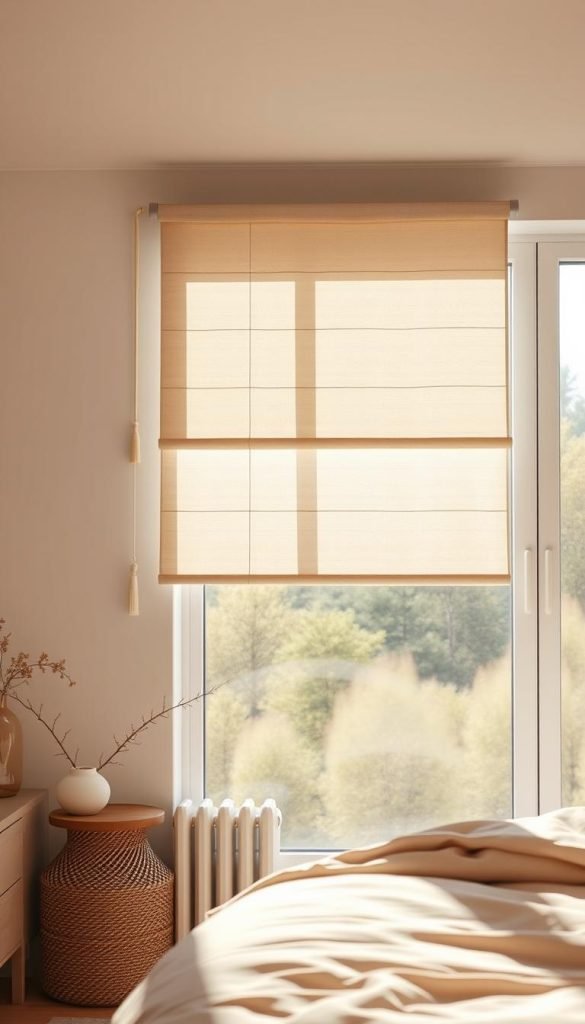
Living spaces and home offices get light filtering treatments that soften daylight and show off texture. These let in glow while keeping privacy during daytime.
Kitchens call for moisture-friendly weaves and lighter densities so light stays bright without harsh glare. For kids’ rooms I default to cordless control for safety and clean lines.
- I keep color consistent across open-plan windows—ivory or dove gray—so a cohesive home emerges.
- Where privacy matters, I add liners or choose higher opacity; for views I pick lighter densities that let light glow.
- Consider orientation: south/west exposures may need deeper opacity than shaded north windows.
Real-world trade-offs with roller shades and how to solve them
My focus is on how a piece performs in everyday life—privacy, light, and ease of use matter most. I accept some compromises with slim profiles and then plan fixes so the result functions like a higher-end treatment.
Managing side light gaps. Inside mounts can leave thin glow lines. I solve this by choosing an outside mount, adding a cassette, or using a bonded liner to tighten privacy and reduce stray light.
For bedrooms I favor an outside mount paired with a blackout roller when possible. In tight frames I use an inside mount plus a slim cassette to hide the roll and darken the head of the window.

Insulation trade-offs and where rollers still win
Roller panels don’t insulate like cellular options. Still, they win for slim sightlines, modern style, and easy cleaning in small space or wet rooms.
If winter drafts worry me I layer a thermal curtain over the shade. That keeps the textile look upfront while improving warmth.
“A well-planned install often fixes more light leaks than an upgrade in fabric.”
- Quality installation—level brackets and correct width deductions—cuts gaps more than small fabric changes.
- Denser weaves and deeper colorways improve daytime light control without losing the linen-style texture.
- For street-facing rooms I use light-filtering fabrics for daytime privacy, and blackout liners for true night dark.
- Smart controls keep hard-to-reach units used, so the shade actually delivers daily function.
| Issue | Simple fix | When to use | Result |
|---|---|---|---|
| Side light gaps | Outside mount or cassette | Bedrooms, media rooms | Better privacy and fewer glow lines |
| Poor insulation | Layer thermal drapery | Cold windows, older frames | Improved warmth, kept slim look |
| Daily access problems | Motorized or cordless controls | Tall or awkward windows | Consistent use and ease |
| Moisture areas | Moisture-tolerant weave | Kitchens, bathrooms | Durable, easy clean surface |
Where I shop for deals: samples, shipping, warranties, and price guarantees
My shopping routine starts with samples and price guarantees so I can confirm fabric and avoid surprises at delivery.
I always order free samples to check texture and color in my home light. A swatch tells me whether a fabric will read as a woven surface or look flat under bright windows.
Free shipping and quick production matter when I outfit multiple windows. Affordableblinds ships from San Diego, offers free shipping in the contiguous U.S., and runs steep discounts that nudge prices toward my target.
I also weigh warranties and fit policies. Blinds To Go has a lifetime warranty and nationwide stores. The Shade Store offers showrooms and professional measurement and installation when I need extra help.
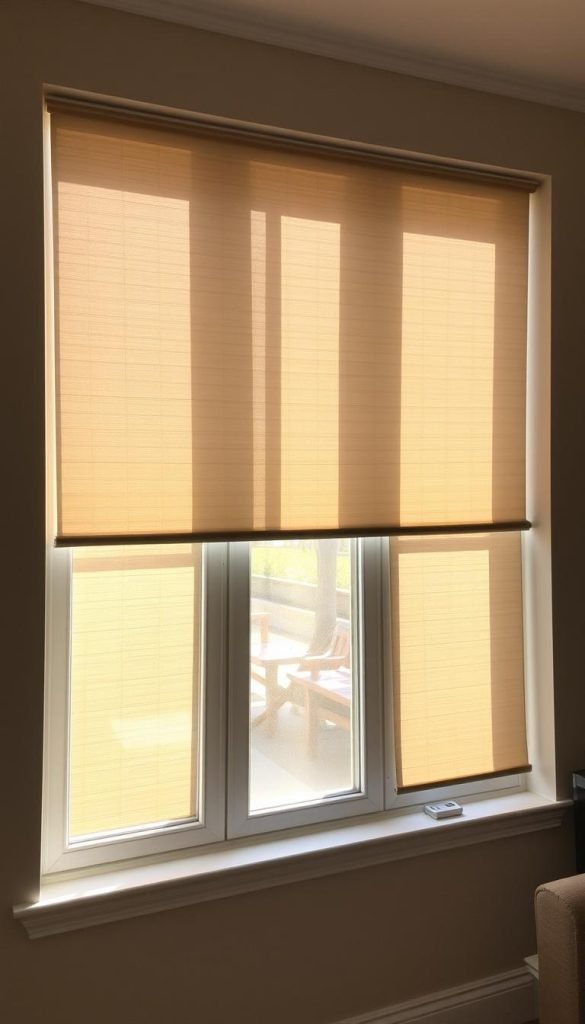
Order free samples to nail the texture and color match
I compare swatches side-by-side with curtains and furniture. This step avoids returns and helps me choose the right control and hardware color for consistent privacy and light management.
Free shipping, fast lead times, lifetime guarantees, and 110% price promises
Price guarantees like a 110% match let me watch sales and still buy with confidence. I use Worry-Free Fit policies as a safety net for tricky measurement situations.
- I check clear measurement instructions to get the right fit the first time.
- I balance product quality with promotional pricing and shipping speed.
- If in doubt, I use live chat or visit a showroom to verify fabric and control options.
“Samples plus strong guarantees make an entry-price shade feel like a safe long-term choice.”
Conclusion
A few smart moves let an entry-level fabric read like a tailored treatment.
If you love that textured linen vibe, focus on fabric realism, the right light control, and a neat installation. Affordableblinds, The Shade Store, and Blinds To Go all offer free samples, clear measuring help, and solid policies that make this realistic on a budget.
For living rooms pick light-filtering roller shades; for bedrooms choose a blackout roller or blackout roller shades for true darkness. Go cordless for safety, or use continuous loop and simple smart controls on tall windows.
Measure carefully, match colorways, and add a cassette or matching bottom rail to lift the overall style. With smart selection and straightforward installation, you get tailored style and daily function across every room and window.