How do I stop my picture frames from leaving black marks on walls?
I see those dark outlines behind a frame and want a fast, sensible fix. I start by checking whether the spot is dust-free or faded by light. That tells me if cleaning will work or if repainting is needed.
When dust hides under a frame, I dust first, then use a microfiber with warm water and a mild detergent. I spot test a hidden area, wipe gently, rinse, and pat dry to avoid paint damage.
If UV exposure caused discoloration, I prime and repaint, feathering the edges for a smooth blend. For color matching, I either bring a tiny chip to a store match or try a well-lit photo match.
Prevention matters: I add rubber bumpers, hang into studs or anchors, and use adjustable hooks so I don’t make new holes every time. For flexible displays, I switch to picture rail or gallery tracks to reduce repeated wall stress.
Key Takeaways
- Assess whether the spot is dust or sun-faded before acting.
- Clean gently with a microfiber and mild detergent; always spot test.
- Prime and repaint if UV has changed the paint color.
- Use bumpers, studs, or anchors to prevent scuffs and spread load.
- Try a color-match chip or good photo match when original paint is missing.
- Consider rails or gallery tracks for flexible, low‑damage hanging.
Why picture frames leave marks on walls and how I assess the cause
A quick swipe test and a look at daily sun patterns usually reveal what created the outline. I focus on two common causes: grime buildup or gradual change in the exposed paint due to light. A short inspection tells me which route to take.
UV light vs. dirt: two culprits I check
I note whether the covered patch still looks fresher than the surrounding wall after a gentle clean. If cleaning lifts the shade, dirt is the likely issue. If not, long-term light exposure has probably altered the paint color over time.
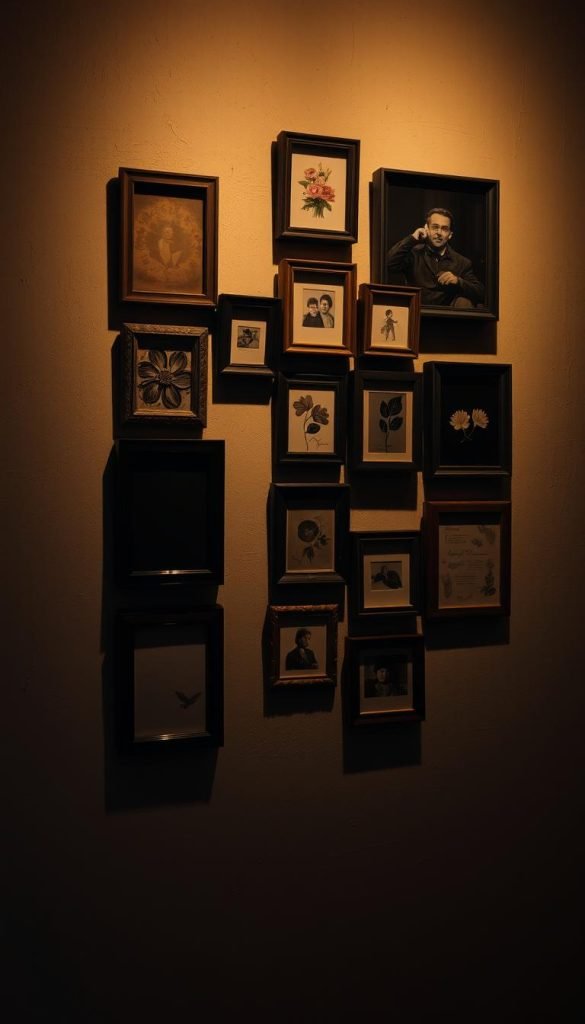
Quick inspection checklist
- Test with a fingertip or microfiber to spot dust on the wall.
- Check paint sheen: flat hides less dirt than satin or eggshell.
- Map how much direct light hits the area through the day.
- Examine contact points where wood or metal frame edges meet the wall for scuffs.
- Try a small clean in an inconspicuous spot; if shade stays different, plan for primer and repaint.
Tip: For step-by-step cleaning and restoration ideas, see this cleaning guide.
How do I stop my picture frames from leaving black marks on walls?
Small buffers and smart hardware change how a frame meets the wall. I focus first on simple protections that cut friction and allow airflow behind the frame. That preserves paint and reduces dark scuffs.
Protective buffers: I stick rubber bumpers on the back corners to make a tiny gap. This keeps wood or metal from rubbing the wall, lowers noise, and helps keep the area dry.
Smarter hanging hardware: I match hardware to the load. A stud finder helps me hit studs for heavy frames and mirrors. When I can’t, I use proper drywall anchors to spread the weight and avoid damage.
Low-impact options: For flexible displays I use picture rail molding or gallery tracks (Track 101 or Track 100 kits) so I can move artwork without making new holes. For very light pieces, adhesive hooks under 5 lbs work well.

Reduce movement over time
I swap loose wire for secure hardware and add Wall Buddies on wide frames to keep them level. Adjustable J-Hooks let me fine-tune height and cut re-hanging, which prevents fresh marks.
- I wipe contact points and bumpers occasionally so dust won’t grind into the paint.
- I clean and dry the area before installing adhesives or tracks so hardware stays put without slipping.
My step-by-step fixes for existing marks without damaging paint
I start with the least aggressive option so the finish stays intact. I remove the frame and any nearby hardware, then dust the covered wall with a dry microfiber to reveal the true condition of the area.
Gentle clean first: mild detergent, microfiber cloths, and spot testing
Mix a small amount of mild detergent with warm water. Lightly dampen a clean cloth and test in a hidden spot. If the paint reacts, stop and rethink.
Wipe the marked area gently without scrubbing. Rinse with a second damp cloth to remove soap, then pat dry. Check in natural light before moving on.
When UV discoloration shows: prime and repaint, plus feathering for better blend
If the shade difference remains after cleaning, treat it as UV-related fading. Clean and let the area dry thoroughly.
Spot-prime the patch, then apply matching paint in thin coats. Feather the edges outward so the transition blends smoothly. Allow each coat to dry before deciding on another.
Color matching tips if I don’t have the original paint
When leftover paint is gone, chip a tiny sample from an inconspicuous place and take it to a color-match counter (Valspar at B&Q accepts a 0.5 cm sample). A well-lit, true-color photo can work if a chip isn’t possible.
“Start small, test first, and give each coat time to dry — patience saves finish and time.”
- Fill small holes with lightweight spackle and sand smooth before priming.
- Protect adjacent wood trim with tape for clean edges.
- Reinstall hanging hardware with bumpers to prevent future rubbing.
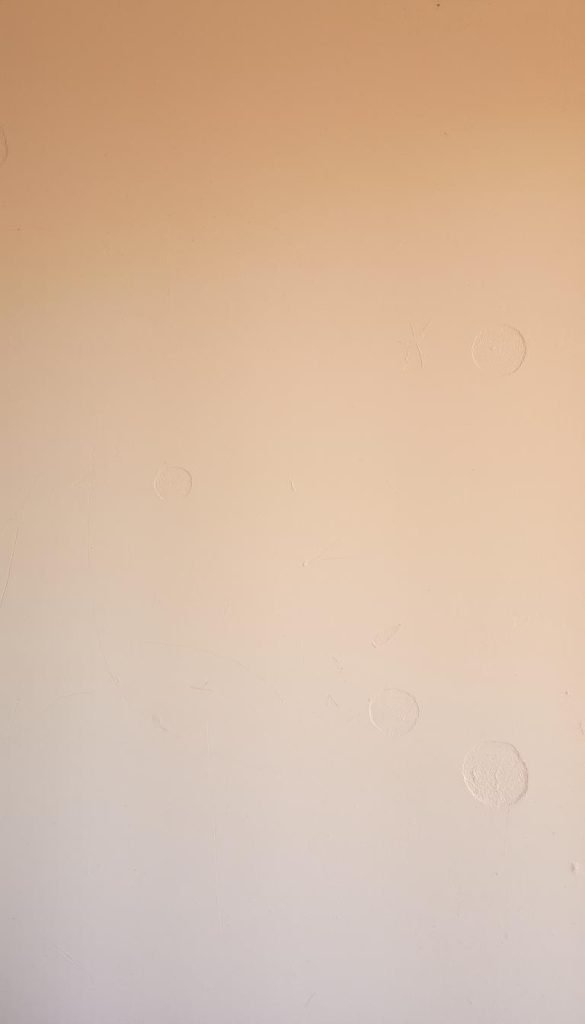
| Step | Action | Why it matters |
|---|---|---|
| 1 | Remove frame and dust area | Reveals whether grime or fading caused the outline |
| 2 | Gentle clean, rinse, dry | Removes dirt without harming paint |
| 3 | Prime and feathered repaint | Seals and blends faded patches |
| 4 | Color match or chip to counter | Ensures the new paint fits surrounding finish |
Conclusion
A little prevention makes a big difference: choose proper anchors, add rubber bumpers, and allow a small air gap so a frame won’t rub paint. These simple moves guard the wall and make upkeep easier.
Clean first: try a mild detergent and a soft cloth. If the shade stays different, prime and repaint with feathered edges for a smooth blend.
For flexible displays, use picture rail or gallery track so you can move artwork without new holes. For color matching, bring a tiny chip to a paint counter or use a well-lit photo for reference.
Pick one or two upgrades today—bumpers and better anchors are my top picks—and the next refresh will leave the wall looking great.