What’s the ideal coffee table height if my sofa is 19 inches tall?
I write from real-life trial and simple rules. If a sofa seat lands at 19 inches, I aim for a tabletop near 17–18 inches. That keeps daily reach easy and cuts strain when I pick up a drink or book.
Standard coffee table heights grew from long-used ergonomics. Most tables sit between 14 and 18 inches to match common seat depths. I explain why that range works and when you might choose lower or taller pieces.
I will walk you through a quick measurement, a clear rule—match seat height or go 1–2 inches lower—and home scenarios where a low-profile or lift-top makes sense. I also cover how a near-cushion line look keeps a living space balanced and how wrong heights lead to awkward reach or blocked sightlines.
Key Takeaways
- Target 17–18 inches for a 19-inch sofa seat for comfort.
- Standard range (14–18 inches) fits most living setups.
- Choose lower for floor seating; taller or lift-top for work or dining.
- Measure seat height and aim for same or 1–2 inches lower.
- Right height improves reach, sightlines, and room balance.
Quick answer for a 19-inch sofa: target a 17-18 inch coffee table
I test setups in my living room so advice matches real use, not rules on paper. If your seat measures 19 inches from floor to cushion top, a 17–18 inch table height feels most natural.
Why 0–2 inches lower works: Hands move slightly downward to reach a drink. That small drop eases shoulder and wrist strain and keeps the surface below the cushion line for comfortable reach.
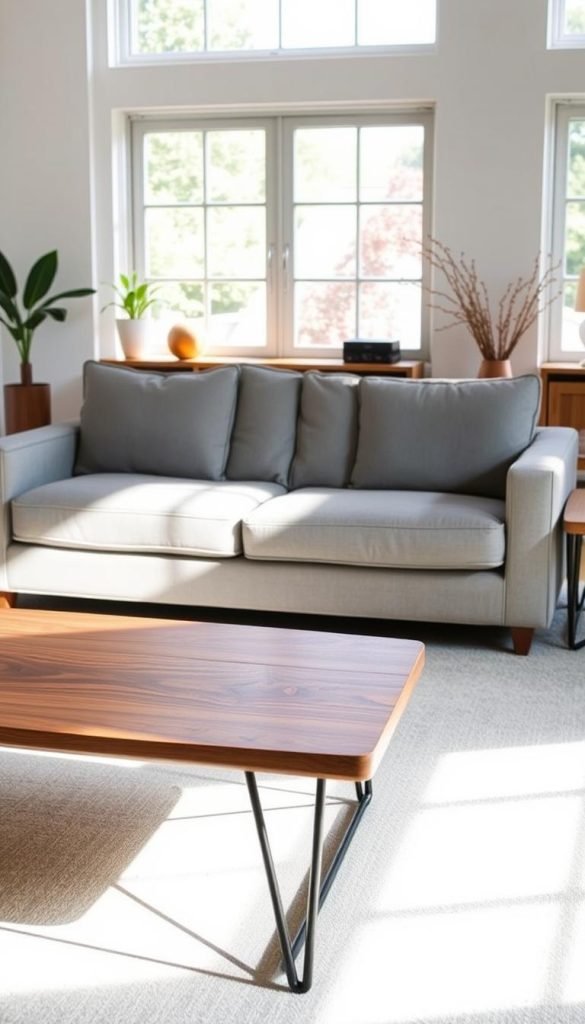
Quick checks: sit, extend your arm, and test two heights. Stack books to 17 and 18 inches to simulate the feel before you buy.
“Match seat or go 1–2 inches lower for relaxed reach and better sightlines,” I tell friends when they shop.
- I use 17 when cushions compress more; 18 for firmer seats or frequent entertaining.
- The common working range is 16–18 inches, but for a 19-inch seat I stick to 17–18 inches.
- If you work at the table often, a level with the seat can be useful; for lounging, a touch lower wins.
| Seat height (in) | Recommended table (in) | Why |
|---|---|---|
| 19 | 17–18 | Ergonomic reach; visual balance below cushion line |
| 19 (firm seat) | 18 | Less compression; easier reach when seated upright |
| 19 (soft seat) | 17 | More compression; keeps surface comfortably low |
How I measure and apply the height rule in my living room
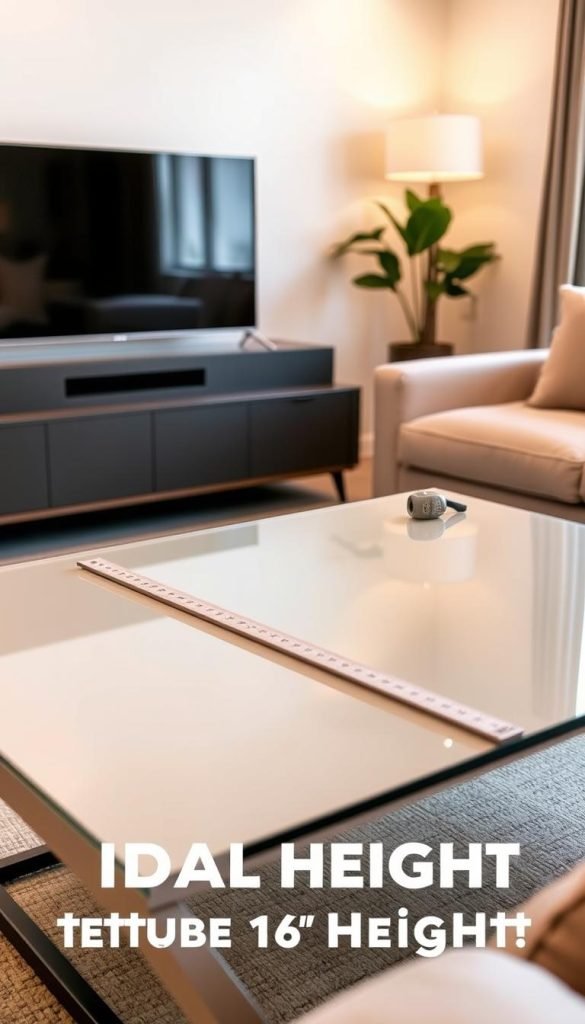
I prefer a simple, repeatable check: measure from the floor to the top of the cushion where I actually sit. That gives a true sofa seat number and avoids guessing from the frame or arm.
Measure twice. I sit down, let the cushion compress, then measure again. Compression can change which table height feels right.
Then I follow one clear rule: match the seat or go 1–2 lower. This keeps reach natural for snacks, drinks, and light work. For example, if my reading shows 19 inches, I try 17 and 18 targets with stacked books and a tray to compare comfort.
- I check nearby pieces so the coffee table doesn’t clash with side surfaces.
- I photograph from sitting and standing to confirm visual balance in the room.
- I note the final target before shopping so function wins over style in the store.
| Measured seat (in) | Target table (in) | Why |
|---|---|---|
| 17 | 16–17 | Low seat; easier recline and reach |
| 18 | 17–18 | Most versatile for lounging and light work |
| 19 | 17–18 | Account for compression; test both heights |
“Match seat or go 1–2 lower to keep reach natural and sightlines clear.”
Standard coffee table heights and what “feels right”
I focus on how a surface feels when I reach for a cup or a book while seated. That simple test tells me whether a piece reads comfortable or off.
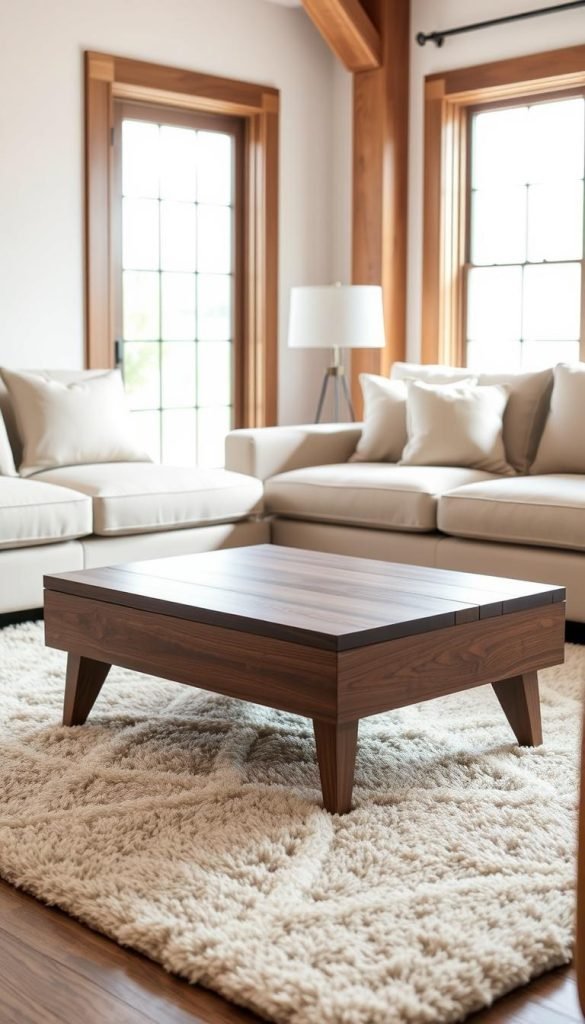
Standard range: most rooms pair best with a 16–18 inch surface. This range works well with common sofa seats and keeps reach natural without bending.
Low-profile options
Low-profile pieces run about 10–14 inches. I choose these for floor seating or minimalist, Japanese and Scandinavian design. They open sightlines but must match truly low seating.
Tall and multi-use pieces
Taller tops sit around 19–24 inches. I pick them for higher seats, recliners, or when a surface doubles as a work or dining spot. Adjustable lift-top designs can extend to 24–26 inches for desk-like use.
- My rule: start with 16–18 for most living setups; drop to 10–14 for low seating; go taller for 20-inch-plus seats.
- I check how size and visual weight fit a room, and I test reach before I buy.
- For more guidance and style picks, I link to a trusted buying guide: coffee table buying tips.
“A surface that sits just below the cushion line tends to look right and feel right.”
| Range | Best for | Notes |
|---|---|---|
| 10–14 inches | Floor seating, low sofas | Airy, minimalist look |
| 16–18 inches | Most sofas, living rooms | Balanced reach and sightlines |
| 19–24 inches | Taller chairs, work use | Better for ergonomics and accessibility |
When I break the rules based on how I use my space
I adjust table choices to match how a room actually gets used, not just a guideline on paper. Small shifts in size change comfort and function more than style alone.

Lounging and feet-up comfort: go a bit lower (14–16 inches)
Lower tops feel right for lounging. A 14–16 inch surface lets me put feet up without awkward reach. Deep, sink-in seating pairs well with this size for true comfort.
Hosting, snacks, and board games: go slightly taller (18–20+ inches)
Taller pieces make snacks, drinks, and games easier to use. When I host, I pick 18–20 inch or taller options so items sit close to hand and guests don’t bend forward.
Accessibility and taller adults: prioritize higher tables for reach
I consider who uses the room most. Taller adults and people with limited mobility often prefer a higher surface. A taller top works better with big armchairs, recliners, and upright seating.
I always test both feels. I stack books or trays to simulate each size and spend an evening with that mock setup before I decide.
| Use case | Recommended range (in) | Why it works |
|---|---|---|
| Lounging, feet up | 14–16 | Low reach, relaxed posture, suits deep seating |
| Entertaining, dining, games | 18–20+ | Items closer to hand, reduces bending |
| Accessibility, taller users | 18–22 | Easier reach from higher seats and recliners |
“My needs and habits are the rulebook; they justify going lower or higher.”
Room size, layout, and flow: dialing in the right table height
I let flow and furniture scale guide which surface size fits a space. Small and large rooms demand different choices so a table reads right and feels useful.
Small living areas benefit from lower tops around 14–16 inches and visually light design. A glass top or slim metal base reduces bulk and keeps sightlines open. This approach makes tight spaces feel airy and prevents a crowded walk path.
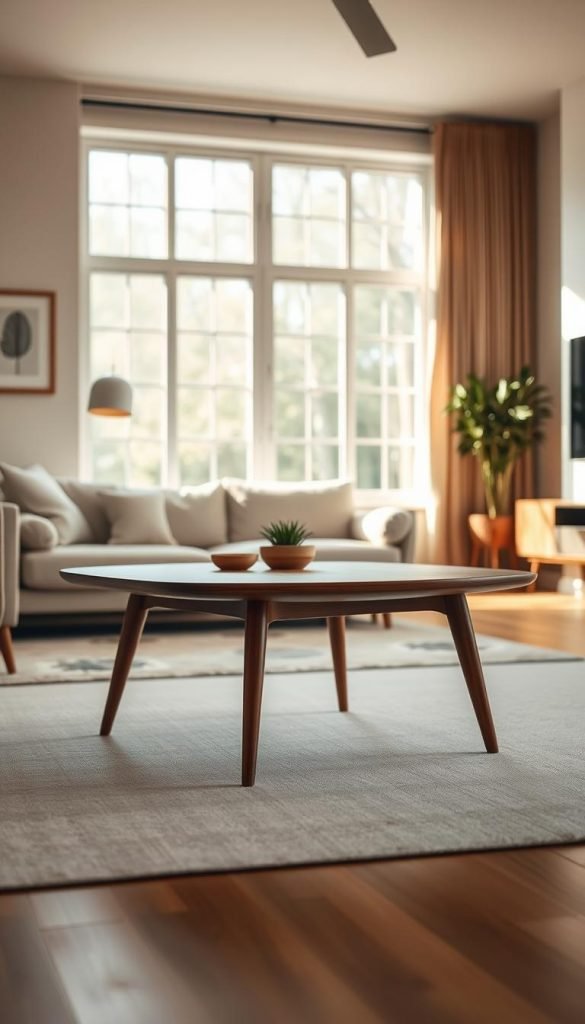
Large or open rooms: anchor with scale
In bigger rooms I pick slightly taller pieces, around 18–20 inches, with a stronger build to anchor seating. A more substantial form balances high ceilings and a big sectional so the area reads intentional.
- I leave at least 24 inches—ideally 30–36—between table and seating to keep traffic smooth.
- I match table scale to nearby furniture; taller sideboards call for a bolder center piece.
- I test sightlines from couch and accent chairs so proportions work from every seat.
“Good flow makes any table feel better; measure clearance and scale before you buy.”
| Room size | Suggested range | Why |
|---|---|---|
| Compact rooms | 14–16 inches | Light visual weight, open sightlines |
| Large or open rooms | 18–20 inches | Anchors seating, balances tall furniture |
| Any space | Clearance 24–36 inches | Comfortable flow and access |
Matching styles: design-driven height choices that balance the room
I begin by picturing how a surface will sit within the room and then check numbers.

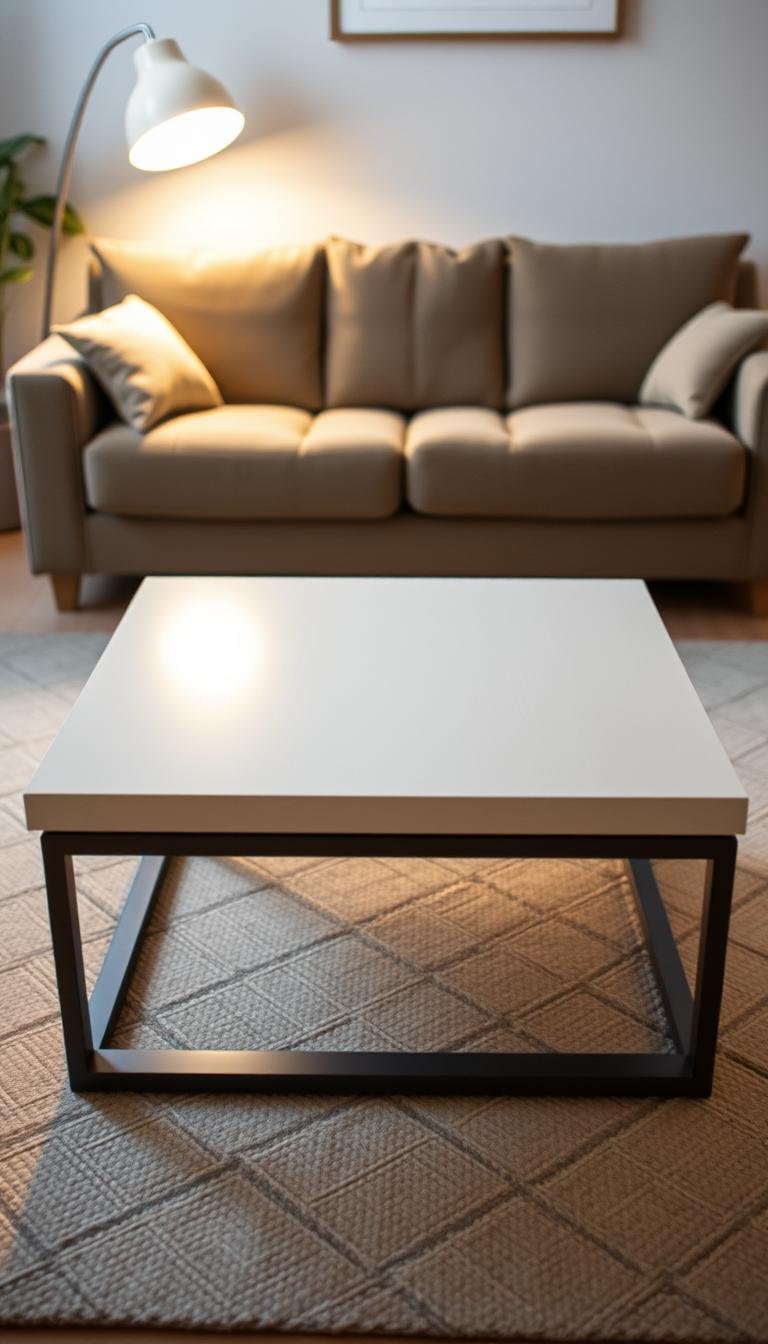
Modern and Scandinavian living rooms: I pick 14–17 for clean-lined setups. Low, light profiles suit relaxed seating and let wood or metal legs show. That design choice keeps a calm, airy living vibe.
Traditional and industrial spaces
I move to 16–19 where weightier materials need balance. A heavier top reads right with leather sofas and solid sideboards. This size keeps reach comfortable and maintains visual proportion.
Japanese and minimalist aesthetics
Very low surfaces, about 10–14, work best for floor seating. They nearly disappear in small spaces and focus attention on minimal furniture and open floor. I prefer this when I want quiet, horizontal lines.
- I always measure seat height so style does not sacrifice comfort.
- I check how a chosen size pairs with chairs and accent pieces for a cohesive family of furniture.
- I tweak an inch or two to satisfy both design and daily use.
| Style | Suggested size (in) | Why |
|---|---|---|
| Modern / Scandinavian | 14–17 | Light silhouettes, relaxed seating, visual air |
| Traditional / Industrial | 16–19 | Sturdy materials, upright seating, balanced scale |
| Japanese / Minimalist | 10–14 | Floor seating, low profile, unobtrusive look |
Special features that change coffee table height
When a surface can lift or hide storage, its measured role in a room often shifts. I check how added functions affect daily comfort and how they match my seating.

Lift-top and adjustable tables for dining or work
I consider a lift-top when I need a quick dining or laptop station. Most lift mechanisms sit around 18–20 inches by default and rise to roughly 24–26 inches for dining or desk use.
Practical checks: feel the default level with your arm extended, test stability raised, and confirm smooth action. If dining happens often, a taller lift pays off.
Storage shelves and drawers: why they often sit taller
Drawers and lower shelves add framing, which usually pushes the piece into the 17–19 inch zone or higher. That extra bulk brings utility but can crowd a small living area.
- I check default table height first so the unit pairs with my seat and couch.
- I balance utility against visual weight—storage is useful, but it must fit the space.
- I verify cable management, soft-close hardware, and wobble-free lifts before buying.
“Choose the feature you will use most—dining or daily lounging—and let that guide the final size.”
| Feature | Default range (in) | Raised / impact |
|---|---|---|
| Lift-top | 18–20 | Raises to ~24–26 for dining or work |
| Storage (drawers) | 17–19+ | Increases visual bulk, adds utility |
| Adjustable legs | Variable | Useful for uneven floors and mixed seating |
What’s the ideal coffee table height if my sofa is 19 inches tall?
I measure practical comfort, then tune numbers so a surface feels right from every seat. I start by measuring sofa seat from floor to cushion top, then subtract 0–2 inches for optimal reach.
My quick calculator: 19-inch sofa seat → 17–18 inch table
Simple rule: measure seat, subtract 0–2 inches. For a 19-inch seat that lands on a 17–18 target for everyday lounging and easy reach.
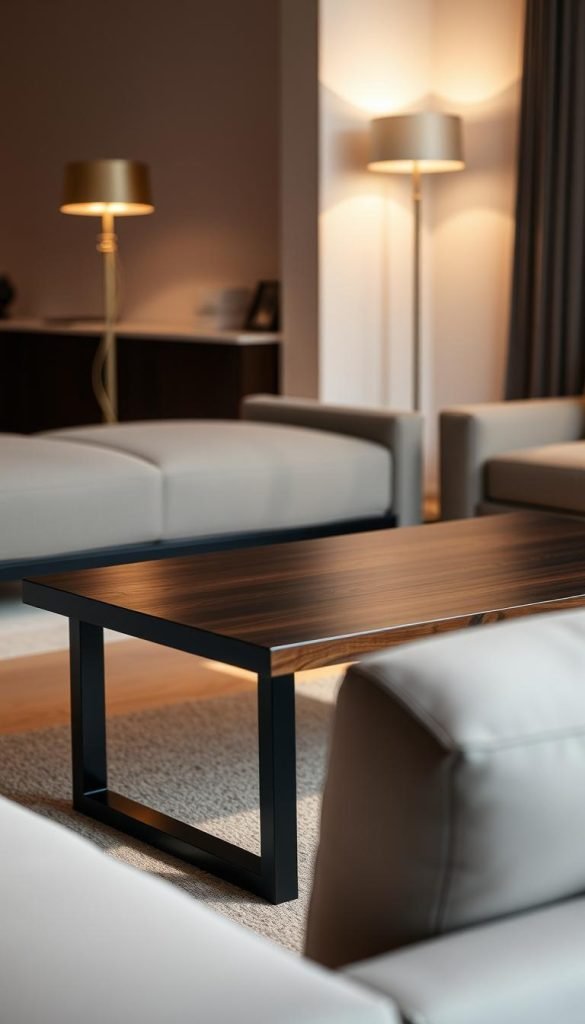
Real-world examples: inches lower, same height, and inches higher
- At 17 (inches lower) reach feels relaxed—great for movie nights and feet-up lounging.
- At 19 (same height) the surface works like a temporary desk and reduces hunching while I type.
- At ~20 (inches higher) I use it for games or heavy hosting, or when seating is taller or needs accessibility.
| Scenario | Recommended table | Why |
|---|---|---|
| Lounging | 17–18 | Comfortable reach; below cushion line |
| Desk-like use | 19 | Reduces hunching for short tasks |
| Hosting / accessibility | 20+ | Closer to hand for dining or taller users |
I test stacked books and sit in different spots before I buy, then note my final pick so I don’t second-guess it.
Conclusion
I boil this down to one simple rule that I follow before any purchase.
Measure seat height, then pick a surface at the same level or 1–2 inches lower for everyday comfort. For a 19-inch couch seat, aim for 17–18 inches to balance reach, sightlines, and room feel.
Bend the rule when needed: go lower (14–16) for lounging and floor seating, or taller (19–24+) for dining, work, and accessibility. Adjustable lift-top designs help when multi-use matters.
Keep 24–36 inches of clearance around the piece for good flow, match nearby surfaces for a cohesive look, and test with stacked books before buying.
For a quick buying guide and style tips, see this best coffee table guide.
Checklist: measure seat, set 17–18 target for a 19-inch seat, mock it up, then choose the piece that fits how you live.