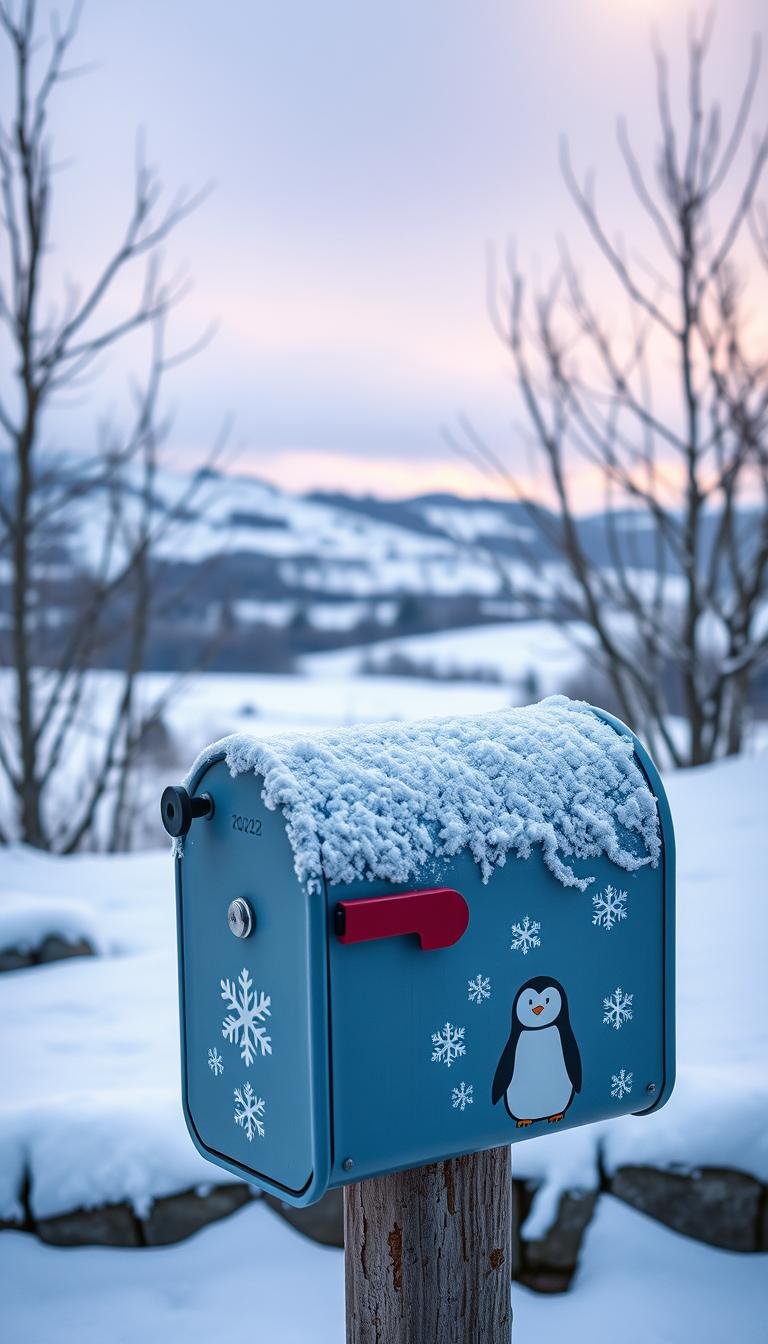
What are the cutest mailbox decals that survive winter salt?
I’m hunting for cute, winter‑tough choices that keep my mailbox looking fresh while slush and grit try their worst. I want numbers that pop from the street and a vinyl graphic that won’t fade, peel, or crack when temps swing wildly.
I balance style and function by picking finishes and fonts that boost curb appeal and aid visibility. Standard vinyl lasts 2–4 years, reflective about 4–6, and marine‑grade often 5–7, so I pay extra for longevity when my address faces road spray.
I’ll show quick product ranges and price brackets from simple single numbers to custom sets on platforms like Etsy, Amazon, and specialty shops. I also preview my cold‑weather install tips—clean well, wait for a dry surface, and use gentle pressure so the decal bonds right away.
Key Takeaways
- Pick vinyl by durability: choose standard, reflective, or marine‑grade based on exposure.
- Size matters: USPS suggests at least 1‑inch high numbers on the approach side.
- Budget guide: $5 for basic numbers, $15–$30+ for custom sets.
- Install right: clean, dry, and press gently for best adhesion in cold weather.
- Look for visibility: prioritize contrast and finish so your address reads from the curb.
My shortlist: the cutest, salt-tough mailbox decals right now
I picked a tight shortlist of weatherproof favorites I’d actually stick on my box this season. These options keep my address legible and look good after road spray and thaw cycles.
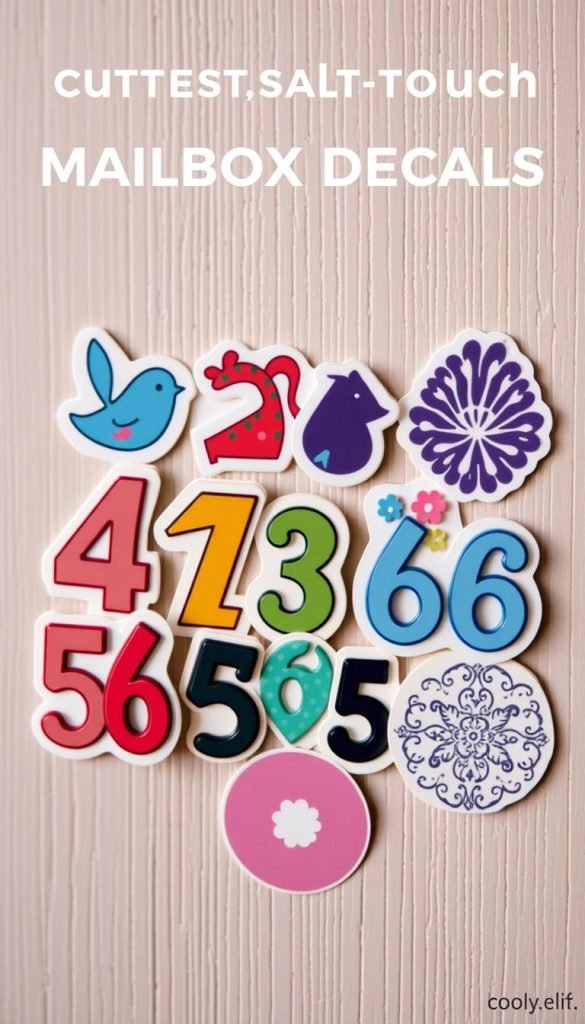
I like Eastcoast Engraving for a clean, modern set. Their waterproof professional vinyl comes in one‑ or two‑side layouts, plus an optional front door number. They include a free practice sticker and clear instructions, with 20+ colors and multiple layout styles.
Dropcap Studio’s Seaside stickers bring bright, weather‑resistant color and a mounting template. They offer digital design help, a lifetime warranty, and free shipping over $250. That warranty makes them my go-to for rough coastal roads.
Reflective vinyl is a must for short driveways and night visibility. I prefer matte finishes where glare on snow is a problem, and gloss when I want a vivid pop from the curb.
- Style options: script and farmhouse that stay legible from the street.
- Two-sided sets: choose them for angled approaches or to hit both faces.
- Budget tiers: from basic stickers to premium, marine-grade-like endurance.
| Product | Key winter benefit | Finish & visibility | Price tier |
|---|---|---|---|
| Eastcoast Engraving | Waterproof, practice sticker, easy install | Matte or gloss; one/two-side layouts | $15–$35 |
| Dropcap Studio — Seaside | Lifetime warranty, mounting template | Vibrant waterproof vinyl, reflective option | $25–$60 |
| Reflective Options (various) | Night visibility when snowbanks hide lights | High-contrast reflective finish | $20–$45 |
| Script & Farmhouse Sets | Legible from curb; stylish curb appeal | Matte for glare control, gloss for brightness | $10–$40 |
How I tested mailbox decals for winter salt and harsh weather
To judge real-world endurance I staged salt spray and freeze-thaw trials on every product I considered. I wanted repeatable results, so I ran the same routines on panels and full boxes. That helped me compare adhesives and film types under stress.
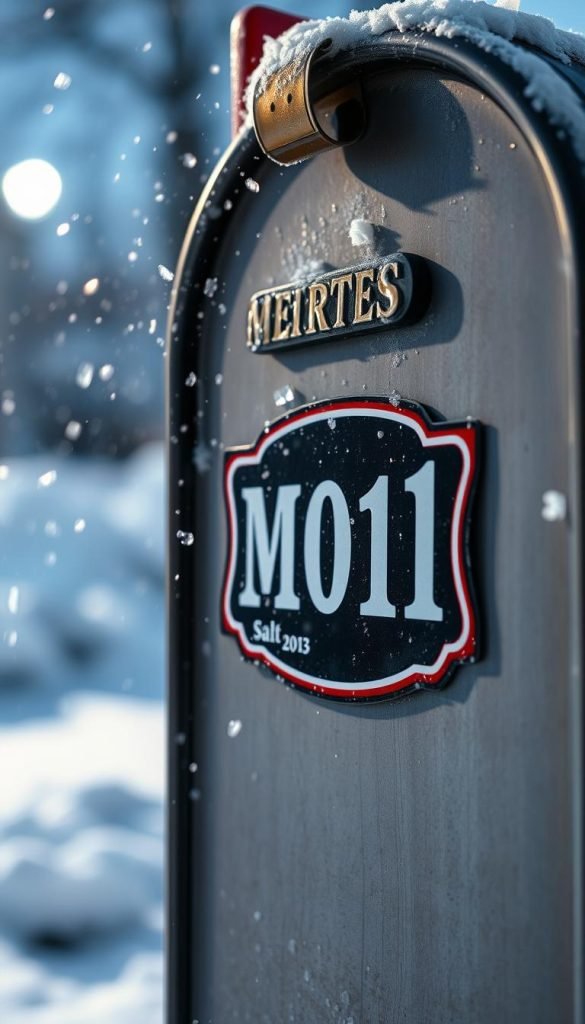
Salt-spray simulation and freeze-thaw cycles
I built a saline mist routine and cycled samples through cold snaps and warm garage sessions to mimic plow season. I also ran simulated rain and snowmelt to catch early blushing or edge lift.
Adhesion checks on metal and plastic
Most sets stick best to smooth, non-porous metal or plastic after an isopropyl alcohol wipe. I checked adhesive grab on painted metal and molded plastic, noting which products set well between 45–55°F.
Fade, peel, and crack inspection over time
I tracked gloss loss and color fade under UV, and watched for cracking along tight curves and door edges. I photographed each stage and ranked survivability by edge integrity, legibility of numbers, and ease of cleanup after a storm.
- Durability note: standard vinyl ~2–4 years, reflective ~4–6, marine‑grade ~5–7.
- Quick tip: avoid extreme temp installs and prep with alcohol for best bonding.
| Test | Focus | Key finding |
|---|---|---|
| Salt spray + freeze | Edge lift, bubbling | Marine-like films resisted lift best |
| Adhesion grab | Metal & plastic | Cleaned surfaces set faster at 45–55°F |
| UV & rain | Fade & sheen | Reflective held night visibility; matte cut glare |
Materials that actually survive salt: vinyl types explained
I dug into film specs so I could tell which finishes actually shrug off road spray and freeze‑thaw cycles.

Standard outdoor vinyl vs reflective vinyl
Standard outdoor vinyl balances cost and durability. It normally lasts about 2–4 years and works well if you refresh your look every few seasons.
Reflective vinyl adds a microprismatic layer that helps headlights pick up your number at night. Expect roughly 4–6 years of usable life in snowy areas.
When marine‑grade vinyl is worth it
I recommend marine‑grade for frequent salt spray, south‑facing exposure, or long winters. It’s waterproof and UV resistant and often reaches 5–7 years.
Real benefit: less edge lift, fewer hairline cracks, and stronger stain resistance after repeated road treatment.
UV resistance and waterproof ratings that matter
| Type | Key traits | Typical lifespan |
|---|---|---|
| Standard vinyl | Cost‑effective; flexible | 2–4 years |
| Reflective vinyl | Night visibility; stiffer feel | 4–6 years |
| Marine‑grade | Waterproof; UV‑stable | 5–7 years |
- Tip: thicker film resists abrasive crystals but clean before applying to avoid trapped grit.
- Quick checklist: look for weather‑resistant, waterproof, and UV‑protected specs on the product page before you buy.
What are the cutest mailbox decals that survive winter salt?
I hunt for numbers and graphics that balance neighborhood curb appeal with real-world weather toughness. I want a sweet look that still reads from the street and holds up through slush and road spray.

Balancing style with durability in real-world conditions
I define “cute” as something I enjoy each day and that keeps numbers crisp after storms. Script fonts add charm, but bold sans‑serif options win for distance legibility.
Reflective vinyl boosts low-light pickup for rural entrances. I prefer matte finish when snow glare is an issue and gloss when I want extra pop without losing durability.
Why fonts, colors, and finishes affect longevity
- I check stroke thickness so thin lines don’t lift at the edges.
- I test adhesive strength; a lovely design fails if edges peel.
- I choose high-contrast pairings so numbers stay readable on dark or light boxes.
- I favor two-sided sets and matching door tags for complete approach visibility.
| Trait | Best pick | Why it matters |
|---|---|---|
| Font | Bold sans / readable script | Legibility at a distance |
| Finish | Matte or reflective | Glare control and night visibility |
| Film | Marine‑grade or reflective | Edge hold and UV resistance |
I rank each product on those traits before I add it to my page of recommendations.
Sizing and visibility: cute, readable, and USPS-friendly
I measure panels and door areas carefully so numbers look balanced and read well from the road. I check both flat side panels and the front face before I pick a size or layout.

Measuring curved and flat-top boxes
For curved tops I measure the flattest side panels and the door. Leave a small margin so the design doesn’t crowd edges. That margin reduces edge lift and makes the finish last.
Number height, placement, and approach-side visibility
USPS recommends at least 1‑inch high numbers on the side or front that faces approaching traffic. I often choose larger sizes for long driveways or fast streets.
- I map the approach side and place numbers where drivers actually see them first; sometimes I add a small door tag for short setbacks.
- I account for curvature to avoid warping tall digits; two lines can beat one skinny string.
- I test spacing with painter’s tape to preview the look from the street before pressing permanent stickers.
- I pick high-contrast options and reflective accents for low light and snowy conditions.
“Good sizing makes a tiny graphic read like a clear address signal from the curb.”
Top modern minimalist number decals that shrug off salt
I favor stark, modern digits that read clearly from the road even after a night of plow spray. My picks focus on clean sans‑serif art, high contrast, and durable film so the look stays crisp through freeze‑thaw cycles.
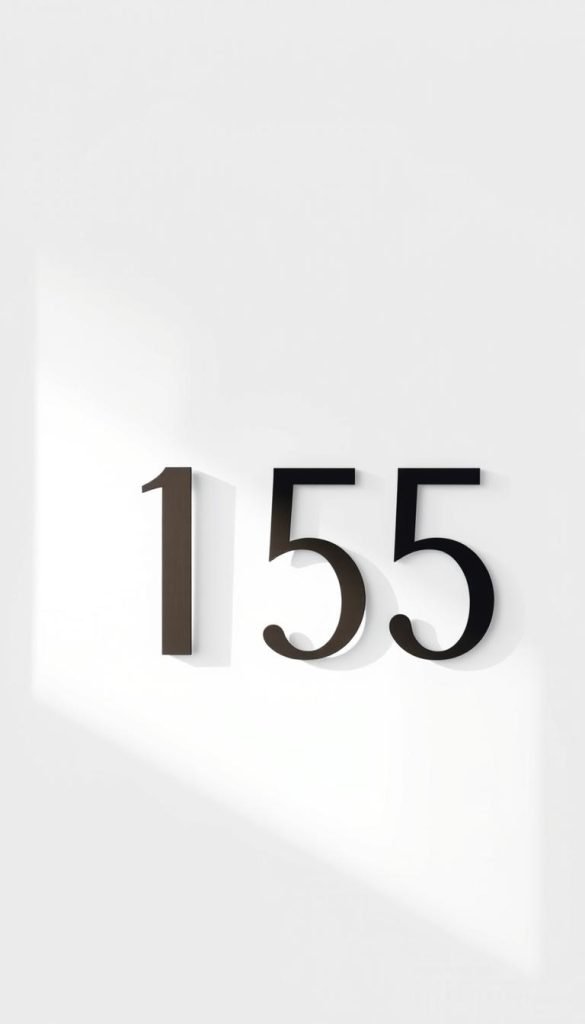
Clean sans‑serif options with high contrast
I round up sets with generous stroke weight so each number holds its edge in slush and grit. White on charcoal and black on white are my go‑to combos for instant legibility.
Reflective vinyl for night visibility in snow
Reflective vinyl enhances nighttime readability and usually lasts about 4–6 years. I favor small reflective accents on minimalist stickers so they stay subtle by day and pop under headlights at night.
- I pick two‑sided layouts for consistent curb appeal on both faces.
- I prefer matte where snow glare is an issue, and gloss when I want extra pop.
- I verify adhesive strength from my tests so the number sets do not curl as temps drop.
- Eastcoast Engraving often meets these needs with high‑contrast color choices and multiple layouts for metal or plastic.
| Trait | Why it matters | Typical lifespan |
|---|---|---|
| Reflective vinyl | Night pickup; subtle daytime look | 4–6 years |
| Bold sans digits | Distance legibility | 2–5 years (film dependent) |
| Two‑sided sets | Balanced modern appearance | Replaces as needed per season |
Charming script and farmhouse styles with winter-ready adhesive
I favor script and farmhouse faces when I want charm that still reads from the street. Script fonts deliver elegance, but visibility stays key. I balance flourish with function so letters remain clear after storms.
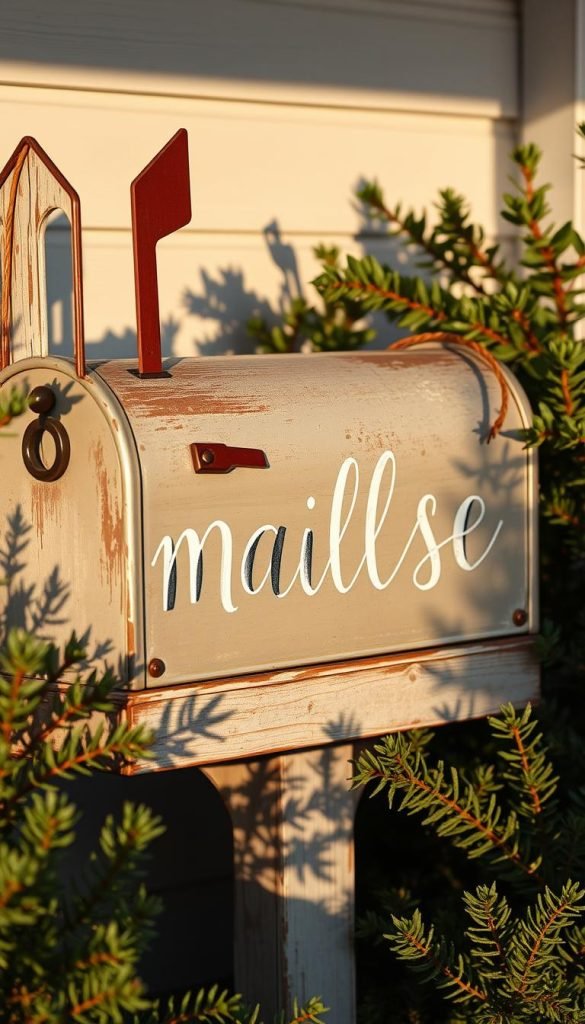
Script choices that stay legible at a distance
Pick thicker strokes and open counters. Thin swashes snap into lines from far away, so I choose scripts with fuller shapes. That keeps each letter readable from a driveway or sidewalk.
I pair script house names with bold numbers so charm does not compromise USPS visibility. I test curved doors to confirm tails and loops do not lift where the film bends.
Matte vs gloss for glare control in snow
Matte reduces glare when sun reflects off snow. I lean matte for bright, exposed spots and save gloss for shaded or covered entries.
Adhesive matters. I apply stickers to smooth, non‑porous surfaces after an alcohol wipe. That simple prep keeps edges flat and extends product life.
- I pick script faces with thicker strokes and open counters so letters don’t blur from the curb.
- I lean matte when winter sun bounces off snow to keep flourish readable.
- I verify adhesive on curves so delicate tails don’t lift first.
- I prefer sets with alignment guides to keep flowing letters straight across rounded doors.
- I pair script names with bold numbers for charm plus legibility on the page and at the curb.
| Trait | Why I prefer it | Quick pick |
|---|---|---|
| Thicker script strokes | Maintain letter shape at a distance | Robust cursive faces |
| Matte finish | Cut glare on snowy days | Matte waterproof vinyl |
| Strong adhesive | Stops edge lift on curves | Alcohol prep + film-rated glue |
“A flowing script should charm from close up and read clearly from the road.”
Coastal and colorful mailbox stickers with all‑weather proofing
I favor seaside palettes that keep their pop after slush and roadside spray. Dropcap Studio’s Seaside Mailbox Stickers stood out in my checks: vibrant inks, waterproof film, and a lifetime warranty make them an easy pick for coastal curb appeal.
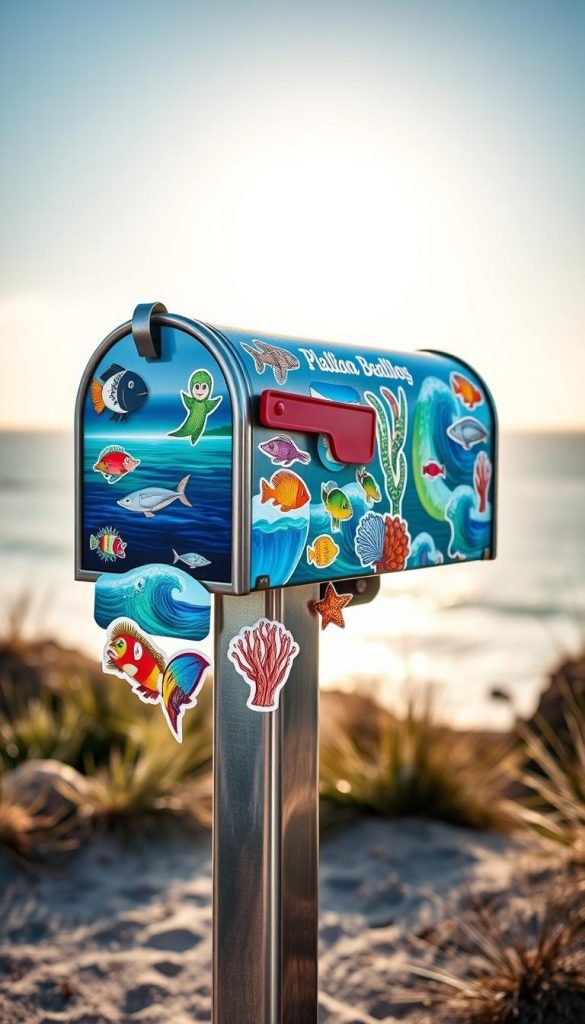
Vibrant palettes that resist fade and peeling
I test colorfastness by running salt‑spray cycles and UV exposure on each product. The Seaside line kept blues and corals truest while glossy greens showed slight matte shift only after extended UV.
Anti‑peeling edge performance matters most on curved faces. Seaside’s thicker vinyl and reinforced edges resisted fraying where tails and fine motifs meet tight curves.
Lifetime‑warranty options for long‑term peace of mind
Warranty and fit make installation stress‑free. Dropcap includes a mounting template and promises coverage for life, plus free shipping over $250.
- I highlight bright palettes that don’t chalk or fade fast.
- I recommend pairing bold color with simple type so the address stays readable.
- I note which hues survived salt spray and which showed early peeling.
- I verify the vinyl film conforms on rounded doors and tolerates cool installs.
- I suggest rinses and gentle cleaners to keep saturation season after season.
| Product | Key trait | Why it helps |
|---|---|---|
| Dropcap Seaside | Lifetime warranty + mounting template | Confidence in long run; easy alignment for multi‑color sets |
| Coastal palettes | Colorfast inks on thicker vinyl | Resists chalking and fades from UV and spray |
| Reinforced edge film | Anti‑peeling finish | Prevents motif fray on curves and doors |
I added notes on each product to my page so you can compare hues, number placement, and maintenance tips before you buy.
Custom versus pre‑made: which decals last longer in winter?
I weigh personalization against speed and cost to choose the best result for my entry and budget.
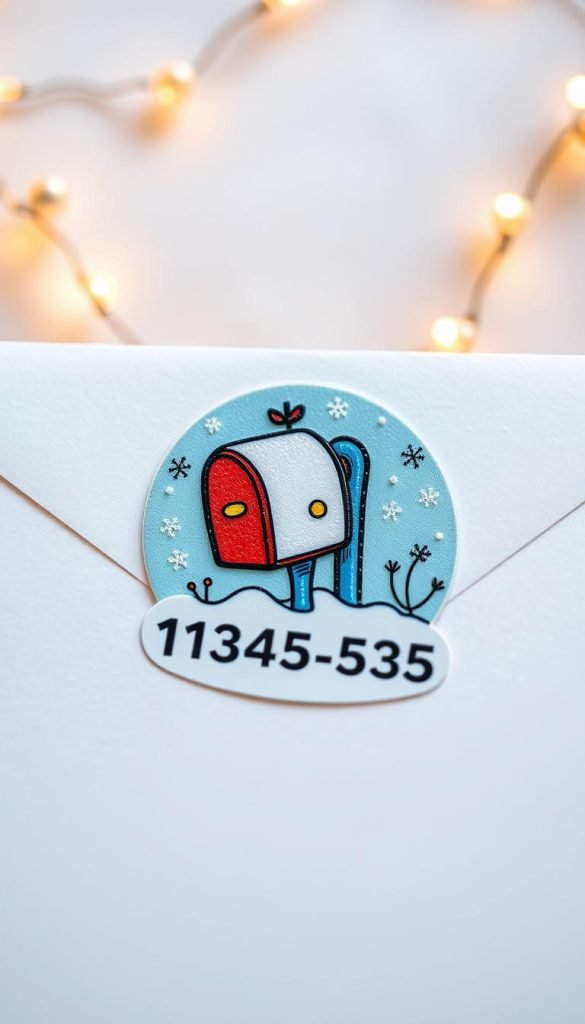
Turnaround, price, and durability trade-offs
Custom work lets me pick font, exact size, and color to fit tight panels or a family name. It often costs more and ships slower, but it can improve kerning and visibility on small surfaces.
Pre-made sets ship fast and start around $5 for single numbers. Custom sets usually fall into the $15–$30+ range depending on film and finish.
When to choose two-sided sets and door numbers
I recommend a two-sided set for corner lots and angled drives. Add a small door number or tag if delivery faces the front.
- Film quality mattered more than custom vs stock in my tests.
- Order a swatch if your box paint is unusual.
- Expect longer lead times during peak seasons; plan before the freeze.
| Choice | Benefit | Price range |
|---|---|---|
| Pre-made set | Fast, budget-friendly, template help | $5–$25 |
| Custom product | Perfect fit, optimized spacing | $15–$60+ |
| Two-sided + door tag | Better visibility from multiple angles | $20–$50 |
Easy installation in cold weather: how I get bubble‑free results
Cold installs can spoil a perfect finish, so I follow a simple routine to keep bubbles out and edges tight. A calm hour and a few tools make a big difference on this page.

Surface prep: alcohol wipe, dry time, and positioning tape
I start with a thorough wipe using isopropyl alcohol to remove dust and oils. Let the surface fully dry before you touch it.
I use low‑tack positioning tape as a hinge so the decal lands exactly where I want it on the door face. This keeps alignment steady while I peel the backing.
Applying in cool temps without compromising adhesion
If temperatures dip, I warm the mailbox slightly with body heat or a warm cloth—never direct high heat. That helps the adhesive activate without harming paint.
Peel the backing gradually and work in sections. I avoid windy or wet conditions and wait for a calm, dry hour so dust and sleet don’t ruin the bond.
Squeegee technique for curved doors and panels
Squeegee from center out in overlapping strokes to push air and trapped moisture away. I take extra care over rivets and curved edges, easing the film so it conforms without stretching.
Tip: gently re‑squeegee edges after 15 minutes and let the sticker cure for 24 hours before washing.
“Prep, patience, and the right squeegee beat bubbles every time.”
- I keep a felt‑edge tool handy because hard plastic can scuff some films.
- Most decals stick best to smooth metal or plastic after an alcohol wipe.
- Final check: press corners, then step back and admire the clean finish.
| Step | Why it helps | Quick action |
|---|---|---|
| Clean | Removes oils that block adhesive | Alcohol wipe; dry |
| Position | Prevents misalignment | Use low‑tack tape hinge |
| Apply | Eliminates bubbles | Center→out squeegee strokes |
Maintenance that keeps decals cute through salt season
I keep upkeep simple. A small, regular routine after storms protects the finish and stops minor issues from growing. I focus on rinse, safe cleaning, and quick spot fixes so numbers stay legible and bright.
Rinse routine after plows and treated roads
I rinse the box with lukewarm water right after plows pass to wash away salt crystals. This prevents abrasive grit from wearing film edges. After a rinse, I blot dry around corners so trapped moisture does not weaken the bond.
Safe cleaners and what to avoid
I use a soft cloth, mild soap, and water for routine cleaning. I avoid abrasive pads, strong chemicals, and high‑pressure sprays that force water under the film. For sun‑baked finishes, I sometimes add a light UV‑protective spray to extend life.
Spot fixes for edge lifting and micro‑cracks
When I spot small lifting, I warm the area slightly with a cloth and press edges back with a clean fingertip. For micro‑cracks on tight curves, I monitor monthly and plan a spring refresh if recovery is unlikely.
“A quick rinse and gentle touch after storms keeps a set looking new through the season.”
| Issue | Why it matters | My action |
|---|---|---|
| Salt crystals | Abrade edges and speed peeling | Rinse with lukewarm water; blot dry |
| Road grime | Stains and dulling | Clean with mild soap and soft cloth |
| Edge lift | Water gets underneath, causes lifting | Warm, press edges; re‑squeegee if needed |
| UV chalking | Color loss and brittleness | Apply light UV spray or choose UV‑resistant vinyl |

I note which product worked best on this page and keep supplies by my entry for quick cleanups after rain or slush.
Where I buy reliable decals: trusted shops and marketplaces
Reliable sources give size charts, practice pieces, and clear return terms so installs go smoothly.
I buy products from dedicated shops when I need precise cuts and guides. Eastcoast Engraving is a favorite because they include a practice sticker and step‑by‑step instructions. Dropcap Studio offers a lifetime warranty and mounting templates for multi‑color sets.
I also use big marketplaces for quick comparisons. On Amazon I filter by verified reviews and material specs. On Etsy I check seller photos, response time, and custom options for unique stickers.

How I vet sellers
- Ratings & photos: I read customer feedback for notes on adhesion and true color after storms.
- Material clarity: I confirm standard, reflective, or marine‑grade before I buy.
- Installation help: I prefer products with alignment tools, templates, or practice pieces.
- Return & warranty: I compare policies and note lifetime or limited warranties.
- Local options: VWAQ and nearby sign shops work well when I need a fast custom size for odd panels.
“Good sellers show closeups, list film specs, and answer questions about height and stroke thickness.”
| Seller | Key benefit | Why I use them |
|---|---|---|
| Eastcoast Engraving | Practice sticker & instructions | Simplifies cold installs; clear size charts |
| Dropcap Studio | Lifetime warranty & templates | Confidence for coastal or high‑exposure addresses |
| Amazon & Etsy | Wide selection & user photos | Fast comparison of products, prices, and reviews |
| VWAQ / Local sign shops | Quick custom sizing | Best for tricky panels or same‑day work |
Quick tip: I message sellers for exact height and stroke thickness if curb visibility matters. I also bookmark reliable pages so reorders and refreshes are fast when I update my address design.
Budget breakdown: from simple numbers to premium sets
I sorted costs so you can match price to performance. Simple products start at about $5 for single digits, while custom sets land around $15–$30 or more.
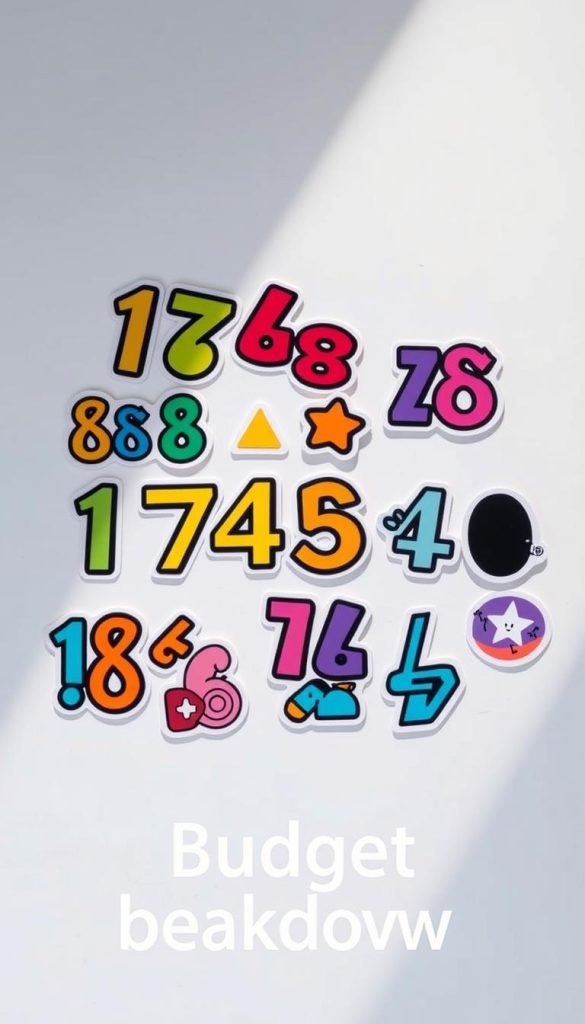
Low-cost path: basic stickers under $10 give clear numbers for short drives. They work well if you plan seasonal refreshes.
Mid-range bundles: often include a two-sided set plus a small door tag for a polished look. I buy these when curb visibility matters year-round.
When to upgrade: choose reflective or marine-grade film if winters are long and gritty. Upgraded product adds lifespan and saves replacement trips.
- Factor accessories: squeegees and templates can be extra if not included.
- Buy spare digits for touch-ups after ice or chipping.
- Watch shipping and shop minimums on custom orders.
| Budget tier | Typical cost | Best fit |
|---|---|---|
| Basic | $5–$10 | Short driveway, seasonal refresh |
| Mid | $15–$35 | Two-sided set + door tag |
| Premium | $30–$60+ | Reflective/marine + warranty |
I included this breakdown on my page so you can weigh upfront price against cost per season and pick a set that fits your address and climate.
Compliance check: HOA rules and USPS visibility standards
Before ordering, I always check local rules so my address looks good and stays legal.
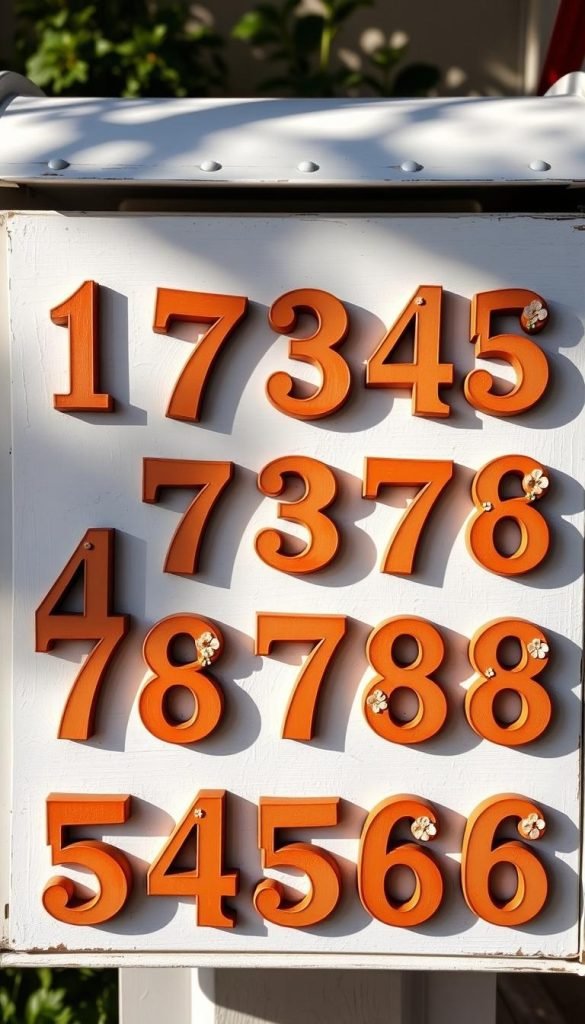
USPS guidance asks for at least 1‑inch high numbers on the side or front that faces approaching traffic. I confirm that placement so carriers can read the number from the street without leaving their vehicle.
HOA rules can limit colors, fonts, and finishes. I scan bylaws or message the board to verify approved signs and any mandated templates before I buy.
- I confirm USPS minimum height and the face that should show toward approaching traffic.
- I check HOA bylaws for allowed colors, fonts, and reflective vs. matte finishes.
- I place digits so carriers see the address from the road without getting out of their truck.
- I document approvals on this page and measure twice to keep the final number within rules.
“Getting sign and style approvals first saves money and avoids rejected installs.”
| Requirement | Why it matters | My action |
|---|---|---|
| USPS height | Legibility for carriers | Use ≥1‑inch numbers |
| HOA design rules | Avoid non‑compliant replacements | Confirm colors and fonts |
| Placement | Visible from street | Test sightlines before applying |
DIY route: making my own vinyl mailbox decals
I cut my own address art when I want exact size, color, and spacing for odd panels. Using a Cricut or Silhouette lets me control stroke weight and layout before I commit to a final set.
Pick outdoor-rated vinyl with waterproof, UV-protected adhesive so the film holds through road spray and sun. I load a durable sheet, set the blade for outdoor film, and test cuts on scrap before the final run.

Cutting, weeding, and transfer tips
I test letter thickness so thin strokes don’t tear while weeding. Keep transfer tape taut and weed slowly so delicate letters and numbers stay aligned. Peel the backing a bit, hinge with masking tape, then squeegee from center out.
Templates, tests, and practice runs
I print a paper template to check spacing and baseline, then try a small sticker on a spare panel, window, or wall to confirm adhesion and finish. I save cut files so I can refresh a single name or digit later without remaking the whole design.
| Step | Tool/Material | Why it helps |
|---|---|---|
| Choose film | Outdoor vinyl | UV & waterproof hold |
| Cut test | Cricut / Silhouette | Blade & pressure dialed in |
| Apply | Masking hinge & squeegee | Bubble-free, aligned finish |
| Practice | Spare panel or window | Confirm backing release & bond |
Editor’s picks: best-in-class decals for cute style and salt resistance
I tested real sets across curbside conditions so my editor’s picks balance charm with true endurance.
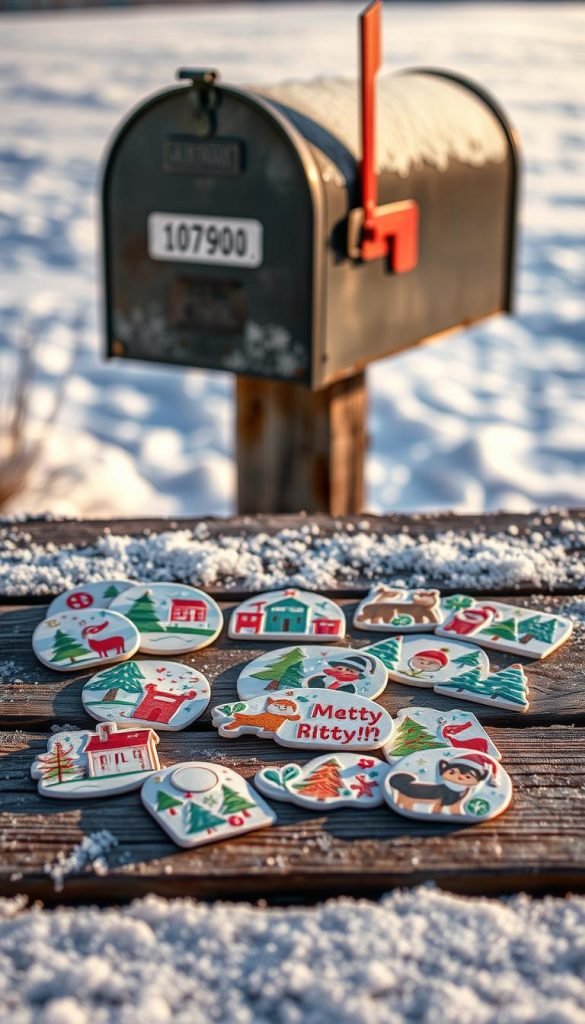
Best overall: balanced style, visibility, and durability
Eastcoast Engraving earns my top spot. Their premium outdoor product offers one‑ or two‑side layouts, an optional door number, and a practice sticker for clean installs.
I pick it for high‑contrast modern lines, strong adhesion on curves, and film quality that resists freeze‑thaw cycles.
Best value: budget-friendly two‑side set
Choose a simple sans‑serif set with an alignment template if you want an affordable, durable look on both faces. This set gives easy installs and clear numbers at a low price.
Best premium: marine‑grade or lifetime‑warranty choice
Dropcap Studio — Seaside stands out for waterproof construction, vibrant stickers, and a lifetime warranty. Pick this product when longevity and colorfastness matter most.
| Pick | Key trait | Why I like it |
|---|---|---|
| Eastcoast Engraving | Practice sticker, multiple colors | Balanced readability and film quality for curbside visibility |
| Budget two‑side set | Simple font + template | Affordable, cohesive look on both faces |
| Dropcap Seaside | Lifetime warranty, marine‑grade option | Best for harsh coastal roads and long winters |
Pair bold numbers with a soft script name to keep your address cute yet readable. I note reflective accents where night visibility is needed and list expected lifespans on this page for easy planning.
Conclusion
I finish with a simple rule: match film to climate, size numbers for curb reading, and install with care. Proper measuring and choosing standard, reflective, or marine‑grade vinyl sets the lifespan you’ll actually get from a product.
I keep USPS guidance in mind and use at least 1‑inch numbers on the face facing approaching traffic so delivery is easy. For long winters or plow spray I favor reflective or marine‑grade vinyl for extra edge hold and night pickup.
Maintenance matters: a rinse‑and‑wipe after storms, gentle soap, and occasional UV protection keep edges tight and color bright. I buy from Etsy, Amazon, specialty decal shops, or a local sign store when I need a perfect fit or fast service.
Pick the look you love, size the numbers for your street, and this small upgrade will refresh your house frontage and make daily deliveries smoother. Thanks for reading — enjoy a cozy, visible, and stylish home all season long.