How do I stop my dog from scratching a leather sofa?
I want to protect my leather couch while keeping my pet happy at home. I focus on prevention over repair. That means choosing practical finishes, quick cleanup, and small daily routines that make a big difference.
I pick semi-aniline or pigmented leather and darker tones for better wear resistance. I trim nails every two to four weeks, offer a cozy bed near the furniture, and keep chew-proof toys handy. These simple moves cut down on impulse marks and attention-seeking behavior.
Routine care pays off: I dust twice weekly, condition quarterly, and test cleaners on a hidden spot. Leather protectors like creams or sprays add a sacrificial layer, and pH-balanced cleaners fix spills fast. With smart choices and steady care, quality furniture lasts in a busy home.
Key Takeaways
- Choose durable finishes and darker colors for resilience.
- Trim nails and offer alternatives to reduce damage.
- Use leather protectors and spot-test cleaners.
- Act fast on spills; routine care preserves suppleness.
- Combine training, covers, and tool-based protection for the best results.
Why dogs scratch leather couches and what that means for your furniture
Noticing when and why paws hit furniture makes prevention much easier. I start by mapping triggers: bursts of excitement, anxious pacing, and bids for attention all create moments when paws land on seat arms and cushions.
Common triggers: excitement at guests, stress when routines shift, and simple attention-seeking during quiet time. I reduce incidents by offering clear alternatives and steady redirection.
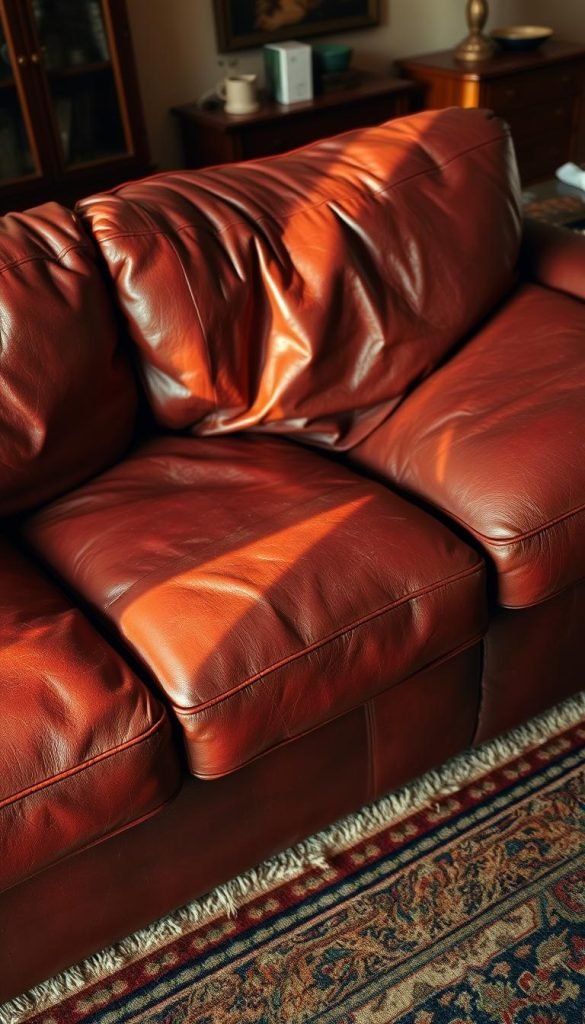
Leather as a material: full-grain and top-grain outperform bi-cast, and pigmented or semi-aniline finishes resist visible scratches better than pure aniline. Matte or lightly textured surfaces hide wear more than glossy ones.
I treat the room carefully: keep the couch away from radiators and direct sun, dust twice weekly, and act fast on spills. A quick fingernail or key test shows which types of leather show marks easily.
- Rotate cushions to limit high-contact wear.
- Use a protector to add a thin sacrificial layer.
- Train calm greetings to cut attention-driven pawing.
How do I stop my dog from scratching a leather sofa? My step-by-step prevention plan
I set clear rules about furniture access and teach a short “place” cue so the couch is by invitation only. I reward calm behavior on a nearby bed and give lots of praise when the dog stays put.
Train clear boundaries with positive reinforcement
Consistency matters: everyone in the house follows the same cue and reward routine. I guide the dog back to the designated spot, reward correct choices, and avoid attention for pawing.
Provide appealing alternatives: beds, blankets, and toy zones near the couch
I place a plush bed and a throw within arm’s reach of the couch. I add favorite toys and practice the “place” cue daily so the new spot becomes the preferred way to gain attention.
Use protectors and covers without sacrificing style
Protective products help during training. I apply a quality leather protector and use an attractive washable cover until habits stick. Pet-safe bitter sprays on edges reduce temptation without harming finishes.
Place furniture deterrents thoughtfully and keep consistency at home
I trim nails every 2–4 weeks and file tips smooth to protect surfaces. I also vacuum and brush to manage fur. Quick cleanup of drool or spills prevents damage to the couch finish.
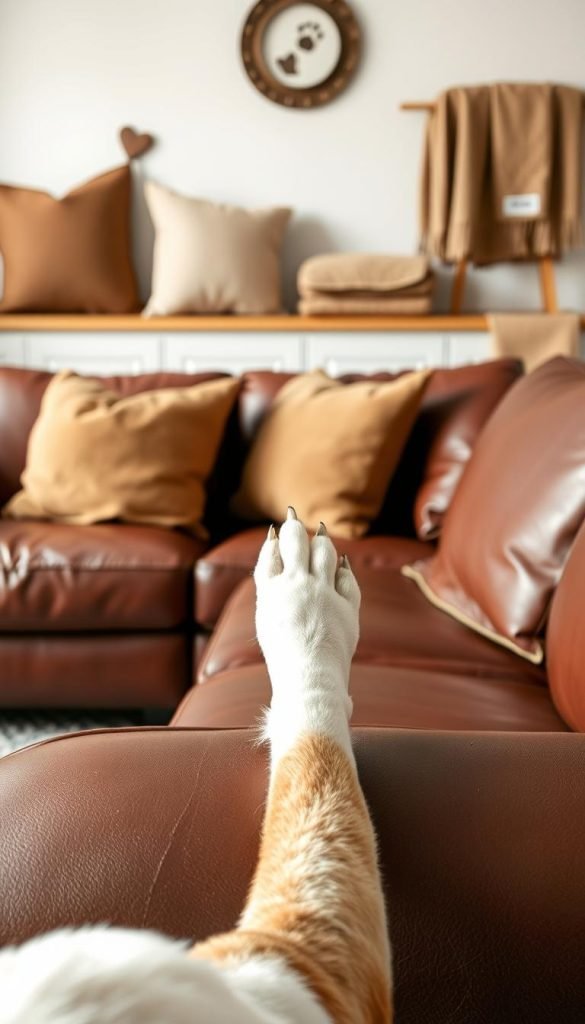
| Step | Action | Benefit |
|---|---|---|
| Train | Teach “place” cue; reward calm | Clear boundary, fewer incidents |
| Alternatives | Bed, blanket, toys near couch | Redirects attention, increases comfort |
| Protect | Leather protector + washable cover | Style retained, wear minimized |
| Routine | Nail trims, vacuum, quick cleanups | Less scratch risk, keeps finish safe |
Choose the right leather and finish for dog-friendly living
I focus on leathers and coatings that balance durability with softness. That choice shapes how well a couch handles daily traffic and the occasional playful jump from a canine companion.
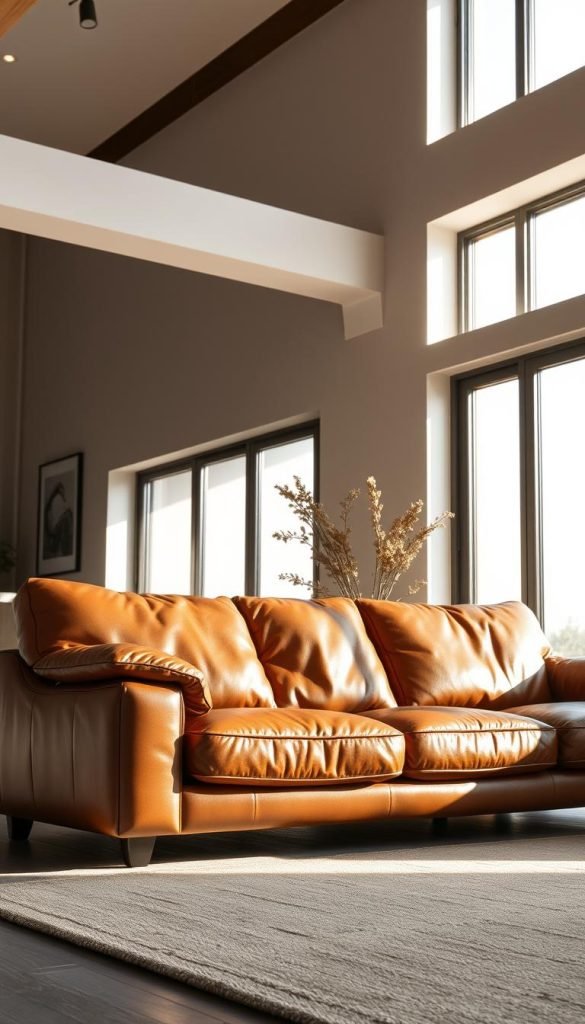
Full-grain, top-grain, semi-aniline, and pigmented: what works best
Full-grain and top-grain deliver long-term strength and character. For homes with dogs, I lean toward semi-aniline or pigmented finishes because they resist scratches and stains better than pure aniline.
Color, texture, and surface protection: hiding scratches and stains
Darker tones and matte or lightly textured surfaces hide small marks and give paws more traction. A dedicated protector adds a sacrificial layer that absorbs micro-abrasions before the finish does.
Quality matters: robust frames, removable cushions, and practical finishes
I choose quality leather and equally stout construction: hardwood frames, reinforced joinery, and removable cushions make cleaning and repairs far easier. Ask the maker for finish details and recommended cleaners so you won’t guess later.
“No material is invincible, but the right choices stack the odds in your favor.”
Nail care and behavior tweaks that dramatically reduce scratches
Trimmed nails and consistent cues make daily life kinder to furniture finishes. I keep a short, recurring schedule so small steps add up.
Trim schedule: I set a reminder every 2–4 weeks. After trimming, I lightly smooth tips with a file so excited taps don’t score the surface. That small finish cuts the chance of visible scratches and slows wear on the couch.
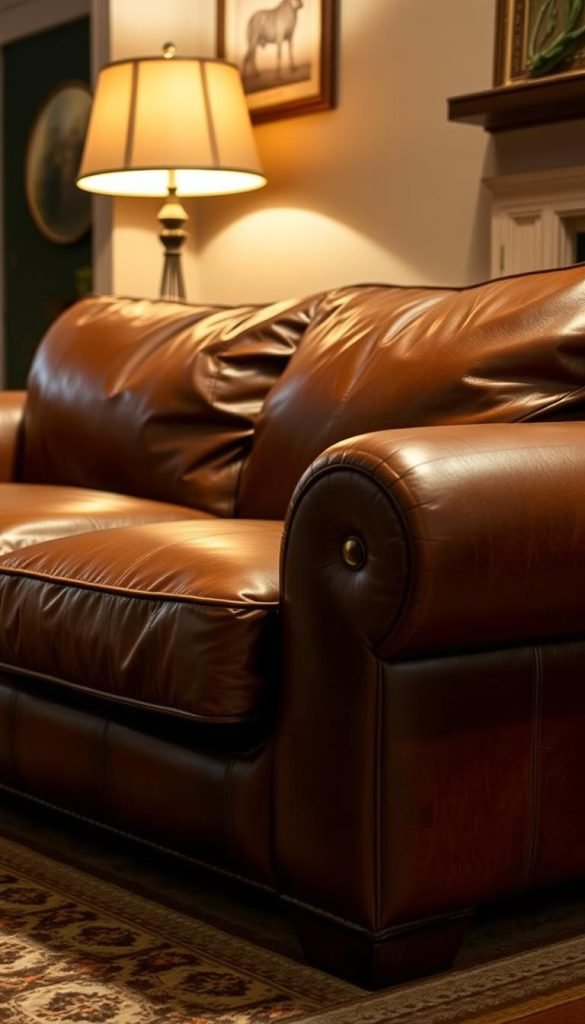
I pair grooming with behavior work. I teach a calm greeting and a reliable “place” cue so the canine stays grounded when guests arrive. When paws search for attention, I redirect toward toys and reward quiet lounging.
- Routine: Keep nail tools and treats in one basket to make upkeep easy.
- Environment: Add a tasteful cover during training and apply a light leather protector for added protection.
- Clean fast: Saliva or accidents can react with finishes, so I wipe and treat spills right away to avoid damage.
- Keep grit down: Quick vacuuming at the couch edge and a non-slip rug reduce abrasive particles and slipping claws.
Consistent care and clear household rules save time and protect the things I love.
Daily and weekly cleaning routines that protect leather couches
Responding fast to messes and keeping a short cleaning list prevents bigger problems. Quick action saves time and keeps the finish intact.
Immediate spill and saliva response: I blot spills and saliva right away—never rub. Blotting stops moisture from soaking into the finish. After blotting, I use a pH-balanced, leather-safe cleaner and dry the area with a soft cloth.

Vacuum, dust, and condition: the maintenance cadence I follow
I dust twice weekly and vacuum with a soft brush to remove grit and hair. That prevents tiny particles from abrading the surface when people sit down.
I condition on schedule: quarterly in normal indoor climates, or every two months when the air gets dry. Conditioning keeps the leather supple and reduces cracking and stains.
- Use leather-safe products: avoid harsh chemicals and choose pH-balanced cleaners and conditioners.
- Protect from heat and sun: keep the couch away from vents and direct sunlight to preserve color and elasticity.
- Keep a cleaning caddy: cleaner, cloths, and a soft brush nearby makes routine maintenance easy at home.
Leather sheds fur and dander more easily than fabric, so the daily tidy takes minutes, not hours.
Fixing dog scratches on leather: from quick touch-ups to deeper repairs
Small surface marks on upholstery can usually be improved with careful, stepwise touch-ups. I start by confirming the leather type with the manufacturer. Some makers send repair kits or color codes that save time and give better matches.
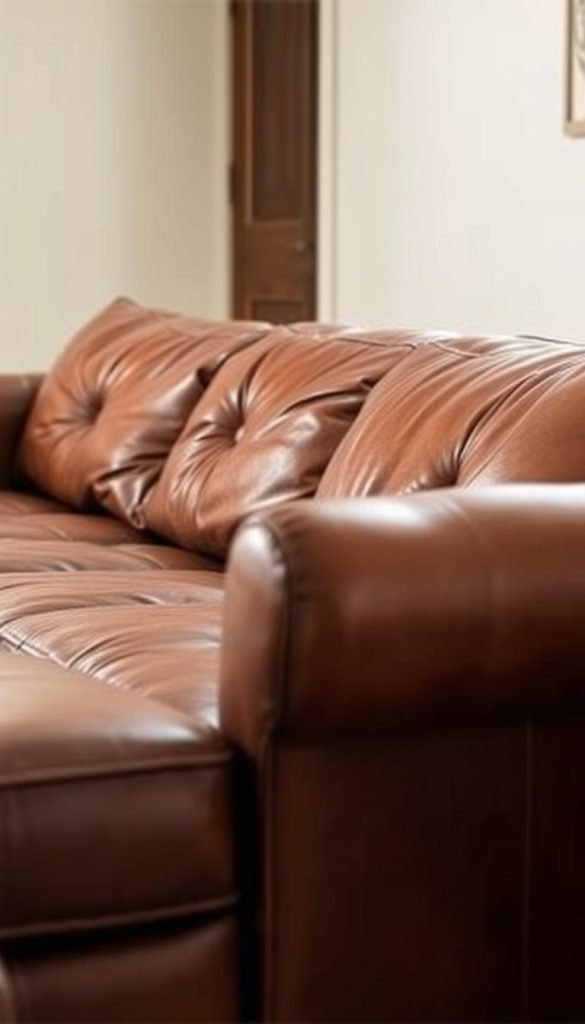
Light marks: oils, lanolin cream, gentle heat, and color-matched polish
Minor scratches often respond to baby, saddle, or olive oil. I dab with a cotton swab, rub in circles, let it sit, then buff. Lanolin cream helps scuffs when rubbed perpendicular to the line.
For aniline or bi-cast finishes I sometimes use a hairdryer or an iron over a damp cloth for ~10 seconds to relax fibers. Always spot-test first and avoid heat overuse.
Deeper damage: heavy leather fillers and leather colorants
For gouges I follow a staged process: fill with heavy leather putty, let cure, sand smooth, then apply a colorant matched to the leather couches tone. Take time between layers so the repair blends.
When to call the manufacturer or a leather restoration pro
Call a pro for torn seams, cracked panels, or when perfect color matching matters. The manufacturer may offer kits or discounted service and that can be the best way to protect your couch and other furniture.
| Issue | Quick fix | When to call a pro |
|---|---|---|
| Light scratches | Oils, lanolin, gentle heat | No, unless repeat damage |
| Deep gouges | Leather filler + colorant | Yes, for large panels |
| Color mismatch | Color-matched polish (test first) | Yes, for visible seats |
| Seams or cracks | Temporary cover and condition | Yes, repair or replace |
“Start small, confirm the leather type, and let each repair stage dry fully for the best results.”
Extra protection tips for a dog-and-leather home that actually works
Small placement changes and smart window treatments give big returns for long-lived couches. I keep furniture away from radiators and direct sun so finishes do not dry or fade. That one move protects finish and color without cost.
Products matter. I reapply a trusted leather protector on schedule to create a sacrificial layer that takes micro-wear instead of the surface. I keep a pet-safe deterrent spray for tempting edges while training is in progress.
I invest in quality frames and removable cushions so I can clean deeply and fix problems without replacing the whole piece. Matte or lightly textured dark tones hide small marks and keep the couch looking refined in my home.
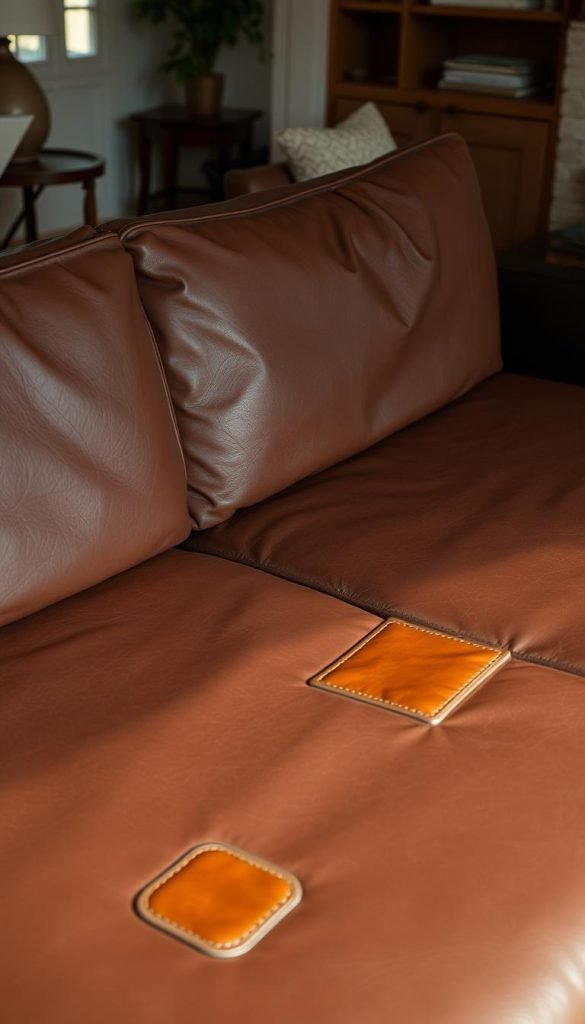
Quick routines that save time and extend quality
I dust twice weekly, condition quarterly, and trim nails on a regular schedule. Immediate blotting of spills prevents finish damage and cuts repair time.
- I use window films or shades to limit UV and prevent drying.
- I stage enrichment near seating—puzzle feeders and tug toys—to keep canine attention away from the couch.
- I keep a compact cleaning caddy and a small repair kit so prevention moves quickly into action when needed.
| Area | Action | Benefit |
|---|---|---|
| Placement | Away from vents and direct sun | Prevents fading and drying of surface |
| Products | Leather protector + pet-safe deterrent | Sacrificial layer; fewer temptations |
| Construction | Quality frame, removable cushions | Easier cleaning; longer life |
| Maintenance | Dust twice weekly; condition quarterly | Keeps finish supple and durable |
“Small, consistent choices beat last-minute fixes—so I plan placement, protection, and simple routines that keep leather furniture looking its best.”
Conclusion
Consistent care and quick action keep scratches and stains from becoming major damage. With simple routines, a leather couch can look great while pets relax nearby.
Choose quality leather and proper finishes, trim nails on schedule, and keep a short cleaning plan. These steps cut wear and save time later.
Minor marks are normal; treat them early or follow a clear repair process when needed. Keep manufacturer details for matching kits and call a pro for big repairs.
With steady upkeep, smart protection, and calm attention to behavior, furniture and pets can share the same home comfortably.