How do I pick a sofa fabric that hides golden retriever hair?
Living with a golden retriever brings so much joy into your home. Their loving nature fills your life with happiness. But their fur has a special talent for clinging to every surface.
I’ve spent years battling this furry invasion on my furniture. It can feel like a never-ending cleaning war. This struggle is something many pet owners know all too well.
Choosing the right material for your sofa is a game-changer. It transforms your living space from a fur-covered mess into a clean, comfortable haven. You can enjoy both your beautiful furniture and your furry friend.
This guide will walk you through everything you need to know. We’ll cover the best fabric types, smart color choices, and easy maintenance routines. With the right knowledge, you can win the battle against pet hair.
Key Takeaways
- Golden retriever fur clings strongly to most furniture materials.
- The right sofa fabric choice drastically reduces visible hair.
- Certain textures and weaves are better at hiding pet fur.
- Color selection plays a crucial role in masking hair.
- Easy maintenance routines help keep your home looking clean.
- You can have both beautiful furniture and a happy pet.
- Simple changes create a more comfortable living space for everyone.
Understanding the Golden Retriever Hair Challenge
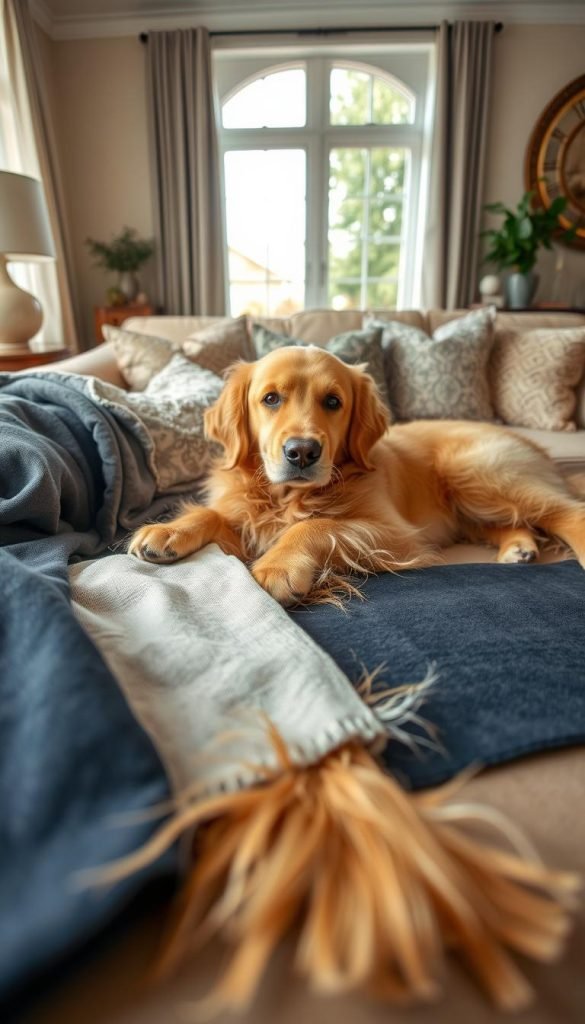
Golden retrievers possess a unique double coat that creates a constant battle against fur accumulation. This beautiful feature serves them well in various weather conditions but presents challenges for furniture maintenance.
Why golden retriever fur is particularly problematic
These wonderful pets have a double-layered coat system. The outer guard hairs protect them from elements while the dense undercoat provides insulation.
This design means they shed consistently throughout the year. Seasonal changes trigger even more significant shedding periods. I’ve noticed my dog’s fur seems to multiply overnight during spring.
The structure of this fur makes it particularly clingy. Individual hairs have microscopic scales that act like tiny hooks. They easily catch on various household surfaces.
“The love of a golden retriever comes with glitter – it gets everywhere and sticks to everything.”
The science behind fur adhesion to fabrics
Pet hair attaches to materials through both physical and static mechanisms. The microscopic scales on each strand catch onto fabric fibers. This creates a strong bond that’s difficult to break.
Some materials seem to attract more fur than others. Textured surfaces with loose weaves provide perfect trapping spots. Smooth, tightly woven fabrics offer much better resistance.
I’ve tested numerous options in my home over the years. The difference between fur-resistant and fur-collecting materials is dramatic. Understanding this science helps make smarter furniture choices.
| Fabric Type | Fur Adhesion Level | Ease of Cleaning | Recommended For Pet Owners |
|---|---|---|---|
| Microfiber | Low | Very Easy | Excellent Choice |
| Leather | Very Low | Easy | Highly Recommended |
| Canvas | Medium | Moderate | Good Option |
| Velvet | Very High | Difficult | Not Recommended |
| Chenille | High | Challenging | Avoid If Possible |
Seasonal changes significantly impact how much fur your dog sheds. Spring and fall typically bring the heaviest shedding periods. This natural cycle affects how much maintenance your furniture requires.
Choosing the right materials can transform your cleaning routine. Some fabrics naturally resist fur accumulation while others seem to collect it. This knowledge helps create a more manageable living environment.
How do I pick a sofa fabric that hides golden retriever hair?
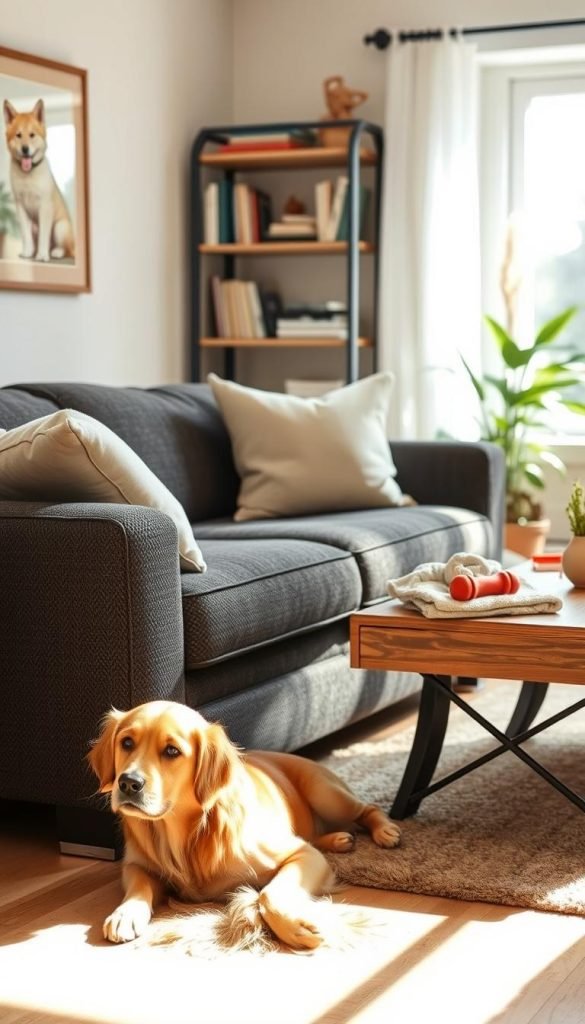
Finding the perfect material involves more than just fabric type. Your daily routine and household dynamics play crucial roles in this decision.
I’ve learned through experience that successful material selection requires careful lifestyle evaluation. Every family has unique needs that influence their ideal choice.
Key factors to consider beyond just fabric type
Your cleaning habits significantly impact material selection. Some people enjoy daily maintenance while others prefer weekly care.
Consider these important elements when making your choice:
- Time commitment – How often can you realistically clean?
- Activity levels – Does your pet jump on furniture frequently?
- Scratching behavior – Does your golden leave marks on surfaces?
- Favorite spots – Where does your pet prefer to relax?
These factors help determine the best options for your home. Durable materials work well for active households. Formal spaces might prioritize aesthetics alongside functionality.
Matching fabric choices to your lifestyle
Busy families need low-maintenance solutions that withstand heavy use. Performance fabrics offer excellent durability for active pets.
Ask yourself these questions about your daily life:
- How many hours do you spend on furniture maintenance weekly?
- Does your golden retriever have access to all rooms?
- What is your tolerance for visible pet hair?
- Do you have children who also use the furniture?
Your answers will guide you toward the perfect material selection. I always recommend balancing practical needs with aesthetic preferences. The right choice makes life easier for pet owners.
Remember that your furniture should work for your lifestyle. Beautiful homes can still accommodate our furry family members. Smart choices create harmony between style and practicality.
Top-Performing Fabrics for Golden Retriever Owners
After years of testing various materials, I’ve discovered clear winners that stand up to constant shedding. These top picks combine durability with easy maintenance for pet households.
Each option offers unique benefits for managing furry companions. The right choice depends on your specific needs and lifestyle.
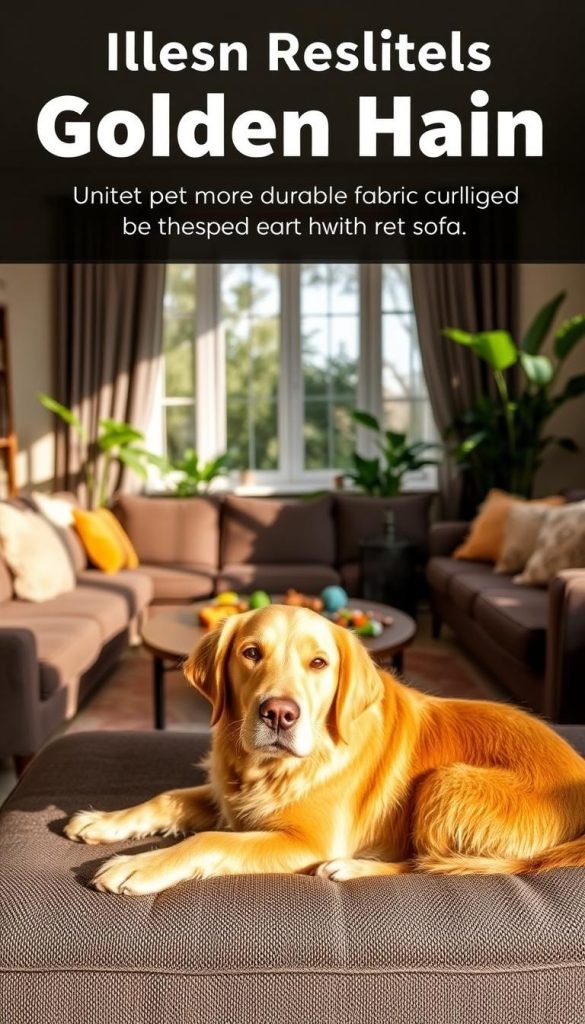
Microfiber: The Pet Owner’s Best Friend
This material has been my personal savior against persistent shedding. Its ultra-tight weave creates a surface where fur rests on top rather than embedding deep within.
Cleaning becomes remarkably simple with this furniture choice. A quick pass with a lint roller or soft vacuum removes visible hair instantly.
The stain-resistant qualities make accidents easy to handle. Spills bead up on the surface rather than soaking in immediately.
Durability stands out as another major advantage. It withstands daily use from active pets without showing wear quickly.
Leather: Smooth and Fur-Resistant
Genuine leather offers exceptional performance for pet owners. The smooth surface allows hair to slide off with minimal effort.
Regular maintenance involves just a quick wipe with a damp cloth. This keeps your living space looking clean between deeper cleanings.
Natural odor resistance helps maintain fresh-smelling furniture. It doesn’t absorb pet smells like some other materials might.
While scratches can occur, higher-quality options handle wear better. Darker colors tend to hide minor imperfections more effectively.
Tightly Woven Fabrics: Canvas and Denim Options
These reliable choices offer excellent resistance to fur accumulation. Their dense construction prevents hair from penetrating deeply.
Canvas provides tough performance for active households. It stands up well to claws and frequent use without damage.
Denim options bring casual style with practical benefits. Both materials allow fur to be removed easily with basic cleaning tools.
These woven fabrics work particularly well for families with children and pets. They balance comfort with functionality beautifully.
Performance Synthetics: Modern Solutions
Advanced materials like olefin and polyester represent the latest innovations. They’re specifically engineered to combat common pet-related challenges.
These synthetics excel at repelling hair and resisting stains. Moisture resistance makes them ideal for accident-prone situations.
Many feature treated surfaces that prevent odor absorption. This keeps your home smelling fresh even with furry family members.
According to experts in pet-friendly furniture, these modern options offer outstanding durability for active households.
| Material Type | Fur Resistance | Cleaning Ease | Durability Rating |
|---|---|---|---|
| Microfiber | Excellent | Very Easy | High |
| Leather | Outstanding | Extremely Easy | Medium-High |
| Canvas/Denim | Very Good | Easy | High |
| Performance Synthetics | Excellent | Very Easy | Very High |
Each material requires specific care routines for optimal performance. Regular maintenance keeps them looking their best despite daily pet activity.
Microfiber benefits from frequent light cleaning with appropriate tools. Avoid harsh chemicals that might damage its protective properties.
Leather needs occasional conditioning to maintain suppleness. Use products designed specifically for genuine leather surfaces.
Canvas and denim respond well to regular vacuuming and spot cleaning. Most stains come out easily with mild detergent solutions.
Performance synthetics often have manufacturer-specific care instructions. Following these guidelines ensures long-lasting beauty and function.
The team at Dwelanor emphasizes that proper fabric selection transforms pet ownership experience. Smart choices create harmonious living spaces for everyone.
Fabrics to Avoid with Shedding Dogs
Some materials seem designed to collect every stray strand from your furry companion. I’ve learned this through costly mistakes and frustrating cleaning sessions.
Choosing the wrong upholstery can turn your living space into a fur-covered landscape. These problematic options create maintenance nightmares for pet owners.
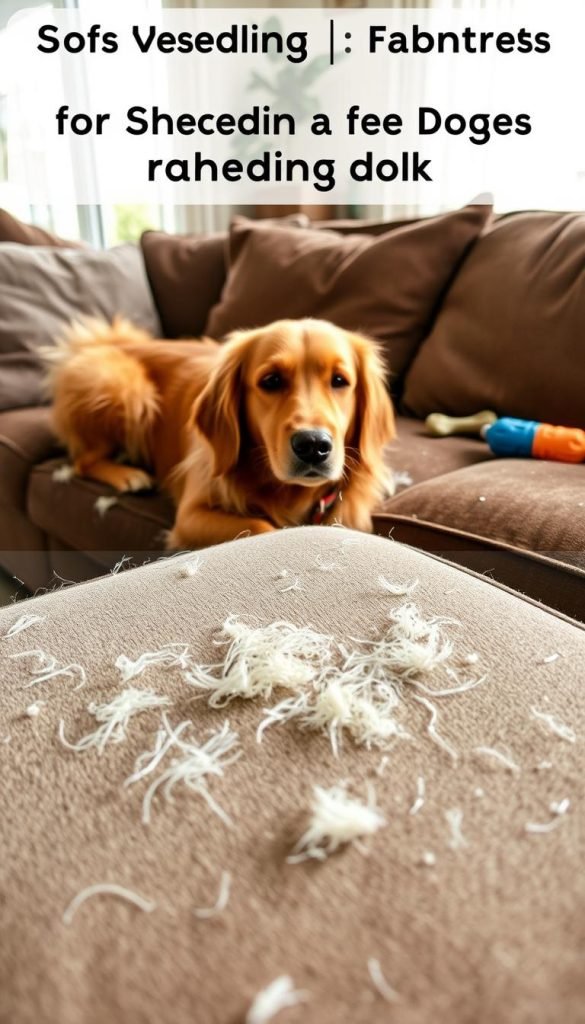
Why Velvet Becomes a Fur Magnet
Velvet acts like Velcro for pet hair due to its textured surface. The raised fibers catch and hold strands with remarkable efficiency.
I once owned a velvet chair that became my golden’s favorite spot. Within days, it looked like I’d upholstered it with dog hair instead of fabric.
The material’s construction makes removal nearly impossible. Vacuuming just pushes hairs deeper into the dense pile.
Even professional cleaning couldn’t restore its original appearance. I eventually had to replace the entire piece of furniture.
The Problem with Loose-Weave Materials
Open-weave textiles create perfect hiding spots for pet hair. These gaps allow fur to become embedded deep within the structure.
Linen and some cotton blends are particularly problematic. Their natural texture seems to grab and hold every loose strand.
I’ve spent hours trying to extract hair from these materials. The fibers act like tiny nets that trap fur permanently.
Regular vacuuming becomes ineffective against this type of accumulation. You need specialized tools to achieve minimal results.
Fleece and Chenille: Fur Trapping Nightmares
These soft, inviting materials are among the worst offenders. Their loose fibers create deep pockets that trap fur completely.
Chenille’s twisted yarn construction acts like a fur prison. Once hair works its way in, extraction becomes a major project.
Fleece develops static electricity that attracts additional hair. This creates a cycle of accumulation that’s difficult to break.
I learned this lesson with a chenille throw blanket. It became so embedded with fur that it needed professional cleaning weekly.
| Material Type | Fur Trapping Level | Cleaning Difficulty | Recommended Alternative |
|---|---|---|---|
| Velvet | Extreme | Very Difficult | Smooth Leather |
| Loose-Weave Fabrics | High | Difficult | Tightly Woven Canvas |
| Chenille | Very High | Challenging | Performance Microfiber |
| Fleece | Extreme | Very Difficult | Denim Upholstery |
The science behind these problematic materials involves surface texture and fiber structure. Rough or porous surfaces provide more attachment points for hair.
Materials with high pile or loose construction allow deep penetration. This makes complete removal virtually impossible for pet owners.
According to experts at Dwelanor, smooth, tightly woven surfaces offer the best defense. They prevent hair from becoming embedded in the first place.
I now choose materials that match my golden’s shedding patterns. This simple change has transformed my cleaning routine completely.
Color Strategies for Hiding Golden Fur
Smart color selection makes all the difference in managing your furry friend’s shedding. The right shades can transform how your living space looks between cleanings.
I’ve experimented with countless options over the years. Some choices worked miracles while others created constant frustration. Understanding color science helps create a more manageable home.
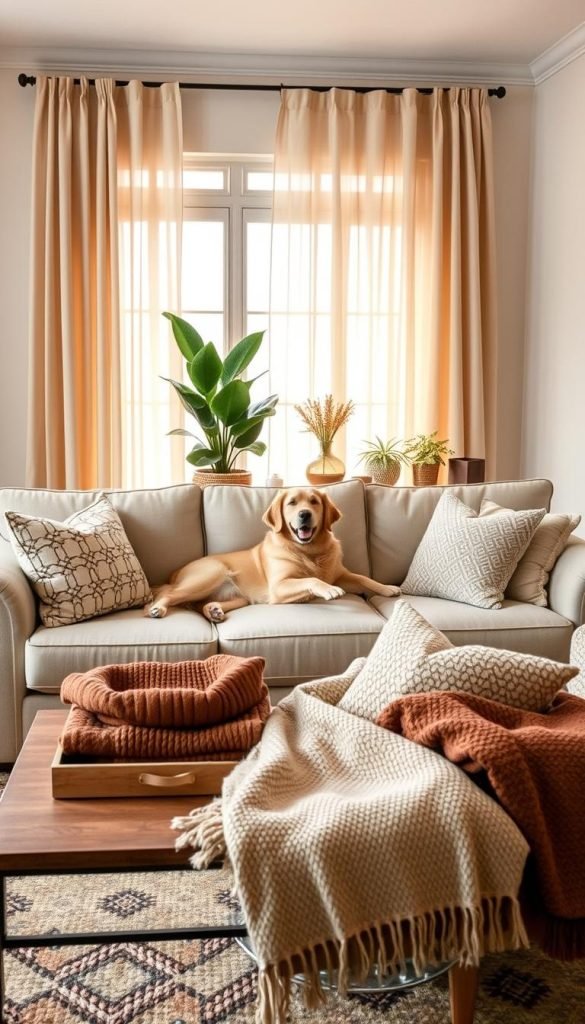
Why mid-tone colors work best
Medium shades create the perfect visual balance for golden fur. They’re neither too dark nor too light, which helps camouflage both light and dark strands.
These versatile options blend with your pet’s natural coloring. Taupe, heather gray, and warm greige have been my personal heroes. They make fur less obvious between regular cleanings.
The magic lies in their ability to create optical illusions. Mid-tones distract the eye from individual hairs. This creates a cleaner overall look for your furniture.
Specific color recommendations for golden retrievers
Earthy tones that match your pet’s coat work wonders. These shades create natural camouflage for golden fur. They help maintain a stylish look despite daily shedding.
Consider these excellent options:
- Warm greige – Blends beige and gray perfectly
- Heather gray – Hides fur beautifully
- Muted taupe – Works with golden tones
- Olive green – Creates natural disguise
- Terracotta – Adds warmth while hiding fur
I learned the hard way about poor color choices. My black sofa became a spotlight for every light strand. White options showed every single hair like a neon sign.
“The right color choice can make your cleaning routine feel effortless. It’s like having an invisible shield against pet hair.”
Patterns and textures that camouflage fur
Textured materials with simple weaves work magic for disguising fur. Subtle patterns and blends help break up the visual field. This makes individual hairs much less noticeable.
Melange fabrics with mixed fibers are excellent choices. Tweed patterns provide natural camouflage for stray strands. These options maintain their stylish look even with pet hair.
I’ve found that textured surfaces distract the eye effectively. They create visual interest that overpowers fur visibility. This approach keeps your home looking neat and intentional.
| Pattern Type | Fur Camouflage Ability | Style Compatibility | Maintenance Level |
|---|---|---|---|
| Subtle Tweed | Excellent | Traditional to Modern | Easy |
| Melange Blends | Very Good | Contemporary | Very Easy |
| Small Geometrics | Good | Mid-Century Modern | Moderate |
| Textured Weaves | Excellent | Various Styles | Easy |
Coordinating these choices with your existing decor is important. The right options should enhance your space while serving practical needs. This balance creates a home that works for both people and pets.
Remember that patterns should be subtle rather than bold. Large prints can actually emphasize fur accumulation. The goal is creating visual harmony that disguises shedding naturally.
Testing Fabrics Before You Buy
Bringing simple tools to furniture stores transformed my selection process completely. This practical approach reveals how materials actually perform against pet hair in real-world conditions.
I’ve learned that showroom appearances can be deceiving. What looks great under perfect lighting might become a fur magnet at home. Testing prevents costly mistakes.
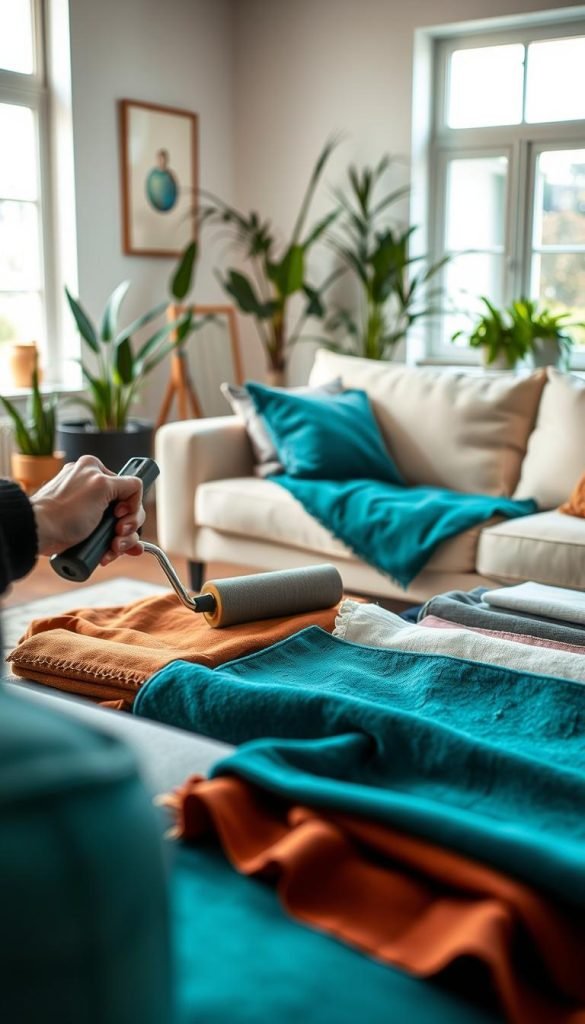
The hand test: Checking for smoothness
My foolproof method starts with running my palm across the material’s surface. Smooth textures typically mean easier fur removal. Rough or nubby surfaces tend to grab and hold hair.
I test both with and against the material’s grain. This reveals how the surface feels from different angles. The best options feel consistently smooth in all directions.
Certain textures indicate good resistance properties. Tight, flat weaves with minimal texture work best. I avoid anything that feels fuzzy or porous to the touch.
Bringing a lint roller to the store
I always carry a lint roller when evaluating furniture options. This simple tool provides instant feedback on fur adhesion. It’s become my most trusted testing device.
Here’s my ultimate testing routine:
- Press the roller firmly against the material
- Make one smooth pass across the surface
- Observe how much imaginary fur it would collect
- Check how easily the adhesive releases from the fabric
Materials that release cleanly indicate better performance. Those that leave residue suggest higher maintenance requirements.
Examining weave tightness and density
Visual inspection reveals crucial information about material construction. I look closely at how tightly the fibers are woven together. Dense, compact weaves resist hair penetration effectively.
I physically examine the spacing between threads. Materials with visible gaps between fibers trap hair easily. Solid, uninterrupted surfaces work much better.
Water-resistant finishes often indicate better cleanup capabilities. These treatments create barriers that prevent deep staining and fur embedding.
My testing successes and failures taught me valuable lessons. One velvet sample collected so much imaginary fur it looked like a different material. A smooth microfiber passed every test perfectly.
Salespeople sometimes watch my testing process with curiosity. I simply explain I’m ensuring the material works with my active lifestyle. Most understand and appreciate my thorough approach.
This step-by-step evaluation method has saved me from poor choices. It turns abstract claims into tangible performance evidence. The right selection makes daily life with pets much more enjoyable.
Maintenance and Cleaning Considerations
Proper upkeep transforms furniture care from a chore into a simple routine. Smart maintenance keeps your living space fresh and welcoming. It creates harmony between stylish decor and active pet life.
I’ve developed systems that make upkeep effortless over time. These methods work with your schedule rather than against it. They ensure your home always looks its best.
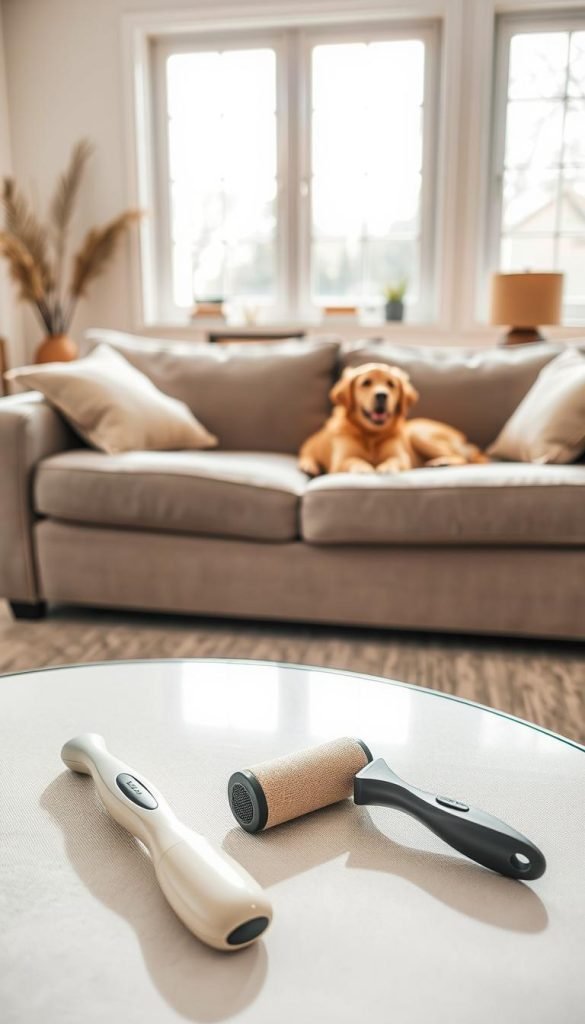
Effective care combines daily habits with weekly routines. This approach prevents buildup and maintains appearance. The right strategy makes all the difference.
Daily fur management techniques
My five-minute daily routine keeps surfaces looking fresh. It prevents accumulation between deeper cleaning sessions. This simple habit maintains a clean environment.
Regular brushing outdoors reduces indoor shedding significantly. I always do this before my companion comes inside. It minimizes the fur that reaches furniture.
Keep lint rollers in convenient locations throughout your home. Quick passes catch stray hairs instantly. This prevents them from embedding deeply.
Washable slipcovers and throws provide excellent protection. They catch most fur and can be cleaned easily. Rotate them regularly for best results.
Weekly cleaning routines that work
My proven schedule takes less than thirty minutes weekly. It maintains furniture appearance with minimal effort. Consistency is more important than intensity.
Vacuum upholstery using the appropriate attachment weekly. Move cushions to access hidden areas. This removes embedded particles effectively.
Rotate and flip cushions regularly for even wear. This prevents sagging and maintains comfort. It extends your furniture’s lifespan.
Wipe leather surfaces with a damp cloth weekly. This maintains their smooth, fur-resistant quality. It keeps them looking like new.
Stain resistance and protection options
Modern fabrics offer impressive stain resistance technology. These treatments create barriers against spills and accidents. They make cleanup remarkably simple.
Blot spills immediately with clean, absorbent cloths. Avoid rubbing which spreads stains further. Quick action prevents permanent damage.
Consider professional protection plans for added security. These treatments provide extra defense against challenging situations. They offer peace of mind for pet owners.
Different materials require specific care approaches for optimal results. Always follow manufacturer recommendations for cleaning products. This preserves warranty coverage and performance.
“Consistent care prevents overwhelming cleaning sessions. Small efforts daily maintain beautiful spaces effortlessly.”
My favorite tools make maintenance straightforward and effective:
- Rubber bristle brushes – Lift fur from textured surfaces
- Upholstery attachments – Deep clean fabric fibers
- Microfiber cloths – Capture dust and loose hairs
- Pet-safe cleaners – Address accidents without damage
Emergency protocols handle unexpected situations calmly. Have supplies readily available for quick response. Preparedness prevents panic and permanent damage.
Time-saving tips integrate fur management into existing routines. Multi-task during television commercials or phone conversations. Small moments add up to significant results.
The right approach makes upkeep feel effortless rather than burdensome. Your home remains beautiful and functional despite active pet life. Smart maintenance creates lasting enjoyment for everyone.
Durability and Scratch Resistance
Protecting your investment from daily wear requires smart material selection. Active pets need surfaces that can handle their natural behaviors. The right choices ensure your pieces stay beautiful for years.
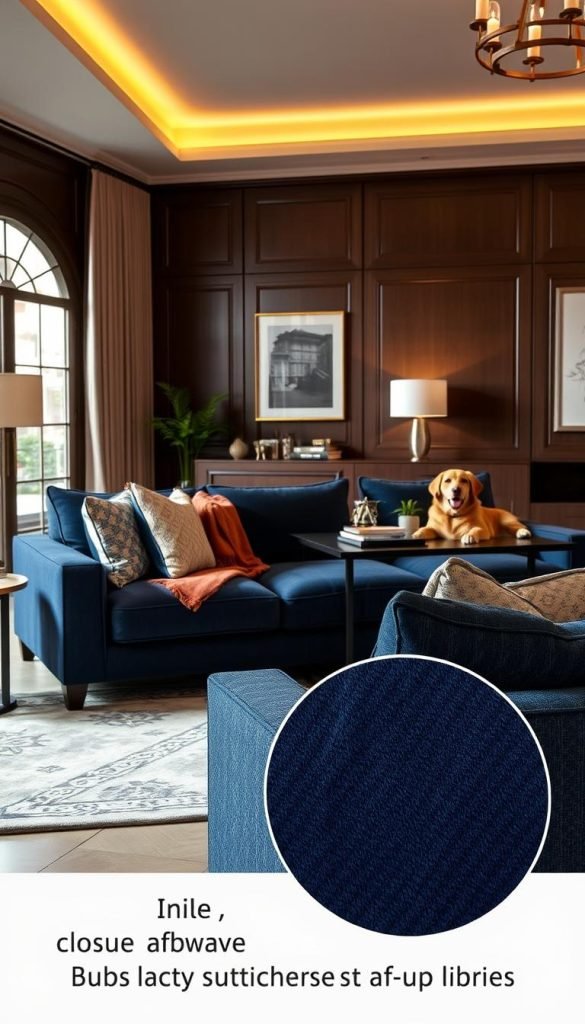
Materials that withstand dog claws
Through extensive testing, I’ve found clear winners against pet claws. Leather stands out as a top performer for active households. Its smooth surface resists damage remarkably well.
Minor scratches often add character to genuine leather over time. Tightly woven canvas options also provide excellent protection. These materials create barriers against claw marks.
My golden’s favorite resting spot shows minimal wear after three years. The right selection makes a noticeable difference in longevity. Performance fabrics maintain their appearance despite daily use.
Understanding fabric rub counts
Rub counts measure material durability through abrasion testing. Higher numbers indicate better resistance to wear and tear. This rating system helps predict long-term performance.
Consider these rub count guidelines for pet households:
- 15,000+ rubs – Good for light use
- 30,000+ rubs – Suitable for average families
- 50,000+ rubs – Excellent for active pets
- 100,000+ rubs – Commercial-grade durability
Velvet can achieve impressive rub counts up to 100,000. However, its texture makes it less ideal for furry friends. Balance high ratings with practical cleaning needs.
Long-term wear considerations
Some factors become apparent only after months of use. Color-fastness affects how materials age with regular cleaning. Sun exposure can alter colors and weaken fibers over time.
Cushion construction impacts comfort and durability equally. High-density foam maintains shape better than fiber fill. These elements work together for lasting satisfaction.
Repair options provide peace of mind when damage occurs. Many companies offer professional restoration services. Some materials allow for spot repairs rather than full replacement.
“The best materials age gracefully, telling the story of your life with pets rather than showing wear and tear.”
Preventive measures extend furniture life beyond material choice. Regular nail trimming reduces potential damage significantly. Protective covers offer additional defense during peak activity times.
Balance scratch resistance with comfort and aesthetic appeal. The perfect option should meet all your family’s needs. This creates a harmonious living space for everyone.
Budget-Friendly vs. Investment Options
Finding the right balance between upfront expenses and long-term value transforms furniture shopping. Smart decisions create beautiful spaces that work with your lifestyle and budget.
I’ve tested various price points over the years. Some choices delivered outstanding value while others cost more in the long run. Understanding this balance helps make wiser purchasing decisions.
Cost-effective solutions for pet owners
Microfiber stands out as my top budget-friendly recommendation. It offers excellent fur resistance at an affordable price point. This material performs remarkably well for its cost.
Canvas provides another wallet-friendly option for active households. Its durable nature handles daily pet activity beautifully. Both choices deliver great value without breaking the bank.
Consider these economical picks:
- Microfiber – Outstanding performance at moderate prices
- Canvas – Rugged durability with reasonable costs
- Denim blends – Casual style with budget-friendly pricing
- Polyester blends – Modern performance without premium prices
These materials offer smart solutions for cost-conscious shoppers. They provide excellent fur resistance without premium investment.
When to invest in higher-end materials
Leather represents a significant upfront investment that pays off over time. Its exceptional durability and easy maintenance justify the higher initial cost. This material lasts for years with proper care.
Performance synthetics with advanced technology warrant consideration. Their engineered features provide superior protection against pet-related challenges. These innovations offer long-term benefits.
Investment makes sense when you value:
- Long-term durability and reduced replacement needs
- Minimal maintenance requirements over years of use
- Superior stain and odor resistance capabilities
- Enhanced aesthetic appeal that maintains its beauty
Higher-quality pieces often outlast multiple budget options. They save money over time despite larger initial outlays.
Balancing cost with durability
The true expense involves more than just the purchase price. Maintenance costs, cleaning products, and potential replacements add up. Smart balancing considers all these factors.
Calculate total ownership costs over five years. Include cleaning supplies, professional services, and possible repairs. This reveals the actual financial impact of each option.
My experience shows that mid-range synthetics often offer the best balance. They provide good performance at reasonable prices. Leather delivers excellent long-term value despite higher initial costs.
Budget materials may need replacement sooner than premium options. Factor this potential expense into your decision-making process. The right balance depends on your specific situation and priorities.
“The cheapest option often costs the most in the long run. Quality materials pay for themselves through years of reliable service.”
Hidden expenses many people overlook include:
- Specialized cleaning products for different materials
- Professional cleaning services for tough situations
- Protective treatments to maintain performance
- Replacement costs for worn-out pieces
My personal cost-benefit analysis revealed interesting patterns. Leather sofas lasted twice as long as budget fabrics. Their overall cost per year was actually lower despite higher initial prices.
Performance synthetics offered the best middle ground. They provided excellent durability at moderate price points. Microfiber delivered surprising value for its affordable cost.
Smart shopping tips help maximize value at any budget level. Look for sales on quality pieces rather than discounts on inferior products. Consider floor models or slightly imperfect items for significant savings.
The perfect choice balances initial investment with long-term satisfaction. It creates a home that works beautifully for both people and pets. This approach ensures years of comfortable living without financial stress.
Conclusion
Choosing the right fabric for your furniture makes life with a shedding pet much easier. It transforms your home into a clean, comfortable space for everyone.
Microfiber and leather stand out as top options for managing fur and hair. These materials offer excellent durability and easy cleaning. Canvas and performance fabrics also work well for active households.
My own sofa choice changed everything. I went from constant cleaning to simply enjoying my space. You can have both beautiful furniture and a happy pet.
Ready to find your perfect match? Check out this helpful guide on pet-friendly sofa options. The right investment brings peace and cleanliness to your daily life.