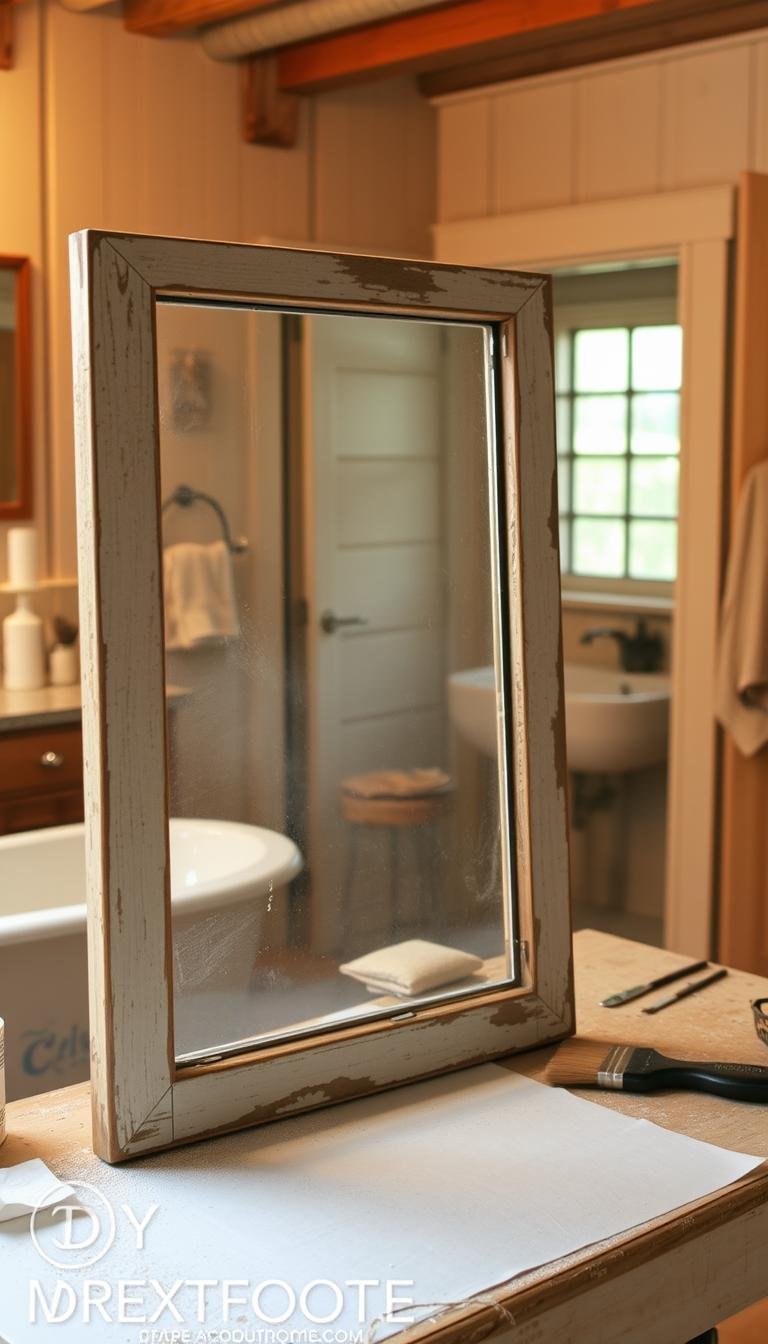
How can I turn an old window frame into a bathroom mirror?
I discovered this fantastic DIY project while browsing for creative home upgrades. Repurposing vintage items adds unique charm to any space. My bathroom needed a focal point, and this idea seemed perfect.
This guide walks through the entire process from start to finish. You’ll learn to select the right window and transform it beautifully. The steps are simple enough for beginners yet satisfying for experienced crafters.
Using basic supplies like paint and simple tools makes this project accessible. I followed guidance from this helpful vintage window transformation tutorial. The results were stunning and surprisingly easy to achieve.
Beyond being eco-friendly, this approach creates a custom look. Your bathroom will feature a one-of-a-kind mirror with character. Let’s explore how to make this vision come alive in your home.
Key Takeaways
- Repurposing old windows creates unique, eco-friendly bathroom decor
- The project suits both beginners and experienced DIY enthusiasts
- Basic supplies like paint and simple tools are all you need
- Transformation process is straightforward with proper guidance
- Finished mirrors add character and become bathroom focal points
- Sourcing materials from thrift stores makes the project affordable
- Customization options allow for personal style expression
Why I Love Repurposing Old Windows as Mirrors
There’s something magical about giving new life to forgotten architectural treasures. Vintage frames possess character that mass-produced alternatives simply cannot match. The transformation process feels both rewarding and sustainable.
The Charm of Vintage Window Frames
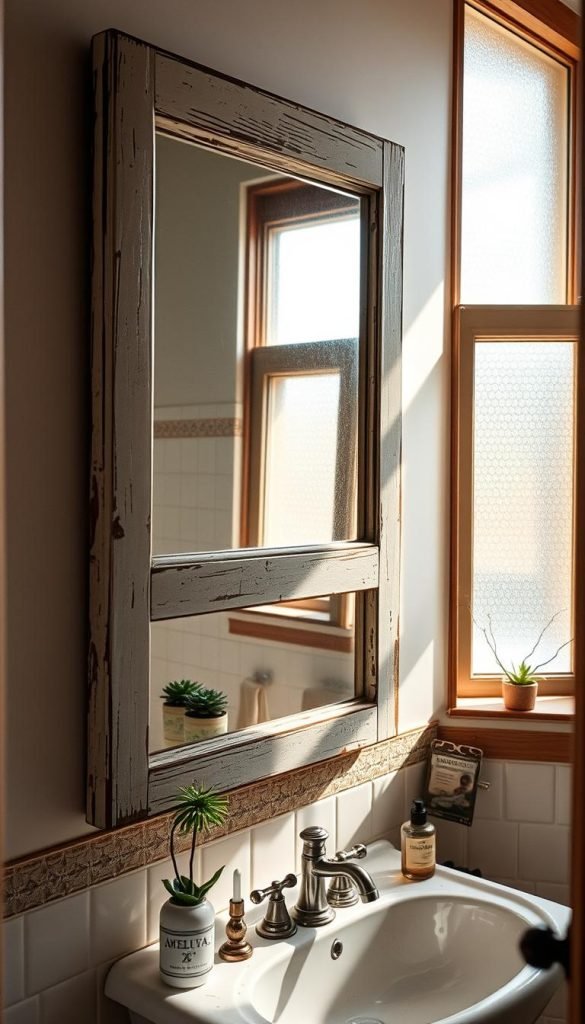
Divided light patterns and aged wood create incredible visual interest. These elements add architectural detail that elevates any space. Each piece tells a story through its unique craftsmanship and history.
The authenticity of genuine vintage materials cannot be replicated. Unlike new products, these frames have stood the test of time. Their weathered appearance adds depth and personality to your decor.
My Personal Journey With Window Frame Projects
My adventure began when I discovered an antique frame on Facebook Marketplace. Initially, it served purely decorative purposes between shelves. As the owner of Dwelanor shared, sometimes decorative items need functional purposes.
“I had my husband hang it between the shelves and I immediately liked it, but other than being decorative, it didn’t serve much of a purpose there.”
This realization sparked the idea of creating something both beautiful and practical. The potential beyond mere decoration became clear. Transforming it into a functional piece felt like unlocking hidden value.
Budget-Friendly Bathroom Upgrade Potential
Repurposing materials offers incredible cost savings compared to buying new. High-end designer aesthetics become accessible on a modest budget. This approach lets you achieve luxury looks without the luxury price tag.
The financial benefits extend beyond initial savings. You’re investing in quality materials that will last for years. Sustainable choices often prove more economical long-term.
| Repurposed Window Mirror | Store-Bought Antique Mirror |
|---|---|
| Unique, one-of-a-kind piece | Mass-produced design |
| Cost: $20-50 materials | Cost: $200-500+ |
| Customizable finish and style | Limited customization options |
| Eco-friendly sustainable choice | New manufacturing required |
| Personal satisfaction of creation | Standard retail experience |
This method allows complete creative control over the final appearance. You can match existing decor perfectly. The finished piece becomes a conversation starter with meaningful history.
Transforming discarded items into functional art brings immense satisfaction. Each project carries the story of its previous life while serving new purpose. The bathroom gains character that reflects personal style and values.
Gathering Your Materials and Tools for the Project
My preparation phase made all the difference between frustration and success. Having everything ready before starting saved me countless trips to the hardware store. This careful planning ensured a smooth workflow from beginning to end.
Finding the Perfect Old Window Frame
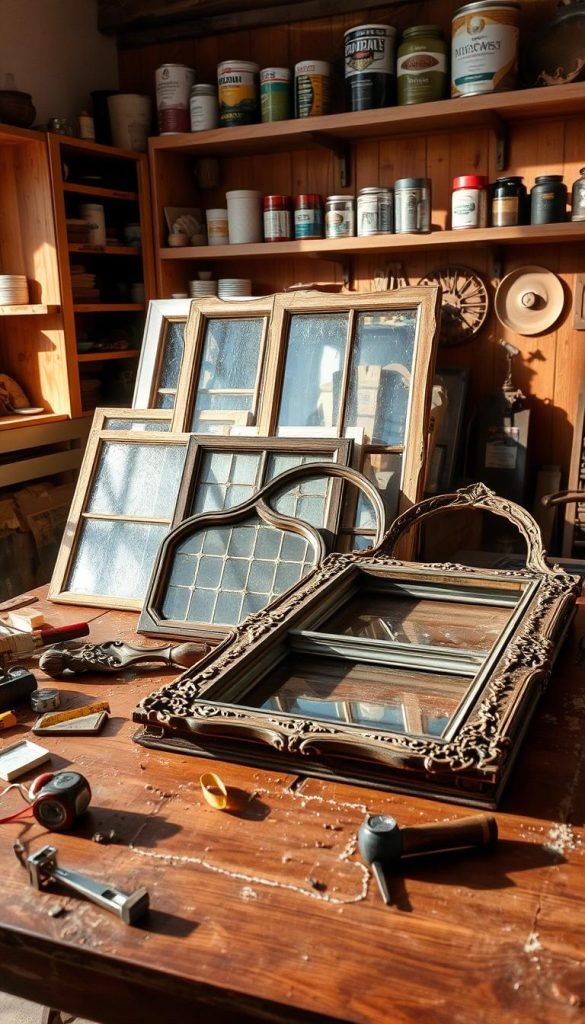
I searched local antique stores and thrift shops for the ideal piece. Online marketplaces like Facebook yielded some fantastic finds too. The key was finding a sturdy frame with character.
I considered the window’s condition carefully. Intact glass meant I could use the spray method. Missing panes would require custom mirror replacement.
Measuring my bathroom space first proved crucial. This ensured the finished piece would fit perfectly on the wall. Getting the right size from the start prevented disappointment later.
Essential Safety Equipment You’ll Need
Safety became my absolute priority when working with vintage materials. Older windows often contain lead-based paint that requires serious precautions. I never compromised on protective gear.
A proper respirator was non-negotiable for sanding old paint. Heavy gloves protected my hands from sharp glass edges. Safety glasses shielded my eyes from flying debris.
Proper ventilation was essential when working with any spray products. I set up my workspace in a well-ventilated garage area. These precautions made the project safe and enjoyable.
Mirror Creation Options: Spray vs. Glass Replacement
I faced two main approaches for creating the reflective surface. The spray method uses special mirror effect paint on existing glass. Replacement involves custom-cut mirror pieces fitted into the frame.
The spray approach required Rustoleum Mirror Effect paint and good ventilation. This method works best when the original glass remains intact. It creates a charming, slightly distorted vintage look.
Glass replacement meant taking measurements to a professional glass shop. They precision-cut mirror panes to fit each opening perfectly. This method delivers crystal-clear reflection but costs more.
Additional Supplies Based on Your Chosen Method
My tool collection grew based on which method I selected. Basic supplies included clamps, chisels, and screwdrivers. Pliers helped remove old putty and cleats from the frame.
For the spray method, I needed masking tape and drop cloths. Proper surface preparation materials were essential too. The glass replacement method required new glazing points and putty.
I found excellent guidance on material selection through frequently asked questions about vintage projects. Having all materials ready before starting made the process flow smoothly. This preparation ensured I could focus on craftsmanship rather than searching for supplies.
How I Prepared My Window Frame for Transformation
Proper preparation transformed my project from daunting to delightful. Taking time with this stage ensured beautiful results that lasted. The effort invested here paid dividends throughout the entire process.
Safety First: Dealing With Old Paint and Glass
My safety approach began with recognizing potential hazards. Vintage materials often contain lead-based paint that requires careful handling. I worked in a well-ventilated garage space with proper protective gear.
A respirator mask protected me from harmful dust particles. Heavy gloves shielded my hands from sharp edges. Safety glasses prevented any flying debris from reaching my eyes.
For windows with suspected lead paint, I chose chemical strippers over sanding. This avoided creating toxic dust that could spread through the air. The chemical method proved safer and equally effective for removal.
Removing Existing Glass Panes Carefully
This step required patience and careful attention to detail. The window has two distinct sides – the solid front and the back with putty. Removing the glass meant working from the back side where the putty held everything in place.
I used a chisel and slotted screwdriver to scrape out the old putty. Underneath, small diamond-shaped metal cleats secured the glass. These needed removal or pushing into the wood to free the pane.
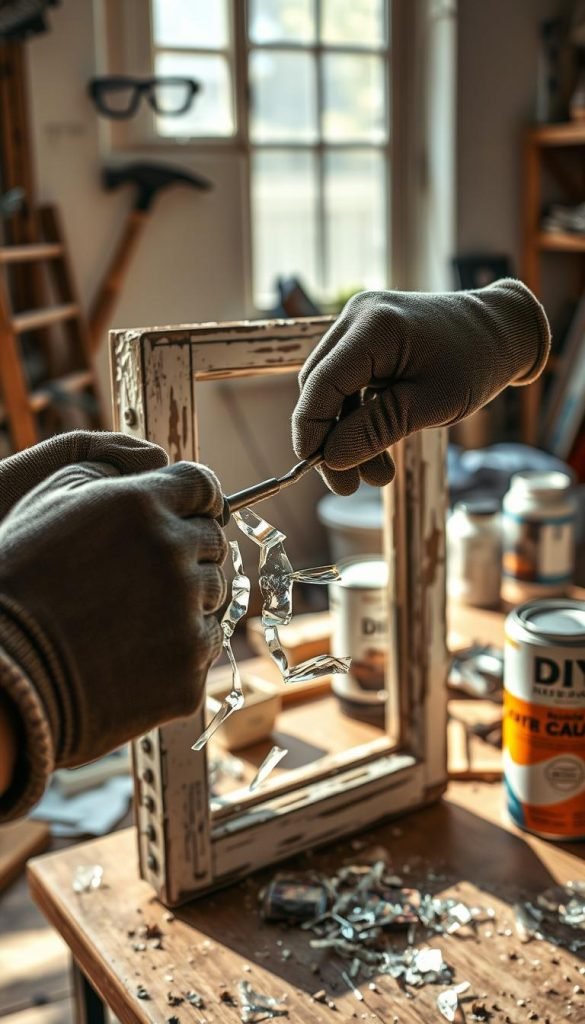
I carefully preserved every metal cleat I found. These would become crucial later when securing the new mirror panes. Taking my time prevented damage to both the frame and the glass.
Cleaning and Restoring the Wood Frame
With the glass removed, I focused completely on the wooden frame. Removing all old paint layers down to bare wood created the best surface. This revealed the true character of the vintage material.
The restoration process uncovered beautiful wood grain patterns. These natural details added incredible charm to the finished piece. Thorough cleaning ensured no debris would affect the final finish.
I inspected the frame for any structural issues needing repair. Small cracks received wood filler while loose joints got reinforced. This attention to detail guaranteed a sturdy final product.
Choosing Your Finish: Paint, Stain, or Natural
The bare wood presented exciting finishing possibilities. I considered whether to maintain the aged patina or create something fresh. Each option offered different aesthetic appeals for the bathroom space.
Stain enhanced the natural wood grain revealed during cleaning. This choice highlighted the material’s authentic character. It created warmth and depth that paint couldn’t achieve.
Fresh paint offered complete color customization to match my decor. This approach provided a clean, uniform appearance. Both methods ensured the mirror would have a professional-looking frame.
Taking time with preparation made subsequent steps much easier. The careful work invested here created a solid foundation. My transformed piece gained durability and beauty through this thorough process.
The Step-by-Step Process I Used to Create My Mirror
Executing the transformation required careful attention to three distinct approaches. Each method offered unique advantages depending on the starting materials available. My experience taught me that preparation determines success more than any other factor.
Method 1: Using Mirror Effect Spray Paint
This approach proved surprisingly straightforward with excellent results. I cleaned the surface thoroughly using a microfiber cloth to remove all debris. Proper cleaning ensured the spray would adhere correctly without imperfections.
My workspace setup involved an old sheet in a well-ventilated area. The back-and-forth motion technique prevented drips and uneven coverage. Multiple light coats created better results than one heavy application.

Interestingly, the directions suggested five coats for optimal reflectivity. I achieved beautiful results with just two applications. The slightly antiqued effect added character that felt authentically vintage.
Testing reflectivity between coats helped gauge progress. The transformation from clear glass to reflective surface happened remarkably fast. This method works best when original panes remain intact.
Method 2: Replacing With Custom-Cut Mirror Panes
For windows with missing or damaged glass, replacement became necessary. I brought the original panes to a professional glass shop for precise measurements. Their expertise ensured perfect fitting mirrors every time.
The cost surprised me – under twenty-five dollars for four custom panes. Variations in width between openings required individual measurements. Precision cutting guaranteed seamless installation later.
Installation required working from the back side to protect the reflective surface. Using a business card prevented scratches during the securing process. The original metal cleats provided primary security when pushed into the wood.
Additional reinforcement came from strategic hot glue applications. This extra step ensured longevity and safety for daily use. The crystal-clear reflection made this method worth the extra effort.
Method 3: Building a Custom Window-Style Mirror Frame
Sometimes finding the perfect vintage piece proves challenging. Building a custom frame allows complete design control from the beginning. This approach works wonderfully for specific size requirements.
I used standard lumber and basic woodworking tools for construction. Recreating divided light patterns achieved the traditional look I wanted. Customization options include any size, style, or finish imaginable.
The construction process followed standard frame building techniques. Adding decorative molding enhanced the architectural character. This method ensures perfect proportions for any bathroom space.
Securing the Mirror and Ensuring Safety
Proper installation remains the most critical phase of the project. All hardware must securely fasten the finished piece to the wall. I tested the weight capacity before final hanging.
Additional security measures included adhesive mirror pads. These provided extra support beyond traditional hanging hardware. Safety considerations always came before aesthetic choices.
Regular maintenance keeps the reflective surface looking pristine. Gentle cleaning preserves both the mirror and frame finishes. Proper care ensures years of beautiful service.
Each method offers distinct advantages for different situations. The spray approach provides vintage charm with minimal investment. Glass replacement delivers perfect reflection with professional results.
Custom building solves the problem of unavailable vintage materials. All three methods align with sustainable design principles that honor craftsmanship. The satisfaction of creating something beautiful and functional never diminishes.
Hanging and Styling Your New Bathroom Mirror
The moment arrived to showcase my handcrafted masterpiece in its permanent home. This final phase transformed my project from workshop creation to functional bathroom feature. Careful placement and secure installation ensured both beauty and safety.
Choosing the Right Wall Placement
I considered several factors when selecting the perfect spot. Lighting conditions greatly affect how the reflective surface performs. Natural and artificial light sources both impact visibility.
Sight lines from the doorway and within the room mattered too. The piece needed to serve practical purposes while enhancing the space. Functionality balanced with aesthetic appeal created the ideal placement.
Secure Hanging Methods I’ve Tested
French cleats provided the most reliable support for heavier pieces. This system involves mounting one part on the wall and the other on the frame. The interlocking design creates incredibly secure holding power.
I discovered the importance of hitting wall studs during installation. When I couldn’t reach two studs, heavy-duty anchors provided adequate support. Proper hardware selection made all the difference for safety.
My experience taught me valuable lessons about clearance requirements. Light fixtures above the mounting area needed sufficient space. This allowed lifting the piece over the cleat before sliding downward into position.
The bottom sometimes protruded slightly due to the tight fit. I solved this using a small wooden block attached to the lower frame section. This simple fix created perfect flush mounting against the wall surface.
Complementing Your Bathroom’s Style
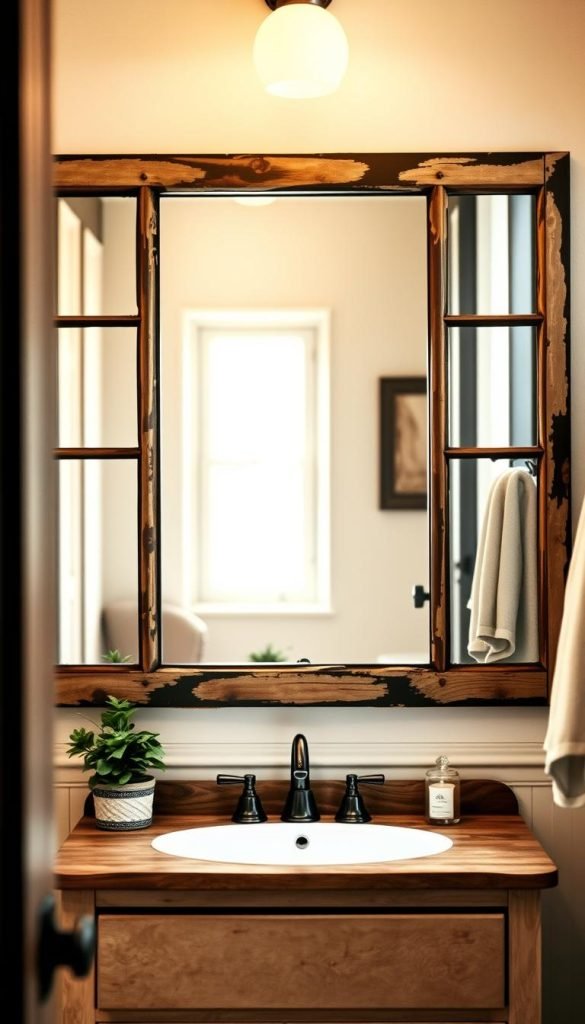
The finished piece should harmonize with your existing decor. My vintage frame naturally suited farmhouse and traditional aesthetics. Different finishes could modernize the look for contemporary spaces.
Consider how the frame design interacts with other elements. Vanity placement, lighting fixtures, and storage solutions all matter. The mirror can become either a bold statement or subtle complement.
Character-rich frames often become the room’s focal point. Their unique appearance draws attention and starts conversations. This transformation adds personality that store-bought options simply cannot match.
Maintenance Tips for Long-Lasting Beauty
Regular care preserves both the reflective surface and frame finish. I use gentle, non-abrasive cleaners specifically designed for glass. Harsh chemicals can damage certain finishes over time.
The wooden frame benefits from occasional conditioning treatments. This prevents drying and cracking, especially in humid environments. Proper maintenance ensures years of beautiful service from your creation.
Periodically check mounting hardware for security. Temperature changes and humidity can affect fittings over time. Quick inspections prevent potential issues before they become problems.
Conclusion
This diy project brought me more joy than expected. The transformation process felt surprisingly simple yet deeply rewarding.
Finding the perfect old window at local shops made the experience special. Each piece carries unique history that mass-produced items lack.
Whether using spray technique or replacing glass panes, both methods deliver beautiful results. The finished mirror adds character no store-bought option can match.
This approach proves budget-friendly while creating something truly special. The skills gained open doors to other repurposing projects throughout your home.
I encourage exploring this creative journey yourself. Discover the satisfaction of giving new life to forgotten treasures, just as we do at Dwelanor’s sustainable design studio.