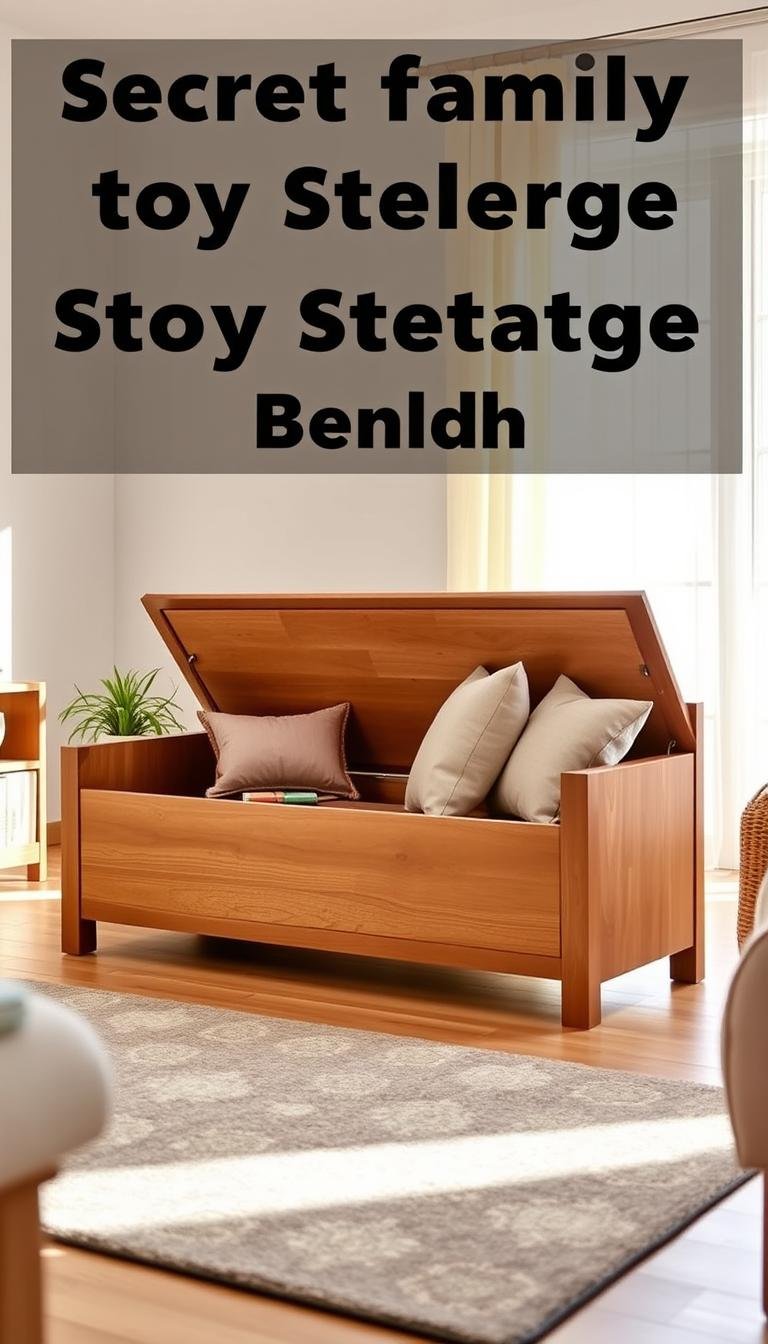
How can I add a secret toy storage bench that adults can sit on?
My living room used to be a constant battle zone of scattered toys. Every day felt like a losing fight against the clutter. I knew there had to be a better way to manage the chaos.
I wanted a solution that worked for our entire family. The space needed to remain stylish and functional for adults. It also had to quickly hide the mess when guests arrived.
Traditional toy boxes and bins just didn’t cut it. They often looked out of place in our main living area. I needed something that blended seamlessly with our decor.
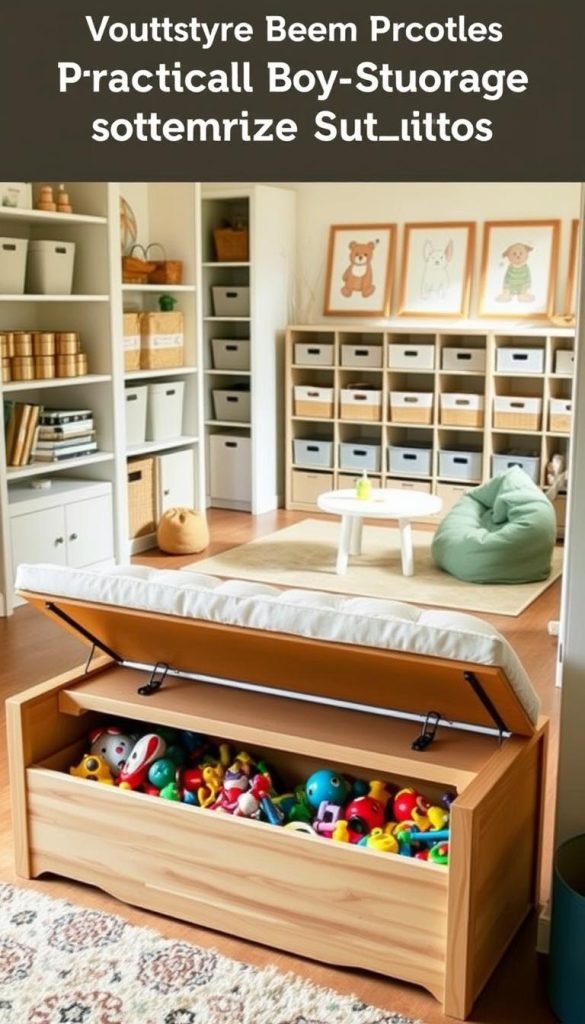
That’s when I discovered the magic of dual-purpose furniture. A clever piece that offers seating while concealing toys inside. This approach transformed our room completely.
The project became a game-changer for our daily routine. Now we enjoy a tidy space that serves both playtime and relaxation. It’s possible to have a beautiful home that works for kids and grown-ups.
Key Takeaways
- Dual-purpose furniture solves toy clutter while maintaining adult-friendly decor
- Traditional storage options often disrupt living room aesthetics
- Hidden storage solutions create psychologically calming environments
- Built-in storage benches provide both seating and organization
- This approach works for families with children of various ages
- Reclaiming your living space improves daily quality of life
- Many options exist, from storage ottomans to custom built-ins
Why I Needed a Secret Toy Storage Bench in My Living Room
Our main gathering space became overrun with colorful plastic. Every surface seemed to collect tiny pieces and stuffed animals. The chaos made it impossible to relax or entertain guests properly.
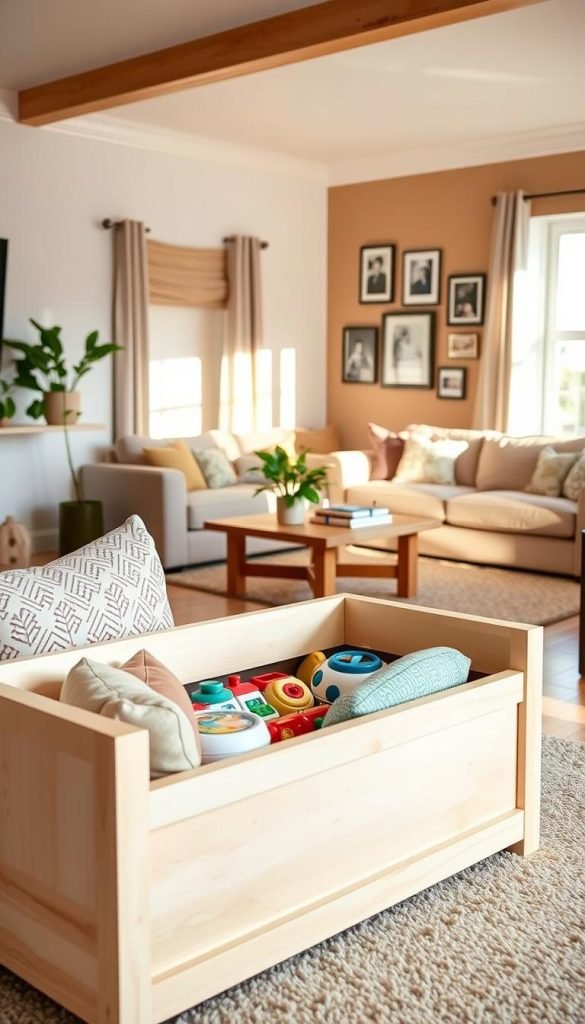
Traditional containers created more problems than they solved. Brightly colored bins screamed “kids zone” in our elegant space. They never matched our furniture or decor style.
The Toy Clutter Problem That Drove Me Crazy
Our living area transformed into a permanent play zone overnight. Tiny cars hid under cushions while dolls occupied every chair. The mess seemed to regenerate within minutes of cleaning.
I reached my breaking point during an important dinner party. Our guests had to move stuffed animals just to sit down. That embarrassing moment sparked my search for better solutions.
The psychological weight of constant disorder became overwhelming. Studies show clutter increases stress levels significantly. Our family needed harmony between play space and adult living.
How Dual-Purpose Furniture Saved My Sanity
Multi-functional design became our household’s salvation. One clever piece could serve two completely different purposes. It provided seating while hiding the childhood treasures within.
The transformation affected our entire family dynamic. Kids could access their playthings easily when needed. Adults enjoyed a clean, sophisticated environment for daily living.
This approach balanced practical needs with aesthetic desires. Our room finally felt like it belonged to everyone. The solution maintained peace between toy time and tidy space.
| Problem | Traditional Solution | Dual-Purpose Solution |
|---|---|---|
| Visible toy clutter | Plastic bins and boxes | Hidden compartments |
| Lack of seating | Additional chairs | Built-in bench seating |
| Style clash | Childish storage units | Furniture matching decor |
| Quick cleanup needs | Time-consuming organization | Instant mess concealment |
The right storage approach changed everything for us. Our living area now functions for both play and relaxation. This smart solution brought peace to our daily routine.
Planning Your Secret Storage Bench: Key Considerations
Proper planning transformed my chaotic space into an organized haven. The right approach makes all the difference between furniture that fights your room and pieces that enhance it. Thoughtful preparation ensures your solution works for years.
I learned that successful projects begin long before any tools come out. Measurements, layout analysis, and option evaluation prevent costly mistakes. This groundwork creates seamless integration with your existing decor.
Measuring Your Space for the Perfect Fit
Accurate measurements became my foundation for success. Early attempts taught me to measure every dimension twice. Wall lengths, ceiling heights, and doorway widths all matter significantly.
Traffic flow patterns influenced the final placement decisions. I considered how people move through the room daily. Accessibility for children and adults required careful thought.
Weight capacity assessment proved crucial for family safety. I calculated maximum potential load from both seating and stored items. This prevented structural issues later.
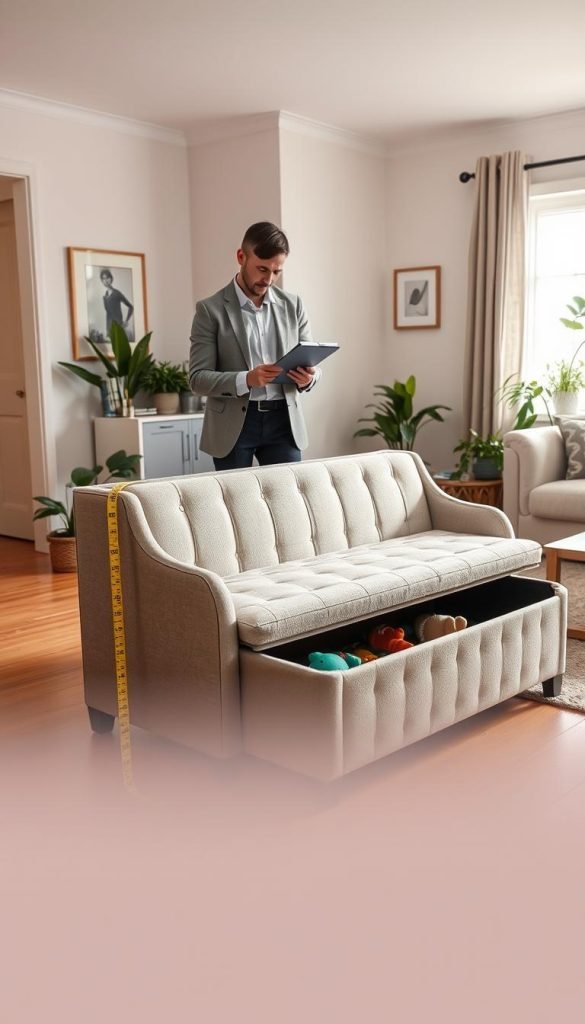
Fixture locations demanded special attention during planning. Electrical outlets, heating vents, and light switches affected positioning. Working around these elements maintained room functionality.
Future needs guided my design choices as well. The bench needed to adapt as children grew and play habits changed. Flexible interior organization accommodated evolving storage requirements.
Choosing Between Built-In vs. Freestanding Options
This decision impacted both aesthetics and practicality. Built-in solutions offer custom integration with your existing architecture. Built-in storage benches can be designed to match your deck and fit your space perfectly.
Freestanding pieces provide flexibility for room rearrangements. They work well for renters or those who enjoy refreshing their decor. Both approaches effectively conceal household clutter.
Custom-fit benches maximize large areas beautifully. Corner installations save valuable space in smaller rooms. Floating furniture arrangements create dedicated zones for different activities.
Style integration influenced my final selection process. The bench needed to complement other furniture pieces naturally. Color matching and finish selection ensured visual harmony.
Installation considerations affected my choice significantly. Built-in options require more construction expertise and time investment. Freestanding benches offer immediate usability without permanent changes.
Ultimately, the right choice depends on your specific living situation. Family habits, room layout, and long-term plans all contribute to the decision. Proper evaluation leads to the perfect solution for your home.
Materials and Tools You’ll Need for the Project
Gathering the right supplies made my construction process smooth and successful. Quality materials ensure your finished piece withstands daily family use. Proper tools transform challenging woodworking into an enjoyable experience.
I discovered that material selection impacts both durability and appearance. The right wood choice creates furniture that lasts for years. Smart tool investments pay off through precise cuts and professional results.
Wood Selection: What Works Best for Storage Benches
Cedar and pressure-treated pine became my top recommendations. These woods handle indoor environments beautifully while resisting moisture damage. Pressure-treated lumber fights rot, insects, and mold effectively.
Wood requires proper finishing for long-term protection. Paint or sealant preserves the surface from spills and wear. Sanding eliminates splinters, creating safe edges for children.
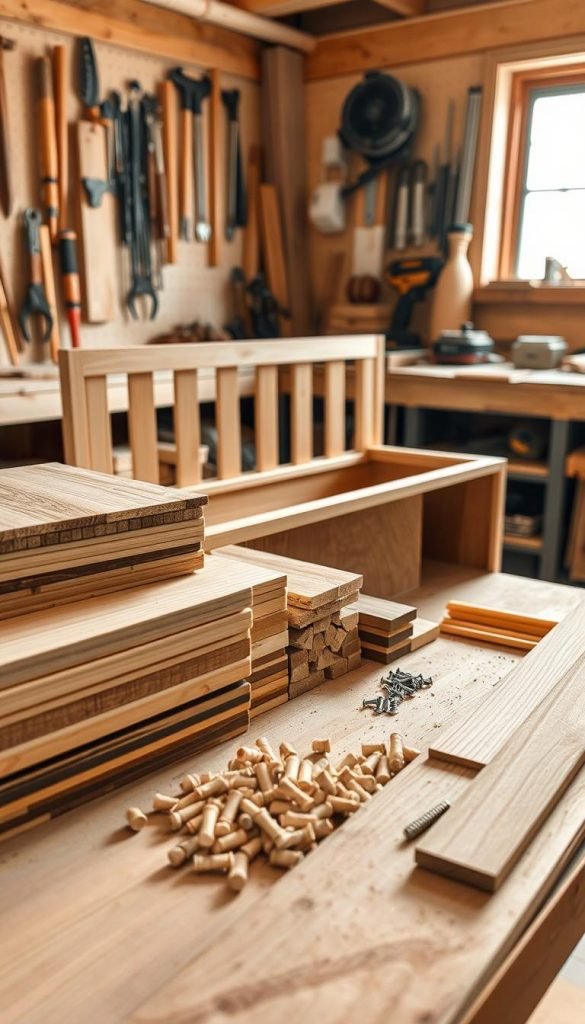
Cost considerations influenced my final material decisions. Premium hardwoods offer stunning beauty but higher prices. Softwoods provide excellent value for budget-conscious projects.
Hidden compartments benefit from lightweight yet sturdy materials. Plywood panels work well for interior dividers and shelves. Solid wood frames ensure structural integrity for seating.
Alternative materials suit different preferences and skill levels. Medium-density fiberboard offers smooth surfaces for painting. Metal framing provides industrial strength for heavy loads.
Essential Tools From My Workshop
My must-have tools made the construction process manageable. These items created precise joints and smooth finishes. Safety equipment protected me throughout the building phases.
Absolute necessities:
- Circular saw for straight cuts
- Power drill with various bits
- Tape measure and combination square
- Clamps for holding pieces together
- Safety glasses and hearing protection
Nice-to-have tools accelerated my progress significantly. A pocket hole jig created strong, hidden joints quickly. An orbital sander produced glass-smooth surfaces effortlessly.
Local sourcing saved me time and money on materials. Home improvement stores offer pre-cut lumber options. Reclaimed wood provides character while reducing costs.
Calculating quantities prevents wasteful over-purchasing. I measured twice and bought materials accordingly. Extra pieces allowed for mistakes and future repairs.
My favorite tools transformed challenging tasks into simple steps. A laser level ensured perfect alignment during assembly. A finish nailer created professional-looking results without visible fasteners.
Designing a Bench That Blends With Adult Decor
Creating furniture that serves dual purposes requires thoughtful design planning. The goal is to make pieces that function for the entire family while maintaining aesthetic appeal. My approach focused on making storage solutions disappear into the room’s decor.

Choosing regular living room furniture instead of kid-specific items changed everything. These pieces naturally fit our existing style without standing out. The transformation made our space feel cohesive and intentional.
Style Choices That Complement Your Existing Furniture
Matching furniture styles creates visual harmony throughout the room. I studied our existing pieces to identify common design elements. This attention to detail made the new bench feel like it always belonged.
Traditional furniture often features clean lines and subtle details. Modern designs lean toward minimalism with hidden hardware. Transitional styles blend both approaches for versatile appeal.
My early mistakes taught me valuable lessons about style integration. Initially, I chose pieces that contrasted too sharply with our decor. The mismatch made the storage obvious rather than secret.
Proportion and scale considerations proved equally important. The bench needed to match other seating in height and depth. Balanced dimensions create aesthetic harmony throughout the space.
Hardware selection contributes significantly to the overall look. I opted for brushed nickel pulls that matched our other fixtures. These subtle choices make furniture appear sophisticated and intentional.
Color and Finish Options for a Sophisticated Look
Color theory principles guided my finish selections. Complementary tones create cohesion while contrasting shades add visual interest. I learned to test samples in different lighting before committing.
Matching stains or paint creates a seamless appearance. I brought fabric swatches and wood samples to the paint store. This ensured perfect color matching with our existing decor.
Different finish options offer unique advantages. Paint provides uniform coverage and easy touch-ups. Stain enhances natural wood grain while offering protection.
Decorative elements should enhance rather than detract from the design. Well-chosen baskets can appear as accessories rather than obvious storage. These touches maintain sophistication while providing function.
Balancing functionality with aesthetics requires careful consideration. Durable finishes withstand daily use while maintaining beauty. The right choice depends on your family’s lifestyle and needs.
Incorporating design elements that appeal to both kids and adults creates universal appeal. Neutral colors with accent pieces satisfy everyone’s preferences. This approach makes the space welcoming for all ages.
How Can I Add a Secret Toy Storage Bench That Adults Can Sit On: Step-by-Step
Building the perfect storage solution became my weekend project. The process transformed raw materials into functional furniture. Each step brought me closer to an organized living space.
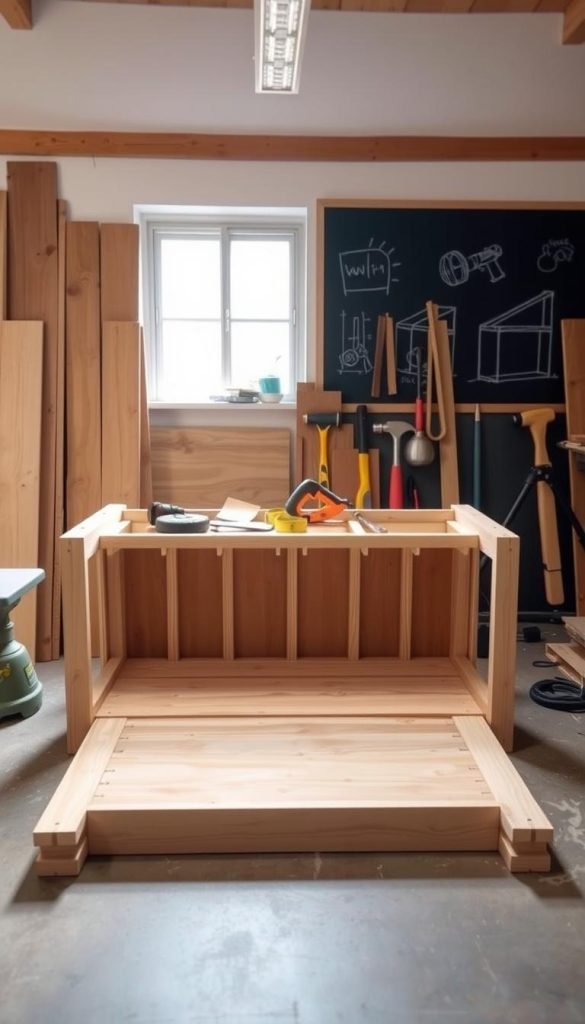
Building the Basic Frame Structure
I started with precise measurements for the foundation. The frame needed to support both seating weight and stored items. Square corners ensured professional-looking results.
My joinery method combined strength with clean aesthetics. Pocket screws created invisible connections between wood pieces. This technique prevented visible hardware on the finished product.
Reinforcement bars added crucial stability to the design. These horizontal supports distributed weight evenly across the frame. The structure could comfortably hold multiple adults.
Waterproof materials protected against spills and moisture. I selected pressure-treated lumber for its durability. Drainage holes prevented liquid accumulation inside.
Creating the Hidden Storage Compartment
The interior space required smart organization planning. Custom dividers separated different types of play things. This system kept everything accessible yet neatly arranged.
Depth considerations balanced storage capacity with practicality. The compartment needed to hold bulky items without becoming too deep. Easy access was essential for quick cleanup.
Discreet design elements maintained the secret nature. The exterior showed no signs of the storage function. Guests would never guess what hid inside.
Installing the Lid Mechanism for Easy Access
Lid construction demanded attention to weight and balance. I used lightweight yet sturdy materials for easy lifting. The top needed to open smoothly without straining.
Soft-close hinges became my safety priority. These mechanisms prevented sudden lid drops that could pinch fingers. Children could access their toys without risk.
Testing revealed the perfect tension adjustment. The lid stayed open at any position without sliding shut. This feature proved invaluable during play time.
Finishing touches protected both form and function. A durable sealant guarded against daily wear and tear. The final product blended beautifully with our home decor.
Ensuring Structural Integrity and Weight Capacity
Structural integrity became my top priority when building furniture for daily use. The piece needed to handle both stored items and people sitting comfortably. Proper engineering prevents accidents and extends the life of your creation.
I learned that weight distribution matters more than total capacity. Even distribution across the frame prevents stress points. This approach ensures long-term durability for family use.

Reinforcement Techniques for Adult Seating
Cross-bracing transformed my bench from wobbly to rock-solid. Diagonal supports between vertical members eliminate side-to-side movement. This technique creates furniture that feels permanent and secure.
Corner blocks provided additional stability where it mattered most. I installed triangular reinforcements at all four corners. These pieces distribute weight evenly across the entire structure.
Double-thick side panels handled the heaviest loads beautifully. Laminating two pieces of plywood created incredibly strong walls. The extra thickness prevented bowing under pressure.
My reinforcement strategy included these key elements:
- Steel L-brackets at all major joints
- Center support beam running front to back
- Extra framing around the lid opening
- Reinforced corners with pocket screws
- Horizontal stretchers between vertical supports
Testing Your Bench’s Durability
Progressive loading revealed the true strength of my creation. I started with light weights and gradually increased the load. This method identified weak points before they became problems.
Daily use simulation proved invaluable for long-term assessment. I opened and closed the lid hundreds of times. Hinge durability became apparent through this repetitive testing.
Moisture exposure tests ensured finish durability. Spills and humidity shouldn’t affect the structural components. Proper sealing protects the wood from swelling or warping.
| Test Type | Methodology | Acceptance Criteria |
|---|---|---|
| Static Load | 250 pounds distributed evenly | No visible deflection or creaking |
| Impact Resistance | Dropping 10-pound weight from 12 inches | No surface damage or structural compromise |
| Cycle Testing | 100 open/close cycles | Smooth operation throughout |
| Environmental | Water exposure for 24 hours | No swelling or finish degradation |
Regular inspection maintains safety over years of use. I check for loose joints every six months. Tightening fasteners prevents small issues from becoming big problems.
Weight capacity calculations ensured appropriate safety margins. I designed for three times the expected maximum load. This conservative approach guarantees protection for my family.
Common failure points received extra attention during construction. Corner joints and lid supports got additional reinforcement. These areas handle the most stress during normal use.
Material selection played a crucial role in durability testing. I chose woods with natural strength characteristics. Proper grain orientation maximized structural integrity.
Final safety checks included child accessibility assessment. Little fingers shouldn’t get pinched in moving parts. Smooth edges and protected mechanisms completed the project.
Choosing the Right Hinges and Opening Mechanism
Selecting the perfect hardware transformed my furniture project from functional to fantastic. The opening system needed to balance smooth operation with child safety. My research revealed numerous options for concealed storage solutions.
Hardware choices impact both usability and aesthetics significantly. The right mechanism makes daily use effortless and enjoyable. This component deserves careful consideration during your planning phase.
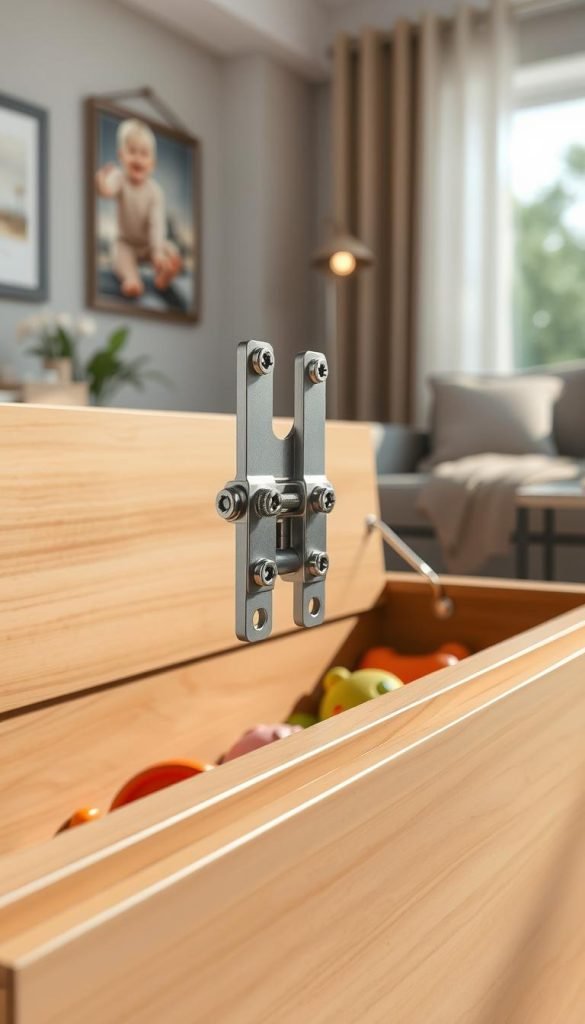
Soft-Close Lid Options for Safety
Soft-close mechanisms became my top priority for family safety. These innovative hinges prevent sudden lid closure that could pinch fingers. They provide peace of mind when children access their play things.
I discovered several excellent soft-close options during my search. Hydraulic mechanisms offer the smoothest operation available. Spring-loaded versions provide reliable performance at lower cost points.
Installation requires precise alignment for optimal function. I measured hinge placement multiple times before drilling. Proper positioning ensures the lid closes evenly every time.
These safety features protect curious little hands effectively. The slow-closing action gives everyone time to move clear. This consideration matters most in homes with young kids.
Gas Struts vs. Standard Hinges: What I Learned
Gas struts provide effortless lifting for heavier lids. They use pressurized gas to counterbalance the weight. This system makes opening feel almost weightless.
Standard hinges offer simplicity and reliability instead. They have fewer moving parts that could potentially fail. Traditional designs work well for lighter storage solutions.
My experience taught me valuable lessons about both systems:
- Gas struts require periodic replacement as they age
- Standard hinges need lubrication for smooth operation
- Weight capacity differs significantly between options
- Installation complexity varies by mechanism type
Cost comparisons revealed interesting differences too. Gas struts typically cost more initially. Standard hinges offer budget-friendly alternatives.
Maintenance requirements influenced my final decision. Gas struts may need replacement every few years. Standard hinges often last decades with proper care.
| Feature | Gas Struts | Standard Hinges |
|---|---|---|
| Ease of Opening | Effortless, even with heavy lids | Requires more lifting force |
| Safety Features | Built-in damping prevents slamming | Requires additional soft-close mechanism |
| Maintenance Needs | Periodic replacement recommended | Occasional lubrication required |
| Cost Considerations | Higher initial investment | More budget-friendly option |
| Lid Weight Capacity | Excellent for heavy materials | Best for lightweight designs |
| Aesthetic Impact | More visible hardware | Can be completely concealed |
Adjustment capabilities proved crucial for perfect operation. Gas struts offer limited adjustment options after installation. Standard hinges allow for fine-tuning during setup.
Troubleshooting common issues became part of my learning process. Sticking hinges often need cleaning and lubrication. Weak gas struts require replacement rather than repair.
Aesthetic considerations influenced my hardware selection. Some mechanisms remain visible when the lid opens. Others hide completely for a cleaner look.
The right choice depends on your specific needs and preferences. Consider lid weight, usage frequency, and safety requirements. Proper selection ensures years of reliable service.
Weatherproofing Considerations for Indoor Use
Many people assume indoor furniture doesn’t need protection from moisture. I learned this assumption can lead to costly damage over time. Daily life brings spills, humidity, and accidental messes that threaten wood surfaces.
Proper protection extends the life of any piece significantly. It maintains the beauty while handling family activities. This approach keeps furniture looking new despite heavy use.
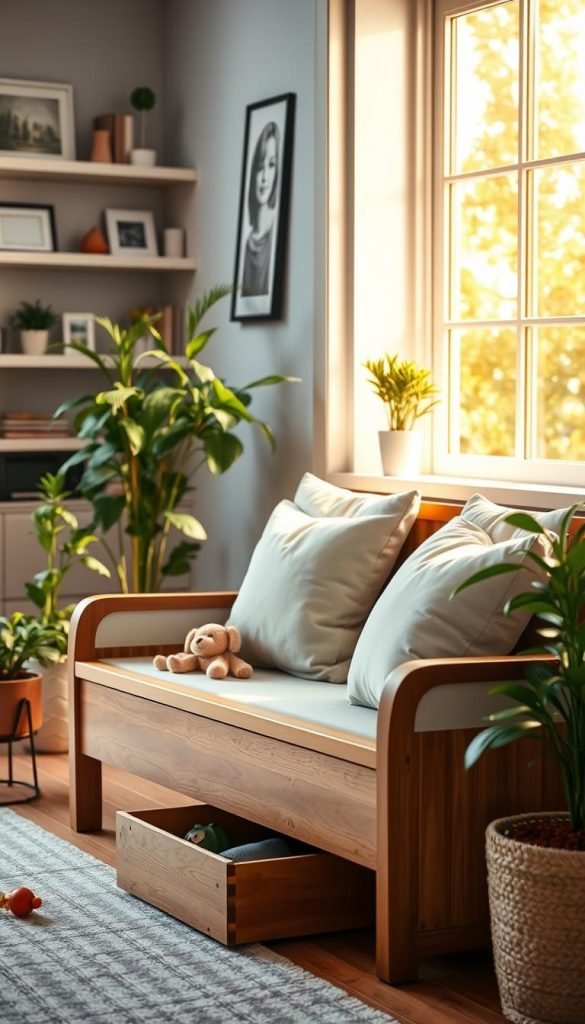
Protecting Against Spills and Moisture
Liquid damage became my biggest concern for the storage area. Kids’ drinks and play things often create wet messes. Without protection, moisture warps wood and ruins finishes.
I discovered several effective moisture barriers during testing. Polyurethane creates a durable, waterproof shield on surfaces. Multiple thin coats work better than one thick application.
Application technique makes a huge difference in results. I used a high-quality brush for smooth, even coverage. Sanding between coats ensured perfect adhesion.
Edge sealing proved particularly important for longevity. I paid extra attention to corners and joints. These areas absorb moisture first if left unprotected.
Finish Treatments That Stand Up to Daily Use
Choosing the right finish transformed my furniture’s durability. I needed something that resisted scratches, stains, and UV damage. The finish had to maintain its good looks through years of use.
Water-based polyurethane became my top choice for several reasons. It dries clear without yellowing over time. The low odor made application inside the house possible.
Drying times varied significantly between products. Some brands required 24 hours between coats. Others allowed recoating in just four hours.
Maintenance involves simple cleaning with mild soap and water. I avoid harsh chemicals that could damage the protective layer. Occasional waxing refreshes the surface beautifully.
Eco-friendly options work well for families concerned about VOCs. These water-based finishes offer protection without strong fumes. They’re safer for kids and the whole family.
Damage repair is straightforward with the right products. Light scratches often buff out with fine steel wool. Deeper damage may require spot refinishing.
My experience taught me that quality materials matter most. Investing in premium finishes saves money long-term. The protection lasts years instead of months.
Organizing the Interior for Maximum Toy Storage
Transforming the interior space became my secret weapon against household chaos. Smart organization systems turned empty compartments into efficient storage solutions. The right approach made everything accessible yet completely hidden from view.
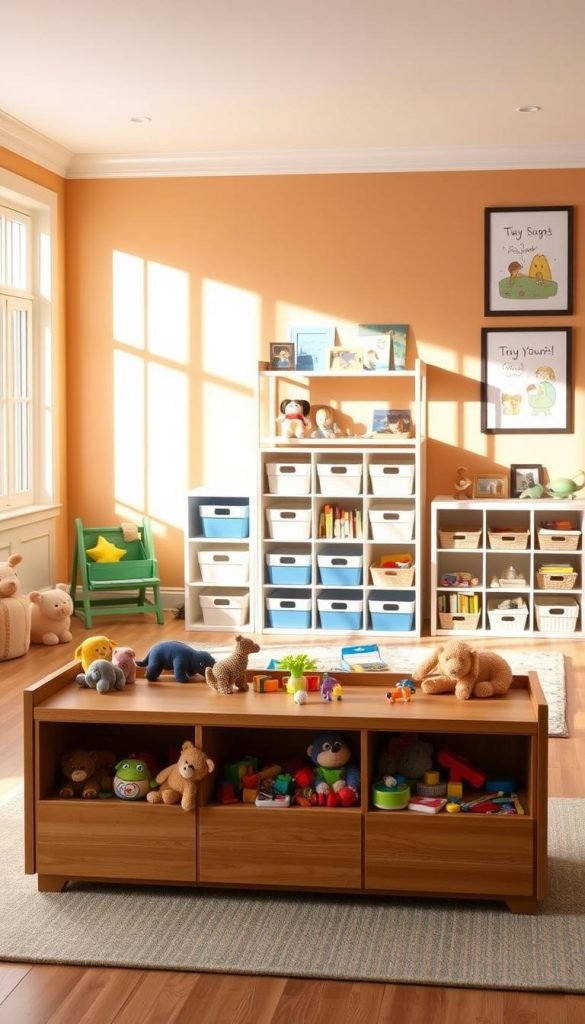
Dividing the Space for Different Toy Types
Categorization changed everything about our cleanup routine. I sorted playthings by size, type, and frequency of use. This system made finding specific items incredibly simple.
Large items got their own dedicated zones within the bench. Smaller pieces lived in separate containers to prevent mixing. This separation kept everything organized and easy to access.
My favorite division methods included:
- Adjustable shelves for changing collections
- Custom dividers for special categories
- Vertical separators for flat items
- Designated corners for oversized toys
The system evolved as my children grew and their interests changed. Flexible organization allowed for easy adjustments over time. This adaptability proved crucial for long-term success.
Using Bins and Baskets Inside Your Bench
Containers transformed random piles into orderly collections. I chose baskets that matched our home’s decor style. These looked like decorative elements rather than obvious storage solutions.
Clear bins worked wonderfully for visual identification. Opaque containers created cleaner lines when the lid opened. Both options served different purposes within the system.
My container selection criteria included:
- Durable materials that withstand daily use
- Comfortable handles for easy carrying
- Stackable designs for efficient space use
- Neutral colors that blend with home decor
Labeling became our secret weapon for maintenance. I used both words and pictures for universal understanding. Even young children could participate in cleanup using this system.
Rotation kept the collection fresh and interesting. I stored some containers elsewhere and swapped them periodically. This approach maintained excitement while reducing visual clutter.
The final result exceeded all my expectations. Our living area maintained its sophisticated appearance while housing countless playthings. This clever solution brought peace to our daily routine.
Adding Comfort Features for Actual Sitting
Creating truly comfortable seating transformed my storage solution from functional to fabulous. The right cushioning makes all the difference between temporary perching and genuine relaxation. This attention to comfort ensures everyone enjoys the space equally.
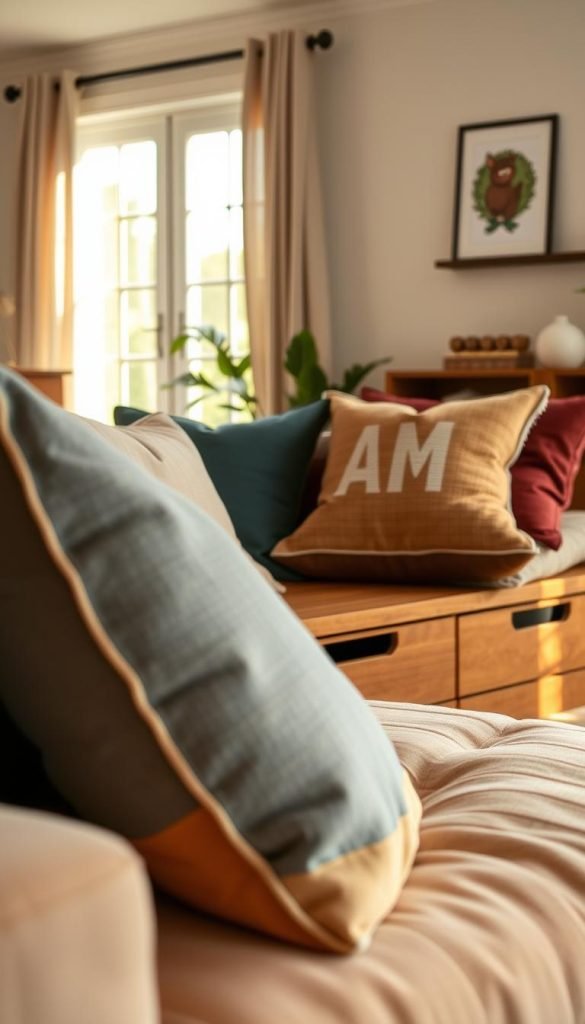
My journey through cushion options taught me valuable lessons about family-friendly design. Comfort needs to balance with practical considerations for daily use. The perfect seat supports both quick breaks and extended lounging.
Cushion Options That Are Both Comfortable and Practical
Foam density became my primary consideration for lasting comfort. High-density foam maintains its shape through years of regular use. It provides excellent support without feeling too firm.
Different fill materials offer unique advantages for various needs. Memory foam contours beautifully to body shapes for personalized comfort. Polyester fiberfill creates a softer, more plush sitting experience.
I discovered these essential cushion construction principles:
- 4-6 inch thickness provides optimal comfort for most people
- Multiple layers create better support than single thick pieces
- High-resiliency foam returns to shape quickly after use
- Denser foam works better for heavier usage areas
Fabric selection impacts both comfort and durability significantly. Performance fabrics resist stains while remaining soft to the touch. These materials handle daily family life with minimal maintenance.
Waterproof protection became essential for our household. I added hidden moisture barriers beneath attractive outer fabrics. This clever solution prevents damage from accidental spills.
Removable vs. Attached Cushion Solutions
The removable versus attached decision affects both cleaning and stability. Removable covers offer incredible cleaning flexibility for busy families. They can be washed regularly to maintain freshness.
Attached cushions provide better stability during active use. They stay perfectly positioned without shifting or sliding around. This feature works well for homes with energetic children.
My experience revealed these key differences:
| Feature | Removable Cushions | Attached Cushions |
|---|---|---|
| Cleaning Ease | Excellent – covers wash separately | Limited – spot cleaning only |
| Stability | May shift during use | Excellent – stays in place |
| Replacement Cost | Lower – replace covers only | Higher – replace entire cushion |
| Customization | Easy – change covers seasonally | Difficult – permanent appearance |
| Installation | Simple – no tools required | May require fasteners |
| Child Safety | Potential choking hazard with ties | Generally safer design |
Creating custom-fit cushions elevated the entire project. I measured the exact dimensions of the seating area. Perfectly sized pieces look professional and feel incredibly comfortable.
Maintenance routines keep cushions fresh and inviting. Regular vacuuming removes surface dirt and debris. Occasional steam cleaning revitalizes the fabric’s appearance.
Balancing aesthetic appeal with practical comfort requires thoughtful choices. Neutral colors hide stains while complementing room decor. Textured fabrics add visual interest while disguising wear.
The right cushion solution transforms storage into comfortable seating. This attention to comfort makes the space welcoming for everyone. Our family enjoys both organization and relaxation in one beautiful piece.
Safety Features Every Secret Storage Bench Needs
Safety became my primary focus when creating furniture for family use. Protection matters most when little ones interact with household items daily. Smart features prevent accidents while maintaining beautiful design.
Integrated safety elements work better than add-on solutions. They become part of the furniture’s natural function. This approach keeps everyone protected without compromising style.
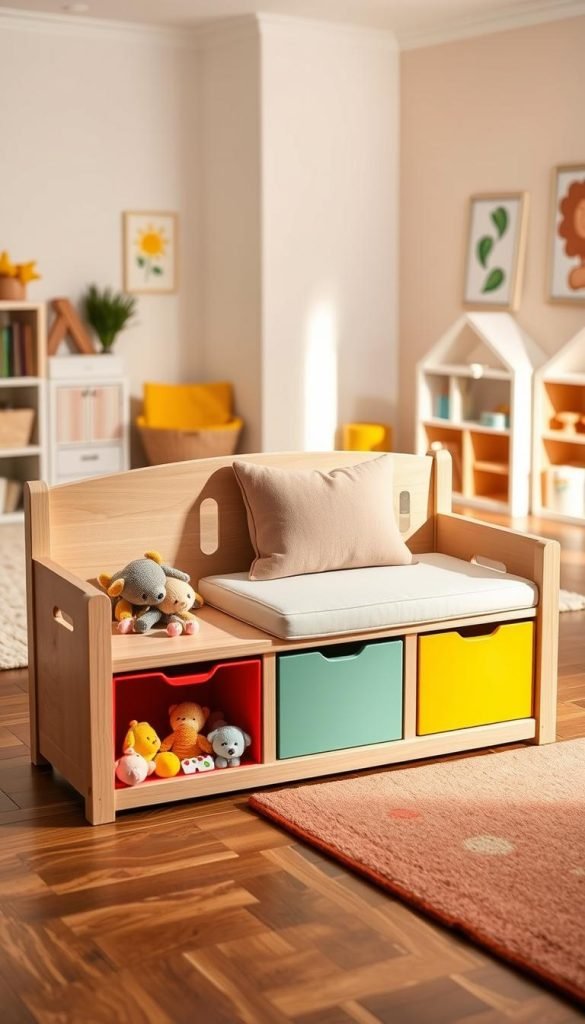
Child-Safe Lid Mechanisms
Lid safety transformed how my children accessed their play things. Soft-close hinges became my favorite solution for protection. These mechanisms prevent sudden drops that could pinch fingers.
I tested several excellent options for family-friendly operation. Hydraulic systems offer the smoothest motion control. Spring-loaded versions provide reliable performance at various price points.
Installation requires precise measurement for perfect function. Proper alignment ensures even closing every time. This attention prevents potential safety issues.
My safety testing included these crucial checks:
- Repeated open-close cycles for consistency
- Weight resistance to prevent sudden closure
- Edge smoothness to avoid cuts or scrapes
- Stability during active use by children
Education became part of our safety routine too. I taught proper opening and closing techniques. Clear rules prevented misuse while maintaining accessibility.
Ventilation Considerations for Enclosed Spaces
Air circulation prevents moisture buildup in closed areas. Stored items need fresh air to avoid musty odors. Proper ventilation protects both toys and furniture.
I discovered several effective ventilation methods during construction. Small drilled holes allow air exchange without visibility. Decorative patterns can incorporate functional airflow channels.
Placement matters for optimal air movement. I positioned vents near the top and bottom sections. This creates natural convection currents for continuous circulation.
| Ventilation Method | Implementation | Effectiveness Rating |
|---|---|---|
| Drilled Holes | 1/4″ holes in decorative pattern | Excellent airflow |
| Slot Vents | Hidden vertical slots on sides | Good circulation |
| Lid Gaps | Designed space between lid and frame | Moderate ventilation |
| Mesh Panels | Fabric-covered ventilation areas | Maximum air exchange |
Regular inspection maintains proper ventilation over time. I check for blockages during monthly cleaning. This simple habit prevents potential moisture issues.
Material selection affects ventilation needs significantly. Natural woods breathe better than synthetic materials. This knowledge guided my construction choices.
Safety certifications provided additional peace of mind. I looked for ASTM international standards on children’s products. These guidelines ensure proper testing and reliability.
The right balance between safety and function creates ideal family furniture. Our storage solution protects while serving its purpose beautifully. This approach brings peace of mind to daily use.
Customization Ideas for Your Specific Needs
Personalizing our storage solution made it truly work for our household. Every family has unique requirements that demand thoughtful adjustments. The right modifications transform standard furniture into perfect solutions.
Custom features addressed our specific challenges beautifully. They made daily routines smoother while maintaining aesthetic appeal. This approach created furniture that felt designed just for us.
Adding Dividers for Different Age Children
Age-appropriate organization changed everything for our mixed-age kids. Younger children needed easy access to larger play items. Older kids preferred keeping their special collections separate.
Adjustable dividers provided the perfect flexible solution. They could move as our children grew and their interests changed. This adaptability prevented needing constant furniture modifications.
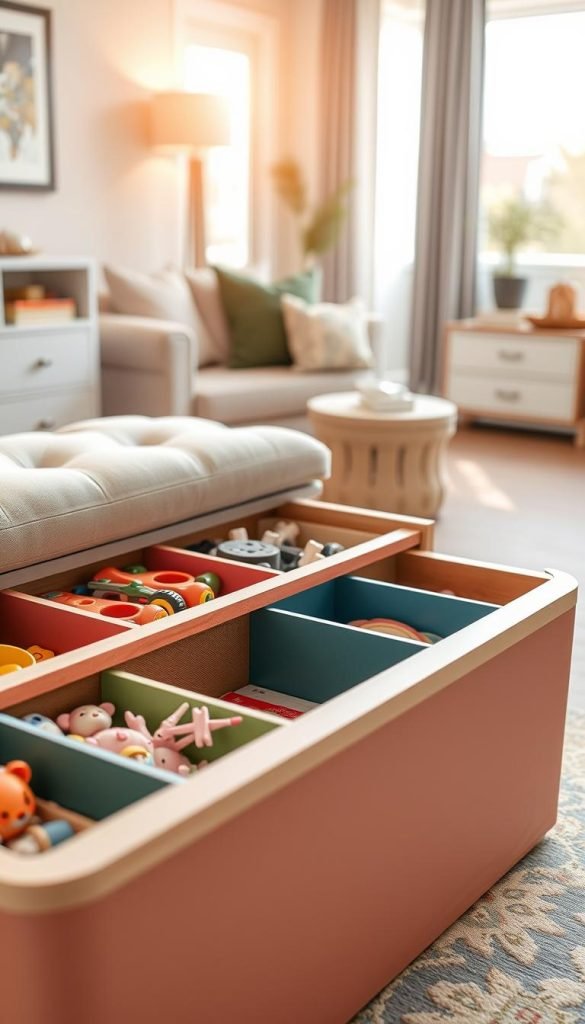
Color-coded sections helped everyone stay organized effortlessly. Each child claimed their own designated storage area. This system reduced arguments over space and missing items.
My divider implementation included these smart features:
- Removable panels for changing needs
- Different compartment sizes for various items
- Clear labels with words and pictures
- Secure mounting to prevent tipping
Safety considerations guided all design choices. Rounded edges protected little hands during access. Smooth surfaces prevented scratches and splinters.
Incorporating Charging Stations or Other Tech
Modern families need technology integration in their furniture. Hidden charging ports keep devices powered without cord clutter. This feature maintains clean lines while offering convenience.
USB ports became our most-used custom addition. They allowed charging tablets and phones discreetly. The hidden location prevented curious little fingers from unplugging devices.
Wireless charging pads offered even cleaner functionality. Simply placing devices on the surface started power transfer. No cords meant no tangles or tripping hazards.
| Tech Feature | Installation Complexity | Family Benefits | Cost Estimate |
|---|---|---|---|
| USB Ports | Moderate – requires wiring | Charging multiple devices | $25-50 |
| Wireless Charger | Easy – surface mount | Cord-free convenience | $30-70 |
| Bluetooth Speaker | Moderate – requires power | Entertainment integration | $40-100 |
| LED Lighting | Easy – battery operated | Visibility in dark spaces | $15-40 |
Safety certifications mattered for all electrical components. I chose UL-listed parts for peace of mind. Proper installation prevented any potential hazards.
Future-proofing considerations guided my technology choices. I left extra space for additional features later. Conduit tubes allowed easy wire additions without reconstruction.
Budget-friendly options made technology accessible to everyone. Solar-powered lights required no electrical work. Battery-operated components offered flexibility in placement.
These custom features transformed basic storage into smart furniture. Our solution now handles both organization and modern family needs. The integration feels seamless and incredibly useful.
Maintaining Your Secret Toy Storage Bench
Keeping our clever furniture solution in perfect condition became part of our weekly routine. Regular care ensures the piece continues serving our family beautifully. This maintenance preserves both function and appearance for years.
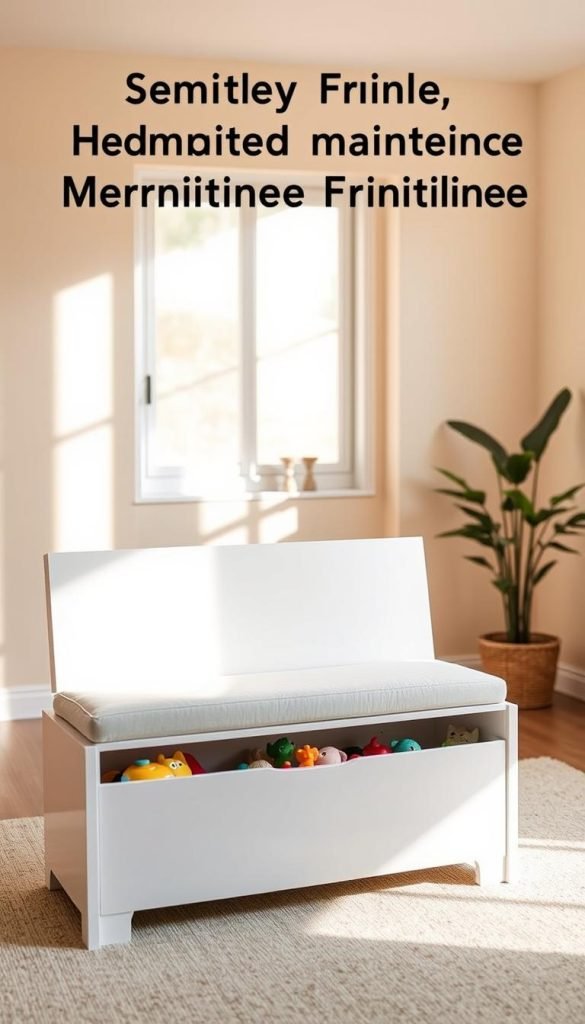
Cleaning and Care Routine
Weekly surface cleaning keeps everything looking fresh. I use a soft cloth with mild soap and water. This removes fingerprints and everyday dust effectively.
Different materials require specific cleaning approaches. Wood surfaces need gentle cleaners without harsh chemicals. Upholstered cushions benefit from regular vacuuming.
Hardware maintenance prevents annoying squeaks and sticking. I lubricate hinges every three months with silicone spray. This keeps the lid operating smoothly and quietly.
Interior organization needs occasional refreshing too. I empty and wipe down the storage area monthly. This prevents dust buildup on stored items.
My cleaning toolkit includes these essentials:
- Microfiber cloths for dusting
- Mild wood cleaner for surfaces
- Small brush for crevices
- Silicone lubricant for hinges
- Vacuum with upholstery attachment
Seasonal Maintenance Tips
Seasonal deep cleaning revitalizes the entire piece. Spring and fall become my designated maintenance periods. This schedule keeps everything in top condition.
Refinishing might be necessary after several years. Light sanding and fresh stain restore the original beauty. This process feels like getting brand new furniture.
Reorganizing contents accommodates changing needs. Kids outgrow certain types of play things. The storage system should evolve with their interests.
Weather changes affect wood furniture significantly. Winter dryness can cause slight shrinking. Summer humidity might create minor expansion.
Preventive maintenance avoids major repairs later. I inspect for loose joints every season. Tightening fasteners takes minutes but prevents big issues.
Professional help becomes valuable for complex problems. Structural issues deserve expert attention. Cosmetic repairs often work well as DIY projects.
Our maintenance routine keeps the bench functioning perfectly. The piece remains both practical and beautiful. This care ensures years of reliable service for our home.
Alternative Locations Throughout Your Home
Discovering versatile placement options transformed how we managed household items. Our initial success with the living area inspired exploration of other spaces. This approach distributed storage solutions throughout our entire house.
Different rooms present unique opportunities for clever organization. Each location requires specific design considerations for optimal function. Thoughtful placement maximizes both accessibility and aesthetic appeal.
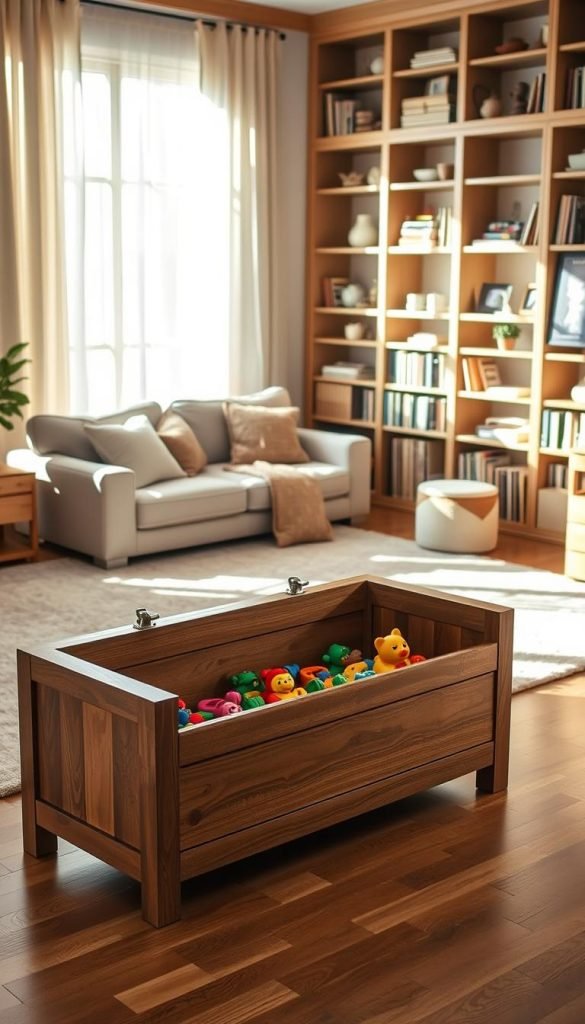
Entryway Storage Solutions
Our front entrance became a prime candidate for dual-purpose furniture. This high-traffic area benefits from smart organization solutions. I created a welcoming space that handles daily clutter beautifully.
The design needed to accommodate various family needs simultaneously. Outdoor gear, seasonal items, and daily essentials all required homes. A well-planned entryway bench keeps everything tidy yet accessible.
Key considerations for entryway placement include:
- Weather-resistant materials for outdoor-indoor transition areas
- Shallow storage for frequently accessed items
- Open shelving for shoes and immediate-use items
- Hidden compartments for seasonal gear rotation
Traffic flow dictated the final size and orientation. The piece couldn’t obstruct natural movement patterns. I ensured clear pathways while providing ample storage capacity.
Bedroom and Play Area Applications
Children’s sleeping spaces offered excellent potential for organized storage. I implemented solutions that encouraged independent cleanup habits. These designs made bedtime routines smoother for everyone.
Dedicated play zones benefited from customized organization systems. I created zones for different activity types within the room. This separation maintained order while supporting creative play.
Bedroom implementations required special considerations:
- Softer closing mechanisms for quiet operation
- Smaller scale appropriate for room proportions
- Thematic designs that match bedroom decor
- Lower height for child accessibility
Multi-room strategies created whole-home organization systems. Coordinated pieces throughout the house maintained visual harmony. This approach eliminated clutter hotspots while providing abundant storage.
Placement assessment considered room-specific functions carefully. I evaluated traffic patterns, natural light, and existing furniture arrangements. The right location balances practicality with aesthetic integration.
Our experience taught valuable lessons about spatial relationships. Smaller rooms benefit from wall-mounted options that save floor space. Larger areas accommodate freestanding pieces with greater capacity.
The flexibility of this concept continues to impress our family. We’ve adapted the basic design for various room requirements. Each implementation brings new organizational benefits to our daily life.
Cost-Effective Alternatives and Modifications
Budget constraints led me to explore creative alternatives for our storage needs. Not every solution requires building from scratch or buying expensive materials. Sometimes the most effective approaches come from reimagining what we already have available.
I discovered numerous ways to achieve organized spaces without breaking the bank. These methods maintained functionality while significantly reducing costs. The results surprised me with their effectiveness and elegance.
Repurposing Existing Furniture
Old furniture became my secret weapon for affordable organization. That outdated coffee table transformed into a perfect hidden storage unit. With some simple modifications, it gained new life and purpose.
Bookshelves work wonderfully for vertical storage solutions. I added fabric curtains to conceal items while maintaining accessibility. This approach cost very little compared to custom built-ins.
My favorite repurposing project involved an unused dresser. I removed the drawers and created large open compartments instead. Cute baskets now hold all the play things neatly inside.
Entertainment centers offer excellent potential for conversion. Their deep shelves accommodate larger items beautifully. Adding doors creates that secret storage effect everyone loves.
I learned to see furniture with fresh eyes and imagination. Every piece holds potential for creative reorganization. This mindset saves money while reducing waste.
Budget-Friendly Material Swaps
Material selection dramatically affects project costs without sacrificing quality. I discovered excellent alternatives to premium wood products. These swaps saved significant money while maintaining durability.
Plywood offers outstanding value for interior components. The smooth surface takes paint beautifully while providing strength. I used it for shelves and dividers where appearance mattered less.
MDF works perfectly for painted surfaces at lower cost. It lacks natural grain but provides flawless painted finishes. This material became my go-to for hidden structural elements.
My experience taught me when to invest and when to save. Visible surfaces deserve better materials while hidden areas work fine with alternatives. This balanced approach maximizes value.
| Premium Material | Budget Alternative | Cost Savings | Best Applications |
|---|---|---|---|
| Solid hardwood | Plywood with veneer | 60-70% | Side panels and surfaces |
| Custom hardware | Standard hinges and pulls | 40-50% | All functional components |
| High-density foam | Layered fiberfill | 30-40% | Cushion interiors |
| Solid wood dividers | Corrugated plastic panels | 70-80% | Interior organization |
Local resources provided unexpected material sources. Construction sites often have leftover materials available cheaply. Reclaimed wood offers character at fraction of new lumber costs.
Simple design changes reduced both cost and complexity. Straight lines instead of curves minimized cutting waste. Standard sizes eliminated custom cutting fees.
The right approach balances economy with quality throughout. Our family enjoys organized spaces without financial stress. Smart choices make beautiful organization accessible to everyone.
Conclusion: Enjoying Your Clutter-Free Living Space
Our home transformation brought unexpected peace to daily life. The chaos of scattered playthings vanished completely. Now we enjoy a tidy environment that works for everyone.
Psychological benefits emerged immediately after completion. Reduced visual clutter lowered stress levels significantly. Our family interacts more positively in this organized space.
Maintenance became surprisingly simple with the new system. Everything has its designated place behind closed doors. Quick cleanup takes minutes instead of hours.
Children adapted wonderfully to the organized approach. They appreciate knowing where to find their favorite items. The system encourages responsibility through easy participation.
Aesthetic improvement amazed everyone who visits. Guests compliment our sophisticated living area. They never suspect the clever storage hidden in plain sight.
This project inspired other organizational efforts throughout our house. Success breeds motivation for further improvements. Each space now functions better for our family’s needs.
The satisfaction of creating this solution remains rewarding. We continue enjoying the long-term benefits daily. Our home finally balances style with practicality perfectly.
Anyone can achieve similar results with thoughtful planning. The effort pays off in improved quality of life. Start your journey toward organized living today with these clever toy storage ideas for living rooms.