What’s the easiest way to add a secret playroom under the stairs?
I’ll give you a simple, weekend-friendly plan you can try in most U.S. homes. My go-to is a disguised access door built into drywall beneath stairs, then finishing that underused space into a cozy playroom with minimal framing, simple trim, and paint that blends with adjacent walls.
Easy here means light-duty DIY, basic tools, and a compact upgrade that reuses space in your house without major permits in many areas. I’ll walk you through a quick feasibility check, materials and tools, a step-by-step hidden door, plus fast design ideas that make the small space feel special.
This approach keeps mess contained and play localized, so your home looks tidier while kids get a delightful hideout. It works with straight or L-shaped stairs, stays budget friendly since you’re finishing existing area, and usually fits a weekend timeline: one weekend for the door and finish, a second for styling details.
Key Takeaways
- Disguised drywall access makes a simple, secret door for kids.
- Project suits most houses with accessible stair undersides.
- Minimal tools, low cost, and often no permit needed.
- Two short weekends covers build plus styling.
- Clear, friendly guidance helps beginners avoid common pitfalls.
Why a hidden under-stairs playroom is the easiest win for small-space fun
I turn a compact gap beneath stairs into a practical, imaginative spot with very little fuss.
Quick payoff: you reuse existing space so your home keeps valuable square footage. A small cut in drywall, basic framing, and trim deliver a finished room that feels built-in and durable.
Designs scale easily. In a tight nook I recommend a soft rug, tiny table, and a LEGO board wall or mini desk. Larger clearances can host a low loft, climbing holds, or a cozy reading corner.

- I create a sense of adventure for kids while keeping toys contained and easy to tidy.
- Minimal demolition, low cost, and quick install make this a weekend-friendly upgrade.
- A few cozy touches—lamp, beanbag, storage bins—turn a small spot into a beloved room.
- Safety comes first: smooth edges, decent airflow, and low-heat lighting keep play comfortable.
Flexible over time: the space can evolve from pretend play to homework storage as needs change, so this small investment pays off for years.
Quick feasibility check: space, stairs, and safety in a typical U.S. home
Before you cut into drywall, I run a quick map of what sits behind that wall and how much clear space exists.
I tap and use a stud finder to locate studs and mark a safe opening. I also scan for outlets or switch plates that hint at wiring runs.
If you can access the area from a basement or side panel, take a peek. That view helps me confirm open bays and spot plumbing or ductwork that could block the usable space.
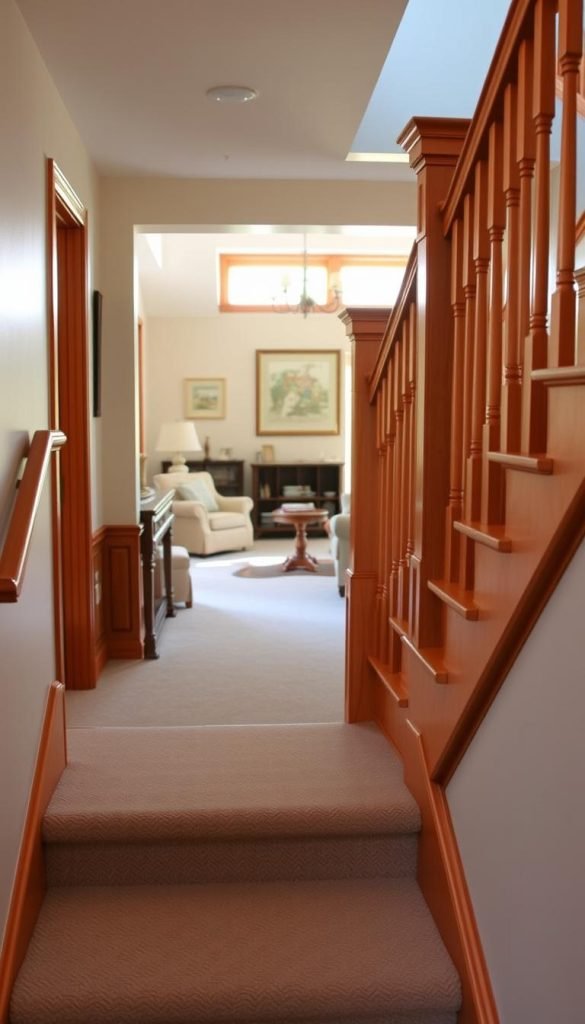
What I look for behind the wall: studs, wiring, plumbing, and ceiling height
- I aim for clear stud bays and mark a cut line between studs, keeping well away from suspected wiring.
- I watch for drain lines, HVAC trunks, and junction boxes before any cutting so surprises don’t derail the plan.
- Ceiling slopes under stairs. I look for 30–36 inches at the highest point for a comfy kid zone.
Basic safety notes for kids: ventilation, egress, finishes, and smooth edges
Ventilation: a louvered grill, undercut door, or a small return gap keeps air moving in a tiny room.
Egress: this space is non-sleeping. I keep the opening clear and use a simple latch kids can open easily — no locks.
| Check | Pass | Action if Fail |
|---|---|---|
| Unobstructed bay | Yes / No | Relocate plans or consult pro |
| Clean stud spacing | Yes / No | Reframe with 2x4s |
| Minimum ceiling clearance | 30–36 in | Limit use to storage |
| Air and light plan | Yes / No | Add grill or LED puck light |
Finishes: I pick wipeable paint, rounded trim, and a low-pile rug over the subfloor for safety and cleaning ease.
What’s the easiest way to add a secret playroom under the stairs?
You can pick between a nearly invisible access panel or an open little playhouse nook for fast, low-mess results.
Two simple pathways:
Disguised access door
I cut a clean opening, then frame it with 2x4s and rehung the removed drywall as the actual door. This keeps color and texture matched perfectly. I hide seams with magnetic trim, use texture spray, and fit a child-friendly latch so kids can open the door easily.
Low-lift mini playhouse nook
For the quickest build I frame a trimmed opening and skip concealed hinges. A small arched trim or painted surround gives whimsical playhouse charm while keeping work light. Measure bins and tiny furniture so items fit through the access.
“I treat this as a surface-level carpentry project — no stringer work, no rerouting of mechanicals.”
| Option | Time (weekend) | Estimated cost |
|---|---|---|
| Disguised door | 1–2 weekends | $150–$500 |
| Playhouse nook | 1 weekend | $75–$300 |
| Call a pro if | Hidden wiring/plumbing | Varies |
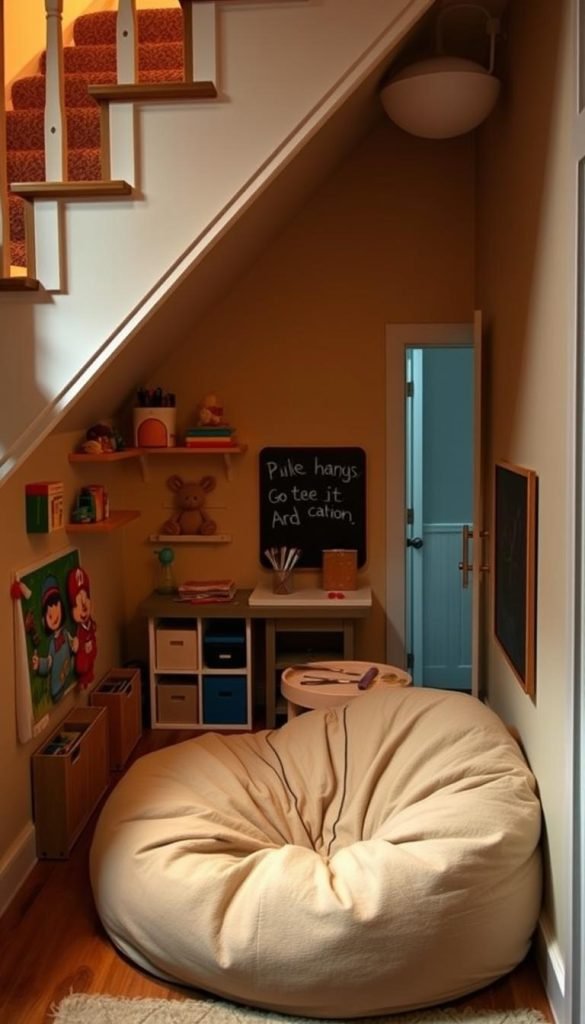
When I call a pro: if wiring, plumbing, or load-bearing stairs require changes, I stop and hire a licensed contractor. Otherwise, this project stays friendly for most DIYers and fits a tight weekend timeline.
Planning the playroom: purpose, layout, and a fast checklist
Before I cut or frame anything, I picture daily use so every inch works for kids and parents.
Define zones first. I decide if this will be a quiet reading corner, a pretend play hub, or a mixed-use room that rotates with the seasons. That choice drives storage and lighting needs.
I split the area into three compact zones: a beanbag reading nook with a low book ledge, a pretend-play strip with hooks and a mini kitchen, and a tidy storage bay sized for bins and baskets.

Quick layout moves I use
- I map the ceiling slope so taller items sit near the high point and floor play stays where headroom is low.
- I measure the widest bin I’ll use, note outlet locations, and pick a door opening that fits both kids and storage totes.
- I plan a wipeable mat at the entrance for craft mess and a simple color palette so paint, rug, and bins look cohesive.
Checklist for day-one setup
- Use vertical ledges and hooks to keep floors clear for play.
- Create labeled bins with icons so kids can tidy toys without help.
- Future-proof: make the reading zone convertible into art or a board-game shelf.
- Keep traffic flow open so parents can peek in and kids enter and exit without tripping.
Result: a small, organized space that stays useful as interests change and keeps daily clutter contained. These ideas make planning quick and practical.
Materials and tools I use for a simple hidden-door project
Before I start, I lay out every board, hinge, and fastener so the weekend stays focused and tidy.
Framing and trim: a few straight 2x4s for the doorway and blocking, plus 1x4s for neat trim that blends with existing walls.
Hardware and door face: standard or concealed hinges, a low-profile gate-style latch mounted on the back, and strong magnets to hide the hinge line. I reuse the drywall cut-out as the door face so texture and thickness match.
Finishes and shelving: spray texture to match the current wall pattern and interior paint in the same sheen. For storage I use pre-laminated 4×8 shelf board cut to size with white plastic edging for safe fronts.
- Fasteners: construction screws, trim nails, wood glue, adhesive for plastic edge trim.
- Tools: stud finder, utility knife, oscillating tool or drywall saw, drill/driver, level, miter saw, sander, paint kit.
- Small items: hinge spacers or half-inch strips so trim sits flush, plus a battery puck light for initial illumination.
- Safety: eye protection, dust mask, hearing protection, and drop cloths to contain debris in a tight space.
| Item | Purpose | Typical qty | Notes |
|---|---|---|---|
| 2×4 lumber | Frame doorway/blocking | 3–6 | Straight lengths, kiln-dried |
| 1×4 trim | Exterior trim that blends | 3–5 | Painted to match walls |
| Pre-laminated board | Interior shelves / storage | 1–2 sheets | Cut to size, edge-trimmed |
| Hinges, magnets, latch | Hidden action and secure hold | Set per opening | Use spacers for drywall thickness |

Simple step-by-step: creating a concealed door to a cozy play nook
Working beneath stairs is quick when you follow a clear sequence that keeps risk low and finish neat.
Marking and cutting drywall cleanly to access the area
I mark the opening with painter’s tape, score the wall with a utility knife, and cut a small inspection hole first.
This pilot cut confirms the cavity is clear of wiring or plumbing before I enlarge the opening between studs.
Framing a sturdy doorway with 2x4s and rehanging the cut panel as a door
I build a simple 2×4 box, check for square, and add blocking where hinges and latch will mount.
I fasten the saved drywall panel to a light 2×4 frame so it becomes a flush, reusable door that matches the surrounding surface.

Adding trim, magnets, and a latch for the secret look
I install 1×4 trim around the opening, using shims so the trim sits flat over uneven drywall.
On the hinge side I compensate for drywall thickness with thin wood strips and attach a magnet-held trim strip that snaps on and off.
Inside I fit a simple gate latch adults can release easily; no locks that might trap a child.
Finishing touches: texture spray and paint to match surrounding walls
I spray texture on exposed edges, let it cure, then paint the whole reveal so seams disappear against the wall.
Interior cleats accept pre-laminated shelves, keeping usable space tidy. I plan this across a weekend: day one for cuts and framing, day two for trim, texture, and paint.
Design ideas to make the tiny room feel magical for kids
A focused design makes compact space feel roomy and invites imaginative play every day.
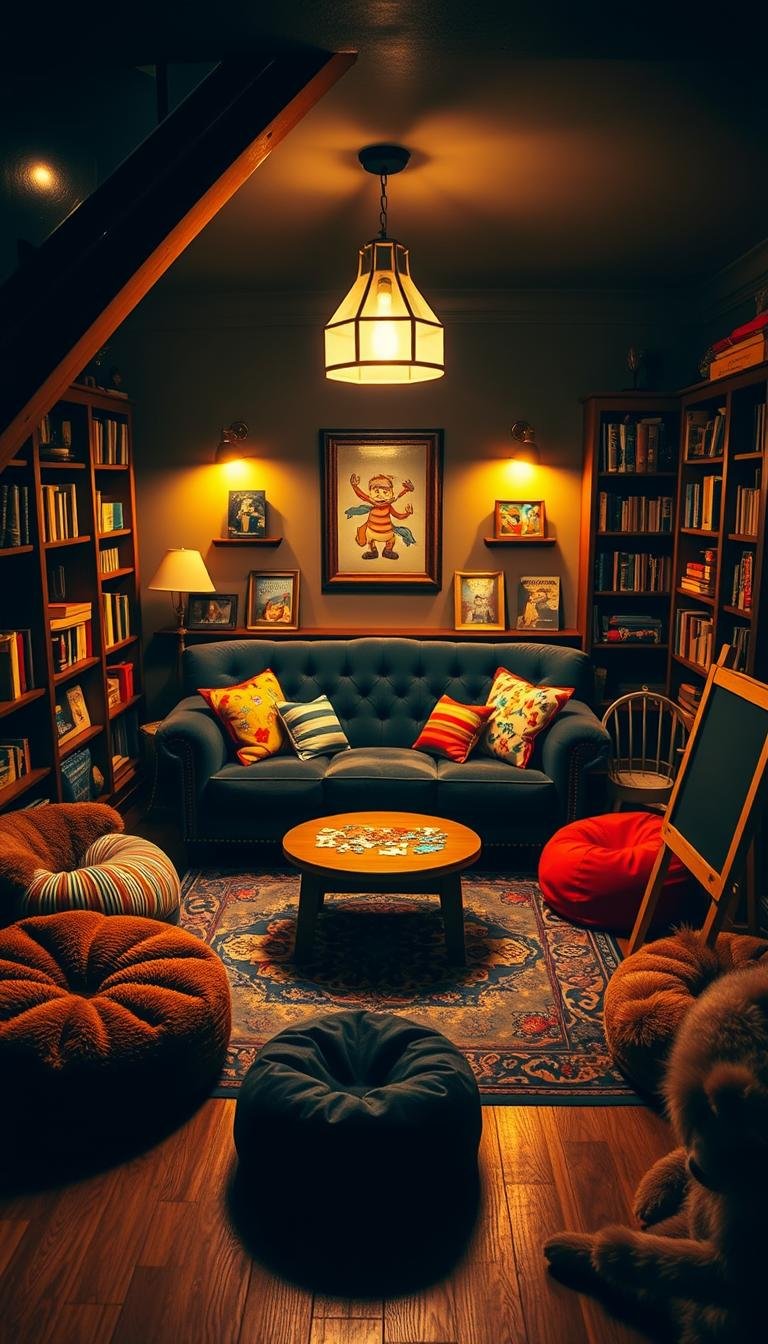
Cozy reading corner: I add a soft rug, a beanbag, and low book ledges so kids can reach favorites without toppling stacks.
I often carve a tiny arched playhouse door into the panel or use it as an interior feature for a storybook vibe.

Playhouse touches that spark pretend play
Half-height Dutch doors and small peek windows make make-believe irresistible. I tuck a mini kitchen and dress-up hooks beneath higher ceiling points so props live nearby but off the floor.
Active options, scaled down
For movement, I favor a compact climbing board with shallow holds or a mounted rope and soft mat as a swing alternative. These fit safely inside narrow clearances.
Paint, texture, and vertical toys
A mural or an ombré wall draws the eye up and makes the room feel taller. Color-block frames and small wall mosaics add punch without cluttering floor space.
I install a LEGO board or art panel so creations live on the wall, not the floor. Portable cushions and lightweight stools let the nook flip from reading time to active play in seconds.
Final touch: cheerful bins and a calm palette keep toys tidy and the space feeling magical every day.
Smart storage so toys don’t take over the house
Clever storage makes small spots work hard so the rest of your home stays calm.
I start with slim built-ins along the tall side of the room so floor space stays open and traffic moves freely. Interior shelves can be cut from pre-laminated 4×8 panels and finished with protective edge trim. Those boards slide into simple molding-ledges for a clean, tool-free install.
I mount a vertical LEGO or art board wall so projects live off the floor and rotate without losing parts. Magnetic trim hides seams on the exterior while keeping access easy when adults need it.
Practical shelf and bin rules I use
- I cut shelf boards to fit and add edge trim so little hands won’t catch on rough plywood.
- I set a bin system sized for what kids actually use — large bins for bulky toys, narrow bins for figures.
- I label bins with icons and simple words so beginning readers can tidy the spot independently.
- I keep seasonal sets up high and daily items at kid height for zero-friction access.
I add a shallow tray by the door for shoes or outdoor finds and a “library return” basket for stray books. With lidded, stackable boxes for messy kits and wipeable shelf liners, cleanup becomes a five-minute routine that keeps this small space inviting every day.

Lighting, ventilation, and finishes that keep the nook bright and safe
Smart light choices and gentle airflow solve most comfort problems in compact spaces. I focus on low-heat fixtures, clean finishes, and simple airflow so the little zone stays fresh and usable.
Low-heat LEDs, motion sensors, and tidy cord runs
I recommend low-heat LED puck or strip lighting with a motion sensor so the space lights up hands-free and stays cool. These fixtures cut heat and use little power, which matters in a small cavity.
I hide cords with adhesive channels or in-wall rated routes where allowed. That prevents trip hazards and keeps the entry neat.

Non-toxic finishes, rounded trim, and soft surfaces under low ceilings
I choose zero-VOC paint for walls and trim so air stays fresh after work is done. I match texture and color so the concealed wall blends with the surrounding surface.
Where the ceiling slopes low, I round trim edges and cap shelf fronts. Soft rugs, cushions, or padded panels buffer likely bump points so kids won’t scrape heads or knees.
Small extras that matter: a discreet vent grille or undercut door keeps airflow steady, a dimmer gives two lighting levels for art or calm time, and a simple finger-friendly latch lets kids open the room safely.
Budget and timeline: how I keep this project affordable and fast
I treat budget and timing like a tiny project plan: list, price, and block two short work days.
Typical materials are basic framing lumber, the original drywall panel reused as a door, standard trim, spray texture, paint, magnets, and a simple gate latch. I add pre-laminated shelf panels for quick shelving that needs no extra finish.
I break costs into clear categories: framing and trim; hardware and magnets; texture and paint; optional shelving and cushions. That view makes budgeting fast and realistic.
My weekend plan keeps the work tidy. Day one: cut and frame the opening. Day two: install trim, spray texture, and paint. I leave styling, labels, and storage setup for evenings.

- I save money by rehanging the drywall cut-out as the door and using pre-laminated shelves.
- I build a small contingency for surprises like moving a cable or adding hinge spacers.
- I include kid-proof upgrades—rounded trim and a soft rug pad—so I don’t revisit fixes later.
| Category | Estimate | Notes |
|---|---|---|
| Framing & trim | $50–$150 | 2x4s, 1×4 trim |
| Hardware & finish | $25–$100 | hinges, magnets, latch, texture |
| Shelving & soft goods | $30–$200 | pre-laminated panels, cushions |
I price materials online at multiple big-box stores and schedule in-store cuts to save time and mess. I also track receipts and keep a compact materials list for future small-space builds in my house.
Code, permits, and when to upgrade beyond “easy”
Start by deciding whether your plan stays a finish-only project or if it needs a permit and a pro.
I keep most builds non-structural: cut drywall, add trim, and reuse the panel as a door. That way I avoid touching stair stringers or load-bearing members and keep work simple and safe.
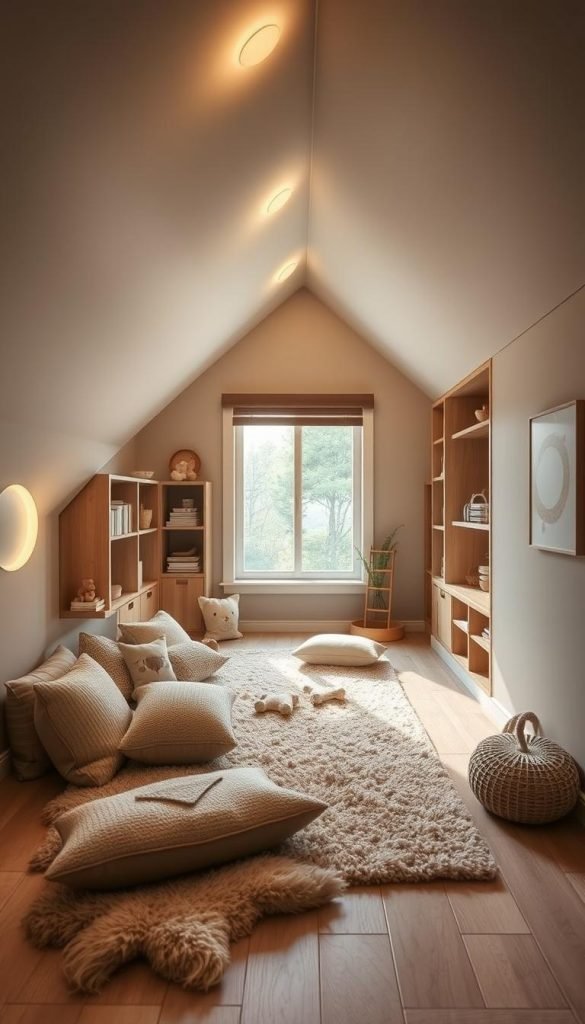
Under-stairs limits and safety checks
Egress and latch rules: keep the opening clear, use an easy-release latch, and never add locks that could trap a child.
Mechanicals and permits: if you find wiring, plumbing, or HVAC, stop and call a licensed pro. Also consult your local building office before adding new circuits or altering structure.
- Check for fire-blocking and insulation rules before closing any cavity.
- Confirm smoke alarm audibility so alarms in adjacent spaces can be heard inside the small room.
- Plan reachable latches and smooth thresholds so little ones don’t trip on entry.
Future upgrades: plan for low-voltage lighting or built-in shelving if you expect to scale the design into a larger playhouse later.
“If you’re not 100% certain about what’s behind the wall, pause and get a pro’s eyes on it.”
| Issue | Action | Who |
|---|---|---|
| Hidden wiring/plumbing | Stop work; hire electrician/plumber | Licensed pro |
| Structural change | Get engineer and permit | Structural pro |
| Finish-only work | Proceed with careful inspection | DIY or pro |
Conclusion
A clean, concealed door and a cozy interior turn wasted space into daily joy for kids.
Result: a small spot that looks built-in on the outside and feels magical inside. With matched texture and paint, the outside will blend right in while the interior becomes a bright little room for play.
I keep things simple: quick cuts, basic framing, and smart trim finish in a weekend. Add thoughtful storage so toys stay contained and your home stays calm.
Pick one special element—a reading ledge, LEGO board, or tiny feature—and let that guide style. As children grow, the nook evolves, so this small space keeps paying off.
Start with the feasibility checklist, gather materials, and enjoy the fast transformation. With a measured plan, you can build a hidden spot that looks seamless and invites imaginative play every day.