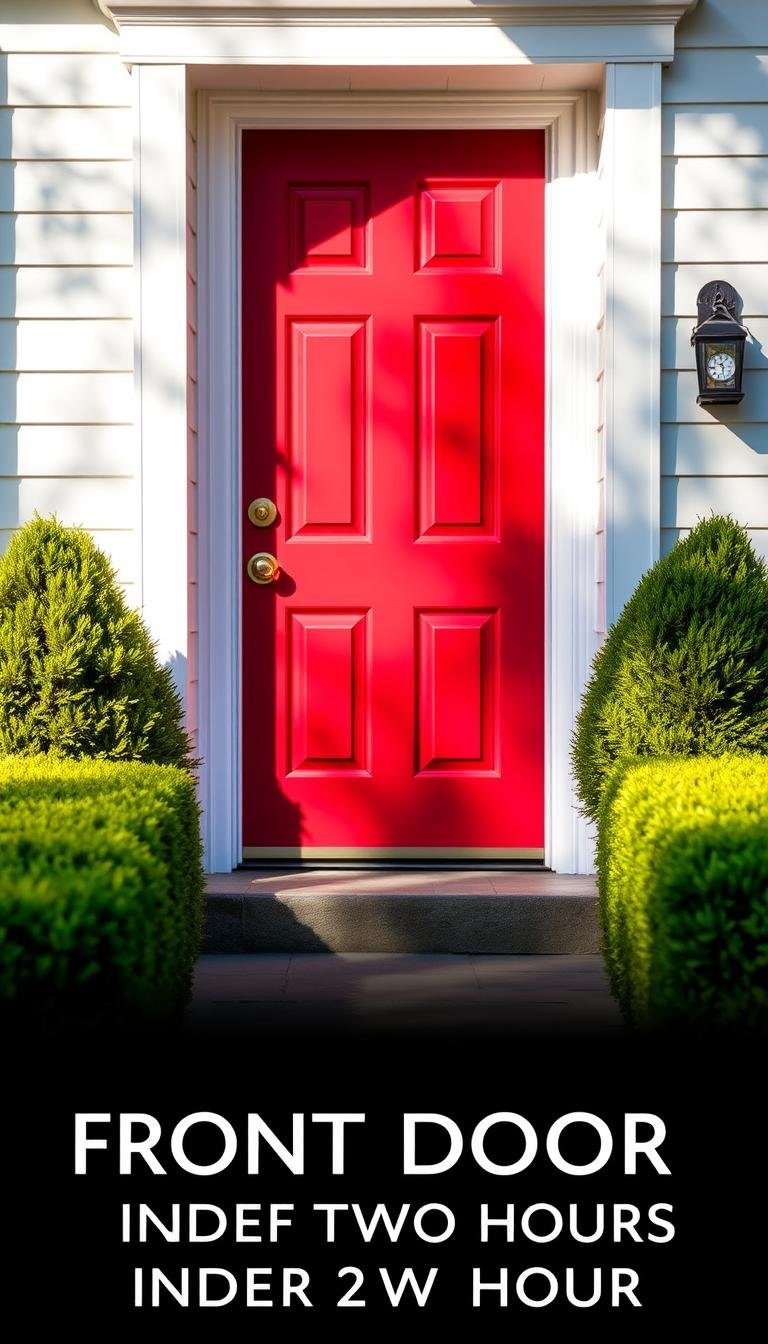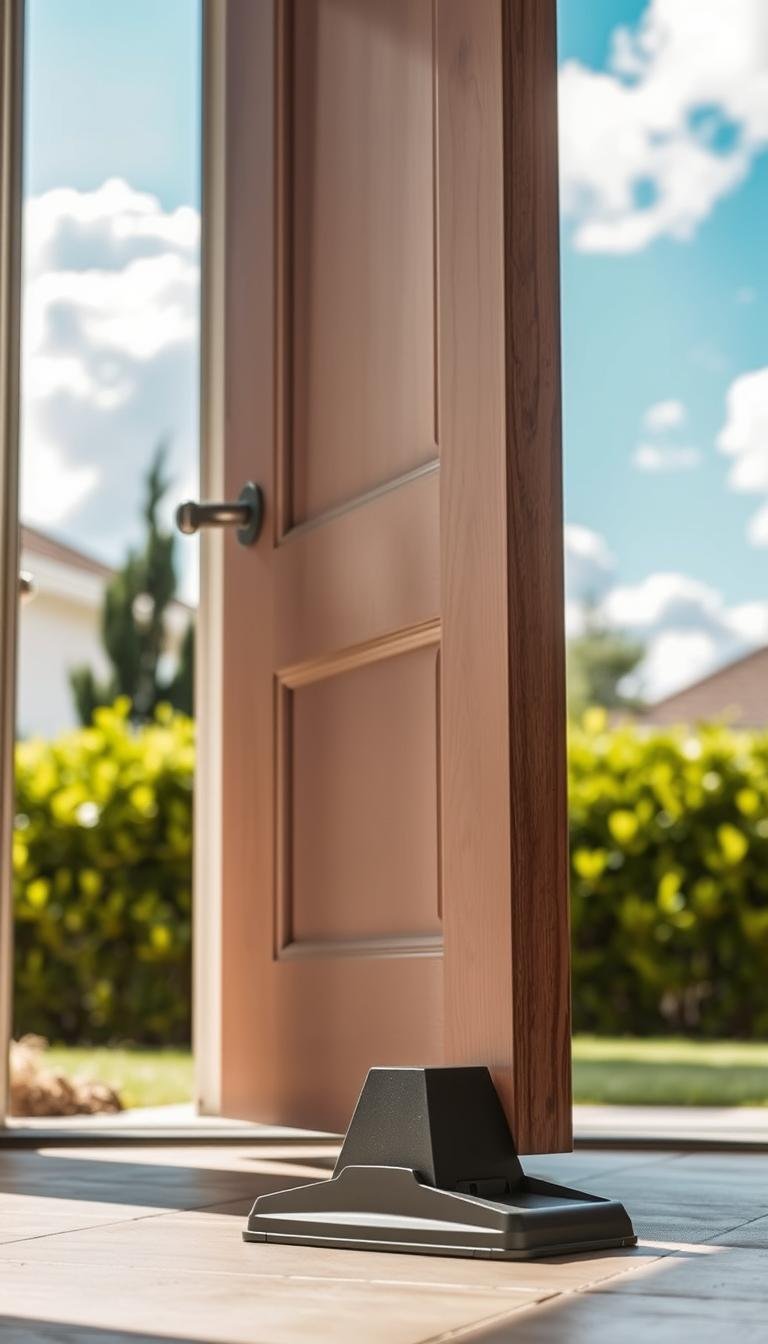
How do I stop my front door from slamming in the wind?
That sudden, jarring door slamming can really disrupt the peace in your home. It’s a common frustration many homeowners face, especially with heavy wooden or screen patio doors.
This persistent problem isn’t just annoying – it can actually cause damage to your door frame and walls over time. Understanding what causes this issue is the first step toward finding the right solution.
Thankfully, there are several effective ways to address this situation. From simple adjustments to more permanent fixes, you can restore quiet to your living space.
Key Takeaways
- Door slamming is a common issue that disrupts home peace
- Heavy wooden and screen patio doors are frequent culprits
- This problem can cause damage to door frames and walls over time
- Understanding the root cause is essential for effective solutions
- Multiple fixing methods exist, from simple tweaks to hardware upgrades
- Addressing this issue can significantly improve your home environment
- Finding the right solution depends on your specific door and situation
Understanding Why My Front Door Slams in the Wind
Many homeowners experience the frustration of abrupt, noisy closures. Identifying the root cause is essential for finding the right solution. Let’s explore the common reasons behind this issue.
Air Pressure and Drafts: The Hidden Culprits
Air movement inside your house can create unexpected pressure changes. When windows are open or exhaust fans run, they generate suction forces. This air flow pulls doors closed with surprising strength.
These pressure imbalances often cause doors slamming shut unexpectedly. The phenomenon is similar to how wind creates vacuum effects. Understanding this helps address the core problem.

When Old Doors Become the Problem
Aging entryways often develop alignment issues over time. Solid wood doors particularly tend to warp and shift. This changes how they fit within the door frame.
When the frame and door aren’t perfectly aligned, closures become forceful. The resulting noise can be quite disruptive. Regular maintenance helps prevent door damage from these issues.
Checking if Your Door Hinges Need Attention
Worn or loose door hinges frequently contribute to slamming problems. These components bear the weight of heavy doors daily. Over years, hinges can sag or become misaligned.
Using a level tool helps verify vertical alignment. If the door isn’t perfectly straight, it may slam into the frame. Sometimes replacing hinges provides the simplest solution.
Structural issues like uneven flooring can also affect operation. Foundation settling might change how doors hang in their frames. Identifying these factors helps choose the right approach.
Once I understand what’s causing the issue, finding solutions becomes much easier. The next section covers practical ways to address each scenario.
Simple DIY Solutions to Stop Door Slamming
Ready to tackle that annoying problem? These easy fixes require minimal tools and deliver maximum quiet. Best of all, you can complete them in an afternoon.
Using Felt Pads for Quick Noise Reduction
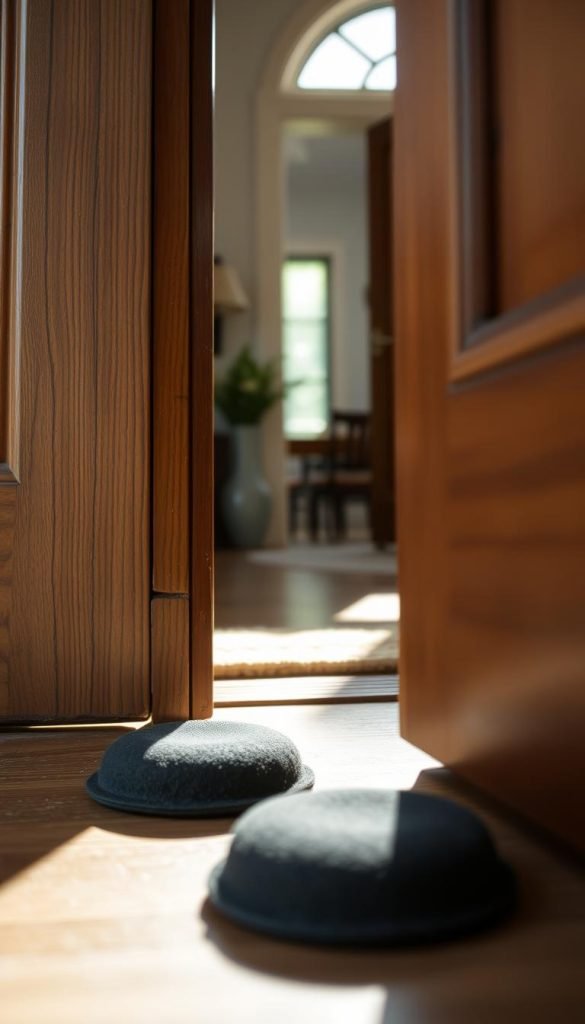
Those little self-adhesive felt pads work wonders on lighter entryways. They create a soft cushion that absorbs impact beautifully.
Place them strategically where the door makes contact. Focus on the strike plate area and frame edges. This simple adjustment can dramatically reduce noise.
You’ll find these affordable pads at any hardware store. Some supermarkets even carry them in the home improvement aisle.
Installing Weatherstripping for Multiple Benefits
Weatherstripping offers a fantastic way to address several issues at once. This foam tape creates a gentle buffer between the door and frame.
Clean the surface thoroughly before application. Measure from top bottom and cut your strip to size. Peel and press firmly into place.
Beyond stopping the door slam, it blocks drafts too. Your home becomes quieter and more energy efficient.
Door Sweeps and Seals for Better Control
For entries that tend to slam shut, consider bottom-mounted solutions. Door seals create friction against the floor to slow closure.
These fabric tubes attach to the bottom door edge beautifully. They’re particularly effective against forceful slamming shut incidents.
Door sweeps with bristles offer similar protection. While slightly less effective, they still help prevent door slamming issues.
Both options provide extra insulation benefits. They’re among the most practical ways stop unwanted noise.
Hardware Upgrades for Permanent Solutions
Sometimes temporary fixes just don’t cut it. When that happens, hardware upgrades provide lasting results. These solutions address the root cause rather than just masking symptoms.
Investing in quality components ensures quiet operation for years. The right hardware can transform even the most problematic entryway.
Replacing or Tightening Door Hinges
Worn door hinges often cause misalignment issues. This leads to forceful closures against the frame. Checking alignment is the first step toward a permanent solution.
Open the entryway to 90 degrees. Place a level tool on the top bottom edge. If it’s not perfectly vertical, you’ve found the problem.
Tightening loose screws might solve the issue. Use a screwdriver to secure all hinge plates. Test the operation after each adjustment.
If tightening doesn’t work, replacement becomes necessary. Choose heavy-duty hinges for better durability. Proper installation ensures smooth operation over time.
Installing Anti-Slam Door Hinges
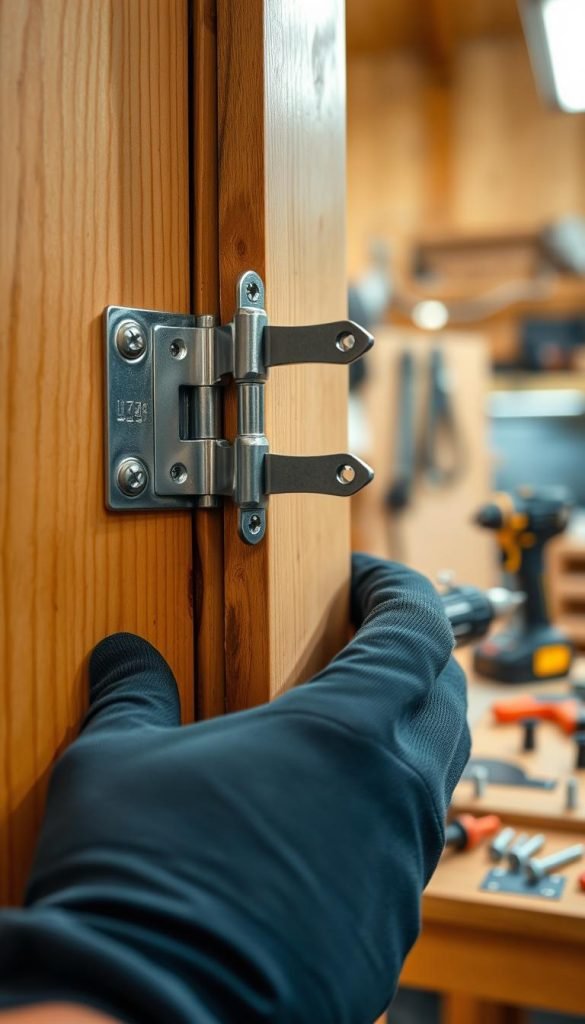
These specialized hinges offer brilliant protection against loud closures. They work by controlling the closing speed gradually. The reduced momentum prevents door impact damage.
Anti-slam models are perfect when replacing old hardware anyway. They provide superior performance compared to standard options. The installation process mirrors regular hinge replacement.
Most models feature built-in hydraulic mechanisms. These create gentle resistance during the final closing phase. The result is quiet, controlled operation every time.
Considering Hydraulic Door Closers
For the ultimate solution, hydraulic door closers deliver exceptional performance. These devices use air pressure to control movement smoothly. They’re among the most effective ways stop unwanted noise.
While more expensive, they solve the problem completely. Most models offer adjustable tension settings. This allows customization for different doors and weights.
Professional installation is recommended for complex setups. The mechanism mounts between the door and frame securely. Proper placement ensures optimal performance.
| Solution Type | Cost Range | Installation Difficulty | Effectiveness | Best For |
|---|---|---|---|---|
| Hinge Tightening | $0 (if tools owned) | Easy | Moderate | Minor alignment issues |
| Hinge Replacement | $15-50 | Moderate | Good | Worn or damaged hinges |
| Anti-Slam Hinges | $25-75 | Moderate | Excellent | Preventing future problems |
| Hydraulic Closers | $50-200+ | Difficult | Outstanding | Heavy doors and high traffic areas |
Each option provides different benefits for various situations. Consider your budget and skill level before choosing. The right hardware upgrade brings peace and quiet to any space.
Additional Ways to Prevent Door Slamming
Let’s explore some creative approaches that complement the solutions we’ve already covered. These methods offer simple yet effective alternatives for maintaining peace and quiet.
Each option addresses different scenarios and needs. Some focus on safety while others improve airflow management.
Using Door Stops and Guards Effectively
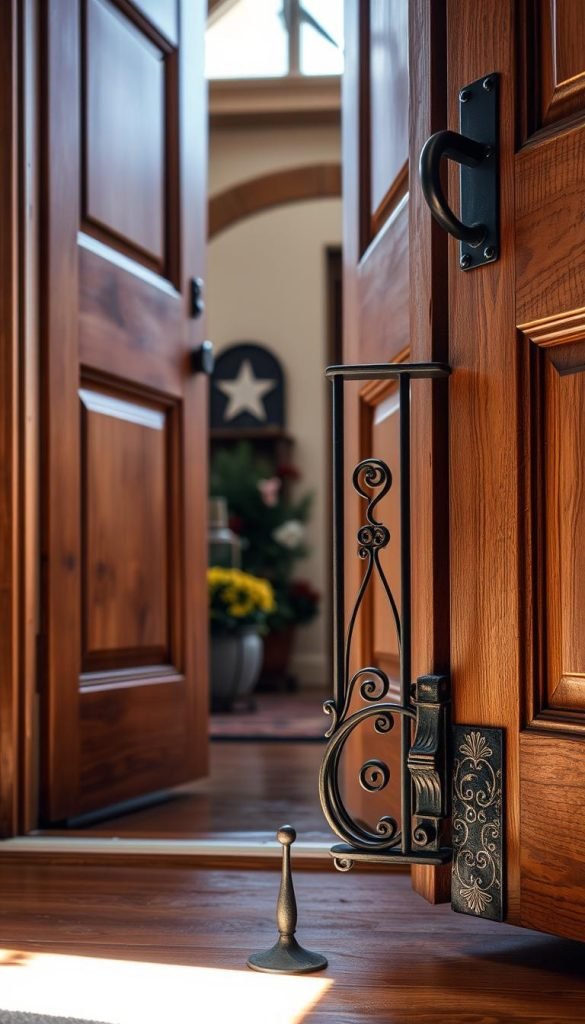
Door stops provide a straightforward solution for keeping entries open. These triangular wedges create a physical barrier against unwanted movement.
I find them perfect for high-traffic areas where constant opening occurs. They’re also great for warm days when I want better air circulation throughout my space.
Proper placement ensures maximum effectiveness. I push the wedge firmly beneath the bottom edge until secure. This prevents any sudden swinging or banging.
Door guards offer similar benefits with a different design. These C-shaped devices hook onto the edge to maintain a small opening. They’re particularly useful for child safety in busy households.
Pinch Guards for Safety and Noise Reduction
Pinch guards serve dual purposes beautifully. They protect fingers while eliminating loud bangs simultaneously.
These devices physically prevent complete closure. I install them along the frame where the entry meets the jamb. The result is consistent gap maintenance.
Many quality options like BYETOO offer durable construction. Their multi-pack availability makes them cost-effective for multiple entries. This approach solves both safety and noise concerns efficiently.
Addressing Home Airflow Issues
Sometimes the real problem originates from overall air movement patterns. Drafty properties often create pressure imbalances that force entries shut.
I start by checking window seals and insulation quality. Simple window film can seal minor cracks effectively. This reduces draft-induced pressure throughout the space.
Strategic window management also helps tremendously. I close unnecessary openings and contain airflow to specific areas. This minimizes cross-currents that cause entries to slam unexpectedly.
For more permanent improvements, consider professional insulation upgrades. Proper sealing creates a more stable environment throughout your home. This comprehensive approach often reduces the need for individual entry solutions.
| Solution Type | Primary Benefit | Ideal For | Installation Ease | Cost Range |
|---|---|---|---|---|
| Door Stops | Maintains opening for airflow | High traffic areas | Very Easy | $2-10 |
| Door Guards | Child safety protection | Family households | Easy | $5-15 |
| Pinch Guards | Noise and safety combination | Multiple entries | Moderate | $10-25 per pack |
| Airflow Management | Whole-house improvement | Drafty properties | Varies | $20-200+ |
Each method offers unique advantages depending on your specific situation. I often combine several approaches for optimal results. Remember that finding the right ways to address these issues can transform your living environment completely.
For more ideas on maintaining your home’s comfort, explore these home improvement strategies that complement door maintenance perfectly.
Conclusion: Finding the Right Solution for My Home
Solving those loud bangs starts with understanding the cause. Whether it’s air pressure, worn hardware, or alignment issues, identifying the source leads to the best fix.
Simple DIY methods like felt pads or door stops work wonders for minor cases. For lasting peace, consider upgrading door hinges or installing hydraulic closers.
Addressing this protects your entryway from damage and keeps your space quiet. Many solutions are DIY-friendly, but professionals can help with complex installations.
With the right approach, I can enjoy a peaceful, comfortable home free from disruptive noise. Explore more home improvement strategies to enhance your living space.