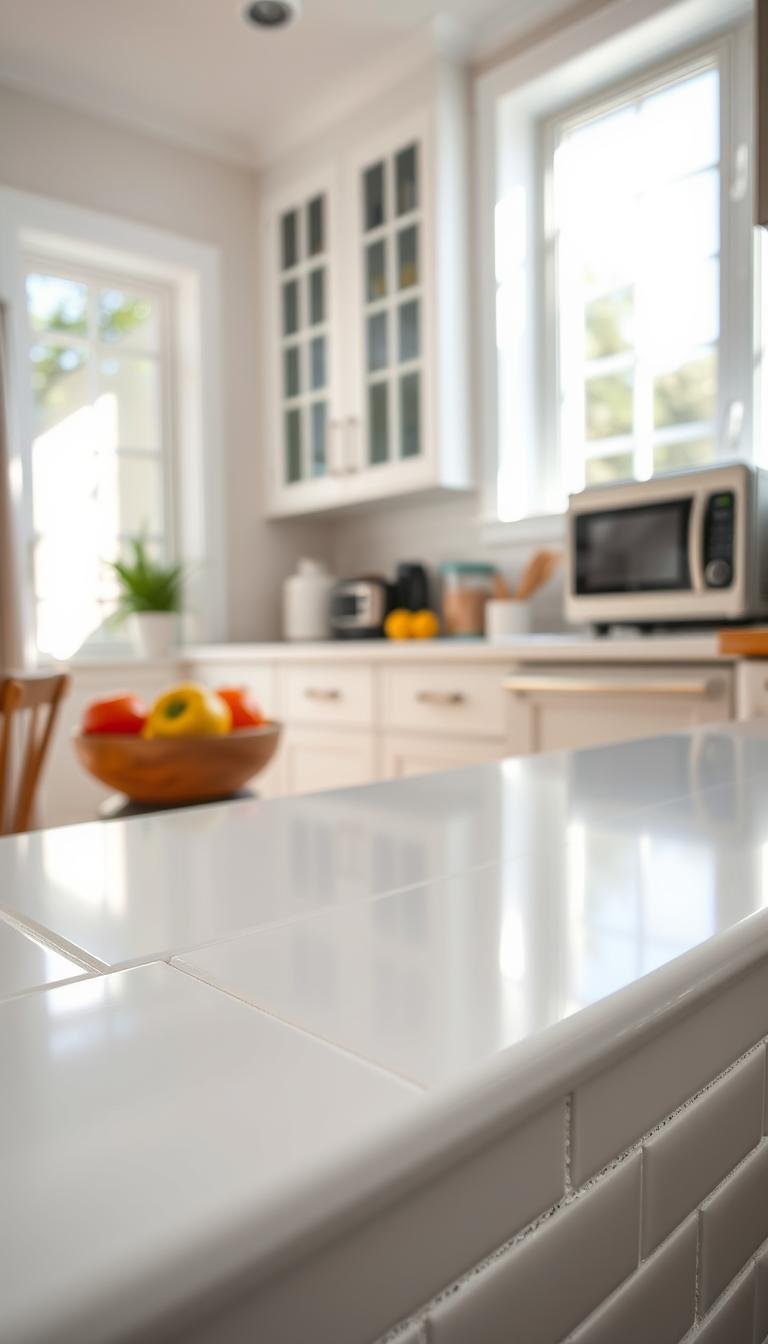
What’s the trick to keeping white grout white in a busy kitchen?
I remember staring at my kitchen floor, frustrated by those stubborn gray lines between the tiles. No matter how much I scrubbed, my once-bright grout seemed to attract every speck of dirt and spill. It felt like a losing battle in my active home.
Through trial and error, I discovered there’s no single magic solution. Instead, pristine tile grout comes from a smart combination of daily habits and deeper cleaning routines. This approach actually saves time and effort compared to dealing with set-in stains later.
I’m excited to share my journey and the system that finally worked. You’ll get practical advice that makes your entire space look brighter and more inviting. For additional home maintenance tips, check out our frequently asked questions.
Key Takeaways
- White grout in kitchens easily shows dirt and discoloration.
- Success comes from combining daily care with periodic deep cleaning.
- Proper maintenance saves time compared to cleaning heavily stained grout.
- Clean grout makes your kitchen look brighter and more welcoming.
- Effective solutions use the right products and techniques.
- This is a solvable problem with consistent effort.
- Immediate implementation of these strategies brings visible results.
Why White Grout Turns Dirty So Quickly in Busy Kitchens
The transformation from bright white to dull gray happens almost overnight in active cooking spaces. Understanding this process helps us fight back effectively against stubborn discoloration.
The Porous Nature of Grout Material
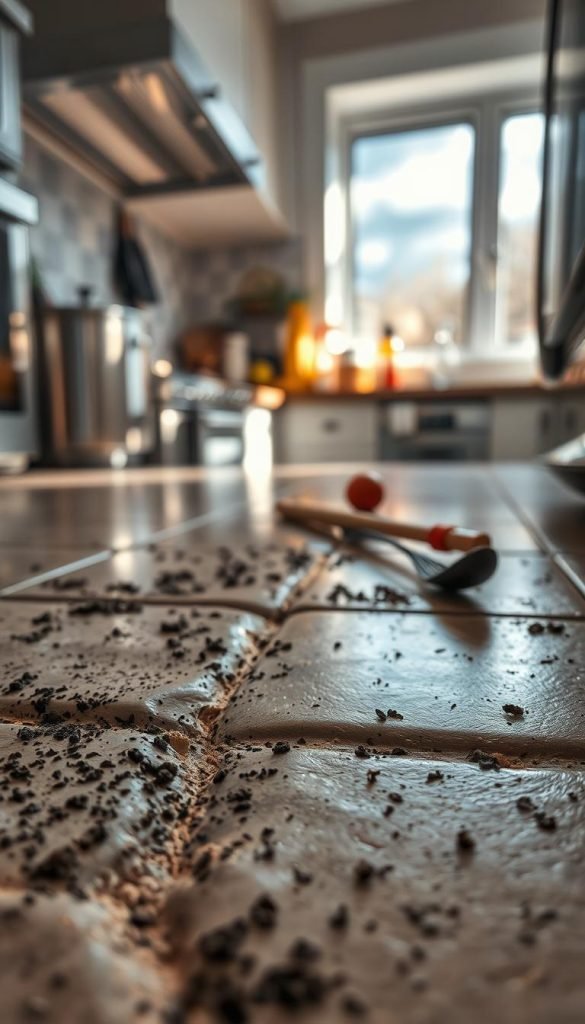
Grout’s composition makes it naturally absorbent. This cement-based mixture contains countless microscopic pores that act like tiny sponges.
Liquids don’t just sit on the surface – they penetrate deep into the material. This is why spills become permanent stains so quickly without proper treatment.
I learned this the hard way when grape juice seeped into my untreated grout lines during holiday cooking. The purple tint remained despite vigorous scrubbing with various cleaning products.
Common Kitchen Culprits: Spills, Dirt, and Food Particles
Our kitchens generate constant challenges for maintaining clean grout. Cooking splatters, dropped food, and tracked-in dirt all contribute to the problem.
Colored liquids pose the greatest threat to keeping surfaces bright. Coffee, wine, and tomato sauce can permanently stain untreated surfaces within minutes.
Food particles get ground into the floor during daily meal preparation. These tiny fragments decompose and create ideal conditions for mold and mildew growth.
“The porosity of grout means it doesn’t just get dirty – it absorbs stains at a molecular level.”
How Daily Activities Contribute to Grout Discoloration
Foot traffic constantly presses debris deeper into the porous material. This grinding action makes stains increasingly difficult to remove over time.
High-activity zones show discoloration fastest. Areas near sinks, stoves, and entryways typically require more frequent attention.
Humidity from cooking and cleaning affects grout’s performance too. Moisture opens the pores wider, allowing deeper penetration of stains and grime.
Different grout types behave differently:
- Sanded grout: More porous but better for wider gaps
- Unsanded grout: Denser but still vulnerable to staining
These tips helped me understand why some areas need more care than others. For more maintenance strategies, explore our guide on maximizing your home’s potential.
Remember that white surfaces show discoloration more obviously than colored alternatives. This visual feedback actually helps us address problems before they become severe.
My Essential Tools for Maintaining Pristine White Grout
Having the right equipment transformed my cleaning routine from frustrating to effective. I keep a dedicated kit under my sink that makes maintenance quick and simple.
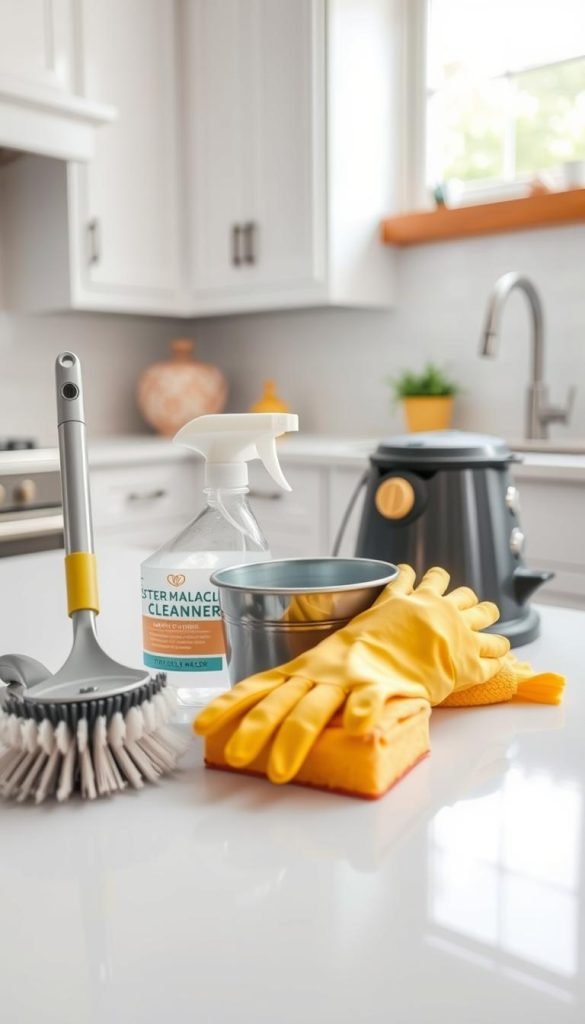
This organized approach means I can tackle spills immediately rather than postponing them. The right tools truly make all the difference for keeping surfaces bright.
Basic Cleaning Supplies Every Kitchen Should Have
My core kit includes versatile ingredients that handle most cleaning challenges. Baking soda is my absolute favorite for creating a powerful cleaning paste.
I combine it with hydrogen peroxide for tougher jobs. This dynamic mixture lifts stains without harsh chemicals.
Oxygen bleach is another star performer in my arsenal. It’s gentler than chlorine bleach but effectively tackles grease on any surface.
My essential supplies:
- Baking soda for scrubbing power
- Hydrogen peroxide for stain lifting
- Oxygen bleach for deep cleaning
- Spray bottles for easy application
- Mixing bowls for creating solutions
The Right Brushes and Scrubbers for Different Grout Types
Choosing the proper brush makes cleaning more effective and less strenuous. I use different tools for various areas throughout my house.
For narrow floor lines between tiles, nothing beats a stiff-bristled grout brush. Its angled head reaches deep into crevices that regular brushes miss.
In tighter spaces like my shower or bathroom, I repurpose old toothbrushes. Their small heads provide precision control for detailed work.
“The right brush turns a chore into an efficient process that actually works.”
Why Microfiber Cloths Make a Difference in Grout Maintenance
Microfiber technology revolutionized how I clean and dry surfaces. These cloths capture debris instead of pushing it around like traditional rags.
Their super-absorbent nature means they dry the floor completely in minutes. This prevents moisture from seeping back into cleaned areas.
I keep several color-coded cloths for different tasks. This prevents cross-contamination between cleaning solutions like vinegar and oxygen bleach.
For more detailed strategies on maintaining beautiful surfaces, I found this guide on keeping grout clean incredibly helpful. Their recommendations about gentle brushes and pH-neutral solutions align perfectly with my experience.
Having these tools organized and accessible encourages regular care. It’s made maintenance something I actually don’t mind doing.
What’s the Trick to Keeping White Grout White in a Busy Kitchen?
My breakthrough came when I stopped treating spills as emergencies and started seeing them as routine moments. This mindset shift changed everything about how I maintain my surfaces.
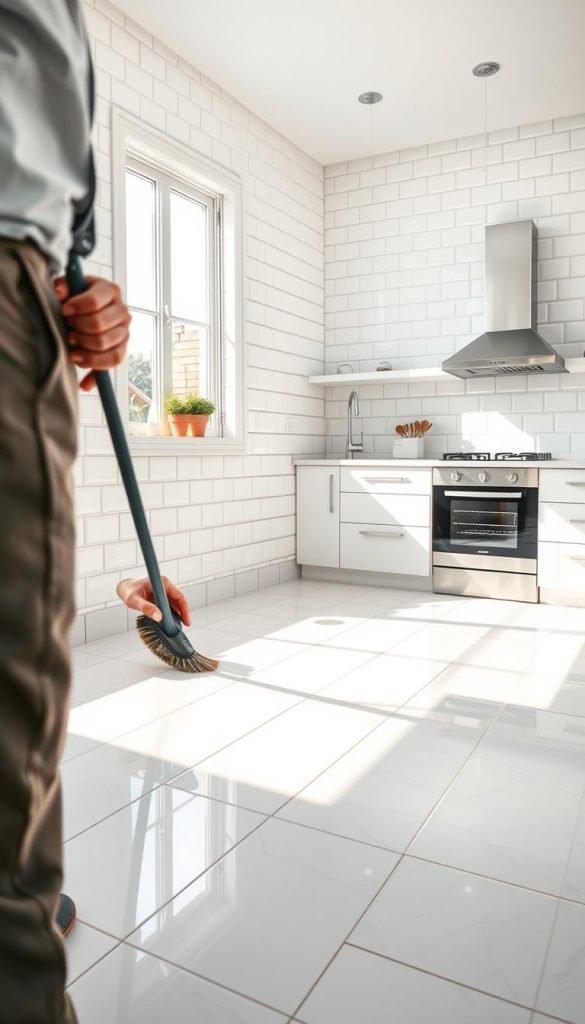
Immediate Spill Cleanup: The Golden Rule
I follow my two-minute rule religiously. Addressing spills within this window prevents most staining before it begins.
I keep Soft Scrub Total All-Purpose Cleaner Spray and clean cloths in easy reach. Dry spills matter just as much as liquid ones for keeping surfaces bright.
This immediate action prevents grime from settling into porous lines. It’s the most effective way I’ve found to keep white grout looking fresh.
“Consistency beats intensity every time when it comes to maintaining beautiful surfaces.”
Regular Light Cleaning Versus Deep Cleaning Sessions
Daily maintenance takes me less than five minutes but makes a huge difference. I focus on high-traffic areas near appliances and entryways.
Weekly sessions address accumulated dirt that daily wiping misses. This combination prevents mold and mildew from gaining footholds.
Light cleaning maintains appearance while deep cleaning preserves material integrity. Both are essential for long-term success.
Creating a Simple Maintenance Routine That Actually Works
My system became automatic once I built it into existing habits. I clean while waiting for coffee to brew or dinner to cook.
I track areas needing attention using a simple mental map. Zones near the sink get daily attention while other floors receive weekly care.
Here’s my weekly maintenance schedule:
| Day | Task | Time Required |
|---|---|---|
| Daily | Quick spill wipe-down | 2-3 minutes |
| Monday/Wednesday/Friday | High-traffic zone cleaning | 5 minutes |
| Saturday | Full surface deep clean | 15-20 minutes |
This routine prevents the overwhelming buildup that requires heroic cleaning efforts. Consistent care feels effortless compared to battling set-in stains.
I use a simple baking soda water solution for daily maintenance. For tougher jobs, I upgrade to specialized cleaning products.
The key is making maintenance part of my normal kitchen cleanup rather than a separate chore. These tips help me keep white surfaces looking their best with minimal effort.
Effective DIY Cleaning Solutions I Swear By
After testing countless products, I discovered homemade solutions work best for maintaining pristine surfaces. These simple mixtures use common household ingredients that are both effective and budget-friendly.
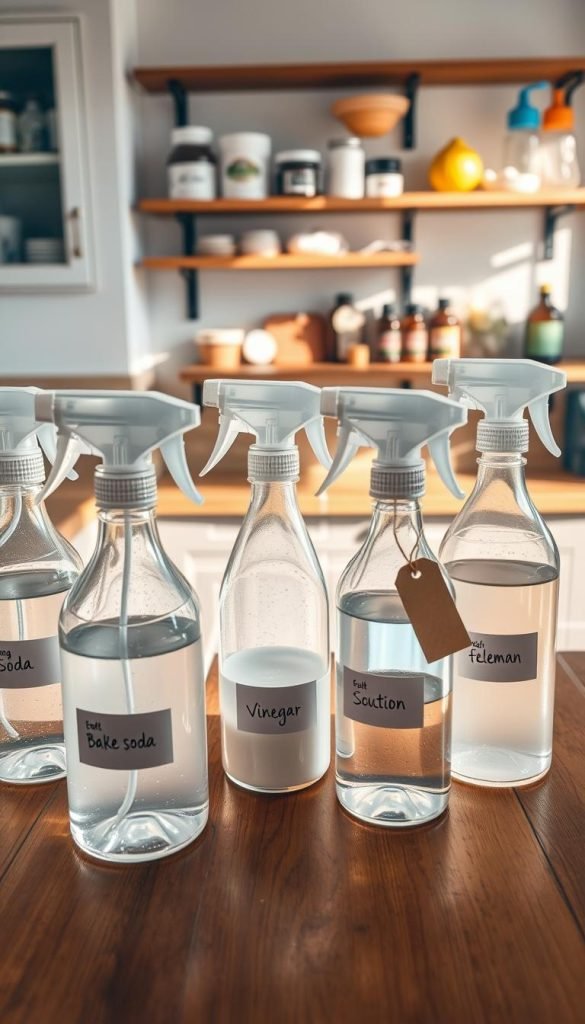
Baking Soda and Water Paste: My Go-To Solution
My favorite cleaning paste requires just two ingredients. I mix three parts baking soda with one part warm water.
This creates a thick, spreadable consistency that clings to vertical surfaces. The gentle abrasiveness lifts dirt without scratching delicate tiles.
I apply it with an old toothbrush and let it work for 15 minutes. The paste dries slightly, pulling stains from the porous material.
The Power of Baking Soda and Hydrogen Peroxide for Tough Stains
For stubborn problems, I create a powerful oxidizing mixture. I combine equal parts baking soda and hydrogen peroxide.
The chemical reaction creates tiny bubbles that lift deep-set stains. This solution works wonders on grease and food coloring marks.
I always wear gloves because hydrogen peroxide can irritate skin. The foam action means less scrubbing effort for me.
“Homemade solutions cost pennies per use compared to commercial products.”
Why I Avoid Vinegar and Lemon Juice on My Grout
Acidic cleaners like vinegar and lemon juice actually damage surfaces over time. They break down the cement binder in grout, making it more porous.
This increased porosity leads to faster staining in the future. I learned this lesson after damaging my shower surround.
Now I reserve acidic cleaners for other areas of my house. They’re great for glass and chrome but harmful for porous surfaces.
Oxygen Bleach: A Gentler Alternative to Harsh Chemicals
Oxygen bleach became my secret weapon for deep cleaning. It’s much gentler than chlorine bleach but equally effective on mold and mildew.
I mix one scoop with warm water and apply it to the entire floor. The solution needs 20-30 minutes to work properly.
This is my preferred method for whole-room maintenance. It brightens without damaging the material or leaving harsh chemical residues.
Here’s my complete guide to using these solutions effectively:
| Solution Type | Best For | Mixing Ratio | Working Time | Safety Notes |
|---|---|---|---|---|
| Baking Soda Paste | Daily maintenance | 3:1 baking soda to water | 15 minutes | Safe for all surfaces |
| Oxidizing Mixture | Grease stains | Equal parts baking soda and peroxide | 10 minutes | Wear gloves |
| Oxygen Bleach | Mold/mildew | 1 scoop per gallon water | 30 minutes | Ventilate area |
I store pre-mixed dry ingredients in labeled jars for quick access. The baking soda paste works best when mixed fresh before each use.
These solutions have saved me hundreds of dollars on commercial cleaner products. They handle most spills and stains in my bathroom and kitchen equally well.
Step-by-Step: How I Deep Clean My Grout Lines
Deep cleaning sessions transform my kitchen from dull to dazzling. I developed this systematic approach after years of experimenting with different methods.
Following these steps ensures I remove embedded dirt without damaging my surfaces. The process feels satisfying rather than overwhelming when broken into manageable stages.

Preparation: Sweeping and Pre-Cleaning the Area
Proper preparation makes the actual cleaning much more effective. I start by removing all loose debris from my kitchen floors.
I use a soft-bristle broom to sweep the entire area thoroughly. This prevents grinding dirt into the lines during scrubbing.
For stubborn particles stuck between tiles, I gently vacuum with a brush attachment. This initial step removes surface grime before applying any solutions.
Applying Cleaning Solutions Effectively
I mix my favorite baking soda water paste right before application. The consistency should be thick enough to stay in place.
Using a small spatula, I spread the paste directly onto the grout lines. This targeted application prevents waste and keeps surrounding tiles clean.
For tougher stains, I sometimes use oxygen bleach solution. I apply it with a spray bottle for even coverage across all surfaces.
“Proper application means the cleaner does the work, not your elbows.”
The Proper Scrubbing Technique That Saves Time and Energy
I wait 10-15 minutes after applying solutions before scrubbing. This allows the cleaning agents to break down stubborn grime.
Using a stiff-bristled grout brush, I scrub in small circular motions. This action lifts dirt from the porous material effectively.
I work in three-foot sections to maintain consistency across my entire floor. This method prevents me from missing spots or over-cleaning areas.
My scrubbing tips include:
- Apply firm but gentle pressure
- Change brush direction periodically
- Rinse brush frequently in clean water
Rinsing and Drying: Completing the Cleaning Process
Thorough rinsing removes all cleaning residue from the surface. I use a damp microfiber cloth to wipe away the paste.
For larger areas, I mop with clean warm water until the water runs clear. This step prevents any leftover baking soda from attracting new dirt.
Complete drying is crucial to prevent mold and mildew growth. I use dry microfiber towels to absorb all moisture.
I sometimes use a fan to speed up drying in humid conditions. Proper drying helps keep white grout looking fresh longer.
Here’s my complete deep cleaning schedule based on kitchen usage:
| Kitchen Activity Level | Deep Cleaning Frequency | Recommended Method | Average Time Required |
|---|---|---|---|
| Light use (1-2 people) | Every 6-8 weeks | Baking soda paste | 30 minutes |
| Moderate use (family) | Every 4-6 weeks | Oxygen bleach solution | 45 minutes |
| Heavy use (entertaining) | Every 2-3 weeks | Combination method | 60 minutes |
I always make sure to test new cleaning products in an inconspicuous area first. This prevents potential damage to my beautiful white grout.
These methods help me maintain clean grout throughout my home. Consistent deep cleaning keeps surfaces bright and hygienic.
Preventative Measures That Actually Work
I discovered that stopping problems before they start is far easier than fixing them later. These proactive strategies have completely changed how I maintain my home’s surfaces.
Prevention saves me hours of scrubbing and frustration each month. It keeps everything looking fresh with minimal daily effort.
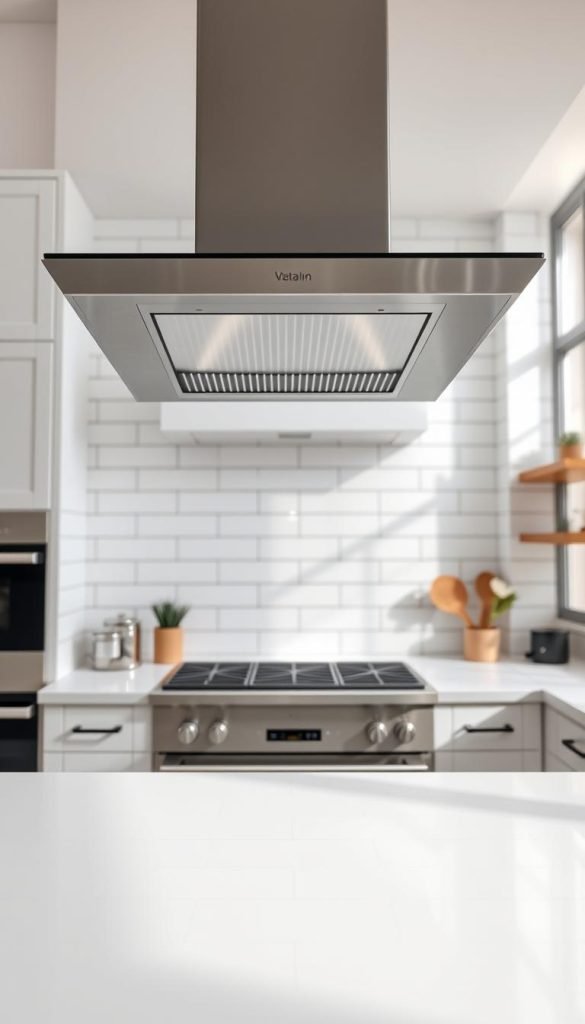
The importance of proper ventilation in your kitchen
Good airflow makes a huge difference in moisture control. I always run my exhaust fan while cooking.
Steam from boiling pots can seep into porous materials. Proper ventilation pulls this moisture away before it causes problems.
I keep windows cracked open when weather permits. This simple habit prevents mold and mildew from developing.
Using grout sealant: how often and which type to choose
Sealing creates an invisible barrier that protects surfaces. I use penetrating sealants rather than topical coatings.
For kitchen areas, I reseal every six months. High-traffic zones need more frequent protection.
I always wait 24 hours after deep cleaning before applying sealant. This ensures proper adhesion and maximum effectiveness.
“Quality sealant fills the microscopic pores that attract dirt and stains.”
Here’s my sealing schedule based on area usage:
| Area Type | Sealing Frequency | Best Sealant Type | Application Time |
|---|---|---|---|
| Kitchen floor | Every 6 months | Penetrating epoxy | 30 minutes |
| Bathroom shower | Yearly | Water-based sealant | 20 minutes |
| Backsplash tiles | Every 2 years | Spray sealant | 15 minutes |
Quick daily habits that prevent major grout problems
Small actions throughout the day keep surfaces clean. I wipe spills immediately using a simple baking soda paste.
Dry spills get swept up right away. This prevents grinding debris into the floor.
I use walk-off mats at every entrance. They catch dirt before it reaches my tiles.
My daily prevention routine includes:
- Immediate spill cleanup with microfiber cloths
- Quick sweep of high-traffic areas
- Using machine-washable rugs near sinks
- Avoiding over-wetting during mopping
These habits take seconds but save hours of deep cleaning. They’re especially important in wet areas like the shower.
I test my sealant’s effectiveness every few months. A few water drops should bead up on the surface.
If water soaks in, it’s time for resealing. This simple test prevents bigger problems later.
Choosing the right cleaning products matters too. I avoid acidic solutions like vinegar or lemon juice.
They can damage sealant over time. Instead, I use pH-neutral cleaners for daily maintenance.
Strategic mat placement protects high-traffic zones. I put washable rugs near the stove and sink.
These catch food particles and liquid spills. They’re easy to toss in the washing machine weekly.
Proper prevention has transformed my home maintenance. It keeps everything looking beautiful with minimal effort.
For more detailed strategies, I found this guide on keeping grout clean incredibly helpful.
When to Call in Professional Help
There comes a point when even the best DIY methods reach their limits. I learned this after months of struggling with persistent discoloration that refused to budge.
Professional intervention becomes necessary when surface issues indicate deeper problems. Recognizing these signs early can prevent costly repairs down the line.

Recognizing when DIY methods aren’t enough
I knew it was time for help when my regular cleaning products stopped working completely. The grime had penetrated beyond what household solutions could reach.
Extensive discoloration across large areas signals professional attention needed. If multiple lines show deep staining despite thorough scrubbing, DIY may not suffice.
Recurring mold or mildew within days of cleaning indicates underlying moisture issues. These problems often require specialized equipment and solutions.
Signs of serious mold or water damage
Persistent musty odors suggest hidden mold growth behind walls or under floors. This happened in my bathroom where water had seeped behind tiles.
Soft or crumbling grout indicates structural damage from water intrusion. When pressure causes material to disintegrate, professional assessment becomes crucial.
Visible mold patches that return quickly after cleaning need professional treatment. Certain mold types require specific antimicrobial solutions for complete eradication.
“When water damage compromises structural integrity, professional restoration preserves your home’s value.”
What professional cleaners can do that I can’t
Companies like Molly Maid bring industrial-grade equipment that reaches deep into pores. Their truck-mounted extraction systems remove embedded dirt homeowners can’t access.
Professional assessment determines whether cleaning or replacement is needed. They identify water damage that might lead to bigger problems if untreated.
Licensed technicians understand material compatibility and safety protocols. They use commercial-grade solutions that aren’t available to consumers.
Here’s what professional services typically offer:
- Moisture mapping to detect hidden water damage
- Industrial-grade steam cleaning and extraction
- Commercial antimicrobial treatments for mold
- Structural assessment and repair recommendations
- Insurance coverage for any accidental damage
I decided to call professionals when my baking soda water solutions stopped working. The results were remarkable – they restored my white grout to like-new condition.
The cost-benefit analysis surprised me. Professional cleaning every few years actually costs less than constantly buying DIY products that provide temporary results.
When choosing a service, make sure they’re insured and licensed. Ask about their process and solutions to ensure they match your needs.
Professional cleaning typically involves assessment, deep extraction, antimicrobial treatment, and sealing. The entire process might take several hours but delivers lasting results.
Sometimes professionals recommend partial regrouting instead of cleaning. This happens when material integrity is compromised beyond restoration.
The beautiful thing about professional results is how they simplify future maintenance. Properly cleaned and sealed surfaces are much easier to keep white with basic care.
For severe cases, professional intervention actually saves money long-term. It prevents structural damage that would require extensive repairs.
Now I schedule professional cleaning every two years as preventative maintenance. This keeps my clean grout looking fresh with minimal daily effort.
Conclusion
Maintaining bright surfaces between tile work is absolutely achievable. Through my journey, I found that small, consistent actions make the biggest difference.
Daily quick wipes and periodic deep cleaning create lasting results. This approach saves time and prevents stubborn stains from setting in.
The right brush and effective products transform maintenance from chore to routine. Clean lines contribute to a fresh, hygienic kitchen environment.
Start with simple habits rather than overwhelming projects. Beautiful results come from regular care, not occasional intense effort.