How do I stop my glass shower door from hard-water spots?
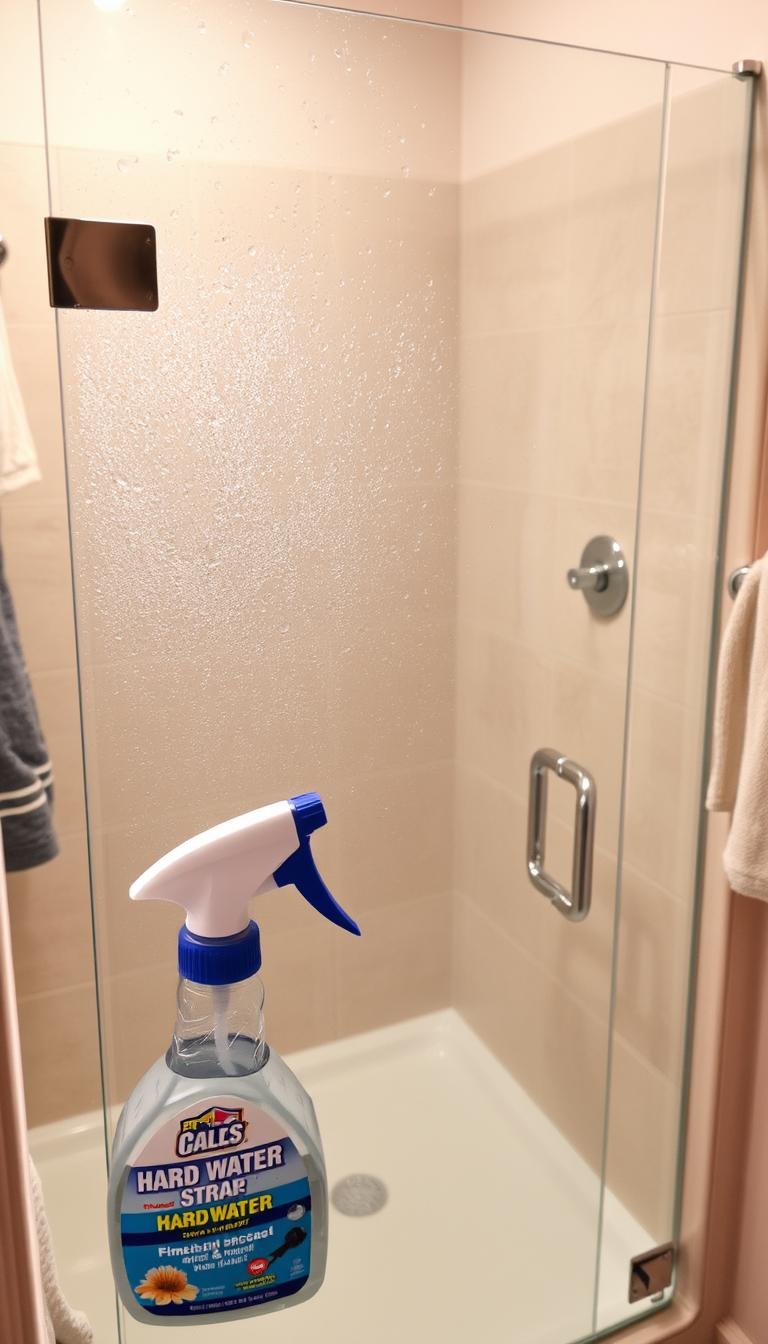
I used to battle a cloudy film on my panes until I learned what causes it: mineral-rich water mixes with soap, dries, and leaves limescale. Simple, daily steps cut that buildup before it sets.
My routine is short and practical. After each rinse I squeegee top-to-bottom and follow with a quick microfiber wipe. For easy cleaning I keep a 50/50 vinegar-and-water spray at hand and a freshening spritz made of rubbing alcohol, water, and tea tree oil for anti-buildup power.
When grime gets stubborn, I try a heated vinegar soak, a gentle baking soda scrub, or pro cleaners like DFI Glass Rescue. A hydrophobic coat such as Diamon-Fusion also helps water bead and run off. I keep ventilation on and the bathroom door open so evaporation works with me, not against me.
Key Takeaways
- Minerals and soap cause limescale on glass; prevention matters most.
- Squeegee and microfiber wipes after each rinse cut staining fast.
- Use equal parts vinegar and water for daily cleaning; alcohol + tea tree mix for freshness.
- Try heated vinegar soaks and baking soda for deep-clean jobs.
- Pro cleaners and hydrophobic coatings restore clarity when DIY fails.
- Ventilation and track care improve results and reduce repeat buildup.
For more detailed routines and step-by-step methods, see a short guide at tips for maintaining clean shower glass.
Understanding hard water spots and why they keep coming back
Those persistent white marks are not dirt so much as mineral buildup doing its slow work. I want to explain what builds up, why it clings to panes, and why basic sprays often fail.
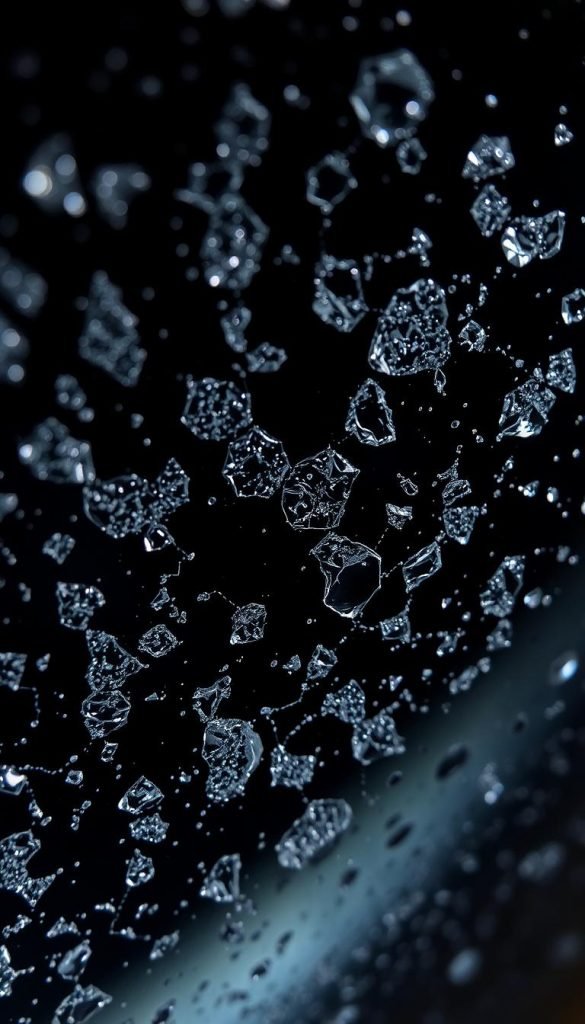
What hard water, soap scum, and limescale actually are
Hard water contains high levels of calcium and magnesium. When warm water evaporates, those minerals remain and form chalky mineral deposits that feel gritty.
When those minerals meet fatty acids in soap, they create soap scum. This film dries into a crusty residue that bonds to glass and metal.
Why minerals and soap bond to glass surfaces over time
Mineral bonds attach at the microscopic level, so ordinary glass cleaners often can’t dissolve them. Mild acids, like vinegar or lemon, are needed to break the bond and lift hard water stains.
- Repeated drying leaves thin layers of mineral deposits and more visible water stains.
- Edges, tracks, and hardware collect the same buildup as the pane, so a full-surface routine works best.
- Consistent wiping interrupts the cycle, making future cleaning gentler and faster.
“If left alone, these deposits set deeper and need stronger cleaners later.”
My after-shower habits that prevent spots before they form
A few simple steps right after rinsing make the biggest difference in long-term clarity.
Squeegee technique: I start at a top corner and pull the squeegee straight down with light pressure. I overlap each pass so no droplets are left to run back down and make water spots.
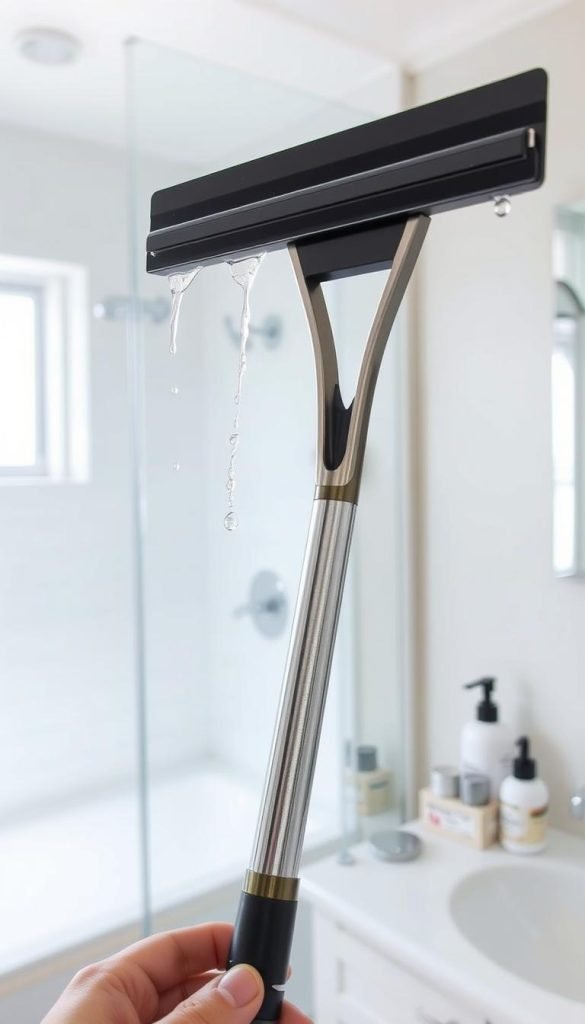
Squeegee technique: top-to-bottom passes that leave no droplets
I finish edges and the frame so trapped moisture can’t drip back onto the pane. Slow, steady strokes work better than quick swipes.
Microfiber wipe-downs for streak-free glass shower doors
If I skip the squeegee, a clean microfiber towel lifts moisture and mild residue without streaks. I rotate to a dry section as I go for the best shine.
Ventilation matters: fan on, door open, faster evaporation
I flip the vent on before I step in and leave it running a few minutes after. Cracking the bathroom door speeds evaporation and keeps water from settling on the surface.
- Quick spray: keep a bottle of equal-parts white vinegar and water for touch-ups.
- Freshen: a light alcohol + tea tree mix dries fast and discourages buildup.
- Watch corners, tracks, and the bottom rail—those areas trap moisture first.
“Small, daily actions save hours of deep cleaning later.”
How do I stop my glass shower door from hard-water spots? Proven DIY solutions
Everyday pantry items can clear cloudy buildup when used with the right timing.
Vinegar spray: Mix equal parts vinegar and water in a spray bottle. Mist the pane, let it sit a few minutes, then wipe with a microfiber cloth to remove water stains and light residue.
Deeper cleaning with heated white vinegar
For worse hard water stains, warm white vinegar and soaked paper towels work well. Apply towels, keep them wet for 30–60 minutes, then remove and rinse.
Baking soda paste and lemon lift
Make a baking soda paste by adding a splash of vinegar to baking soda until it forms a spreadable paste. Let it sit about 10–15 minutes, then rinse and dry. Lemon juice also helps: rub lemon over problem areas for about 10 minutes, then wipe. For stubborn marks, dip a lemon in salt for mild abrasion, then rinse thoroughly.
Daily anti-build-up spritz
For prevention, mix 2/3 cup rubbing alcohol, 2 cups water, and 15–20 drops tea tree oil in a bottle. Spray after each rinse to discourage repeat buildup and keep the surface clearer longer.
Timing tip: Let treatments sit the recommended minutes, rinse with clean water, then dry with a microfiber cloth so minerals can’t resettle.
| Method | Ingredients | Action | Timing |
|---|---|---|---|
| Everyday spray | Vinegar + water | Mist, wipe with microfiber | Few minutes |
| Soak for heavy stains | Warm white vinegar + paper towels | Soak, keep wet, rinse | 30–60 minutes |
| Abrasive lift | Baking soda paste or lemon + salt | Apply paste or rub lemon, rinse | 10–15 minutes |
| Daily spritz | Alcohol + water + tea tree oil | Spray after rinse | Use each shower |
For step-by-step prevention and product options, see this preventive guide.
When I go pro: stain removers and hydrophobic coatings that make cleaning easier
When simple rinses and sprays won’t budge stubborn mineral build-up, I call in pro-grade solutions. These treatments dissolve entrenched residue and make routine upkeep faster.
Professional-grade glass stain remover for tough hard water stains
DFI Glass Rescue is my go-to cleaner for set-in hard water stains and soap scum. It tackles mineral layers that home mixes can’t lift and restores clear, streak-free glass.
Hydrophobic coating to keep water rolling off the surface
Diamon-Fusion and similar coating products cause water to bead and run off. That means fewer droplets cling and dry into deposits, so cleaning takes minutes instead of hours.
Calling trained technicians when stains have set in
If residues have built up for months, certified shower glass pros can deep-clean safely and apply a protective coating. They also service tracks and hardware so the door glides and traps less gunk.
“With the right cleaner and coating combo, touch-ups take minutes and the shower stays bright with less effort.”
- I combine pro treatments with simple daily habits so the coating lasts longer.
- I follow installer tips for curing time and first-wash guidance to avoid stripping protection.
Whole-home fixes that reduce future buildup
Fixing the source of mineral buildup makes every cleaning easier and lasts longer. Small upgrades around the house can cut mineral load and protect shower glass over time.

Installing a water softener to cut mineral deposits at the source
A water softener removes calcium and magnesium before they reach fixtures. With fewer minerals, the rate of buildup on shower glass and doors falls noticeably.
Benefits: cleaning becomes faster and gentler, coatings last longer, and seals trap less grit.
Small switches: liquid body wash to minimize soap residue
Swapping bar soap for liquid body wash reduces soap scum that bonds with minerals. That lowers stubborn buildup and makes weekly care quicker.
- I watch for cloudy dishes as a sign the whole home has very hard water.
- When water quality improves, milder cleaners often work well.
- These ways to tackle the source save time, product, and elbow grease long term.
“Treating water and choosing gentler products changed routine maintenance from a chore into a few minutes of upkeep.”
My maintenance rhythm and safety must-knows
A steady upkeep rhythm keeps small problems from turning into big, grimy jobs. Quick daily care plus planned deeper sessions keeps water stains and residue from setting in.
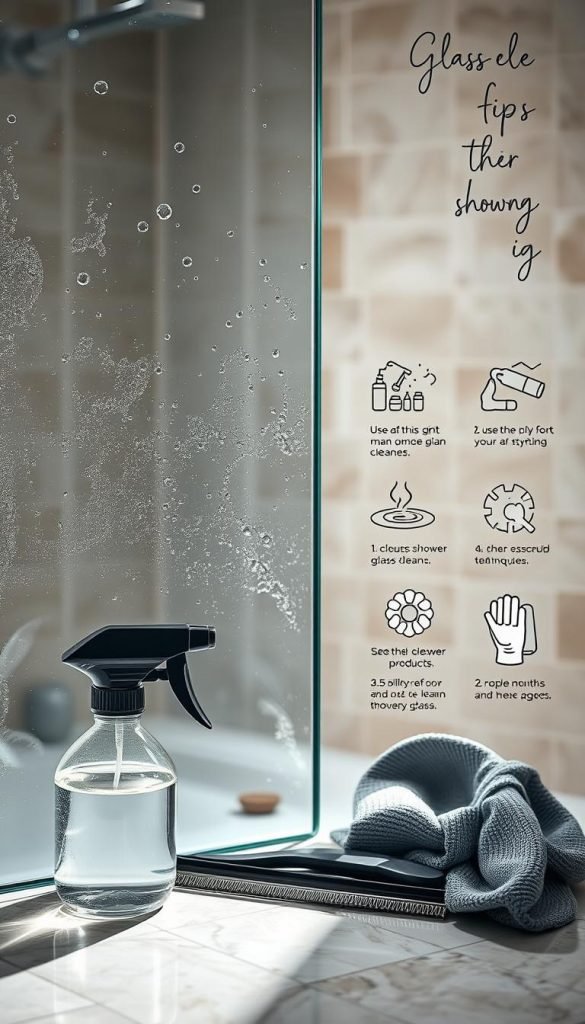
Weekly and biweekly routines for glass, tracks, and shower head
After each rinse I use a squeegee or a microfiber towel to lift droplets and light residue. That short step cuts future cleaning time.
Once a week or every two weeks, I clean tracks with an old toothbrush and a simple vinegar and baking soda solution. It lifts trapped grit and keeps the door sliding smoothly.
I descale the shower head periodically so spray stays even and doesn’t splash mineral-rich water back onto panes.
Safe methods: avoid harsh abrasives and protect hardware
For tough limescale I apply warmed vinegar for 30–60 minutes, then gently wipe with baking soda. I avoid gritty pads and vigorous scrubbing that can scratch surfaces.
Always rinse with distilled water when possible and dry with a clean microfiber to stop new water spots. I ventilate the space and wear gloves when a stronger solution sits for minutes on tight areas.
Routine beats repair: short daily wipes plus a weekly deep clean keep buildup manageable and save hours later.
Conclusion
A few reliable routines cut repeat buildup and make deep cleans rare.
Wipe after each rinse with a squeegee or a microfiber towel, run the fan, and leave the bathroom ajar so water spots have no chance to form. Keep a 50/50 vinegar spray for quick touchups.
For tough stains, use warmed vinegar with a 30–60 minute contact, follow with a gentle baking soda polish, then rinse and dry with a clean microfiber. Pro cleaners like DFI Glass Rescue and a hydrophobic coating such as Diamon-Fusion extend time between treatments.
Treat the whole system: tracks, seals, and the showerhead, and consider a water softener or swapping to liquid soap to cut mineral deposits at the source. A squeeze of lemon or lemon juice freshens while tackling stubborn water stains and residue.