
What’s the trick to keeping faux plants dust-free forever?
I keep my faux greenery looking fresh with a tiny, repeatable routine. I promise a simple plan that takes minutes each week and a bit more once a month. This stops dust before it builds up and keeps every plant photo-ready.
I first check what each piece is made of. Some leaves are silk, others are polymer, and wetting silk can bleed color. That knowledge tells me how gentle I must be.
I use soft brushes, a feather duster, and microfiber cloths. For stubborn bits, a cool-setting hair dryer blows dust away without damage. For a light shine, I wipe with a spray of one-third white vinegar and two-thirds water after a few minutes.
Small moves matter: I rotate my plants weekly to even out sunlight and prevent patchy fading. For outdoor green walls, I rinse with a hose a couple times a year to dislodge dirt.
Key Takeaways
- Match your cleaning to material—silk needs extra care, polymer tolerates more water.
- Weekly light dusting plus monthly touch-ups keeps upkeep quick.
- Use soft tools: microfiber, soft brush, feather duster, and cool air.
- Vinegar mix adds a gentle sheen—wipe after a few minutes.
- Rotate pieces to avoid uneven fading from sunlight.
- Rinse large outdoor installations a few times per year.
My simple promise: a friendly, foolproof way to keep artificial plants clean for good
My system is tiny, friendly, and built to fit into regular house-cleaning. I do a light weekly tidy and a short monthly refresh. That rhythm prevents buildup and keeps pieces photo-ready.
I rely on gentle household tools: a microfiber cloth with room-temperature water for smooth leaves, a soft brush for textured foliage, and a cool hair dryer for tight spots. These simple steps make it easy to clean artificial pieces without damage.

- I fold this care into my weekly dusting so it actually happens during other chores.
- Monthly, I spend a few extra minutes on detailed brush work and a light spray if needed.
- I sometimes upgrade to anti-static or silk plant cleaners to cut re-dusting between sessions.
This way scales from a single vase to a full shelf and works through all seasons. My goal isn’t perfection; it’s a reliable, low-stress routine that keeps plants looking fresh in any room of my home.
Fast, gentle dusting methods I use every week
My weekly tidy is quick and careful so dust never has time to cling. I start with a simple order: lift loose debris, sweep crevices, then finish with a soft wipe.
Microfiber cloth and a feather duster are my daily duo. I give a light pass with the feather duster first, then glide a microfiber cloth over each leaf and stem. This combination lifts and traps dust without snagging delicate edges.

- I use a soft-bristle dusting brush or an unused makeup brush for tight creases around flowers and textured foliage.
- I hold the plant by its base so it stays steady and swipe in one direction to collect dirt instead of smearing it.
- For stubborn lint I take pieces outside and use a hair dryer on a cool setting from a safe distance, working top to bottom so particles fall away.
- A quick outdoor shake helps when buildup is heavier, then I check undersides of leaves for any missed dust.
| Tool | Best use | Quick tip |
|---|---|---|
| Feather duster | Lift loose dust | Start top, light strokes |
| Microfiber cloth | Wipe leaves and stems | Fold to trap debris, use dry then lightly damp |
| Soft brush / makeup brush | Tight crevices, flowers | Sweep gently holding base |
| Hair dryer / fan | Blow off lint outdoors | Use cool setting, keep distance |
When water helps: spray, wipe, and rinse techniques that protect color
I reach for a gentle mist when a bit of grime clings to leaves or stems. For sturdy plastic pieces, room-temperature water with a mild soap is a safe starting point that won’t strip color or coatings.
Spray bottle basics: I mix water with a bit of gentle dish soap in a spray bottle, mist lightly, then wipe with a soft cloth. This method lifts dirt without soaking seams or loosening glue.

Vinegar solution for a soft sheen
I use a solution of one-third white vinegar and two-thirds water when plastic leaves look dull. I spray, wait a couple minutes, then wipe clean to restore a gentle shine.
Wipe, rinse, and dry
Removable stems get a quick rinse under cool water, a shake to remove drips, and an air-dry on a towel so no moisture collects at joints. I always finish with a dry cloth to prevent water spots on broad leaves and smooth stems.
What I avoid
I never use hot water or harsh chemicals. They can warp plastic, cloud finishes, or strip protective coatings and change color. I also avoid oversoaking flowers or delicate textiles; when in doubt I test a hidden area first.
For more on gentle care for faux bouquets, I link to a short guide on bridal bouquet care.
Special care for delicate faux greenery
When I clean delicate stems, I choose dry methods first and only add moisture when absolutely necessary. This protects color and glued joins on softer materials. I start with a light sweep before any damp pass.
Silk and textile flowers
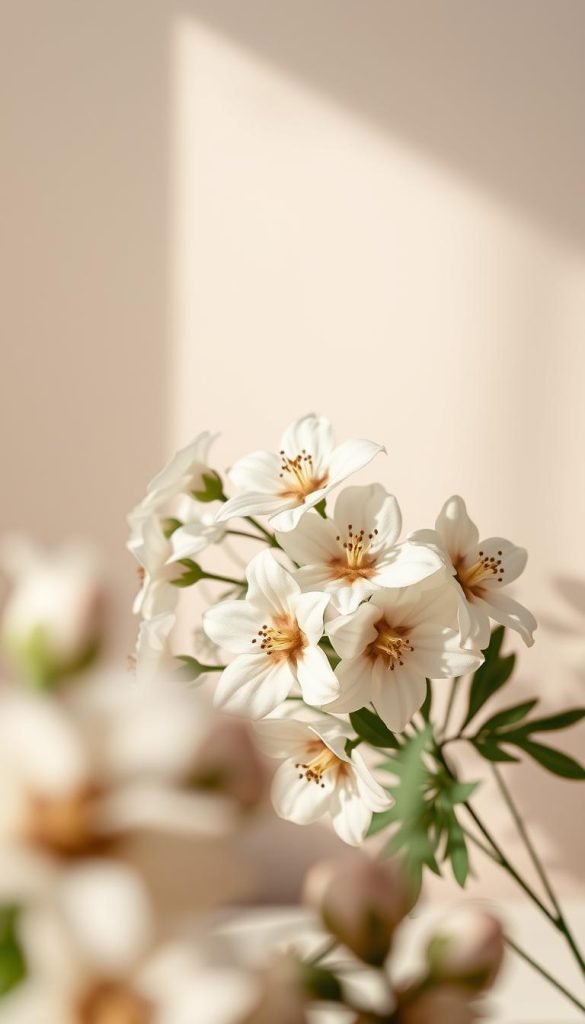
Silk and textile pieces respond best to dry care. I use a feather duster or a hair dryer on a cool setting to lift dust without wetting petals.
If something is really dirty, I take a barely damp microfiber cloth and wipe petals and the edge of each leaf carefully. I blot and dry immediately so fabric won’t fade or warp.
Paper flowers
Paper arrangements stay strictly dry. I brush creases with a soft brush and use cool air to remove trapped lint.
Never use water on paper—edges soften and inks can run. If needed, I hold pieces gently and blow loose debris away.
Artificial trees and large decor
For tall trees and big decor, I stabilize the base before I work so nothing tips. A soft-bristle brush or a vacuum with a brush attachment speeds the job.
I take large pieces outside to shake out embedded dust, then detail joints with a brush. For stubborn grime I use a light damp wipe on durable surfaces and dry everything thoroughly.
When an outdoor-safe tree needs it, I let a gentle rain rinse and then towel off pooled water before air-drying to avoid spots.
- I store delicate arrangements under breathable covers between uses to reduce handling and dust buildup.
Pro tricks to reduce dust buildup in any room
A few placement shifts and a mist of anti-static cleaner make a big difference in upkeep. I use small, repeatable moves so maintenance fits into my usual house routine.

Anti-static and silk plant cleaner sprays repel dust and restore shine. I spray lightly so surfaces shed particles and wipe faster between sessions.
Smart placement and rotation
I keep pieces away from vents, fans, and open windows where airborne dust collects fastest. Calmer corners of a room catch less grime and need fewer interventions.
I turn each item a quarter rotation weekly. This evens UV exposure so color stays balanced and avoids patchy fading on one side.
Storage and large-item care
Seasonal arrangements go into covered bins or breathable bags. That stops dust while items rest and keeps decor ready to place back into my home.
For tall trees and heavy greenery, I check them monthly and give an outdoor rinse when suitable. A quick refresh removes trapped dust without risk to joints or finishes.
- I spray anti-static cleaner sparingly to reduce re-dusting.
- I move plant groupings where I already clean often to spot buildup sooner.
- I log these small care steps with my normal dusting so dust never gets a foothold.
| Tip | Why it helps | Quick action |
|---|---|---|
| Anti-static / silk spray | Reduces dust attraction, adds gentle sheen | Light mist, wipe after 2–3 minutes |
| Avoid vents & windows | Lowers airborne dirt exposure | Relocate to low-traffic corner |
| Weekly rotation | Prevents uneven UV fading | Quarter turn each week |
| Covered storage | Keeps seasonal pieces dust-free | Use bins or breathable bags |
Salt and bag methods I reach for when dust clings
When lint hides deep in creases, I tuck small arrangements into a plastic bag with salt and give them a gentle roll. This simple routine loosens trapped dirt from layered petals without scrubbing.

Bag-and-salt shake: dislodge stubborn dirt from flowers and leaves
Place flowers in a plastic bag with a handful of fine salt, seal, and shake gently for about a minute. Open the bag, lift the piece out, and use a soft brush to flick away any lingering granules.
Salt-water dip for sturdy stems, then rinse and towel-dry
For durable stems I make a salt-water mix: one tablespoon of salt per 1 liter of room-temperature water. Submerge briefly, rinse with plain water, then pat dry with a towel.
- I work outdoors or over a sink so I don’t scatter residue near other plants.
- I avoid this method on fragile silk or paper pieces; it’s best for sturdy plastics and robust blooms.
- Finish with a cool-air dryer pass to clear fine specks and restore a fresh look to your artificial plant.
“A light shake with salt can free what a cloth cannot reach.”
| Technique | Best for | Quick tip |
|---|---|---|
| Bag-and-salt shake | Small arrangements, tight creases on flowers | Seal well and shake gently |
| Salt-water dip | Sturdy stems and plastic blooms | Rinse fully, towel-dry, then cool-dry |
| Brush + cool dryer | Detail work after salt | Use a soft brush, finish with cool air |
What’s the trick to keeping faux plants dust-free forever? My step-by-step routine
A minute of light attention each week keeps my pieces looking fresh and ready. I split care into a quick weekly pass and a short monthly detail session. This way, dust never builds into a bigger job.
Weekly: quick dusting pass
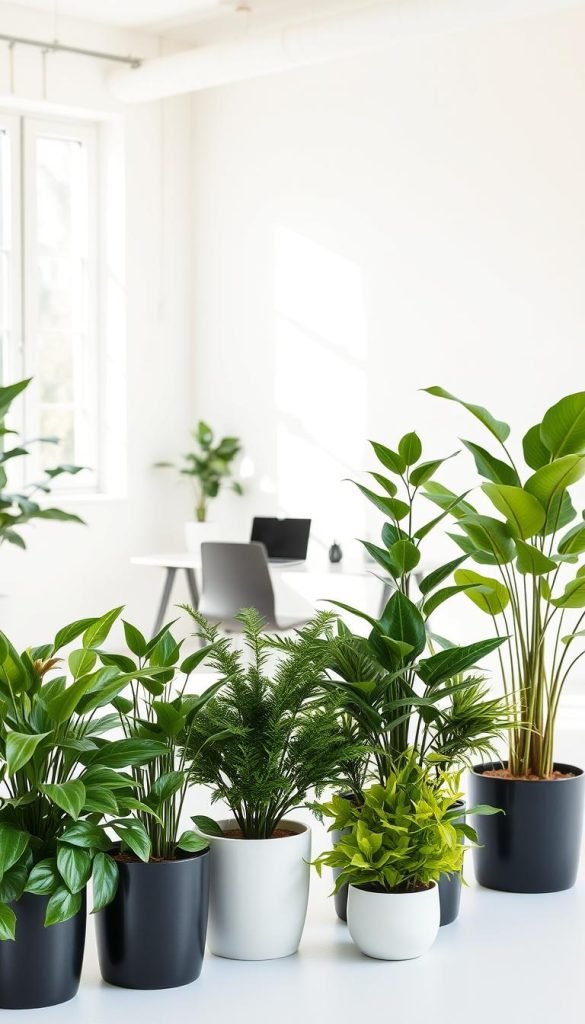
I start with a feather duster, then follow with a microfiber cloth to lift what’s left. I move top to bottom so particles fall away. For tight creases I use a soft brush and tiny circular motions on leaves and flowers.
Monthly: cool-air blow, targeted brush work, then a gentle spray-and-wipe
Once a month I work outdoors when I can. I use a hair dryer on a cool setting to blow out trapped grit. Then I detail with a soft-bristle brush and mist durable pieces with room-temperature water and a touch of mild soap.
I rinse, wipe dry, and check joints. For large artificial trees I shake them gently and vacuum with a brush attachment for trunk textures. I finish by tweaking placement so my decor avoids vents and high-traffic dirt zones.
“A short weekly habit plus a monthly tune-up keeps my home show-ready with very little fuss.”
| Step | Action | Why it helps |
|---|---|---|
| Weekly pass | Feather duster + microfiber cloth | Prevents buildup, fast maintenance |
| Detail clean | Soft brush + cool dryer | Clears crevices without damage |
| Spray-and-wipe | Water + mild soap, then dry | Removes grime, protects finishes |
| Large items | Shake outside + vacuum brush | Handles heavy dust on trees and trunks |
Conclusion
A short habit—just a few minutes each week—keeps my clean artificial plants looking new and cuts down on dust.
I rely on a simple toolkit: a microfiber cloth, a soft brush or duster, a cool-setting dryer, and an occasional spray bottle with mild soap or vinegar solution for a gentle shine.
I favor dry methods for delicate flowers and always test a single leaf before adding moisture. Smart placement and weekly rotation help greenery avoid vents and uneven light, which reduces future work.
Anti-static sprays and covered storage stretch time between sessions, and for stubborn grime I use a salt-and-bag shake or a quick salt-water dip, then rinse and dry. Start with one shelf today—your home and decor will thank you.