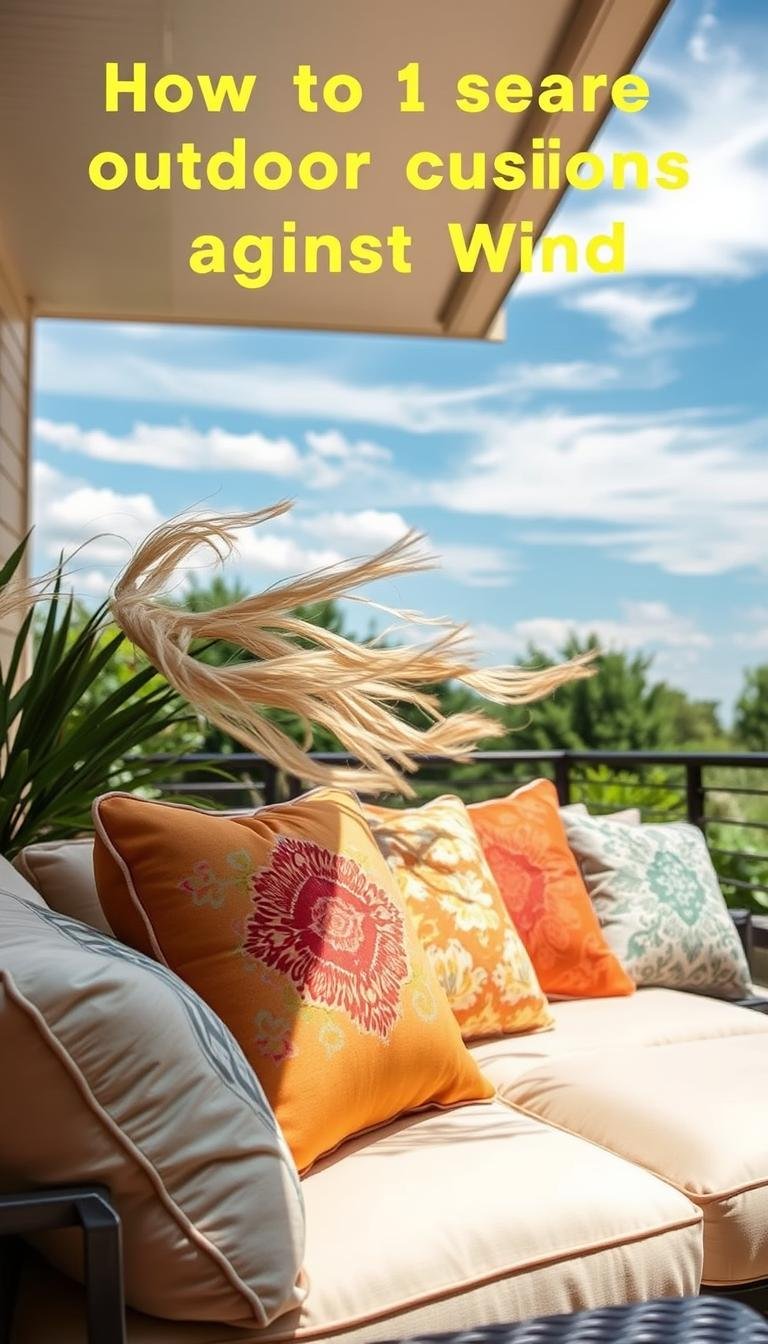
How do I stop my outdoor cushions from blowing away in wind?
Warm, sunny days on the patio feel best when my seating stays put. Gusts can scatter pillows and cushions, so I look for simple, stylish solutions that fit my space.
I favor quick fixes first: hidden weights, Velcro or ties, and non-slip pads that keep furniture neat without a tangle of ropes. If weather turns bad, I store items in a dry, covered place like a porch or garden shed.
For daily use I choose durable materials and add breathable storage. Lockable boxes keep contents safe from pets and rain, and airing items now and then prevents odors or mold. Small changes let me protect furniture and keep the deck welcoming.
Key Takeaways
- Match a simple fix to your wind exposure and space.
- Use discreet fasteners or weights to keep cushions on furniture.
- Store items dry in an enclosed place when not in use.
- Choose durable materials and water-repellent sprays.
- Try one method at a time, then combine as needed.
What I’m solving: windproofing patio cushions without ruining the look
I want patio seating that stays put without looking strapped or clumsy. That balance guides each choice I make for my patio furniture and chairs.
Simple trials first: I try hook-and-loop tape with adhesive backing. It comes in colors and sizes, so I match it to fabric and test placement. If it holds, I plan to sew strips later for a longer-lasting fix.
Add ties where there are none. Sewing on fabric ties is fast and they untie easily for washing or storage. Zip ties work on metal frames and slats, but they must be cut to remove and can leave holes over time. If I use zip ties, I cover the furniture with a tarp during bad weather.
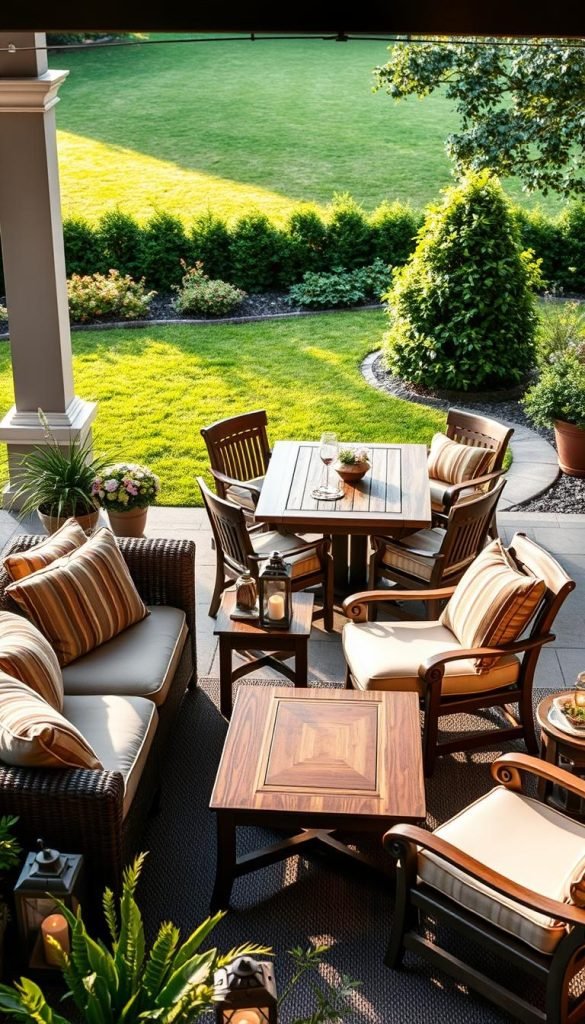
- I hide attachments under seams or beneath the cushion to keep lines clean.
- I favor color-matched fasteners and low-profile methods that resist the elements.
- I accept that some fixes are temporary while others are permanent, and I mix methods across different pieces for a cohesive look.
Quick, low-cost ways to keep cushions in place on windy days
Simple steps can protect seating without fuss. I favor low-cost fixes that add mass or grip so the patio looks tidy and stays usable during gusts.
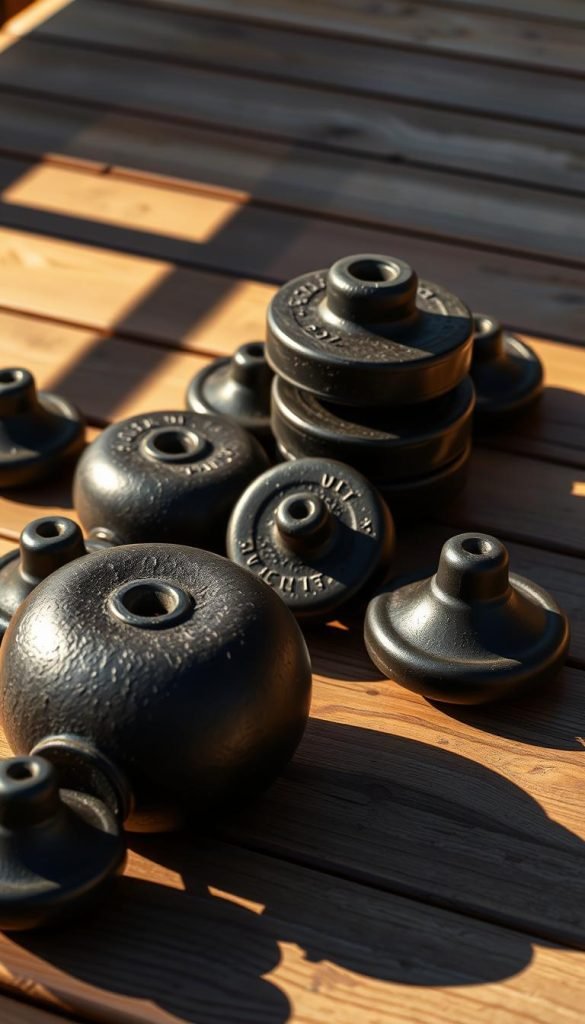
Weigh them down
Use small sandbags, decorative rocks, or canopy weights to hold pillows and a cushion where you want them. I cover furniture with a tarp first to avoid scuffs, then set a weight on top and remove the tarp when ready to sit.
Secure with bungee tension
Wrap one or two bungee cords around grouped seating to add tension and combine mass. That method keeps furniture clusters from tipping and works best when you’re not using the set.
Add grip under seats
Slip non-slip pads or rug-grip under each cushion for friction on slick wood or metal. These pads are invisible and help cushions stay put during brief gusts.
Stack and shelter lightweight pieces
Stack chairs and slide the stack near a wall to cut the wind profile. I also pop seasonal pillows into a latched deck box so the backyard stays neat after a gust.
- I keep a couple of sandbags and neutral decorative weights ready for quick use.
- I use covers before placing heavy objects to protect fabric and finish.
- I switch tactics day to day so I don’t overuse cords or extra weight.
Attach cushions to furniture so they don’t fly off
Secure fasteners give seating a neat, tailored feel and save time after a gust. I prefer quick trials first, then longer fixes when a solution proves reliable.
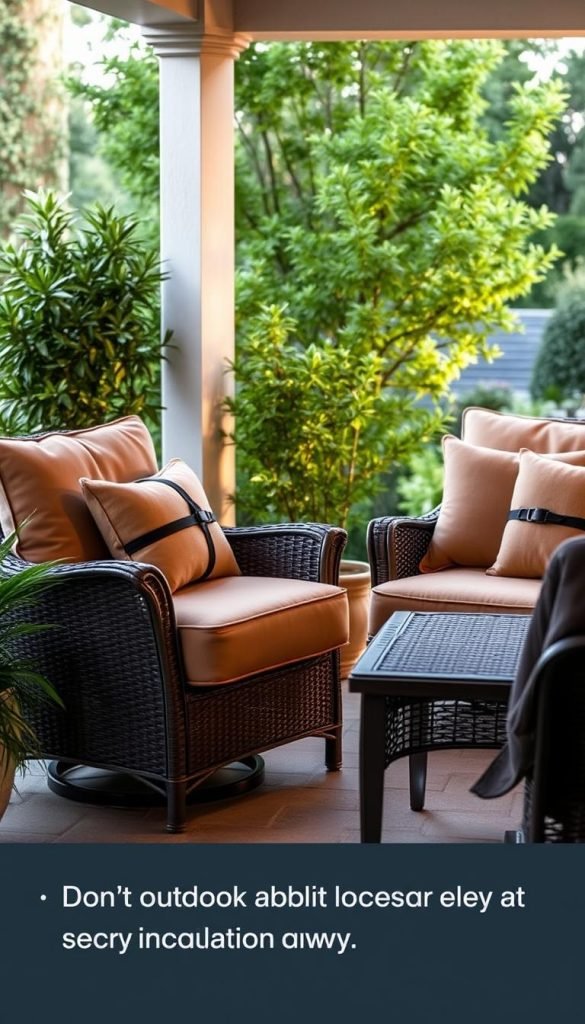
Hook-and-loop strips
Adhesive strips are easy to test. Stick one strip under the cushion and the mate to the furniture base. If it holds through a week, sew the strips on for longevity because weather and washing weaken glue.
Sewn-on ties or loops
Adding fabric ties lets you untie for washing or storage. I pick UV-resistant cord so knots stay usable and don’t degrade.
Zip ties through frames
Zip ties work well on slats or metal. Place them in hidden spots, knowing you may need to cut or release them to remove the cushion. Cover exposed areas and consider a water-repellent spray if left outside.
Snaps and button-style anchors
Low-profile snaps give a clean, removable hold. They keep pillows aligned and look custom without bulky hardware.
- I start with strips on one chair to test comfort and removal ease.
- I add ties at the side or rear edge so fasteners stay unseen.
- I combine a small strip plus a tie on high-wind corners instead of over-tightening.
Tip: keep a small kit of extra strips, ties, and a cutter for zip ties for quick fixes across the furniture set.
How do I stop my outdoor cushions from blowing away in wind?
My go-to is keeping pillows and seat pads tucked inside a dry box or garage. A short routine saves time and keeps fabric looking new. I store items where gusts and rain can’t reach them.
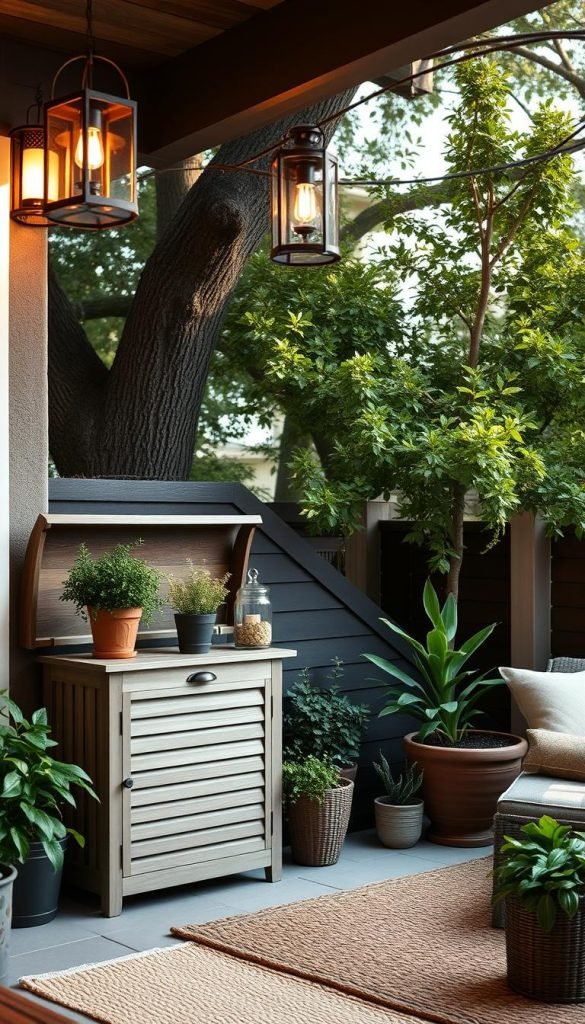
Use covered storage: deck boxes, benches, or a dry garage
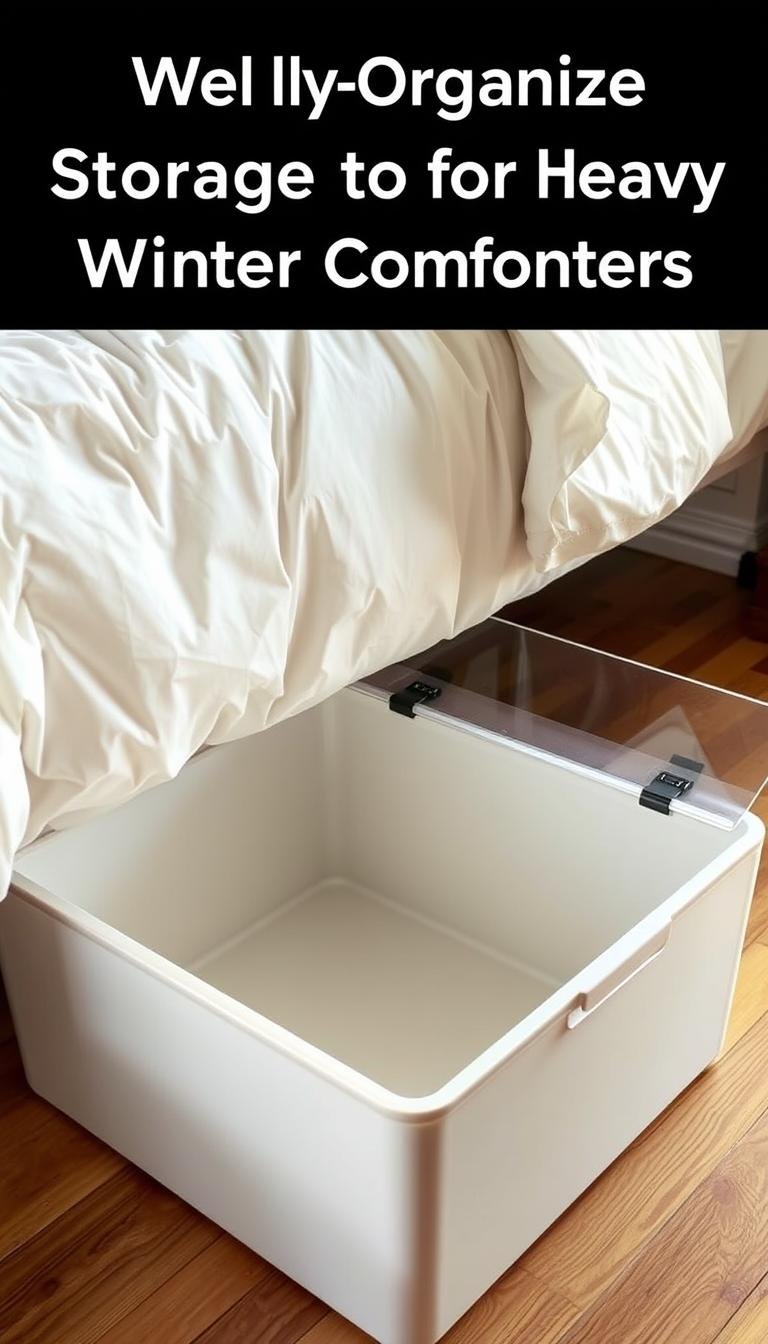
Pick a lockable deck box or a storage bench that resists moisture. I latch boxes so gusts won’t flip lids open. Keep things dry and air contents now and then to prevent mold and smells.
Cover furniture, then add weight for short storms
When I expect a brief squall, I drape a tarp over the sofa or chairs first to protect finishes. Then I add a small weight on top so the cover stays put and pillows don’t go missing.
Bring cushions indoors during heavy weather
If a big storm is forecast, I move cushions into the garage or home. That prevents stitching damage and faded color. I also treat fabrics with a water-repellent spray each season to help them dry faster between uses.
- I rely on covered storage so cushions and pillows are off the patio when not in use.
- I pick sturdy boxes and keep stored items dry to avoid pests and mildew.
- I plan by checking the weather so routine packing takes less time.
Plan the setup: materials, layout, and windbreaks that work
A smart plan pairs sturdy frames with natural barriers to calm gusty spots.
Choose heavier furniture for stability. I prefer pieces in cast aluminum, wrought iron, or solid wood. These materials resist tipping and keep the whole set steady.
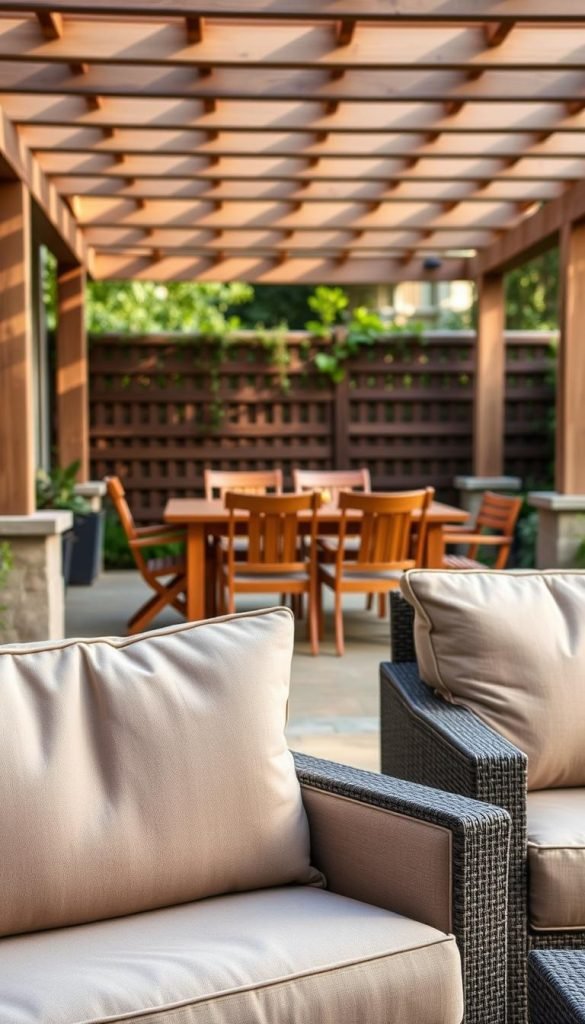
Build a living windbreak
Plant dense shrubs or use planters to form a low wall that channels winds away from the seating area. A green barrier protects without blocking views.
Pick fabrics and add subtle weight
Choose solution-dyed acrylic or vinyl-coated fabrics for longevity. Polyester dries fast and resists mildew.
“Heavier frames and a simple windbreak often cut chair movement in half,” I tell friends when planning a patio.
- I add slightly heavier pillows or inserts so cushions settle rather than slide.
- I map the windiest area and place seating just outside that path.
- I install hidden ties at setup for an easy, low-profile anchor.
| Element | Benefit | Example |
|---|---|---|
| Materials | Resist tipping | Cast aluminum, iron, wood |
| Windbreak wall | Reduces gusts | Dense shrubs, tall planters |
| Fabrics & weights | Stability + durability | Solution-dyed acrylic; weighted pillows |
Protect against weather, wear, and critters over time
Small habits—cleaning, airing, and stashing—extend the life of patio seating.
Clean and rotate cushions and pillows so color and fill wear evenly over time. Vacuum seams to remove crumbs that attract mice and insects. Check for small tears and stitch them before they grow.
Let everything dry fully before storage. Damp fabric invites mildew and odors, so air items now and then. I keep a lockable deck box for quick stashing and a designated spot in the garage or home for major storage.
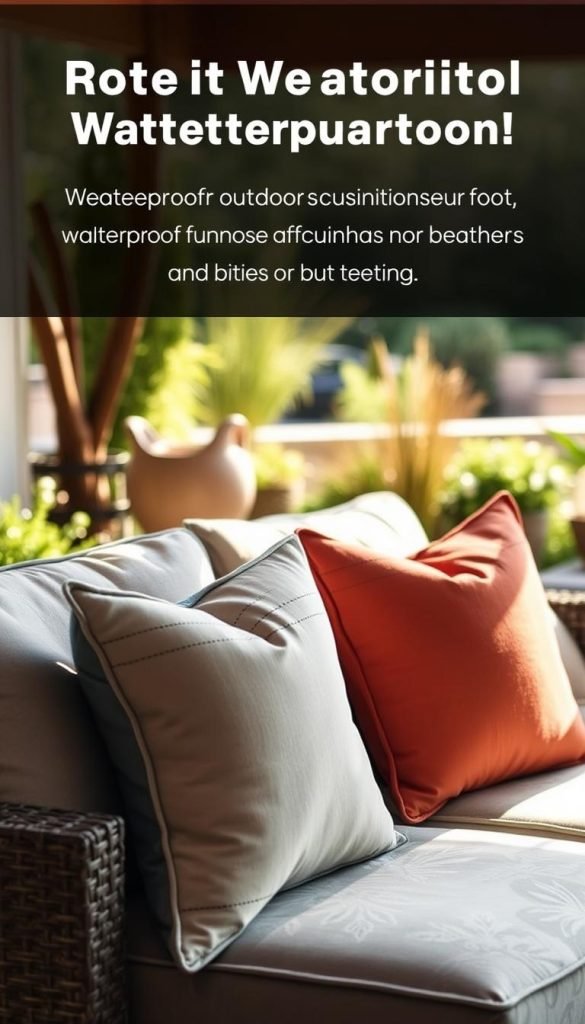
Seasonal care steps
Spray fabrics with a water-repellent each season to help them shed rain and dry faster after a splash. Keep simple covers handy to shield pieces between uses. Monthly quick checks stop small fixes from becoming big repairs.
“A little upkeep now saves money and keeps the deck inviting all season.”
| Action | Why it helps | When to do it |
|---|---|---|
| Clean & rotate | Even wear, less fading | Monthly |
| Dry fully before storage | Prevents mildew and smells | After rain or use |
| Vacuum seams | Reduces pest attraction | Weekly or as needed |
| Lockable storage | Deters theft and critters | Seasonal or nightly |
Quick tip: set aside a short block of time each month for these tasks to keep furniture ready and protected against the elements. Small steps add up.
Permanent and semi-permanent anchoring options for windy areas
A good permanent anchor keeps furniture steady without changing the look of the patio. In spots that funnel gusts across a deck or backyard, a few deliberate anchors make a big difference.
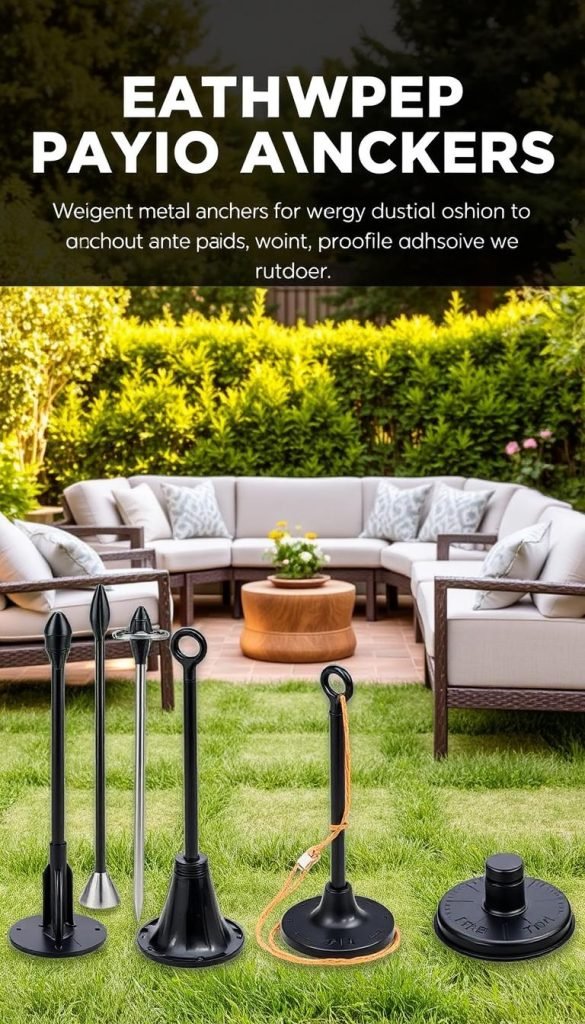
Ground stakes and garden staples work well as seasonal anchors at the base. Press a U-shaped staple over a leg or drive a stake around a foot to hold chairs or tables in place. They remove easily when you want to rearrange or store pieces for the season.
Earthquake glue and heavier fixes
Earthquake glue, sold at many hardware stores, was developed to stabilize glass and now serves as a reliable way to keep patio furniture from shifting. It bonds low-profile bases to a porch or slab while still allowing later removal if needed.
- I use ground stakes or garden staples around chair or table feet to create a removable, seasonal anchor at the base.
- I consider earthquake glue for heavier furniture, knowing it makes quick repositioning less convenient.
- I apply any adhesive method carefully on the deck surface and follow product guidance to protect finishes.
- I still add modest weights on lower shelves or stretchers for extra hold when strong gusts arrive.
- I keep a cover nearby so I can protect surfaces after anchoring if dust or rain moves in.
- I place anchors where gusts funnel in the backyard, test one piece, then adjust before anchoring the whole group.
- I check chairs and fasteners periodically so nothing loosens unnoticed.
| Option | Best for | Reversibility |
|---|---|---|
| Garden staples / stakes | Light to medium furniture | High — seasonal removal |
| Earthquake glue | Tables, heavy chairs | Medium — removable with care |
| Weights + covers | Temporary hold during storms | Very high — immediate removal |
Quick tip: for step-by-step ideas on how to secure patio furniture for gusty days, see this guide on secure patio furniture.
Conclusion
Conclusion
I favor a few reliable tips that mix quick holds and longer-term solutions so pillows and cushions stop blowing away without fuss.
Use small weights or sandbags and add bungee or bungee cords to keep a grouped set steady. Sewed hook-and-loop, ties, or discreet zip ties work along a chair side for low-profile hold.
Protect fabrics with a cover before adding weight, stash pieces in a latched deck box when bad weather looms, and pick heavier materials for patio furniture so the whole space stays put.
Test one option at a time, then anchor selectively with stakes or adhesive where needed. That way your outdoor furniture stays neat and ready all season long.