How do I pick a shower curtain that doesn’t scream “dorm room”?
I wrote this buyer’s guide to help you move from a basic campus bath setup to a space that feels like home. I want you to walk in, breathe out, and not think of temporary housing when the fabric swings closed.
I’ll compare fabrics, size and drop, and hardware so the whole setup reads intentional and styled instead of hurried. I cover details that make a big visual jump: better fabric, stronger hems, quality hooks, and a liner that resists mildew.
If you are an incoming freshman or heading back next year, I’ll help you match towels and storage so purchases work together. I also include neutral, coastal, and natural style ideas to speed shopping and keep the whole room cohesive.
Expect a quick sizing checklist, cleaning cadence by season and year, and small upgrades that change the look without drilling tile. My goal is to save you time, cut returns, and leave you knowing exactly which curtain to buy and how to hang it—hope helps!
Key Takeaways
- Choose fabric and weight first; they set the tone.
- Measure for proper drop so the panel hangs and looks intentional.
- Invest in quality rings and a mildew-resistant liner.
- Pick one style theme to tie towels and storage together.
- Small swaps—better hooks, heavier hem—create a big upgrade.
Set your style: from college dorm vibes to a grown-up bathroom look
Begin with a single aesthetic and let the main textile guide towels, storage, and accents. I always start with style because it sets the tone for the whole space. Think of the shower as the largest vertical textile in the room; its mood steers every choice.
Minimalist calm: I choose solid neutrals like stone, oatmeal, or white with subtle texture. A slub or basket weave reads expensive and helps me relax during long study days. Pair with gray towels and simple metal hooks for an elevated feel.
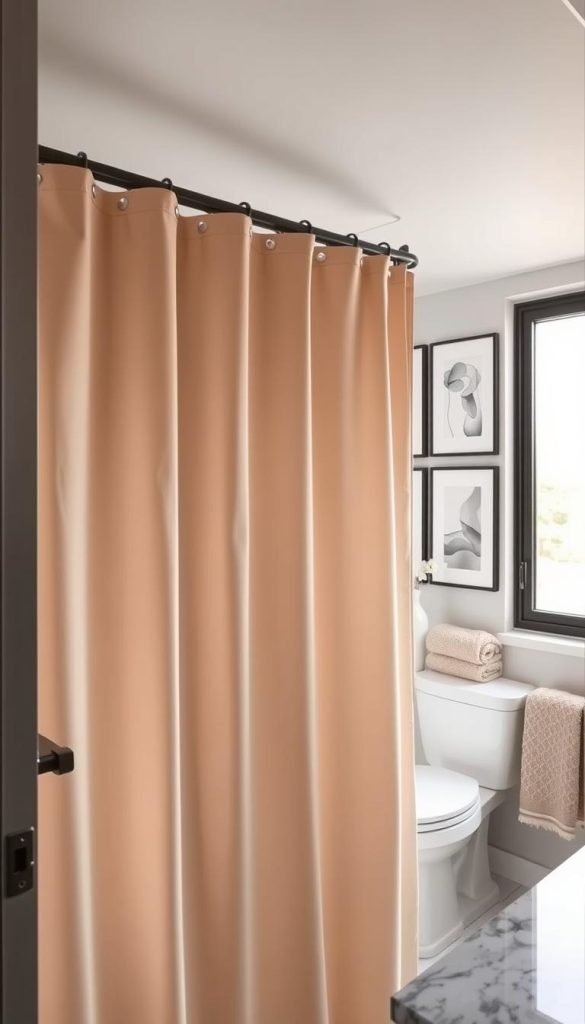
Coastal light: I lean on airy whites and soft blues. A waffle-weave panel plus pale-blue towels and a natural bath mat gives beach energy without feeling like a poster board.
Granola‑natural: Linen blends in warm neutrals work best. Add wooden storage, a bamboo cart, and a small plant to make the space feel grown up and cozy at home.
- I map towels, bath mat, and trays to one dominant color and one accent.
- When storage matches style, the bathroom looks curated, not cluttered.
- If you’re unsure, snap photos and let me know—I pick an anchor piece and build from there.
Size and fit: dimensions that make the space feel intentional
Getting the dimensions right turns a quick fix into a tailored, lived-in bathroom.
Measure width first. I take the full opening width and add extra for gentle pleating so the panel closes without pulling. This fuller look elevates the whole design.
Check height and drop. I measure from the top of the rod to the tub interior and set the drop so the hem just kisses the rim—no puddles, no high-water hems.
Think about liners and mounts. The liner should be slightly shorter and sit inside the tub. If tile goes higher or the rod is low, I buy longer panels or lower hook settings so the top line stays even on the wall.
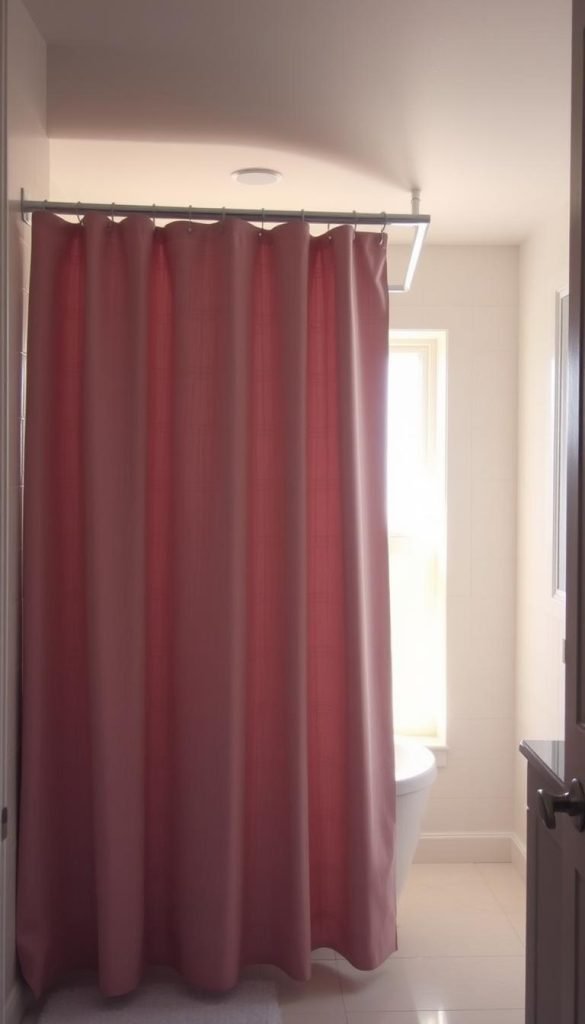
- Add width for curved rods; the arc needs extra span.
- Confirm grommet spacing so the top line hangs smooth.
- In tight college spaces, a slightly longer panel makes the room feel taller.
- If a bed sits nearby, match lengths to other textiles for one continuous line.
Materials that last: heavy-duty picks that don’t feel “dorm”
I focus on durable textiles and smart liners so your bath feels finished, not temporary. Start with fabrics that drape well and show quality at a glance. Small construction details mean a lot over the year.

Fabric over plastic: cotton, linen, and blends
I choose fabric shower panels—cotton, linen, or linen-look polyester—because they hang cleanly and read grown-up. A mid-weight cotton with subtle texture like waffle or matelassé looks upscale without fuss.
Heavy-duty liners and weighted hems
Use a heavy-duty liner with magnets or a weighted bottom to stop billowing. That keeps the hem straight and creates a tidy vertical line that lifts the whole space.
Mildew resistance and quick-dry weaves
Look for mildew-resistant finishes and quick-dry weaves for shared baths and inconsistent ventilation. These features cut maintenance time and keep fabrics fresher between washes.
- Match fabric weight to your rod and hooks so panels don’t sag.
- Double-stitched hems and bar-tacked headers prevent early wear.
- Treat fabric lightly with a protector and choose machine-washable products for easy care.
Color and pattern: elevate with palettes that work beyond the college dorm
A calm base color makes small pops feel deliberate, not accidental. Start with gray and white as your anchor, then add blush or turquoise for a refined accent. This keeps the overall theme timeless and easy to update next year.
Timeless palettes
Gray, white, and gold form a polished trio. I repeat the accent once—on a cart bin or a soap pump—so the eye connects elements without the space feeling busy. Gold hooks or a small tray warm the design and tie bathroom decor to the rest of the room.
Patterns with restraint
Choose slim stripes, micro‑checks, or tonal jacquard instead of loud graphics. From a few feet away these read as texture, which makes the curtain and towels look elevated in a compact college space.
I size patterns to the room: narrow repeats suit small sightlines and coordinate with the bed textiles when both are visible. Before I buy, I snap a quick post of selections together on the floor to confirm color harmony and overall size balance.
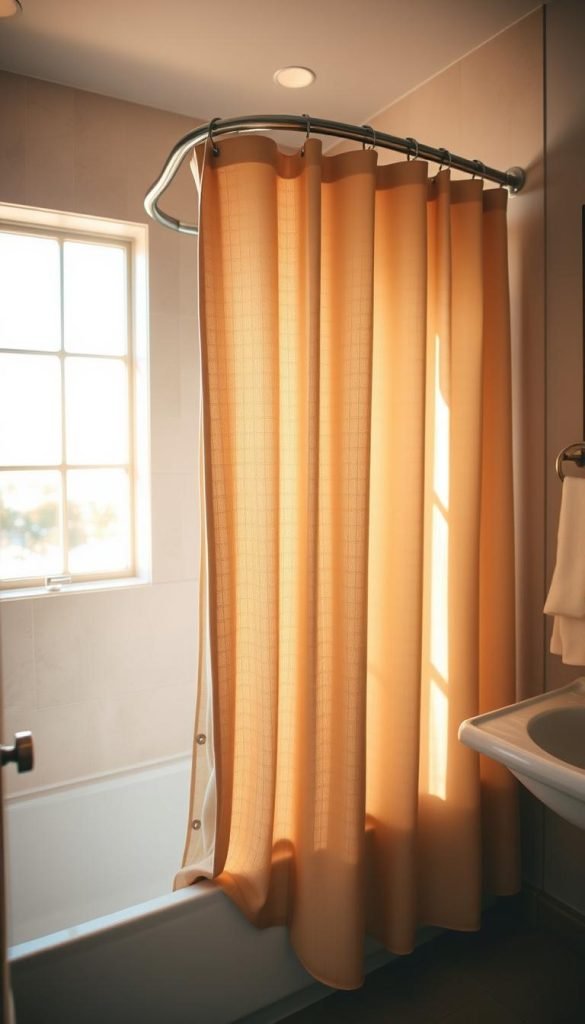
Hardware and install: the right hooks, rods, and renter-safe tricks
Small hardware swaps make a big visual jump. I focus on pieces that move smoothly and match other finishes in the living space. That single choice lifts the whole look.
Upgrade the details: I swap plastic for metal or gold hooks with covered rings so the top line glides and reads polished. Flimsy rings give away a temporary setup; solid metal feels intentional.

Rods and trade-offs: For splash control I prefer a curved rod plus a weighted liner. If floor space matters more, a straight rod keeps the footprint tight. I always check weight ratings and choose heavy duty tension rods when drilling into the wall isn’t allowed.
- I match hardware finishes to my drawers, lamp, or cart so the room reads cohesive.
- Command hooks and spring tension rods give clean, no-drill installs that respect renter rules.
- I stash extra hooks, felt pads, and a level in a drawer for quick swaps without damage.
- A single inside hook for a squeegee helps liners dry faster through fall and the rest of the year.
How do I pick a shower curtain that doesn’t scream “dorm room”?
Outline the five essentials—design, size, fabric, hardware, care—before you shop.
My quick checklist: design, size, material, hardware, and care
Design: Choose one clear style—minimalist, coastal, or natural—and let it guide towels and wall art.
Size & dimensions: Measure width and top-to-tub drop twice and aim for a hem that just kisses the tub.
Material & hardware: I favor fabric panels with weighted hems, a mildew-resistant liner, and hooks that glide.
Care: Set phone reminders: wipe the liner weekly and launder the panel monthly during the school year.

Pairing with the rest of the living space: towels, wall art, and storage
Repeat one textile across the bed and bath for cohesion. Keep everyday items in drawers or a covered bin so the shower area stays tidy.
For shared living, pick neutral panels and add personality with towels or a mat so your choices work with a roommate’s stuff.
If you want feedback, send photos and let me know your two favorite ideas—hope helps.
Care and cleaning: keep it fresh all year, not just at campus fall move-in
Small, repeatable steps make it easy to keep fabrics smelling clean all year long. I follow a simple routine so the bathroom and nearby living space stay tidy without taking up all my time.
Wash cadence and quick refreshes: I wipe the liner weekly and machine‑wash the fabric curtain monthly, or sooner if it looks dingy. After hot showers I leave the curtain open and run the fan; this short step cuts mildew through the school year.
Dust and odor control: Weekly top‑down dusting with a microfiber cloth removes up to 80% of surface dust. I dust shelves, frames, and the desk, then vacuum under the bed. Hot washes for bedding and towels keep the bed and bath textiles fresh.
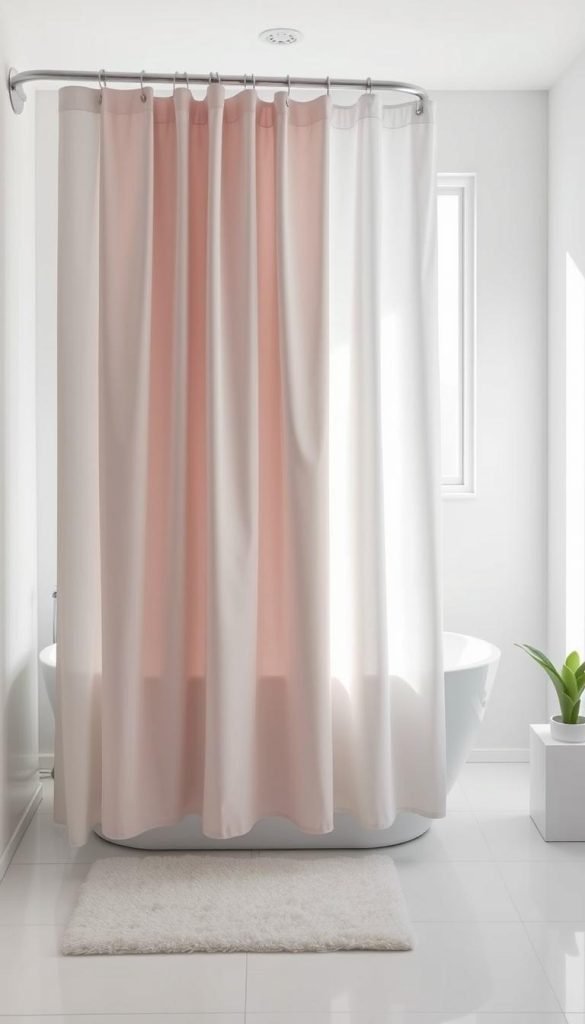
- I keep a small caddy with microfiber cloths, gentle detergent, and a squeegee so cleaning takes minutes, not hours.
- A fan‑style air purifier sits near the room center to cut dust and odors during fall allergy spikes.
- Replace the liner every few months if it stains or smells; small swaps keep the space looking new for a long time.
- Before campus fall move‑in and mid‑semester I deep clean hooks, spot‑treat hems, and check for rust so everything lasts the year.
Smart buys by budget: products that look high-end without the price tag
A few targeted purchases and clever storage moves lifted my small suite from makeshift to thoughtfully styled.
I grouped options into good, better, and best so you can shop by budget and impact. Each tier focuses on daily-touch products first, because those shape how lived-in the space feels.
Good, better, best: from basic upgrades to statement designs
- Good: Swap a thin plastic liner for a weighted mildew‑resistant liner, add metal hooks, and choose a solid cotton curtain. These three buys change the top visual cues without breaking the bank.
- Better: Add a waffle‑weave fabric panel, a curved tension rod, and a slim rolling cart to corral toiletries. This combo improves function and gives your bath area a neat, organized look.
- Best: Pick a linen‑blend panel, gold‑finish hooks, a matching bath mat and towel set, and a covered bin with drawers for storage. Mirroring finishes between the cart, desk accessories, and hooks makes the whole room read cohesive.
I favor under‑bed drawers or a low lidded box for extra storage so surfaces stay clear. For shared spaces, I use a neutral curtain and add personality with a small print or plant. Each fall I replace the liner, rotate towels, and deep clean—simple steps that stretch each product’s life into next year at home or in another college setup.
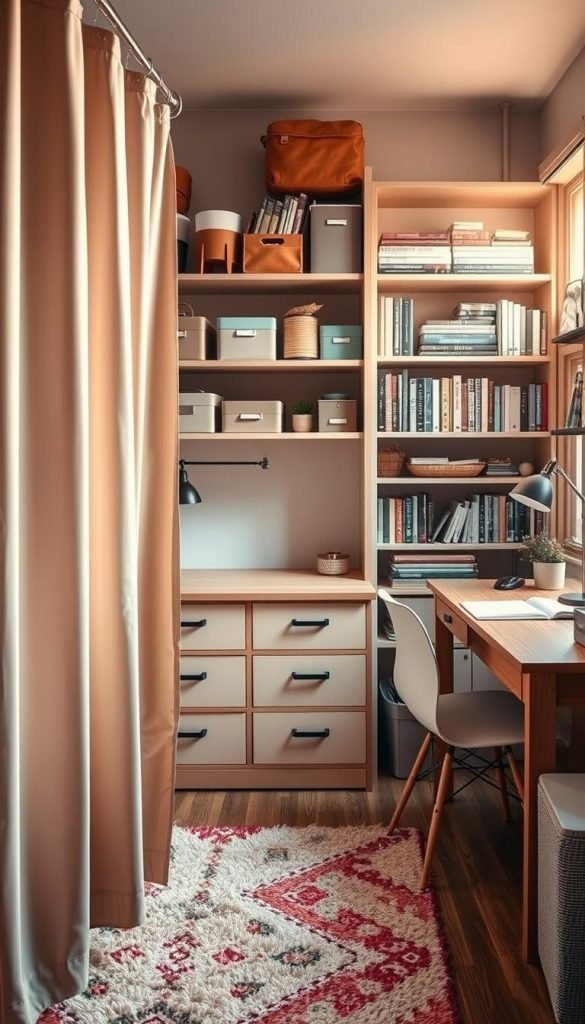
| Tier | Key products | Storage focus | Impact |
|---|---|---|---|
| Good | Weighted liner, metal hooks, cotton panel | Hooks + slim shelf | Clean, durable basics |
| Better | Waffle panel, curved rod, rolling cart | Cart for toiletries | Organized, higher-end look |
| Best | Linen blend, gold hooks, matching set | Covered bin with drawers | Statement, cohesive suite |
Conclusion
One textile decision—right fabric, correct size, quality hooks—changes how the whole space reads.
Wrap-up, lock in a clear theme, measure once, and choose fabric that hangs well. Use renter-safe hardware and a tension rod to protect the wall and housing rules.
Start neutral if you are an incoming freshman and add one accent color. Keep a small cart and a desk catch‑all so the bathroom zone stays tidy during fall and the school year.
If you want help with size or palette, send your layout and I’ll suggest options. With these steps your college dorm will feel like home next year and beyond.