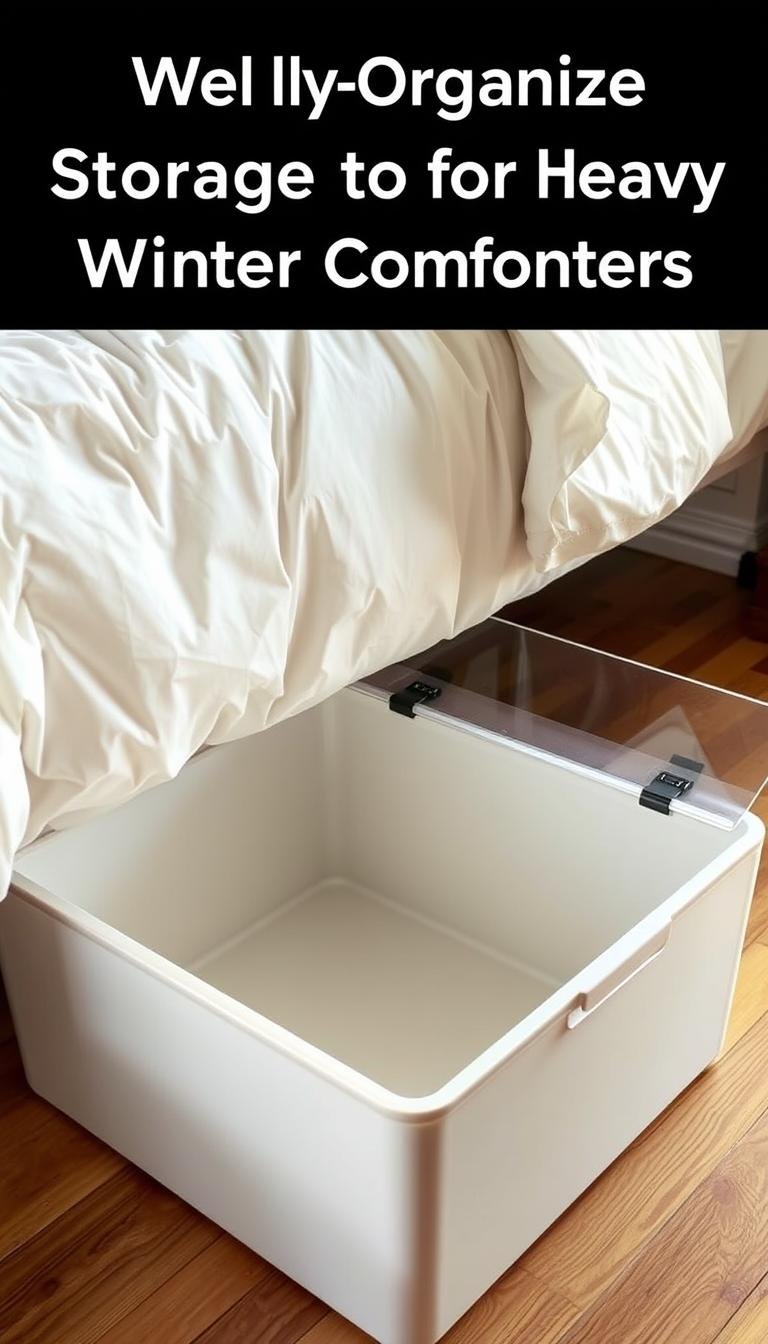
What’s the best under-bed storage for heavy winter comforters?
I tested dozens of options to find a solution that tucks bulky bedding out of sight while keeping it easy to grab. I focused on real-world use in small rooms, where every inch of space counts.
From rigid plastic boxes like The Container Store Underbed Box to fabric choices such as storageLAB Underbed Storage Containers, I looked at fit, handle strength, zipper life, and access. Durable features matter most when a thick comforter pulls at seams every season.
I also weighed visibility and floor-friendly bases. Clear tops help me spot what’s inside without shuffling multiple pieces, and reinforced bottoms keep sliding quiet. By the end, you’ll know which container and design match your bed clearance and routine.
Key Takeaways
- I favor durable builds with sturdy handles and reliable zippers.
- Clear panels or tops speed seasonal swaps and reduce guesswork.
- Select a container that fits your bed clearance and frame layout.
- Gentle compression preserves loft for down and down-alternative fills.
- Reinforced bottoms and smooth materials protect floors and ease sliding.
Quick answer: My top under-bed storage picks for bulky winter comforters
After testing, I picked a few containers that balance capacity, access, and durability. Each one solved a common problem I ran into: fit, zipper life, or floor protection.
storageLAB Underbed Storage Containers won my overall bag pick. The structured sides protect loft while the clear zip top gives fast ID. It comes as a set two and measures 33 x 17 x 6 inches.
The Container Store Underbed Box is my go-to plastic container. Clear polypropylene walls and a snap lid keep shape and resist warping at 27.13 x 16 x 6.25 inches.
Better Homes & Gardens Rolling Under Bed Zippered Storage Bin adds wheels and reinforced handles, great when weight matters. I avoid overstuffing to protect the zipper.
Iris WeatherPro Storage Boxes seal tightly with six latches and a foam gasket — useful when dust control matters, though polypropylene can get brittle in freezing temps.
Brightroom Underbed Fabric Bin features a hinged lid that opens halfway for quick grabs. It’s a compact option for smaller items and linens.
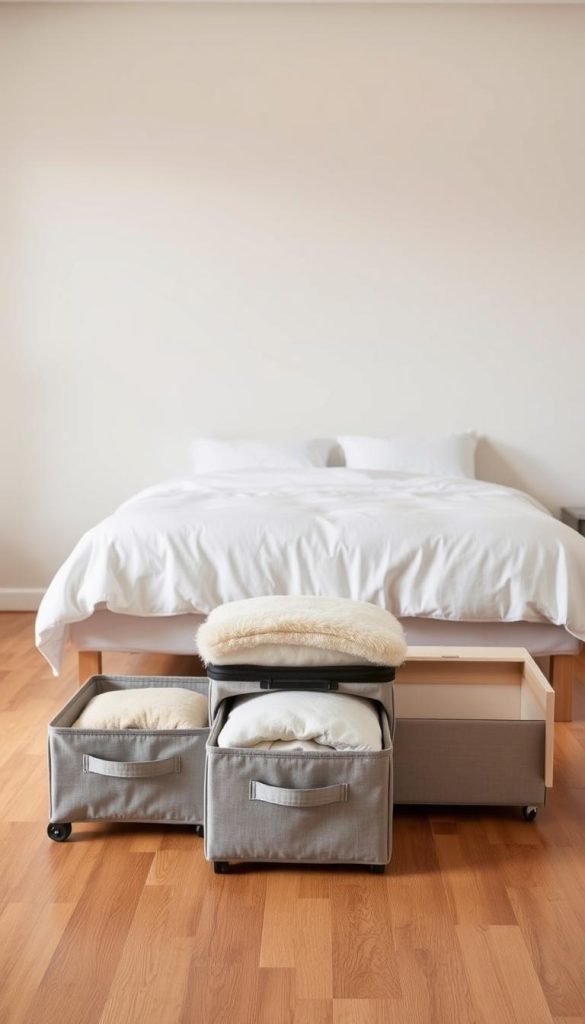
- I often pair a rigid box with a fabric bag to mix protection and flexibility.
- Measure your bed clearance and note center supports before you buy.
- Label containers and place frequently used items near the edge for true easy access.
| Pick | Type | Key feature | Dimensions |
|---|---|---|---|
| storageLAB Underbed | Fabric container | Structured sides + clear zip top, set two | 33 x 17 x 6 in |
| Container Store Underbed Box | Plastic bin | Snap lid, warp-resistant polypropylene | 27.13 x 16 x 6.25 in |
| Better Homes & Gardens Rolling | Wheeled bag | Built-in wheels, reinforced handles | 26 x 15 x 5.9 in |
| Iris WeatherPro | Airtight-style box | Six latches, foam gasket, clear | Multiple sizes |
How I decide what actually works for heavy, bulky bedding
I start every pick by matching real capacity to the bulkiest bedding I own. That first step tells me whether a container will hold volume without flattening loft or forcing constant compression.
Capacity, compression, and clearance
I measure clearance under my bed first and note center supports. Height and frame layout decide the size I can buy.
Structured fabric bags absorb bulk while keeping shape. Rigid boxes keep edges crisp and stack well when space is tight.
Access without dragging everything out
I favor designs that let me unzip or lift a portion of the lid. Partial access means I can grab one pillow or a folded throw without sliding a full container across the floor.
Smooth zippers and reinforced seams stood out in testing; they survived frequent pulls with heavy textiles.
Protection from dust, moisture, and wear
I look for low-friction bottoms that glide and clear panels that speed retrieval of stored items.
Protection is twofold: a snug closure that keeps dust out and breathable fabric where long-term moisture could be an issue. Handles placed on both side and front make pulling easier depending on how the container sits under the bed.
“Durable handles and zippers, plus a design that allows partial access, turned out to be the features I reached for most.”
- Match capacity to your heaviest bedding and allow gentle compression.
- Measure clearance and watch for supports that block long boxes.
- Choose low-friction bases and clear panels to speed seasonal swaps.
Best overall bag for comforters: storageLAB Underbed Storage Containers
When I wanted a fabric option that held shape and still expanded for lofty fills, storageLAB stood out. Its structured sides keep bulky bedding squared while the soft, clear zip top gives slight expansion so down and down-alternative keep loft.
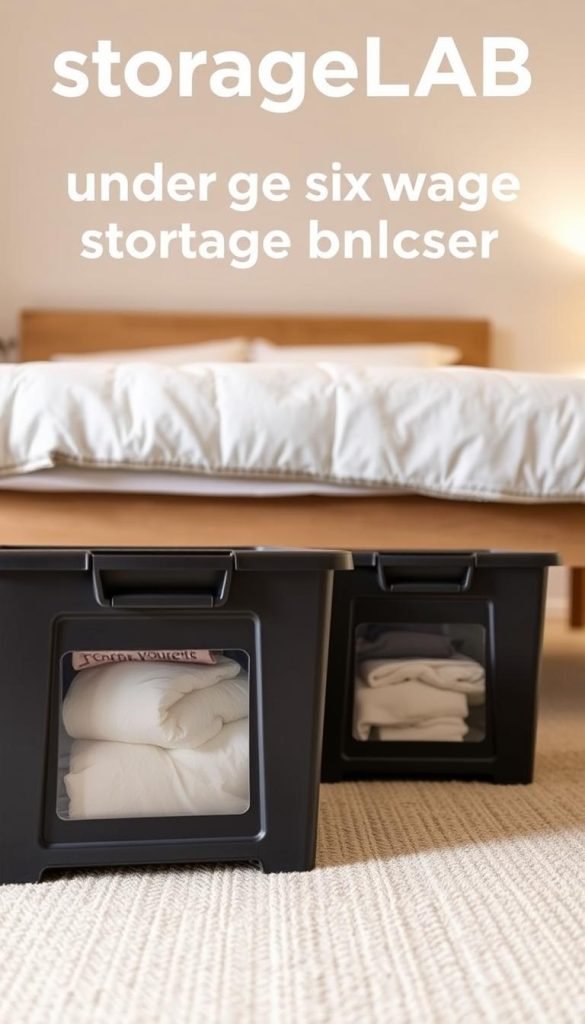
Why the structured sides + flexible top matter
Structured fabric sides protect seams and keep a neat row under my bed. The top balloons just enough so I avoid crushing thick fills. The 33 x 17 x 6 size fits most frames while offering real capacity.
Real-world takeaways from long-term testing
I relied on these containers as a set two for queen bedding. The zipper glides even when full, and side handles are reinforced for easy pulls. The bottom fabric held up on hardwoods without scuffing.
Where it can fall short: length and bed supports
At 33 inches long, the bag can catch on center supports or stick out past low frames. I always measure under my bed first and plan placement so the bag clears any mid-leg.
“The clear top makes seasonal swaps faster, and the reinforced handles mean I pull one corner or the middle without stress.”
- Uses: I split comforter and shams between the set to avoid overstuffing.
- Labeling: Side pockets accept slide-in tags for quick ID.
- Care tip: Fold loosely to preserve loft; avoid tight compression.
| Feature | What I observed | Why it matters |
|---|---|---|
| Construction | Fabric with structured sides | Maintains shape, reduces flattening |
| Top | Clear soft zip | See contents; slight expansion for loft |
| Handles & bottom | Reinforced side handles; durable base | Easy pulling; no floor scuffs |
| Size & pack | 33 x 17 x 6 in, set two | Roomy for bedding; two-piece organization |
Best overall plastic bin: The Container Store Underbed Box
I favored a slim, clear polypropylene option when I wanted tough protection and quick ID. This box fit low frames and still held a lot without floppy sides.
Snap-lid security and clear plastic visibility
The snap lid seals tightly yet pops open fast for a quick grab. I could slide the bin out, open one corner, and pull what I needed without hauling everything onto the floor.
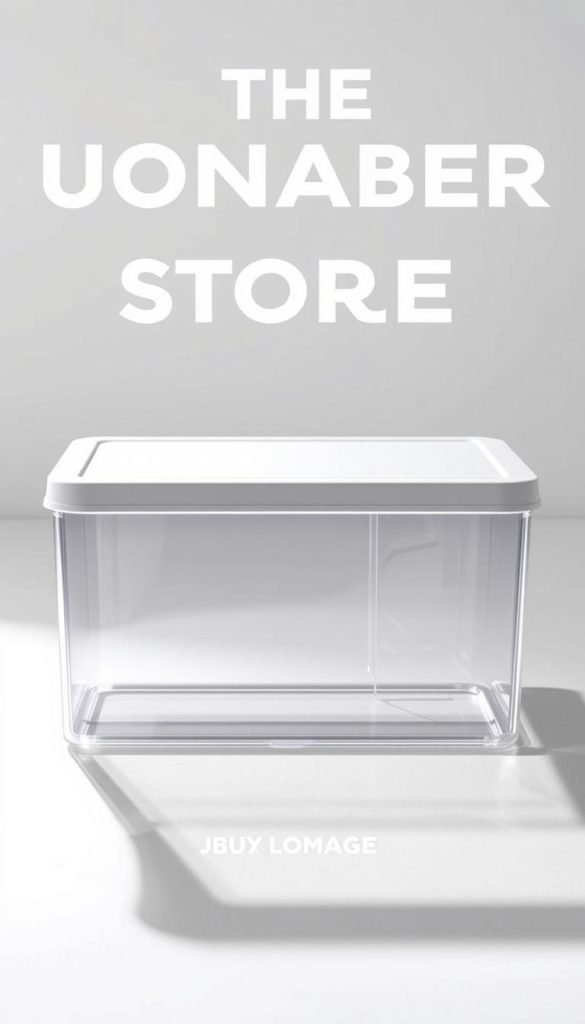
Warp-resistant polypropylene for everyday use
The 27.13 x 16 x 6.25 inch profile is slim but roomy. Polypropylene kept corners straight and resisted warping after repeated pulls.
In testing, the bottom stayed sturdy and didn’t scuff hardwood. The sides stayed square when loaded, so the bin avoided catching on rails or rugs.
- This clear plastic box earned my top rigid pick for durability and visibility.
- I liked that multiple bins lined up neatly to maximize under-bed space.
- Pro tip: tuck a cedar sachet inside and label the short side for fast ID from the bed edge.
| Feature | What I observed | Why it matters |
|---|---|---|
| Material | Warp-resistant polypropylene | Keeps shape; long-lasting |
| Size | 27.13 x 16 x 6.25 in | Slim fit for low frames; good capacity |
| Lid | Snap enclosure | Secure seal; quick access |
| Visibility | Clear plastic walls | See contents without opening |
| Base | Sturdy, scuff-free | Easy sliding during everyday use |
“A rigid, clear bin made seasonal swaps faster and stood up to frequent use.”
Best wheeled value pick for heavy linens: Better Homes & Gardens Rolling Under Bed Zippered Storage Bin
A wheeled design felt like a small upgrade that solved a big pain: dragging heavy linens. I tested the Better Homes & Gardens rolling option and found its low profile and smooth rollers keep retrieval simple.
When wheels make the difference for weighty bedding
Built-in wheels let me pull the unit with one hand, even when a thick comforter is inside. On carpeted floors the rollers prevent bunching and stop the base from rubbing or sagging.
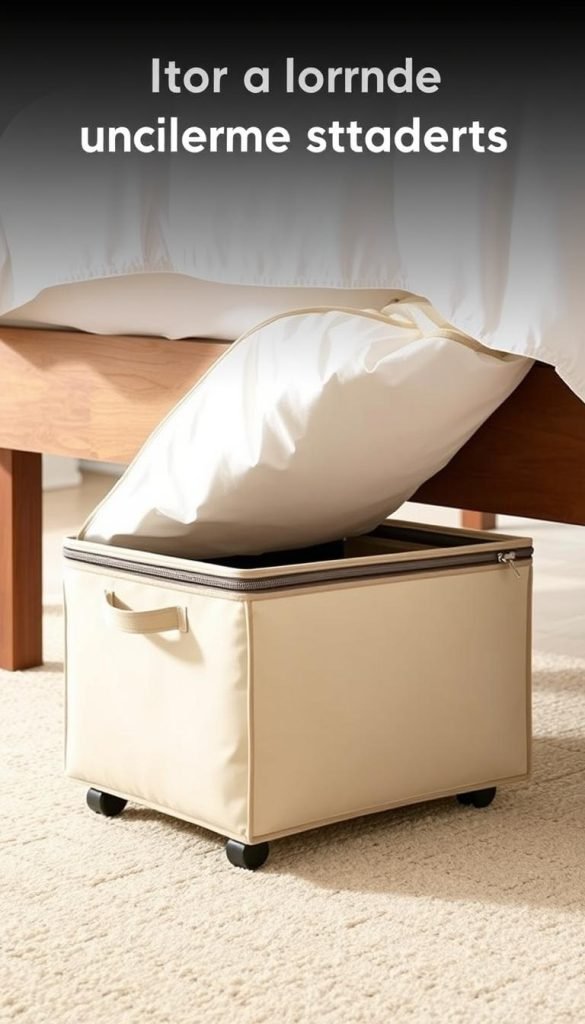
Zipper quality and how to avoid overstuffing
The two metal-reinforced side handles give confidence when I move a full load. The clear top wipes clean quickly and made ID fast during seasonal swaps.
- I left a bit of space when packing so the zipper didn’t strain around corners.
- The 26 x 15 x 5.9 size suits one thick comforter or a couple of folded blankets.
- After six months it kept blankets fresh and dust-free; if a zipper feels tight, I redistribute contents before zipping.
“Wheels carry the load so the base avoids wear, making this an easy organizer to recommend.”
| Feature | Why it mattered |
|---|---|
| Wheels | Easy one-handed pull, protects base |
| Handles | Metal reinforcement for safe lifting |
| Top | Clear and simple to wipe |
Airtight-style alternative for dust control: Iris WeatherPro Storage Boxes
I reach for Iris WeatherPro when I want a near-airtight option to keep dust and moisture away from bulky bedding.
Six latches and a foam gasket make the lid seal tight. The clear body helps me ID items without opening, which saves time during seasonal swaps.
I pick shallow sizes that clear low frames. The lids nest into bases, so stacking in a closet or along the bed edge stays stable.
Six latches, foam gasket, and clear design for easy ID
The tight seal minimizes air exchange and dust. If a latch chips, I still find the box can keep moisture out, but I treat damaged pieces carefully to preserve the seal.
Under-bed fit considerations and cold-temp caveats
Polypropylene can get brittle in freezing temps, so I keep these indoors and avoid unheated garages. They lack wheels, so I place them on low-friction mats or on smooth floors for easy pulls.
- I often bag delicate clothing in cotton first, then place it in the box for double protection.
- New bins can smell at first; a short airing or a cedar block fixes that fast.
- Measure clearance with the lid and latch height in mind before buying.
| Feature | What I observed | Why it matters |
|---|---|---|
| Seal | Foam gasket + six latches | Limits dust and moisture |
| Visibility | Clear plastic body | See contents without opening |
| Sizes & stacking | Many quart options; lids nest | Fits low frames; stable stacks |
| Mobility | No wheels | Use on glide-friendly floors or mats |
“A foam-gasketed box gave me confidence that linens stayed dry and identified without a fuss.”
What’s the best under-bed storage for heavy winter comforters?
I prioritized containers that keep loft intact and let me grab one item without a fight.
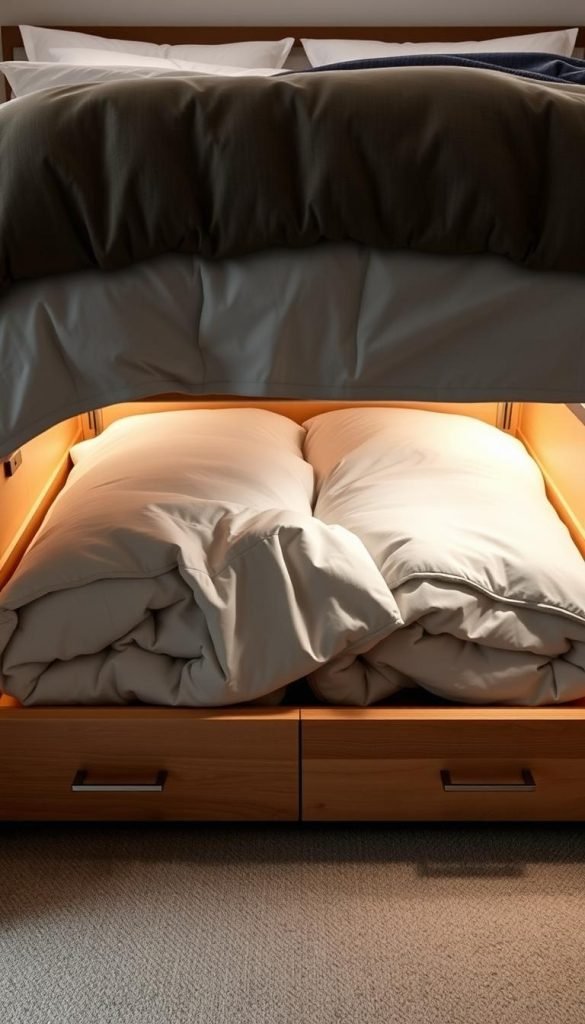
I found three clear trade-offs: a fabric-sided bag that flexes around lofty fills, a clear rigid bin with a snap lid that holds shape, and a gasketed box that limits dust.
For plush comforters I favored a soft-sided option with a flexible top. It avoided hard creases and kept loft intact.
If edge protection and visibility mattered more, a clear polypropylene bin won. It stayed square and gave quick ID of stored items.
Homes with dust concerns did better with gasketed lids and multiple latches. Those containers cut airflow and kept linens cleaner over time.
I always measured clearance and tested partial-zip or hinged openings. Smooth access beat slightly larger capacity I could not reach.
- Tip: Keep comforters loosely folded and dry before packing.
- Tip: Reinforced seams and molded handles ease pulling from deep under the bed.
| Option | Strength | When to use |
|---|---|---|
| Fabric-sided bag (storageLAB) | Flexible top, preserves loft | High-loft comforters; gentle compression |
| Clear rigid bin (Container Store) | Snap lid, warp-resistant | Low clearance frames; easy visibility |
| Gasketed box (Iris WeatherPro) | Foam seal + latches | Dust-prone rooms; long-term protection |
“Smooth access beats marginally bigger capacity you can’t reach easily.”
Plastic bins vs. fabric bags: Which protects winter comforters better?
I compared rigid bins and soft bags side by side to see which kept loft and cut dust.
Rigid protection and stackability with clear plastic
Plastic boxes like The Container Store Underbed Box keep edges square and resist warping. Clear walls make contents easy to ID, and uniform shapes stack or line up to use every inch of space.
Rigid bins stop snagging on rails and protect corners when you slide them out. A gasketed lid adds dust resistance, so delicate clothing stays cleaner over time.
Flexible expansion and gentler compression with fabric
Fabric bags such as storageLAB expand at the top to fit bulky fills without harsh creases. Structured sides prevent slumping, and smooth zippers allow partial access for quick grabs.
Low-quality fabric can fray, so I stick to reinforced stitching and sturdy zippers. For dust control, I sometimes add a cotton sleeve inside a bag. Either option needs a little air space so loft lasts season to season.
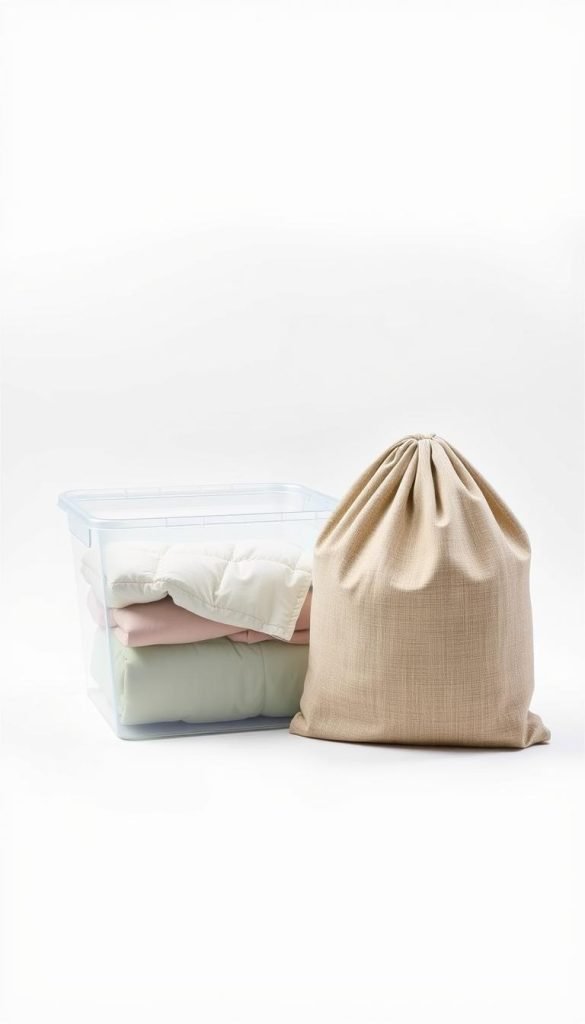
“I match the choice to loft and access habits: rigid for neat edges, fabric for forgiving fit.”
| Feature | When it helps | Note |
|---|---|---|
| Clear plastic | Stacking, visibility | May need flatter folds |
| Structured fabric | Oversized comforters | Choose reinforced zips |
| Gasketed lid | Dust control | Best for long-term protection |
Lid types and access: zipper, snap, hinged, and dual-hinged trade-offs
I learned that small lid details change how often I actually use an organizer. A good lid lets me grab one item without dragging everything into the room.
Zipper tops let me open just enough to tuck a corner or pull a sham. I found storageLAB zippers stayed smooth even when packed, but zips can snag if corners are overloaded.
Snap lids are fast and satisfying. The Container Store snap lid opened and closed smoothly without feeling flimsy, and it sped daily access on low frames.
Hinged and dual-hinged lids offer true easy access. Brightroom’s half-hinge lets me lift one side and leave the rest covered, ideal when I reach for bedding often.
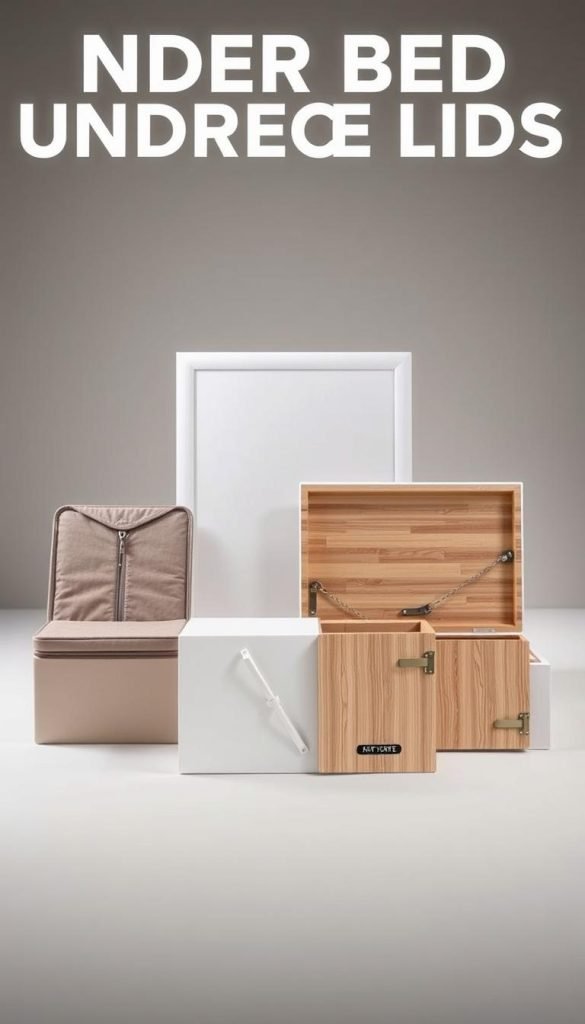
Seal and dust control matter too. If dust is a concern, a gasketed lid with multiple latches outperforms basic snaps and zips at keeping air out.
- I match lid type to my everyday use: frequent grab-and-go favors hinged or snap, seasonal swaps work well with full-zip bags.
- Clear tops and labeled ends save time and stop me from pulling an entire container out.
| Type | Quick trade-off | When I use it |
|---|---|---|
| Zip top | Partial access; risk of snag | Seasonal swaps and soft-sided container |
| Snap lid | Fast open/close; sturdy feel | Daily grab-and-go with a rigid bin |
| Hinged | Lift-half access; tidy coverage | High-traffic use and shared rooms |
“Ultimately, the best lid is the one that encourages you to keep using the under-bed storage consistently and tidily.”
Handles, wheels, and low-friction bottoms: features that save your back
A quick pull or a gentle roll often decides whether I’ll actually use an organizer long-term.
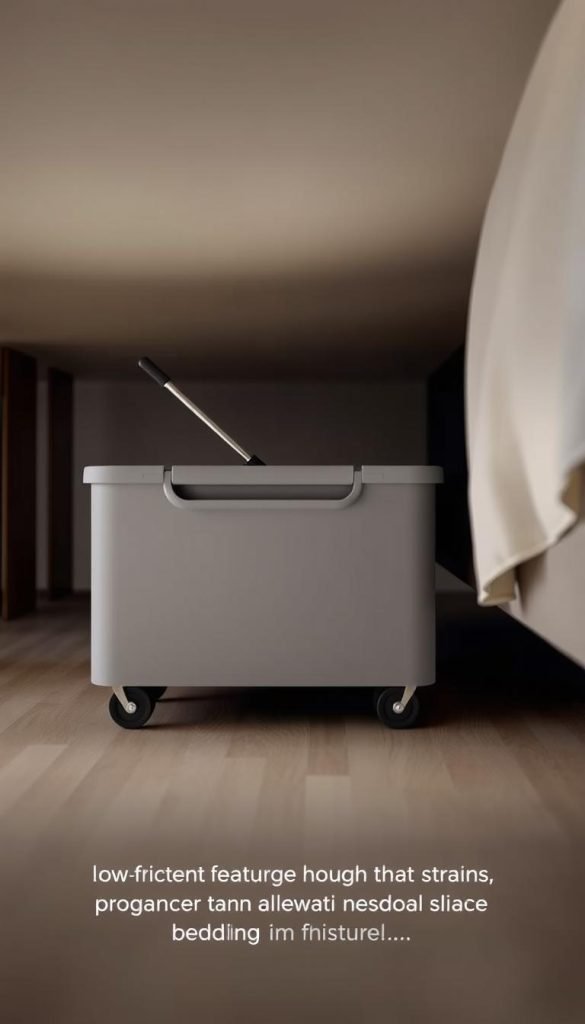
Reinforced handles on the long side let me pull straight out from under my bed with control. I like stitching that wraps fully around anchor points so pulls feel solid every season.
Wheels made a big difference on carpet during testing. Better Homes & Gardens’ rolling bins used discreet rollers and metal-reinforced handles so heavy loads moved easily.
I favor low-friction bottoms on hardwoods. They glide without tugging at seams. storageLAB’s side handles helped me extract a full bag without scuffing floors.
Small extras matter too: a front grip or short-side handle helps pivot past supports. A hinged or easy-opening lid cuts how far I must slide a piece for a quick grab.
- I check for deep molded handholds on rigid bins so fingers don’t pinch.
- I distribute weight evenly across the base to avoid tipping as I pull.
- Over time, these touches reduce strain and make daily use painless.
| Feature | Why it helps | Real example |
|---|---|---|
| Reinforced handles | Better grip; long-term durability | storageLAB side handles held up under repeated pulls |
| Wheels | Reduce friction on carpet; one-handed pull | Better Homes & Gardens rolling bin with metal handles |
| Low-friction bottom | Glides on hardwood; protects seams | Smooth base prevented scuffs in my tests |
“When ergonomic details are right, I use my under-bed system weekly instead of letting it gather dust.”
Sizing it right: measuring bed clearance and selecting the right dimensions
A quick measurement up front saves trips back to the store and awkward fits later.
I measure from floor to frame and subtract at least a half inch so lids and zippers clear when I slide a box out.
Low-profile vs. extra-large
Low-profile or taller options
For low frames I pick boxes near six inches tall. The Container Store box at 27.13 x 16 x 6.25 inches fits many low frames without rubbing.
Taller beds let me choose deeper containers or even stack two pieces to use vertical space efficiently.
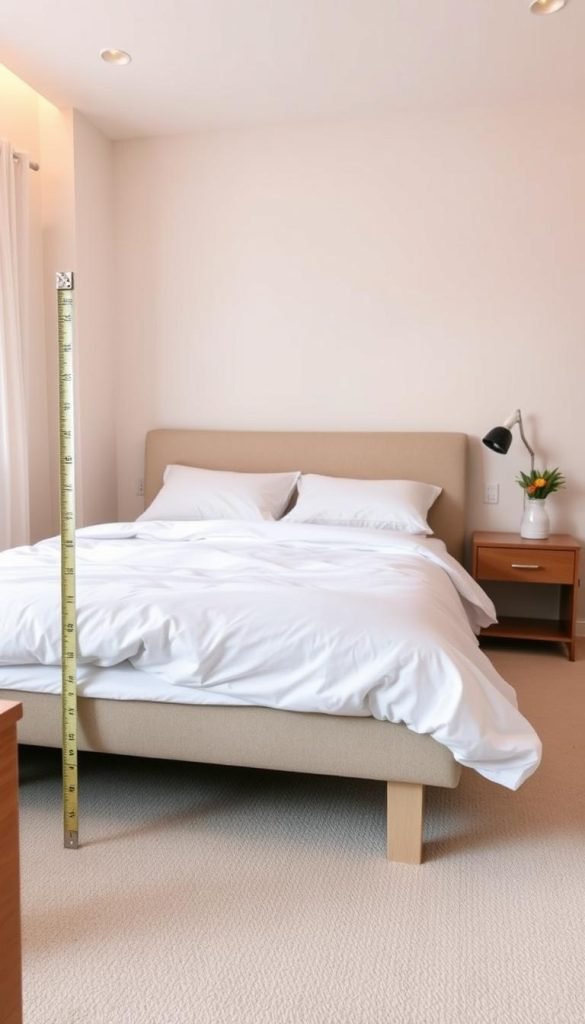
When longer containers might poke past supports
Long containers maximize floor space but can catch on center supports. storageLAB’s 33-inch bag can hit mid-rails if I don’t map leg positions first.
I measure from leg to leg and mark where a container will sit. If obstacles exist, I choose shorter boxes like Brightroom’s 24.75 x 12.75 x 6.5-inch hinged option or use two smaller bins.
“Measure length and clearance before you buy — it changes which container works in real rooms.”
- I make sure to include baseboards, rugs, and bed skirts in my measurements.
- Wheels add height; always account for roller housings when checking clearance.
- When space is tight, I split heavy items across two containers and keep weight toward the accessible side.
| Need | Typical dimension | Why it helps |
|---|---|---|
| Low-profile fit | ~6 in tall (e.g., 27.13 x 16 x 6.25 in) | Clears low frames; smooth sliding |
| Compact spaces | 24.75 x 12.75 x 6.5 in | Fits tight widths; hinged lid access |
| Max floor use | Up to 33 in long | More storage space but may hit legs/supports |
With careful measuring and small checks for obstacles, I choose containers that actually fit and stay useful in daily life.
Top runner-ups I’d still buy for bedding
A few alternate organizers stood out during testing for specific tasks and tight spaces. I kept these options because they fill niche needs when my main picks aren’t ideal.
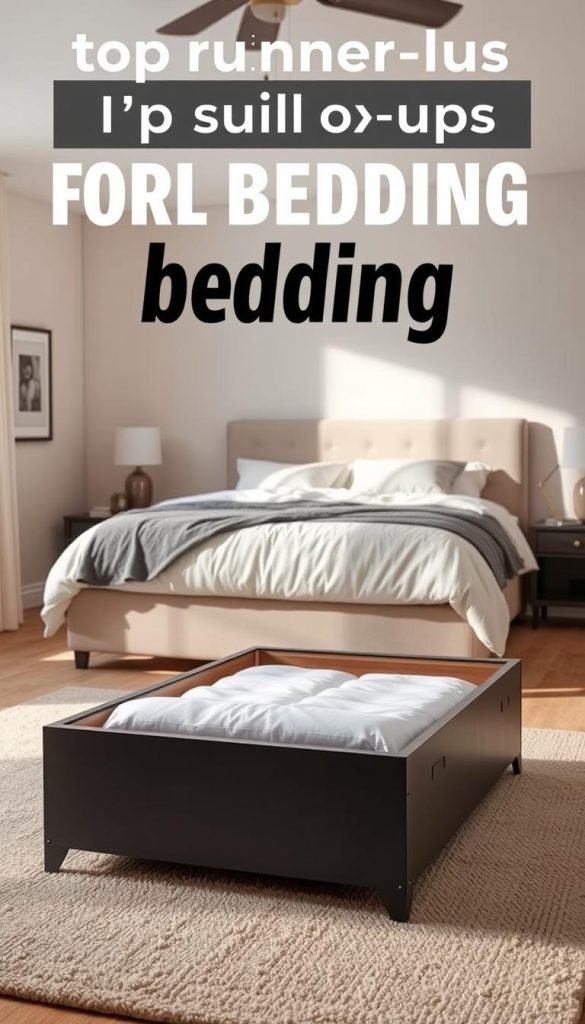
IKEA SKUBB Storage Case: roomy and rigid
Size: 27.25 x 21.75 x 7.5 inches. I liked the rigid recycled polyester sides that keep a neat shape while the flexible top gives a bit of stretch.
Why it works: Corner mesh vents cut mustiness over time, and three straps make pulling from deep under a bed easier.
Brightroom Underbed Fabric Bin: hinged lid for easy access
At 24.75 x 12.75 x 6.5 inches this bin opens halfway so I can grab socks, tees, or small throws fast. The soft fabric and sturdy base glide well without wheels.
Anyoneer Shoe Organizer: dividers repurposed
The 30 x 24 x 6 inch organizer has Velcro dividers and a clear top that suits folded throws or pillow covers. I avoid overfilling to keep the zipper from snagging.
- Mix and match: One storage bag plus a hinged lid bin covers a full bedding rotation for me.
- Tip: Use SKUBB when you want a squared-off look with soft sides.
| Pick | Key feature | Best use |
|---|---|---|
| IKEA SKUBB | Rigid sides, vents | Large folded linens |
| Brightroom Bin | Half-hinged lid | Quick grabs, small clothing |
| Anyoneer | Adjustable dividers | Shoe storage repurpose, throws |
“These runner-ups are handy when I need specific form, venting, or segmented storage without overcomplicating my routine.”
Real testing insights: capacity, quality, ease of use, durability, value
Capacity mattered, but function mattered more. I found that a unit’s real value showed when a packed piece kept shape, opened smoothly, and slid out without strain.
I logged how much a container held and how it behaved over months of use. NestNeatly SmartCube swallowed about 50 extra- large T-shirts (39 x 18 x 6 inches) and still kept sides upright.
Sturdy zippers and reinforced handles stood out during wear tests. Zippers that didn’t snag and seams that didn’t tear saved me time and replacements.
Why sturdy zippers and reinforced handles stood out
Durability beat light weight every time. Handles that wrapped through fabric lasted seasons, and metal sliders avoided common zipper failure.
How clear tops and labels speed up seasonal swap-outs
Clear tops let me spot items without opening a lid, and a label on the short end cut minutes from seasonal swaps. Those details reduced the time I spent hunting through bins.
- Capacity isn’t just volume; shape retention matters.
- Quality parts saved time and avoided mid-season repairs.
- Hinged lids and glide-friendly bottoms made daily pulls easier.
| Metric | What I tracked | Result |
|---|---|---|
| Capacity | How much and shape | NestNeatly fit 50 tees |
| Durability | Zips, seams, base | Reinforced parts lasted |
| Ease | Pull, glide, access | Hinges and rollers saved time |
“Thoughtful hardware and clear panels turned seasonal work into a quick task, not a chore.”
Brand notes and value buys: Container Store, Target, Amazon, IKEA
I found that mixing retailers gave me a practical system that matched how I actually use my bed space.
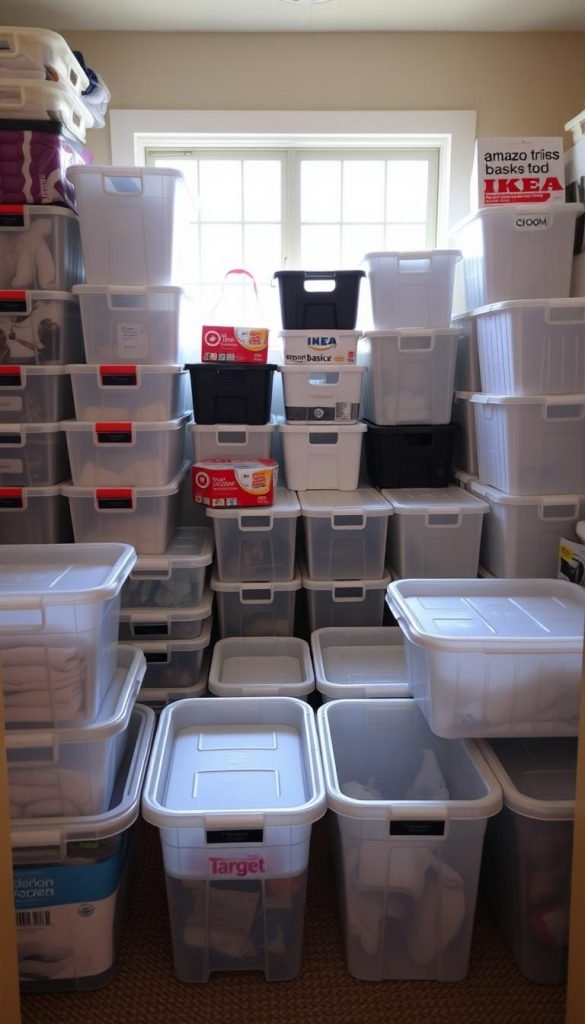
The Container Store shines with clear, warp-resistant bins and reliable snap lids. I like their consistent sizing because planning rows of boxes under a frame becomes simple.
Target delivers value with Brightroom hinged options. Those fabric bins open easily and hold up for small loads without a high price tag.
Amazon lists storageLAB two-packs and many budget bags. I often use Amazon to fill gaps when I need flexible capacity fast.
IKEA SKUBB blends price and structure. The rigid sides and vent detail make it a smart pick for long-term bed storage.
“I mix retailers: clear bins from Container Store, hinged buys from Target, and flexible sets from Amazon or IKEA.”
| Retailer | Strength | When I pick it |
|---|---|---|
| Container Store | Clear, warp-resistant bins | Planned rows and neat visibility |
| Target (Brightroom) | Hinged fabric bins | Quick access on a budget |
| Amazon / storageLAB | Two-pack sets and variety | Flexible capacity and seasonal overflow |
| IKEA (SKUBB) | Rigid sides + vents | Long storage stints; budget-friendly structure |
Prepping heavy comforters for storage: my care checklist
A little prep goes a long way when I tuck away a heavy comforter for months at a time. I want linens that come back fluffy, odor-free, and ready to use.
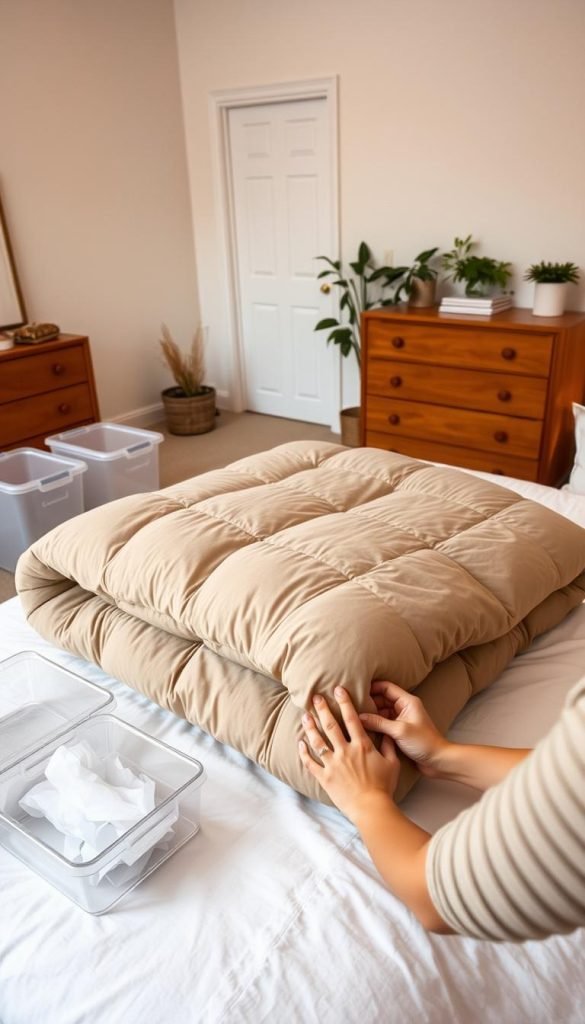
Clean, dry, and fully aired before packing
I always wash or dry-clean according to care tags, then make sure items are fully dry and aired before packing. Damp fabric invites mildew fast, especially in tightly sealed containers.
I never pack damp clothes or linens. If a bag or bin smells new, I leave it open overnight before loading bedding.
Cedar blocks and breathable choices to keep items fresh
For airtight bins like Iris WeatherPro, I add cedar blocks or sachets to keep linens fresh. Gasketed boxes can carry a faint plastic smell at first; cedar cuts that and repels moths.
When I store natural fills, I prefer a breathable fabric container or add a cotton sleeve inside a rigid container to buffer humidity shifts. IKEA SKUBB-style vents also help blankets stay crisp over months.
- I loosely fold to preserve loft; less compression helps comforters rebound when back on the bed.
- I position heavier pieces near the accessible edge so I’m not dragging weight from deep under the frame.
- I label the short end of each container with size and warmth so retrieval is fast.
“A quick seasonal check keeps stored items clean, dry, and ready to use.”
Smart ways to maximize storage space under your bed
I like to layer flexible and rigid pieces so every inch beneath a bed actually earns its keep.
Start by pairing a low-profile bag for thick comforters with a rigid bin for shams and blankets. That combo preserves loft while keeping smaller items tidy and visible.
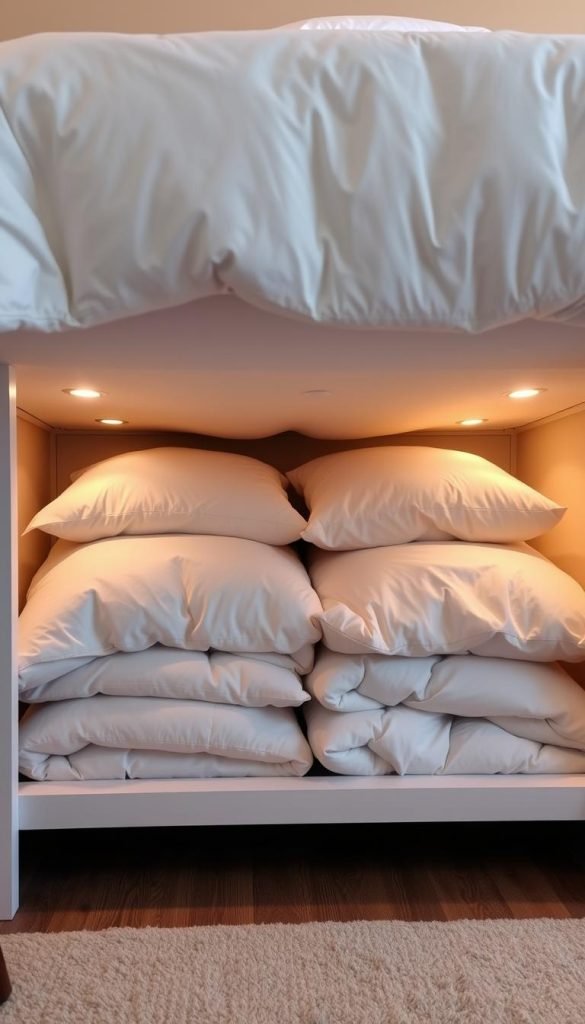
Pairing low-profile bags with bins for mixed textiles
Use a set two of matching bags or bins when you can. Consistent dimensions make items sit flush and avoid wasted gaps along the frame.
Mix formats: one flexible bag, one rigid box. The bag gives forgiving expansion for lofty fills. The bin holds shape for folded pieces and speeds ID.
When to buy a set of two to fit the entire bedding rotation
Buy a set two when your bed span needs uniform coverage. Two matching pieces create a neat row and make stacking or lining simpler.
If the frame is taller, run two rows or stack compatible options to add capacity without crowding the closet.
- I stage the most-used piece closest to the edge for faster access.
- Group by season so one pull swaps the whole bedding look with minimal rummaging.
- Use drawer-style labels on the short side so you can read them from the room entrance.
- Leave a small lane under the bed for your vacuum head to prevent dust buildup.
- Sketch the under-bed footprint and plug in dimensions to confirm fit before buying.
| Goal | Recommended mix | Why it helps |
|---|---|---|
| Maximize storage space | Low-profile bag + rigid bin | Preserves loft; full visibility |
| Uniform layout | Set two matching pieces | Sits flush; reduces wasted gaps |
| Extra capacity | Two rows or stackable bins | Expands volume without cluttering closet |
| Easy access | Most-used item near edge | Faster swaps; less pulling |
“Mixing a flexible bag with a rigid bin gave me a neat, practical system that made seasonal swaps nearly effortless.”
Conclusion
In short, the right mix of bag and bin makes seasonal swaps quick and keeps bedding ready.
I recommend pairing a structured storage bag with a rigid box so loft stays intact and dust stays out. Pick a size that clears your bed frame and a lid that opens easily for everyday use.
Wheels, solid handles, and low-friction bottoms save time and strain when you pull a full bin. If you want clear protection, choose a plastic container; if you need forgiving fit, go with a fabric storage bag.
Label the short ends, keep the most-used piece at the edge, and you’ll free closet space while protecting clothes and extra-large bedding. With the right organizer, seasonal swaps become simple and fast.