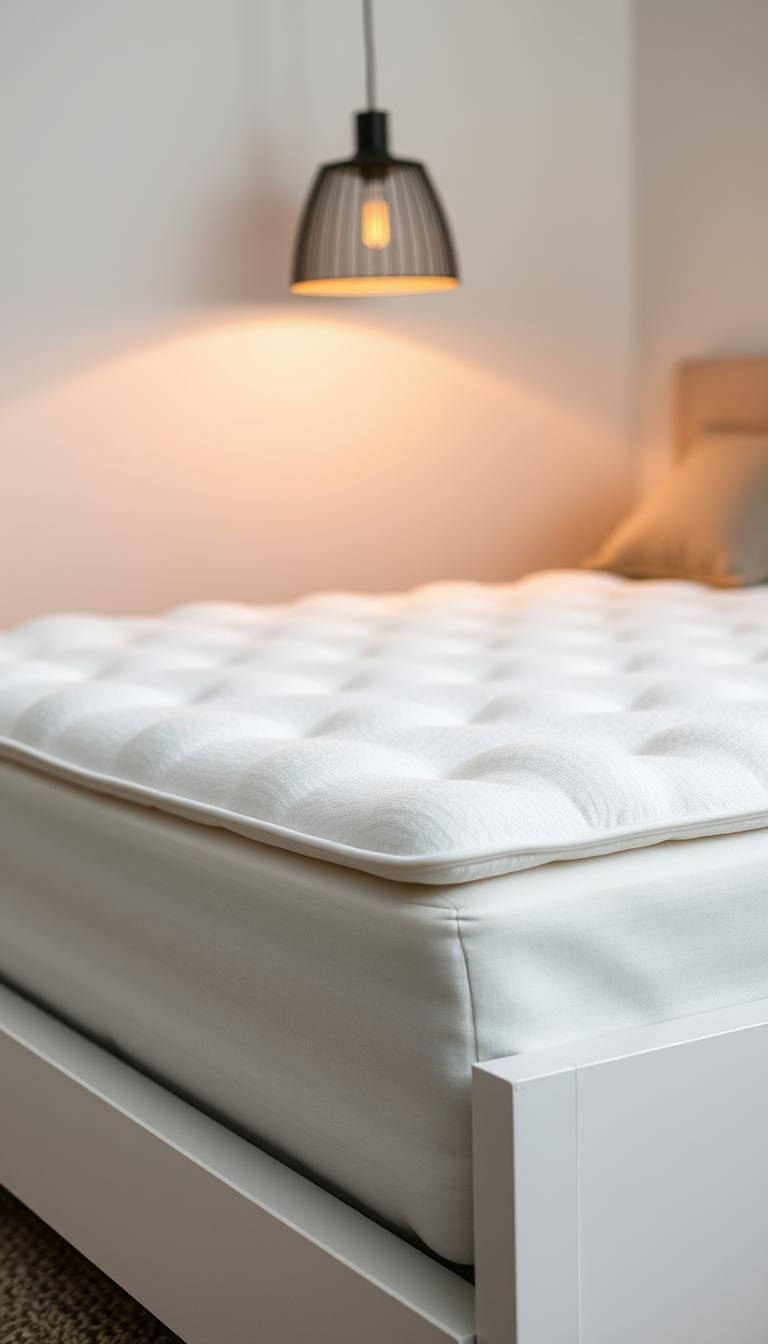
How do I choose a non-toxic mattress topper that feels luxe?
I set out to find a surface upgrade that works on night one: plush pressure relief, airy breathability, and clear, long-term value. I focus on natural materials like latex, wool, and organic cotton because they resist off-gassing and balance temperature better than typical foam.
In testing, I check initial odor, pressure relief at shoulders and hips, edge feel, motion transfer, and heat buildup. I also look for strong certifications: GOTS for cotton shells, GOLS for latex content, OEKO-TEX for harmful substances, and GREENGUARD for low emissions.
Thickness and firmness drive the biggest change in feel, so I match options to sleeping position and body type. I temper expectations: a good topper can transform surface comfort but won’t fix a broken mattress core.
Budget matters. Organic options often cost more up front but can last longer and offer steady comfort. My editor-backed picks include a Talalay latex option for responsiveness and a plush wool choice for cloud-like rest.
Key Takeaways
- Prioritize natural materials for durability, breathability, and less off-gassing.
- Look for GOTS, GOLS, OEKO-TEX, and GREENGUARD certifications.
- Test for odor, pressure relief, heat, motion transfer, and edge support.
- Match thickness and firmness to sleep position and body type.
- Expect surface upgrades, not miracles for a failing mattress core.
- Higher initial cost can mean better durability and long-term comfort.
My approach to choosing a luxe, non-toxic mattress topper
I start by separating marketing from materials to find real comfort gains.
What “luxe feel” means to me
Plush doesn’t mean sinking. I want cushioning for shoulders and hips while my spine stays aligned. Quick pressure relief matters, especially for side sleepers.
Breathability is non-negotiable. The ideal surface wicks moisture and lets heat escape so my sleep stays dry across seasons.

Non-toxic standards I won’t compromise on
I favor natural materials—natural latex, wool, and an organic cotton cover—because they resist off-gassing and stay airy. Certifications guide me: GOTS, GOLS, OEKO-TEX, and GREENGUARD.
“Certifications beat vague green claims; verify content percentages and lab seals on product pages.”
- Check initial odor and let it air out; faint natural scents are normal.
- Inspect cover fabric, zipper quality, and quilting for airflow.
- Consider the whole sleep system—core mattress, sheets, and duvet affect breathability.
| Feature | What I look for | Why it matters |
|---|---|---|
| Material | Latex, wool, organic cotton | Durable, breathable, less off-gassing |
| Certifications | GOTS, GOLS, OEKO-TEX, GREENGUARD | Verified safety and sustainability |
| Construction | Quality cover, zipper, quilting | Improves airflow and hand feel |
How do I choose a non-toxic mattress topper that feels luxe?
Pick a material first; it sets the tone for support, temperature, and longevity. I start by lining up Talalay latex, wool, and organic cotton covers to match the outcome I want.
Quick decision framework: material, firmness, thickness, cover, and budget
Material: Talalay latex gives buoyant support and airflow. Wool offers plush, moisture-wicking comfort. An organic cotton cover keeps the surface breathable.
Firmness & thickness: Back and stomach sleepers usually need firmer feels; side sleepers often prefer medium or medium-firm. Choose 1–2 inches for a subtle refresh, 3–4 inches for a big change.
Cover & budget: Prioritize a removable, washable organic cotton cover. Expect prices from about $100 to $1,000 depending on inches, materials, and size.
Heat, support, and off-gassing: the key comfort and safety checks
I test for heat during a 20–30 minute rest; trapped warmth is a red flag. I check spinal alignment for support and watch initial odor on day one and two.
- Look for GREENGUARD or organic seals to limit VOC off-gassing.
- Check motion transfer and stability; straps or well-fitted sheets help.
- Confirm return windows and warranties so you can swap firmness or thickness without hassle.
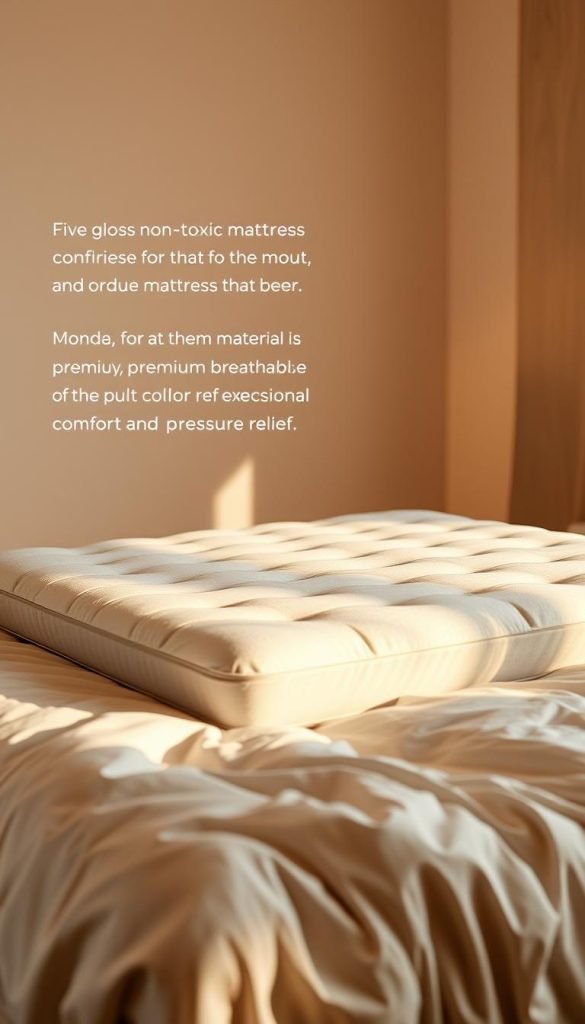
“Match material and inches to your sleep position, then verify breathability and emissions before committing.”
For curated organic options and testing notes, see my recommended collection at best organic mattress toppers.
Certifications that actually matter for safety and sustainability
When labels get vague, certifications tell the real story about materials and indoor air quality. I rely on third-party seals to verify claims and protect my health priorities.
GOTS confirms organic textiles, so an organic cotton cover really meets strict farming and social standards. That matters for skin contact and long-term wear.
GOLS validates organic latex content and tracks supply-chain integrity for natural latex used in cores or layers.

OEKO-TEX Standard 100 tests fabrics and foam for many harmful substances. GREENGUARD or GREENGUARD Gold limits emissions and reduces off-gassing for better indoor air.
“Certifications provide reliable verification beyond vague ‘green’ claims.”
- I check whether certification covers the full product or only components.
- I prefer published certificate IDs over vague “eco-friendly” labels.
- Certs can raise price, but they often signal better durability and safer products.
- Memory foam may have OEKO-TEX or CertiPUR-US, but for a fully verified route I lean natural latex, wool, and organic cotton.
Practical tip: When two options feel similar, I use certifications as the tiebreaker—especially if sleep quality or sensitive noses are on the line.
Material guide: latex, wool, organic cotton, and alpaca
Materials shape the night: each layer controls support, airflow, and warmth.
Natural latex vs memory foam: latex is springy and buoyant, so it keeps you lifted and sleeps cooler. Memory foam responds slowly and hugs the body, which can trap heat.
I note that natural latex comes from rubber trees and can be GOLS-certified. Synthetic latex is petroleum-based and never organic.
Talalay vs Dunlop: softness, buoyancy, and breathability
Talalay tends to be softer, more airy, and better for plush lift. Dunlop is firmer and more grounded—good for back or heavier sleepers.

Wool and alpaca: thermoregulating comfort without the “sink”
Wool batting lies flat, breathes, wicks moisture, and resists dust mites. Alpaca offers similar insulation and lightweight warmth without deep hug from foam.
“For foam-free luxury, wool or alpaca gives cloud-like loft and year-round temperature control.”
| Material | Primary trait | Best for |
|---|---|---|
| Talalay latex | Soft, breathable, buoyant | Side sleepers, those who want plush lift |
| Dunlop latex | Firmer, supportive, denser | Back/stomach sleepers, heavier bodies |
| Wool / Alpaca | Thermoregulating, wicking, light loft | Hot sleepers, foam-free seekers |
| Memory foam | Enveloping, slow-response, can retain heat | Pressure relief seekers who like hugging |
Best for buoyant support with a plush finish: Talalay latex toppers
Talalay latex gives a buoyant, cloud-like lift while keeping surface pressure low. Its open-cell structure stays airy and often sleeps cooler than memory foam.

Who will love Talalay: side, back, and hot sleepers
Side sleepers get clear pressure relief at shoulders and hips. Back sleepers keep good lumbar support without sag.
Hot sleepers benefit from the airflow Talalay provides, so temperatures stay more neutral through the night.
How a cotton cover upgrades breathability and feel
Organic cotton or a zippered cotton cover reduces humidity buildup and keeps the surface cool to the touch. A breathable shell also helps the mattress system work together for better temperature control.
Talalay’s even consistency gives an edge-to-edge feel, so you avoid surprise soft or firm zones. I test medium firmness for balance; soft or firm options tune the lift to your body.
“Talalay combines springy lift with durable performance and a plush hand against sheets.”
Editor-backed pick: Brooklyn Bedding 3-inch Talalay Latex Topper
What grabbed my attention was a consistent blend of springy response and pressure relief. In side-by-side testing this model balanced softness and structure. It lifted my hips and shoulders without deep sink.
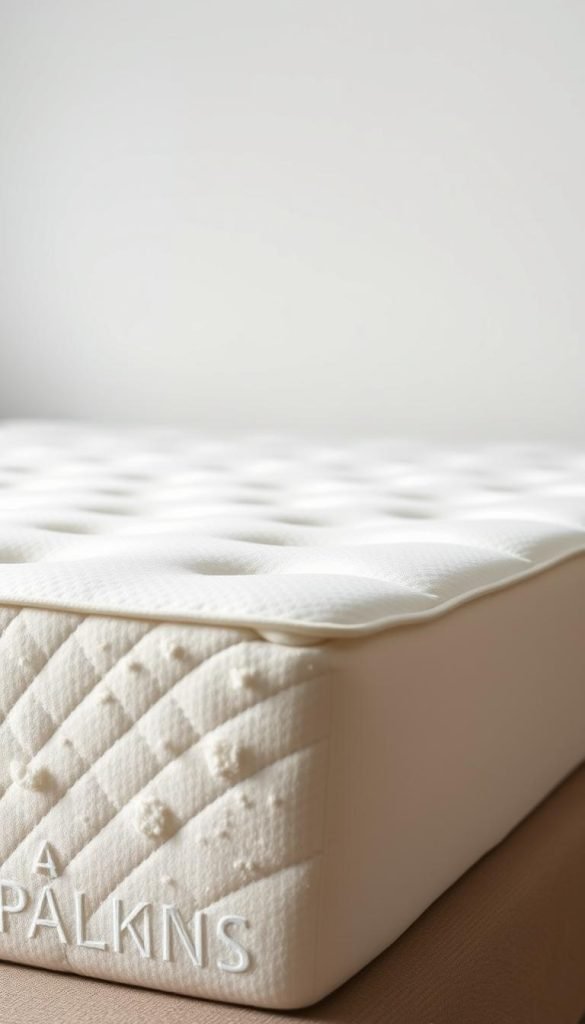
Why it stood out in testing: pressure relief, support, and airflow
Pressure relief felt immediate. The latex core cradled points while keeping the spine aligned.
Airflow beats memory foam. The open Talalay structure plus the breathable organic cotton cover cut heat buildup for hot sleepers.
What to know: squishy, jiggly feel, odor, and lack of corner straps
- The topper has a springy, slightly jiggly character that some love and others find strange.
- Expect a rubber-like odor at first; airing it out and removing the cover for a day or two helps.
- No corner straps means occasional shifting; I straightened mine about once a week.
Specs snapshot
| Option | Notes | Policy |
|---|---|---|
| Firmness | Soft / Medium / Firm | 30-day returns |
| Cover | Removable, zippered organic cotton | 3-year warranty |
| Price | About $500 (queen) | Durable, well made |
“It sleeps cooler than comparable foam models and rewards sleepers who like a responsive surface.”
Cloud-like luxury without foam: wool mattress toppers
For a foam-free upgrade that still reads as indulgent, I turn to wool for natural loft and steady airflow. This route boosts plushness without heavy contouring and keeps nights cooler.
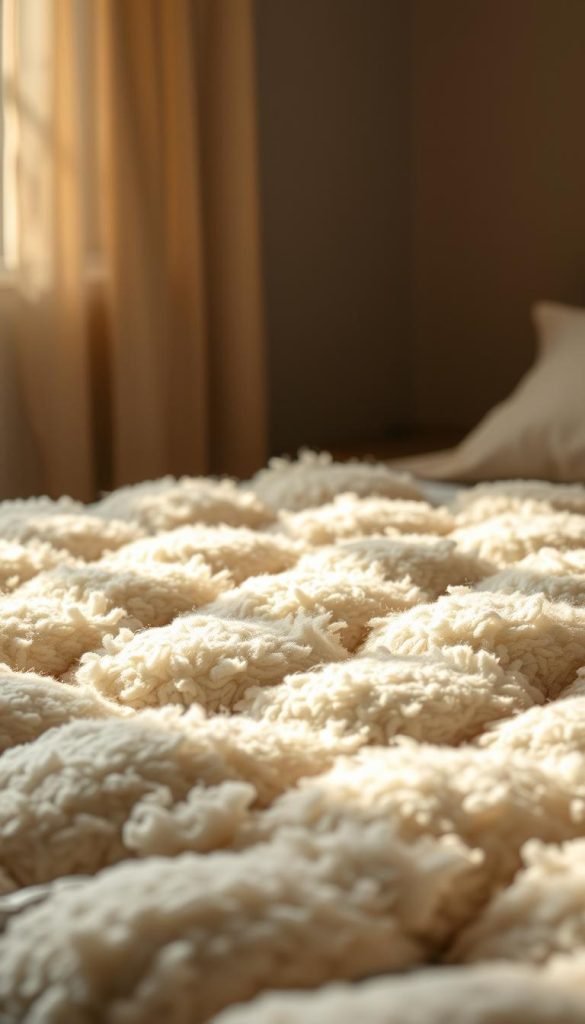
PlushBeds Natural Wool Mattress Topper: breathable, moisture-wicking comfort
The PlushBeds 3-inch natural virgin wool fill comes inside a GOTS-certified organic cotton shell. It feels medium-soft and immediately smooths a too-firm surface.
Performance notes: medium-soft feel, year-round temperature control
Wool wicks moisture and breathes exceptionally well, making this an ideal option for hot sleepers and humid climates. It disperses pressure gently, so many side sleepers notice better pressure relief at shoulders and hips.
Wool insulates in winter yet stays comfortable in summer. Expect a faint natural scent at unboxing; airing it out typically removes it.
“If you prefer loft without sinking, wool is an elegant, breathable path to plushness.”
- Ethically sourced fill; free contiguous U.S. shipping.
- One-year warranty; all-sales-final after delivery—choose sizing carefully.
- This premium mattress topper is pricier, but durable performance makes it a strong choice among similar products.
Organic cotton and cotton covers: why the shell matters
A quality shell often makes the biggest difference between a pampered night and an overheated one. The outer fabric controls airflow, hand feel, and how the whole surface wears over time.
I prioritize an organic cotton shell because it improves breathability and manages moisture against skin. A GOTS-certified organic cotton layer also ensures stronger social and environmental standards for something that touches you nightly.
A removable, zippered cotton cover simplifies care and keeps the sleep surface fresh. Denser weaves feel smooth and cool; looser weaves increase airflow. Fit matters too—a snug shell reduces shifting and keeps the topper stable under movement.
“Choose a breathable shell first, then match fill and quilting to the climate.”
- I avoid synthetic-heavy shells when I want maximum airflow.
- If a product lacks a cover, plan for a separate breathable protector.
- Pair these shells with percale or lightweight sateen sheets for a cohesive system.
| Feature | Why it matters | Best use |
|---|---|---|
| Organic cotton | GOTS-certified, breathable, soft | Daily contact on mattress and toppers |
| Cotton cover | Removable, washable, aids airflow | Active sleepers and humid climates |
| Weave & quilting | Controls coolness and loft distribution | Match to climate and personal preference |
Finding your perfect firmness and thickness
Small changes in inches can deliver big differences in pressure relief and bed height. Start with what you sleep on now and what feels off. That guides whether to add lift or plushness.
Firmness by sleeping position and body type
Side sleepers usually prefer medium to cushion shoulders and hips. Back sleepers often want medium to medium-firm to keep the spine neutral.
Stomach sleepers benefit from firmer lift so hips don’t sink. Lighter bodies (under 130 pounds) often need softer options to get contour; heavier bodies (over 230 pounds) usually need firmer resistance to avoid bottoming out.
Thickness by goal: subtle refresh vs major feel change
Toppers run 1–4 inches. Choose 1–2 inches for a subtle refresh and 3–4 inches for a major change in support and relief. Keep in mind extra height affects fitted sheet depth and bed skirt fit.
| Goal | Recommended inches | Why it works |
|---|---|---|
| Subtle softening | 1–2 in | Adds light cushioning without raising bed height much |
| Noticeable pressure relief | 3 in | Smooths shoulder and hip contact for side sleepers |
| Major feel change / support | 4 in | Alters surface depth and provides lasting contour for heavier bodies |
“Test alignment by lying in usual positions; your low back should feel neutral and shoulders uncompressed.”
- Latex lets you pick softer without bottoming out thanks to buoyant support.
- Thicker, quality fills last longer than thin, low-density options.
Matching sleepers and toppers: my tailored picks
Different sleepers need different surfaces to feel supported and rested. Below I match common sleep positions to materials and firmness so you can target pressure, heat, or sag.
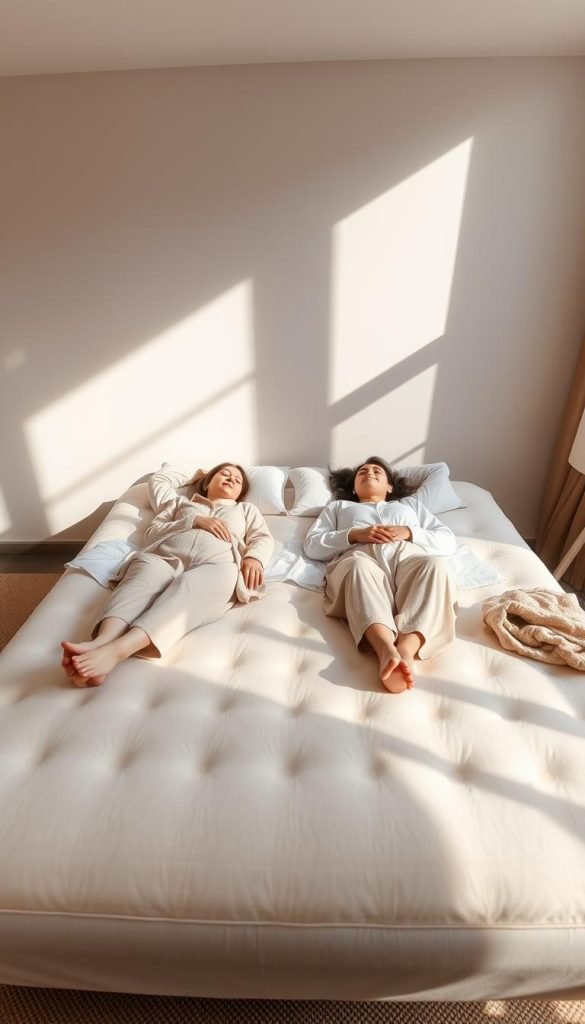
Side sleepers seeking pressure relief
For side sleepers craving pressure relief, I lean toward a medium Talalay latex or a plush wool option. Talalay latex gives buoyant lift and quick response to ease shoulder and hip compression.
Wool offers cloud-like cushion without heavy contouring. If your shoulders feel jammed, either choice will improve comfort and keep alignment steady.
Back and stomach sleepers needing stable support
Back sleepers usually want medium to medium-firm support. A medium Talalay balances lumbar support with gentle contour.
Stomach sleepers or heavier bodies do best with firmer Dunlop latex. It keeps hips elevated and prevents sinkage so the spine stays neutral.
Hot sleepers prioritizing airflow and moisture control
Hot sleepers can pick Talalay latex for superior airflow or wool for moisture wicking and steady temperature control. Both help reduce night sweats, but wool excels at humidity management.
- Combination sleepers: medium Talalay offers versatile balance across positions.
- Odor notes: air out latex for a day; wool’s faint scent fades quickly.
| Sleeper type | Recommended material | Why it works |
|---|---|---|
| Side sleepers | Talalay latex / wool | Pressure relief and gentle contour |
| Back sleepers | Medium Talalay | Balanced lumbar support |
| Stomach / heavier | Dunlop latex (firmer) | Prevents hip sink; keeps spine aligned |
| Hot sleepers | Talalay or wool | Airflow and temperature control |
“Match your top priority—pressure relief, support, or cooling—to the material and firmness that provide it best.”
Use this as a guide when picking your next mattress topper so your sleep system finally feels right. I found that matching one main goal makes selection simple and effective.
Real-world comfort factors: motion, edge feel, and bed height
Real sleep comfort often comes down to small, practical details you feel every night.
I test motion by switching sides and sitting up. Wool usually dampens motion; latex is springy but stays stable for most couples.
Edge feel matters when you sit on the side or sleep near the border. Latex keeps better buoyancy than ultra-plush foam, so you get more usable surface for dressing or sitting.
A thicker layer raises bed height. A 3-inch pad can make fitted sheets tight and change nightstand reach, so I check pocket depth before buying.

If a product lacks corner straps, I use a snug cotton cover and well-sized sheets. Expect to realign the layer now and then, especially on slick mattress fabrics.
“Balance comfort gains with daily practicality—sheet changes and topper maintenance matter.”
- Check underlying firmness: soft bases can still sag at the edges, even with supportive toppers.
- Use a grippy protector to reduce creep on smooth surfaces.
- Confirm topper weight on adjustable frames; latex is heavier than wool and may affect lifting.
| Factor | Why it matters | Quick fix |
|---|---|---|
| Motion | Couples feel transfers | Choose wool or denser foam |
| Edge | Sitting and sleep area | Pick buoyant latex or firmer fill |
| Height | Sheets and ergonomics | Measure inches and pocket depth |
Health-first details: reduced off-gassing and allergy-friendly choices
Small choices in materials often cut off-gassing and keep sleep healthier over years.
I minimize VOCs by favoring natural latex, wool, and GOTS organic cotton. I also look for GREENGUARD labels to limit emissions on products I trust.
I air out new mattress toppers in a ventilated room. Natural latex can smell like rubber at first, and wool may carry a faint, earthy scent. Both usually fade in a few days.
For allergy-sensitive sleepers, wool’s moisture-wicking nature helps deter mold and mildew. A breathable organic cotton shell further keeps the surface dry and reduces allergen buildup.
“Certifications matter more than vague green claims; they show lab testing for harmful substances and emissions.”
- I avoid unverified eco claims and check OEKO-TEX or similar standards for foam if I must consider it.
- Regular washing of covers and using ventilated protectors keeps the bed environment healthy.
- If someone has latex sensitivity, I recommend consulting a clinician and favoring wool or cotton-forward options.
| Feature | Benefit | My recommendation |
|---|---|---|
| Natural latex | Low VOCs once aired; buoyant support | Good if no latex sensitivity |
| Wool | Wicks moisture; resists mildew and allergens | Best for allergy-prone sleepers |
| Organic cotton shell | Breathable, soft surface that stays dry | Use as the outer layer for daily comfort |
| Memory foam | May retain heat; check OEKO-TEX or CertiPUR-US | Verify certifications before buying |
Budgeting for quality: what I pay for and where I save
Smart spending means paying for the parts that matter and trimming extras. A clear budget helps me focus on comfort drivers without getting sold on fluff.
Understanding price drivers: materials, certifications, and inches thick
Organic options run roughly $100 to $1,000+ depending on size and thickness. The core material and certifications often explain most of the cost.
What raises the price: Talalay latex and high-volume wool batting cost more than standard foam. GOTS or GOLS compliance adds expense, but it confirms sustainability and processing standards.
Where I save: If I only need light cushioning, a thinner pad (1–2 inches thick) gives value without the higher cost of 3–4 inches. I prioritize the core material over decorative extras.

“I compare total system cost — topper, deep-pocket sheets, and a breathable protector — before buying.”
| Factor | Impact on cost | Buying tip |
|---|---|---|
| Material | High | Spend on latex or wool core |
| Certifications | Medium | Verify cert IDs before paying premium |
| Thickness (inches thick) | Medium–High | Match thickness to need, not impulse |
- I check return policies and warranties; PlushBeds wool can be final sale while Brooklyn Bedding offers 30-day returns and a three-year warranty.
- I hunt promotions, but I confirm discounts don’t swap certified components for cheaper substitutes.
Conclusion
The right surface should give fast pressure relief while keeping heat and odors low.
Pick material first: Talalay latex for buoyant, responsive lift or wool for cloud-like, foam-free calm. Match firmness to your sleep position and body type, then set thickness to reach the comfort goal.
Trust certifications—GOTS, GOLS, OEKO-TEX, and GREENGUARD help ensure durability, low emissions, and safe textiles like organic cotton.
My editor-backed picks reflect these priorities. The Brooklyn Bedding 3-inch Talalay offers airflow, pressure relief, and a usable returns warranty. The PlushBeds Natural Wool option gives breathable, moisture-wicking comfort inside a GOTS shell.
Remember practical realities: initial odors usually fade, layers can shift, and extra inches affect sheet fit. Test for 20–30 minutes in your usual positions and use return policies if the new feel misses the mark. Invest in core materials and a breathable cover—they define nightly comfort and long-term satisfaction.