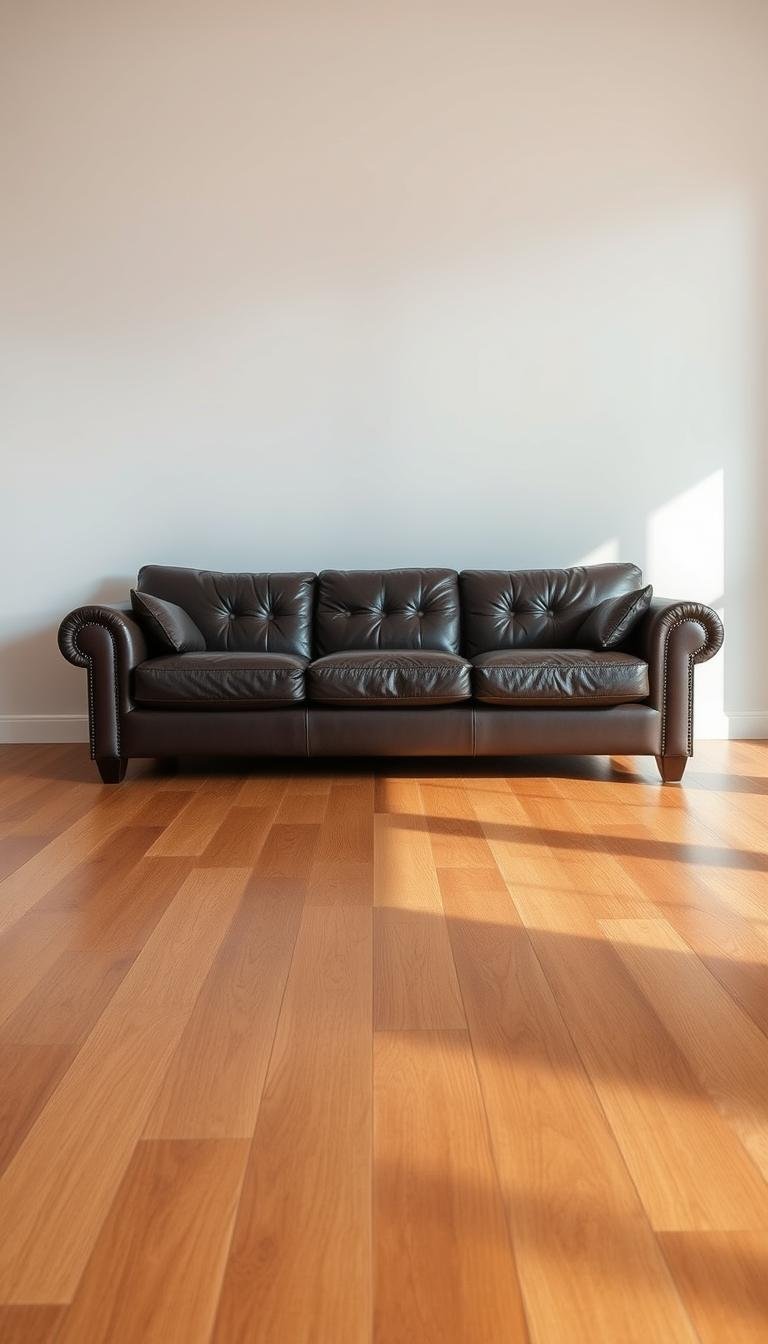
How do I stop my sofa from sliding on hardwood floors?
I want simple, reliable ways to keep furniture steady in my living room. Even well-cared-for hardwood can get slick after a fresh finish or when dust builds up. That makes pieces shift and can leave scratches over time.
My plan starts with a quick check of the floor and foot style. I pick quick fixes first — rubber or silicone pads and furniture grippers — then add a rug or hidden stop blocks if I need more hold.
Regular dusting with a quality wood-floor cleaner helps every solution work better and protects the surface. Rubber pads are cheap and fast, though they may stretch and need replacement down the road.
In short: I balance looks and function, choose products made for wood, and keep the floor clean so my pieces stay put and my home stays beautiful.
Key Takeaways
- Assess floor finish and furniture feet before choosing a fix.
- Start with pads or grippers for a fast, low-cost solution.
- Keep the floor clean with quality products for better grip.
- Use a rug or stop blocks for added stability if needed.
- Plan for maintenance since pads can wear or stretch over time.
Why sofas slide on hardwood floors and what that means for my home
A smooth hardwood surface often lacks the tiny bite that carpet fibers give, so furniture can drift with every small nudge. High-gloss polyurethane and similar finishes reduce friction, turning a polished board into a low-grip plane.
Dust makes matters worse. Small particles act like ball bearings under feet and grind into the finish, leaving scuffs and scratches over time. Lighter pieces usually move first, but heavy items will creep when bumped repeatedly.
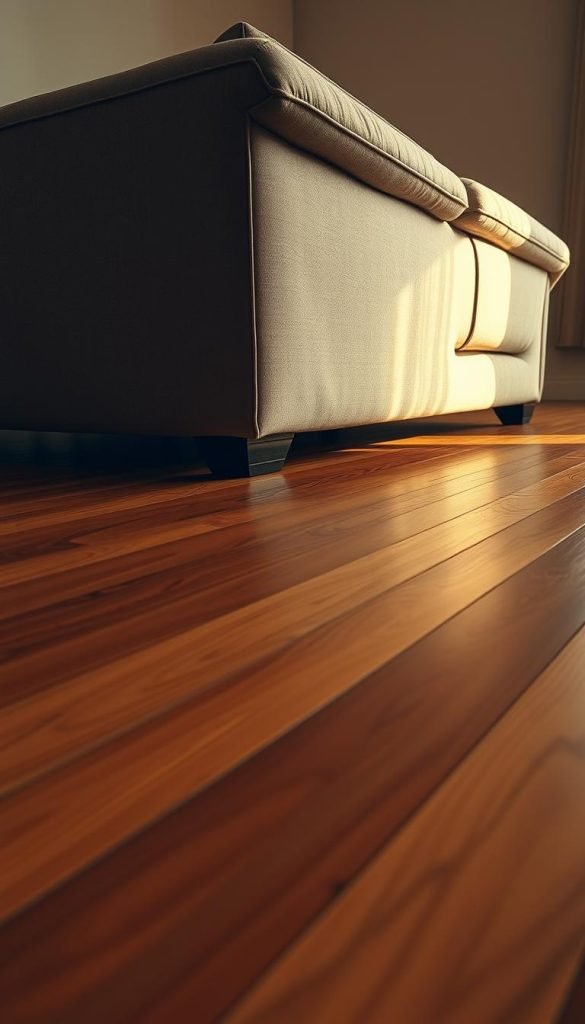
- In high-traffic spots, repeated shifts add up and create visible diagonal drift across the room.
- Plastic or metal feet can lose contact with a smooth surface, lowering grip even for wide legs.
- Recognizing these signs helps me choose the right fix: increase friction, improve weight distribution, or add a surface layer that protects the wood floor.
Bottom line: understanding the cause of furniture sliding guides simple, targeted fixes that protect the hardwood finish and keep pieces steady in my home.
Quick, low-cost fixes I can try today to keep furniture in place
Small upgrades under each leg deliver big improvements in hold and protect the finish. I start with simple, affordable items that need no tools and can be swapped later.
Use rubber furniture pads or furniture grippers on sofa legs. Rubber pads and silicone options fit most feet and raise traction immediately. Furniture grippers are low-profile and can be trimmed for odd shapes. I avoid felt when I need actual grip; felt protects but won’t stop movement.
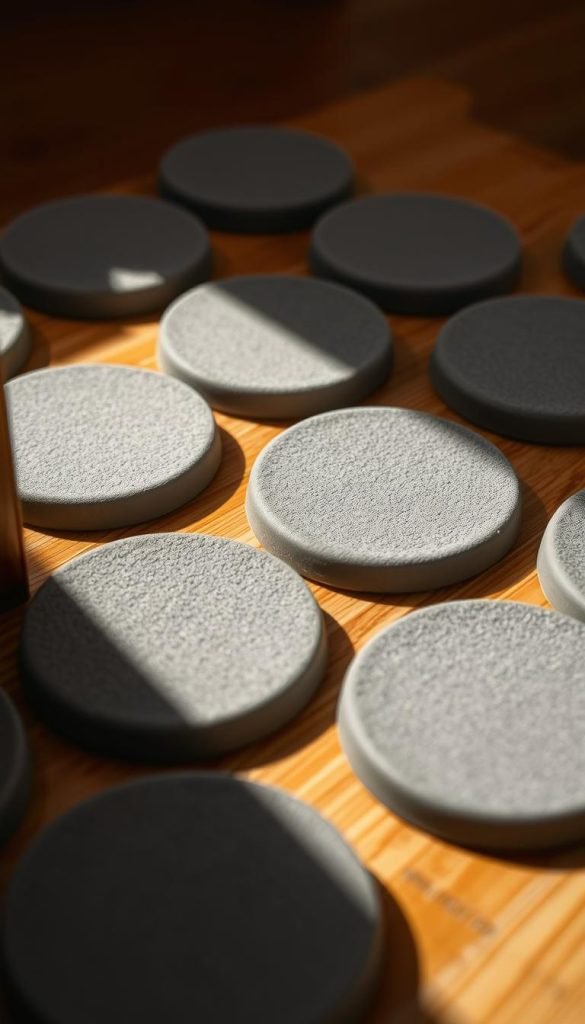
Cut-to-fit rubber shelf liners for a discreet fix
For a cheap DIY route, I cut rubber shelf liner to the shape of each foot. It’s invisible, easy to replace, and works well under different furniture legs.
Place non-slip mats under the sofa to boost grip
A thin non-slip mat under the frame gives even coverage. I can cut sections for each corner or slide a full mat under the base. For outdoor seating, waterproof grippers keep the same hold in weather.
- I check product compatibility first to avoid discoloration on the floor.
- I test one corner before fitting all furniture legs for an even result.
- I inspect rubber pads later; they can compress or stretch and may need replacement.
Anchor the sofa with area rugs and a quality rug pad
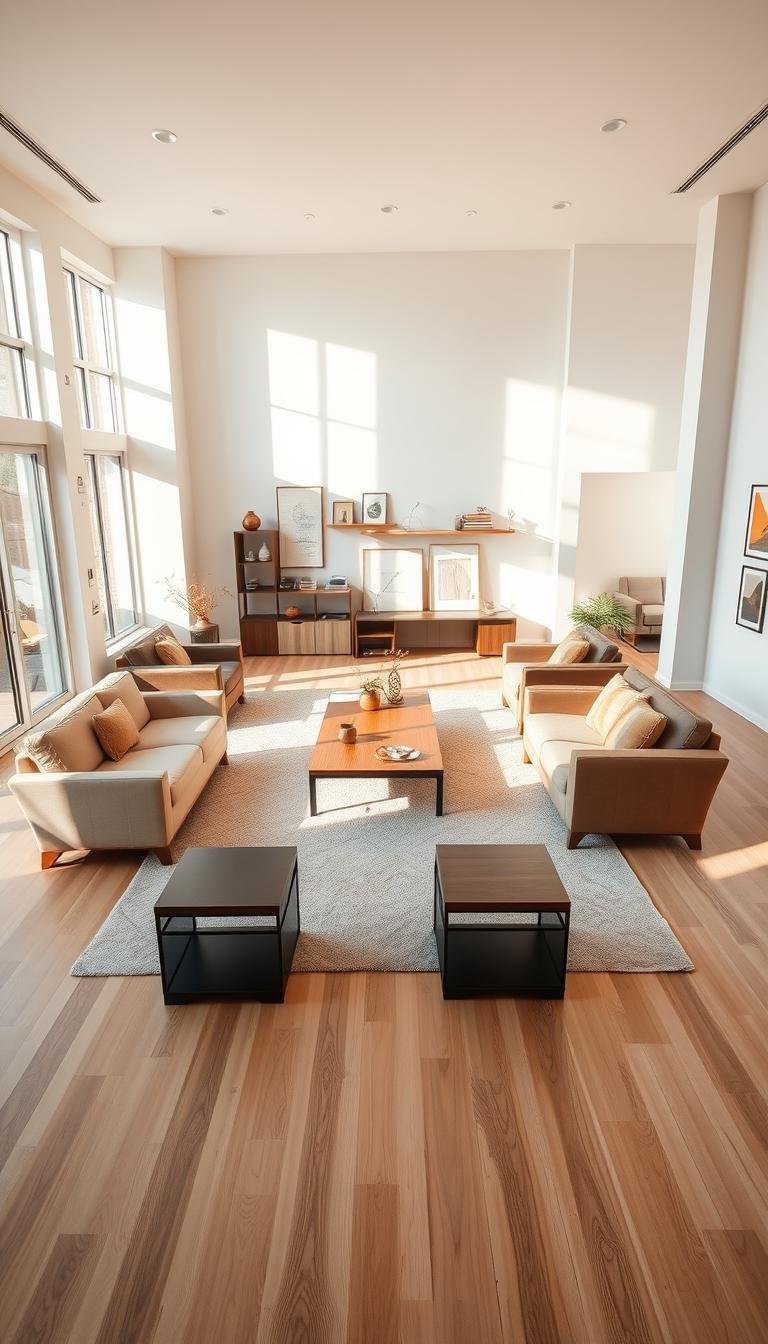
A well-placed area rug can anchor seating while adding warmth and style to the room. Placing a rug under furniture reduces movement and protects the wood finish.
Size and placement:
Size and placement: make sure sofa front legs sit on the rug
For stable layout, size the area so the front legs of the seating rest on the rug. This keeps the arrangement balanced and prevents creeping across the floor. In a larger living room, a bigger rug footprint lets more furniture place points touch the surface for improved hold.
Choosing a non-slip rug pad that protects hardwood flooring:
Choosing a non-slip rug pad that protects hardwood flooring
Pairing a rug with the right rug pad makes the biggest difference. I pick a non-slip pad rated safe for hardwood floors that won’t stick, stain, or abrade the finish. A quality rug pad adds friction so the rug and sofa keep furniture steady when people sit or stand.
- Use textured pads for rooms with drafts or heavy vacuuming.
- Choose thicker pads for noise reduction but confirm compatibility with wood finish.
- Lift corners when cleaning to ensure the pad still makes full contact with the flooring.

How do I stop my sofa from sliding on hardwood floors? A step-by-step plan
A simple checklist keeps the setup fast: measure, match, apply, test, and tweak until the base feels solid. I work one corner at a time so I can adjust without guesswork.
Measure feet and match grippers, pads, or leg cups
I measure each leg width or diameter and note the shape. That helps me pick grippers or cups that fit snugly and sit flat under all four feet.
Adhesive-backed grippers add traction while preserving the finish when the product says it is floor-safe. For uneven pieces, adjustable leveling feet improve contact and balance.
Apply, test, and adjust for a firm hold
I clean the contact points on the floor and the furniture feet before installation. A clean surface lets the pad adhesive bond fully and delivers true friction.
I fit one corner first and sit or push gently to test stability. If needed, I trim pads or move a gripper a few millimeters until all legs share weight evenly.
When to use stoppers or wall spacers for heavy pieces
For heavy items pushed against a wall, wall spacers or custom stop blocks lock position and remove play. Leg cups also house feet securely and resist lateral movement.

| Option | Best for | Grip | Floor safety |
|---|---|---|---|
| Adhesive grippers | Light to medium furniture | Good | Safe if labeled for hardwood |
| Rubber pads / liners | Odd-shaped legs | Very good | Non-abrasive when clean |
| Leg cups / stoppers | Heavy sofas and cabinets | Excellent | Protective, stable |
- I document what works so I save time on other pieces.
- I avoid felt if the goal is to keep furniture sliding to a minimum; felt protects but lets movement happen.
- I recheck after weeks and retighten leveling feet if needed to keep the base fully supported.
Protecting my hardwood floors: prevent scratches while stopping sliding
Protective routines and the right finish choices reduce both scratches and wandering furniture. Dust acts like tiny marbles under legs and increases wear. Regular cleaning keeps traction and extends the life of pads and grippers.
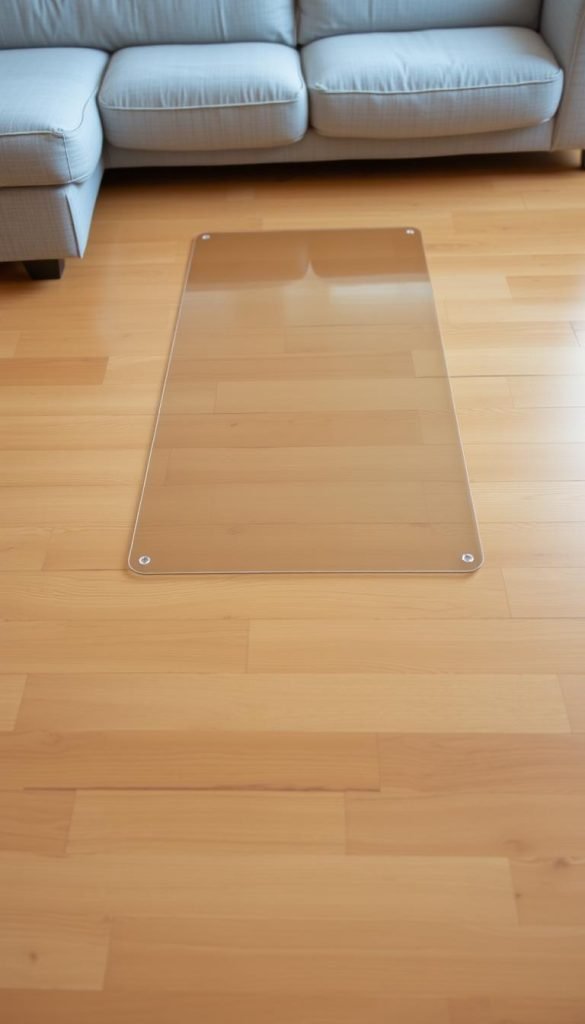
Regular dusting and cleaning to maintain friction and finish
I set a simple schedule to remove grit with a soft broom or a wood-specific cleaner. Cleaner floors help non-slip products work better and last longer.
Finish considerations: high-gloss vs. penetrating oils and slip risk
High-gloss polyurethane can be slick and raise the risk of sliding furniture. For busy rooms, I consider a penetrating system like 2C Oil by Monocoat. It cures fast, so the wood feels protected without added slipperiness.
Check product compatibility to avoid discoloration on wood floors
Always confirm compatibility for pads, grippers, and rug pads. Dirt trapped under a pad can abrade the wood, and the wrong adhesive or underlay can stain hardwood flooring.
- I place pads on a clean wood floor and recheck under legs for dust rings.
- I pick quality, wood-specific products and avoid harsh chemicals that leave residue.
- Felt pads protect finish from scratches but should be paired with traction aids when needed.
Conclusion
A short checklist of rug placement, grippers, and routine care keeps the room feeling finished.
Lock in a plan: place a rug so the front legs of the sofa rest on it, add a non-slip rug pad, and pair leg grippers or rubber pads made for hardwood flooring.
For heavy pieces, consider discreet wall spacers as hidden anchors. Keep the floor clean with regular dusting and choose finishes that do not add slickness.
If everything stays put after a week of normal use, the chosen solutions work. These small steps help keep furniture steady, protect quality hardwood, and make the home look intentional and comfortable.