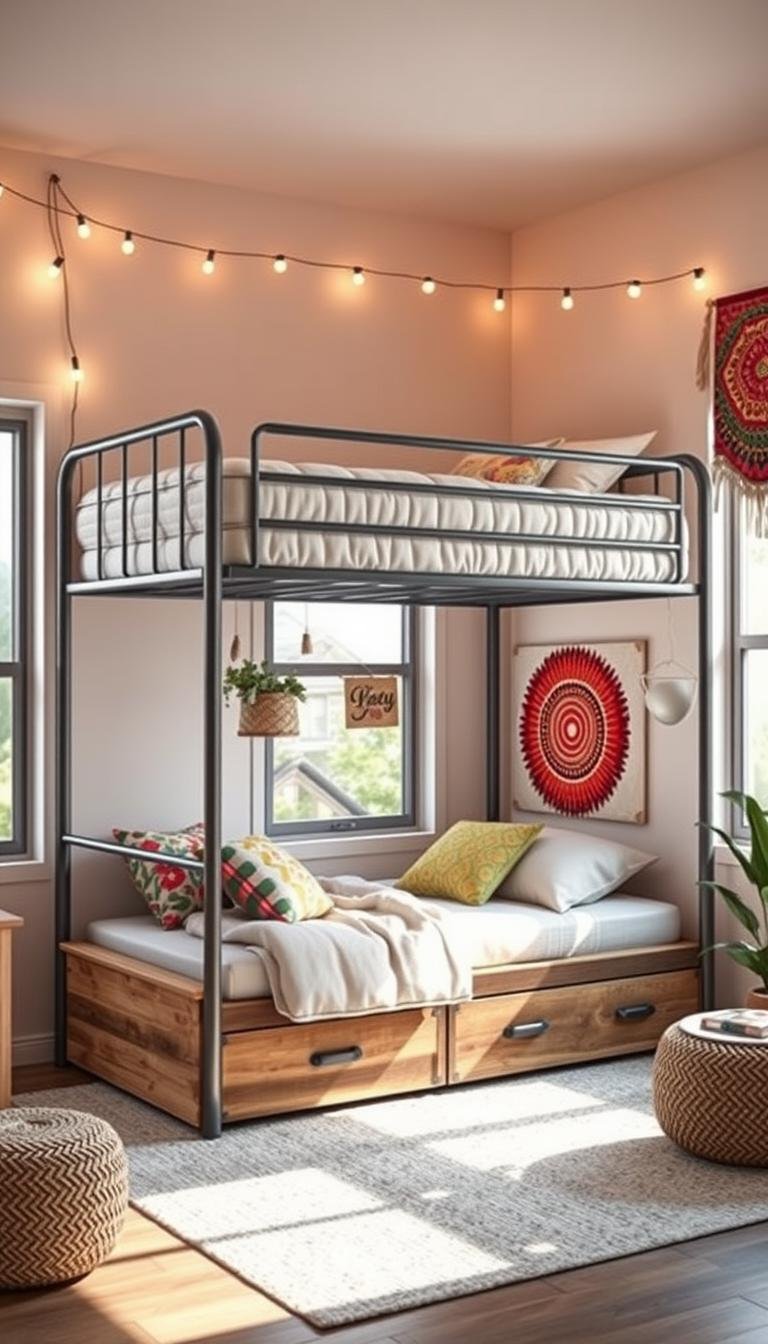
What Are the Emerging Trends in Adaptive Reuse Furniture for 2026?
I write from a design lens about how the coming year reshapes interior design and practical choices for today. I see furniture moving beyond static pieces and becoming a flexible platform that improves productivity, wellness, and brand expression.
Five key movements—modular interiors, biophilic wellness, smart spaces, circular materials, and resimercial curation—will guide how we plan and buy. I explain how walnut, oak, and new bio-based options such as mycelium blend with modular systems and acoustic pods to create multizonal layouts that support collaboration and focus.
I use a friendly, case-ready tone so you can act now. My approach links short-term needs with long-term value, highlighting replaceable parts, embedded tech like wireless charging, and IoT tuning that make interiors more responsive.
Key Takeaways
- I show practical steps to future-proof spaces with flexible furniture and systems.
- Material choices now affect lifecycle, cost, and brand authenticity.
- Modular and mobile elements enable fast reconfiguration for hybrid work.
- Embedded tech and sensors make interiors smarter and more human-centered.
- Curated, traceable craft is rising as a modern luxury in the world of design.
Why Adaptive Reuse Furniture Is Defining 2026 Interiors
I see furniture shifting from static props to tools that let rooms change role on demand. This philosophical shift means interiors move fast between focus, collaboration, and hospitality without costly remodels.
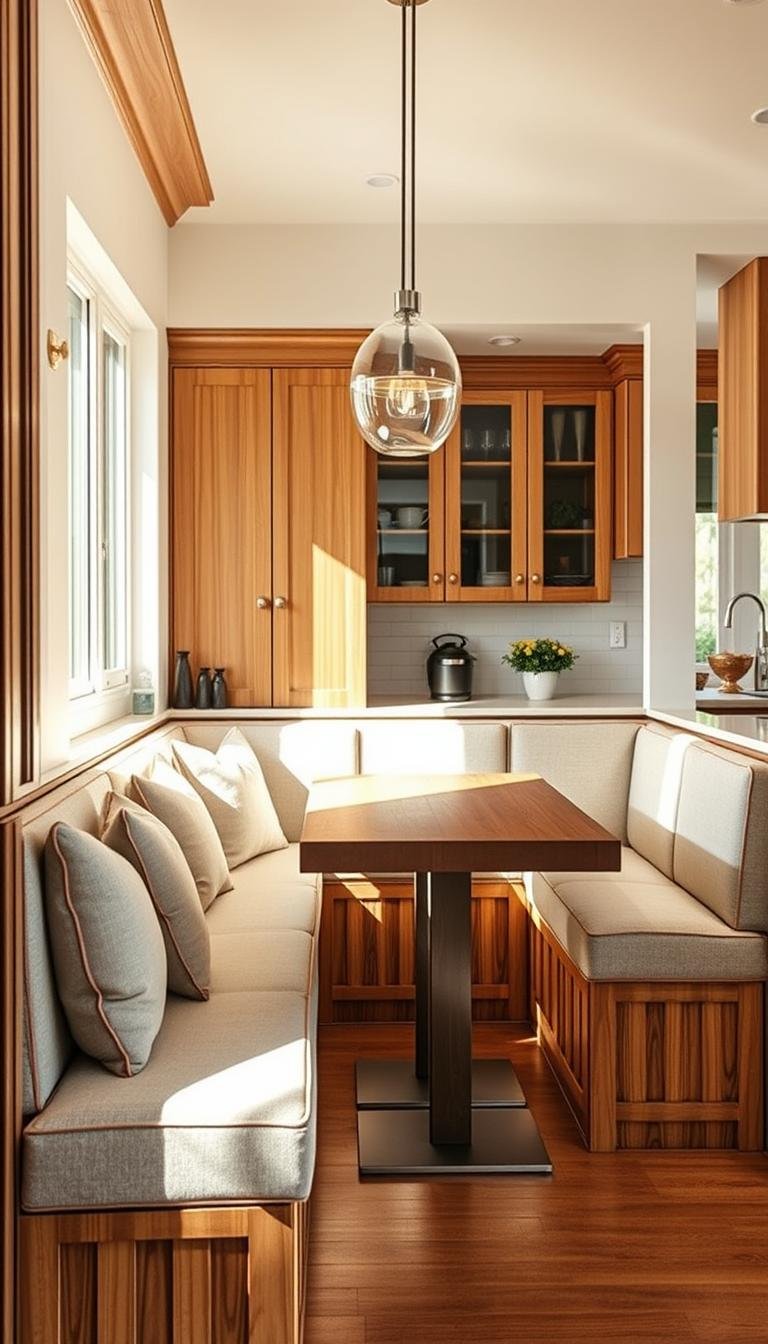
Commercial spaces now use modular workstations, mobile partitions, and acoustic pods to create multizonal ecosystems that support deep work and hybrid meetings. Hospitality follows with reconfigurable banquettes and lightweight tables that flex for events and varying party sizes.
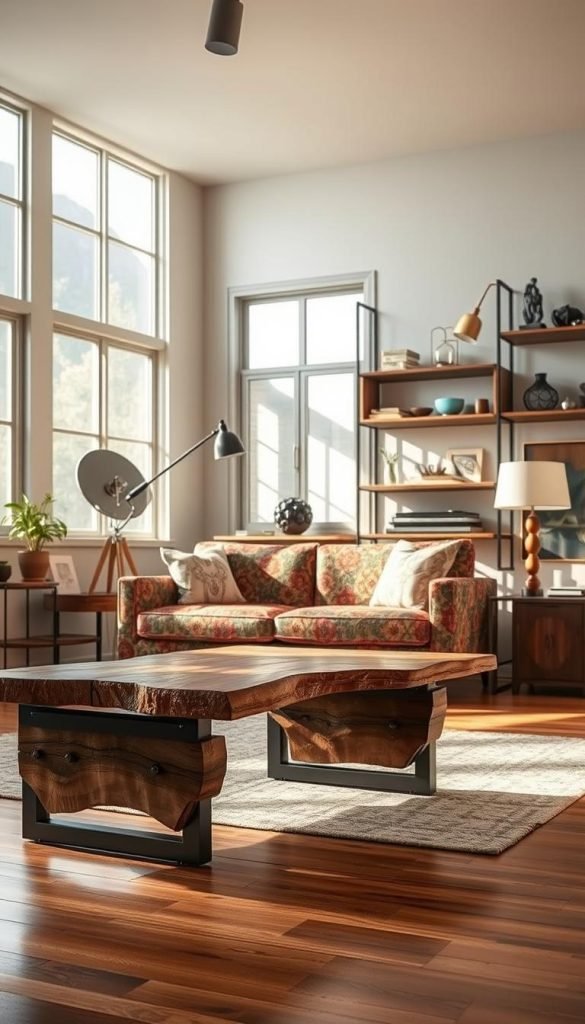
I frame my design approach around longevity: replaceable parts and modular frames extend lifecycle and fight fast furniture. At home, modular seating can convert a living room into a hosting hub; at work, pods transform an open floor into quiet project rooms today and collaborative suites tomorrow.
- Brand and user experience: curated, resimercial mixes tell authentic stories while increasing comfort.
- Wellness: warm woods and stone reduce stress and support a calm experience.
In short, this shift makes furniture a living toolkit that adapts with your team and your space.
The Future Lens: Adaptive Reuse in a Circular, Human-Centric Design Era
I frame design decisions through a circular lens that centers people and long-term value.
Sustainability is now a procurement requirement, not an add-on. Durable, repairable pieces with traceable supply chains cut waste and lower lifecycle cost.
Muted technology—embedded chargers, integrated AV, and hidden cable management—keeps surfaces calm while adding capability. IoT-enabled items sense presence and auto-adjust light, climate, and acoustics so people stay productive.

Key drivers and my approach
I prioritize human outcomes first, then add tech that supports ergonomic and restorative zones. This links wellness to measurable productivity gains and tighter ESG targets.
| Driver | What to specify | Impact |
|---|---|---|
| Sustainability | Repairable frames, transparent sourcing | Lower waste, longer life |
| Wellness | Ergonomic metrics, biophilic finishes | Higher focus, lower absence |
| Muted tech | Embedded charging, invisible AV | Cleaner aesthetics, seamless use |
- I connect global world pressures—ESG and waste cost—to practical spec choices.
- Smart design makes spaces adapt without visual clutter.
Agile, Modular Systems: Reconfigurable Furniture That Extends Life and Use
My experience shows that agility in pieces makes every square foot far more productive. I focus on practical systems that let rooms move from heads-down work to group sessions or evening events in minutes.
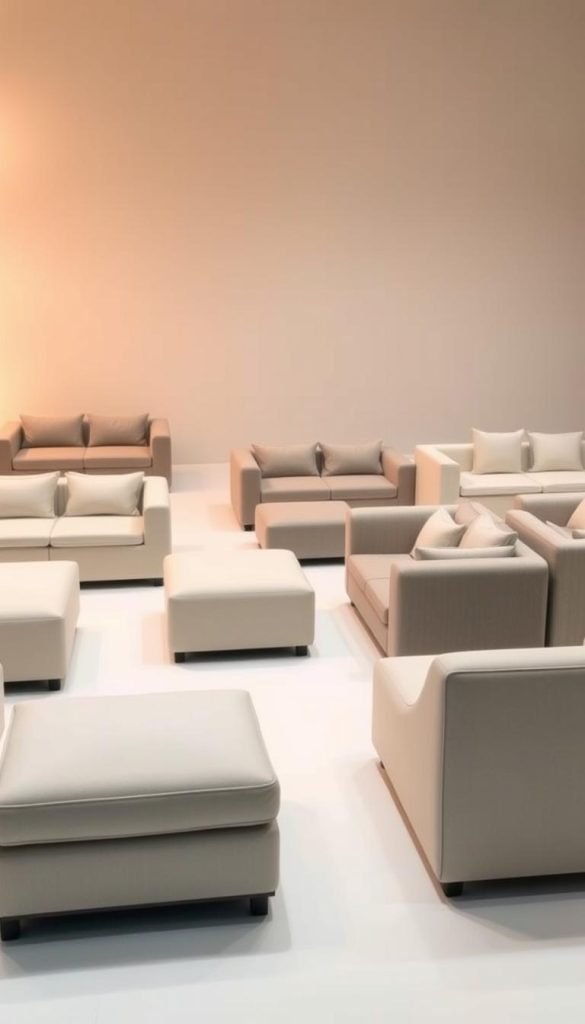
Modular pods, mobile partitions, and multizonal layouts
Offices now deploy modular workstations, mobile partitions, and acoustic pods to curate zones on demand. Hospitality spaces use multi-functional pieces to create adaptive guest rooms and lively lobby hubs.
Replaceable parts and modular frames
Durability beats disposability. Frames with unified connection points and snap-in modules let you swap cushions, panels, or legs without throwing out the whole piece.
“Design that can be repaired and reconfigured is the best defense against fast furniture.”
Tables and seating that scale for events
Lightweight tables and modular banquettes let restaurants flex for changing party sizes. Choose tables with standardized hardware and component catalogs to reduce downtime and speed pivots.
- I show how systems scale a room quickly without losing comfort or aesthetic.
- Mobile partitions preserve daylight and sightlines while improving acoustics.
- Spec modular frames and replaceable components to extend product life and value.
Sustainable Circular Furniture: Materials, Repairability, and Traceability
My specs now pair classic hardwoods like walnut and oak with bio-based mycelium to cut impact while keeping a sense of quiet luxury.

I focus on how materials shape performance and perception. Reclaimed wood reads as authentic and warm, while mycelium and other bio-based options deliver low-impact durability for heavy use.
Designing for disassembly and long life
Design choices should make repair simple: standard fasteners, labeled components, and clear service paths. This lets teams refurbish rather than discard items.
Traceable supply chains that prove value
Traceability turns objects into conversation pieces. When provenance is documented, authenticity becomes a measurable value that buyers reward.
“Specify pieces that can be fixed, traced, and loved for decades.”
| Choice | Benefit | Use case |
|---|---|---|
| Walnut / oak | Timeless feel, ages well | Lobby seating, executive desks |
| Reclaimed wood | Lower embodied carbon, authenticity | Feature tables, paneling |
| Mycelium / bio-based | Low-impact, compostable cores | Lightweight loungers, acoustic panels |
| Design for disassembly | Lower lifecycle cost, easier repair | Contract seating, modular systems |
My approach is simple: prioritize materials that age gracefully, insist on open supply chains, and choose furniture built to be repaired. That way luxury aligns with conscience and long-term value.
Wellness and Biophilic Design: Nature-Forward Comfort in Everyday Pieces
I focus on how nature-led elements calm spaces and nudge daily routines toward rest and focus. This is central to my approach to interior design and practical spec choices.
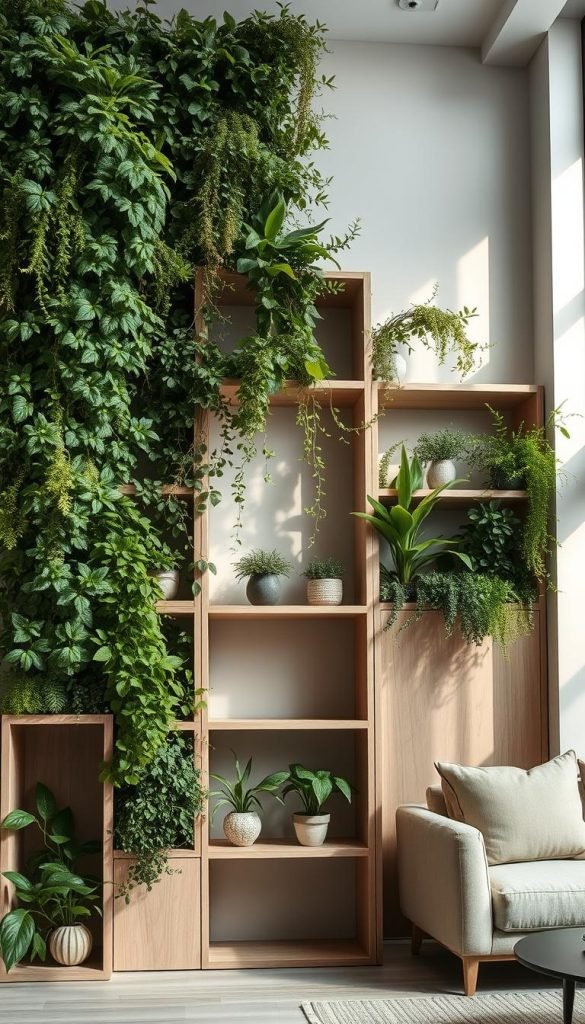
Living walls, natural finishes, and organic forms in seating and surfaces
Living walls and organic seating shapes bring nature into daily practice. I map how these elements turn ordinary pieces into wellness tools that support comfort and focus.
Natural finishes—warm woods and hand-finished surfaces—help rooms feel grounded. I pair these finishes with durable, low-VOC paints to keep air quality high and textures approachable.
Eco paints, natural fiber textiles, and acoustic comfort for restorative rooms
I specify eco paints and naturally produced wallpaper so wellness lives in the very walls of a space. Natural fiber rugs and hand-knotted carpets soften sound and add tactile calm underfoot.
Thoughtful control of light supports circadian rhythms. I layer daylight, task lighting, and warm ambient sources to boost energy and lower stress across environments.
When materials, light, and living elements align, biophilic design stops feeling like a theme and becomes a durable way to create restorative design that people use and love. For broader trend context, see interior design trends.
Smart, Sentient Furniture: Muted Tech That Enhances Experience
I always look for how subtle electronics can vanish into good craft so people notice comfort, not gadgets.
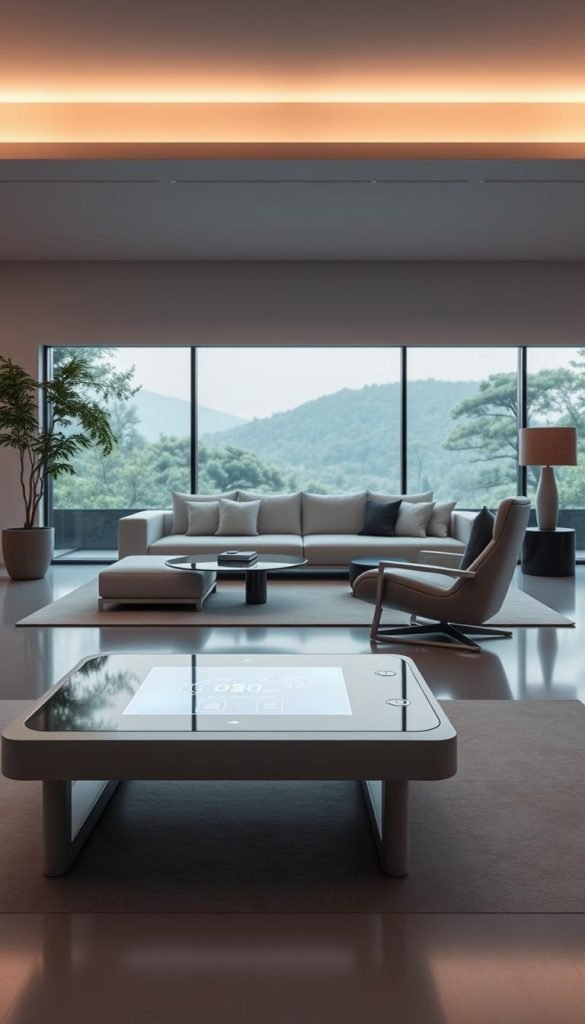
Embedded wireless charging now sits flush with worktops. Conference tables hide AV racks and cable runs so hybrid calls feel clean and calm.
Embedded wireless charging, cable-free tables, and AV-integrated conferencing
Surfaces with built-in charging remove clutter and speed simple tasks like phone pickup and device sharing.
Curated camera corners complete a professional backdrop without extra equipment. That helps teams look presentable while keeping rooms uncluttered.
IoT sensors that tune light, climate, and acoustics around the user
Sensors detect occupancy and adjust lighting and climate to match activity. Acoustic panels and automated shades balance sound and daylight for better focus.
“Sentient spaces move us from isolated smart objects to systems that learn and respond.”
Why systems-level integration matters: it creates a seamless experience across meeting rooms, lounges, and focus zones. A single control strategy beats a pile of lone gadgets.
| Feature | Benefit | Spec guidance |
|---|---|---|
| Embedded charging | Less clutter, faster workflow | Qi pads set flush in tables, service access panels |
| AV-integrated tables | Sleek calls, fewer cables | Hidden hubs, standardized connectivity plates |
| IoT sensors | Adaptive comfort, energy savings | Occupancy, light, and acoustic sensors with local override |
- I brief teams to prioritize privacy and user control so furniture feels empowering, not intrusive.
- I recommend simple interfaces and clear service paths so tech supports work, not the other way around.
What Are the Emerging Trends in Adaptive Reuse Furniture for 2026?
I explore how handcrafted details and data-led comfort are rewriting how pieces tell stories and perform. This blend shows up as micro-drilled textures, CNC-threaded channels, and reclaimed timber mosaics that add depth and tactility.

Irregular craftsmanship: CNC-threaded patterns, reclaimed mosaics, and tactile surfaces
CNC routing and micro-drilling give wood a delicate touch while staying durable. Reclaimed scrap timber turns into mosaic panels that read as one-of-a-kind, adding visible history to each surface.
Algorithmic ergonomics: data-shaped seating for posture and long-term comfort
I describe algorithmic ergonomics in plain terms: pressure maps and posture data shape seat curves. The result is subtle support that keeps people comfortable longer without bulky levers or heavy frames.
Resimercial curation: mixing vintage, artisan, and tech-forward designs
The resimercial approach layers vintage finds, artisan craft, and smart pieces. This creates warm, functional rooms that perform well under frequent reconfiguration.
“Pattern, patina, and performance should survive a move and still feel like home.”
| Feature | Benefit | How to specify |
|---|---|---|
| CNC-threaded panels | Delicate tactility, acoustic advantage | Use sealed finishes, replaceable slats |
| Reclaimed mosaics | Unique visual depth, lower embodied carbon | Standardized mounting plates for reuse |
| Algorithmic seating | Data-informed comfort, reduced fatigue | Pressure-tested shells with modular cushions |
Practical tip: specify modular fixes and labeled components so pattern, patina, and performance travel well. That keeps pieces valuable and flexible as trends 2026 evolve.
Lighting, Displays, and Surfaces: Integrations That Evolve with the Space
A layered lighting strategy makes rooms feel intentional whether people meet, relax, or present. I focus on how light, displays, and tactile finishes act together to change mood without major work.
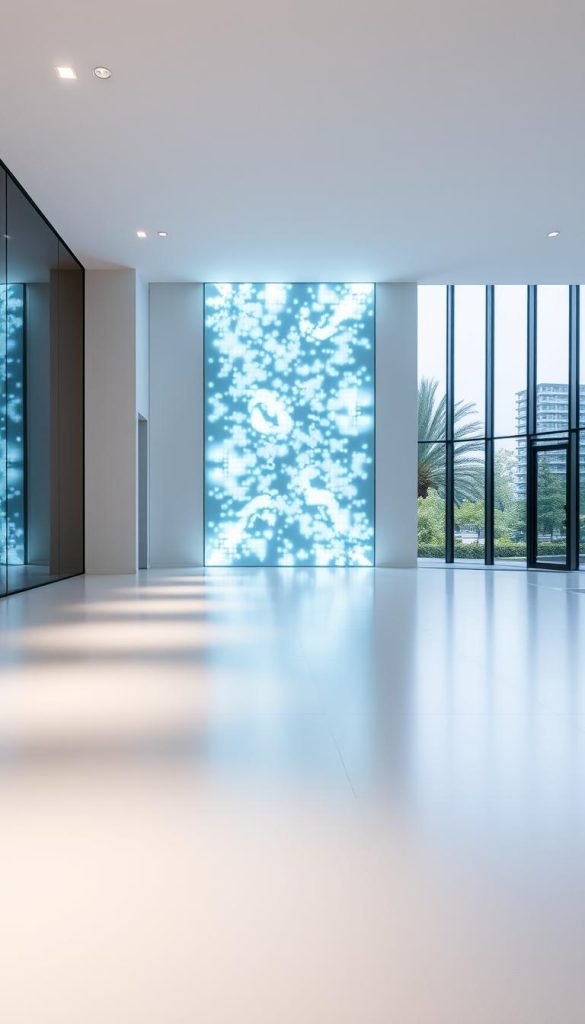
Modular systems that shift from task to ambient to sculptural
Modular lighting grids interlock so a ceiling can pivot from bright task planes to soft ambient fields or dramatic sculptural runs. I specify snap-fit fixtures and standardized mounts to speed reconfiguration.
OLED art panels and dynamic backdrops
Paper-thin OLED panels work as living art walls. They refresh visuals without construction and run cool enough for continuous display.
Tactile finishes that carry acoustic and sensory roles
Recycled cork carved with organic patterns and layered 3D wallpaper add tactile depth and absorb sound. These surfaces help wayfinding and make flexible spaces feel anchored.
- I outline how a single grid can change modes with minimal labor and cost.
- I show OLED backdrops as low-profile, customizable canvases for brand or mood.
- I recommend tactile surfaces to pair acoustic function with sensory warmth.
- Practical approach: coordinate color temperature, reflectance, and dimming curves across interiors so transitions feel natural.
“Good light and smart surfaces let a room shift identity without losing soul.”
Luxury Reimagined: Authenticity, Local Craft, and Sustainable Stories
I’ve noticed a quiet shift where true luxury favors provenance over polish. Ethical origin and sustainable stories now read as status markers in many interiors. Local makers and small ateliers outpace anonymous, mass-produced lines.
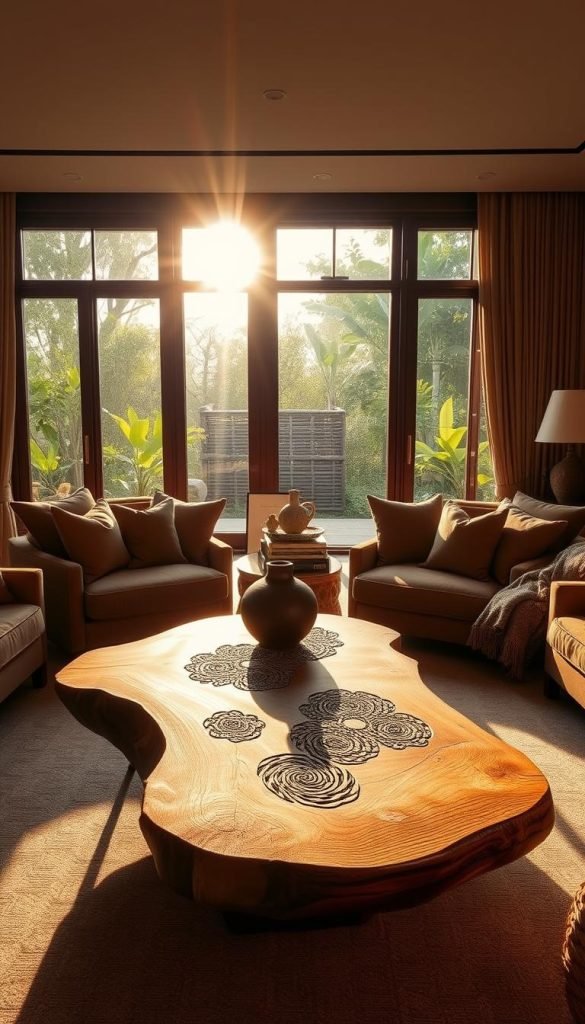
Quiet luxury shows through material clarity and visible workmanship. Traceable materials, local craft, and objects with clear provenance feel honest and durable. Warm, dark wood such as walnut or oak paired with reclaimed elements creates depth and character without excess flash.
Quiet luxury through traceable materials and one-of-a-kind objects
I encourage designers to commission limited runs or bespoke pieces so a room tells a story. Choose joinery and finishes that make repair straightforward.
- Define value: favor materials and details that age well and can be serviced.
- Commission wisely: mix new wood with reclaimed components to balance rarity and performance.
- Assess long life: check fasteners, replacement parts, and finishability before you buy.
“Durability and repairability tell a better story than a fleeting trend.”
In my view, true luxury in trends 2026 links accountability to style. When brands and clients can trace origin, one-of-a-kind objects become both cultural capital and a practical investment.
Conclusion
I close by focusing on choices that make interiors more useful, humane, and durable.
I recommend investing in furniture that adapts over time, advances wellness, and pairs honest materials with modular form. Use walnut, oak, reclaimed wood, or bio-based mycelium where it supports longevity and sustainability.
Let tech be quiet. Embed chargers and IoT so rooms feel calm while sensors tune light and acoustics. That balance keeps living and work areas both productive and restorative.
For practical next steps, audit a room, prioritize seating and pieces that reconfigure, and plan phased upgrades rather than one big buy. This approach stretches value and keeps style aligned with lasting luxury.
I invite designers and teams to align on a simple plan today so spaces evolve well over time and deliver real comfort, beauty, and performance.