How Do I Choose Side Tables That Complement My Sofa Setup?
I set a clear goal for this living room guide: to help you pick side tables that feel intentional and work hard every day.
End tables do more than hold lamps and drinks — they polish the space and show attention to detail. Styles, sizes, and finishes vary, so I start by looking at the room first, then the furniture. This way the pieces serve the flow and function instead of merely filling a corner.
I share simple rules that keep choices practical: a comfortable height next to the sofa, an easy reach for a drink, and a surface that supports a lamp or a stack of books. I also explain the matched versus collected look so you can pick the path that fits your personality and style.
When circulation matters, one small end can keep the area airy. Proportion is crucial — a table too tall or too tiny upends the balance of the seating area. I preview materials and finishes, and I flag shape and function options so your final picks feel custom to your home.
Key Takeaways
- Think room flow before sizing a table next to the sofa.
- Pick heights that make lamps and drinks easy to reach.
- Decide between matched sets or a collected, mixed look.
- Use one table when you need an airy footprint or better circulation.
- Mix materials and shapes to add depth and balance.
- Keep proportion front and center — tiny or tall tables disrupt balance.
Start With Your Living Room Layout and Lifestyle
Trace daily paths in the living space to see where a surface will fit naturally.
I sketch traffic lines and mark seating clusters before shopping. That lets me spot clear zones for conversation, reading, and media without crowding walkways.
Measure clearances between the sofa and nearby furniture. Good spacing keeps circulation smooth and prevents trips when guests move around.
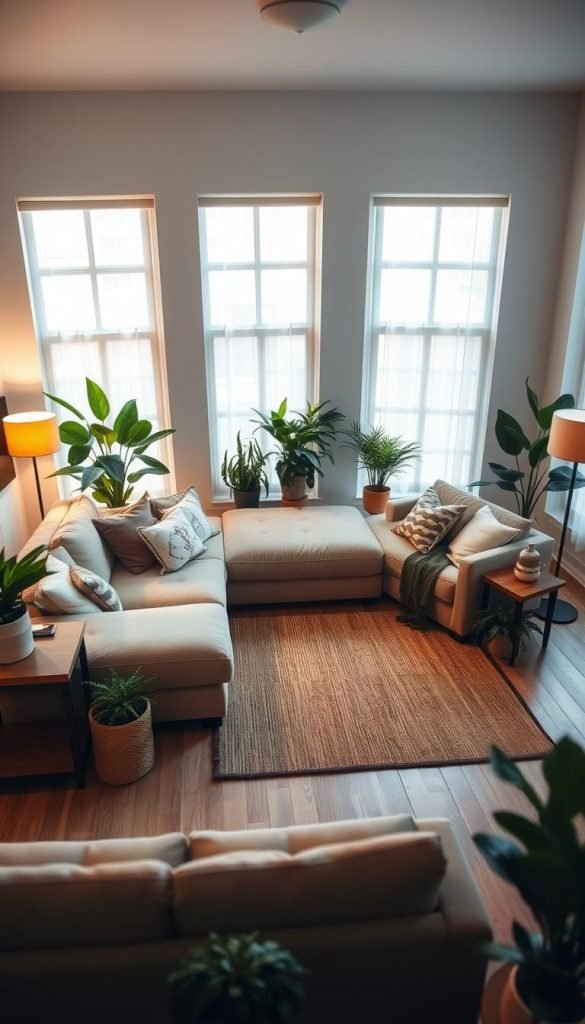
Next I pick a seating type that suits my lifestyle. A modular setup bends for movie nights. A large sectional works for family gatherings. A compact two-seater frees up floor area in tight rooms.
I plan lighting and cord access if a table will hold a lamp. Small habits—where I set a mug or drop a book—help decide how many pieces to add and where.
- Sketch traffic paths to avoid blocked walkways.
- Define seating zones so each seat has a nearby surface.
- Right-size tables so they support function without overwhelming the space.
| Seating Option | Best For | Table Strategy |
|---|---|---|
| Modular | Flexible gatherings | Nesting tables for quick extra surfaces |
| Sectional | Family seating | One or two larger end pieces to match scale |
| Compact sofa | Small rooms | Slim round table to save floor space |
Get the Heights Right for Comfort and Function
A simple reach test tells you more about table height than a spec sheet.
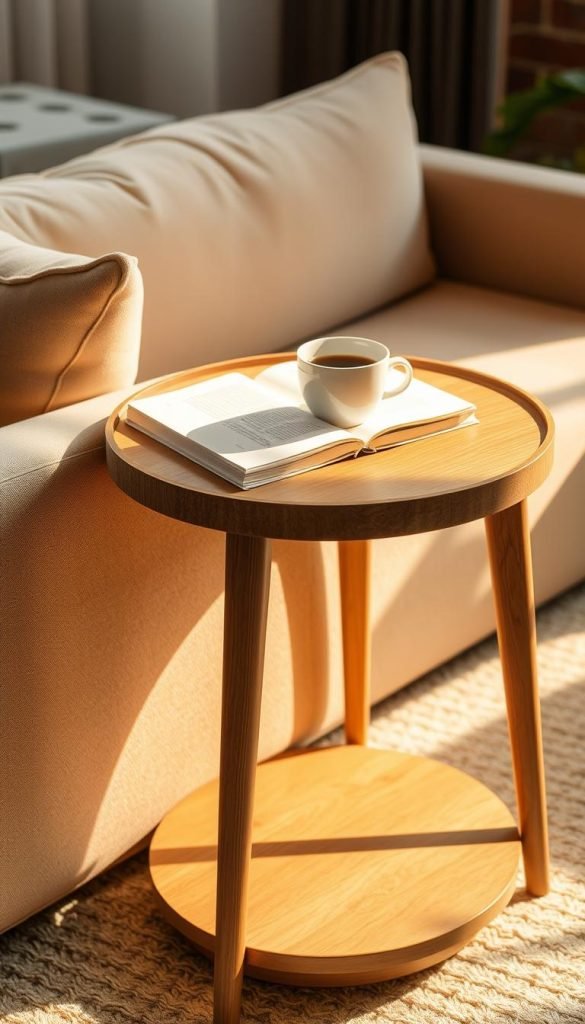
Rule of thumb: aim for a surface about 5 cm (roughly 2 inches) below the sofa arm. Many end tables fall between 22 and 30 inches, so I measure my arm before shopping.
I prefer a slightly shorter side table if the exact size isn’t available. Taller pieces feel awkward and make setting down a drink harder. For armless or low-profile seating, I either match an imagined arm height or go level with the seat, depending on balance.
Nesting sets let me bend the rule: the lower table sits forward for an easy reach, while a taller tier adds visual interest. I also watch lamp placement on higher tiers so light falls where I read without glare or odd shadows.
- I measure the sofa arm and aim for a side table about 5 cm below it.
- I keep top area in mind so a mug, remote, or book fits safely.
- Example: a 28-inch arm pairs well with a 26-inch side table for comfort.
Proportion, Reach, and Smart Placement Around the Sofa
Proportion and position turn a cluster of furniture into a useful, calm area.
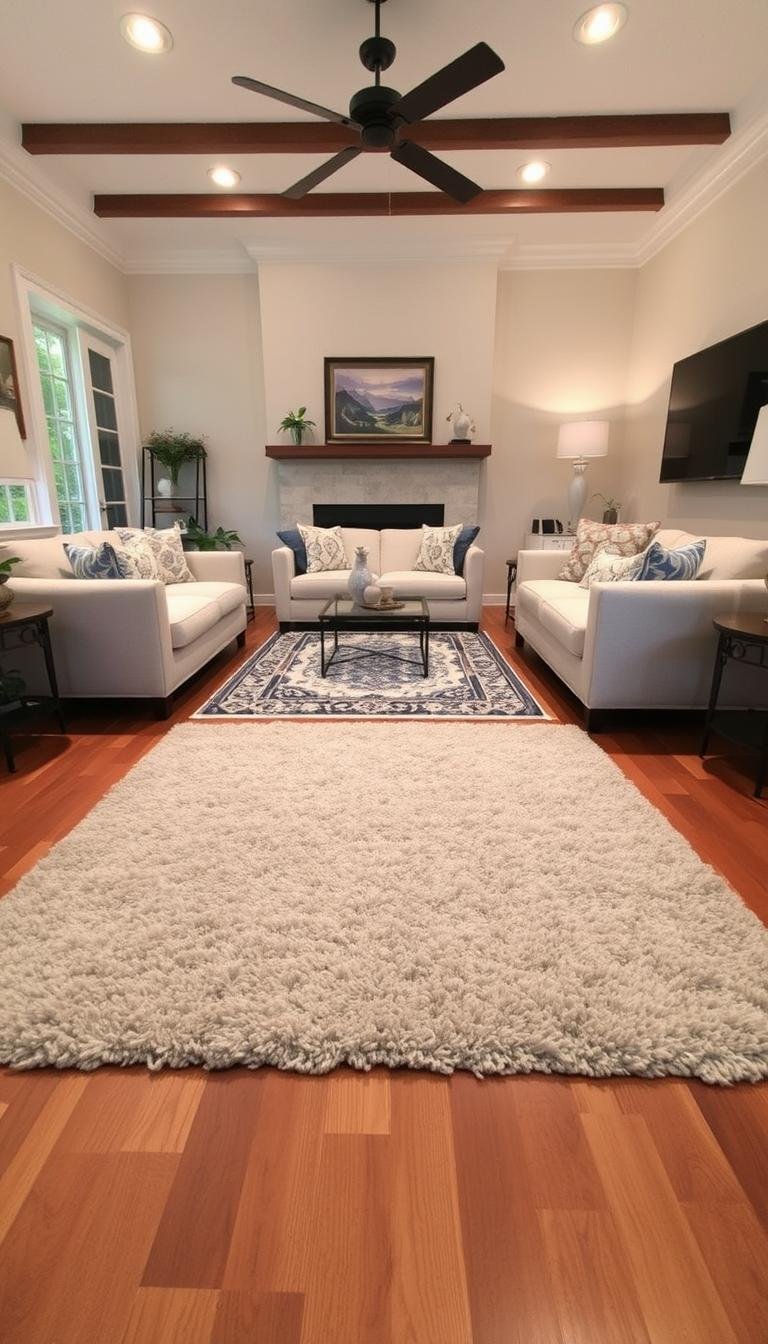
Coffee table rules of thumb: aim for a table about two-thirds the length of the sofa. Keep its top roughly 5 cm below seat height so it feels natural when I reach for a drink.
Place the coffee table about 40–50 cm from seating. That distance gives a comfortable reach while leaving a clear path to walk around the area.
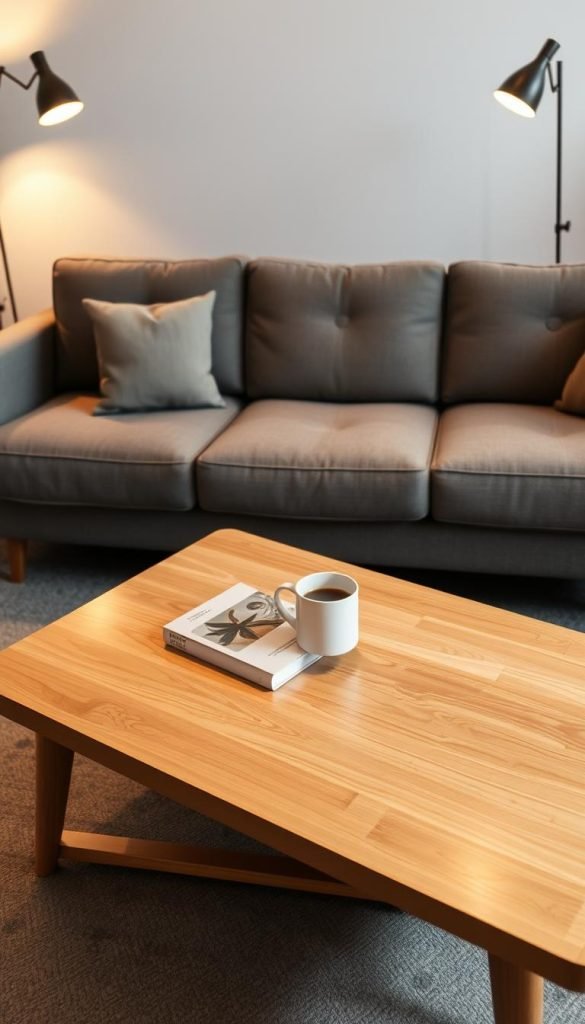
Cue visual weight and balance
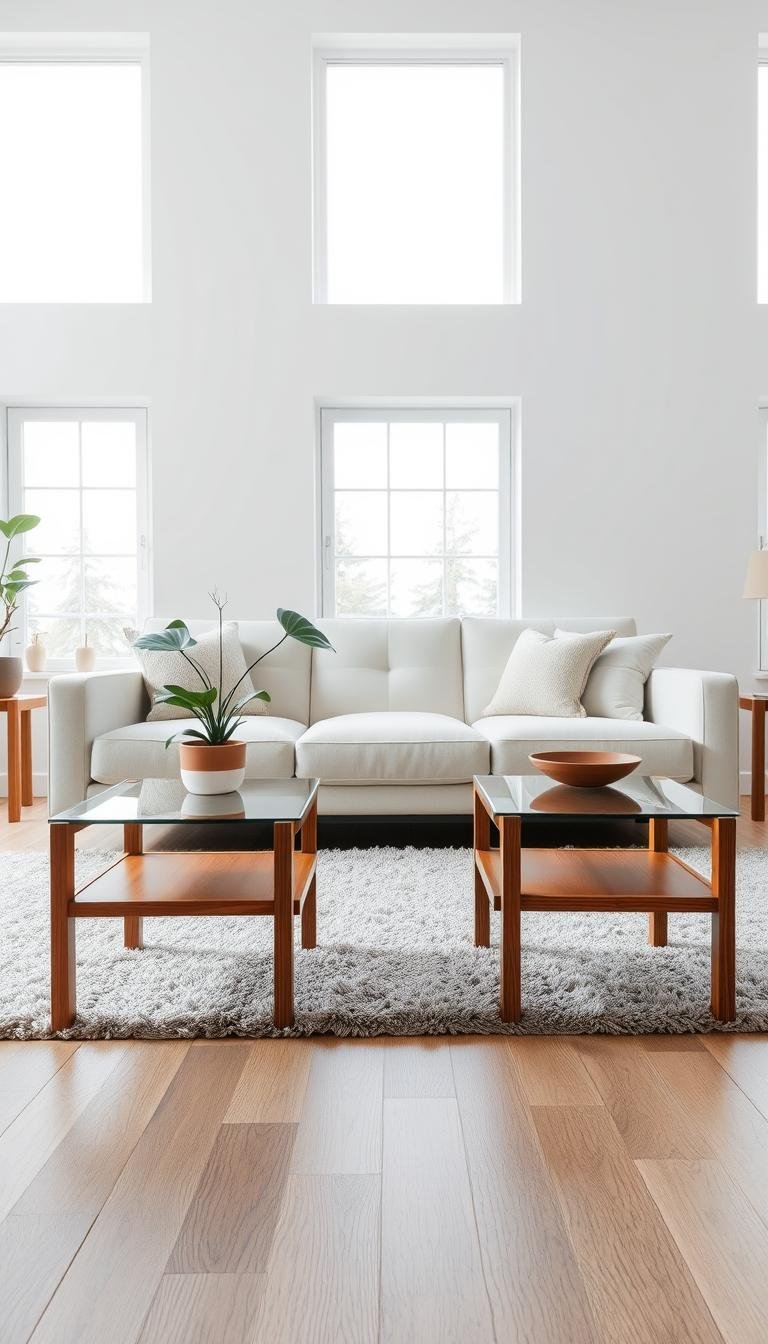
Pair a large, statement sofa with a lighter table — iron-and-glass or slim profiles — so the furniture doesn’t overwhelm the room. For a long sofa, a single end or a mid-span table can provide service without crowding.
Practical checks: avoid blocking vents and outlets and route cords neatly. Test reach with a simple example: set down a glass from your usual seat. If you must shift, nudge the table closer by a couple inches.
- I size the coffee table to two-thirds of the sofa so the grouping feels grounded.
- I keep 40–50 cm clearance for reach and circulation.
- I match table height to about 5 cm below the seat and echo that with nearby end pieces.
For more placement tips and layout examples, see this practical guide on arranging tables for a balanced living room.
Materials and Finishes: Mix for Character, Balance for Cohesion
Mixing finishes gives a room personality while keeping the look calm.
Mixing wood, metal, and glass adds contrast so the living room never feels flat. I pair warm wood tops with slim metal bases or clear glass for a layered look.
Natural and reclaimed material choices deliver patina and story. Hand-carved reclaimed panels, mango wood with travertine, or recycled pieces bring depth and sustainability to a space.
Nontraditional items can work as end pieces when they meet height and size guidelines. A garden stool, stacked suitcases, or a sewing base becomes functional furniture if the surface fits a lamp and a mug.
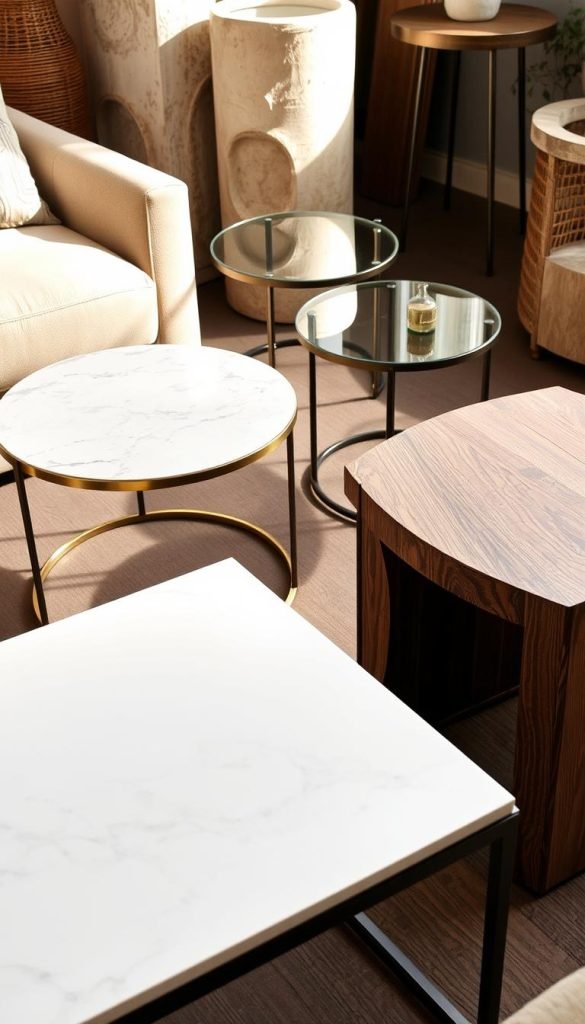
- I repeat one finish at least twice to make the mix feel curated.
- I match durability to use: glass resists rings but shows prints; wood adds warmth and needs coasters.
- I let a single statement finish lead while others support it for cohesive design.
| Material | Look | Durability | Best Use |
|---|---|---|---|
| Wood | Warm, textured | High with care | Classic end table, reclaimed statement |
| Metal | Slim, modern | Very durable | Light visual weight, lamp bases |
| Glass | Airy, reflective | Shows marks | Small rooms, balances heavy sofas |
| Recycled/Found | Patina, unique | Variable | Statement pieces with story |
Color, Tone, and Style: Matching vs. Mismatching Done Right
A thoughtful palette ties mismatched furniture into a single, calm picture.
Repeat a key color at least twice to knit choices across the living room. Pull a hue from a rug stripe or a pillow and echo it on a table finish or lamp base. That simple thread makes different styles feel related.
Warm and cool tones work well together when balanced. Try a walnut table against a blue sofa for energy without chaos. Use a color wheel to find complementary mixes and keep the overall palette limited to three to four core hues.
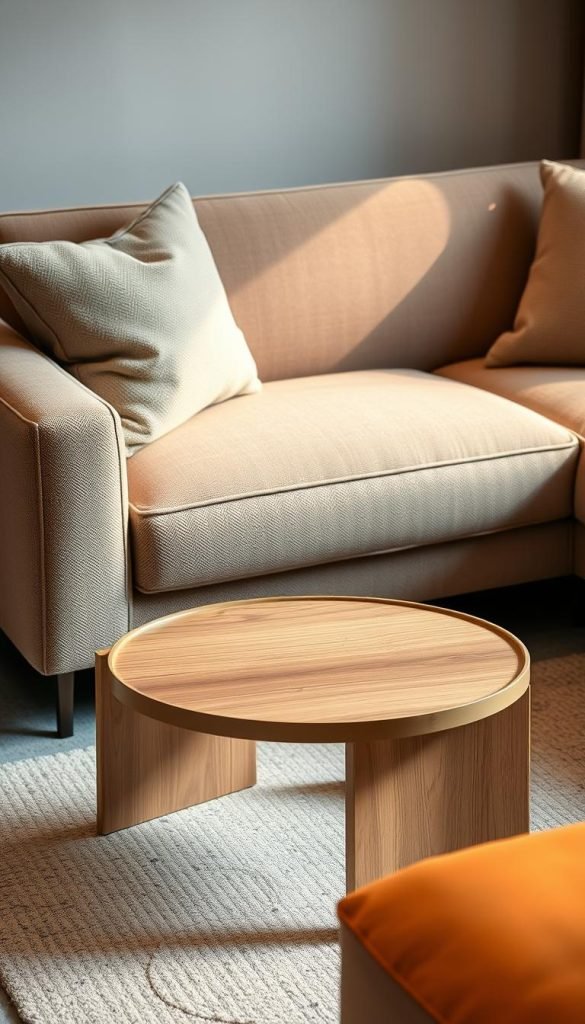
Collected look and visual weight
For a collected look, match height and visual weight so mismatched pieces read as a set. A round pedestal with a square legged table can pair well if both feel equally substantial.
- Repeat a color twice for cohesion.
- Mix warm and cool tones for lively balance.
- Match height and weight so mixed pieces feel intentional.
- Use wood as a neutral bridge and add a metal or glass accent.
Shape and Function: Curves, Angles, Storage, and Lighting
Curves and angles set the room’s tone while built-in features keep surfaces tidy.
Round vs. square: I use round side tables to soften a sofa with strong right angles. Conversely, square or rectangular shapes steady curvier seating and anchor the view.
Nesting tables give flexible options — pull them apart for guests and tuck them together to reclaim floor space. A round nesting top can be easier to move around crowded areas.
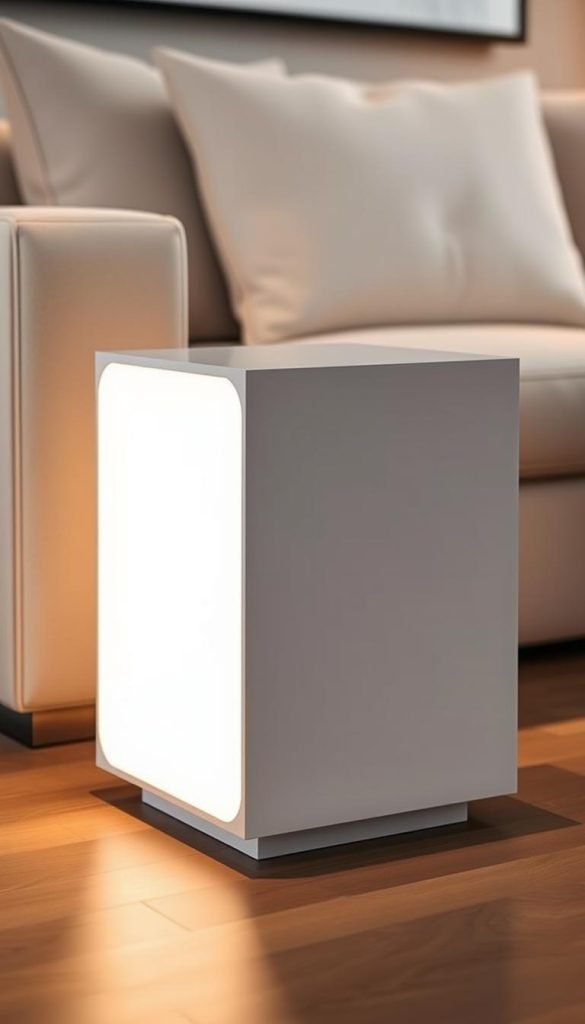
Storage slings, shelves, and lamp-ready surfaces
I look for built-in storage: a leather sling for magazines, a lower shelf for books, or a drawer for remotes keeps the top clear. These storage choices add real day-to-day function.
Lighting and safety: size lamps for a stable top and leave room for a drink. I prefer a glass top with a metal base when I want the table to feel light but stay strong.
- I repeat shapes subtly across the room so pieces read as deliberate.
- I make sure edges and heights are comfortable, especially in tight corners.
- I stage each table with a lamp, a small tray, and a current book to stay useful without clutter.
Conclusion
Wrap up with a simple checklist so each piece earns its place in the room.
Measure, right‑size, and place each table so the living room works every day. Aim for a coffee top about two‑thirds of the sofa length and 40–50 cm from seating. Keep end pieces roughly 5 cm below the arm for comfortable reach. Mix materials for character and add one textured piece with history to warm the space.
Pick a matched set or a collected mix, repeat a key tone, and scale furniture pieces to the area. If one end table keeps the room airy, balance it with a light accent. For a quick reference, see this perfect end table guide for sizing and height tips.