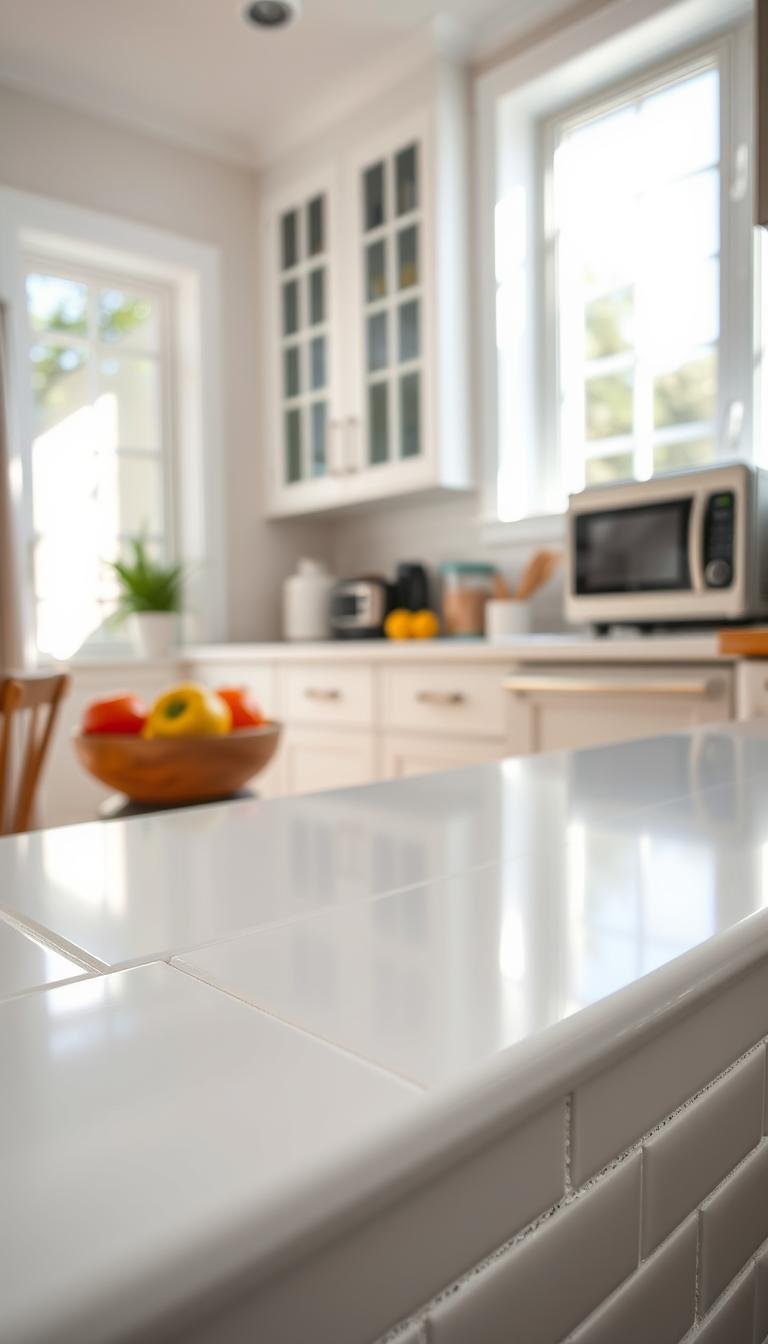
How Do I Choose Tub Surround Materials That Enhance Spa Vibes?
I wanted a calm, spa-like bathroom without a full remodel, so I focused on a new surround that would lift the look and the feel of my bath area. My goal was simple: pick a system that looked modern, shed water, and stayed low-maintenance.
I learned acrylic often wins for a warm feel, a seamless appearance, and strong resistance to mold thanks to nonporous construction. It also balanced cost and design options better than many stone or tile installs.
Installed ranges in 2025 helped me set realistic expectations: fiberglass, acrylic, solid surface, tile, and stone each come with different price and coverage needs. I also checked kit sizes and custom-to-ceiling estimates to avoid waste.
Next, I previewed the decision criteria I used: appearance, durability, cleaning ease, installation path, and total cost. Those points shaped a buyer’s guide that follows and helped me make a confident choice for my home.
Key Takeaways
- Focus on appearance and daily experience when updating the bathroom.
- Acrylic offers a warm touch, nonporous surface, and affordable versatility.
- Set a budget using 2025 installed price ranges by material.
- Prefabricated kits save time; custom tile needs more square footage and waste allowance.
- Pick systems with minimal seams for a cleaner, calming sense in the area.
What “spa-like” means in my bathroom and how it guided my material choice
To get a daily sense of calm, I looked for finishes with low visual clutter and a warm, skin-friendly feel. I wanted the bathroom to invite rest with muted textures, soft light, and a simple, uncluttered look. This idea shaped both the style and the practical needs I set.
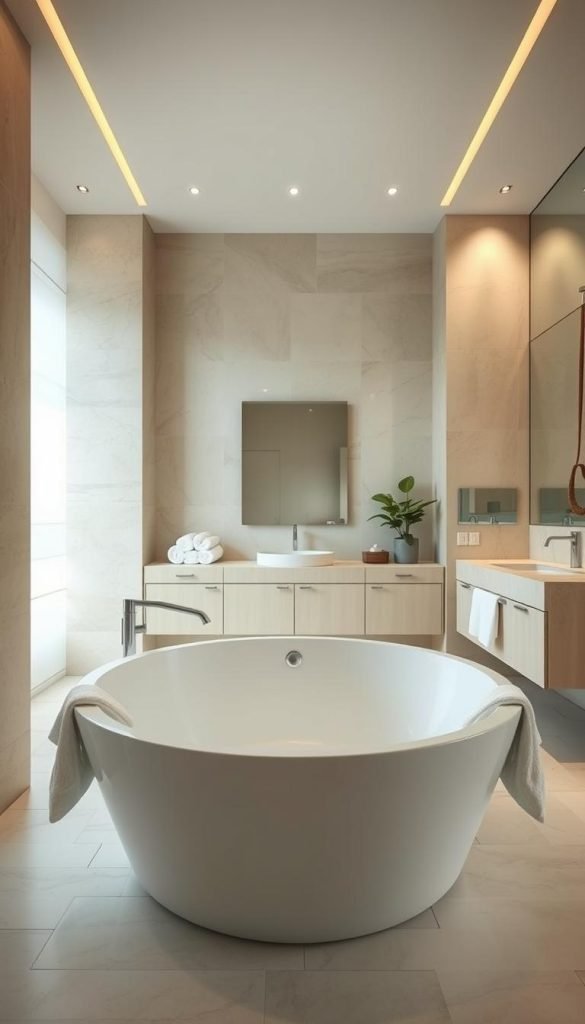
The feel: calm textures, warm-to-the-touch surfaces, and low visual clutter
I favored surfaces that felt warm against the skin and reduced lines so my eyes could relax. Limiting grout and seams helped the walls recede and made the space feel more open. I tested sample panels by touch to confirm the comfort I wanted.
The function: water resistance, mold resistance, and easy maintenance
Function had to support the feel. I required water resistance, reliable mold resistance, and easy cleaning that fit my routine. Acrylic panels stood out: they stayed warmer to the touch than tile or stone and are nonporous, so mild cleaners keep them fresh without harsh scrubbing.
- I defined a spa-like bathroom as muted textures, soft light, and daily comfort.
- I reduced visual noise with fewer lines and minimal grout so walls could disappear.
- I prioritized nonporous surfaces to fight mold and simplify upkeep.
Understanding tub surrounds: the water-facing walls that protect and beautify the bath area
The wall panels around my tub became the real barrier between daily splashes and costly repairs. A proper surround is a protective, nonporous wall system installed around the tub or shower to block water and stop damage behind the visible plane.

Why non-porous, sealed surfaces matter for moisture and mold
Nonporous surfaces keep water from seeping behind the visible finish, which lowers mold risk and prevents rot. I focused on options like acrylic, fiberglass, solid surface/cultured marble, and composite stone because they offer built-in water resistance and easy cleaning.
Sealed, continuous panels and careful seam treatment were my first line of defense against moisture migration. I avoided drywall in wet zones since it soaks up water and leads to costly repairs.
- I checked how a surround integrated with the tub flange and plumbing penetrations to prevent leaks.
- I noted the shower spray hits corners and niches hardest, so I planned robust sealing there.
- I confirmed appropriate backer and waterproofing layers when tile assemblies were in play.
How Do I Choose Tub Surround Materials That Enhance Spa Vibes?
I started the decision process by defining five non-negotiables for the bathroom: appearance, durability, maintenance, installation, and budget.
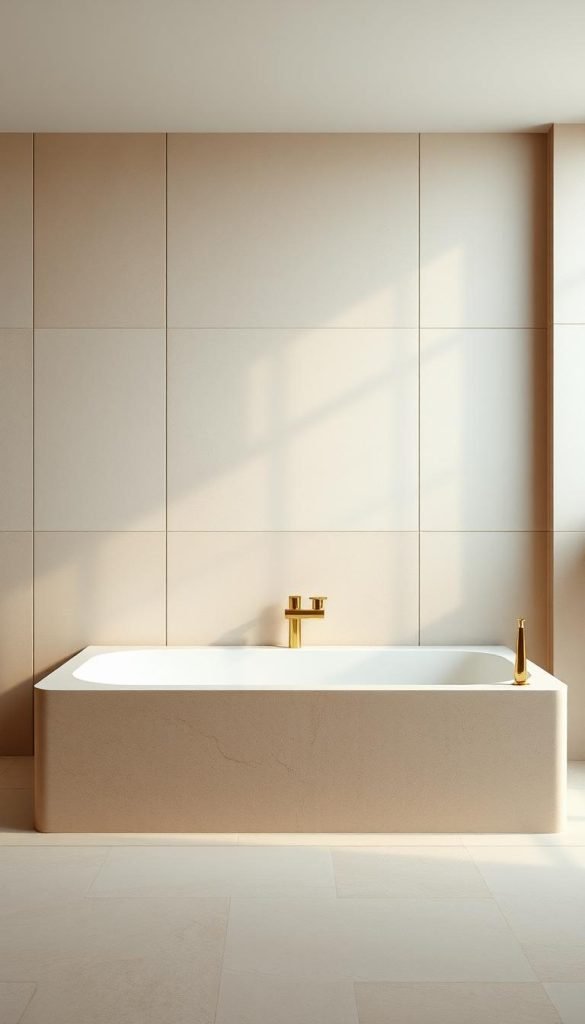
My decision checklist: appearance, durability, maintenance, budget, and installation
Appearance meant large, seamless-looking panels and matte finishes to soften reflections. This kept the look calm and allowed light to feel gentle in the space.
Durability focused on real wear resistance. Acrylic offered heat-formed panels with strong impact and abrasion resistance. Natural stone provided a premium look but required sealing and expert installation.
Translating spa-like into material specs
Minimal grout lines and full-height panels reduced visual breaks. I picked nonporous surfaces when possible to cut cleaning time and mold risk.
“Acrylic gave a modern, seamless look at mid-range costs; tile gave design flexibility; natural stone delivered luxury with higher upkeep.”
- Installation speed: panel systems installed faster than tile or stone.
- Maintenance trade-offs: acrylic = easy wipe-down; tile = grout care; natural stone = periodic sealing.
- 2025 installed ranges: acrylic $1,200–$2,500; tile $2,500–$5,000+; natural stone $4,000–$8,000+.
| Option | Appearance | Maintenance | Installed Cost (2025) |
|---|---|---|---|
| Acrylic panels | Seamless, modern | Nonporous; easy wipe-clean | $1,200–$2,500 |
| Tile | Highly customizable | Grout needs cleaning and reseal | $2,500–$5,000+ |
| Natural stone | Luxurious, tactile | Periodic sealing; pro install | $4,000–$8,000+ |
Bottom line: I matched look and light goals with practical performance so the final design felt effortless every day.
Material showdown: acrylic, fiberglass, tile, solid surface, and stone—how each affected look, feel, and upkeep
I compared five common panel types to see which balanced daily wear, budget, and the finish I wanted in my bathroom. Below I summarize how each option performed for durability, maintenance, and the tactile experience.

Acrylic
Pros: Nonporous panels resist mold and mildew, clean with mild cleaners, and feel warmer to the touch.
Cons: Mid-range cost but excellent long-term value for family bathrooms.
Fiberglass
Pros: Affordable and DIY-friendly with quick install on basic shower-tub combos.
Cons: It can scratch, fade, or crack over time, which risks moisture intrusion and more upkeep.
Tile (ceramic/porcelain)
Pros: Endless patterns and large-format tiles let me tailor design and texture.
Cons: Grout needs periodic cleaning and reseal; poor installation can lead to leaks.
Solid surface / cultured marble
Pros: Sleek, large panels with few seams, strong stain resistance, high perceived quality.
Cons: Heavier panels usually need pro installation and higher installed cost.
Natural stone
Pros: Luxurious veining and tactile depth for premium baths or stone tile accents.
Cons: Heavier, costly, and requires periodic sealing and gentle cleaners to protect the finish.
“Nonporous panels offered the simplest maintenance; stone rewarded care with lasting beauty.”
- I used acrylic for family spaces and fiberglass for guest baths.
- Tile fit custom primary bathrooms; solid surface or stone suited premium remodels.
- I avoided untreated wood in wet zones, echoing wood tones through accessories instead.
Designing the spa look: colors, patterns, textures, and light that calmed the space
My plan centered on continuous planes and muted tones to quiet the room. Large-format tile and panelized systems reduced grout lines and kept the appearance modern and calm.
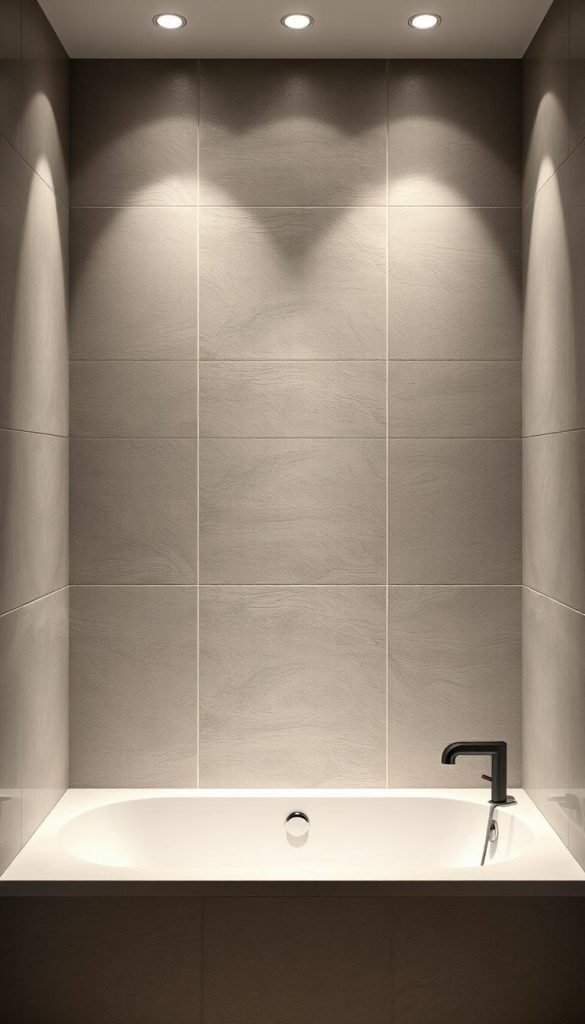
Stone-look panels gave the rich visual depth of natural stone without the sealing and fuss. Solid surface and acrylic panels created smooth planes that were simpler to clean and maintain.
Stone-look panels and large-format tiles for fewer lines
I used stone-look panels to capture the tactile appeal of stone while avoiding heavy upkeep. Large-format tiles cut down grout and visual busyness so the bathroom felt more expansive.
Soft neutrals, matte or satin finishes, and vertical lines for height
Soft neutrals and matte or satin finishes handled light gently and reduced glare. I stacked lines vertically to draw the eye up and boost the sense of height in the space.
- I added a single band of stone tile as a subtle focal to add interest without clutter.
- Delicate textures stayed tactile yet restrained so patterns didn’t compete.
- Wood accents—stools and trays—warmed the palette while keeping moisture-prone items away from wet zones.
- I checked samples in my actual light to confirm the final look at different times of day.
“Large panels and careful finishes let light and texture do the work, keeping the field calm and inviting.”
For more design ideas and styling tips, I also reviewed a useful guide on creating a perfect retreat in bathrooms: perfect spa retreat style bathrooms.
Measuring and planning my surround to fit the space—before I bought
Careful measuring up front saved me time and prevented wasted material during the project.
I measured the back wall (width × height) and then each side wall (depth × height). I added those numbers to get the total area to cover.
For a 60″ long by 32″ deep layout up to 60″ high, my back wall was about 25 sq ft and the two sides were roughly 27 sq ft. That gave me ~52 sq ft before waste.
How I calculated square footage for three walls (plus 10-15% waste)
Rule I used: add all wall areas, then order 10–15% extra for cuts and breakage.
- I preferred 15% when using tiles or patterned panels to allow for match and mistakes.
- I always confirmed plumbing centerlines so cuts lined up with valves and spouts.
- I staged a dry fit of panels to verify the layout before adhesive or mortar went down.
Common prefabricated sizes and when I went custom to the ceiling
I compared my totals to common kit dimensions to see if a standard surround covered the area.
| Kit type | Typical coverage (sq ft) | When it fit my design |
|---|---|---|
| Standard 60″ × 32″ × 30″ | 40–45 | Good for shorter walls and simple installs |
| Full-height 60″ × 60″ × 32″ | 65–70 | Better for taller splash protection and fewer seams |
| Tall 60″ × 72″ × 32″ | 80–90 | Used when reaching near-ceiling height |
| Custom tile to 84–96″ high | 100–130 | Chosen for floor-to-ceiling design or vaulted ceilings |
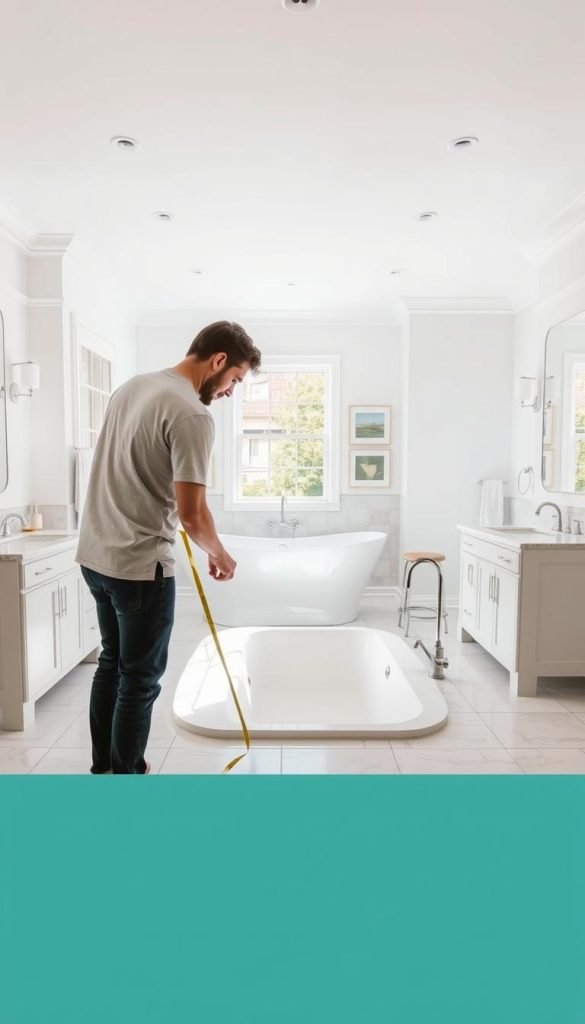
“Ordering extra and checking flange alignment kept small gaps and tiny slivers from ruining the final look.”
- I checked tub flange alignment to prevent base gaps.
- I planned panel and tile edges to avoid thin slivers at corners and niches.
- I adjusted the material plan if a chosen design caused excessive waste or took too much time.
- I double-checked clearances for doors and glass panels before final purchase.
Waterproofing details that protected spa vibes long term: sealants, edges, and seams
A tight sealing plan was the invisible step that kept daily moisture from becoming a long-term problem.
Silicone sealant lived at high-moisture junctions. I used it at the tub-to-wall joints, inside corners, and around plumbing penetrations. Its superior water resistance and flexibility offered long life—often 10–20 years—though it is not paintable and needs good ventilation while curing.
Silicone sealant vs. acrylic/latex caulk
Latex/acrylic caulk went on painted transitions or dry trim where paintability mattered. It had lower flexibility and a shorter life (3–5 years), but it cleaned up easily and accepted paint.
Grout, sealer, and expansion gaps
I maintained grout on tiles and resealed on schedule to block water and stop mold from taking hold. I left expansion gaps where planes moved so stress cracks did not open paths for leaks.
- I followed manufacturer bead sizes and cure times for panel edges and seams.
- I backer-blocked accessory mounts and sealed fastener penetrations to protect walls and hidden cavities.
- I sealed natural stone and other porous surfaces so splashes would not stain or invite mold.
- I water-tested seams after cure and kept a calendar for caulk and grout care to preserve the bathroom’s calm look and long-term quality.
Installation path: pre-bought kits vs. hiring a pro—and how I decided
Facing the reality of tools, time, and finish, I mapped a clear installation path before buying.

For a straightforward kit, I gathered the basics: drill, hole saw, fasteners, level, marker, tape measure, caulk and gun, trowel, and the kit itself.
DIY-friendly surrounds and must-have tools
My process: dry-fit panels first, set side walls, then the back panel, finish corners, and allow adhesive to cure at least 24 hours.
- I dry-fit to confirm cutouts for plumbing and glass.
- I followed manufacturer seam and seal instructions for long-term performance.
- A kit often saved time and kept the project to a weekend for a basic shower or bath setup.
When hiring a pro made sense
Tile, stone, and solid surface required pro skills for waterproofing, heavy lifting, and precision cutting. Labor could add $800–$2,000 or more; full 2025 installed ranges ran from about $900 for fiberglass kits to $8,000+ for stone jobs.
“For daily family use, quality installation mattered more than saving a few hours.”
- I compared quotes and checked references to balance cost with workmanship.
- I confirmed warranties, since some manufacturers require pro installation for coverage.
Costs I budgeted for in 2025: materials, labor, and the true total for a spa-worthy surround
Budgeting early kept surprises from ballooning my final invoice. I built numbers from installed ranges so choices and scope matched my price limits.
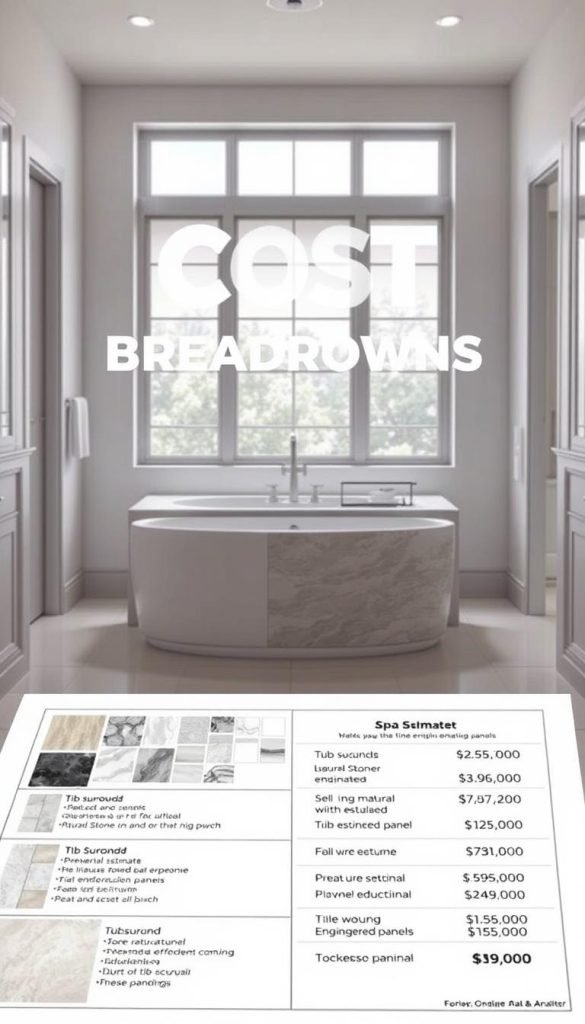
Typical installed ranges by material
Fiberglass: $900–$1,500 installed. Acrylic: $1,200–$2,500. Solid surface: $2,000–$3,500. Tile: $2,500–$5,000+. Stone: $4,000–$8,000+.
Full upgrade math and where I saved without losing quality
Replacing tub plus surround with pro installation often totaled $2,500–$5,000+, depending on selections. Labor commonly represented 40–60% of the bill.
“Labor can be half the spend; comparing reputable bids protected both cost and quality.”
- I favored acrylic panels to get a premium look at lower cost versus custom tile or stone.
- I kept an allowance for trim and niches since small extras add interest without huge labor jumps.
- I weighed time and trade visits for tile against one-day panel installs to find the best balance for my home.
Daily comfort and maintenance: keeping surfaces clean, mold-free, and soothing to the touch
A short weekly checklist kept surfaces clean and extended their durability for years. Gentle, regular care preserved the calm sense I wanted in my bathroom and cut down on big chores later.
Non-abrasive cleaners, resealing schedules, and ventilation
Acrylic panels made daily upkeep simple: nonporous surfaces wiped clean with mild, non-abrasive cleaners and resisted mold and mildew. For tile, I followed a resealing schedule for grout so water would not undermine durability.
Natural stone needed pH-neutral cleaners and periodic sealing to keep its finish and feel. I avoided harsh chemicals that could dull the look or etch the surface, and I chose soft tools like microfiber cloths and a soft squeegee to protect the touch.
- I used non-abrasive cleaners on nonporous panels to protect the finish and keep maintenance quick.
- I set resealing reminders for grout and stone so small problems did not grow into repairs.
- I ran the bathroom fan and opened a window after showers to reduce humidity and limit mold.
- I wiped standing water from edges and hardware to prevent mineral build-up and preserve the look.
- I spot-checked caulk and seals on a monthly basis so gaps were fixed in good time.
“A few minutes each week kept daily use from undoing the calm, spa-like feeling.”
Conclusion
The final surround shaped how the bathroom felt each day and how much time maintenance took.
My goal was balance: panels that deliver a calm look and real protection for the area. Acrylic gave nonporous, seamless panels with a warmer touch and easy cleaning, while tile and natural stone offered texture and style with extra care.
I planned installation and measured the area early, saved time during work, and hired pros for complex cuts and heavy pieces. Small ideas—soft neutrals, one focal band, and wood accents away from spray—kept the space inviting without clutter.
Good surrounds made my home feel cared for and kept every touch comfortable over time.