How Can I Transform a Spare Room into a Luxurious Guest Suite?
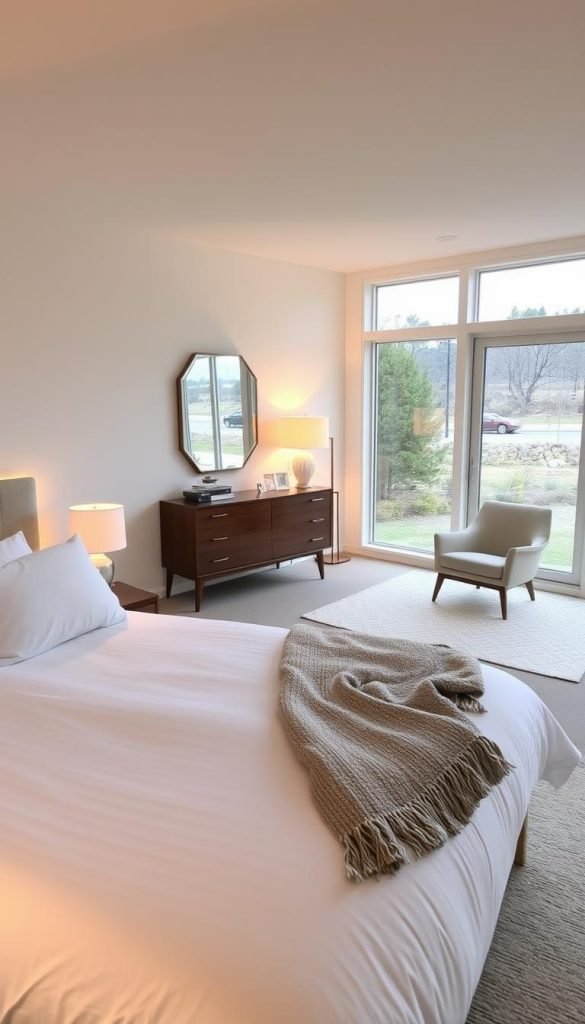
I want my spare room to feel like a calm, boutique-hotel stay that balances form and function so my guests arrive relaxed. I focus on an inviting entry, clear sight lines, and a strong bed-wall focal point to set a welcoming tone.
Smart upgrades make small spaces act big: add layered lighting, blackout solutions, USB/AC charging, and a beverage center. These touches lift the bedroom into a true suite without a full remodel.
I keep walls neutral and refresh style with seasonal accents. Built-in or hidden storage, multi-use furniture, and a compact seating area make the most of every square foot in my home.
My plan breaks the project into simple phases so I stay on track and avoid turning this space into a dumping ground. The result is a guest-ready room that fits U.S. homes, budgets, and varied layouts.
Key Takeaways
- Treat the space like a boutique hotel with a clear entry and bed-wall focal point.
- Use neutral backdrops and layered accents to refresh style easily.
- Add practical amenities: charging, beverage center, luggage storage, and air purifier.
- Choose multi-use furniture to maximize small living areas.
- Work in phases to stay organized and guest-ready.
Start With a Purpose: Define How the room should serve me and my guests
C
I prioritize one main use for the room so it remains useful every day and ready for visitors.
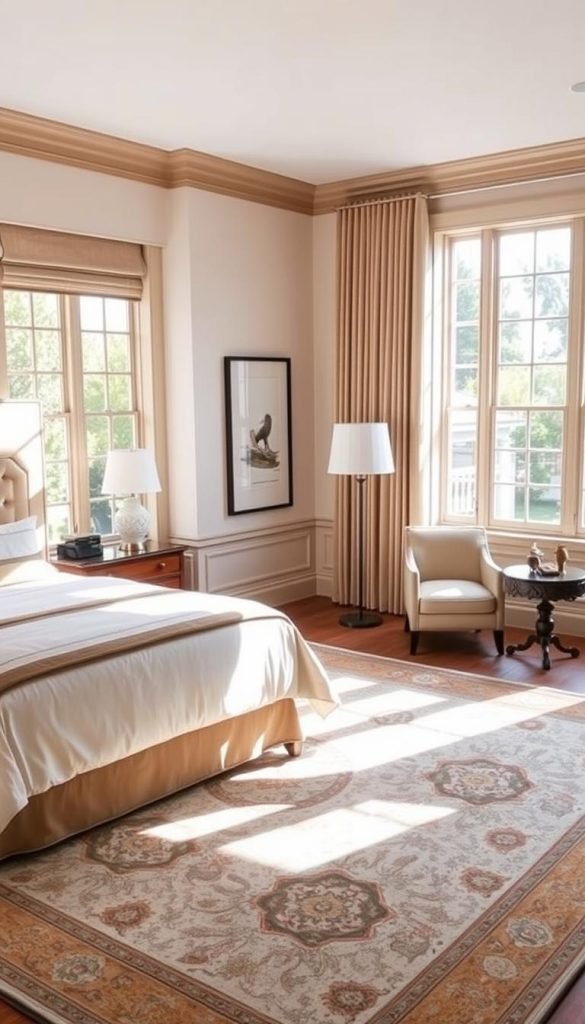
Primary use vs. secondary use: office, hobby, or guest
I choose a single day-to-day function—like my home office or hobby area—and name the guest role as secondary. This keeps purchases practical and the layout focused.
Dual-use solutions such as a Murphy bed, daybed, or sleeper sofa free floor area while preserving daily life in the space.
Avoiding the “dumping ground”: simple rules to keep the space guest-ready
I set two simple rules: no long-term piles, and clear the desk nightly before visitors arrive. Hidden storage for linens and toiletries makes turn-down prep fast.
- I list must-haves for both modes—desk and chargers for work; privacy and a comfy mattress for guests.
- I create a short checklist: swap bedding, place Wi‑Fi card, and stock a beverage tray.
- I evaluate lighting and privacy early so both my tasks and guests benefit.
| Solution | Daily benefit | Guest benefit | Storage need |
|---|---|---|---|
| Murphy bed | Max floor space for work or hobby | Quick conversion to sleeping area | Cabinet for bedding |
| Sleeper sofa | Seating for everyday life | Comfortable sleep surface | Under-sofa bins |
| Built-in closets | Keeps surfaces clear | Accessible linens and toiletries | Concealed shelving |
Plan the layout and flow like a boutique hotel suite
A deliberate layout brings calm: each area has a purpose and clear flow. I start by sketching zones so the room feels like distinct but connected spaces.
Zone the space so sleeping, lounge, work, and prep areas all work together. I map a sleep area with generous walkways, a tucked work spot with glare-free lighting, and a cozy lounge corner for reading or coffee.
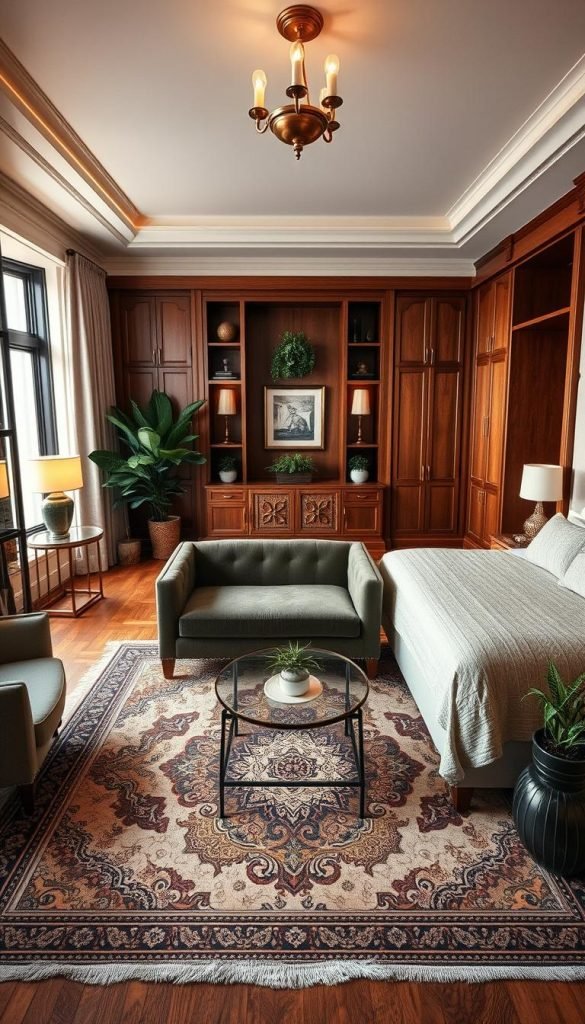
Zone the space: sleep, lounge, work, and prep areas for a true suite feel
Practical zoning keeps daily living smooth and guest stays effortless.
- I anchor the main sight line on the bed wall and keep a clear view from the doorway.
- I keep the window visible to draw in light, then layer privacy with curtains or shades.
- I float furniture to define areas, not just push everything against walls.
- I plan power at the bed, desk, and lounge so function matches the layout.
Sight lines and focal points: bed wall, window, and a secondary feature
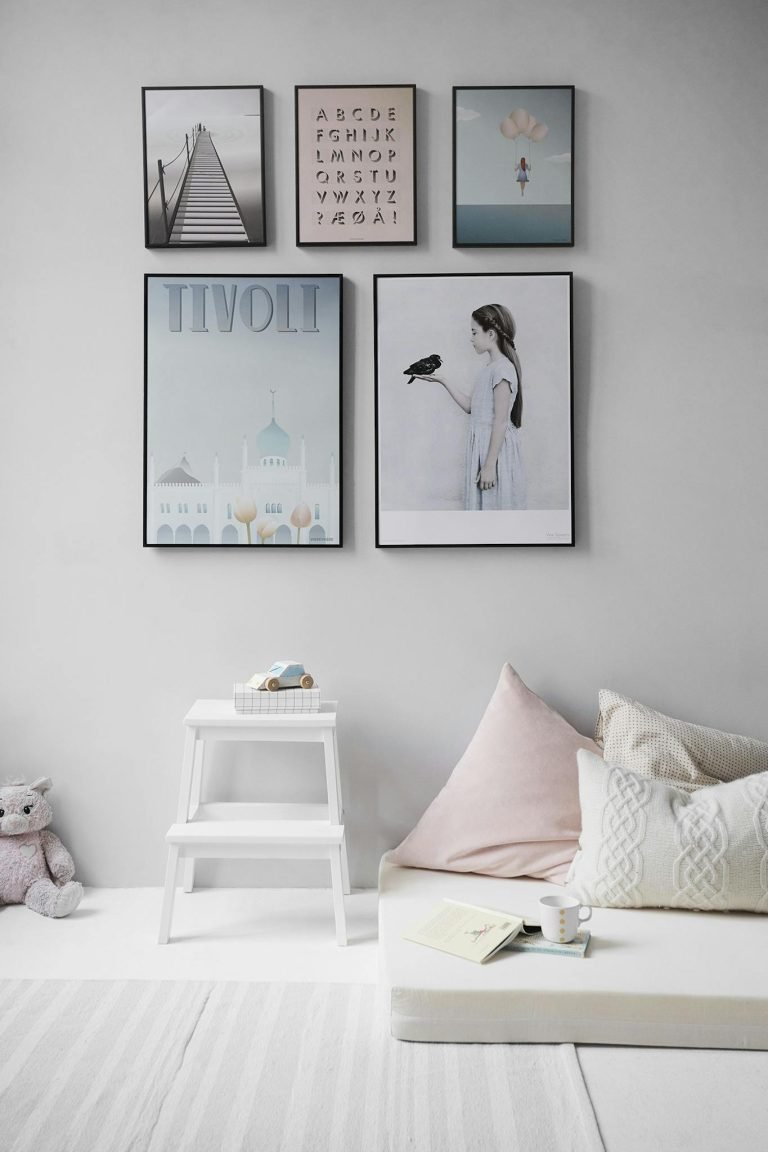
I add a secondary feature like a console, vanity, or artwork to balance the bed wall. This creates depth and a natural path through the room.
If renovating: a seamless bathroom‑closet path to declutter walls
When possible, I choose a single entry into a combined bathroom‑closet corridor. That reduces extra doors on walls and improves circulation and privacy.
Maximize multi‑use with smart furniture and storage
Smart sleep solutions let the room switch from workday to weekend guest mode without fuss. Modern Murphy systems hide a real mattress behind attractive shelving. Daybeds with trundles and quality sleeper sofas add capacity without clutter.
I choose pieces that earn their place. An armoire with a drop-down desk tucks away office gear and linens. Ottomans with hidden storage serve as coffee tables and luggage stands.
Furniture on casters lets me reconfigure the room fast. Simple shelves or a low bookcase hold baskets with sheets and robes so surfaces stay calm.
- I pick sleep options that disappear—Murphy, daybed, or sleeper sofa—to reclaim floor space.
- I prioritize a real‑mattress Murphy or a high‑quality sleeper mechanism for good rest.
- I organize cords and chargers in one drawer so tech is easy to deploy and hide.
- I avoid overfurnishing: each piece must work for daily use and for guests.

Set the stage: walls, window treatments, rugs, and a neutral backdrop
Making the bed wall the visual anchor instantly raises the style and perceived scale of the room. I often treat that entire surface like an oversized headboard using upholstered panels, simple millwork, or textured paper. This approach looks richer than a single headboard and gives the space a custom feel.
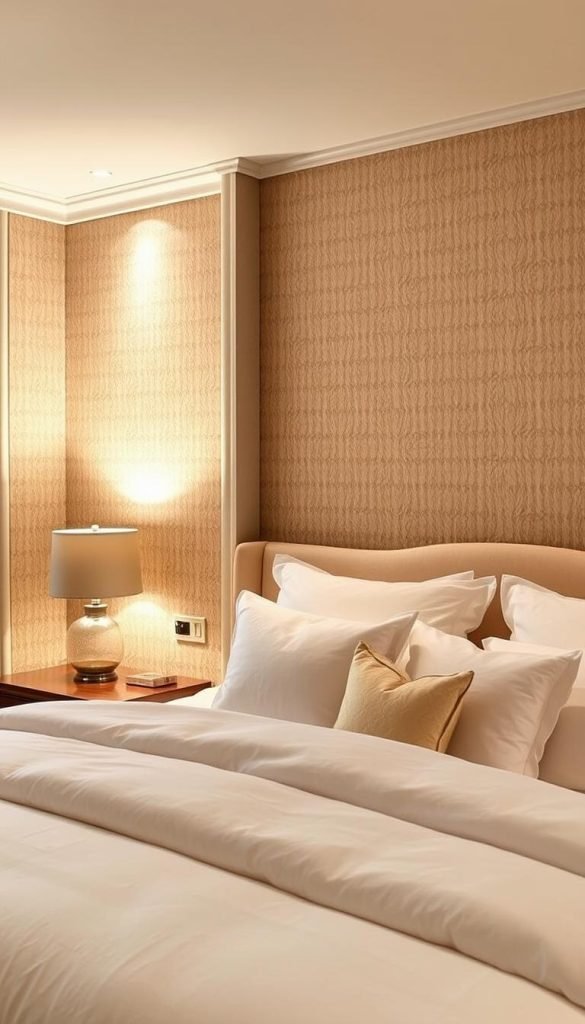
Specialty bed wall treatments that outshine a traditional headboard
Upholstered panels add depth and sound absorption. Millwork brings clean lines and a built-in look. Textured paper or plaster gives subtle drama without heavy cost.
Neutral paint with layered accessories for easy, seasonal updates
I keep main walls neutral as a calm backdrop so I can swap pillows, throws, and art by season. I pick one signature color to repeat in accessories to make the palette feel intentional.
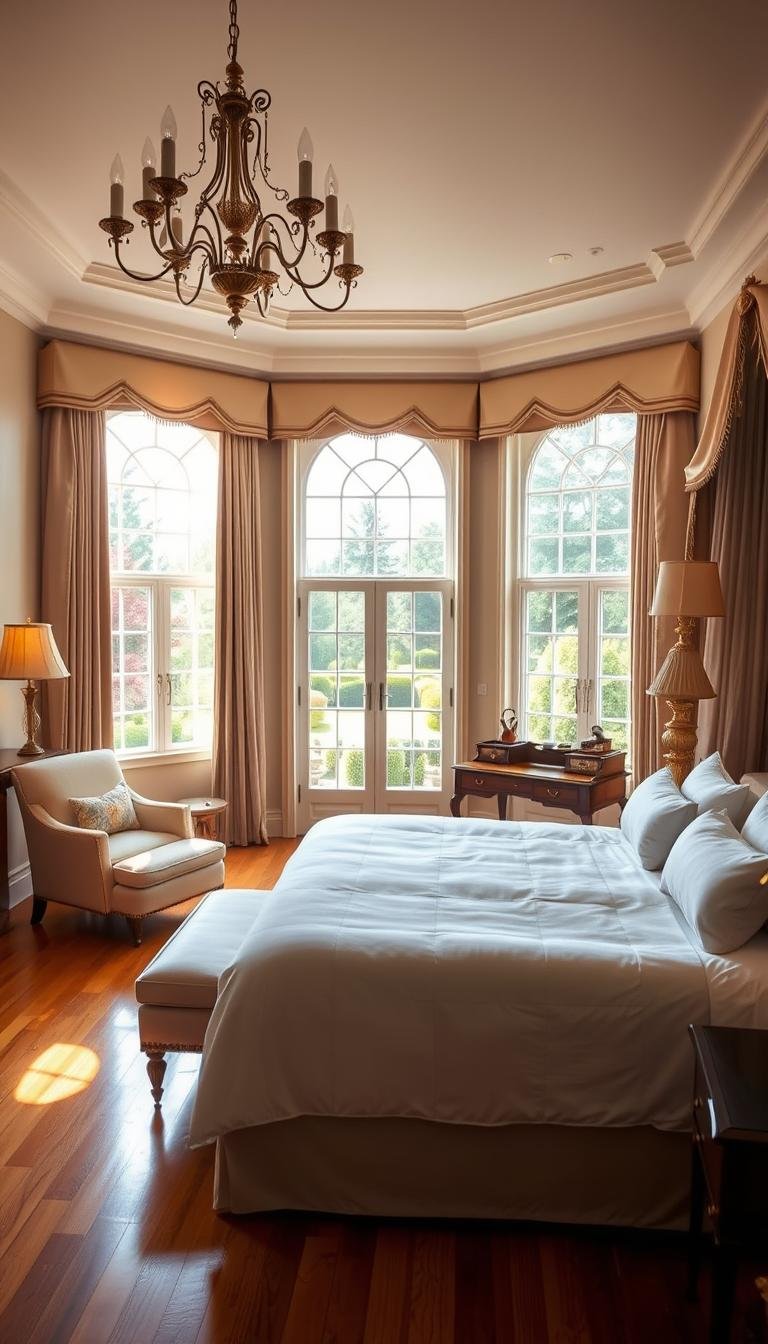
- Full-height drapery frames the window, controls light, and improves acoustics.
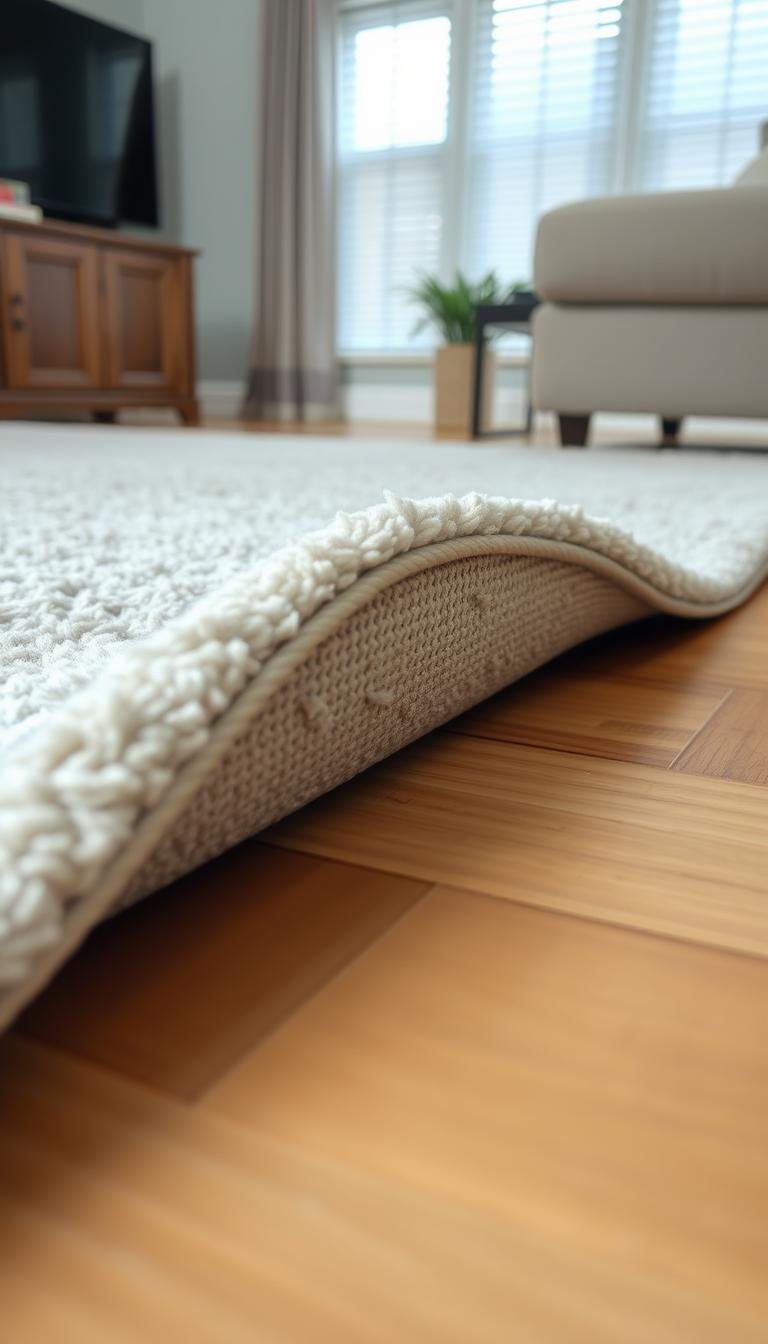
- A plush rug with an underpad adds warmth and quiet on hard floors.
- I match lamp finishes and side tables to the bed wall for a cohesive look.
| Element | Benefit | Notes |
|---|---|---|
| Upholstered wall | Noise reduction, luxe feel | Choose cleanable fabric |
| Neutral paint | Flexible backdrop | Durable, washable finish |
| Full-height drapery | Light control, height | Layer with blackout liner |
Tip: set a small landing zone by the entry with a console or hooks to signal the room’s purpose immediately. For more styling tips, see design examples.
Lighting, darkness, and quiet: create hotel‑level comfort
Proper light, darkness, and quiet turn a simple room into a restful retreat. I focus on flexible fixtures and soft finishes so the space feels calm for sleeping and useful for daytime tasks.
Layered lighting wins every time. I use ambient overhead or a tall floor lamp, task lighting at the desk, and warm bedside lamps with built‑in USB/AC for easy charging. Dimmers near the bed help guests wind down while brighter task bulbs support work.

Blackout solutions and soft surfaces
I install blackout shades and full‑height drapery to block light and add mass for sound control. Plush rugs with a quality underpad cut foot noise and make the room feel cozier.
- I run power to both sides of the bed and the lounge chair for convenience.
- I add a small nightlight on the bathroom path and group switches so one or two controls set the scene.
- I keep cords tidy with clips to preserve a calm, uncluttered feel for guests.
Dial in temperature and airflow for every season
A few well-chosen devices let the room offer hotel-grade comfort without touching the whole-house system. Simple hardware and clear storage keep the suite friendly and usable for any guest.
Start with a quiet, reversible ceiling fan to circulate cool air in summer and push warm air down in winter. I add a small, modern fan or a low‑dB space heater so guests can fine‑tune temperature without changing the thermostat.
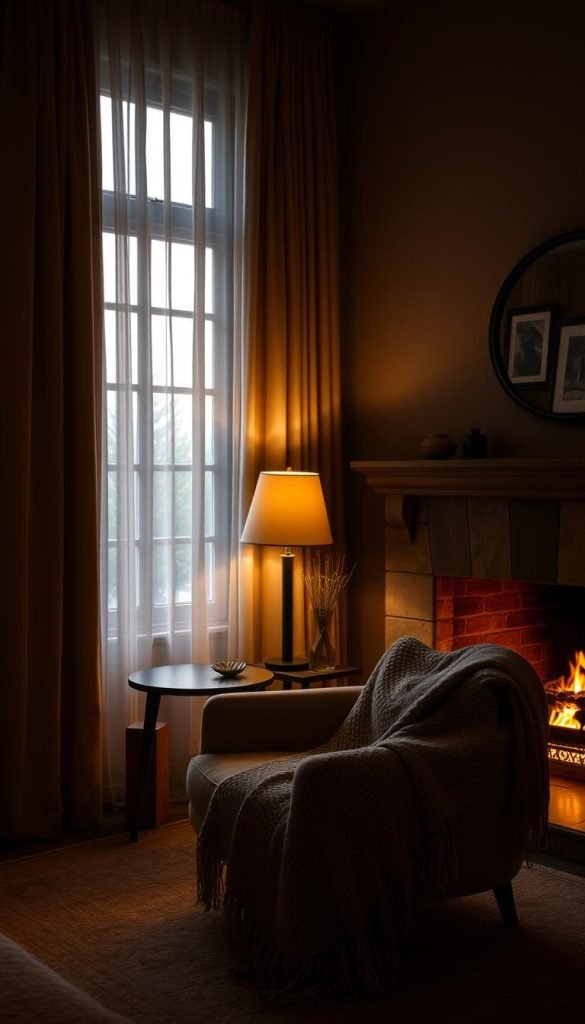
Make controls obvious. I label switches and keep the remote or plug-in device on the nightstand. Vents stay clear of furniture, and I add a door sweep if the hallway drafts away conditioned air.
- I store breathable blankets and a warm quilt in a visible basket so layering is easy.
- I choose temperature‑neutral bedding materials to suit hot and cold sleepers.
- I keep a carafe of water bedside to combat dry winter air and promote restful sleep.
- I perform a seasonal check—fan direction, device batteries, and blanket swaps—so the living level stays consistent year-round.
Build a bed your guests will rave about
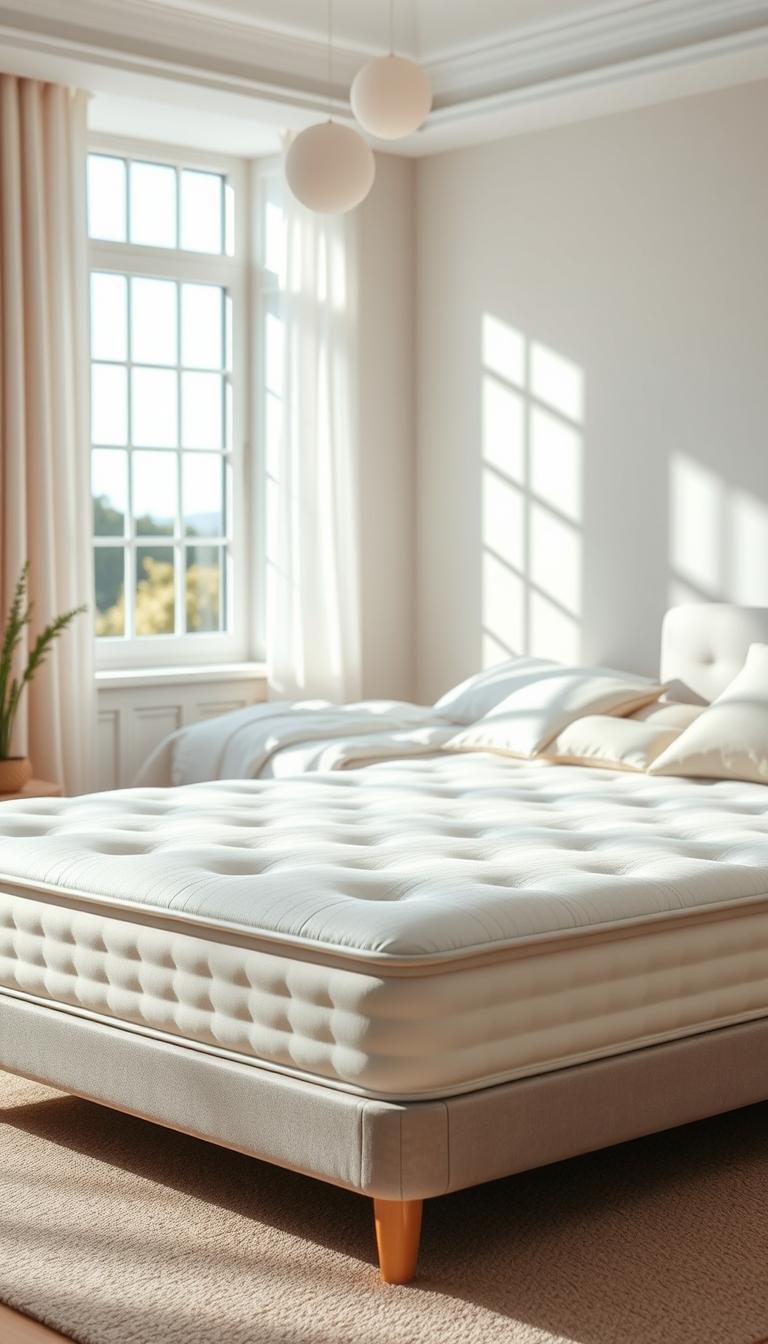
A well-made bed is the single detail guests remember first. I start by choosing a mattress that offers pressure relief for side sleepers while giving balanced support for hips and lumbar. This base sets the tone for the whole bedroom.

High-quality mattress choices and pressure relief considerations
I favor a mattress with zoned support or an adaptive foam layer so shoulders sink slightly and hips stay aligned. I add a breathable mattress protector and a thin pad to keep the surface fresh without trapping heat.
Sheets, duvets, pillows, and layering for different sleep preferences
I choose crisp sheets—Egyptian cotton, linen, or eucalyptus—and a temperature-regulating duvet. For quick customization, I keep layers: a lightweight blanket, a medium duvet, and a throw.
- Support: a mattress that cushions shoulders and supports hips and lumbar.
- Pillows: multiple firmness levels and heights stored neatly for guest choice.
- Style: white or soft neutrals with subtle trim for a hotel-clean look.
- Extras: bench at the foot for luggage, extra sheet set in the room, and an optional linen spray.
Storage, seating, and a place to work
Thoughtful storage and a small, well-lit work nook make this room feel more welcoming and useful. I focus on visible solutions so visitors unpack fast and enjoy the stay.
Closet space, drawers, hangers, and luggage rack
I clear the closet and add quality hangers so clothes hang wrinkle-free. A few labeled drawers invite guests to settle in without searching for space.
A foldable luggage rack and a spare spot on the floor keep suitcases off surfaces. I mount a full-length mirror out of the main traffic path so it’s easy to use but never in the way.
A cozy chair, small desk, and adjustable side table
I place a compact desk with task lighting, a power strip, and a Wi‑Fi password card for quick work sessions. The desk provides a tidy place for a laptop or morning notes.
Next to that I add a comfortable chair and a small adjustable side table that flex for reading, laptop work, or breakfast in‑room.
- I’ll keep a small tray on the desk for keys and glasses so essentials don’t go missing.
- I’ll corral extra cords and adapters in a labeled pouch guests can borrow.
- I’ll ensure the closet light works and add motion lighting if the space is dark.
- I’ll place a hamper or laundry bag so guests have a tidy place for worn items.
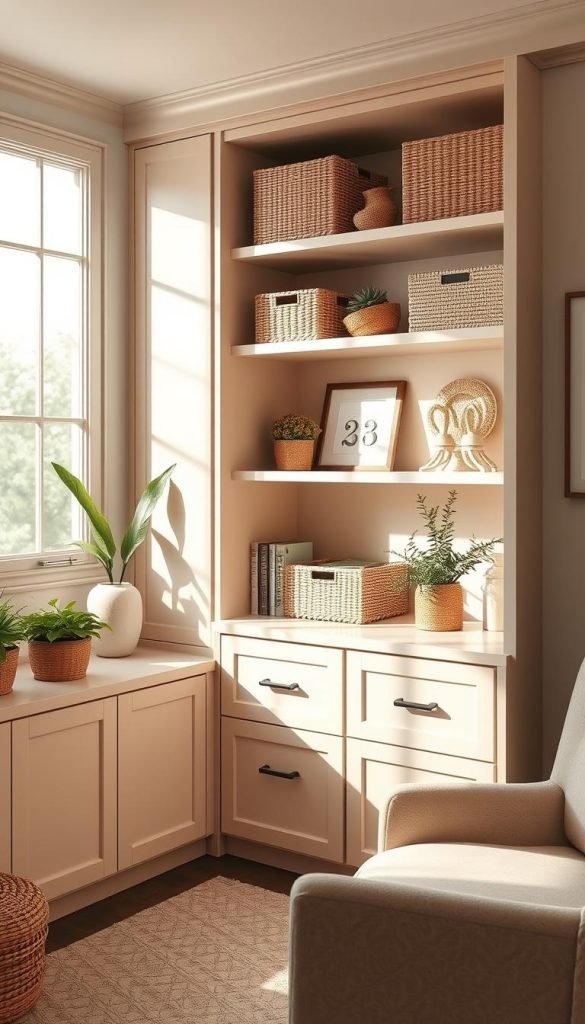
Amenities that elevate the experience
Small, thoughtful amenities make guests feel cared for from the moment they enter. I set up a compact beverage center and clear tech touches so visitors have independence and ease during their stay.
In‑room beverage center: I place a mini‑fridge, a single‑serve espresso or drip coffee maker, and an electric kettle on a small console. This lets guests manage their own drinks and saves them time if they arrive late.
Guest‑friendly tech: I print a Wi‑Fi password card and leave it on the desk and nightstand. Outlets with USB/AC sit by the bed and work area, and I tuck a shared power bank in a drawer for on‑the‑go charging.
Air quality and freshness: I add a compact air purifier sized to the area and keep scent subtle — a mild linen spray or a tiny candle is enough. Fresh flowers and light ventilation help the space feel alive without overwhelming sensitivities.
“Little conveniences matter most — they make a guest room feel like a considerate extension of the home.”
- I set a small welcome tray with bottled water, snacks, and napkins.
- I include tea and decaf options and note where more supplies live in the kitchen.
- I keep a labeled box with essentials: toothbrush, earplugs, and an eye mask.
- I leave a short note with house rules, quiet hours, and privacy tips so guests feel secure.

| Amenity | Benefit | Placement |
|---|---|---|
| Mini‑fridge | Keeps drinks and snacks chilled | Console near seating area |
| Coffee/espresso maker + kettle | Independence and fast warm drinks | Tray on the console or countertop |
| Wi‑Fi card & USB outlets | Reduces tech friction | Desk and both nightstands |
| Air purifier & mild scent | Improves comfort and freshness | Corner near circulation path |
How Can I Transform a Spare Room into a Luxurious Guest Suite? My step‑by‑step plan
I map the room’s priorities first so every choice supports daily life and guest comfort. This keeps the layout practical and the final design calm.
Step one: choose functions and map zones
I define one main use and one secondary role, then sketch sleep, lounge, work, and prep zones. Clear sight lines guide furniture placement and traffic flow.
Step two: pick space‑saving bed and storage
Choose a Murphy, daybed, or high-quality sleeper and plan linen storage nearby. That way changeover takes little time and storage stays neat.
Step three: design the bed wall, palette, and windows
I treat the bed wall as the focal place, set a cohesive color scheme, and add blackout drapery. These choices boost style and privacy.
Step four: layer lighting, sound control, and temperature
I combine ambient, task, and reading lights, install blackout liners, and add a reversible fan or quiet heater. Guests get control without fuss.
Step five: finish with bedding, seating, amenities, and bathroom kit
I complete the plan with luxe linens, a cozy chair, a compact beverage setup, and a stocked bathroom caddy. A Wi‑Fi card and luggage stand make arrival easy.
“Plan clearly, then finish with small luxuries — that’s the fastest way to a welcoming spare place.”
| Step | Action | Time | Result |
|---|---|---|---|
| 1 | Map zones and sight lines | Day 1—planning | Clear layout and fewer purchases |
| 2 | Select bed and storage | Day 1—buy | Fast changeover and tidy storage |
| 3 | Design bed wall & window treatments | Day 2—install | Strong focal point and privacy |
| 4 | Layer lighting & control climate | Day 2—setup | Comfortable nights and usable day |
- I keep a short turn‑down checklist: fresh water, Wi‑Fi card, extra towels.
- I document choices and photograph the finished place for quick reorders and resets.
- I review guest feedback and tweak lighting, pillows, or amenities over time.
Conclusion
An intentional routine and select furniture choices keep the room useful for family life and inviting for visitors. I focused on hotel cues—bed wall detail, layered lighting, blackout treatments, and sound control—to raise the bedroom’s feel without a full remodel.
Flexible sleep options and hidden storage let daily life continue while keeping the space guest-ready. A mini beverage setup, clear Wi‑Fi info, luggage rack, and an air purifier add practical comfort on arrival.
With tidy closets, varied pillows, simple art, and a reliable desk, the area serves many needs. This design keeps my home calm, private, and ready for plenty of future stays.