What Are the Top Allergy-Friendly Fabrics for Upholstery in 2026?
I’ll tell you exactly which fabrics and furniture builds give me the best balance of comfort, durability, and low-maintenance cleaning for a modern home. I focus on engineered performance, tight weaves, PFAS-free finishes, and certifications like OEKO-TEX Standard 100 so my sofa and chair choices don’t trap allergens or unseen chemicals.
Hypoallergenic is a marketing term without regulation, so I rely on verifiable standards and brands such as FibreGuard that offer PFAS-free, OEKO-TEX certified performance textiles and anti-microbial options.
I prefer tight-weave textiles, smooth leather or high-quality PU, and removable covers. Weekly HEPA vacuuming, spot cleaning with water and a microfiber cloth, and avoiding bleach keep dust and pollen lower. Air purifiers add protection by removing airborne particles.
Key Takeaways
- Look beyond labels; trust certified, PFAS-free performance textiles.
- Tight weaves and smooth surfaces trap fewer allergens on sofas and couches.
- FibreGuard-style materials offer easy cleaning and durable stain resistance.
- Regular HEPA vacuuming plus water and microfiber spot cleaning reduces buildup.
- 2025 PFAS rules have pushed more brands to publish safety data and cleaner collections.
How I Approach an Allergy-Safe Sofa in 2026
I pick a sofa by balancing real comfort with practical cleaning habits that cut allergens fast. Comfort, easy cleaning, and fewer reactions guide every choice I make.
My buyer’s intent: comfort, easy cleaning, and fewer reactions
I start by listing goals: plush enough for daily lounging, yet made of materials that clean up quickly and resist dust. I favor tight-weave fabrics and microfiber because they trap fewer particles and respond well to quick, water-based spot cleaning.
I also check design: zippered covers, simple seams, and raised legs make routine maintenance faster and reduce long-term allergen buildup. I look for clear care instructions so weekly HEPA vacuuming and swift wipe-downs fit my life.
Understanding “hypoallergenic” as a marketing term, not a guarantee
“Hypoallergenic” often lacks regulation; chemical additives can cause textile reactions more than fibers alone.
Because of that, I rely on third-party marks and PFAS-free, OEKO-TEX-certified options from makers like FibreGuard. Choosing verified materials and finishes tells me more about safety than a label alone.
- I treat upholstery systems holistically—fabric, foam, glues, and frame all matter.
- I accept no single cure; a mix of microfiber, PFAS-free performance, or smooth leather works best.
Allergens to Plan For: Dust Mites, Pet Dander, and Pollen Inside the Home
Couches act like nets: they catch pollen from jackets, dander from pets, and microscopic mites in warm layers.
Why couches become allergen hotspots
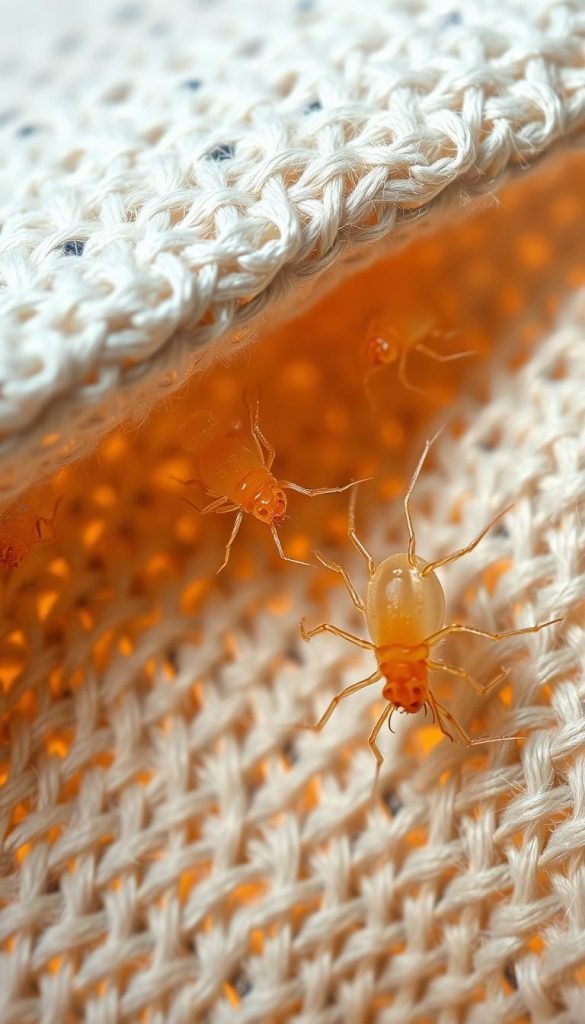
Broad fabric surfaces and deep cushions trap airborne particles where normal air flow can’t reach. Dust settles into seams and under cushions, and dust mites feed on tiny skin flakes. Pet dander builds in creases and beneath cushions, so contact areas wear the highest load of allergens.
Moisture and mold risk: spills, humidity, and fabric choice
Moisture from spills or seasonal humidity invites mold growth if cushions stay damp. I favor materials that dry fast and designs with removable cushions so I can air them quickly.
- I plan for pollen that rides in on clothing and pets, dust and dust mites in warm layers, and pet dander caught in seams.
- I choose tighter-weave fabrics and avoid deep tufting to reduce how much dust and mites settle in.
- I clean under and behind furniture often and use raised legs so air reaches low-traffic spots.
- When I want a natural look, I weigh cotton and looser fibers against synthetic options with tighter weaves to limit allergen buildup.
Simple material and design choices make routine cleaning far more effective at cutting allergens and keeping my home comfortable.
What Are the Top Allergy-Friendly Fabrics for Upholstery in 2026?
A few smart fabric choices cut dust and dander without forcing me to sacrifice comfort. I pick materials that clean easily, resist deep trapping, and carry clear safety marks.
Microfiber and microsuede
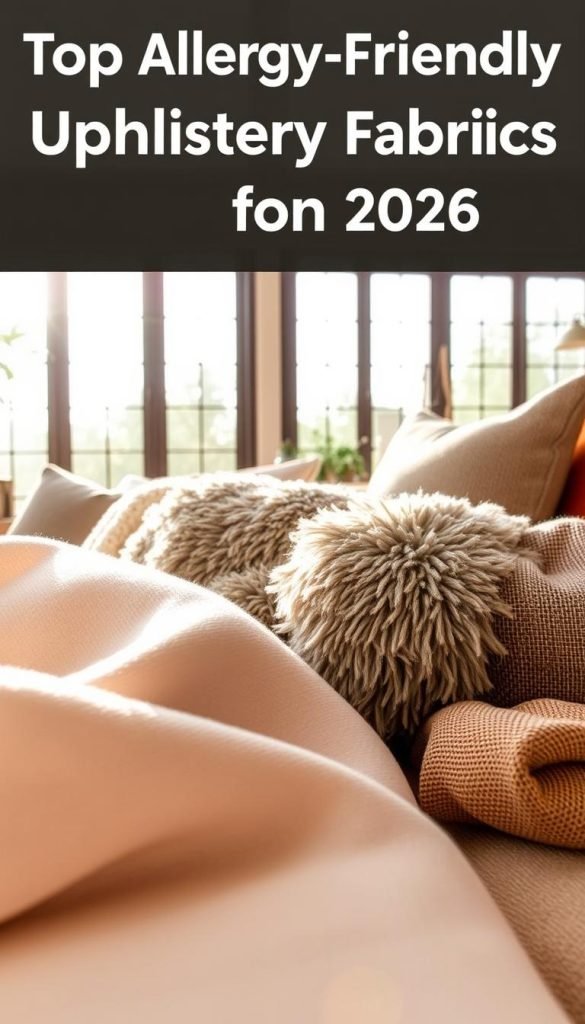
Microfiber’s tight weave resists deep penetration by dust and dander. It spot cleans with water and a soft cloth and stays soft after frequent use.
Performance textiles and certified options
I shortlist PFAS-free, OEKO-TEX Standard 100-certified performance fabrics. Those options are engineered for frequent cleaning and often require only water and a microfiber cloth.
Leather and high-quality PU
Genuine leather and OEKO-TEX 100 PU are smooth and non-porous. Allergens wipe off in seconds, which keeps daily maintenance fast and effective.
Synthetic velvet and linen-look alternatives
For a luxe finish, synthetic velvet or linen-look textiles with tighter constructions trap less dust than loose natural weaves. They offer the feel I want plus improved cleanability.
“I weigh feel, durability, and cleanability when I compare options so comfort doesn’t come at the cost of more allergens.”
- I reach for microfiber for soft, low-maintenance sofas.
- I avoid PVC faux leather and prefer OEKO-TEX 100-certified PU.
- I choose fabrics that fit my cleaning routine, from quick wipes to deeper care.
Fabric vs. Finish: Why Treatments, Chemicals, and Weaves Matter More Than Labels
How a fabric is treated and woven makes a bigger difference to allergy control than a marketing name.
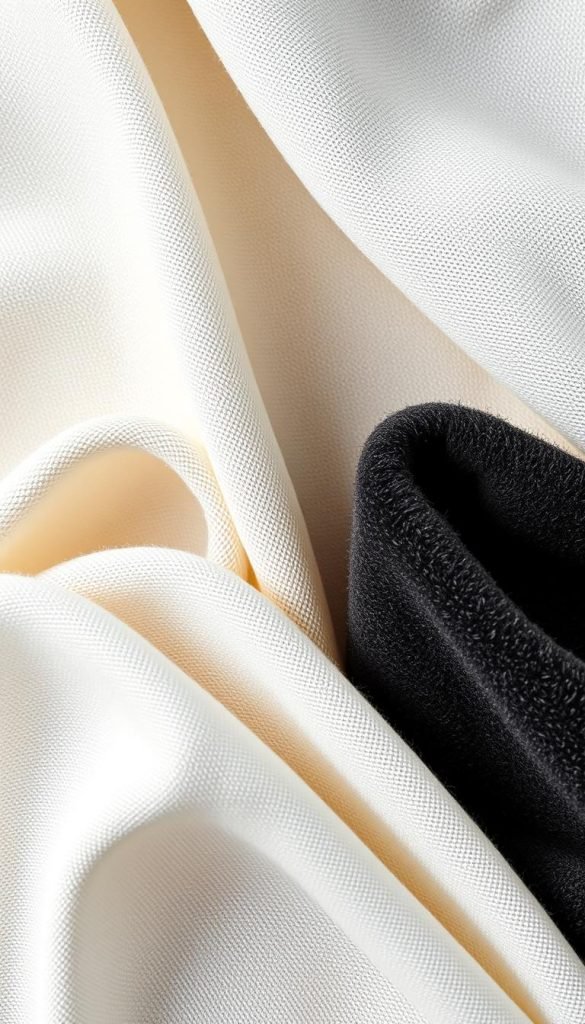
Stain-resistant and allergen-resistant serve different goals. A stain finish repels liquids so spills clean easily. Allergen-focused choices aim to limit dust, pollen, and pet dander that trigger symptoms.
Stain-resistant versus allergen-resistant
I separate stain performance from allergen control. Stain finishes help with soils and liquids but do not stop dust mites or dander from lodging in seams.
So I pick tight-weave fabrics and consider construction first, then finishes. That pairing reduces how many allergens settle into cushions and under seams.
Anti-microbial finishes: when they help and when they don’t
Anti-microbial treatments can cut mildew and bacteria in humid rooms, but they are not inherently anti-allergen.
Chemicals and other substances added to textiles sometimes cause skin reactions more than fibers do. I prioritize PFAS-free, OEKO-TEX-screened options to avoid unnecessary irritants.
- I value tight weave, proven cleanability, and safe treatments over vague claims.
- If a finish makes upkeep easier without adding irritants, it becomes a better long-term option for my couch.
“Treat the material system—fabric, foam, and seams—so allergens stay where you can remove them.”
Smart Sofa Design Choices That Help Prevent Allergen Build-Up
I choose a sofa built with thoughtful details so deep cleaning becomes simple and regular. Small design moves can cut how much dust and mites settle into cushions and seams.
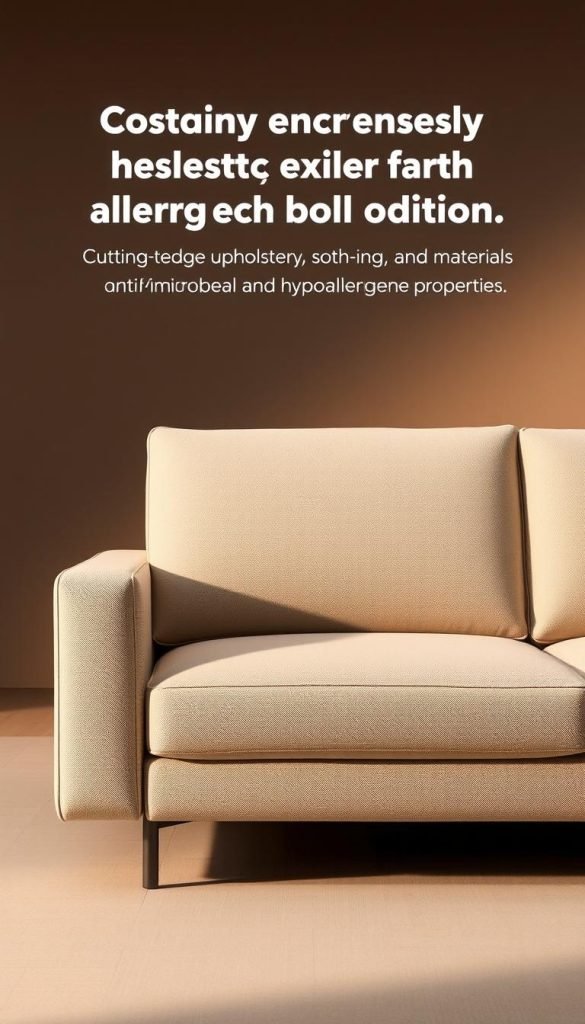
Removable, washable covers
I pick pieces with zippered, machine-washable covers on both cushions and frame panels. That lets me strip and launder parts on a schedule without dismantling the whole couch.
Raised clearance and minimal seams
Raised legs (around 5–6 inches) make vacuuming underneath quick and improve airflow. I avoid tufting and choose clean-lined upholstery so there are fewer crevices for allergens to hide.
Modular and convertible options
Modular builds let me detach sections for a thorough clean and rotate parts to spread wear. Convertible daybed or futon styles accept barrier encasements, which helps control allergens on larger surfaces.
- Design tip: match cushion construction to your routine—removable inserts and labeled covers make laundry easy.
- Pair smart shapes with the right fabrics and materials so the furniture system supports regular maintenance.
“A practical furniture layout keeps allergens where you can remove them, not where they accumulate.”
My Cleaning Routine That Actually Keeps Allergens Down
I treat cleaning as prevention—brief weekly work saves hours and reduces allergy triggers. A small, steady routine keeps dust and pet dander from embedding in fabrics and foam.
Weekly: HEPA vacuuming and quick wipe-downs
I run a HEPA vacuum across the couch, cushions, and seams. HEPA picks up fine dust others miss.
Then I wipe smooth surfaces so allergens don’t rest there long.
Seasonal: spot-cleaning, washing covers, and allergen sprays
Every 1–3 months I wash removable covers with a fragrance-free detergent and dry per the care tag.
I spot-test any tannic acid or allergen spray on a hidden seam before treating visible fabric to avoid a stain.
Annual: professional hot-water extraction or leather conditioning
Once a year I book hot-water extraction for fabric sofas to pull deep-down particles and mites. For leather, I get a professional clean and condition to prevent drying and growth of cracks.
I aim for dry-weather days so drying time is fast and mold risk stays low.
| Schedule | Main Task | Focus |
|---|---|---|
| Weekly | HEPA vacuum + wipe | Remove dust, loose pet dander |
| Seasonal | Wash covers + spot-test sprays | Reset fabric touchpoints |
| Annual | Hot-water extraction / leather conditioning | Deep clean, prevent material breakdown |
“A few minutes each week keeps my furniture comfortable and makes deep cleaning quicker when time comes.”
Safety First: PFAS-Free, Low-VOC, and Trusted Certifications
I focus on what sits under the fabric—foams, glues, and finishes—before I pick a color or texture. Safer construction reduces hidden chemicals and keeps daily maintenance low.

PFAS-free performance: the 2025 shift and what it means for shopping
Minnesota’s 2025 rules pushed many U.S. brands toward PFAS-free upholstery. I now look for explicit PFAS claims so my furniture avoids forever chemicals and unwanted substances.
Certifications I look for
- OEKO-TEX Standard 100 for fabrics and cotton components.
- GOTS for organic cotton and textile processes; GOLS for organic latex.
- CertiPUR to screen polyurethane foam for emissions and performance.
Foams and frames: low-VOC glues, formaldehyde-free plywood, and solid wood
I favor solid wood or formaldehyde-free plywood and low- or zero-VOC glues to limit indoor emissions. For leather alternatives, OEKO-TEX 100 PU offers a PFAS-free option I trust; I avoid PVC.
“Certifications don’t erase allergens, but they help me avoid questionable chemicals and choose higher-quality builds.”
Where I’d Start Shopping: Materials, Brands, and Real-World Tradeoffs
I begin shopping with a clear checklist: easy upkeep, verified safety, and realistic cleaning habits. That helps me sort through options quickly when comparing sofa and furniture lines.

Leather or microfiber: easiest upkeep for daily life
I favor leather and microfiber as my go-to options. Smooth surfaces wipe clean and tight weaves stop dust mites from nesting deep.
PFAS-free performance collections for families
When children or pets are in the house, I look for PFAS-free, OEKO-TEX performance collections at retailers like Pottery Barn, West Elm, Burrow, and Sabai.
These products often balance durability with simpler spot cleaning and fewer chemical treatments.
Notable cues and latex alternatives
I check product pages for PFAS-free claims, OEKO-TEX labels, low-VOC adhesives, and modular builds. Those signals show real quality differences across textiles and frames.
For a more natural option, I consider latex cushions from Medley, Pure, Cisco Home, or IKEA’s STOCKHOLM, noting tradeoffs in cleaning and comfort.
“The best option is the one you can clean consistently and that uses verified materials.”
- I pick OEKO-TEX 100 PU faux leather over PVC to reduce chemical treatments.
- I avoid memory foam if off-gassing concerns matter to people in my home.
- I prioritize removable covers, raised legs, and simple upholstery patterns to limit dust and mites over time.
Conclusion
I end by choosing practical materials that make daily care simple and reduce triggers at home.
My shortlist: tight-weave microfiber, PFAS-free OEKO-TEX performance options, and smooth leather or OEKO-TEX 100 PU. These fabrics clean fast and resist allergen growth.
I rely on steady routines: weekly HEPA vacuuming, washable covers on a schedule, and an annual deep clean. Over time, those habits beat any single material choice.
I balance comfort with safety by favoring verified materials and avoiding unnecessary chemicals. Simple design—raised legs, minimal seams, removable covers—cuts dust, dander, and pollen without extra time or fuss.
Allergies vary by person, but with the right fabrics, finishes, and cleaning habits I make my sofa, couch, and living room a more comfortable place for people and skin alike.