How Can I Design a Meditation Corner in a Busy Household?
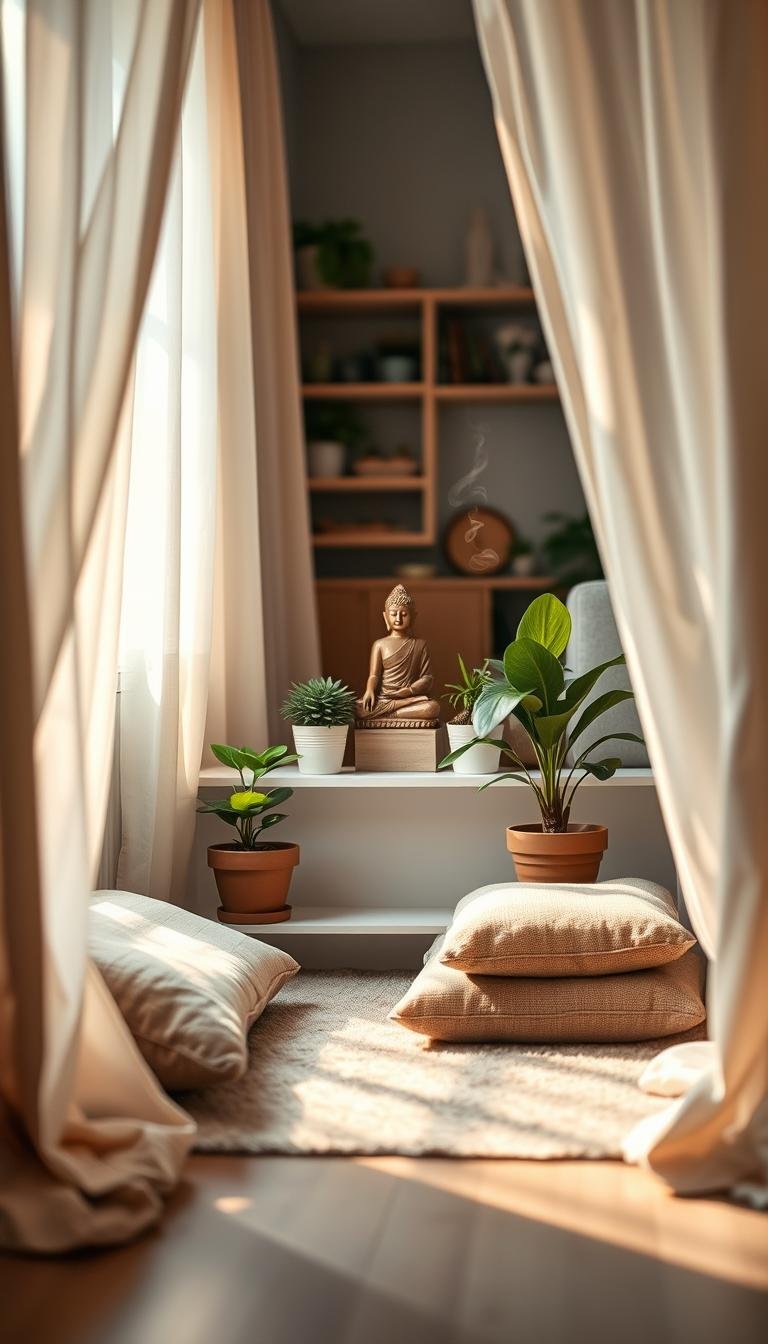
I want a simple, reliable way to meditate each day at home. I’m setting up a small, defined space that helps me shift from chaos to calm. A clear spot trains my brain to settle faster and becomes a mental cue: it’s time to breathe.
You don’t need a whole room or a big budget. I use soft light, one comfy seat, and a single meaningful object. This tiny setup cuts stress and boosts mindfulness during short breaks.
I accept real-life interruptions—kids, pets, roommates—and turn them into practice moments. My approach is practical: I test light and noise, pick essentials, and keep clutter away so I actually use the space every day.
My aim: build a small habit that fits life, not a perfect photo. Small wins—gentle lighting, comfy seating, and one object—lift the experience fast.
Key Takeaways
- A clearly defined spot acts as a mental anchor for daily practice.
- Small, intentional choices beat a big budget or spare room.
- Soft lighting and one comfy seat create quick, calming wins.
- Use interruptions as practice, not a setback.
- Consistency matters more than perfection for lasting wellbeing.
Why I Created a Dedicated Meditation Space at Home
A small, reliable space at home became my trigger for calm. Sitting in the same spot each session trained my mind to settle faster. Over time the area itself turned into a cue for breath and presence.
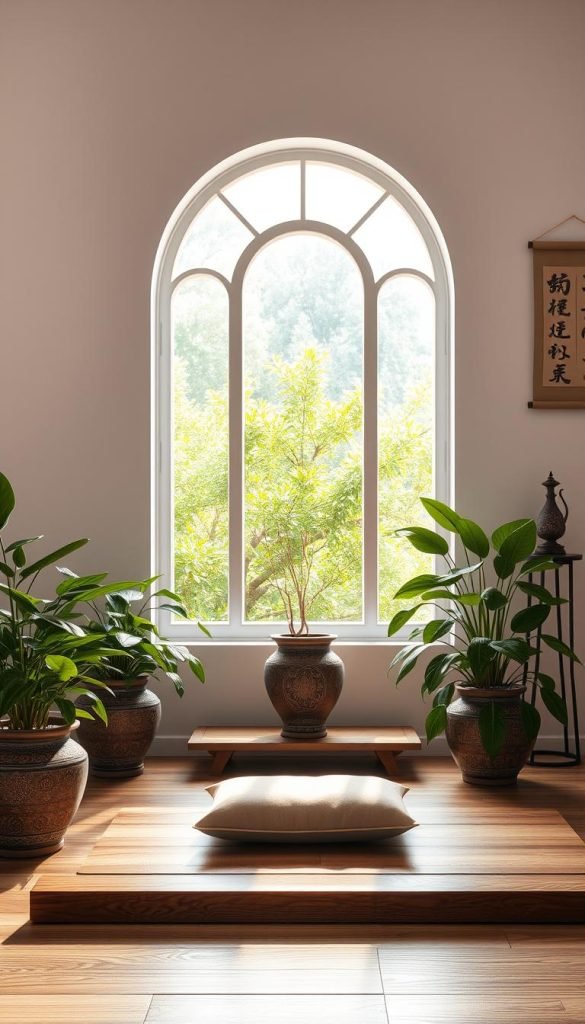
Mental anchor: training my brain to associate one spot with calm
Consistency matters more than perfection. When I use a set spot, I make fewer decisions about where to sit. That small friction drop means I show up more often for short practice sessions.
Consistency and fewer distractions in daily life
A defined meditation space reduces visual clutter and interruptions. No TV, no stacked papers—just a simple surface and a cushion. This helps my attention rest on breath or body instead of wandering to tasks.
- The area acts like a home office for the mind: it signals focus.
- It gives an emotional lift—a quiet refuge when life feels heavy.
- The mental anchor strengthens with each visit, and the routine becomes portable.
| Benefit | What I Notice | Tip |
|---|---|---|
| Faster Focus | Mind settles in minutes | Use same cushion each time |
| Fewer Decisions | Less resistance to practice | Keep setup simple and ready |
| Emotional Refuge | Feeling of calm and peace | Make the spot small and personal |
Finding the Right Corner: Quiet, Light, and Just Enough Space
Picking the right corner makes daily practice feel simple and reliable. I scout my home for a quiet area away from busy pathways, the kitchen, and humming appliances so incidental noise won’t pull my focus.
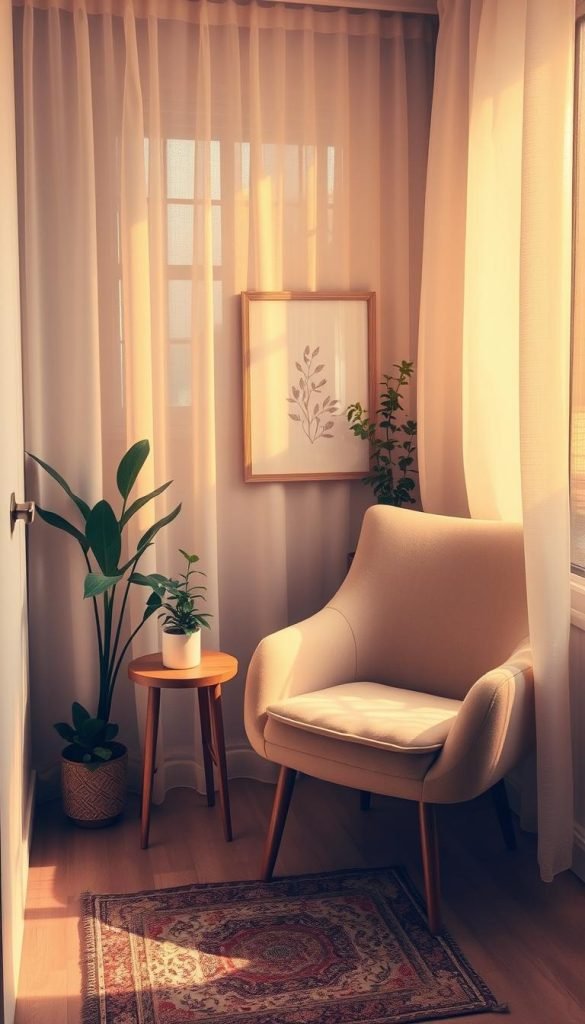
Quiet matters
I test the spot by sitting there for 10–15 minutes at my usual time. That short trial shows real noise, foot traffic, and whether the space stays calm when others move through the room.
Natural light tips
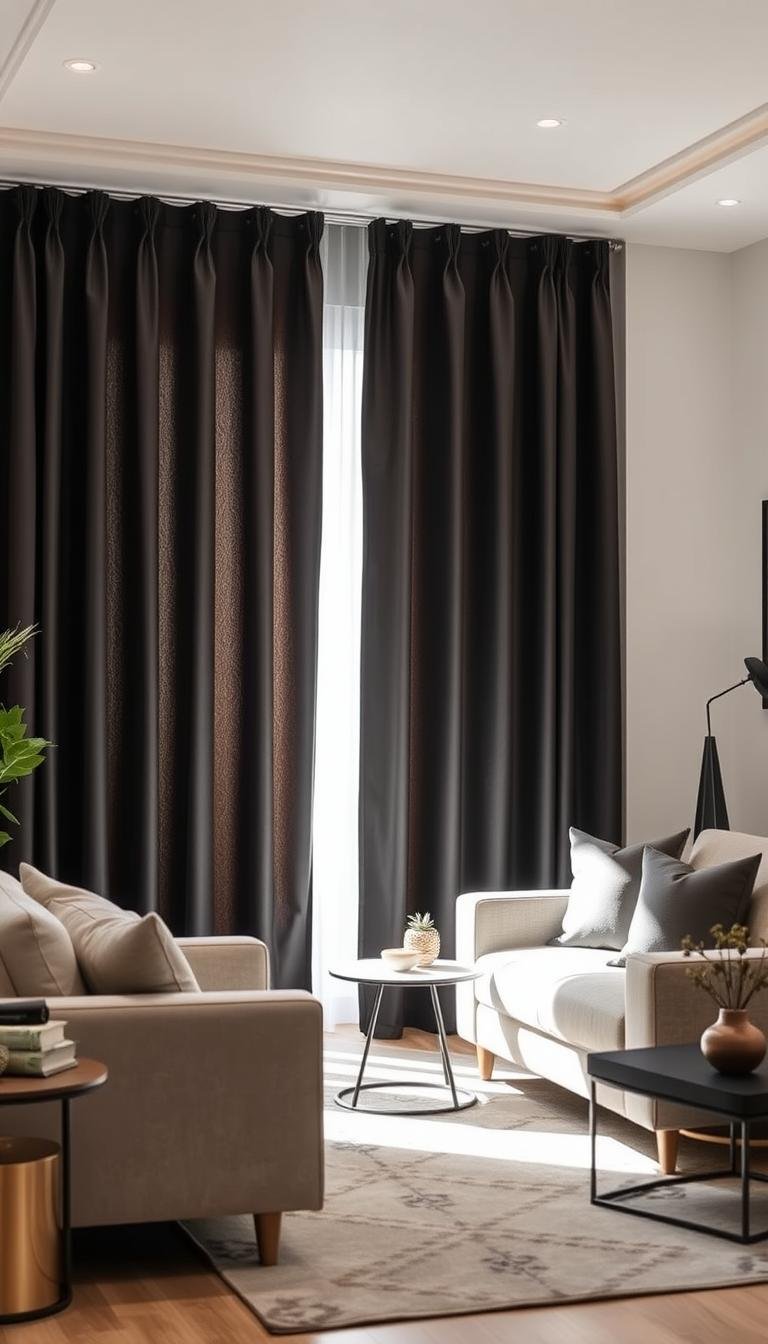
I favor east-facing windows for morning sessions and north-facing spots for steady, gentle light. Sheer curtains soften glare and keep the area bright without harsh beams.
Minimum footprint and shared spaces
About a 4×4 feet nook is enough for seating and a small surface. If space is tight, I use a folding screen, open a closet nook, or keep a mobile kit with cushion and candle to deploy anywhere.
- Tip: pick a spot with airflow and a clear entry so the corner feels open, not boxed in.
- Tip: notice where your shoulders drop and breathing deepens—that’s your best sign the corner works.
Set the Sensory Foundation: Texture, Scent, and Lighting
The right textures, scents, and glow transform a tiny nook into a reliable refuge. Touch, aroma, and warm illumination work together as simple cues that tell my nervous system it’s time to slow down.
Texture and touch
I layer a soft rug or mat with a throw and a supportive cushion so my body feels grounded the moment I sit. A small zafu or folded blanket gives my hips lift and helps posture without fuss.
Scent choices
I pick one scent I love and keep it subtle. Lavender soothes, frankincense grounds, sandalwood aids focus, and cedarwood brings steadiness.
To stay practical, I use a diffuser on low or one stick of incense so the air stays clear and not overpowering.
Lighting layers
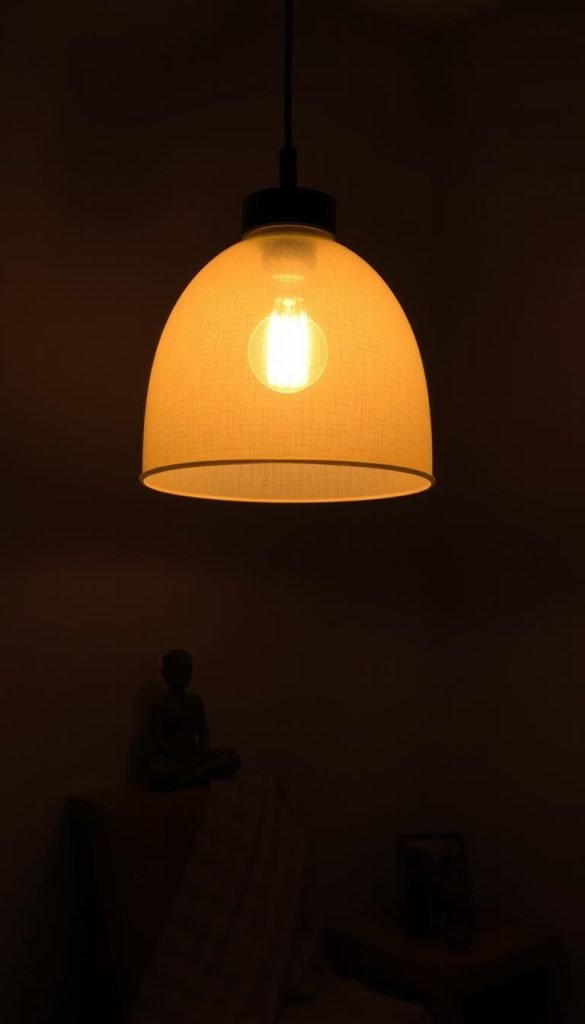
Warm bulbs around 2700–3000K relax my eyes and help me wind down. I add a dimmable table lamp, a salt lamp’s amber glow, and flameless candles for safe, soft flicker.
Sheer curtains filter harsh daylight so the corner keeps brightness without glare.
- I keep small items like oils and a lighter in a discreet tray so the area stays calm but usable.
- I experiment with one sensory element at a time to learn what truly supports my focus.
- I let these elements evolve seasonally—swapping a throw or shifting lamp warmth while keeping the core steady.
Comfort First: My Seating, Posture, and Floor Setup
A supportive seat helps me settle quickly and stay present. Comfortable seating is the foundation of any steady practice. I pick what fits my body today and change when my needs shift.

What I use: a zafu for upright alignment, a meditation bench when my knees need relief, or a yoga mat if I switch positions. I add a folded blanket to tilt my pelvis slightly forward so my spine stacks naturally.
- I place a cushioned pad under the seat to ease pressure on ankles and sit bones and to keep the floor clean of extra clutter.
- I test cushion heights so hips sit just above knees; that helps posture without tension.
- I keep a second blanket nearby for lower-back support or warmth during longer sessions.
- My seat faces a clear focal point, not a cluttered table or screen, which steadies attention.
- I rotate between cross-legged, kneeling, and chair-supported positions and replace worn cushions over time.
- Only the items I truly use stay within reach so the floor feels spacious and my mind can settle.
Sound and Silence: Managing Noise and Enhancing My Practice
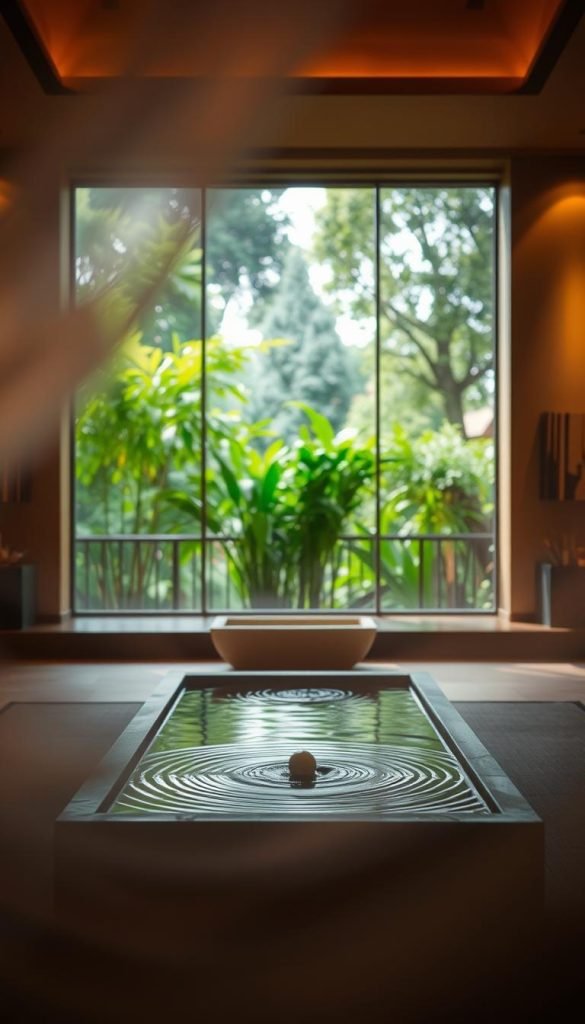
Sound shapes how quickly I settle; managing it made practice easier. I focus on simple fixes that soften echoes and support calm. Textiles, wall hangings, and targeted panels change a noisy corner into a calmer room.
Absorb and soften
I layer rugs, extra cushions, and throws to tame reverberation. Hanging fabric or art on the wall reduces hard reflections and makes the space feel warmer.
In very echoey rooms I add basic acoustic panels. They are subtle and work in lofts or near hard floors.
Guided options
For guided practice I play playlists or sound baths at low volume. A small speaker set away from my seat spreads sound so it supports relaxation instead of pulling attention.
Optional gong
If I include a gong, I place it on a stand with clear space around it and not pressed to furniture or walls. Some traditions favor the east for symbolic new beginnings, so I experiment with placement for best resonance.
- Tip: store mallets safely and keep access clear for mindful playing.
- Tip: treat sound as a gentle layer—name intrusive noise and return to breath.
Personalizing the Meditation Space Without Clutter
A tiny altar or shelf can turn a corner into a steady visual cue for calm. I keep my setup small so it draws my attention instead of scattering it. A simple surface helps me settle faster.
Altar basics: I use a small table or narrow shelf with one focal symbol and two or fewer candles. Natural elements like stones or a small plant add texture and grounding. Flameless candles work when safety or pets is a concern.
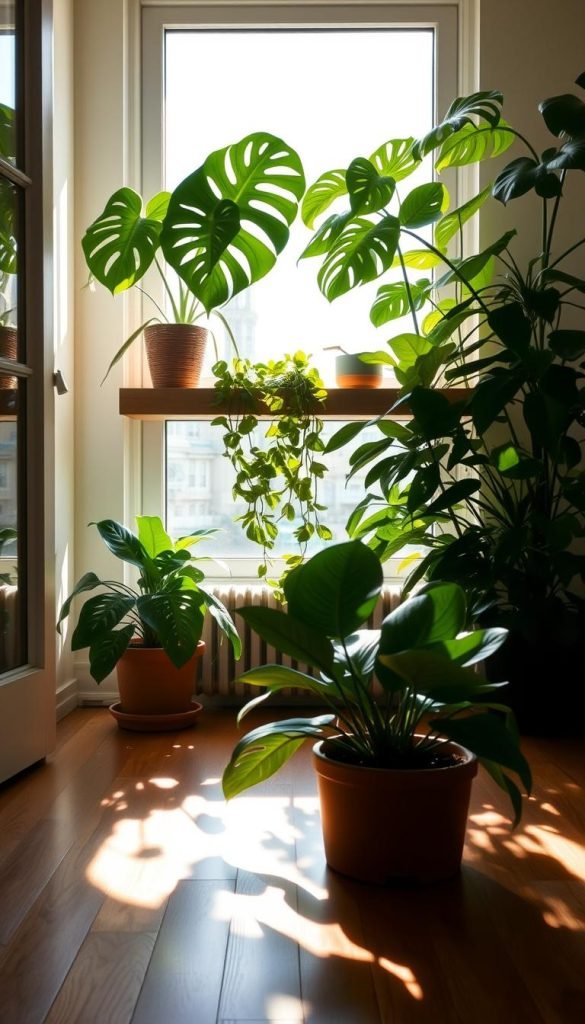
Nature inside
I bring in plants, shells, wood, or a single branch to connect the corner to the outdoors. These elements change the energy and make the space feel alive.
Minimalism rules
Intentionality matters more than having many items. I let each object earn its spot. If something doesn’t support stillness, it leaves.
- I keep personalization simple: one small table or shelf with a focal symbol so my gaze rests.
- I add two candles at most and place them safely to avoid clutter or distraction.
- I bring nature in with plants, stones, or shells for calming texture.
- I follow a one-in-one-out rule to stop visual noise from accumulating.
- I store extra items out of sight so the surface stays clear and I arrive to peace.
Real-Life Constraints: Family, Pets, Time, and Budget
Finding tiny pockets of calm inside a full life became my most useful skill. I learned to plan around real people, animals, and short windows of time so my practice stays steady.

Shared-home tactics
I talk with my family and set quiet hours or wake earlier to claim undisturbed minutes. I use gentle boundaries: “I’m practicing for 10 minutes, then I’m all yours.”
Portable kits
I keep a foldable cushion, a small cloth, a tiny altar object, and incense in a basket. This kit lets me set up anywhere in under a minute.
Budget-friendly swaps
Repurposed lamps give warm light. A stack of books becomes a low table. Found stones or branches add nature without cost.
When distractions appear
Pets and noise become cues, not failures. I acknowledge the interruption, smile, and return to breath. Short micro-practices—five breaths or two-minute resets—cut stress and help rest later.
- Quick tip: leave the area prepped the night before to reduce friction in the morning.
- Tip: use headphones or silence depending on the day and household activity.
How Can I Design a Meditation Corner in a Busy Household?
Find a small spot that invites you to sit, breathe, and return to the present. I start by testing any prospective area for 10–15 minutes. This reveals real sound patterns and shifting light so I know the spot will work at my chosen time.
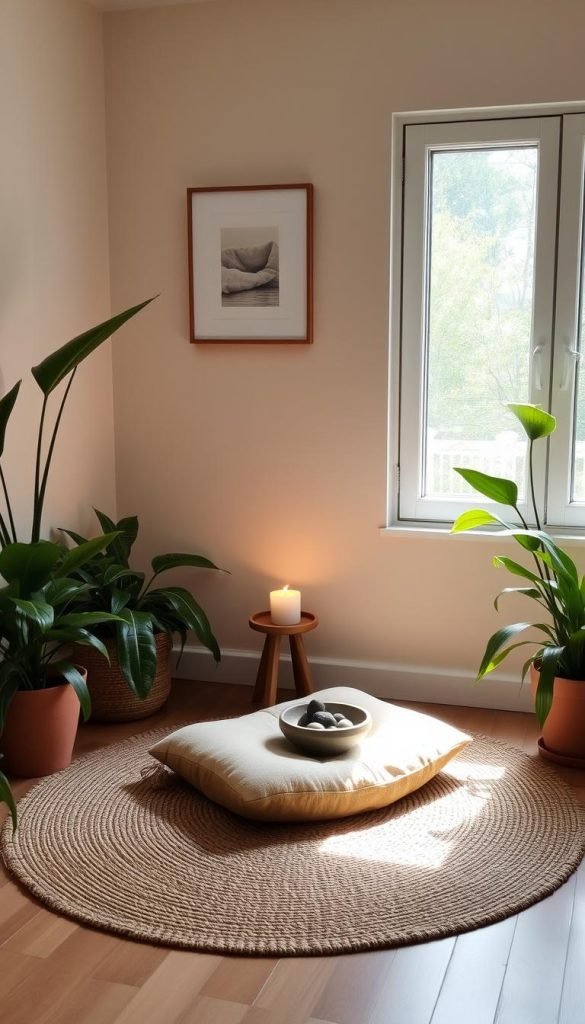
Pick the spot
I actually sit there and note noise, glare, and how my body settles. If the room stays reasonably quiet and my shoulders drop, the area passes my test.
Lay the base
Start simple: one comfortable seat, warm adjustable lighting, and a small surface or altar for a single meaningful object. This setup makes it easy to begin a set meditation without extra steps.
Add senses
I place a rug or mat under me for texture and add one scent I love. Gentle audio is optional; if I use it, volume stays low so sound fades into the background and supports my meditation practice.
Keep it light
Fewer objects mean faster reset and less visual noise. I keep a tiny tray for essentials and follow a 30-second checklist: light, seat, scent, sit. That routine keeps the space ready and my meditation practice steady.
| Step | What I do | Why it helps |
|---|---|---|
| Test area | Sit 10–15 minutes to check sound and light | Confirms the spot supports focus |
| Base setup | Comfortable seat, warm lamp, small surface | Reduces decision fatigue to start practice |
| Sensory layer | Rug, one scent, optional low audio | Creates gentle cues to settle faster |
| Daily reset | Tray for items + 30-sec checklist | Makes return to practice effortless |
Conclusion
, A modest corner with soft light and one cushion soon feels like my home sanctuary. This small setup makes a usable meditation room or meditation space out of any spare nook.
Consistency matters more than perfect styling. I return to the same spot so my mind links the room with calm and ease.
I refresh seasonally with plants, textures, and small shifts to lighting while keeping the core layout steady. Fewer items and clear surfaces invite rest without effort.
One breath, one sit, one day: that simple routine keeps mindfulness alive. With supportive cushions and a yoga-friendly floor, the space grows as my practice deepens and my need for peace expands.