What Are the Best Ways to Incorporate Feng Shui Principles into Modern Homes?
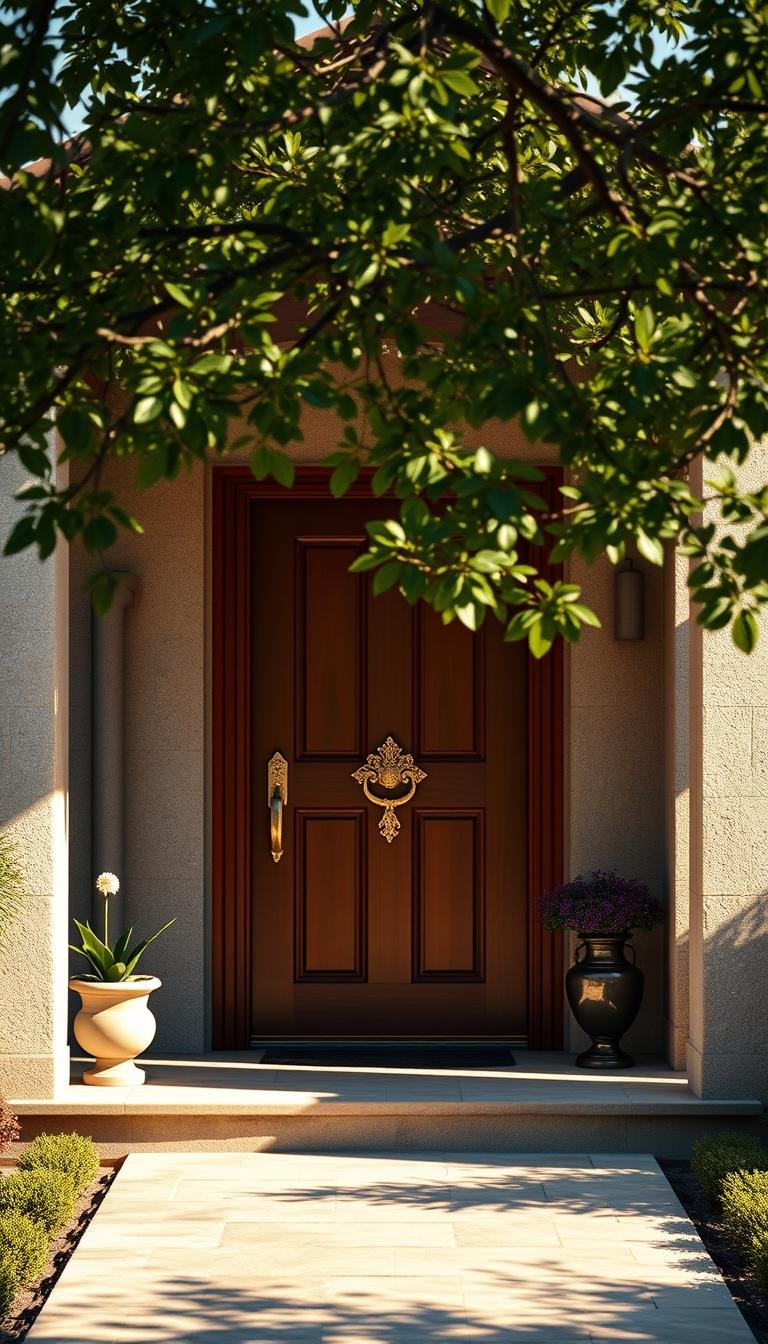
I used feng shui as a practical design lens to lift energy and comfort in my home. I began at the front door, keeping it clean, well-lit, and free of clutter so chi could gather instead of rush out.
I then moved room by room. I placed my bed, desk, and stove in a commanding position so I could see doors without lying or sitting in direct line with them. That simple shift helped daily routines feel calmer and more focused.
I relied on warm, layered light (2700–3000K), tuned furniture to each space, and balanced the five elements with color, shape, and material. I fixed leaks quickly, avoided storage under the bed, and used mirrors sparingly to add light without overstimulation.
Key Takeaways
- Open and brighten the front door to welcome chi.
- Place bed, desk, and stove in a commanding position.
- Use warm, layered lighting at 2700–3000K for comfort.
- Balance wood, fire, earth, metal, and water across areas.
- Keep windows clean, fix leaks, and avoid under-bed storage.
- Match furniture to room size to support smooth flow.
How I Approach Feng Shui in a Modern Home: My How-To Game Plan
My process starts with a clear intention for how a space should make me feel. I set a simple goal for each room so every choice supports that mood and daily function.
Start with intention: the feeling I want each room to support
I name the purpose of a room before moving furniture. That focus makes decisions faster and keeps energy aligned with the plan.
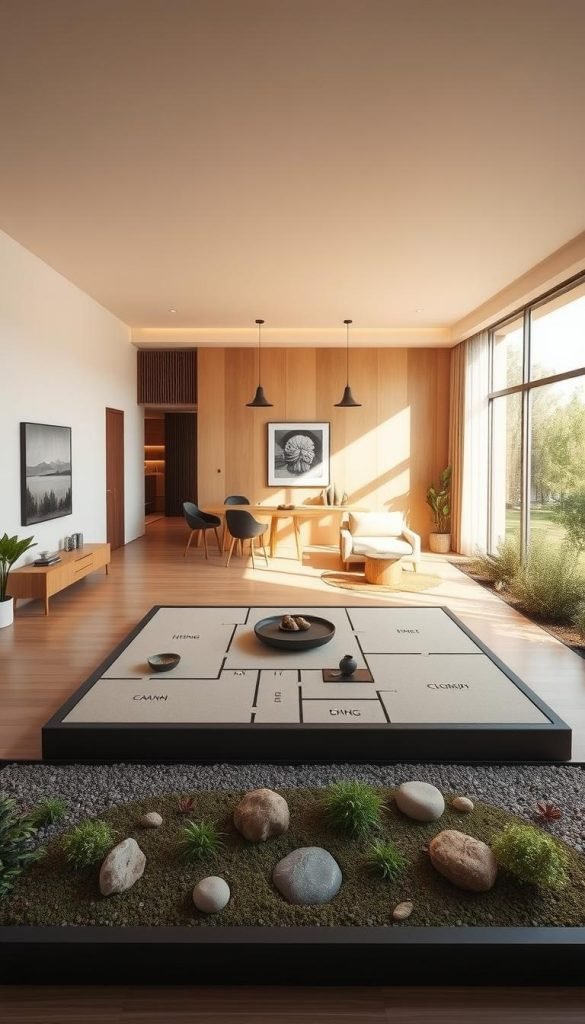
Work in layers: flow, light, furniture, then decor
I fix the messy, annoying things first—squeaky door hinges, cluttered drop zones—because repairing those items frees up energy to continue.
I improve flow by opening pathways and confirming each door can swing fully. I move my desk near windows for daylight and match bulb light temperature across rooms (2700–3000K).
| Layer | Action | Result |
|---|---|---|
| Flow | Clear paths; check door swing | Easy daily movement |
| Light | Layer lamps; match bulbs | Warm, consistent energy |
| Furniture | Right-size pieces; command position for bed/desk/stove | Comfort and control |
| Decor | Add art, texture last | Reinforces room intention |
For more practical bedroom placement tips, I also reference helpful guides like feng shui bedroom tips.
Open the Front Door to Good Chi: Clearing and Brightening the Entry
My front entry became the priority — it’s where fresh energy first meets my living space. I treat that threshold as the “mouth of qi” and start by removing obstacles so chi can arrive and settle.

Unblock the entry
I cleared shoes, coats, packages, and recycling into labeled spots so the door can swing freely. A closed bin for returns keeps objects tidy without extra hassle.
Clean and maintain
I swept the foyer, wiped the door, and refreshed the doormat so the area feels intentional. Monthly touch-ups make upkeep painless and keep that first impression supportive.
Light and a gentle pause
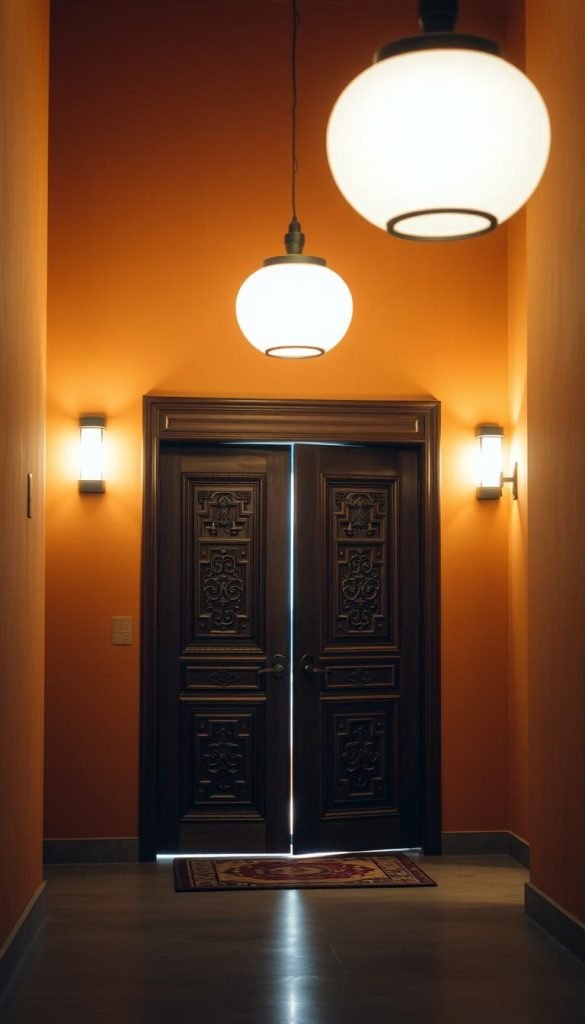
I added warm bulbs (2700–3000K) and a small sconce to make the place glow at night. Then I created a gentle pause — a slim console or bench with a bowl for keys — so energy gathers instead of rushing down a hall.
- Mind sightlines: I avoided aligning front and back doors directly; rugs or plants break the line if needed.
- Consider water: A small fountain outside can symbolize wealth, but I fixed leaks fast to avoid loss.
- Use mirrors carefully: Reflect light without bouncing energy straight back out.
Handle the “Ugly Stuff” First to Free Up Energy
The fastest shift came when I handled the things that nagged me most. I tackled visible repairs and cleared problem spots so the whole home felt lighter.
Fix or remove broken and squeaky items that nag at me
I made a quick list of the things that bugged me—broken, squeaky, or messy—and started there. I tightened loose handles, oiled hinges, and either repaired or removed broken objects that felt like obstacles.
Relocate eyesores or turn them into features with simple upgrades
I moved an eyesore out of a main sightline or disguised it with paint, a curtain, or a pretty container. That small shift turned irritation into charm and saved energy.
- Edit closets: I cleared overstuffed storage so clutter stopped creeping back into living spaces.
- Reset drop zones: I added a tray, hooks, or a lidded bin for daily items.
- Release kindly: I thanked sentimental pieces before letting them go to ease emotional clutter.
| Problem | Quick Fix | Result |
|---|---|---|
| Squeaky door | Lubricate hinge, tighten screws | Quiet, less irritation |
| Broken gadget | Repair or recycle | Clears visual weight |
| Overstuffed closet | Edit items; add storage bins | Smoother routines, less clutter |
| Visible eyesore | Paint, curtain, or relocate | Becomes feature or hides away |
Once I cleared the ugliest things, my momentum returned. That clean slate made other feng shui updates more effective and kept the process positive.
Command Position 101: Bed, Desk, and Stove Placement
Placing key pieces correctly made daily routines smoother and my home feel steadier. The guiding idea is simple: sit or sleep where you can see the entrance without lining up directly with it.

See the door without aligning directly with it
I set my bed, desk, and stove so I could see the door from each spot. That single adjustment changed how safe and supported a room felt.
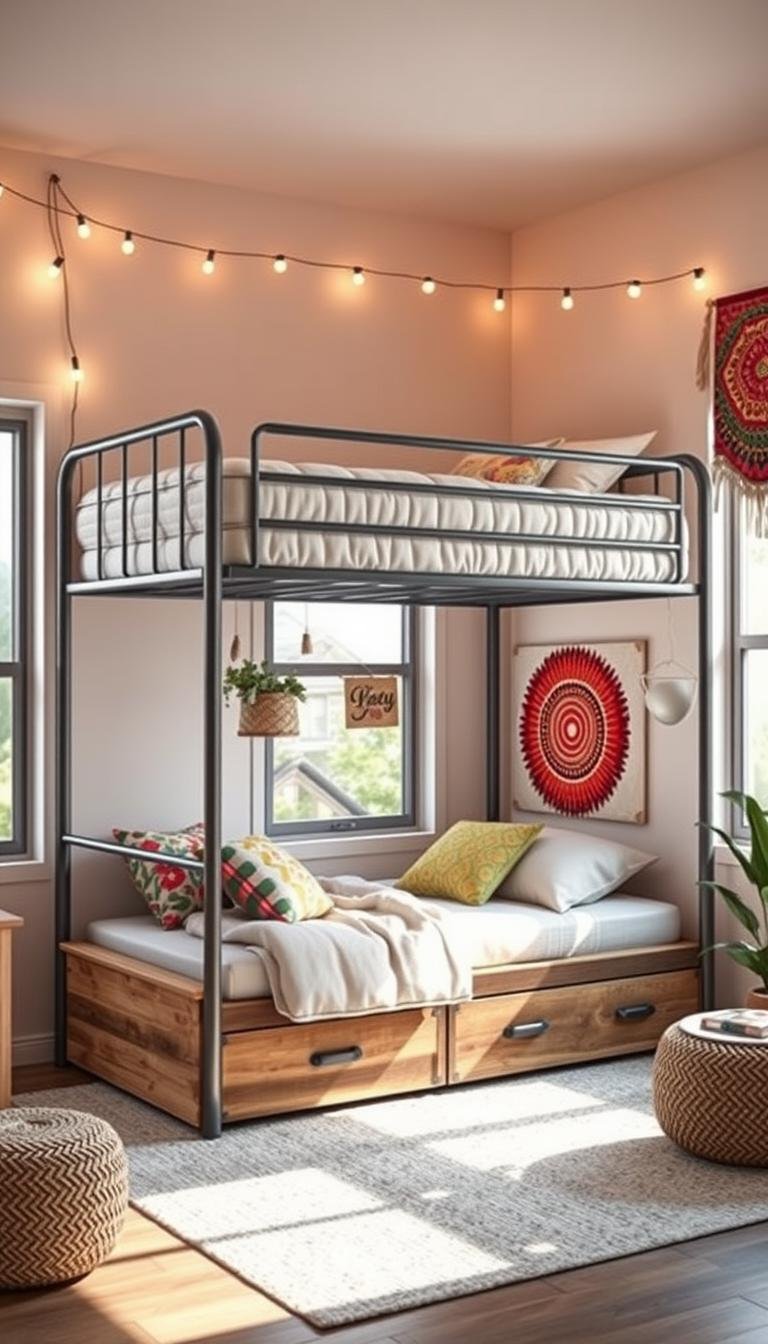
Anchor the bed to a solid wall
I placed the bed against a sturdy wall and kept the head away from any doorway. I also avoided pointing my feet toward openings to quiet restless chi.
Desk by light and view
My desk moved closer to a window so natural light and a small view boost focus. I angled the chair so the doorway stayed in my peripheral sight without forcing a direct line.
Use mirrors strategically
Where a direct sightline wasn’t possible, I added a mirror to reflect the entrance. That workaround kept the command feel without major furniture shifts.
“A well-placed piece of furniture helps energy move, and it helps you live better in the space.”
- Balance: Leave room on both sides of the bed for even energy and easy access.
- No under-bed storage: I cleared out beneath my bed so energy could circulate while I slept.
- Doors clear: I checked that every door opens fully without hitting furniture.
Let There Be Balanced Light: Windows, Lamps, and Color Temperature
Balanced lighting changed how every corner of my home felt, from kitchen mornings to quiet evenings. I started small and focused on three things: clean windows, layered lamps, and consistent bulb warmth.

Clean windows to amplify daylight and clarity
I cleaned windows regularly so more sun could fill each room. Bright natural light energized my living room and made colors read truer.
Layer multiple indirect lamps to soften shadows
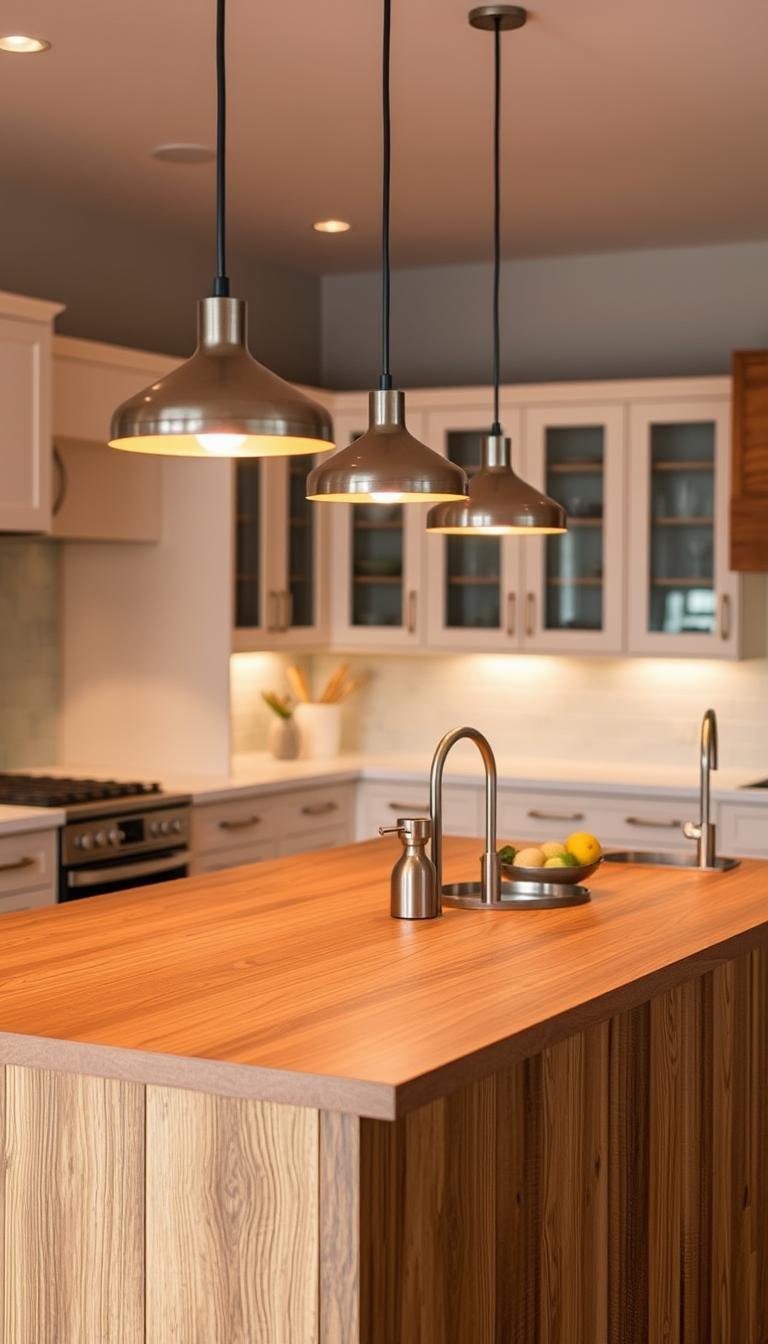
I used table lamps, floor lamps, and wall lights instead of a single harsh overhead. This layering mimicked natural light and banished hard shadows in the bedroom and living room.
Match bulb color temperature for consistency throughout a space
I swapped mismatched bulbs and set everything to 2700–3000K. The uniform warmth kept energy steady as I moved from desk to bed and through shared interior spaces.
- Desk by a window: I moved my desk so daylight falls on my face and helps me stay alert.
- Soften the bed area: I added shaded lamps and dimmers so evenings feel restful.
- Plants and position: I placed plants near windows without blocking light and kept leaves clean.
Good lighting is small design work with big returns — it brightens mood, lifts energy, and makes a house feel like home.
Smoother Flow, Better Energy: Layouts, Doors, and Daily Pathways
I traced my daily steps and noticed tiny frictions that added up by evening. Those small snags changed how chi moved through my home and how calm I felt.

Ensure every door opens at least 90 degrees
I checked that every door in my rooms opened a full 90 degrees and fixed any sticky hinges. Smooth hardware keeps opportunities open and stops a door from blocking movement.
Map my daily route and remove trip points and bottlenecks
I walked from my bed to the bathroom, kitchen, and entry, noting tight squeezes and warped rugs. I rolled up or replaced buckling runners and rerouted cords so feet never snagged.
Keep furniture from blocking windows and doors
I shifted sofas and tables away from windows and doors so light and fresh energy could enter. Slimmer pieces and wall-mounted storage freed inches that made a big difference.
“Clearing pathways made rooms feel larger and calmer, without buying anything new.”
- Quick reset habit: I put things back each evening so paths stayed clear the next morning.
- Open sightlines: I used lighter pieces and glass tops to keep flow without losing function.
Furniture That Fits the Room: Scale, Shape, and the Flow of Chi
I learned fast that right-sized pieces make a space feel intentional rather than accidental. When furniture matches a room’s proportions, movement becomes effortless and daily routines stay calm.

Match scale and shape to the layout
I measured each room and major piece before buying. That kept me from choosing tiny tables that looked lost or oversized coffee tables that blocked paths.
Favor graceful lines for better movement
I picked pieces with softer profiles and rounded corners in tight walkways so chi could circulate without hitting heavy forms.
- Leave breathing space: Pull sofas slightly off walls and allow clear walking zones around beds.
- Right-size the coffee table: Make standing and circling easy in the living room.
- Balance materials: Mix wood, metal, and fabric for grounded but lively interior design.
“Good furniture supports how I live — conversation, reading, or play — so the room feels both intentional and easy.”
What Are the Best Ways to Incorporate Feng Shui Principles into Modern Homes?
Small decor choices helped me balance energy across rooms without overhauling anything.

Balance the five elements with color, shape, and texture
I mapped the five elements into my interior design using simple cues. Wood shows as green and rectangular forms for growth. Fire appears in red, triangular accents for vitality. Earth uses square shapes and warm tones for stability. Metal brings round, white or gray items for clarity. Water shows as wavy lines and black or blue pieces for gentle flow.
Use mirrors to expand light and space
I placed mirrors in living room and dining areas to amplify daylight and widen sightlines. I avoided many mirrors in the bedroom to prevent overstimulation and restless energy.
Clear clutter and free the bed area
I edited clutter in short bursts and stopped storing things under my bed so sleep felt lighter and new opportunities could arrive. I cleaned windows regularly, fixed leaks fast, and chose objects mindfully to support flow.
- Quick ritual: diffuse citrus or visualize bright light when clearing a room.
- Pair objects: use matched items for partnership and balance.
Bring Spaces to Life: Plants, Water, and Energetic Clearing
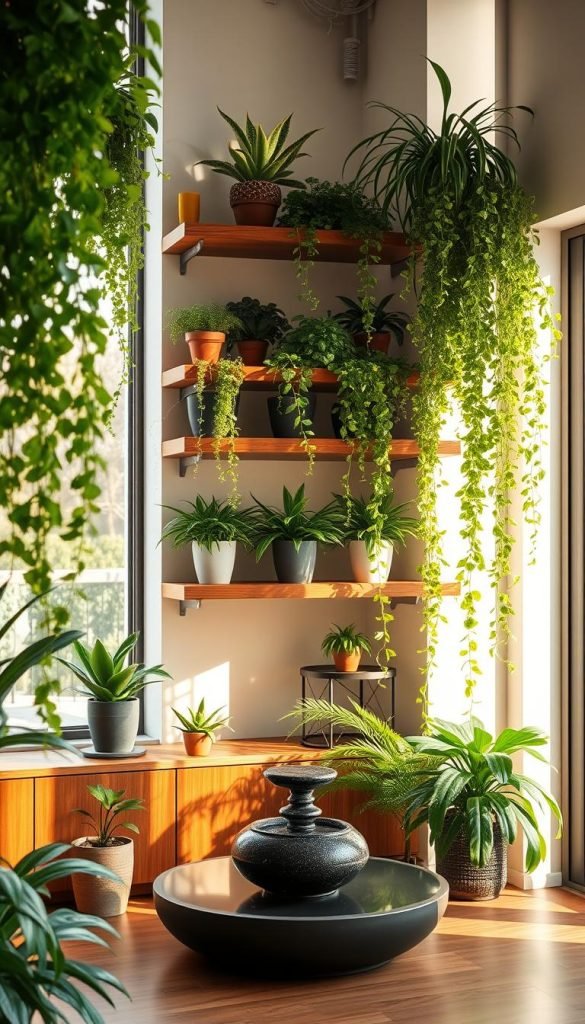
A small cluster of healthy plants in a previously dull corner made the whole area sing. I used greenery and simple rituals to lift mood and invite calm into my house.
Match species to light and care
I picked plants I could actually care for and matched each species to light levels. For low light I used golden pothos; for bright spots I chose succulents.
Water near the entry and quick repairs
I considered a small water feature by the front entry as a gentle wealth cue. I fixed any plumbing leaks immediately so the idea of flowing abundance stayed positive.
Simple space-clearing rituals with intention
I cleared a room with sweet orange oil, a bell, or a short visualization of bright white light. I always set a clear intention first and offered a quiet thank you afterward.
- Group plants to make soft green moments and keep leaves dust-free.
- Make plant care a weekly reset: water, rotate, and check soil.
- Place objects thoughtfully so living energy can move without crowding.
| Focus | Action | Result |
|---|---|---|
| Plants | Choose easy-care species; match light | Steady growth, low maintenance |
| Water | Small entry fountain; repair leaks | Symbolic flow, no loss |
| Clearing | Diffuser, bell, or visualization | Freshened energy and intent |
“Even a few healthy plants lifted my home’s energy and supported how I live.”
Little Habits, Big Harmony: Doors, Bathrooms, and Gratitude
Small habits around doors and bathrooms quietly changed how my house felt each day.
Maintain smooth door hardware and quiet hinges
I kept hinges oiled and handles tight so every entry felt calm and easy.
I keep a small kit with a screwdriver, oil, and extra bulbs so fixes happen right away.
Keep toilet lids down and bathroom doors closed to retain energy
I made it a simple rule: lids down, door closed. That reduced symbolic water loss and helped rooms feel contained.
I fixed any leaks immediately and did regular wet cleaning so the space stayed fresh and supportive.
Offer thanks to my home to reinforce support and harmony
I say a short thank you aloud or in my head when I tidy a place. That small ritual reminds me that home shelters my life and the people who share it.
- I avoid storing things under the bedroom so sleep feels lighter and clutter stays out of sight.
- I practice a quick nightly tidy in key spots so mornings begin with ease.
- These tiny acts added up, bringing steady harmony across each place in the house.
“Small, consistent care keeps energy flowing and makes a house feel like a true home.”
I used these simple feng shui habits and principles feng gently, and they kept routines calm without dramatic change.
Conclusion
I learned to listen to each room and make tiny shifts until energy felt right.
I began at the front door and kept moving: clear paths, a few measured layout changes, and a steady goal for every area. I set beds, my desk, and stove in a command position, matched warm bulbs (2700–3000K), and cleaned windows so light could do its work.
I balanced elements—earth for grounding, fire for vitality, wood for growth—and chose furniture that fit each space. I fixed leaks fast, avoided under-bed storage, kept small habits like lids down, and added plants I could care for.
Start with one step today—a light swap, a cleared entry, or a desk shift—and notice how momentum makes your house more supportive of daily life and lasting harmony.